The Modern Smile Makeover: A Patient's Guide to Cosmetic Dentistry Procedures
Published 21 min read
What Is a Modern Smile Makeover?
A smile makeover is a personalized, multi-step cosmetic dentistry plan that combines one or more procedures to improve the overall appearance of your smile. It can address tooth color, shape, alignment, and even the replacement of missing teeth — all while supporting your long-term oral health. Think of it less like a single dental appointment and more like a carefully designed roadmap, where each procedure plays a specific role in the bigger picture. Whether you want a subtle refresh or a dramatic transformation, a smile makeover gives you and your dentist a structured way to get there.
What makes a modern smile makeover truly stand out is how customized it is. Your dentist takes into account your facial features, your current dental condition, and — just as importantly — your personal aesthetic goals. No two smile makeovers look exactly alike, because no two patients are exactly alike. Stained teeth, chipped enamel, misaligned bites, uneven spacing, or missing teeth can all be addressed within a single coordinated treatment plan. The goal is not just a prettier smile, but one that fits your face and feels authentically yours.
Cosmetic vs. Restorative Dentistry: Understanding Your Options
It helps to understand the difference between cosmetic and restorative dentistry before diving into specific procedures. Cosmetic dentistry is primarily focused on improving the appearance of your teeth — things like color, shape, and proportion. Restorative dentistry, on the other hand, is focused on function and health, repairing or replacing teeth that are damaged, decayed, or missing. In practice, most smile makeovers blend both approaches, because a tooth that looks great but doesn't function properly isn't really a success. The best outcomes happen when aesthetics and health work together.
To put it in concrete terms: cosmetic treatments include teeth whitening, porcelain veneers, dental bonding, and gum contouring. Restorative treatments include dental crowns, bridges, and implants. In a modern smile makeover, these categories often overlap. For example, a dental crown can restore a cracked tooth while also improving its color and shape. A dental implant replaces a missing tooth for functional reasons, but it also fills the gap in your smile. Understanding which procedures fall into which category can also help you navigate insurance coverage — something we'll get into later.
Common Cosmetic Dentistry Procedures in a Smile Makeover
A modern smile makeover can draw from a wide menu of procedures, and most treatment plans include some combination of the following: professional teeth whitening, porcelain or composite veneers, dental bonding, orthodontics or clear aligners, dental crowns, bridges, and dental implants. Each of these targets a specific concern — whether that's discoloration, structural damage, alignment issues, or tooth loss. The beauty of a comprehensive makeover is that these procedures don't have to be done all at once; they can be staged over time to suit your schedule and budget.
Interestingly, the order in which procedures are performed matters quite a bit. Dentists typically follow a logical sequence to make sure each step sets up the next one for success. For example, whitening is usually done before veneers or crowns are fabricated, since the shade of your natural teeth influences how the restorations are color-matched. Similarly, if orthodontic work is needed, it's generally completed before veneers or bonding, since moving teeth after placing veneers could compromise the results. Good sequencing is what separates a thoughtful smile makeover from a patchwork of unrelated procedures.
Beyond the major procedures, a few adjunct treatments can make a significant difference in the final result. Gum contouring — reshaping the gum line — can improve tooth proportions and create a more balanced, symmetrical appearance. Tooth-colored composite fillings can replace old silver amalgam fillings, giving back teeth a more natural look. These smaller touches might not seem like a big deal on their own, but when combined with the primary procedures, they contribute to a smile that looks cohesive and polished from every angle.
Professional Teeth Whitening: Brightening Your Smile
Professional teeth whitening is one of the most popular and accessible cosmetic dentistry procedures available today. In-office whitening uses a higher concentration of bleaching agents — typically hydrogen peroxide or carbamide peroxide — than anything you'd find in a drugstore kit, which is why it delivers faster and more predictable results. It's especially effective for extrinsic stains, meaning the kind caused by external factors like coffee, tea, red wine, and smoking. If your teeth are generally healthy but have lost their brightness over time, professional whitening is often the most efficient place to start.
During a whitening session, patients can expect the process to take anywhere from 60 to 90 minutes, depending on the system used. Your dentist will protect your gums before applying the whitening gel, and some systems use a special light to activate the bleaching agent. Tooth sensitivity is a common side effect, particularly in the 24 to 48 hours following treatment, though it's usually temporary and manageable. Most patients see a noticeable improvement of several shades in a single visit, making whitening a satisfying first step in a broader smile makeover plan.
Maintaining your whitening results takes a bit of effort, but it's absolutely doable. Limiting foods and drinks that stain — like coffee, berries, and dark sauces — goes a long way, as does avoiding tobacco products. Periodic touch-up treatments, either in-office or with custom take-home trays provided by your dentist, can keep your smile bright over time. One important planning note: whitening should always be completed before any veneers, crowns, or bonding are fabricated, since these materials are color-matched to your teeth and won't respond to bleaching agents afterward. Getting the shade right first ensures everything looks consistent in the end.
Dental Veneers and Bonding: Reshaping Imperfect Teeth
Dental veneers are ultra-thin shells — typically made from porcelain or composite resin — that are bonded to the front surface of your teeth to dramatically improve their appearance. They're one of the most versatile tools in cosmetic dentistry, capable of correcting chips, cracks, severe discoloration that whitening can't fix, gaps between teeth, and even minor misalignment. Porcelain veneers, in particular, are prized for their lifelike translucency and their ability to mimic the natural look of tooth enamel. For many patients, veneers are the centerpiece of their entire smile makeover.
Dental bonding offers a more minimally invasive and cost-effective alternative for patients with smaller cosmetic concerns. In this procedure, a tooth-colored composite resin is applied directly to the tooth, sculpted into shape, and hardened with a curing light — all in a single visit. Bonding works well for small chips, hairline cracks, minor gaps, and surface discoloration. Because it typically requires little to no removal of existing tooth structure, it's a great option for patients who want to improve their smile without committing to a more involved procedure. It's also a popular choice for younger patients whose smiles are still developing.
So how do dentists decide between veneers and bonding? The answer usually comes down to the extent of the cosmetic issue, the patient's budget, and how long they want the results to last. Porcelain veneers are more durable — lasting 10 to 15 years or longer with proper care — and tend to resist staining better than composite resin. Bonding, while less expensive upfront, may need to be touched up or replaced more frequently, typically within 5 to 7 years. Both are valid options within a smile makeover, and in some cases, a dentist might recommend bonding on certain teeth and veneers on others, depending on what each tooth actually needs.
Orthodontics and Clear Aligners: Straightening Teeth the Modern Way
Straight teeth aren't just about looks — they also affect how your bite functions and how easy your teeth are to keep clean. Modern orthodontic options include traditional metal braces and clear aligner therapy, with systems like Invisalign being among the most well-known. Both approaches work by gradually shifting teeth into better positions, correcting crowding, spacing issues, and bite problems that can affect both the appearance and long-term health of your smile. For many patients, orthodontic treatment is a foundational step in the smile makeover process.
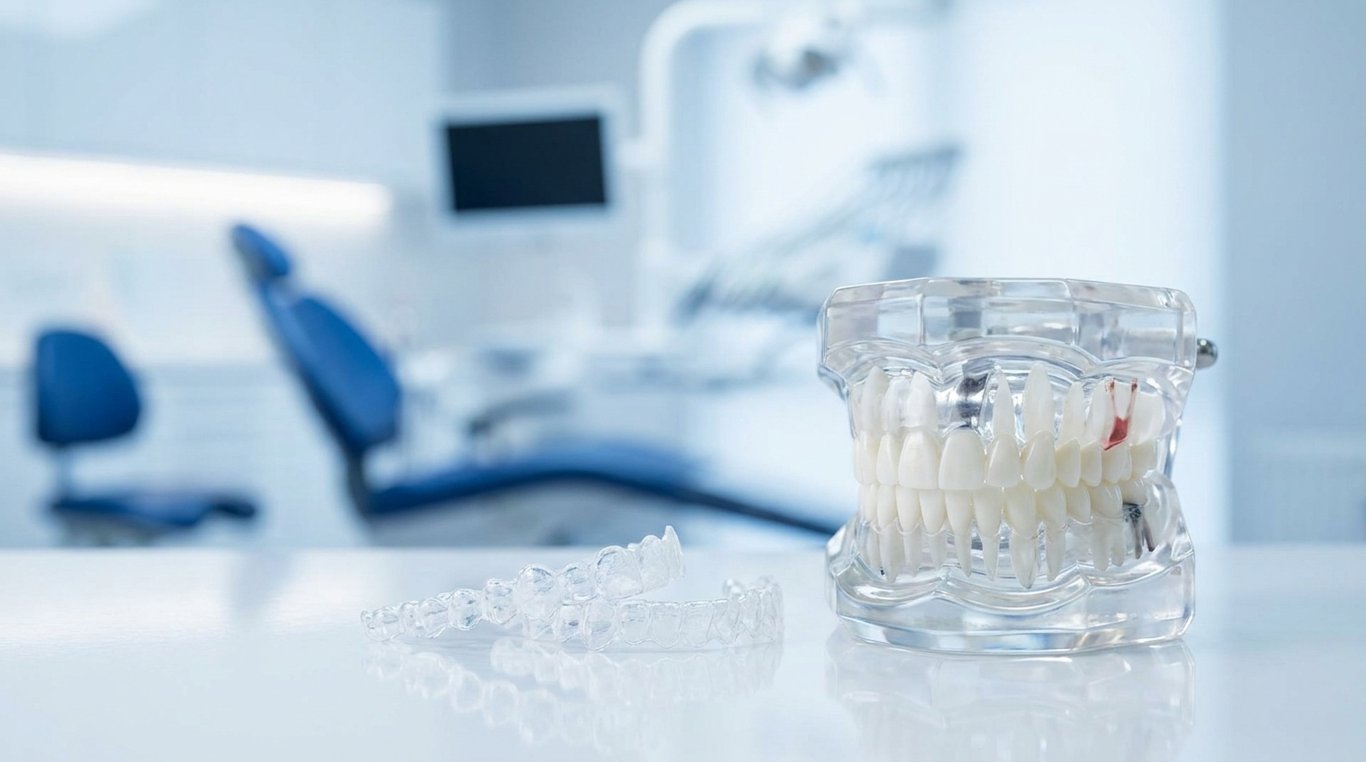
Clear aligners have become incredibly popular in recent years, and for good reason. They're nearly invisible, which makes them a much more discreet option than traditional braces for adults and teens. They're also removable, so you can eat, brush, and floss without any extra hassle. Treatment involves a series of custom-made aligner trays, each one moving your teeth slightly closer to their final position. Within a smile makeover, clear aligners are often used in the earlier stages of treatment, creating the proper alignment needed before veneers, bonding, or other cosmetic work is placed.
The length of orthodontic treatment varies depending on how much correction is needed — mild cases might wrap up in as little as six months, while more complex alignment issues can take a year or two. After treatment is complete, retention is essential; wearing a retainer as directed by your dentist prevents teeth from drifting back toward their original positions. Getting alignment right before other cosmetic procedures is a smart investment, because straight, well-positioned teeth give veneers and bonding a cleaner, more symmetrical surface to work with, leading to more predictable and beautiful results overall.
Crowns, Bridges, and Dental Implants: Rebuilding Damaged or Missing Teeth
When a tooth is severely damaged, heavily filled, or structurally compromised, a dental crown is often the best way to protect it while also restoring its appearance. A crown is a custom-made cap that fits over the entire visible portion of the tooth, covering damage and reinforcing the structure beneath. Modern crowns are typically made from tooth-colored ceramic or zirconia, so they blend seamlessly with surrounding teeth. Bridges, meanwhile, use two crowns on adjacent teeth as anchors to support a false tooth in between, effectively replacing one or more missing teeth without surgery.
Dental implants represent the gold standard for replacing missing teeth, and they play an increasingly important role in modern smile makeovers. An implant consists of a titanium post that is surgically placed into the jawbone, where it fuses with the bone over time — a process called osseointegration. Once healed, a custom crown is attached to the top of the implant, creating a replacement tooth that looks, feels, and functions like a natural one. Beyond aesthetics, implants also preserve jawbone density, which tends to deteriorate when a tooth is lost. This makes them both a cosmetic and a health-focused solution.
Choosing between a bridge and an implant involves weighing several factors. Bridges are less invasive and less expensive upfront, and they can often be completed in just a few weeks. Implants require surgery and a healing period that can span several months, but they tend to last significantly longer — often decades — and they don't require altering the adjacent teeth the way a bridge does. From a bone preservation standpoint, implants are clearly superior. Your dentist will consider the health of your surrounding teeth, your bone density, your budget, and your overall treatment timeline when recommending the best option for your specific situation.
Gum Contouring and Smile Symmetry: The Role of Soft Tissue
When most people think about smile makeovers, they focus on the teeth — but the gum line plays a surprisingly big role in how a smile looks. Gum contouring, also called gum reshaping, is a procedure that removes or repositions excess gum tissue to improve the proportions of your teeth and create a more balanced, symmetrical smile. If your gums cover too much of your teeth, your smile can appear "gummy" or your teeth can look short and stubby. A simple gum contouring procedure can reveal more of the tooth surface and make a dramatic difference in how your overall smile is perceived.
Gum contouring is most often recommended for patients with a gummy smile or an uneven gum line where some teeth appear longer or shorter than others. The procedure is typically performed using a soft tissue laser, which allows for precise shaping with minimal bleeding and a faster recovery than traditional surgical methods. In a smile makeover context, gum contouring is frequently paired with veneers, crowns, or bonding to create a truly harmonious result. After all, the most beautifully crafted veneers won't look their best if the gum line framing them is uneven or disproportionate.
Planning Your Smile Makeover: Consultation, Digital Imaging, and Customization
The planning phase of a smile makeover is just as important as the procedures themselves, and it all starts with a thorough cosmetic consultation. During this initial visit, your dentist will perform a comprehensive clinical examination, review your medical and dental history, and take the time to understand your aesthetic goals and any functional concerns you might have. This is your opportunity to be open about what you like and dislike about your current smile, and to ask questions about what's realistically achievable. A good cosmetic dentist listens as much as they advise.
Modern technology has made the planning process more transparent and collaborative than ever before. Many cosmetic dentists use digital photography, digital smile design software, or physical mock-ups to give patients a preview of what their results might look like before any work begins. These tools help set realistic expectations and allow you to provide input on things like tooth shape, length, and color before anything is finalized. Some offices even create temporary veneers or bonding that you can wear for a few weeks to "test drive" your new smile — a process sometimes called a smile trial or provisional restoration.
Of course, the final treatment plan is shaped by a number of practical factors beyond just aesthetics. Your natural tooth color and shading influence what materials will look most natural. Your facial features — the shape of your lips, the width of your smile, the symmetry of your face — inform decisions about tooth proportions and length. Budget and timeframe are real considerations too, and a good cosmetic dentist will work with you to prioritize procedures and phase treatment in a way that makes sense for your life. The goal is a plan that's not just beautiful on paper, but actually achievable for you.
Costs, Financing, and Insurance Considerations
One of the first questions patients ask about smile makeovers is, understandably, "How much is this going to cost?" The honest answer is that it varies widely. The total cost of a smile makeover depends on the type and number of procedures involved, the materials used, the complexity of your case, and where you live. A simple makeover involving whitening and bonding might cost a few hundred dollars, while a comprehensive plan that includes veneers, implants, and orthodontics could run into the tens of thousands. Getting a detailed, itemized treatment estimate from your dentist is essential before committing to anything.
When it comes to insurance, the landscape can be frustrating for cosmetic dentistry patients. Most dental insurance plans do not cover procedures that are considered purely cosmetic — like veneers or whitening — since they're viewed as elective rather than medically necessary. However, some restorative procedures that are part of a smile makeover, such as crowns or implants, may be partially covered if there's a functional or health-related reason for them. It's worth calling your insurance provider before your consultation to understand exactly what your plan covers, and always ask your dental office for a written treatment estimate so there are no surprises.
Fortunately, most dental offices offer flexible ways to make smile makeovers more financially accessible. Many practices offer in-house payment plans, and third-party financing options like CareCredit or Lending Club allow patients to spread costs over time with low or no interest promotional periods. Another smart strategy is to phase your treatment — starting with the most urgent or impactful procedures and adding others over subsequent months or years. This approach lets you work toward your ideal smile without having to tackle the entire financial commitment all at once, making the process feel a lot more manageable.

Risks, Longevity, and Maintenance of Your New Smile
Like any dental or medical procedure, smile makeover treatments come with some potential risks and side effects worth knowing about in advance. Tooth sensitivity is one of the most common complaints after whitening, and it usually resolves within a day or two. Veneers and bonding can chip or crack if subjected to excessive force — like biting your nails or chewing on hard objects. Dental implants involve a surgical procedure, which carries standard surgical risks like infection or implant failure, though these complications are relatively rare when the procedure is performed by a qualified professional. Being informed about these possibilities helps you make confident, realistic decisions.
The longevity of your smile makeover results depends significantly on the procedures performed and the materials used. Professional whitening results can last anywhere from several months to a couple of years before touch-ups are needed. Composite bonding typically lasts 5 to 7 years before it may need to be repaired or replaced. Porcelain veneers, with proper care, can last 10 to 15 years or longer. Dental crowns have a similar lifespan. Dental implants are the longest-lasting option — with good oral hygiene and regular dental care, they can last 20 years or more, and many last a lifetime. Material quality and your personal habits both play a major role in how long your results hold up.
Protecting your investment in a smile makeover comes down to consistent, everyday habits. Brushing twice a day with a soft-bristled toothbrush and fluoride toothpaste, flossing daily, and rinsing with an antibacterial mouthwash are the basics — but they matter enormously. Limiting staining foods and beverages, quitting smoking, and avoiding habits like teeth grinding (which your dentist can address with a custom night guard) all help preserve your results. Scheduling regular professional cleanings and checkups — typically every six months — allows your dentist to catch any early issues before they become bigger problems. A smile makeover is an investment, and like any investment, it rewards those who take care of it.
Am I a Good Candidate for a Modern Smile Makeover?
Most adults who are unhappy with the appearance of their smile are potential candidates for a smile makeover, but there are some important criteria to consider. Generally speaking, good candidates have teeth and gums that are in reasonably healthy condition, hold realistic expectations about what cosmetic dentistry can achieve, and are committed to maintaining good oral hygiene before and after treatment. Specific cosmetic concerns — like staining, chipping, misalignment, gaps, or missing teeth — are exactly what a smile makeover is designed to address. The more clearly you can articulate what bothers you about your smile, the more effectively your dentist can design a plan to fix it.
That said, underlying dental health issues must be addressed before any cosmetic work begins. If you have active gum disease, untreated cavities, or significant bone loss, those conditions need to be treated first — placing veneers or implants in an unhealthy mouth is like building on a shaky foundation. This is why a thorough examination and consultation are so important before any cosmetic plan is finalized. Your dentist needs the full picture of your oral health to determine which procedures are safe, appropriate, and likely to give you lasting results. Think of the health phase not as a delay, but as the preparation that makes everything else possible.
Frequently Asked Questions About Modern Smile Makeovers
Patients considering a smile makeover often have a lot of questions — and that's completely understandable. This FAQ section addresses some of the most common concerns people bring to their cosmetic dentistry consultations, drawing from the kinds of questions that come up again and again when patients start exploring their options. Whether you're just starting to research or you're ready to book your first appointment, these answers are meant to give you a clearer picture of what to expect.
FAQ 1: What procedures are typically included in a modern smile makeover?
A modern smile makeover can include a wide range of procedures depending on your individual needs and goals. Common treatments include professional teeth whitening, porcelain or composite veneers, dental bonding, orthodontics or clear aligner therapy, dental crowns, bridges, and dental implants. Some plans also incorporate gum contouring or tooth-colored fillings to enhance overall symmetry. The exact combination is completely customized — your dentist will recommend the procedures that make the most sense for your specific dental condition, aesthetic preferences, and budget. No two smile makeovers are identical, which is kind of the whole point.
FAQ 2: How long does a smile makeover usually take from start to finish?
Treatment length varies quite a bit depending on the complexity of your case and which procedures are involved. A simple makeover — like whitening combined with a few bonding touch-ups — might be completed in just one or two visits. Veneers and crowns typically require two to three appointments over a few weeks. If orthodontics are part of your plan, that phase alone can take anywhere from six months to two years. Dental implants require a healing period after the post is placed, which can add several months to the timeline. All told, a comprehensive smile makeover can take anywhere from a few weeks to well over a year, but the results are designed to last.
FAQ 3: Will my smile makeover look natural, or will people notice I've had work done?
Modern cosmetic dentistry has come a long way in terms of materials and technique, and the goal is always a result that looks natural and fits your face — not one that screams "dental work." Porcelain veneers and crowns are crafted to match the color, shape, and translucency of natural teeth. Composite bonding is color-matched to blend seamlessly with surrounding enamel. Your dentist takes your facial features, skin tone, and lip line into account when designing your smile. Most people who undergo a smile makeover find that friends and family simply notice they look healthier and more confident — not that they've had procedures done.
FAQ 4: Is a smile makeover painful or invasive?
The level of discomfort and invasiveness varies depending on the procedures included in your plan. Whitening and bonding are among the least invasive cosmetic procedures, with little to no discomfort beyond mild post-treatment sensitivity. Veneers require a small amount of enamel to be removed from the tooth surface, which is done under local anesthesia. Crowns involve more preparation, also performed with anesthesia. Dental implants are a surgical procedure that requires local anesthesia and sometimes sedation, followed by a recovery period. The good news is that modern dentistry offers a range of comfort options — including nitrous oxide and oral sedation — to help even the most anxious patients get through treatment comfortably.
FAQ 5: How long will my results last, and what can I do to maintain them?
Longevity depends on the procedures performed and how well you take care of your smile afterward. Whitening results may need touch-ups every year or two. Composite bonding can last 5 to 7 years before it needs to be refreshed. Porcelain veneers and crowns typically last 10 to 15 years or more with proper care. Dental implants, when well-maintained, can last decades. The single biggest factor in extending the life of your smile makeover is consistent home care — brushing, flossing, avoiding habits that damage teeth, and keeping up with regular dental visits. Your dentist is your long-term partner in maintaining the results, so staying connected with your dental team matters just as much as the procedures themselves.
Conclusion: Taking the Next Step Toward Your Modern Smile Makeover
The Modern Smile Makeover: A Patient's Guide to Cosmetic Dentistry Procedures has walked you through the full landscape of what today's cosmetic dentistry can offer — from professional whitening and veneers to clear aligners, crowns, bridges, and dental implants. Each of these procedures has a specific role to play, and when they're thoughtfully combined in a personalized treatment plan, the result is a smile that looks natural, functions well, and supports your overall oral health. Understanding your options — from the planning process and realistic costs to long-term maintenance — puts you in a much stronger position to make informed decisions about your smile transformation.
Use The Modern Smile Makeover: A Patient's Guide to Cosmetic Dentistry Procedures as your starting point, but don't stop here. The next step is scheduling a consultation with a qualified cosmetic dentist who can evaluate your specific situation, discuss which procedures align with your goals and timeline, and help you build a plan that fits your budget. Modern smile makeovers are highly customizable, blend cosmetic and restorative care seamlessly, and — with the right maintenance habits — can deliver results that last for years. Most importantly, they're designed to give you a smile that feels like the best version of you. You deserve to feel confident every time you walk into a room, and the right dental team can help you get there.