The Future is Now: A Guide to High-Tech Dentistry and What It Means for Your Visit
Published 23 min read
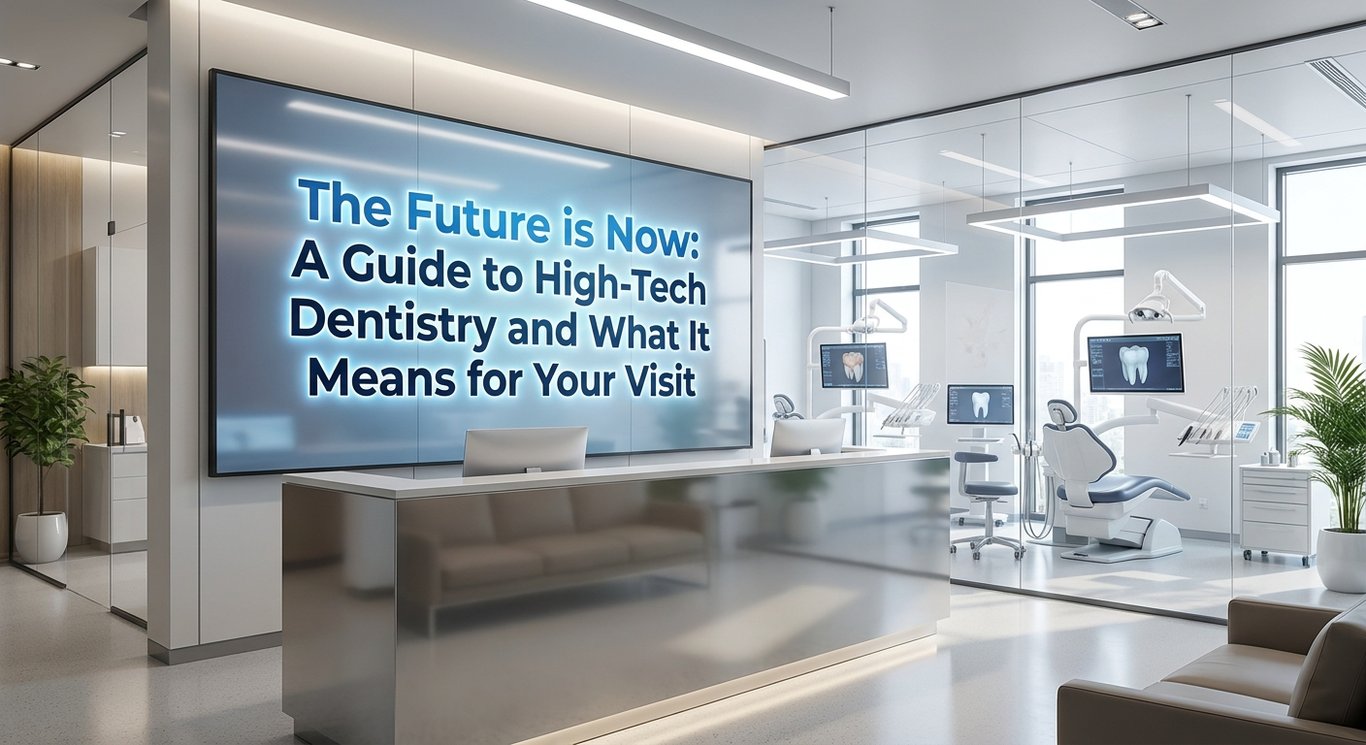
Dentistry has come a long way from the days of metal trays filled with gooey impression material and the dreaded whir of a slow-speed drill. Today, walking into a modern dental office can feel more like stepping into a tech startup than a traditional healthcare setting. Digital scanners, artificial intelligence, 3D printers, and laser tools are no longer science fiction — they are showing up in dental practices around the world, and they are quietly changing what it means to take care of your teeth.
This guide is designed to help you understand exactly what high-tech dentistry looks like in practice, and more importantly, what it means for you as a patient. Whether you are curious about same-day crowns, nervous about AI reading your X-rays, or just wondering why your dentist now hands you a pair of goggles before a procedure, you are in the right place. By the end, you will have a clear picture of the tools shaping modern oral care and how to make the most of them at your next appointment.
Understanding the Shift to High-Tech Dentistry
From traditional drills to digital tools: how dentistry is changing
For most of its history, dentistry relied on mechanical tools, physical impressions, and the trained eye of a clinician working largely by feel and experience. That model served patients reasonably well, but it had real limitations — impressions were uncomfortable, X-rays were imprecise, and diagnosing problems early was genuinely difficult. Over the past two decades, digital imaging, laser technology, and AI-powered diagnostics have begun replacing or supplementing many of those older methods. The result is a field that is faster, more data-driven, and more capable of catching problems before they become serious.
This shift matters for patients in very practical ways. Procedures that once required multiple visits can now be completed in one. Diagnoses that once depended entirely on a dentist's interpretation of a blurry film X-ray can now be supported by high-resolution 3D images and computer analysis. A high-tech dental visit simply feels different — quieter in some cases, quicker in others, and generally more comfortable from start to finish. If you have not been to the dentist in a few years, you might be pleasantly surprised by how much has changed.
Why technology is becoming central to your dental experience
Beyond convenience, technology is becoming central to dentistry because it supports something that patients and providers both care deeply about: catching problems early. Modern tools make it possible to detect cavities, gum disease, and structural changes in the jaw at stages when treatment is simpler and less invasive. At the same time, patients today expect more from their healthcare experiences — they want transparency, efficiency, and a sense that their care is tailored to them specifically. Digital tools help practices meet those expectations by providing clearer information, faster results, and more personalized treatment plans that reflect each patient's unique anatomy and history.
Digital Imaging, 3D Scanning, and X-Ray Innovations
What happens when you get a digital dental scan?
If your dentist has recently swapped out the traditional putty impression for a small wand-like device, you have already experienced digital scanning firsthand. Intraoral scanners use light or laser technology to capture thousands of data points inside your mouth, building a precise 3D model of your teeth and gums in real time — no gagging on impression trays required. Cone beam CT imaging takes this a step further, producing detailed three-dimensional views of your entire jaw, teeth roots, nerves, and bone structure. Together, these tools give your dentist a level of detail that simply was not possible with older methods, and they do it far more comfortably.
Benefits of modern imaging for diagnosis and treatment planning
High-resolution digital imaging has made early detection significantly more reliable. Dentists can now spot cavities forming between teeth, identify early signs of bone loss around the roots, and detect structural issues in the jaw that would have been easy to miss on a traditional two-dimensional X-ray. Because the images are clearer and more detailed, the margin for diagnostic error shrinks considerably, which means patients are less likely to receive unnecessary treatment or, just as importantly, to have a real problem go unnoticed until it becomes serious.
These same images also play a central role in planning complex procedures. When a dentist is preparing to place a dental implant, for example, a cone beam CT scan provides the precise measurements needed to position it safely, avoiding nerves and ensuring the bone can support it properly. For orthodontic work or restorative procedures, digital scans feed directly into CAD/CAM systems and AI platforms that help design the final restoration or treatment path with a level of accuracy that manual methods simply cannot match. The imaging is not just a diagnostic tool — it is the foundation for everything that follows.
Artificial Intelligence: Smarter Diagnoses and Personalized Care
How AI looks at your X-rays and records
Artificial intelligence in dentistry works a bit like a second set of highly trained eyes. AI systems are fed thousands — sometimes millions — of dental images and clinical records during their development, which allows them to learn what early-stage cavities, gum disease, bone loss, and other conditions look like across a huge range of patients. When your dentist runs your X-rays through one of these systems, the AI flags areas of concern, highlights subtle changes that might be easy to overlook, and adds that information to the clinical picture your dentist is building. It is particularly good at catching things that are easy to miss when a provider is working quickly or when the signs are still very early.
What AI means for your visit and treatment plan
One of the most meaningful contributions AI makes is helping to standardize diagnoses. Even skilled clinicians can interpret images differently depending on experience, fatigue, or the specific angle of a scan. AI helps reduce that variability by applying consistent analytical criteria every time. This supports your dentist in designing treatment plans that are more accurate and better tailored to your specific situation — whether that means recommending a filling at just the right stage, adjusting the approach for orthodontic treatment, or identifying a pattern that suggests a higher risk for future problems.
A question that comes up often is whether AI is going to replace dentists, and the short answer is no. AI is a decision-support tool, not a decision-maker. It processes data and highlights patterns, but it does not examine your mouth, talk to you about your symptoms, or make judgment calls that require clinical experience and human understanding. What it does do is make your dentist's job more efficient and your visit more informative. Think of it less as a replacement and more as a very capable assistant that helps ensure nothing gets missed.
CAD/CAM, 3D Printing, and Same-Day Restorations
What to expect from same-day crowns and on-demand appliances
CAD/CAM stands for computer-aided design and computer-aided manufacturing, and it has genuinely transformed the way dental restorations are made. In practices equipped with this technology, your dentist can scan your tooth digitally, design a custom crown, inlay, or veneer on a computer screen, and then mill that restoration from a ceramic block right in the office — often within an hour or two. That means no temporary crown, no second appointment, and no waiting two weeks for a lab to send something back. You come in with a broken tooth and leave with a permanent restoration. It is one of the most patient-friendly advances in modern dentistry.
3D printing takes a similar approach but opens the door to an even wider range of applications. Custom surgical guides for implant placement, orthodontic aligners, night guards, partial dentures, and other appliances can all be printed in-house with remarkable precision. Because the designs are based on your exact digital scans, the fit tends to be better than with traditionally fabricated appliances, and the turnaround time is dramatically shorter. For patients who have previously dealt with poorly fitting dentures or aligners that needed constant adjustments, this improvement in fit and speed is a significant quality-of-life upgrade.
How this technology changes your timeline and costs
From a practical standpoint, same-day restorations and in-office fabrication mean fewer appointments, less time off work, and less of the general hassle that comes with multi-visit treatment plans. You also avoid the uncomfortable period of wearing a temporary restoration that might fall off or feel awkward. On the cost side, the picture is a bit more nuanced — practices with CAD/CAM equipment have made a significant investment in that technology, and pricing varies. However, when you factor in the value of fewer visits, reduced risk of complications from temporary restorations, and the precision of the final product, many patients find that same-day solutions offer strong long-term value even if the upfront cost is comparable to traditional approaches.
Laser Dentistry and Minimally Invasive Treatments
What laser treatments feel like compared to traditional tools
Dental lasers use highly focused beams of light to treat both soft tissue — like gums — and hard tissue, including tooth enamel and dentin. For many patients, the most immediately noticeable difference compared to a conventional drill is the absence of vibration and the significant reduction in noise. The high-pitched whine of a drill is one of the most anxiety-inducing parts of a dental visit for a lot of people, and lasers simply do not produce that sound. Treatment tends to feel gentler, and many patients report less discomfort during and after laser procedures than they expected.
In practical terms, dental lasers are used for cavity removal, gum reshaping, treatment of gum disease, and a range of other soft-tissue procedures. In some cases — particularly for smaller cavities or minor gum work — patients find they do not need anesthesia at all, which is a genuine game-changer for those who are anxious about needles. Recovery times also tend to be faster with laser treatments, partly because lasers cauterize as they work, which reduces bleeding and minimizes trauma to the surrounding tissue. It is not a universal experience, and some procedures still require traditional tools, but for the right cases, lasers offer a noticeably more comfortable alternative.
Clinical benefits and limitations of laser dentistry
The clinical advantages of laser dentistry are well-documented: greater precision, minimal bleeding, reduced risk of infection, and faster healing times compared to many traditional approaches. That said, lasers are not a solution for every situation. Not all procedures are appropriate for laser treatment, and the effectiveness of laser dentistry depends heavily on the type of laser being used, the specific condition being treated, and the skill and training of the dentist operating the equipment. A laser in the hands of someone who is not properly trained can cause harm, just like any other dental tool. Patients should feel comfortable asking their dentist about their experience with laser procedures and whether their particular case is a good candidate for this approach.
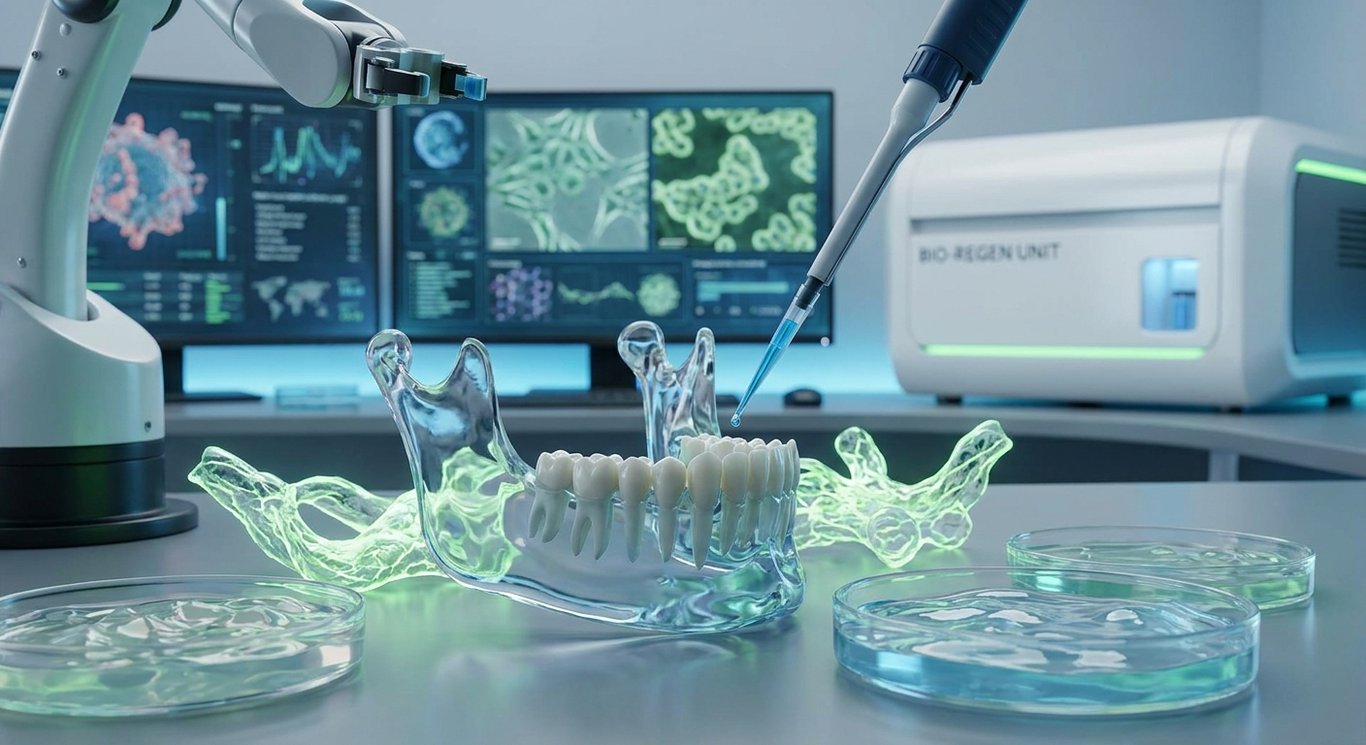
Regenerative Dentistry, Biologics, and the Future of Healing
What regenerative dentistry aims to do
Regenerative dentistry is built on a compelling idea: instead of replacing damaged or lost tissue with artificial materials, what if we could encourage the body to repair itself? Using stem cells, growth factors, and specially engineered bioactive materials, researchers and clinicians are working toward treatments that stimulate natural regeneration of tooth pulp, gum tissue, and even bone. The goal is to move away from a purely restorative model — where lost tissue is simply substituted — toward a biological model where the body does more of the healing on its own, potentially reducing the need for implants, grafts, and other artificial replacements over time.
Current applications and what's still experimental
Some regenerative approaches are already being used in clinical settings, even if they are not yet widely available in every dental office. Pulp regeneration — encouraging the living tissue inside a tooth to regrow after damage — is an active area of development, particularly for younger patients whose teeth are still developing. Bone graft procedures have also been enhanced with growth factors and biologically active materials that help the body integrate grafts more effectively, which is especially relevant for patients preparing for dental implants. Guided tissue regeneration, which uses barrier membranes to encourage the regrowth of bone and connective tissue around teeth affected by gum disease, is another approach that has moved from experimental to clinical use in recent years.
However, it is important to be realistic about where regenerative dentistry currently stands. Many of the most exciting developments — including techniques for fully regrowing a lost tooth — remain in early research phases or are only available in specialized academic and research centers. The gap between a promising laboratory result and a widely available clinical treatment can be significant, often spanning years or even decades of additional study and regulatory review. Patients who hear about regenerative dentistry should approach it with genuine interest but also measured expectations, understanding that what is available in a general dental practice today is just the beginning of what this field may eventually offer.
Teledentistry, Virtual Consults, and Connected Oral Care
What happens during a virtual dental consultation?
A virtual dental consultation typically starts with you connecting to your dentist via a secure video platform, similar to a telehealth visit with a physician. You might be asked to submit photos of your teeth taken with your smartphone, describe your symptoms in detail, or share existing X-rays or scan files. From there, the dentist reviews what you have sent, asks follow-up questions, and helps determine whether your concern can be addressed remotely — perhaps through a prescription or a recommendation — or whether an in-person visit is necessary. It is not a replacement for a full examination, but it is a genuinely useful first step that can save time and help prioritize care appropriately.
Benefits for access, convenience, and follow-up care
One of the most significant benefits of teledentistry is what it does for access. Patients in rural areas who live hours from the nearest dental office, individuals with mobility limitations, and people with demanding schedules who struggle to take time off for appointments can all benefit from the ability to consult with a dental professional without traveling. Teledentistry also works well for follow-up care — checking in after a procedure, monitoring healing, or reviewing whether a concern that arose between appointments needs immediate attention. It keeps the lines of communication open in a way that traditional office-only models simply cannot match.
Beyond virtual consultations, connected oral care is extending into patients' daily lives through smart devices. Smart toothbrushes, connected mouthguards, and dedicated oral health apps can track brushing habits, measure coverage, monitor pH levels in saliva, and even detect early signs of plaque buildup. Some of these tools sync with smartphone apps and can share data with dental providers, giving your dentist a more complete picture of your oral health between visits. It is a shift from reactive care — treating problems after they appear — toward genuinely preventive care that catches issues before they ever become clinical concerns.
Smart Devices, AR/VR, and Patient Education
Smart toothbrushes, mouthguards, and wearables in your daily routine
Smart toothbrushes have moved well beyond the novelty stage. Modern versions use built-in sensors and Bluetooth connectivity to track how long you brush, how much pressure you apply, which areas of your mouth you are covering, and whether you are using the right technique. This information feeds into a smartphone app that gives you real-time feedback and tracks your habits over time. For patients who have been told repeatedly that they are not brushing long enough or are missing certain areas, having objective data rather than a reminder from a hygienist every six months can be genuinely motivating and effective at driving behavior change.
Looking a bit further ahead, smart mouthguards and oral health wearables represent an exciting frontier. Researchers are developing devices that can monitor changes in saliva chemistry, detect early markers of inflammation or bacterial imbalance, and track grinding habits during sleep. While many of these technologies are still in development or limited to research settings, they hold real promise for patients who are at higher risk for gum disease, tooth decay, or temporomandibular joint problems. The idea is to give both patients and providers a continuous stream of data that makes oral health monitoring as routine and informative as tracking your steps or heart rate.
AR/VR tools for reducing anxiety and improving understanding
Augmented and virtual reality are finding a natural home in dental offices, particularly for two purposes: education and anxiety management. On the education side, AR tools can overlay visual explanations onto a patient's actual scan, helping them understand exactly where a cavity is located or why a particular treatment is being recommended. VR goes a step further by placing patients in immersive environments — a beach, a forest, or a calm virtual space — during procedures, providing a distraction that has been shown to meaningfully reduce anxiety and the perception of pain. For patients who have avoided the dentist for years because of fear or past negative experiences, these tools represent a genuinely compassionate application of technology.
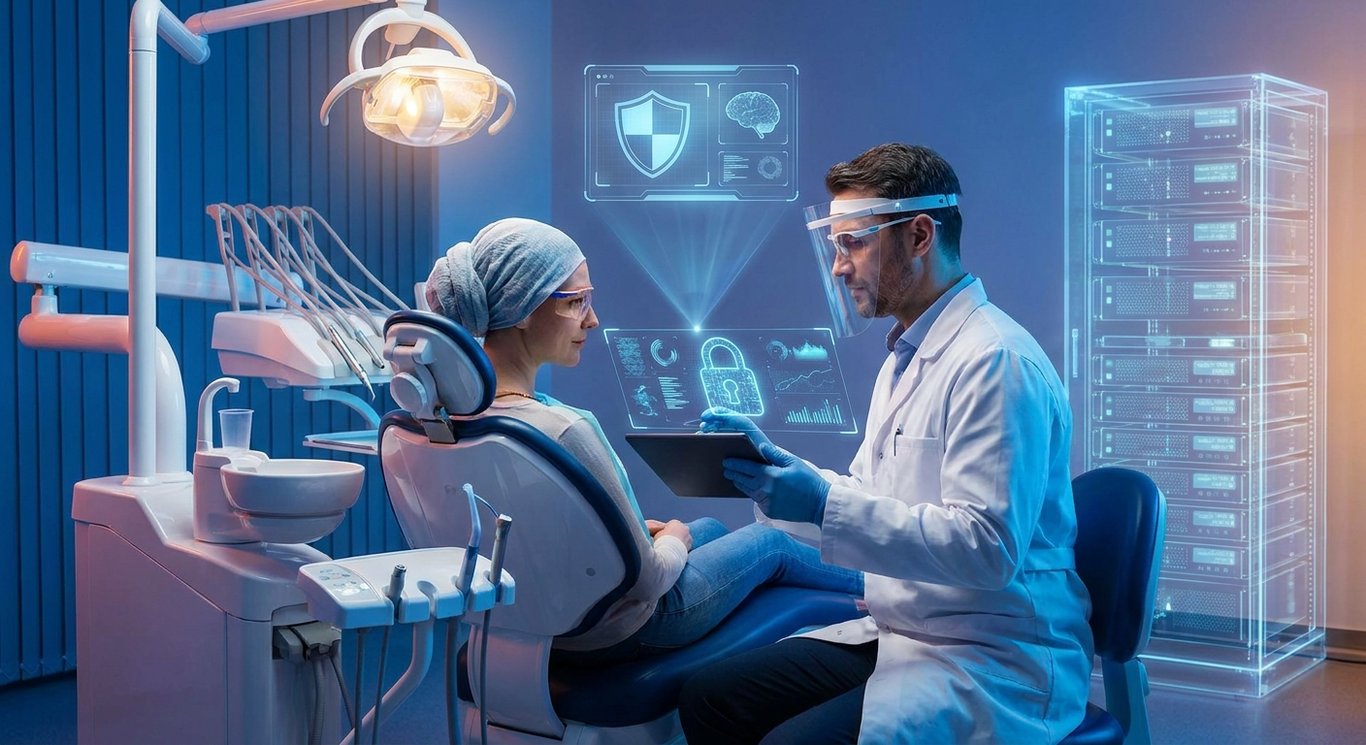
Privacy, Safety, and Ethics in High-Tech Dentistry
How your data is collected and protected
High-tech dental practices collect a significant amount of data about their patients. This includes digital X-rays and 3D scans, electronic health records, treatment histories, insurance information, and increasingly, data from connected devices like smart toothbrushes or remote monitoring tools. Reputable practices store this information in secure electronic health record systems that use encryption and access controls to protect it from unauthorized use. Patients have a right to know what data is being collected about them, how it is stored, who has access to it, and whether it is ever shared with third parties such as AI analysis platforms or cloud-based imaging services.
Understanding risks, benefits, and informed consent
Informed consent in high-tech dentistry needs to cover more ground than it did in the past. It is no longer just about agreeing to a specific procedure — it also involves understanding how technologies like AI diagnostics, cloud-based imaging, or remote monitoring are being used in your care. Patients should be told clearly when AI is analyzing their records, where their images are being stored, and what happens to their data if they change providers. Asking these questions is not paranoia; it is reasonable and appropriate, and any practice that takes patient care seriously should be prepared to answer them transparently.
There are also broader ethical considerations that come with the adoption of advanced dental technology. One concern is the risk of over-treatment — when AI flags a potential issue, there can be pressure to act on it even when watchful waiting might be the more appropriate clinical choice. Technology should support clinical judgment, not override it. There is also the question of equity: advanced tools like cone beam CT scanners, CAD/CAM systems, and AI diagnostic software are expensive, and not every practice can afford them. This creates a risk that high-tech dental care becomes available primarily to patients in wealthier areas or with better insurance, widening existing gaps in access to quality oral healthcare.
How to Prepare for Your High-Tech Dental Visit
Questions to ask your dentist about technology
Going into a tech-enabled dental visit with a few prepared questions can make a real difference in how well you understand and engage with your care. Consider asking: "What technologies will you use during my visit today, and why?" "How does this tool improve the accuracy or comfort of my treatment compared to traditional methods?" "Are there alternative approaches if I am not comfortable with a particular technology?" "How is my data stored and protected, and who has access to it?" "Is AI being used to analyze my images, and how does that affect the diagnosis?" These are not difficult questions, and a good dental provider will welcome them as a sign that you are an engaged and informed patient.
What you may experience from check-in to checkout
A modern tech-enabled dental visit might look something like this: you check in through an online portal or a tablet in the waiting room, updating your health history digitally. Once you are in the chair, an intraoral scanner captures a 3D model of your teeth while your dentist or hygienist reviews AI-flagged areas from your most recent digital X-rays. If a restoration is needed, a CAD/CAM system designs and mills a crown while you wait. Your follow-up appointment might be scheduled as a virtual check-in rather than a full office visit. The whole experience tends to feel more streamlined and less stressful than a traditional appointment, even if the technology itself takes a moment to get used to.
To make the most of this kind of visit, it helps to come prepared. Bring any prior dental records or X-rays, especially if you are visiting a new practice. Make sure your medical history is up to date, including any medications, allergies, or recent health changes that could affect your treatment. If you have specific concerns about cost, comfort, or privacy, raise them before the appointment begins rather than waiting until you are already in the chair. And try to stay open to new tools — even if a digital scanner or a laser feels unfamiliar at first, most patients find that the experience is noticeably better than what they expected.
Frequently Asked Questions About High-Tech Dentistry
Is high-tech dentistry more expensive than traditional care?
The cost of high-tech dental care depends heavily on the specific procedure and the practice. Some advanced tools, like digital X-rays or intraoral scanners, are now standard in many offices and do not add to your bill. Others, like same-day CAD/CAM crowns or laser treatments, may have pricing that varies by location and provider. That said, it is worth considering the full picture: same-day restorations eliminate the cost and inconvenience of multiple visits, early detection through AI imaging can prevent expensive treatment down the line, and many of these services are covered by dental insurance in the same way as their traditional equivalents. In many cases, the long-term value of high-tech care is very competitive with older approaches.
Are digital X-rays, AI, and other tools safe for patients?
Safety is a completely reasonable concern, and the good news is that modern dental technology is designed with patient safety as a priority. Digital X-rays typically expose patients to significantly lower levels of radiation than conventional film X-rays — in some cases, the reduction is substantial. AI systems used in dental diagnostics are analytical tools that process existing data; they do not expose patients to anything. Intraoral scanners use harmless light or lasers at safe wavelengths. Dental lasers used in clinical settings are regulated and approved for specific applications, and when used by properly trained clinicians, they are safe and effective. As with any medical technology, proper training and appropriate case selection are essential to minimizing risk.
Will technology replace my dentist?
Technology will not replace your dentist, and it is worth being clear about why. AI can analyze an image with impressive consistency, but it cannot examine your mouth, ask you how you have been feeling, notice that you seem anxious, or make the nuanced clinical judgment calls that come with years of hands-on experience. CAD/CAM systems can mill a crown, but a dentist still needs to prepare the tooth, evaluate the fit, and ensure the restoration works correctly within your bite. Every advanced tool in a modern dental practice is there to support the clinician, not substitute for them. The human element of dental care — the relationship, the communication, the judgment — remains irreplaceable.
Can I still choose traditional options if I'm uncomfortable with new tech?
In most cases, yes. Dental care is a collaborative process, and a good dentist will take your comfort and preferences seriously. If you are uncomfortable with a particular technology — whether it is AI analysis of your records, a digital scanner, or a laser treatment — it is entirely appropriate to ask about alternatives. There may be cases where a specific advanced tool offers such a clear clinical advantage that your dentist will want to explain that to you, but the decision ultimately involves your input. Open communication is the key: share your concerns early, ask what the alternatives are, and work with your provider to find an approach that you feel good about.
How do I know if my dentist is using up-to-date technology?
There are several practical ways to get a sense of how current a dental practice is. Look for signs like digital X-ray equipment, intraoral scanners, a patient portal for records and communication, and clear explanations of the tools being used during your visit. Practices that invest in continuing education for their staff and update their technology regularly are generally more likely to be current with best practices. The most direct approach is simply to ask: "What technologies do you use in this practice, and how have they changed in recent years?" A provider who is engaged with modern dentistry will be happy to walk you through what they offer and why.
Conclusion: What High-Tech Dentistry Means for Your Smile Today and Tomorrow
Key takeaways from "The Future is Now: A Guide to High-Tech Dentistry and What It Means for Your Visit"
Modern dentistry is undergoing a genuine transformation, and the changes are largely good news for patients. Digital imaging and 3D scanning have made diagnoses more accurate and comfortable. AI is helping dentists catch problems earlier and plan treatments more precisely. CAD/CAM systems and 3D printing have made same-day restorations a reality. Lasers have made many procedures quieter, less painful, and faster to heal from. Regenerative techniques are beginning to harness the body's own healing capacity. Teledentistry and smart devices are extending care beyond the walls of the office. And AR/VR tools are making visits less intimidating and more educational. Taken together, these advances are moving dentistry toward care that is more personalized, more preventive, and more patient-friendly than at any point in its history.
Use this guide as your starting point for a more informed and engaged relationship with your dental care. The next time you sit down in the dental chair, you will be better equipped to ask the right questions, understand what the tools around you are actually doing, and advocate for care that meets your needs. Ask your dentist what technologies they use and how those tools benefit you specifically. Stay curious about new developments, but also feel empowered to voice any concerns about comfort, cost, or privacy. Your smile is worth the conversation — and the future of dentistry is already here to help you take better care of it.