Beyond Fillings: How Regenerative Dentistry Is Rebuilding Smiles
Published 23 min read
For decades, the standard answer to a damaged or decayed tooth was simple: drill it, fill it, and move on. But dentistry is undergoing a quiet revolution that goes far beyond patching holes with composite or amalgam. Regenerative dentistry is a biologically driven approach that aims to repair and renew damaged oral tissues—including enamel, dentin, pulp, bone, and gum tissue—by working with the body's own healing systems rather than simply replacing what was lost with artificial materials. Instead of just fixing the symptom, regenerative dentistry targets the source, using techniques such as stem cell therapy, biomimetic materials, and tissue engineering to preserve and rebuild natural tooth structure in ways that traditional restorations simply cannot match.
This article is designed to walk you through everything you need to know about this exciting shift in dental care. We'll cover what regenerative dentistry actually is, how it works at the biological level, which technologies are currently available and which are still emerging, and what a typical patient experience looks like. Along the way, we'll also tackle the honest realities—benefits, risks, costs, and limitations—so you can approach this topic with clear expectations. Whether you're curious about stem cells, bioactive materials, or simply wondering if there's a better option than another filling, this guide reflects what leading clinical and research sources are saying right now about the future of dental care.
What Is Regenerative Dentistry?
Regenerative dentistry is a multidisciplinary field with one central goal: restore or replace damaged oral tissues by stimulating the body's natural healing processes. Rather than relying solely on fillings, crowns, or implants to mechanically compensate for what's been lost, regenerative dentistry seeks to rebuild the actual living structures—enamel, dentin, pulp, bone, and periodontal tissue—that make up a healthy tooth and its supporting environment. It pulls from fields like cell biology, materials science, and molecular medicine to create treatments that are as close to nature as modern science can get.
What makes regenerative dentistry fundamentally different from traditional dentistry is the shift from "repair" to "renewal." A filling repairs a cavity by plugging the hole with an inert material. Regenerative dentistry, by contrast, tries to recreate living tissue that actually functions like the original structure—tissue that responds to stress, communicates with surrounding cells, and integrates into the body the way natural teeth do. This approach draws heavily on principles from regenerative medicine, tissue engineering, and biomaterials science, making it one of the most scientifically rich areas in modern healthcare.
Within the broader landscape of restorative and cosmetic dentistry, regenerative approaches occupy an increasingly important niche. They're not replacing conventional treatments entirely—at least not yet—but they're expanding what's possible, especially for patients who want to preserve as much of their natural tooth structure as possible. Over time, the integration of regenerative strategies into routine dental care has the potential to reduce the need for invasive procedures, improve long-term oral health outcomes, and fundamentally change the relationship between patients and their teeth.
From Fillings to Biological Repair: How Traditional Dentistry Is Evolving
Traditional restorative dentistry has served patients well for well over a century. When a tooth develops a cavity, a dentist removes the decayed portion and fills the space with amalgam, composite resin, or another material. When damage is more severe, crowns, bridges, or implants step in to restore function and appearance. These approaches are reliable and widely available, but they come with a fundamental trade-off: they almost always require the removal of some healthy tooth structure, and the materials used are inert—they don't interact with surrounding tissue or contribute to healing.
Over the past few decades, the field has been moving steadily toward minimally invasive and biomimetic approaches. Minimally invasive dentistry focuses on preserving as much natural tooth structure as possible by catching decay early, using smaller instruments, and selecting materials that bond tightly to existing enamel and dentin. Biomimetic dentistry takes this a step further by using materials that mimic the mechanical and aesthetic properties of natural tooth structures—flexing and absorbing stress the way real teeth do, rather than acting as rigid foreign bodies that can cause cracking over time.
Regenerative strategies push the concept even further by attempting to trigger actual biological repair. This includes remineralization of early-stage decay—essentially reversing a cavity before it becomes a hole—as well as regeneration of dentin and pulp tissue, and regrowth of bone and gum tissue lost to disease or trauma. Rather than simply filling or covering damaged areas, these approaches try to convince the body to heal itself, which is a fundamentally different—and potentially far more powerful—way of thinking about dental care.
Core Science Behind Regenerative Dentistry: Stem Cells, Growth Factors, and Scaffolds
At the heart of regenerative dentistry are dental and oral stem cells—specialized cells with the remarkable ability to both replicate themselves and differentiate into specific cell types needed for tooth repair. These include cells that form dentin (odontoblasts), cells that maintain pulp tissue, cells that support the periodontal ligament, and bone-forming cells called osteoblasts. Because they can be sourced from dental pulp, wisdom teeth, and even baby teeth, dental stem cells are relatively accessible compared to other stem cell sources, making them particularly promising for clinical applications in oral regeneration.
Growth factors are the signaling proteins that tell stem cells what to do and where to go. Think of them as molecular instructions that guide cells through the process of forming specific tissues. In regenerative dentistry, growth factors such as bone morphogenetic proteins (BMPs) and platelet-derived growth factors (PDGFs) are used to direct stem cells toward forming dentin, bone, or periodontal ligament. They work in concert with biomaterials to create an environment where tissue repair can happen in an organized, predictable way—mimicking the natural developmental processes that built the tooth in the first place.
Scaffolds and hydrogels are the structural frameworks that support all of this cellular activity. A scaffold is a three-dimensional structure—often made from biocompatible polymers, ceramics, or natural materials like collagen—that acts as a temporary home for stem cells. It provides the physical architecture that cells need to attach, grow, and organize themselves into functional tissue. Hydrogels, which are water-based gel materials, are particularly useful for delivering cells and growth factors directly to a treatment site in a controlled and minimally invasive way.
Together, stem cells, growth factors, and scaffolds form the three-legged foundation of tissue engineering in dentistry. When these components are combined effectively, they can recreate not just the shape of a tooth structure, but its biological complexity—the intricate interplay of cells, proteins, and minerals that make natural teeth so remarkably durable and functional. This is the science that researchers and clinicians are working hard to translate from the laboratory into everyday dental practice.
Biomimetic and Bioactive Materials: Helping Teeth Heal Themselves
Biomimetic materials are designed to look, feel, and behave like natural tooth structures. Advanced composite resins and ceramic materials used in modern dentistry are engineered to closely match the color, translucency, and mechanical properties of enamel and dentin. Unlike older metallic restorations, these materials bond directly to tooth structure using adhesive techniques, which means less drilling and a stronger, more natural-looking result. The goal is a restoration that doesn't just fill a space—it becomes part of the tooth.
Bioactive materials take the concept a step further by actually interacting with the biological environment around them. Bioactive glass, for example, releases calcium and phosphate ions when it comes into contact with saliva, which can stimulate the formation of new mineralized tissue at the interface between the restoration and the tooth. Remineralizing agents like casein phosphopeptide-amorphous calcium phosphate (CPP-ACP) work similarly, delivering minerals directly to areas of early enamel damage and encouraging the tooth to repair itself. These aren't passive fillers—they're materials that actively participate in the healing process.
On the cutting edge of materials science, researchers are developing self-healing composites that can autonomously repair micro-cracks before they turn into bigger problems, and nanotechnology-enhanced materials that incorporate antibacterial particles to fight the bacteria responsible for secondary decay around restorations. While many of these innovations are still in development or early clinical use, they point toward a future where dental materials don't just restore teeth—they actively protect and maintain them over time.
Current and Emerging Regenerative Dental Treatments Patients Ask About
Pulp regeneration is one of the most actively researched areas in regenerative dentistry, and for good reason. The dental pulp—the soft tissue inside the tooth containing nerves and blood vessels—is traditionally removed during a root canal when it becomes infected or damaged. Pulp regeneration and revascularization procedures aim to restore living pulp tissue using stem cells, growth factors, and scaffolds, potentially allowing the tooth to continue developing and responding to its environment. Clinical studies, particularly in younger patients with immature teeth, have reported promising results, including evidence of continued root development and restored sensitivity.
Bone regeneration is another area where regenerative dentistry is already making a meaningful clinical impact. When bone is lost around teeth or implants due to infection, trauma, or disease, biomaterials and stem cell-based therapies can be used to rebuild bone volume and density. Techniques such as guided bone regeneration (GBR), which uses barrier membranes to direct new bone growth into a defect, have well-established track records. More advanced approaches incorporating stem cells and growth factors are showing even better results for larger or more complex bone defects, improving the foundation for both natural teeth and dental implants.
Regenerative periodontal therapy targets the structures that anchor teeth in the jaw—the periodontal ligament, cementum, and alveolar bone—all of which can be destroyed by advanced gum disease. Traditional periodontal treatment focuses on cleaning and controlling infection, but regenerative approaches go further by attempting to actually rebuild these lost structures. Using combinations of bone grafts, growth factors, and barrier membranes, clinicians are achieving measurable regeneration of periodontal support, which can significantly improve tooth stability and long-term prognosis for teeth that might otherwise need to be extracted.
Looking further ahead, researchers are exploring some genuinely exciting—and still largely experimental—frontiers. Whole-tooth engineering, which would involve growing an entirely new tooth from stem cells and implanting it into the jaw, remains a long-term goal rather than a near-term reality. However, progress in 3D bioprinting, nanotechnology, and understanding of tooth development biology is steadily moving the field forward. Other experimental approaches include using the body's own platelet-rich plasma (PRP) or platelet-rich fibrin (PRF) to enhance healing, and developing drug delivery systems that could stimulate dormant stem cells within the tooth to initiate their own repair processes.
Digital, Laser, and 3D Technologies Accelerating Regenerative Dentistry
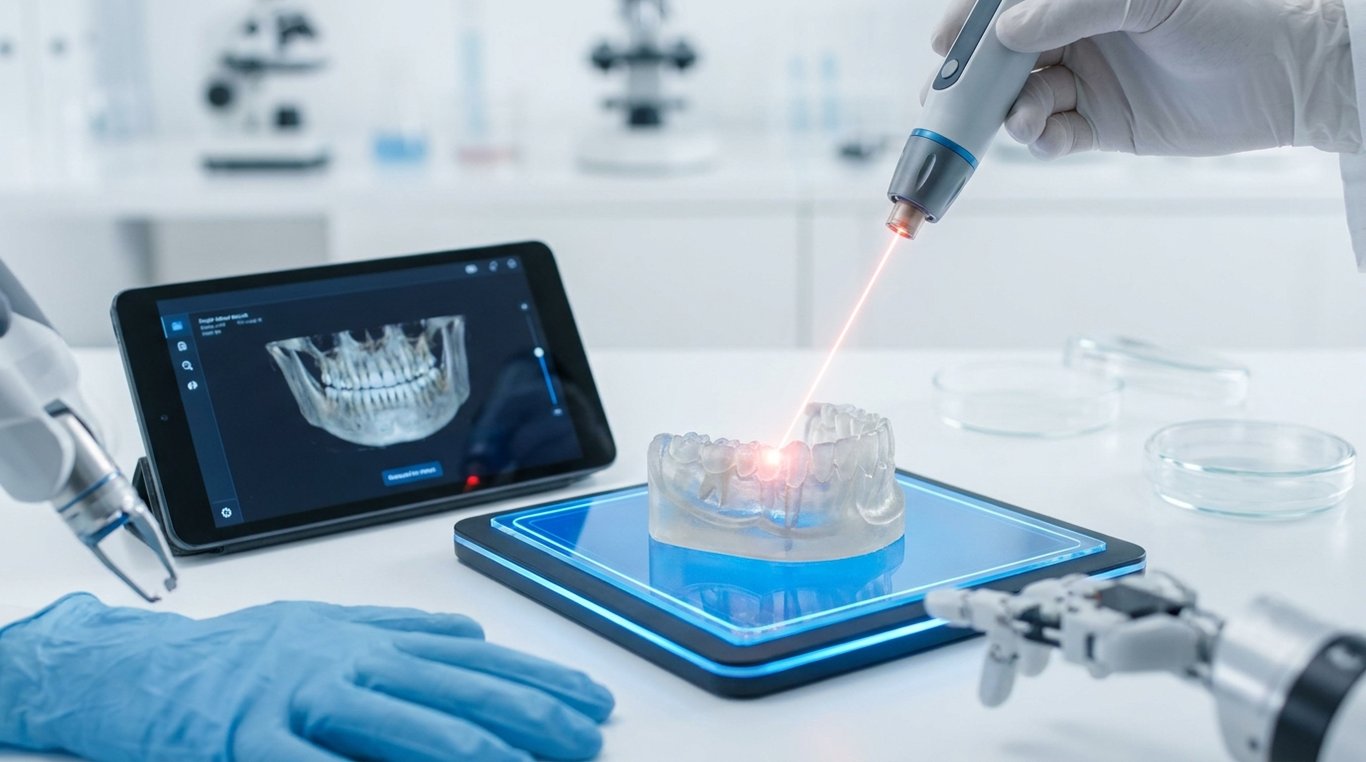
Digital technology has become an essential partner to regenerative dentistry. Advanced imaging systems like cone beam computed tomography (CBCT) provide detailed three-dimensional views of teeth, bone, and surrounding structures, allowing clinicians to plan procedures with extraordinary precision. CAD/CAM (computer-aided design and manufacturing) systems enable the design and fabrication of custom restorations in a single visit, while 3D printing is opening up possibilities for creating patient-specific surgical guides, scaffolds, and even experimental tooth structures tailored to an individual's unique anatomy. These tools support minimally invasive approaches by reducing guesswork and improving accuracy.
Laser dentistry is another technology that fits naturally with regenerative principles. Dental lasers can selectively remove decayed or diseased tissue while leaving healthy tooth structure largely intact—something that's much harder to achieve with a traditional drill. By minimizing damage to surrounding healthy tissue, lasers create better conditions for natural remineralization and improve the environment for regenerative treatments to take hold. Lasers are also used in periodontal therapy to target bacteria and diseased tissue with precision, supporting the healing of gum and bone structures.
Artificial intelligence is beginning to make its presence felt in dentistry as well, though its role in regenerative applications is still early. Machine learning algorithms are being developed to assist with diagnosis—identifying early decay, bone loss, or periodontal changes in X-rays and scans that a human eye might miss. In the context of regenerative dentistry, AI could eventually help clinicians identify the best candidates for regenerative therapies, predict treatment outcomes, and personalize treatment plans based on a patient's unique biology and risk profile. It's an area worth watching closely.
Benefits, Risks, and Limitations of Regenerative Dentistry
The potential benefits of regenerative dentistry are genuinely compelling. For patients, the most immediate advantage is the preservation of natural tooth structure—something that pays dividends for decades, since every tooth you keep is one you don't have to replace. Beyond that, regenerative approaches aim to produce biologically integrated results, meaning the repaired tissue functions as part of the living system of the tooth rather than as a foreign patch. Over time, this could mean fewer retreatments, better long-term stability, and a reduced need for more invasive procedures like root canals, extractions, or implants.
That said, regenerative dentistry is not without its risks and uncertainties. Success rates for some procedures—particularly experimental stem cell-based therapies—can be variable, and long-term outcome data are still being collected for many newer techniques. Some patients may require retreatment if regeneration is incomplete or if the tissue doesn't integrate as expected. Systemic health factors, such as diabetes or immune conditions, can affect healing and may limit the effectiveness of regenerative approaches. The extent of tissue loss also plays a significant role—there's only so much that can be regenerated if too little healthy tissue remains to work with.
Access and cost present real-world limitations that can't be overlooked. Many advanced regenerative treatments are significantly more expensive than conventional restorations, and not all dental practices offer them. Specialized providers, research institutions, and clinical trial programs may be the only places where certain cutting-edge therapies are available, which creates geographic and financial barriers for many patients. Additionally, some regenerative technologies are still navigating regulatory approval processes, which means they may not be widely accessible even if the science is promising.
The key for patients is to go in with realistic, well-informed expectations. There's a meaningful difference between established regenerative procedures—like guided bone regeneration or bioactive restorations—and experimental therapies that are still in clinical trials. A thorough consultation with a knowledgeable provider, complete with honest discussion of what the evidence supports and what remains uncertain, is essential. Informed consent isn't just a formality here—it's the foundation of a good outcome.
Who Is a Candidate for Regenerative Dental Treatments?
Not every patient is an ideal candidate for regenerative dentistry, and that's okay—because when the right patient meets the right treatment, the results can be impressive. Generally speaking, good candidates tend to be those with early-to-moderate decay where some healthy tooth structure remains, patients with damaged pulp in teeth that haven't fully matured, individuals with localized bone defects around teeth or implants, and those dealing with periodontal disease who still have enough remaining tissue to support regeneration. The common thread is that there needs to be enough biological material left to work with—regenerative dentistry enhances healing, it doesn't conjure tissue from nothing.
Several factors influence whether a regenerative approach is appropriate for a given patient. Age matters, particularly for pulp regeneration, which tends to work best in younger patients whose teeth are still developing. Overall health is critical, since systemic conditions like diabetes, autoimmune disorders, or smoking can impair healing and reduce the predictability of regenerative outcomes. Oral hygiene is equally important—a patient who doesn't maintain good home care is less likely to benefit from advanced regenerative treatments. The type and extent of damage, and whether sufficient healthy tissue and bone remain, are perhaps the most decisive clinical factors of all.
Because regenerative dentistry draws on multiple specialties—endodontics, periodontics, oral surgery, prosthodontics, and materials science—a multidisciplinary evaluation is often the best starting point. A general dentist may be able to offer certain biomimetic or remineralization therapies, but more complex cases may require referral to a specialist or even to a research center or academic institution that participates in clinical trials. The important thing is not to assume that your only options are the ones your regular dentist has always offered—asking about regenerative possibilities is a perfectly reasonable question, and the right provider will welcome it.
What to Expect Before, During, and After Regenerative Dental Procedures
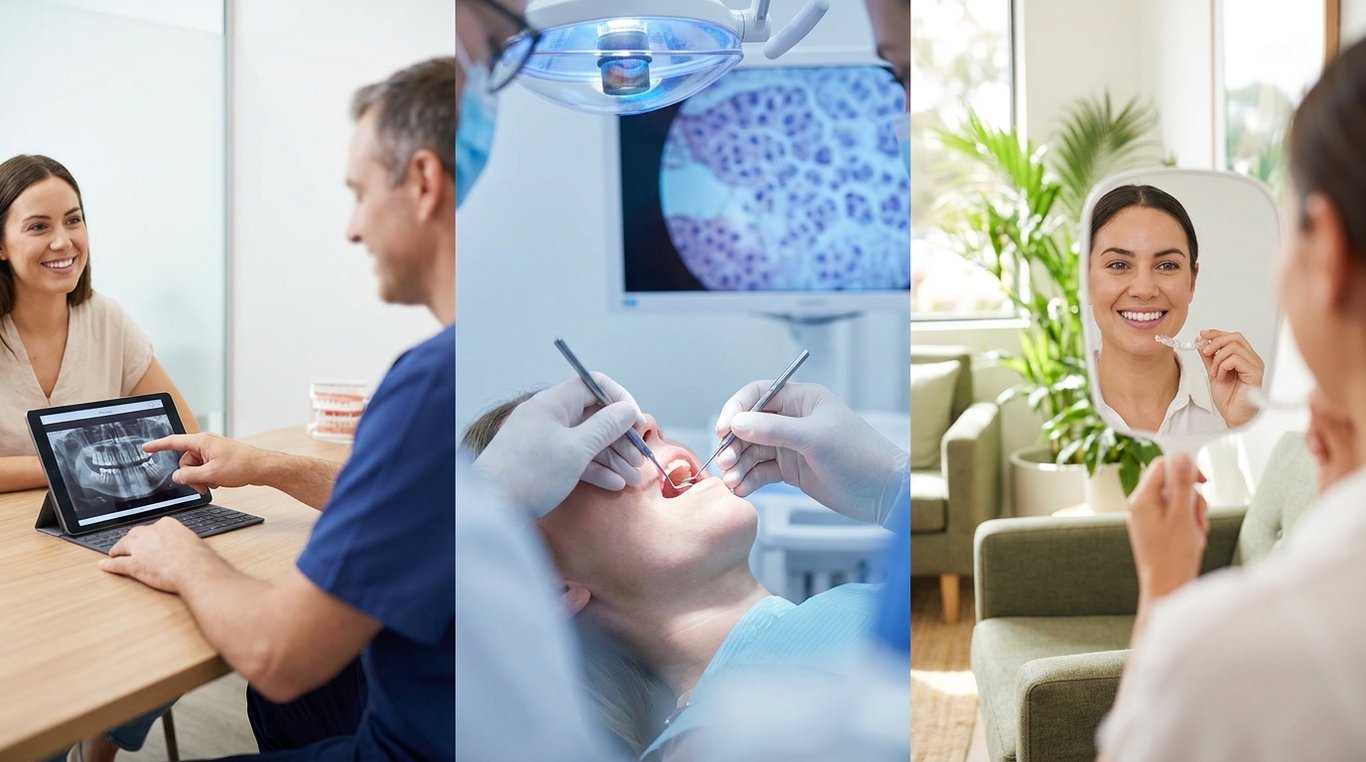
Before any regenerative procedure begins, a thorough evaluation sets the foundation for success. This typically involves detailed imaging—often including digital X-rays or CBCT scans—along with a clinical examination to assess the condition of the affected tissue and surrounding structures. Your dentist or specialist will conduct a risk assessment, discuss your overall health history, and walk you through your treatment options, including conventional alternatives like fillings or crowns. This is also the time to ask questions, set realistic goals, and make sure you understand what the regenerative approach involves and why it may—or may not—be the right fit for your situation.
During the procedure itself, the experience varies depending on the specific treatment. For something like a bioactive restoration or remineralization therapy, the process may feel very similar to a standard filling appointment. For more complex procedures—such as pulp regeneration or guided bone regeneration—the dentist or specialist may apply biological materials, growth factors, or scaffolds to the treatment site, sometimes using laser technology to prepare the area with greater precision. Most regenerative procedures are designed to be minimally invasive, and standard local anesthesia is typically used, so discomfort during treatment is generally comparable to or less than traditional restorations. Treatment time can vary considerably depending on complexity.
After a regenerative procedure, the healing phase is where the real work happens—inside your body. For simpler treatments, recovery may be minimal and return to normal activity nearly immediate. For bone or pulp regeneration, healing can take weeks to months, and follow-up appointments with imaging are essential to confirm that new tissue is forming as expected. Your dentist will likely give you specific hygiene instructions, dietary recommendations, and possibly prescribe medications to support healing. Success is measured not just by how you feel, but by objective signs of tissue regeneration—improved bone density on X-rays, restored pulp sensitivity, or reduced probing depths in periodontal cases.
Cost, Insurance, and Long-Term Value of Regenerative Dentistry
It's worth being upfront: regenerative dentistry often costs more than conventional treatments, at least in the short term. Advanced biomaterials, biological agents like growth factors or stem cell preparations, specialized technology, and the expertise of trained providers all contribute to higher fees. A guided bone regeneration procedure, for example, will generally cost more than a standard extraction and implant placement without grafting. For experimental or highly specialized therapies, the costs can be substantially higher still. Patients should ask for detailed cost breakdowns upfront and not be shy about discussing financial concerns with their provider.
Insurance coverage for regenerative dentistry is a genuinely mixed picture. Some procedures—like bone grafting before implant placement or certain periodontal regenerative treatments—may be partially covered by dental insurance when there's a clear clinical indication. Others, particularly those involving newer biomaterials or stem cell therapies, may be classified as experimental and therefore not covered at all. The specifics depend heavily on your individual plan, the procedure in question, and how your dentist codes and documents the treatment. It's always worth calling your insurance provider before treatment and asking your dental office to submit a pre-authorization request when possible.
When you zoom out and look at the long-term picture, regenerative dentistry can represent excellent value. Preserving a natural tooth through regenerative treatment may prevent the need for a crown, root canal, extraction, and implant down the road—a sequence of procedures that adds up quickly in both cost and complexity. Better yet, biologically integrated tissue tends to age more gracefully than artificial restorations, which can wear, chip, or fail over time. Discussing the cost-benefit analysis with your dentist—including payment plans or financing options if needed—is a smart step that helps you make a decision that works for your health and your budget.
Frequently Asked Questions About Regenerative Dentistry
Is regenerative dentistry available at regular dental practices, or only in research centers?
The good news is that many aspects of regenerative dentistry are already available in well-equipped general and specialty dental practices. Biomimetic composite restorations, remineralization therapies using fluoride or bioactive agents, and established regenerative procedures like guided bone regeneration and periodontal regenerative surgery are offered by a growing number of dentists and specialists. If you're interested in these options, it's worth asking your current dentist what they offer or whether they can refer you to a specialist in periodontics, endodontics, or oral surgery who works with regenerative techniques.
However, the more experimental end of the spectrum—particularly stem cell-based pulp regeneration, whole-tooth engineering, or novel scaffold-based therapies—is largely confined to research centers, academic dental institutions, and clinical trials. These treatments are not yet part of standard care, and access to them typically requires referral to a university dental school or a practice affiliated with an active research program. If you're curious about participating in a clinical trial, resources like ClinicalTrials.gov can help you find studies that may be recruiting patients for regenerative dental therapies.
Can regenerative dentistry completely replace fillings, crowns, and implants?
Not yet—and it's important to be honest about that. Fillings, crowns, and implants remain essential tools in modern dentistry, especially when damage is extensive or when teeth are already missing. Regenerative dentistry is not a wholesale replacement for conventional restorations; it's an expansion of what's possible, particularly for cases where natural tissue can still be preserved or rebuilt. For many patients, the most realistic scenario involves a combination of regenerative and traditional treatments working together.
That said, the long-term trajectory of the field is clearly moving toward reducing reliance on purely mechanical restorations. As our ability to stimulate natural repair improves—through better biomaterials, more sophisticated stem cell therapies, and a deeper understanding of tooth biology—the situations where a filling or crown is the only option will likely become less common. For now, think of regenerative dentistry as complementing conventional care rather than replacing it, with the balance gradually shifting over time as the science matures.
Is regenerative dental treatment painful, and how long does recovery take?
Most regenerative dental procedures are designed with minimally invasive principles in mind, which generally means less discomfort than you might expect. Standard local anesthesia is used for virtually all clinical procedures, so you shouldn't feel pain during treatment. In many cases—particularly for biomimetic restorations or remineralization therapies—the experience is quite similar to a routine dental appointment. Laser-assisted procedures may actually be gentler than traditional drilling for some patients, with less vibration and noise involved.
Recovery time depends heavily on what procedure you're having done. Simple restorations may have essentially no downtime. Bone regeneration procedures, on the other hand, involve a healing period of several months before the new bone is mature enough to support further treatment—like placing an implant. Pulp regeneration in immature teeth requires follow-up appointments over months or even years to confirm that the tissue is developing correctly. Your provider will give you a realistic timeline based on your specific situation, and following post-operative instructions carefully makes a meaningful difference in how smoothly the healing process goes.
How effective are stem cell and tissue engineering approaches in dentistry today?
The evidence so far is genuinely encouraging, though it comes with important caveats. For localized bone regeneration and certain periodontal regenerative procedures, success rates are well-documented and clinically meaningful. Pulp regeneration and revascularization in young patients with incompletely formed teeth have shown promising results in clinical studies, including evidence of continued root development and tissue vitality. These aren't fringe experiments—they're increasingly supported by peer-reviewed research and clinical experience.
At the same time, it's important to recognize that many stem cell-based techniques are still in early clinical use or ongoing trial phases, and long-term outcome data—particularly for newer approaches—are still being gathered. Success rates can vary based on patient age, health status, the extent of damage, and the specific technique used. Patients should approach these treatments with cautious optimism: the potential is real, but so is the uncertainty. A candid conversation with a provider who is genuinely knowledgeable about the current evidence is the best way to calibrate your expectations appropriately.
What can I do now to support natural tooth repair and make the most of regenerative options later?
The foundation of any regenerative strategy is a healthy oral environment, and that starts with the basics. Brushing twice a day with a fluoride toothpaste, flossing daily, eating a balanced diet low in sugar and acid, staying well hydrated, and keeping up with regular dental checkups and cleanings are not just good habits—they're the prerequisites for being a good candidate for regenerative treatments. Catching decay and gum disease early means there's more tissue left to work with, which dramatically improves the likelihood of successful regeneration when the time comes.
Beyond the basics, there are specific preventive strategies worth discussing with your dentist. Remineralization therapies using professional fluoride treatments or products containing bioactive minerals can help reverse very early decay before it progresses. Dental sealants protect vulnerable surfaces in children and young adults. Bioactive restorations can be considered when replacing older fillings. These aren't just stopgaps—they're investments in the health of your teeth that directly support your ability to benefit from more advanced regenerative options as the field continues to evolve. The best time to start is always now.
Conclusion: Moving Beyond Fillings Toward Truly Regenerative Smiles
Dentistry is in the middle of a genuine transformation, and regenerative approaches are at the center of it. The central message of this article is straightforward: we are moving beyond the era of simply patching damaged teeth with inert materials and toward a future where damaged tissues can be biologically rebuilt, renewed, and reintegrated into the living system of the mouth. Stem cells, growth factors, and scaffolds are providing the biological toolkit. Biomimetic and bioactive materials are making restorations smarter and more responsive. Digital imaging, laser technology, and 3D printing are making procedures more precise and less invasive. And ongoing research into pulp regeneration, bone regeneration, and periodontal repair is steadily translating laboratory science into real clinical outcomes for real patients.
If any part of this article has sparked your curiosity or made you wonder whether regenerative options might be right for you, the most important next step is a conversation with a qualified dentist or specialist. Ask specifically about which regenerative treatments are available at their practice, what the evidence says about those treatments, and whether your current oral health situation makes you a good candidate. Ask about costs, insurance coverage, and realistic timelines. Stay informed—this field is moving quickly, and the options available even a few years from now may be significantly broader than what's accessible today. By taking care of your oral health now, asking the right questions, and working with providers who are engaged with the latest advances, you can actively position yourself to benefit from the future of truly regenerative dentistry.