Achieving and Maintaining a Healthy Smile
Published 13 min read

Essential Daily Brushing Techniques
Brushing your teeth twice a day with fluoride toothpaste is the absolute foundation of a healthy smile. To get the best results, you need to brush for a full two minutes each time, making sure you reach every single tooth in your mouth. Using gentle, circular motions helps to effectively sweep away sticky plaque before it has a chance to harden and cause painful cavities. Ultimately, making this simple habit a non-negotiable part of your morning and evening routine sets the stage for excellent oral health.
Selecting the right tools and angles is just as important as how often you brush. You should always opt for a soft-bristled toothbrush, as it is tough on grime but gentle enough to protect your delicate gum tissue. When brushing, hold the brush at a 45-degree angle to your gums to thoroughly clean the surfaces of your teeth, along the gumline, and even your tongue. Mastering these specific angles ensures that no hidden bacteria are left behind to cause trouble in your mouth.
Even with the best intentions, many people make common brushing mistakes that can actually harm their teeth. One of the biggest culprits is aggressive brushing, which can permanently wear down your protective enamel and lead to sensitive, receding gums. Instead of scrubbing like you are cleaning tile grout, think of brushing as a gentle massage for your teeth and gums. By lightening your grip and taking your time, you will protect your enamel while keeping your smile bright and healthy.
Mastering Flossing and Interdental Cleaning
Daily flossing is a crucial step that reaches the tight spaces where your toothbrush simply cannot go. When you skip flossing, leftover food particles and plaque build up between your teeth, creating a perfect breeding ground for gum disease and chronic bad breath. Taking just a few minutes to clear out this hidden debris makes a massive difference in how clean and fresh your mouth feels. Therefore, making interdental cleaning a daily priority is essential for keeping your gums pink, firm, and disease-free.
Getting the hang of flossing is easy once you know the proper technique and explore your options. Start with about 18 inches of floss, winding most of it around your middle fingers, and gently glide it up and down the side of each tooth in a "C" shape. If traditional string floss feels too tricky to maneuver, water flossers or small interdental brushes are fantastic alternatives that get the job done just as well. Whichever method you choose, finding a tool that works for you will make cleaning between your teeth an effortless daily habit.
Benefits of Mouthwash in Your Routine
Adding a high-quality mouthwash to your daily regimen provides an excellent extra layer of defense against oral health issues. Antimicrobial and fluoride mouthwashes work hard to reduce harmful bacteria, strengthen your tooth enamel, and leave your breath smelling minty fresh. While it should never replace brushing and flossing, a good rinse acts as the perfect finishing touch to wash away lingering debris. Consequently, incorporating this simple liquid shield can significantly boost the overall cleanliness of your mouth.
With so many options on the store shelves, it is important to choose a mouthwash tailored to your specific dental needs. For example, if you struggle with a dry mouth or sensitive teeth, there are specialized, alcohol-free formulas designed to soothe and protect without the harsh burn. However, you must follow the instructions carefully and avoid overusing these products, as too much rinsing can disrupt the natural balance of good bacteria in your mouth. By selecting the right formula and using it correctly, you can safely maximize the benefits of your daily rinse.
Key Dietary Choices for Strong Teeth and Gums
Tooth-Friendly Foods to Include
Filling your plate with crunchy fruits and vegetables is a delicious way to naturally scrub your teeth clean. Snacks like raw apples, carrots, and celery act as nature's toothbrushes, physically wiping away plaque as you chew. Furthermore, all that crunching stimulates a healthy flow of saliva, which is your mouth's natural defense against cavity-causing acids. As a result, reaching for fresh produce is a smart, tasty strategy for maintaining a sparkling smile.
Calcium-rich foods are another essential building block for maintaining rock-solid tooth enamel and resilient gums. Dairy products like milk, cheese, and yogurt are famous for their high calcium content, but you can also get plenty of this mineral from leafy greens and crunchy nuts. These powerful nutrients actively remineralize your teeth, repairing microscopic damage before it turns into a visible cavity. By eating a diet rich in calcium, you are giving your teeth the armor they need to stay strong for a lifetime.
Beyond calcium, incorporating lean proteins, fatty fish, and whole grains provides a wealth of minerals that support complete oral health. Foods like salmon and eggs are packed with phosphorus, which teams up with calcium to maximize the strength of your jawbone and teeth. Additionally, whole grains offer B vitamins and iron that keep your gum tissue healthy and resistant to infection. Ultimately, a balanced diet full of these nutrient-dense foods works from the inside out to protect your smile.
Foods and Drinks to Limit or Avoid
Just as some foods protect your teeth, sugary, starchy, and acidic treats can quickly lead to painful decay and erosion. Items like sticky candies, potato chips, and sugary sodas cling to your teeth and feed the harmful bacteria living in your mouth. As these bacteria feast, they produce harsh acids that eat away at your enamel, paving the way for cavities and severe tooth sensitivity. Therefore, cutting back on these damaging snacks is one of the most effective ways to preserve your dental health.
If you do decide to indulge in sweet or acidic treats, the timing and sequencing of your meals can make a huge difference. It is best to consume these items during a main meal rather than grazing on them all day, as the extra saliva produced during meals helps wash away the harmful acids. You can also follow up a sugary snack with a healthier swap, like drinking a glass of water or eating a piece of cheese to neutralize the acid. By being mindful of when and how you eat, you can enjoy your favorite foods without sacrificing your smile.
Staying Hydrated for Optimal Oral Health
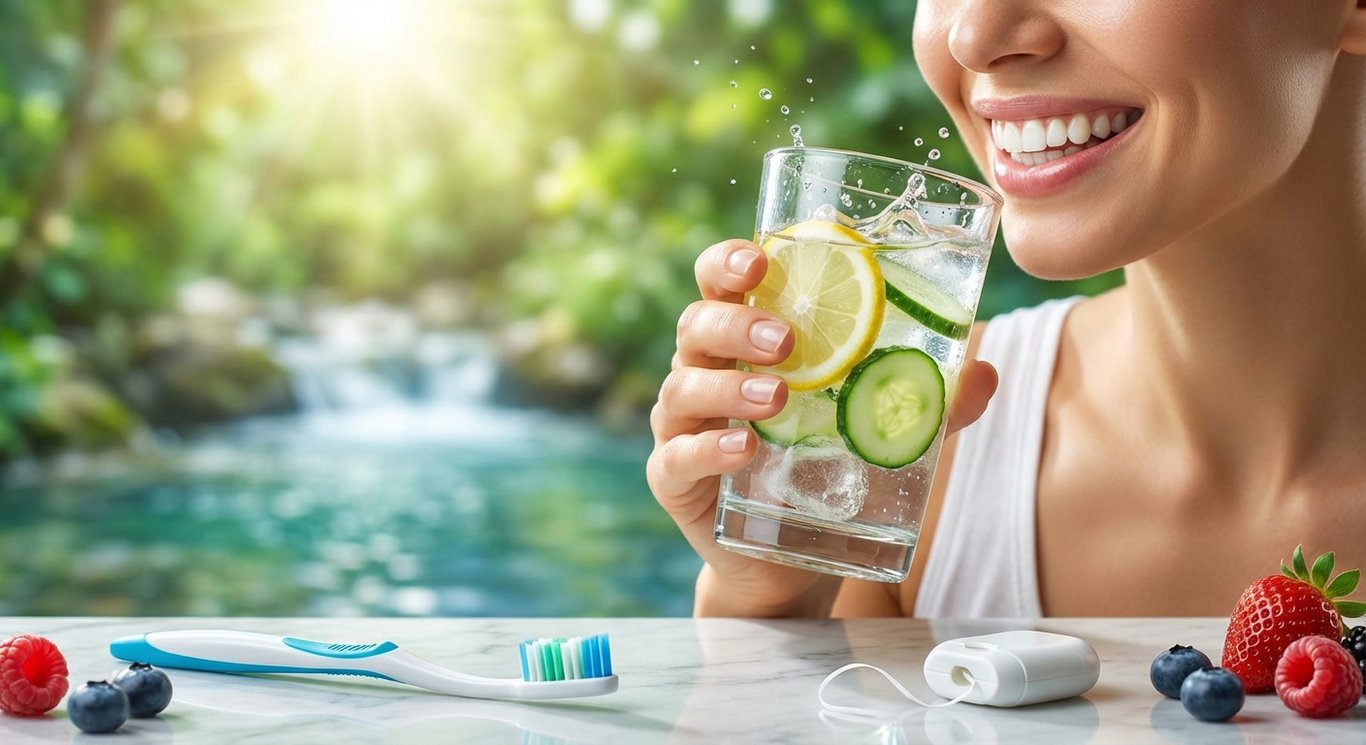
Drinking plenty of water throughout the day is one of the easiest and most effective ways to keep your mouth healthy. Every time you take a sip, water acts as a natural mini-shower for your teeth, rinsing away leftover food particles and neutralizing harmful acids. Staying well-hydrated also promotes a steady production of saliva, which is vital for fighting off cavities and preventing the uncomfortable symptoms of dry mouth. Consequently, keeping a water bottle handy is a simple trick that pays massive dividends for your dental hygiene.
To get the most out of your hydration habit, try to drink fluoridated tap water whenever it is available. The fluoride in community water supplies provides a constant, low-dose treatment that actively strengthens your enamel against daily decay. Additionally, making it a habit to vigorously swish and sip water immediately after meals or snacks helps dislodge debris before it can harden into plaque. By combining fluoridated water with smart sipping habits, you create a powerful daily routine for oral maintenance.
Lifestyle Habits That Support Your Smile
Your daily lifestyle choices play a massive role in the long-term health and appearance of your teeth and gums. Avoiding harmful habits like smoking or chewing tobacco is critical, as these products heavily stain your teeth and drastically increase your risk of severe gum disease and oral cancer. Similarly, you should steer clear of chewing on hard objects like ice or pens, and limit excessive alcohol consumption, which can severely dry out your mouth. Making the choice to ditch these risky behaviors will keep your smile looking youthful and structurally sound.
Surprisingly, taking care of your whole body through exercise, stress management, and good sleep directly benefits your oral health. High stress levels and poor sleep can lead to teeth grinding at night, while chronic health conditions like high blood pressure or unmanaged glucose levels make you much more susceptible to gum infections. By staying active and keeping up with your general medical check-ups, you help reduce systemic inflammation that can negatively impact your mouth. Ultimately, a healthy body creates the perfect environment for a healthy, resilient smile.
Even the simple act of chewing firm, healthy foods can give your jaw the workout it needs to stay strong and functional. However, you must balance this by consciously avoiding nervous habits, such as nail-biting, which can chip your front teeth and introduce nasty bacteria into your mouth. Becoming aware of what you put your teeth through on a daily basis helps you break bad habits before they cause expensive dental damage. By treating your teeth as tools for eating rather than tools for opening packages or biting nails, you will preserve them for decades to come.
The Role of Regular Dental Visits
No matter how well you brush and floss at home, scheduling biannual dental check-ups is absolutely essential for a flawless smile. Professional cleanings remove the stubborn, hardened tartar that your toothbrush simply cannot budge. Furthermore, your dentist can spot the early warning signs of cavities or gum disease long before they cause you any pain, saving you time and money. Therefore, treating these six-month appointments as non-negotiable health check-ups is the best way to catch problems early and receive personalized care advice.
Knowing what to expect during a dental visit can help ease any anxiety and highlight just how valuable these appointments are. During a typical check-up, your hygienist will thoroughly clean and polish your teeth, while the dentist will examine your mouth, check your bite, and possibly take X-rays to look beneath the surface. These professional evaluations perfectly complement your daily home care routine by reaching the areas you miss and confirming that your habits are working. In the end, partnering with your dental team ensures that your smile stays bright and healthy year after year.
Understanding Common Oral Health Issues
To truly protect your smile, it helps to understand the common enemies of oral health, such as plaque, tartar, cavities, and gingivitis. Plaque is a sticky film of bacteria that constantly forms on your teeth, and if left unbrushed, it hardens into tough tartar that only a dentist can remove. When this bacteria feeds on a poor diet full of sugar, it creates acids that punch holes in your enamel, resulting in painful cavities and inflamed, bleeding gums known as gingivitis. Recognizing that these issues are directly tied to poor hygiene and unhealthy eating is the first step toward defeating them.
Catching the symptoms of these dental issues early can prevent them from snowballing into more serious health complications. Early warning signs include persistent bad breath, tooth sensitivity to hot or cold, and gums that look red or bleed easily when you brush. If left untreated, severe gum disease has even been linked to broader health problems, including an increased risk of heart disease and diabetes. By sticking to a strict daily hygiene routine, you can prevent these symptoms and protect both your mouth and your heart.
While a good routine prevents most problems, it is equally important to know when a situation requires immediate professional attention. If you experience severe, throbbing tooth pain, sudden swelling in your face or gums, or a knocked-out tooth, you should contact an emergency dentist right away. Ignoring these severe symptoms can lead to dangerous infections that spread beyond your mouth. Ultimately, acting quickly during a dental emergency can save your tooth and protect your overall well-being.

Choosing the Right Oral Care Products
Walking down the dental care aisle can be overwhelming, but selecting the right toothpaste, toothbrush, and floss is vital for your unique needs. If you struggle with hot and cold foods, a desensitizing toothpaste can work wonders, while a whitening formula might be better if you are looking to lift surface stains. You should also choose a floss that fits comfortably between your teeth, whether that is a smooth tape for tight spaces or a woven floss for wider gaps. By tailoring your product choices to your specific oral health goals, your daily routine will become much more effective and comfortable.
Even the best oral care tools lose their effectiveness over time, making regular replacements a crucial part of your hygiene strategy. You should swap out your toothbrush or electric brush head every three to four months, or sooner if the bristles start to look frayed and bent. If you are ever unsure about which products are best for your mouth, do not hesitate to ask your dentist or hygienist for their expert recommendations. Staying equipped with fresh, dentist-approved tools ensures that every brushing and flossing session is working at maximum capacity.
FAQ
How often should I brush and floss?
You should brush your teeth twice daily for a full two minutes using a high-quality fluoride toothpaste. Additionally, make sure to floss at least once a day to effectively remove the hidden plaque and food particles trapped between your teeth.
What foods are best for healthy teeth?
Crunchy fruits and vegetables, dairy products, nuts, and fatty fish are all fantastic choices for your dental health. These nutrient-dense foods provide natural cleaning action, along with the calcium and essential minerals needed to keep your enamel strong.
Does drinking water really help my smile?
Yes, staying hydrated is incredibly beneficial for your oral health. Drinking water consistently rinses away food debris, boosts your natural saliva production, and neutralizes harmful acids to help prevent painful tooth decay.
Can diet cause gum disease?
A diet high in sugar and acidic foods actively promotes the growth of bad bacteria, which can quickly lead to gingivitis and gum disease. Conversely, eating a balanced diet rich in vitamins, particularly vitamin C, helps protect and strengthen your gum tissue.
How do lifestyle factors affect oral health?
Negative habits like using tobacco, experiencing chronic stress, and getting poor sleep can severely worsen your oral health over time. On the bright side, positive lifestyle choices like regular exercise and proper hydration actively support the prevention of dental issues.
Conclusion
Achieving lifelong oral health requires much more than just a quick brush in the morning; it demands an integrated approach combining good hygiene, a smart diet, and healthy lifestyle choices. By understanding how everything from your stress levels to your afternoon snack affects your teeth, you can take proactive steps to protect your smile. Emphasizing daily prevention over expensive future treatments is the smartest way to avoid dental pain and keep your natural teeth strong. Ultimately, a holistic view of your dental care sets the foundation for a lifetime of confident smiles.
To keep your mouth in top shape, remember the core takeaways from this comprehensive guide. Make sure to brush and floss thoroughly every single day, fill your diet with nutrient-rich foods while limiting sugary snacks, and drink plenty of water to stay hydrated. Additionally, steer clear of harmful habits like smoking or nail-biting, and never skip your biannual visits to the dentist. Sticking to these fundamental rules will ensure your teeth and gums remain healthy, functional, and beautiful.
Start implementing these transformative habits today with The Ultimate Guide to a Healthy Smile: Oral Hygiene, Diet, and Lifestyle—download it now for personalized tips, checklists, and expert insights to transform your routine and enjoy a radiant, healthy smile for years to come.