Unlocking Your Oral Health Blueprint: What Your Genes Reveal About Your Teeth and Gums
Published 31 min read

What Is the Connection Between Genetics and Oral Health?
Your genes do a lot more than determine your eye color or height — they also play a meaningful role in shaping your oral health. Inherited traits can influence how thick and strong your enamel is, how your dentin forms beneath the surface, how much saliva your mouth produces and what's in it, how your immune system responds to bacteria, how your jaw develops, and even the shape and spacing of your teeth. Gum tissue characteristics, including how thick or thin it is, can also be influenced by the genes you inherited from your parents. In short, your genetic blueprint sets a kind of starting point for your oral health before you've even picked up a toothbrush.
That said, your genes are only one piece of a much bigger puzzle. Oral health is shaped by a combination of inherited traits, daily behaviors like brushing and flossing, what you eat and drink, environmental exposures, underlying medical conditions, the medications you take, and whether you have regular access to dental care. No single factor works in isolation. Someone with a genetic tendency toward weaker enamel who brushes twice a day, avoids sugary drinks, and sees a dentist regularly may have far fewer problems than someone with "good genes" who skips dental visits and snacks on candy all day.
This brings up an important concept: multifactorial risk. Most common oral health problems, including cavities and gum disease, don't have a single cause. They develop when multiple risk factors line up in the wrong direction. Having a genetic predisposition toward a certain condition raises your odds, but it doesn't seal your fate. Think of it less like a light switch and more like a dial — genes can turn the dial toward higher or lower susceptibility, but your choices and circumstances can turn it right back. Understanding this is actually empowering, because it means there's a lot you can do regardless of what's written in your DNA.
Can Genetics Increase Your Risk of Cavities?
Cavities don't just happen because someone has a sweet tooth — genetics can genuinely affect how vulnerable a person's teeth are to decay. Inherited differences in enamel mineralization can make some people's teeth harder or softer than average, directly affecting how well they resist acid attacks. Tooth shape matters too — deep grooves and pits in molars can trap bacteria and food, making those surfaces harder to clean. Saliva flow and composition are also partly influenced by genetics, and saliva is actually one of your mouth's best defenses. It neutralizes acids, washes away food particles, and delivers minerals that help repair early damage. If your saliva is naturally lower in volume or protective proteins, your teeth may be at a disadvantage from the start.
Researchers have identified multiple genetic regions that may be associated with a higher risk of dental caries, and the science in this area is genuinely interesting. Studies have looked at genes involved in enamel formation, taste perception, and immune function, among others. However, no single "cavity gene" has been found that reliably predicts whether someone will develop tooth decay. The relationship between genetics and cavities is complex and involves many genes interacting with each other and with outside factors. So while science is making progress, we're not yet at a point where a genetic test can give you a definitive cavity forecast.
Even if your genes do put you at higher risk, your daily habits have enormous power to change the outcome. Frequent sugar and acid intake feeds the bacteria that cause decay, while good oral hygiene removes the plaque those bacteria live in. Fluoride — whether from toothpaste, water, or professional treatments — strengthens enamel and helps it resist acid. Dry mouth, which can be caused by medications, medical conditions, or dehydration, reduces the protective benefits of saliva and can significantly increase decay risk. Regular dental visits allow problems to be caught early, before a small spot of decay becomes a major restoration. The bottom line is that inherited risk is real, but it's not the whole story.
How Do Genes Affect Gum Disease and Periodontitis?
Gum disease is fundamentally an inflammatory response to bacteria in dental plaque, and genetics has a clear role in how that response unfolds. Some people's immune systems are genetically wired to react more aggressively to the bacteria that accumulate around the gumline, triggering more intense inflammation. Others may have a milder immune reaction that keeps things calmer, even with similar levels of plaque. Genes that regulate inflammatory proteins and immune signaling molecules can influence how quickly and severely gum tissue responds to bacterial irritation. This is one reason why two people with similar hygiene habits can have very different gum health outcomes.
Inherited susceptibility can contribute to a range of periodontal problems, from mild gum inflammation to more serious conditions involving tissue breakdown and bone loss around the teeth. People who are genetically prone to stronger inflammatory responses may experience faster progression of gum disease, deeper pocket formation between the teeth and gums, and more significant bone loss if the disease isn't managed well. In some cases, severe periodontitis can develop at a relatively young age in individuals with certain inherited traits, even when their oral hygiene appears reasonable. Recognizing this kind of susceptibility early can make a real difference in how aggressively preventive care is approached.
However, it's important not to let a family history of gum disease lead to fatalism. Environmental and lifestyle factors often carry enormous weight in determining periodontal outcomes. Smoking is one of the most powerful risk factors for gum disease — it impairs blood flow to the gums, suppresses immune function, and masks early warning signs like bleeding. Diabetes affects the body's ability to fight infection and control inflammation, making gum disease more likely and harder to manage. Poor plaque control, chronic stress, and certain medications also play significant roles. In fact, these kinds of modifiable factors can sometimes outweigh genetic predisposition when it comes to real-world periodontal health. That's both a warning and an opportunity.
What Oral Traits Can Be Inherited?
Enamel and Tooth Structure
The structure of your teeth — right down to the microscopic level — can be shaped by your genetic inheritance. Enamel thickness and the quality of its mineralization vary from person to person, and these differences can affect how well teeth hold up against acid, wear, and bacteria over a lifetime. Some people inherit naturally thinner enamel or enamel that didn't mineralize as fully during development, leaving their teeth more vulnerable to decay and sensitivity. Dentin, the layer beneath enamel, also varies in density and structure based on genetics. Even the shape of individual teeth matters — narrow, deep grooves in the chewing surfaces of molars are harder to clean and more likely to trap decay-causing bacteria, while broader, shallower grooves are easier to keep clean. These structural characteristics aren't choices; they're part of your inherited blueprint.
Saliva and the Oral Microbiome
Saliva is one of the mouth's most underrated defense systems, and genetics can influence both how much you produce and what's in it. The proteins, enzymes, antibodies, and minerals in saliva help neutralize acids, fight bacteria, and remineralize enamel — and the makeup of this protective fluid has a hereditary component. Beyond saliva itself, the oral microbiome — the community of bacteria, fungi, and other microorganisms living in your mouth — is influenced by a mix of genetic and environmental factors. Diet, oral hygiene practices, medications, and even who you live with can shape which microorganisms thrive in your mouth. While you can't change your genes, you can influence your oral microbiome through what you eat, how well you clean your teeth, and how consistently you seek dental care.
Jaw Size, Tooth Alignment, and Crowding
If you've ever looked at a family photo and noticed that everyone seems to have the same smile, there's a good reason for that. Jaw size, facial bone structure, and tooth size are all heavily influenced by genetics, and when these don't match up perfectly, the result can be crowding, spacing issues, or bite problems. A person might inherit a smaller jaw from one parent and larger teeth from the other, leaving insufficient room for all the teeth to fit comfortably. These kinds of mismatches can make teeth harder to clean properly, increasing the risk of decay and gum disease in tight spaces. Orthodontic treatment — whether braces, aligners, or other appliances — can address many of these issues, but recognizing the hereditary component helps explain why some families seem to need more orthodontic work than others.
Gum Thickness and Recession Risk
The thickness of your gum tissue is partly determined by genetics, and it matters more than most people realize. Thinner gum tissue is more vulnerable to recession — where the gumline gradually pulls back, exposing the root surface of the tooth. This can lead to sensitivity, an increased risk of root decay, and aesthetic concerns. Tooth positioning within the jawbone also plays a role; teeth that sit too far forward in the arch may have less bone and gum support on the outer surface. But genetics isn't the only factor here — aggressive brushing technique, trauma from hard-bristled toothbrushes, tobacco use, and clenching or grinding can all accelerate recession. Knowing whether you have naturally thin gum tissue is useful information that a dentist or periodontist can factor into your care plan.
Are Genetic Dental Conditions Different From Common Oral Diseases?
There's an important distinction between rare inherited dental disorders and the common oral health problems that most people deal with. Conditions like amelogenesis imperfecta, which affects enamel formation, or dentinogenesis imperfecta, which affects dentin, are caused by specific gene mutations that directly disrupt tooth development. Other rare conditions can affect the number of teeth a person develops, the timing of tooth eruption, jaw formation, or the structure of supporting bone. These are fundamentally different from cavities and periodontitis, which are multifactorial conditions influenced by many genes interacting with lifestyle and environment. Rare genetic dental disorders often require specialized management and may have broader health implications beyond the mouth.
A strong family history of dental problems doesn't necessarily mean a rare inherited disorder is at play, but it can be a signal worth paying attention to. If multiple close relatives have had similar unusual dental experiences — such as teeth that formed abnormally, erupted very late, or were missing without an obvious cause — it may be worth mentioning to a dentist. A family pattern can justify earlier or more frequent evaluation and monitoring, even if no specific inherited disorder is ultimately identified. The goal isn't to create alarm but to make sure that if something unusual is happening, it gets caught and addressed as early as possible.
Anyone who notices unusual tooth appearance, experiences extensive decay despite genuinely good oral hygiene, has teeth that are slow to come in, is missing teeth that should be present, or has multiple family members with similar dental challenges should bring these concerns to a dentist. Depending on what's found, a referral to a specialist — such as an orthodontist, oral pathologist, or pediatric dentist — may be appropriate. In some cases, genetic counseling may be recommended. The key is not to dismiss these patterns as just "bad luck" without exploring whether there's something more specific going on that could benefit from targeted care.
Can a DNA Test Predict Cavities or Gum Disease?
Direct-to-consumer genetic tests have become increasingly popular, and some now include claims about oral health. These tests typically analyze a saliva or cheek-swab sample and look for genetic variants associated with certain traits or conditions. In the context of oral health, some tests claim to estimate a person's susceptibility to cavities, gum disease, or enamel weakness. It's important to understand what these tests are actually measuring — they identify statistical associations between certain gene variants and health outcomes in research populations. A risk estimate from a genetic test is not the same as a diagnosis, and it doesn't tell you with certainty what will happen to your own teeth and gums.
The current scientific evidence does not support the use of a single reliable genetic test to predict dental caries or periodontal disease in an individual. The genetics of these conditions are complex, involving many genes and their interactions with each other and with environmental factors. Clinical assessments — including a thorough dental examination, periodontal probing, X-rays, and a review of your health history — remain the most useful and accurate tools for evaluating your actual oral health status and risk. A genetic test result, without this clinical context, provides an incomplete and potentially misleading picture.
There are also real limitations and risks to consider before pursuing consumer genetic testing for oral health purposes. Many of these tests have not been rigorously validated for clinical use, meaning the science behind the claims may not be as solid as the marketing suggests. Privacy is another concern — genetic data is sensitive, and it's worth understanding how a company stores, uses, or shares your information before you send off a swab. There's also the psychological dimension: a test result suggesting high genetic risk for gum disease could cause unnecessary anxiety in someone who actually has excellent oral health, while a low-risk result might create false reassurance in someone who needs to be more vigilant. These are not trivial concerns, and they're worth weighing carefully.
How Dentists Assess Genetic and Family Risk
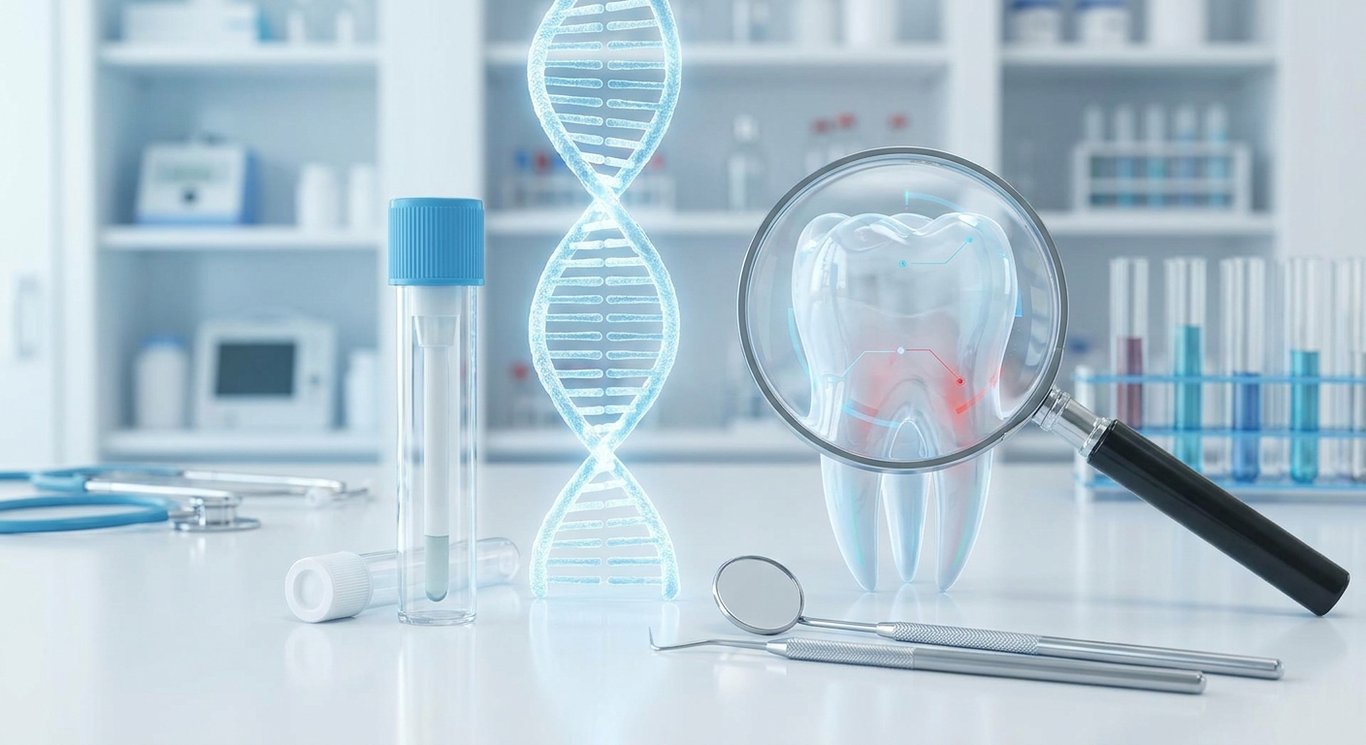
Long before genetic testing entered the conversation, dentists were already gathering the information needed to understand a patient's unique risk profile. A thorough intake process typically includes questions about your dental history — past cavities, gum problems, tooth loss, and previous treatments — as well as your family history of oral health conditions. Medical history is equally important, since conditions like diabetes, autoimmune diseases, and osteoporosis can all affect the mouth. Medications are reviewed because many can cause dry mouth or affect gum tissue. Smoking status, diet habits, oral hygiene practices, and any symptoms of dry mouth round out the picture. Together, this information helps a dentist understand not just what's happening in your mouth right now, but why it might be happening.
Clinical assessments add another layer of detail. A comprehensive dental examination looks at the condition of each tooth, the health of the gum tissue, and any signs of wear, erosion, or damage. Periodontal probing measures the depth of the spaces between teeth and gums, which is one of the most reliable indicators of gum disease activity. Plaque evaluation shows where buildup is occurring and how effectively it's being removed. X-rays reveal bone levels, hidden decay, and structural issues that aren't visible to the naked eye. Caries-risk assessment tools help categorize a patient's cavity risk as low, moderate, or high, guiding decisions about fluoride use and recall frequency. Saliva evaluation may be included when dry mouth is a concern. Monitoring these measurements over time allows a dentist to track changes and catch problems early.
Genetic information, when it's available, should be used to complement clinical findings — not to replace them. A genetic test result that suggests elevated gum disease risk doesn't mean much on its own if the clinical examination shows healthy gums with no bone loss. Conversely, a patient with no known genetic risk factors but significant clinical signs of periodontitis still needs treatment. The most useful approach combines everything: family history, medical background, lifestyle factors, clinical measurements, and professional judgment. Dentistry has always been personalized at its core, and genetic information is simply one more tool — not the whole toolbox.
How Can You Protect Your Teeth if Oral Health Problems Run in Your Family?
Build an Effective Daily Routine
The foundation of good oral health — regardless of your genetic background — is a consistent and effective daily hygiene routine. Brushing twice a day with a fluoride toothpaste is the cornerstone, and technique matters as much as frequency. Using gentle, circular motions rather than harsh scrubbing protects gum tissue and enamel from unnecessary wear. Cleaning between the teeth daily — whether with floss, interdental brushes, or a water flosser — removes plaque from the surfaces that a toothbrush simply can't reach. If you're unsure whether your technique is as effective as it could be, asking your dentist or hygienist for a quick demonstration at your next visit is genuinely worthwhile. Small adjustments to how you clean your teeth can make a big difference over the long term.
Control Dietary and Acid Exposure
What you eat and drink has a direct impact on your cavity risk, especially if you already have a genetic tendency toward weaker enamel or reduced saliva protection. Frequent snacking on sugary or starchy foods keeps acid levels in the mouth elevated for longer, giving bacteria more opportunity to attack tooth surfaces. Acidic drinks like soda, sports drinks, and citrus juices can erode enamel over time, particularly when sipped slowly throughout the day. Choosing water — especially fluoridated tap water — as your primary beverage is one of the simplest and most effective things you can do for your teeth. When you do enjoy sugary or acidic foods, having them with meals rather than as between-meal snacks limits the total time your teeth are under acid attack each day.
Use Preventive Dental Care
Regular professional dental care is especially important for people with a family history of oral health problems. Routine examinations allow a dentist to monitor your teeth and gums over time and catch early signs of trouble before they become more serious and costly to treat. Professional cleanings remove hardened tartar deposits that can't be eliminated by brushing alone. Fluoride treatments — applied in-office as a varnish or gel — can significantly strengthen enamel and reduce decay risk, particularly for patients identified as high-risk. Dental sealants, which are thin coatings applied to the chewing surfaces of back teeth, can protect deep grooves from trapping bacteria. Your dentist may recommend more frequent recall visits if your risk level warrants it — and following that guidance is one of the most proactive things you can do.
Address Medical and Lifestyle Risk Factors
Oral health doesn't exist in a bubble — it's connected to your overall health in ways that are easy to underestimate. If you have diabetes, keeping your blood sugar well-controlled has direct benefits for your gum health, since elevated blood glucose impairs the body's ability to fight infection and heal. Dry mouth, whether caused by medications, radiation therapy, or an underlying condition, significantly increases decay risk and should be discussed with your dental team so it can be managed proactively. Tobacco use — in any form — is one of the most damaging things you can do to your gums and significantly raises your risk of periodontal disease and oral cancer. Reviewing your medication list with your dentist is worthwhile, since many common drugs affect saliva flow or gum tissue. Pregnancy, hormonal changes, and other health events can also shift your oral health risk, so keeping your dental provider informed about what's happening in your overall health is always a good idea.
Monitor Changes and Act Early
One of the most valuable things you can do for your oral health is to pay attention and act promptly when something doesn't seem right. Bleeding gums during brushing or flossing is not normal and is often an early sign of gum inflammation. Persistent bad breath that doesn't resolve with good hygiene can indicate gum disease or other issues. Tooth sensitivity to temperature or sweets may signal enamel erosion or early decay. Loose teeth, swelling in the gums or jaw, tooth pain, visible recession, or changes in how your bite feels are all signs that warrant a dental evaluation without delay. Catching these changes early — before they progress — is almost always better for your long-term oral health and your wallet. If oral health problems run in your family, being a little more tuned in to these warning signs is a smart habit to develop.
What Does Precision Dentistry Mean for Oral Health?
Precision dentistry is an approach that moves away from one-size-fits-all care and toward treatment and prevention that's tailored to the individual. Rather than giving every patient the same recall schedule, the same fluoride recommendations, or the same hygiene instructions, precision dentistry considers a person's clinical findings, daily behaviors, medical history, family history, and specific risk factors to create a more customized plan. The goal is to give the right care to the right person at the right time — not more than necessary, not less. This isn't a futuristic concept; thoughtful dentists have always practiced this way to some degree. What's changing is the depth of information available to inform those decisions.
In practical terms, precision dentistry might mean a high-risk patient receives professional fluoride treatments at every visit, while a low-risk patient with excellent hygiene and no history of decay might not need them as frequently. It might mean more frequent periodontal monitoring for someone with a family history of gum disease, or a referral for orthodontic evaluation when crowding is making hygiene difficult. Digital imaging tools allow for more detailed assessment of bone levels and tooth structure over time. Personalized patient education — explaining specifically why certain habits matter for that individual's risk profile — tends to be more motivating than generic advice. These approaches, taken together, can meaningfully improve outcomes.
Emerging research is expanding the potential scope of precision dentistry even further. Scientists are studying how genomic information, immune response patterns, oral microbiome composition, and various biomarkers might one day be used to predict disease risk and tailor treatment even more precisely. Some research is exploring whether specific bacterial profiles in the mouth can predict periodontal disease progression, or whether certain genetic markers might guide decisions about treatment intensity. These are genuinely exciting areas of investigation. However, it's important to be clear that many of these applications are still under investigation and are not yet ready for routine clinical use. The science is promising, but it's still developing.
What Are the Benefits and Risks of Knowing Your Family Oral Health History?
Knowing that oral health problems run in your family can be genuinely useful — and not just as something to worry about. Family history can prompt earlier checkups, more consistent preventive habits, and more productive conversations with your dentist. If you know that your parent lost teeth to gum disease at a relatively young age, you're more likely to take early signs of gum inflammation seriously and seek care promptly. That kind of informed vigilance can make a real difference in outcomes. Sharing your family history with your dental provider gives them important context that can shape how they monitor and care for you over time.
It's worth keeping in mind, though, that families share more than genes. People who grow up in the same household often share eating habits, dental hygiene practices, attitudes toward dental care, and exposure to tobacco or other environmental factors. If everyone in a family avoids the dentist and eats a lot of sugary foods, their shared oral health challenges may have more to do with shared behaviors than shared DNA. This doesn't make the pattern less important to recognize — it just means that changing the behaviors within your own life can break the cycle, regardless of what your relatives experienced. The family history is a clue, not a verdict.
On the flip side, it's important not to let family history create either excessive fear or a false sense of security. Assuming that you're destined for gum disease because your grandmother had it can lead to anxiety that isn't warranted, especially if you're practicing excellent hygiene and seeing your dentist regularly. Equally problematic is the person who figures that because their parents had great teeth, they don't need to worry — only to discover cavities or bone loss that could have been prevented. Family history is one input among many, and it works best when it motivates action rather than resignation or complacency.

When Should You Ask About Genetic Counseling or Specialist Care?
Most people with a family history of cavities or gum disease don't need genetic counseling — they need good preventive dental care and regular monitoring. But there are situations where a more specialized conversation makes sense. If multiple relatives have had unusual dental conditions — teeth that formed abnormally, erupted very late or not at all, or were missing without an obvious cause — that pattern may suggest a hereditary condition worth investigating. Similarly, if you or a family member has experienced severe gum disease or significant tooth loss at an unusually young age, or if there are developmental abnormalities affecting the teeth, jaw, or facial structure, a referral for specialist evaluation or genetic counseling may be appropriate. These situations are less common, but they're real, and they deserve proper attention.
Depending on what's found, a dentist may refer a patient to several different types of specialists. A periodontist specializes in gum disease and the structures supporting the teeth, and is well-positioned to evaluate and manage complex periodontal cases. An orthodontist handles jaw development and tooth alignment issues. A pediatric dentist has specialized training in children's dental development and can identify early signs of inherited conditions. An oral pathologist can evaluate unusual tissue changes or structural abnormalities. In some cases, a referral to a medical geneticist or genetic counselor — professionals trained to interpret genetic information in a health context — may be the most appropriate next step. The right referral depends entirely on the specific situation.
Before pursuing any kind of genetic testing, it's worth asking some practical questions. First, what would a positive or negative result actually change about your care? If the answer is "nothing," the test may not be worth the cost or the potential anxiety. Second, how will the results be interpreted, and by whom? Genetic information can be complex, and without proper guidance, it's easy to misunderstand what a result means. Third, how will your genetic data be stored and shared? These are legitimate privacy concerns, and it's reasonable to want clear answers before handing over your DNA. A dental professional or genetic counselor can help you think through these questions and decide whether testing makes sense in your specific situation.
Common Myths About Genes, Teeth, and Gums
"Bad Teeth Are Entirely Genetic"
This is one of the most common and most counterproductive myths in oral health. Yes, genetics can influence enamel strength, tooth anatomy, saliva composition, and immune response — all of which affect your susceptibility to dental problems. But saying that bad teeth are "just genetic" ignores the enormous role that daily plaque control, diet, fluoride exposure, tobacco use, medical conditions, and professional dental care play in determining outcomes. People with genuinely challenging genetic factors can maintain excellent oral health with the right habits and support. Conversely, people with favorable genetics can develop serious dental problems if they neglect their teeth. Genetics loads the gun, but lifestyle largely pulls the trigger — and you have far more control over the latter than you might think.
"A DNA Test Can Tell Me Exactly What Will Happen"
Genetic tests can be fascinating and sometimes genuinely informative, but they cannot predict the future of your oral health with certainty. There's an important difference between statistical susceptibility — meaning a slightly higher average risk in a research population — and a definite prediction of what will happen to one specific person. Current genetic tests for oral health conditions cannot reliably forecast whether an individual will develop cavities or periodontitis, because these conditions arise from complex interactions between many genes and many environmental factors. A test result that says you have a variant associated with higher cavity risk doesn't mean cavities are inevitable. It's a piece of information, not a prophecy, and it should be interpreted in the context of a full clinical picture.
"If My Parents Had Gum Disease, I Will Definitely Have It"
A family history of gum disease is worth taking seriously — it's a legitimate reason to be more vigilant about your periodontal health and to mention it to your dentist. But it is absolutely not a guarantee that you will develop the same condition. Inherited susceptibility means your risk may be elevated, not that the outcome is predetermined. Many people with strong family histories of gum disease maintain healthy gums throughout their lives because they practice excellent hygiene, avoid tobacco, manage their overall health well, and stay consistent with professional care. Your family's experience is a useful warning signal, not a sentence. Use it as motivation to be proactive rather than as a reason to give up before you've even started.
"Healthy-Looking Teeth Mean Genetic Risk Does Not Matter"
Teeth and gums can look perfectly fine on the surface while significant problems are developing underneath. Early gum disease often causes no pain and may produce only subtle signs — slight bleeding during brushing, mild redness — that are easy to dismiss. Early enamel erosion or small cavities between teeth are invisible without X-rays. Bone loss around teeth progresses silently until it becomes advanced. This is exactly why routine dental examinations matter, even when everything seems fine. If you have a family history of oral health problems, maintaining regular checkups is especially important, because the goal is to catch and address issues before they become visible or symptomatic. Feeling fine is not the same as being fine, and early prevention is always better than late treatment.
Frequently Asked Questions About Genetic Oral Health
Are cavities hereditary?
Susceptibility to cavities does appear to have inherited components. Genes can influence how well your enamel mineralizes during development, the shape and groove depth of your teeth, how much saliva you produce and what protective properties it has, and how your immune system responds to the bacteria that cause decay. These inherited differences can make some people's teeth more resistant or more vulnerable to cavities compared to others, even with similar habits.
However, inherited susceptibility is only part of the equation. Diet — especially how often you consume sugary and acidic foods and drinks — has a major impact on cavity risk. Oral hygiene practices, fluoride exposure from toothpaste and water, whether you experience dry mouth, the bacteria present in your mouth, and how consistently you attend dental appointments all strongly influence whether cavities actually develop. Genetics may set the stage, but these daily factors largely determine what happens on it.
Is gum disease genetic?
There is a genetic component to gum disease, particularly in how the immune and inflammatory systems respond to the bacteria in dental plaque. Some people are genetically predisposed to mount a stronger inflammatory response to plaque bacteria, which can lead to more rapid tissue breakdown and bone loss around the teeth. Certain gene variants have been studied in relation to periodontal susceptibility, and family history does appear to be a meaningful risk factor for some forms of gum disease.
That said, genetics is far from the only driver of periodontal outcomes. Smoking is one of the most significant risk factors for gum disease and can dramatically accelerate its progression. Diabetes, poor plaque control, chronic stress, and certain medications also play major roles. Many people with a genetic predisposition to gum disease maintain healthy gums by addressing these modifiable factors. The interaction between genes and environment is what ultimately determines periodontal health for most people.
Can a genetic test tell me if I will get cavities?
No genetic test currently available can provide a definitive prediction of whether an individual will develop dental caries. While research has identified genetic variants associated with cavity risk in population studies, these associations are not strong or specific enough to reliably forecast outcomes for a single person. The genetics of tooth decay are complex, involving many genes interacting with diet, bacteria, saliva, fluoride exposure, and hygiene habits in ways that no test has yet been able to capture accurately.
Rather than relying on a genetic test result, the most effective approach is a thorough clinical risk assessment with your dentist. This includes evaluating your cavity history, diet, oral hygiene, saliva, fluoride exposure, and other relevant factors to determine your current risk level and create a prevention plan tailored to you. That kind of personalized, evidence-based assessment is far more actionable and reliable than a genetic test result at this point in time.
Should I get genetic testing for gum disease?
Routine genetic testing is not currently established as a standard or necessary tool for assessing common periodontal disease risk. Clinical assessments — including periodontal probing, examination of gum tissue, X-rays to evaluate bone levels, and a review of your health history — remain the most reliable and clinically validated way to evaluate your gum health and risk. For the vast majority of people, these tools provide all the information needed to guide prevention and treatment decisions.
There may be specific situations where discussing genetic testing with a dental professional makes sense — for example, if you have an unusually strong family history of severe gum disease, if you've experienced significant periodontal problems at a young age, or if there's a suspected inherited condition affecting multiple family members. In those cases, a dentist or periodontist can help you decide whether further investigation is warranted and what form it should take. The key question is always whether the test result would meaningfully change your care.
What can I do if oral health problems run in my family?
There's quite a bit you can do, and most of it is straightforward. Brushing twice daily with fluoride toothpaste and cleaning between your teeth every day are non-negotiable basics. Choosing a diet that limits frequent sugar and acid exposure protects your enamel from unnecessary attack. Avoiding tobacco in all forms removes one of the most powerful risk factors for gum disease and oral cancer. If you have medical conditions like diabetes, keeping them well-managed has direct benefits for your oral health. Reviewing your medications with your dental team is worthwhile, especially if you experience dry mouth. These habits won't change your genes, but they can powerfully influence whether your genetic susceptibility ever translates into actual disease.
Equally important is sharing your family history openly with your dentist and keeping up with professional care. When your dentist knows that gum disease or extensive decay runs in your family, they can monitor for early signs more carefully, adjust your recall schedule if needed, and tailor preventive treatments to your specific risk profile. Don't wait for symptoms to appear — many oral health problems develop silently and are best addressed before they cause discomfort or visible damage. An individualized prevention and monitoring plan, built around your unique history and risk factors, is one of the most powerful tools available to you.
Conclusion: Turning Your Oral Health Blueprint Into Action
Your genes are a meaningful part of your oral health story — they can influence enamel strength, saliva composition, tooth development, immune response, and gum tissue vulnerability in ways that genuinely matter. But they're only one chapter. Common conditions like cavities and periodontitis arise from complex interactions among genetics, daily behaviors, diet, environment, overall medical health, and access to dental care. No single gene determines your dental destiny, and current clinical examinations and preventive care remain far more useful and reliable than treating a genetic test result as a definitive forecast of your oral future.
Let this overview of your oral health blueprint be the starting point for a real conversation with your dentist. Share your family history, describe any symptoms or concerns you've noticed, and ask about your individual risk factors. Schedule the examinations and preventive care that your situation calls for. The goal is to turn inherited susceptibility into practical, proactive prevention — not unnecessary worry. Your genes may have set the stage, but the choices you make every day, and the care you seek from dental professionals, have tremendous power to shape how your oral health story actually unfolds.
If you're ready to take the next step, start by booking a comprehensive dental exam and bringing your family health history with you. Talk openly with your dentist about what you've learned, ask questions, and work together to build a prevention plan that's right for you. Your oral health is worth investing in — and the best time to start is always now.