Understanding the Oral Microbiome in Dental Health
Published 15 min read
What Is the Oral Microbiome?
The oral microbiome is best described as a bustling, complex ecosystem of microscopic life that lives inside your mouth. While we often think of germs as bad, this community includes over 700 different species of bacteria, fungi, archaea, and viruses that inhabit every nook and cranny of the oral cavity. These microorganisms settle on your teeth, coat your tongue, live along the gum line, and even float freely in your saliva, creating a dynamic environment that is unique to every individual. To truly understand dental health, we must first recognize that our mouths are living habitats for these tiny residents.
In terms of size and complexity, the oral microbiome is the second-largest microbial community in the human body, surpassed only by the gut microbiome. This vast network of organisms relies on diversity to maintain a state of equilibrium, or balance, which is essential for a healthy mouth. When a wide variety of microbes are present, they work together to keep the environment stable, much like a healthy rainforest relies on many different plants and animals to thrive. Consequently, maintaining this high bacterial diversity is crucial for preventing disease and ensuring your mouth functions correctly.
It is important to highlight that this microbiome is a natural and necessary part of human biology, not an infection that needs to be eradicated. While bacteria make up the majority of this population, the presence of viruses and fungi is also significant and contributes to the overall ecosystem. These various microbes interact with each other and with the human host in intricate ways. Therefore, recognizing the importance of the entire community—beyond just bacteria—is the first step toward a holistic approach to dental care.
Composition of a Healthy Oral Microbiome
A healthy mouth is teeming with beneficial bacteria that work tirelessly to protect your oral environment. Key players in this protective squad include species like Streptococcus sanguinis and Streptococcus salivarius, along with other helpful groups such as Abiotrophia, Peptostreptococcus, and Actinomyces naeslundii. You will also find well-known beneficial bacteria like Lactobacillus and Bifidobacterium, as well as Weissella, all living in harmony. These specific strains are vital because they occupy the surfaces of your mouth, leaving little room for harmful invaders to take hold.
The composition of this community is further divided into Gram-positive and Gram-negative species, which have distinct cell wall structures and functions. In a balanced state, these bacteria perform essential tasks, such as producing natural antimicrobial compounds that fight off bad germs. Furthermore, they utilize nutrients found in the mouth, like urea, to survive and maintain a neutral environment. By performing these specific biological roles, these diverse bacterial groups ensure that the oral ecosystem remains stable and healthy.
Functions and Benefits of a Balanced Oral Microbiome
Natural Defense Mechanisms
One of the primary jobs of a healthy oral microbiome is to act as a natural security system against dangerous pathogens. Good bacteria compete aggressively with harmful invaders for space and food resources, effectively crowding them out before they can cause trouble. This competition is vital because it prevents the overgrowth of bad bacteria that lead to infections. By holding their ground, beneficial microbes create a barrier that keeps the oral environment safe and resilient against disease.
In addition to crowding out pathogens, the oral microbiome plays a critical role in regulating pH levels within the mouth. Beneficial bacteria help maintain a neutral acidity level, which is necessary to prevent the erosion of tooth enamel. When the pH drops and becomes too acidic, teeth are vulnerable to decay, but a balanced microbiome works to buffer these acids. Ultimately, this regulation supports gum health and preserves the structural integrity of your teeth.
Role in Digestion and Immune Response
The process of digestion actually begins in the mouth, and the oral microbiome is a key participant in this initial phase. These microbes assist in the breakdown of complex molecules, such as glycoproteins and sugars, turning them into forms that can be utilized for nutrients. By starting this metabolic process early, the oral bacteria help prepare food for further digestion in the stomach and intestines. Thus, your oral health contributes directly to how well your body processes the food you eat.
Beyond digestion, the oral microbiome is deeply connected to your body's immune system. These microbes constantly interact with immune cells, helping to train and alert the body's defenses to potential threats. A healthy microbiome contributes to a robust immune response, offering protection against common oral diseases like dental caries (cavities) and periodontitis. Therefore, maintaining a balanced microbial community is a proactive way to support your body's ability to fight off infections.
What Is Dysbiosis and Its Warning Signs?
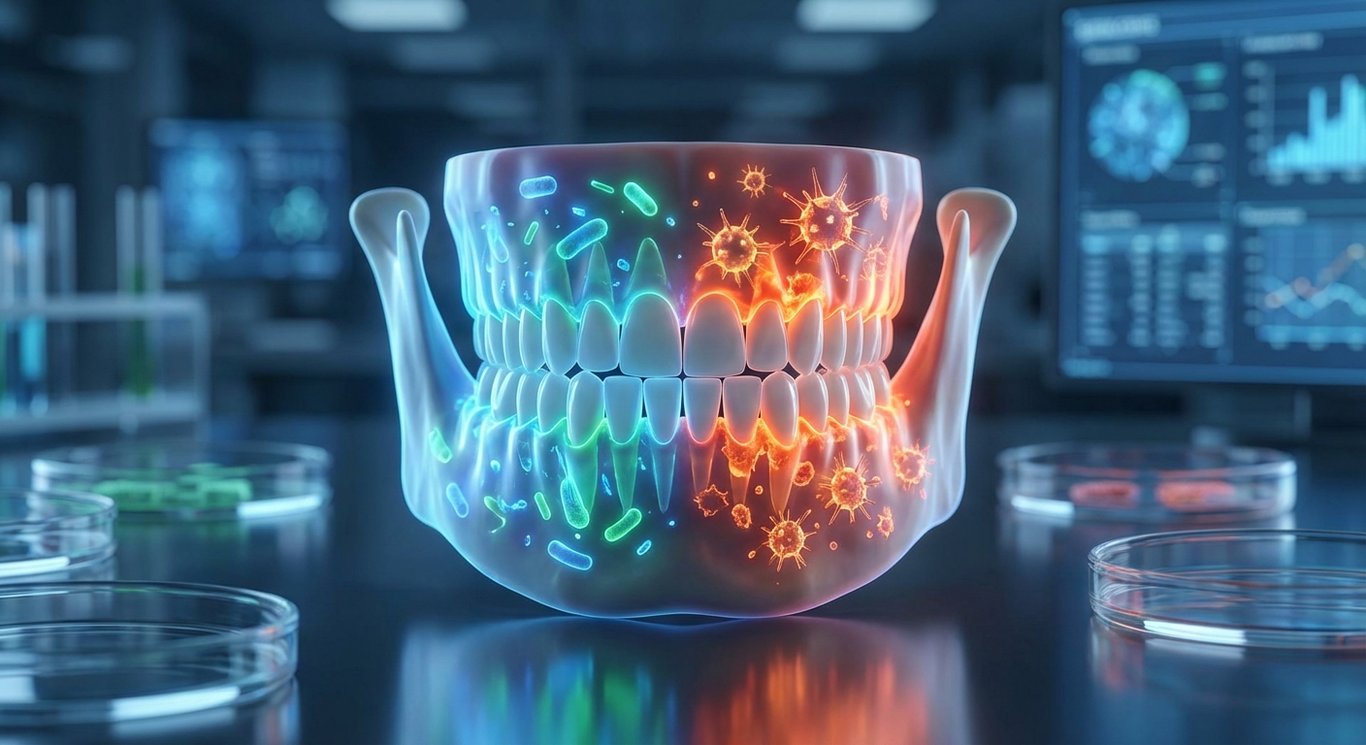
Dysbiosis is a term used to describe a state of imbalance within the microbial community, where the harmony of the ecosystem is disrupted. This usually involves an overgrowth of harmful bacteria, such as Streptococcus mutans, and a simultaneous decline in the beneficial species that keep the mouth healthy. When the bad bacteria start to outnumber the good ones, the environment shifts from being protective to being destructive. Understanding this shift is critical because it marks the beginning of many dental and systemic health issues.
There are several physical warning signs that indicate your oral microbiome may be in a state of dysbiosis. You might notice a thick or discolored coating on your tongue, which suggests an accumulation of bacteria and debris. Other common symptoms include persistent inflammation of the gums, chronic bad breath (halitosis), and a measurable increase in pathogens residing on the tongue's surface. Paying attention to these signals can help you catch imbalances early before they progress into more serious conditions.
If left unchecked, dysbiosis leads to significant consequences for oral tissues. The dominance of harmful bacteria can result in direct damage to the gums and teeth, weakening the mouth's natural defenses. Furthermore, this imbalance disrupts the body's natural repair processes, making it harder for tissues to heal from minor injuries or daily wear and tear. Consequently, restoring balance is essential to stop this cycle of tissue damage and promote healing.
Oral Diseases Linked to Microbiome Imbalance
Dental caries, commonly known as cavities, are perhaps the most well-known result of a disrupted oral microbiome. When acid-producing bacteria are allowed to thrive due to a high-sugar diet or poor hygiene, they create an acidic environment that attacks the teeth. Over time, this acid erodes the protective enamel layer, leading to holes and structural damage. This process highlights how a shift in bacterial balance can directly destroy the hard tissues of the mouth.
Gum diseases, ranging from mild gingivitis to severe periodontitis, are also fundamentally linked to microbial infections and inflammation. As harmful bacteria accumulate along the gum line, they trigger an immune response that causes swelling, bleeding, and redness. If the infection deepens, it can destroy the bone and tissue supporting the teeth, eventually leading to tooth loss. Thus, managing the microbiome is just as important for your gums as it is for your teeth.
Beyond cavities and gum disease, other conditions can arise from a chaotic oral ecosystem. Oral candidiasis, a fungal infection often called thrush, can occur when beneficial bacteria are suppressed, allowing fungi to overgrow. Additionally, chronic halitosis is often caused by volatile sulfur compounds produced by an excess of bad bacteria. Enamel erosion is another risk, as the protective buffering capacity of the microbiome is lost. These varied conditions demonstrate the widespread impact of microbial imbalance.
Systemic Health Connections: Oral-Gut Axis and Beyond
The health of your mouth acts as a mirror for the rest of your body, and the connection is often physical. Research has established strong links between oral dysbiosis and gastrointestinal diseases, cardiovascular disease (CVD), and diabetes. This happens partly through microbial translocation, where bacteria from the mouth travel down the digestive tract or enter the bloodstream, affecting distant organs. Consequently, a problem in your mouth can contribute to serious issues in your heart or gut.
The influence of the oral microbiome extends even further, showing associations with neurological conditions and autoimmune diseases. Studies have found connections between oral bacteria and conditions like rheumatoid arthritis, where inflammation plays a central role. There are also links to respiratory issues, as oral bacteria can be inhaled into the lungs, and emerging research even suggests associations with certain types of cancer. This suggests that oral health is a critical component of disease prevention throughout the body.
At the core of these systemic connections is body-wide inflammation and immune dysregulation. When the mouth is in a state of chronic infection, it releases inflammatory markers into the bloodstream that can affect overall health. This is particularly concerning for pregnant women, as oral dysbiosis has been linked to adverse pregnancy outcomes such as preterm birth. Therefore, maintaining oral balance is not just about a nice smile; it is a vital part of protecting your general well-being.
Factors Influencing the Oral Microbiome
Your diet is one of the most powerful tools you have to shape your oral microbiome, for better or worse. High sugar consumption is particularly damaging because it acts as a primary fuel source for harmful, acid-producing bacteria. When you eat sugary foods frequently, you are essentially feeding the pathogens that cause cavities and gum disease, allowing them to multiply rapidly. Conversely, a diet low in sugar and rich in whole foods can starve these bad bacteria and help maintain a healthy balance.
Lifestyle choices and habits also play a massive role in the composition of your oral ecosystem. Smoking and heavy alcohol consumption are known to disrupt the microbiome, killing off beneficial bacteria and drying out the mouth. Additionally, high stress levels can alter your saliva production and immune response, further weakening your defenses. Of course, your daily oral hygiene practices and underlying medical conditions also dictate which microbes survive and thrive in your mouth.
Finally, environmental factors within the mouth itself can influence bacterial growth. The biofilm that forms on the tongue acts as a reservoir for bacteria, and if not cleaned, it can harbor pathogens that spread to the teeth and gums. Host habits, such as mouth breathing, can also dry out oral tissues, altering the environment in a way that favors unhealthy microbes. Being aware of these environmental factors allows you to make small changes that have a big impact on your oral health.
How to Maintain a Healthy Oral Microbiome
The foundation of a balanced microbiome lies in consistent and effective oral hygiene. Brushing twice a day and flossing daily are non-negotiable habits that physically remove food particles and disrupt harmful biofilm accumulation. However, it is also important to include tongue cleaning in your routine, as the tongue can host a significant amount of bacteria. By mechanically removing these deposits, you support the growth of beneficial flora and prevent pathogens from taking over.
Dietary changes are equally important for fostering a healthy microbial community. Reducing your intake of processed sugars and acidic drinks deprives harmful bacteria of their favorite food source, stopping them from producing tooth-damaging acids. Instead, focus on eating fiber-rich fruits and vegetables, which stimulate saliva production and naturally clean the teeth. These dietary adjustments create an environment where good bacteria can flourish and protect your mouth.
Beyond brushing and eating well, managing your overall lifestyle is key to oral health. Chronic stress can suppress your immune system and reduce saliva flow, so practicing stress management techniques can indirectly benefit your mouth. Additionally, regular dental check-ups are essential, as professionals can spot early signs of imbalance that you might miss. Combining these lifestyle habits with good hygiene creates a comprehensive strategy for microbiome health.
Interventions and Treatments for Microbiome Health
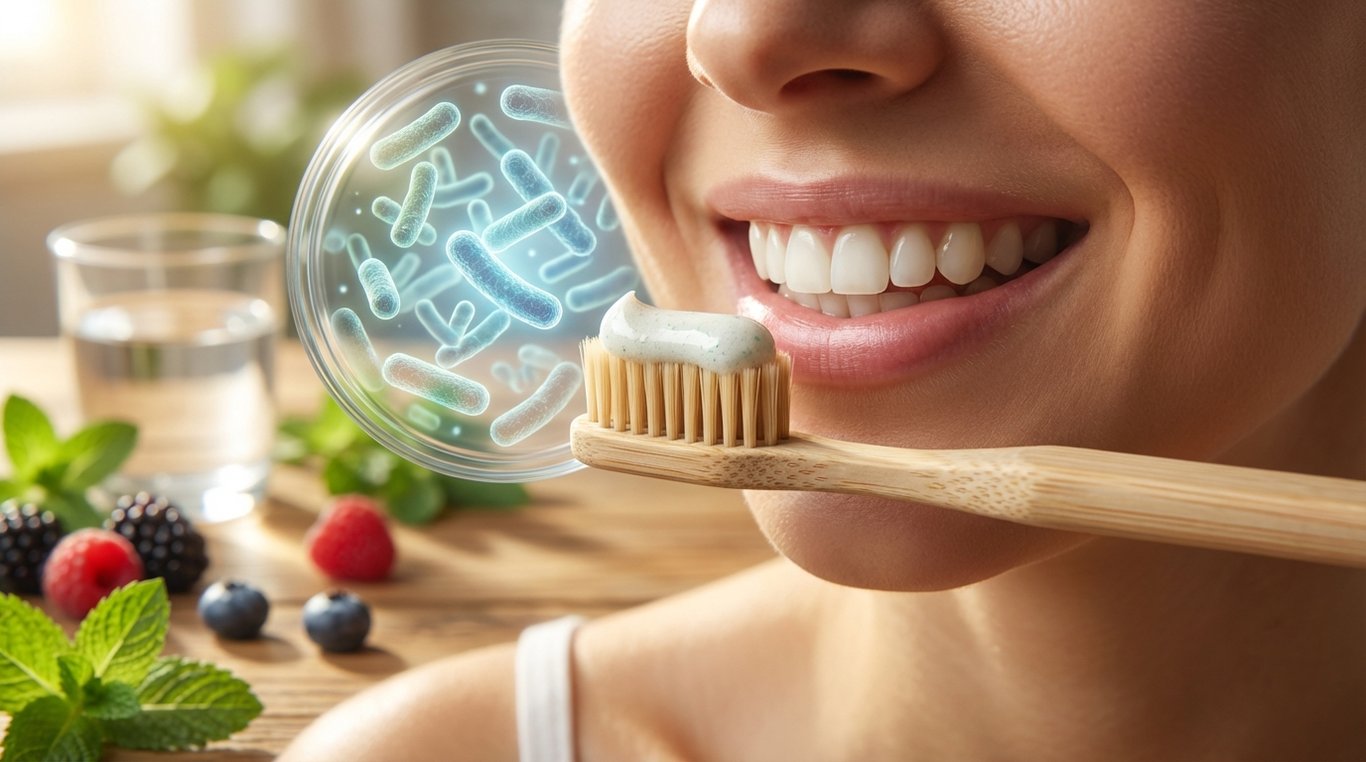
As science advances, we are seeing the rise of targeted treatments like oral probiotics to help restore balance. Strains such as Lactobacillus and Bifidobacterium are being used specifically for periodontal treatment to introduce "good" bacteria back into the environment. These probiotics can help crowd out pathogens and reduce inflammation, offering a biological approach to fighting gum disease. Adding these beneficial microbes can be a powerful adjunct to traditional dental care.
There are also various products and substances that can alter the oral environment to favor health. Xylitol, a natural sweetener, is effective because harmful bacteria cannot process it, leading to their decline. Fluoride helps strengthen enamel, while therapeutic oral rinses and essential oils can target bad bacteria without wiping out the entire community. Ancient practices like oil pulling and modern innovations like peptide therapies offer additional ways to manage the microbiome effectively.
Ultimately, the most effective approach involves personalized strategies tailored to the individual. Because everyone's microbiome is unique, what works for one person may not work for another. Treatments should be based on a specific analysis of your oral ecosystem, allowing for precise interventions. This shift toward personalization ensures that you are not just treating symptoms, but actively cultivating a healthy environment suited to your body.
Personalized Oral Care Strategies
Personalized oral care is about recognizing that your mouth is unique and requires a strategy tailored to your specific life circumstances. This means adjusting your care routine based on your diet, your lifestyle habits, and any existing health conditions you may have. For example, a diabetic patient may need a different regimen than someone without systemic health issues to maintain microbiome balance. By customizing your approach, you can address your specific risk factors and promote long-term health more effectively.
Dentists play a crucial role in this personalized approach, acting as partners in your health journey. Modern dentistry is moving beyond just filling cavities to assessing the biological state of your mouth. Your dentist can recommend targeted interventions, such as specific probiotics or hygiene tools, based on the current state of your microbiome. Relying on professional guidance ensures that your personalized strategy is scientifically sound and effective.
FAQ: Common Questions About the Oral Microbiome
1. What causes oral microbiome dysbiosis?
Dysbiosis is primarily caused by lifestyle and environmental factors that disrupt the natural balance of the mouth. A poor diet high in processed sugars provides fuel for harmful bacteria, while habits like smoking and poor oral hygiene allow pathogens to multiply unchecked. Additionally, chronic stress can weaken the immune system, further contributing to the overgrowth of bad bacteria and the decline of beneficial species.
2. Can oral bacteria affect heart health?
Yes, there is a significant link between oral bacteria and heart health. When the mouth is in a state of dysbiosis, harmful bacteria can enter the bloodstream through inflamed gums and travel to the heart. This bacterial translocation can contribute to inflammation in the cardiovascular system, increasing the risk of conditions like atherosclerosis and cardiovascular disease.
3. Are probiotics effective for oral health?
Probiotics are showing great promise as an effective tool for improving oral health. Specific strains, such as Lactobacillus and Streptococcus, can help restore the natural balance of the microbiome by competing with harmful pathogens. Research suggests that these beneficial bacteria can be particularly helpful in treating and preventing conditions like periodontitis.
4. How does diet impact the oral microbiome?
Diet has a direct and immediate impact on the composition of your oral microbiome. Sugary and starchy foods promote the growth of acid-producing bacteria that cause cavities and inflammation. In contrast, a balanced diet rich in vitamins, minerals, and fiber supports the growth of good bacteria and helps maintain a neutral pH in the mouth.
5. Is bad breath a sign of microbiome issues?
Yes, chronic bad breath, or halitosis, is often a clear sign of an underlying issue with the oral microbiome. It typically results from dysbiosis, where odor-producing bacteria are allowed to thrive on the tongue and between teeth. These bacteria produce volatile sulfur compounds that cause the unpleasant smell, indicating that the microbial community is out of balance.
Conclusion
The oral microbiome is a fascinating and critical component of our overall health that goes far beyond just having a bright smile. As we have explored, this complex community of microbes plays a vital role in preventing dental diseases, aiding digestion, and even training our immune system. Maintaining a balance between beneficial and harmful bacteria is essential, and we now know that effective interventions like probiotics, proper hygiene, and dietary changes can help us achieve this. Understanding that our mouth is the gateway to the body highlights why preserving this ecosystem is so important.
It is crucial to remember that dysbiosis affects not just your teeth and gums, but your entire well-being. The connections between oral health and systemic conditions like heart disease and diabetes prove that ignoring your oral microbiome can have serious consequences. By taking a proactive approach to dental care—viewing it as a form of total body preventative medicine—you can protect yourself from a wide range of health issues. A healthy mouth truly is the foundation for a healthy life.
Dive deeper into "The Complete Guide to the Oral Microbiome: A New Frontier in Dental Health" to access personalized strategies, latest research, and actionable steps for transforming your oral and systemic health today.