Understanding Dental Crowns: Materials, Costs, and Longevity
Published 13 min read
Introduction to Dental Crowns
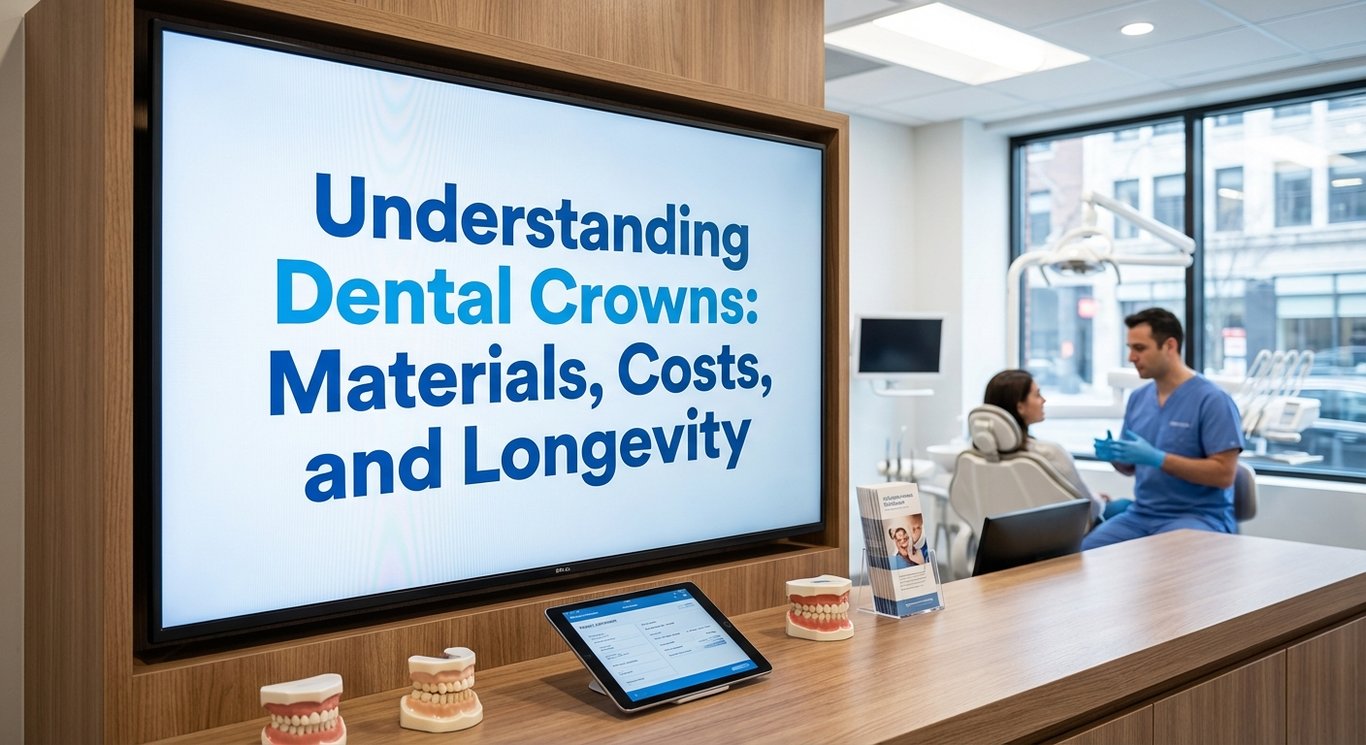
Dental crowns are custom-fitted caps designed to encase a damaged or decayed tooth, serving as a vital cornerstone of modern restorative dentistry. By completely covering the visible portion of a tooth above the gum line, these versatile restorations protect and reinforce weakened dental structures while beautifully enhancing their aesthetic appearance. Consequently, patients can enjoy a fully functional bite and a seamless smile without worrying about further dental deterioration.
Patients typically seek out dental crowns for a variety of compelling reasons, ranging from cosmetic upgrades to essential structural repairs. Common dental conditions that require this treatment include severe tooth decay, fractured enamel, or the brittle aftermath of a root canal procedure. Ultimately, a well-crafted crown not only saves a compromised tooth from extraction but also restores a patient's confidence and overall oral health.
Common Types of Dental Crown Materials
When it comes to choosing the right restoration, patients have access to a diverse array of widely used materials in modern dental crown construction. Today's most popular options include lifelike porcelain, durable ceramic, resilient metal alloys, cutting-edge zirconia, and budget-friendly composite resin. Because every smile is unique, the optimal material ultimately depends on individual factors such as the tooth's specific location, your personal aesthetic requirements, and the daily structural demands placed on your bite.
Porcelain and All-Ceramic Crowns
Porcelain and all-ceramic crowns are celebrated for their incredibly natural appearance and exceptional color-matching capabilities. Because they reflect light similarly to natural enamel, these crowns are considered the ideal choice for highly visible front teeth restorations. Furthermore, they boast excellent biocompatibility and non-toxic properties, making them a perfectly safe option for patients who struggle with metal allergies. As an added bonus, their smooth surfaces offer impressive resistance to surface cracks and make daily cleaning an absolute breeze.
Despite their stunning visual appeal, porcelain crowns do come with a few potential limitations that patients should carefully consider. Because they lack the underlying strength of metal, these all-ceramic options are more susceptible to chipping or fracturing if they are subjected to extreme biting pressure. Additionally, there is a rare but notable disadvantage where the hard porcelain material can potentially wear down or damage neighboring natural teeth, especially if the patient struggles with excessive teeth grinding or jaw clenching.
Metal Crowns (Gold and Alloys)
Metal crowns, particularly those crafted from gold alloys combined with other base metals, are legendary in the dental world for their exceptional durability and sheer strength. These robust restorations offer superior tolerance to heavy biting and chewing forces, boasting an impressive resistance to chipping or breaking over time. Furthermore, dentists appreciate them because they require less removal of the natural tooth structure during preparation and are relatively easy to remove if future dental work is needed. It is easy to see why these resilient caps enjoyed massive historical popularity throughout the 1980s and 1990s.
However, the obvious aesthetic limitations of metal crowns make them a less-than-ideal choice for highly visible front teeth. Instead, their metallic appearance and unbeatable strength make them far better suited for posterior teeth that must endure significant daily chewing forces. Because of their incredibly long-lasting nature and reliable performance, metal alloys remain a highly recommended and practical option for restoring out-of-sight molars.
Porcelain-Fused-to-Metal (PFM) Crowns
Porcelain-fused-to-metal (PFM) crowns ingeniously combine the formidable strength of a metal base with the attractive aesthetic appeal of a porcelain overlay. By blending these two distinct materials, PFM crowns truly offer patients the best of both worlds in terms of function and beauty. Thanks to their remarkable versatility for various dental applications, these hybrid restorations have maintained a proven, highly successful track record in dentistry for over 50 years.
Among the PFM category, porcelain-fused-to-gold crowns offer specific advantages that make them a premium choice for many patients. They are uniquely compatible with glass ionomer cements, which are notably less invasive and provide a more stable bond than many other modern cementing materials. Ultimately, this fantastic balance between rugged durability and natural aesthetics makes PFM crowns highly suitable for restoring both front and back teeth.
Zirconia Crowns
Zirconia is a highly durable, white crystalline oxide derived from the metal zirconium, and it is widely used today to produce various advanced ceramics, including premium dental restorations. This innovative material perfectly balances impressive hardness with necessary elasticity, making it an exceptionally strong dental crown material. In fact, zirconia is specifically engineered to withstand heavy bite forces, allowing it to resist fracturing significantly better than traditional PFM crowns.
Beyond its raw strength, zirconia crowns offer a wealth of modern advantages, including a faster installation process that often requires fewer visits to the dentist. Because dentists can precisely cut and shape them directly from digital scans without relying on lengthy external laboratory work, patients benefit from the improved accuracy of digital scanning technology. Additionally, zirconia boasts excellent biocompatibility that minimizes the risk of allergic reactions, all while providing good aesthetics that make it suitable for both front and back teeth.
Lithium Disilicate (E-Max) Crowns
Representing the latest advancement in dental crown technology, lithium disilicate (often known by the brand name E-Max) is a premier type of all-ceramic crown that is remarkably light and thin while remaining easily customizable. These state-of-the-art restorations deliver excellent aesthetics, impressive durability, and fantastic versatility for both front and back teeth restorations. However, patients should be aware of their higher overall cost and potential structural limitations when they are used for multiple heavy-duty back tooth restorations.
Composite Resin Crowns
Composite resin is a versatile synthetic material commonly used in standard dental fillings, but it can also be carefully customized to create solid crowns through a specialized curing and drying process. These crowns are highly suitable for patients who are sensitive to both metal and porcelain materials, and they offer a significantly reduced cost compared to premium gold and porcelain options while effectively mitigating tooth sensitivity. Nevertheless, patients must weigh these benefits against their lower overall strength and durability compared to other options, which often results in the need for more regular dental visits for eventual replacement.
Factors Influencing Crown Material Selection
The specific location of the damaged tooth—whether it is an anterior (front) or posterior (back) tooth—plays a massive role in affecting your dentist's material choice. For highly visible front teeth, porcelain and zirconia are heavily preferred due to their superior aesthetics and natural light-reflecting qualities. Conversely, all-ceramic or sturdy metal options are generally deemed more suitable for back teeth based on the intense chewing force requirements needed in the back of the mouth.
Beyond just tooth location, several personal factors must be carefully evaluated to ensure the most successful dental restoration. Individual aesthetic requirements, specific structural demands, existing metal allergies, temperature sensitivity concerns, and personal budget constraints all play incredibly important roles in the decision-making process. By openly discussing these variables with your dental provider, you can accurately determine the optimal crown material tailored specifically to your unique oral health needs.
Dental Crown Costs and Price Comparisons
When planning for a dental restoration, patients will quickly notice that different crown materials vary significantly in price. Generally speaking, composite resin crowns stand out as the most affordable option, making them a popular choice for budget-conscious individuals. Moving up the price scale, zirconia crowns are typically more affordable than premium metal crowns, while advanced lithium disilicate crowns rank among the most expensive options due to the cutting-edge technology required to craft them.
Sitting comfortably in the middle of the pricing spectrum, porcelain-fused-to-metal crowns typically cost less than all-porcelain crowns but remain slightly more expensive than basic composite options. Meanwhile, traditional metal alloy crowns often represent highly economical choices over the long term due to their minimal need for replacement. Ultimately, your specific material selection directly impacts your overall treatment costs, making it essential to balance your budget with your long-term dental goals.
Longevity and Durability of Dental Crowns
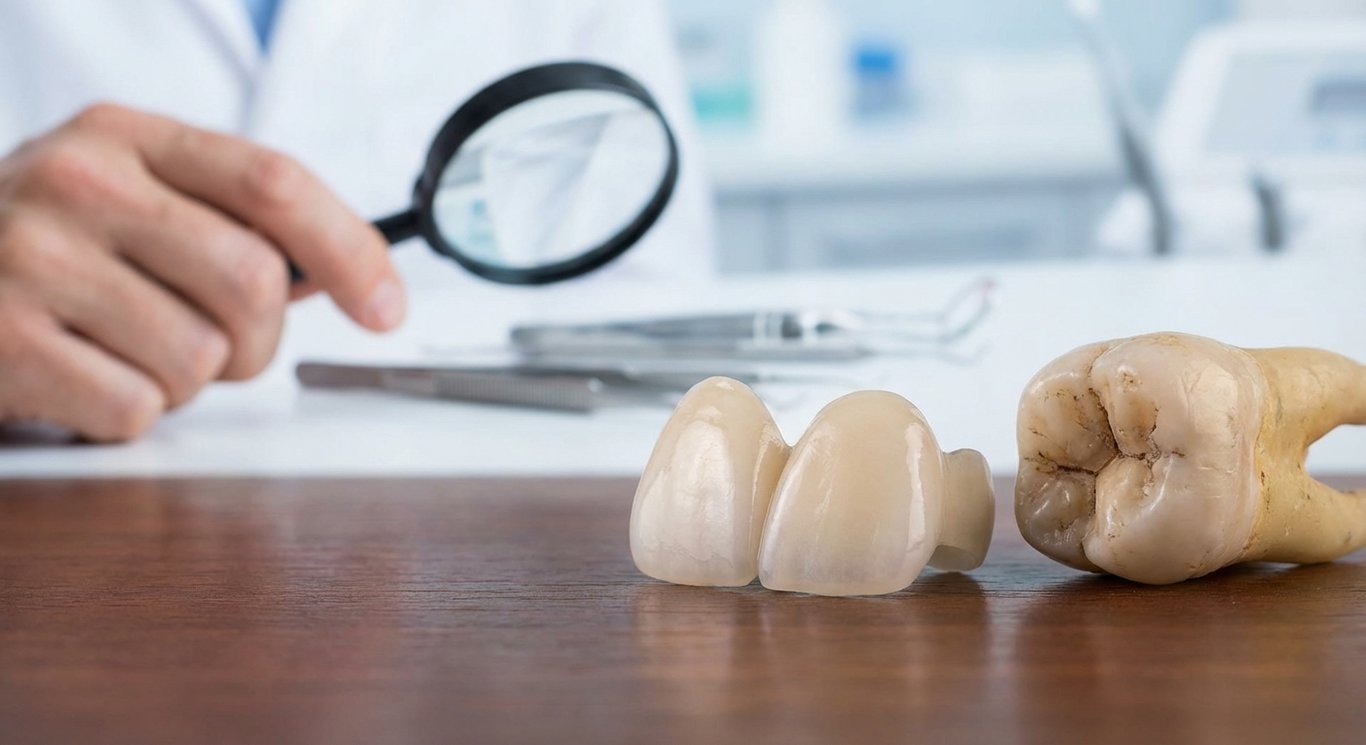
The expected lifespan and durability of a dental restoration vary significantly across the different available crown materials. Metal crowns are legendary for their resilience; they rarely chip and are the most tolerant to heavy biting and chewing forces, making them the ultimate long-term protective option. In stark contrast, composite crowns are much more prone to wear and tear, meaning they may require regular replacement due to their inherently lower strength and durability.
Modern ceramic options also present unique durability profiles that patients should understand. Zirconia crowns resist fracturing far better than traditional PFM crowns and offer exceptional structural integrity for heavy chewers. Meanwhile, pure porcelain crowns resist surface cracks more effectively than composite options, despite being generally less durable than solid metal. Regardless of the material you choose, committing to proper daily maintenance will significantly extend your crown's longevity and protect your investment.
Maintenance and Care for Dental Crowns
Implementing proper maintenance practices for your dental crowns is absolutely essential to extend their lifespan and keep your smile healthy. Fortunately, porcelain and all-ceramic crowns are incredibly easy to clean because they have no dark metal sides or edges to trap stubborn dirt and plaque. To maximize longevity across all crown types, patients should adhere to general care guidelines, which include brushing twice daily with a non-abrasive toothpaste, flossing carefully around the crown's base, and attending regular professional dental checkups.
Aesthetic Considerations and Natural Appearance
When a flawless smile is the primary goal, porcelain and ceramic crowns consistently provide the most natural-looking results by perfectly matching the shape, size, and color of your surrounding teeth. Modern innovations like zirconia and lithium disilicate crowns also offer excellent aesthetics and can be expertly customized to blend seamlessly with your natural smile. On the other end of the spectrum, traditional metal crowns completely sacrifice aesthetics in favor of unbeatable durability, making them visually distinct from your natural teeth.

Special Considerations and Contraindications
Patients with known metal allergies must navigate their crown selection with extra care and should completely avoid full metal or PFM crowns. Instead, these individuals should strongly consider all-ceramic, porcelain, or composite options to ensure a safe and healthy restoration. Addressing these biocompatibility concerns upfront is crucial, as different materials can significantly affect patients with existing sensitivities, potentially leading to uncomfortable gum inflammation or allergic reactions if the wrong material is used.
Additionally, patients with a habit of excessive teeth grinding or clenching (bruxism) present unique challenges that typically require stronger materials like metal or zirconia rather than traditional, fragile porcelain. On the other hand, patients who struggle with severe tooth sensitivity to hot and cold beverages can find immense relief with certain materials like porcelain. Because pure porcelain possesses an inability to conduct heat and cold efficiently, it acts as a fantastic insulator that dramatically reduces uncomfortable temperature sensitivity.
Frequently Asked Questions About Dental Crowns
What is the most natural-looking dental crown material?
Porcelain and all-ceramic crowns provide the most natural appearance of all crown materials, boasting excellent color-matching capabilities. Because they can be crafted to closely match the exact shape, size, and color of your surrounding natural teeth, they are virtually indistinguishable from real enamel. Consequently, they are widely considered the ideal choice for front teeth restorations where flawless aesthetics are a primary concern.
Which dental crown material is the most durable?
Metal crowns, particularly those formulated from high-quality gold alloys, are widely recognized as the most durable and long-lasting crown option available today. They rarely chip, are highly tolerant to intense biting and chewing forces, and are easily removable by a dentist if future adjustments are needed. However, for those who want to avoid a metallic smile, zirconia crowns offer an excellent, modern alternative that provides a remarkable balance of heavy-duty durability and pleasing aesthetics.
How much does a dental crown cost?
Dental crown costs vary significantly based on the specific material type you and your dentist select. Composite resin crowns are generally the most affordable, followed by zirconia, porcelain-fused-to-metal, all-porcelain, and finally lithium disilicate crowns, which tend to be the most expensive. While metal alloy crowns often represent economical long-term choices, your actual out-of-pocket costs will ultimately depend on your geographic location, your specific dentist's expertise, and your unique clinical requirements.
How long do dental crowns last?
Dental crown longevity heavily depends on the specific material used as well as your daily oral maintenance practices. Metal crowns are historically the longest-lasting option, while composite resin crowns may require more regular replacement due to their lower overall durability. Generally speaking, porcelain, zirconia, and lithium disilicate crowns offer a reliable mid-range durability, and with proper brushing, flossing, and professional care, their lifespan can be extended significantly.
Are dental crowns suitable for patients with metal allergies?
Yes, patients with metal allergies have plenty of excellent options and should choose all-ceramic, porcelain, or composite resin crowns, as these contain absolutely no metal components. These modern materials are completely non-toxic and ideal for patients with metal sensitivities. By opting for these biocompatible choices, sensitive patients can enjoy safe, beautiful, and durable restoration options without the stressful risk of allergic reactions or gum inflammation.
Conclusion
Selecting the right dental crown material is a crucial decision that profoundly impacts both the daily function and the long-term appearance of your teeth for years to come. From the stunning, natural aesthetics of pure porcelain to the exceptional, battle-tested durability of metal alloys, each option brings something unique to the table. Whether you are looking at the balanced performance of modern zirconia or the highly cost-effective option of composite resin, each material offers distinct advantages tailored to different patient needs and preferences. Ultimately, understanding the unique strengths and limitations of each option—including their varied costs, expected longevity, maintenance requirements, and suitability for specific tooth locations—empowers you to make a highly informed decision in close consultation with your trusted dentist.
Whether you prioritize aesthetic excellence for highly visible front teeth, need maximum durability for back molars subject to intense chewing forces, or require a specialized solution that accommodates metal allergies or sensitivities, there is a perfect dental crown material designed for your unique situation. By carefully considering factors such as tooth location, aesthetic requirements, structural demands, budget constraints, and personal health considerations, you can confidently select a crown that provides optimal protection, beautiful appearance, and lasting longevity. Take the next step in your dental health journey and use the insights from "Decoding Your Dental Crown: The Ultimate Guide to Materials, Costs, and Longevity" to discover which crown material aligns best with your needs. Schedule a consultation with your dentist today to discuss which option is right for you, and invest in a brilliant smile that will serve you well for years to come.
Key Takeaways:
- Porcelain and all-ceramic crowns offer superior aesthetics for front teeth but require careful consideration of durability.
- Metal crowns remain the most durable long-term option, particularly for back teeth and patients who grind their teeth.
- Zirconia crowns provide an excellent modern balance between strength, aesthetics, and affordability.
- Material selection should be based on tooth location, aesthetic requirements, personal sensitivities, and budget.
- Proper maintenance practices significantly extend crown longevity regardless of material choice.
- Patients with metal allergies have multiple safe alternatives including porcelain, ceramic, and composite options.