Understanding Cosmetic Dentistry: Procedures, Benefits, and Your Path to a Confident Smile
Published 12 min read

What is Cosmetic Dentistry?
Cosmetic dentistry is a specific branch of dental care that focuses primarily on improving the appearance of your teeth, gums, and overall smile. While general dentistry concentrates on preventing and treating oral disease, cosmetic procedures are often elective and aim to enhance the aesthetics of your mouth. This field distinguishes itself from restorative dentistry, which fixes structural problems, although there is often an overlap between making teeth look good and making them work correctly.
Beyond just making your smile look fantastic, cosmetic dentistry can also provide significant improvements to your oral health and functionality. For example, fixing a chipped tooth not only restores the look of the tooth but also prevents further damage and decay from entering the inner layers. When your teeth are aligned properly through cosmetic procedures, they are easier to clean and maintain, which naturally leads to healthier gums and fewer cavities down the road.
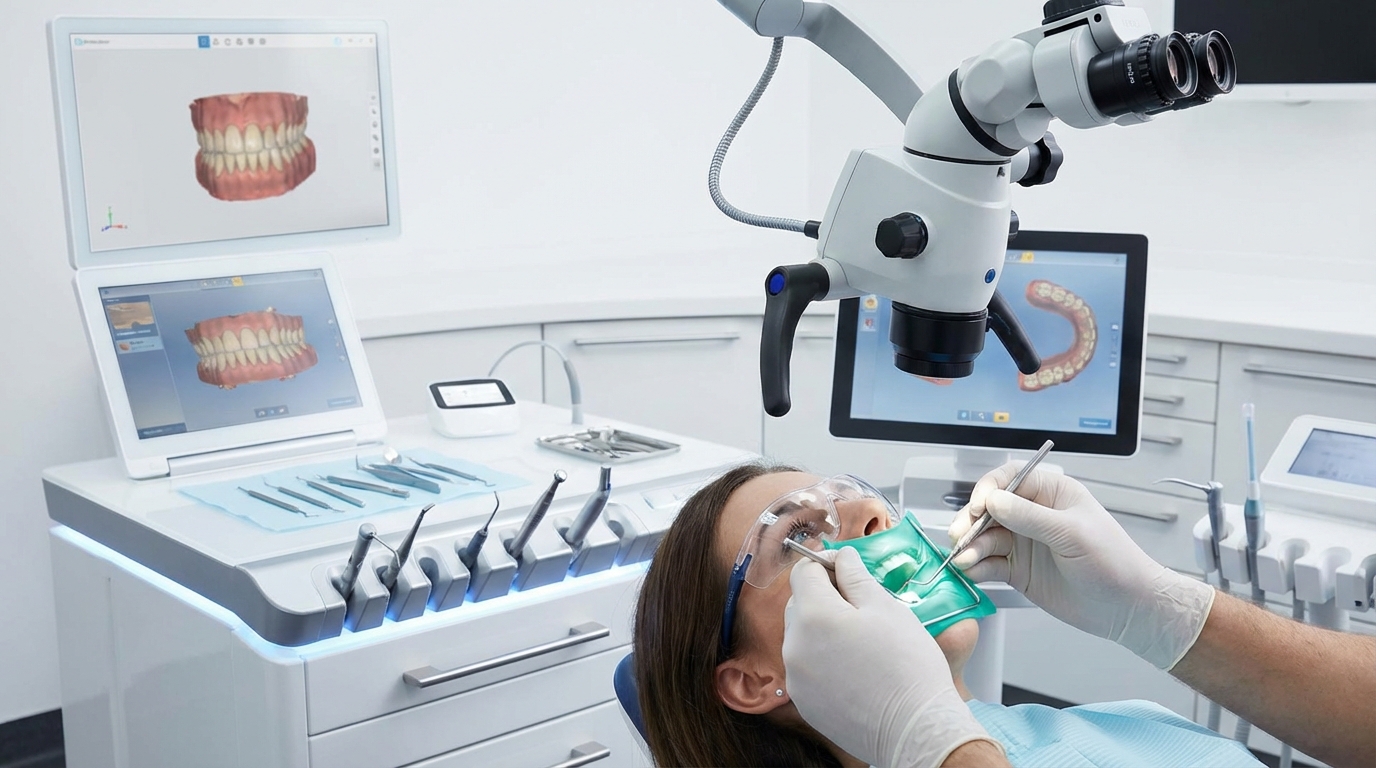
Modern cosmetic dentistry relies heavily on specialized training and cutting-edge technology to deliver natural-looking results. Dentists who practice in this field often pursue additional education to master the artistic and technical skills required to reshape a smile. Today's advanced tools, such as digital imaging and laser therapy, allow these professionals to plan treatments with incredible precision, ensuring that the final result matches your unique facial features perfectly.
Benefits of Cosmetic Dentistry
The most immediate and obvious benefit of cosmetic dentistry is the dramatic improvement in the aesthetic quality of your smile. Procedures can brighten stained enamel, close unsightly gaps, and create a more balanced and symmetrical appearance that complements your face. This physical transformation often leads to a massive boost in self-esteem and confidence, empowering you to smile freely in social situations, professional environments, and photographs without feeling self-conscious.
In addition to the visual perks, many cosmetic treatments offer functional benefits that restore the proper use of your teeth. Correcting bite misalignment or replacing missing teeth can significantly improve how you chew and speak, reducing strain on your jaw muscles. Consequently, investing in these procedures often leads to better long-term oral health, as structurally sound and straight teeth are much less prone to wear, tear, and decay over time.
Popular Cosmetic Dental Procedures
Teeth Whitening
Teeth whitening is widely recognized as one of the most straightforward ways to enhance a smile, utilizing powerful peroxide-based gels to break down stains. Over time, our teeth naturally absorb color from coffee, tea, red wine, and tobacco, leading to a dull or yellowed appearance. The whitening agents penetrate the enamel to target these deep-set discolorations, chemically breaking them apart to reveal the naturally white tooth structure underneath.
There are several methods available for whitening, ranging from professional in-office treatments to over-the-counter options. In-office procedures, such as Zoom whitening, use high-concentration gels often activated by a special light to achieve dramatic results in a single hour. Alternatively, dentists can provide custom-fitted trays for home use, which take a few weeks but offer great results. While store-bought strips and LED kits are cheaper, they generally contain weaker bleaching agents and may not cover the teeth as evenly as professional options.
This procedure is incredibly popular because it is non-invasive, relatively affordable, and offers immediate gratification, though it does require maintenance. The results of teeth whitening are not permanent and can fade depending on your diet and lifestyle habits. However, with occasional touch-up treatments and good oral hygiene, it remains the top choice for patients looking for a quick and effective smile refresh.
Dental Veneers
Dental veneers are thin, custom-made shells crafted from medical-grade porcelain or resin composite that are designed to cover the front surface of teeth. They are an excellent solution for concealing a wide variety of cosmetic imperfections, including severe discoloration that doesn't respond to whitening, chips, cracks, or minor misalignment. Because they are custom-tinted and shaped, veneers look incredibly natural and are virtually indistinguishable from real teeth.
The application process for veneers typically involves two visits and requires the removal of a small amount of natural tooth enamel to accommodate the shell. This preparation ensures that the veneer bonds securely to the tooth and does not look bulky or thick. Once the tooth is prepped, the dentist takes a mold to create the permanent veneer, which is then cemented into place using a strong bonding agent, instantly transforming the tooth's appearance.
Veneers are a long-term investment in your smile, with a lifespan ranging from 10 to 15 years when cared for properly. Porcelain veneers, in particular, are highly resistant to staining, meaning your smile will stay bright even if you enjoy coffee or tea. They are an ideal choice for patients seeking a comprehensive "smile makeover" to address issues like gaps or uneven teeth without the need for braces.
Dental Bonding and Composite Resin
Dental bonding is a versatile and minimally invasive procedure used to repair minor imperfections such as chips, cracks, or gaps between teeth. The dentist uses a tooth-colored composite resin material, which is a durable plastic mixture, and applies it directly to the tooth surface. This putty-like resin is then sculpted, molded, and smoothed to the desired shape, effectively blending in with the surrounding natural tooth structure.
One of the biggest advantages of dental bonding is that it is quick, painless, and usually completed in just one office visit. Unlike veneers, bonding rarely requires the removal of enamel and often does not even require anesthesia. It is also one of the most cost-effective cosmetic procedures available, making it a fantastic option for fixing small cosmetic issues without breaking the bank.
Dental Implants
Dental implants are the gold standard for replacing missing teeth, involving a surgical process where a titanium post is inserted into the jawbone. This post acts as an artificial tooth root, providing a sturdy foundation for a replacement crown or bridge. Over a period of a few months, the titanium post fuses with the natural bone in a process called osseointegration, ensuring the implant is stable and secure.
Once the healing process is complete, dental implants offer a level of durability and functionality that is unmatched by dentures or bridges. With proper care and maintenance, implants can last a lifetime, functioning exactly like natural teeth. Furthermore, because they integrate with the jawbone, they help preserve bone density and facial structure, preventing the sunken look often associated with tooth loss.
Clear Aligners like Invisalign
Clear aligners, such as Invisalign, offer a modern alternative to traditional metal braces for straightening crooked or misaligned teeth. This system uses a series of custom-made, clear plastic trays that fit snugly over the teeth and apply gentle pressure to move them into the desired position. Because the aligners are transparent, they are virtually invisible, allowing adults and teens to improve their smile discreetly.
The process begins with a consultation and digital molding of your teeth, followed by the creation of your specific treatment plan. You will wear each set of aligners for about two weeks before switching to the next set in the series, with the total treatment time typically lasting between 3 to 18 months. Regular follow-up visits are required to monitor progress, but the ability to remove the trays for eating and cleaning makes them a highly convenient option.
The Consultation Process
The journey to a new smile begins with a comprehensive consultation where the dentist assesses your current oral health and discusses your aesthetic goals. This initial meeting is crucial for establishing a relationship with your dentist and ensuring they understand exactly what you want to achieve. You will discuss your dental history, any concerns you have about your smile, and what specific improvements you are looking for.
During this visit, the dentist will perform a thorough examination, which usually includes digital X-rays and photographs to get a complete picture of your dental structure. They will check for any underlying issues such as tooth decay, gum disease, or bite problems that must be addressed before cosmetic work can begin. This step ensures that your cosmetic enhancements are built on a healthy foundation, preventing complications later on.
Based on the examination and your personal goals, the dentist will create a customized treatment plan tailored specifically to your needs. This plan might involve a single procedure or a combination of treatments, such as whitening followed by bonding or veneers. The dentist will explain the timeline, expected results, and costs involved, allowing you to make an informed decision about your smile transformation.
Advanced Techniques in Cosmetic Dentistry
Beyond the standard procedures, cosmetic dentistry includes advanced techniques like enamel shaping, gum contouring, and internal bleaching. Enamel shaping involves gently filing the teeth to correct minor overcrowding or uneven edges, while gum contouring uses lasers to reshape the gum line, fixing "gummy" smiles or uneven gum heights. Internal bleaching is a specialized method used for teeth that have darkened from the inside due to root canal treatment, targeting stains that traditional whitening cannot reach.
Other refined techniques include the use of inlays and onlays, which are indirect fillings used when a tooth is too damaged for a filling but not damaged enough for a crown. These are custom-made in a lab and bonded to the tooth, restoring its shape and size with durable materials like porcelain or gold. These precise interventions allow dentists to correct subtle alignment and structural issues, ensuring every aspect of the smile is harmonious and functional.
Costs and Insurance Considerations
It is important to understand that most cosmetic dentistry procedures are considered elective, meaning they are not medically necessary and are rarely covered by dental insurance. While some plans might cover a portion of costs if the procedure also provides a restorative benefit—like a crown for a broken tooth—purely aesthetic treatments like whitening or veneers are usually out-of-pocket expenses. Patients should always check with their insurance provider to understand the specifics of their coverage.
The costs can vary significantly depending on the complexity of the treatment, the materials used, and the dentist's expertise. For instance, professional teeth whitening might cost a few hundred dollars, while a full set of porcelain veneers can run into the thousands. Because prices fluctuate, it is essential to get a detailed quote during your consultation, and many dental offices offer financing plans to help make these transformative procedures more affordable.
Finding the Right Cosmetic Dentist
Choosing the right dentist is the most critical step in ensuring you get the results you want, so you should prioritize checking credentials and experience. Look for a dentist who has undergone specific post-graduate training in cosmetic procedures and stays updated with the latest technologies. A dentist who invests in advanced equipment like digital scanners and lasers is often more capable of delivering precise and comfortable treatment.
In addition to technical skills, you should look for social proof by reading patient reviews and examining before-and-after photos of previous cases. These photos serve as a portfolio of the dentist's work and can give you a realistic idea of their artistic style and capability. Finally, trust your gut during the consultation; you should feel comfortable, listened to, and confident in the dentist's ability to care for your smile.

Maintaining Your New Smile
Once you have invested in your new smile, maintaining it requires a commitment to excellent oral hygiene and smart lifestyle choices. Brushing twice a day, flossing daily, and attending regular dental check-ups are non-negotiable habits for keeping your teeth and gums healthy. Additionally, you should try to limit the consumption of staining foods and beverages like coffee, tea, and berries to prevent discoloration of both natural teeth and restorations.
Long-term care also involves staying on top of necessary touch-up treatments to ensure your smile remains flawless. For example, whitening may need to be repeated annually, and bonding materials might need polishing or repair after several years of wear. By treating your cosmetic restorations with care—avoiding using your teeth as tools to open packages, for instance—you can extend their lifespan and enjoy your beautiful smile for many years.
FAQ
What is the most popular cosmetic dental procedure?
Teeth whitening is the most popular procedure due to its non-invasive nature, affordability, and ability to deliver quick, noticeable results.
Are veneers permanent?
No, veneers are not strictly permanent; they typically last 10-15 years and will eventually require replacement, though the removal of enamel makes the process irreversible.
Does cosmetic dentistry hurt?
Most cosmetic procedures, such as bonding and whitening, are painless, and dentists offer local anesthesia or sedation options for more invasive treatments to ensure comfort.
How long does Invisalign take?
Invisalign treatment typically takes between 3 to 18 months to complete, depending on the severity of the misalignment and patient compliance.
Is cosmetic dentistry covered by insurance?
Usually, cosmetic dentistry is not covered by insurance because it is considered elective, but it is always best to check with your specific provider for details.
Conclusion
Cosmetic dentistry offers a wide array of solutions to transform your smile, ranging from simple teeth whitening to comprehensive makeovers with veneers, implants, and clear aligners. Whether you are looking to fix a small chip with bonding or replace missing teeth for good, modern dentistry has a procedure to fit your needs. These treatments are designed not just to mask imperfections, but to create a harmonious, natural-looking appearance that feels as good as it looks.
The benefits of these procedures extend far beyond the surface, deeply impacting your self-confidence and overall quality of life. A bright, straight smile can open doors in social and professional settings, helping you feel more assured in your interactions. Furthermore, by correcting structural issues and alignment, you are investing in better oral health, making it easier to maintain your teeth and gums for the long haul.
To get the best results, it is essential to consult with a specialized cosmetic dentist who can tailor a plan specifically for you. Remember that while technology ensures precision and comfort, your commitment to maintenance is what will make your new smile last. By choosing the right professional and taking care of your investment, you can enjoy the life-changing power of a beautiful smile for years to come.
Dive into "The Ultimate Guide to Cosmetic Dentistry" for in-depth details on each procedure, or take the first step toward the smile you have always wanted by booking your consultation today.