Understanding Bruxism: Why You Grind Your Teeth and How to Stop the Damage
Published 25 min read
Bruxism is the involuntary grinding, clenching, or gnashing of teeth — and if you've never heard the term before, you're not alone. Most people who do it have no idea it's happening, especially when it occurs during sleep. It's more than just an annoying habit, though. Over time, bruxism can wear down tooth enamel, cause jaw pain, trigger persistent headaches, and seriously affect your quality of life. It's one of those conditions that quietly does damage in the background until the signs become impossible to ignore.
This guide — "The Comprehensive Guide to Bruxism: Why You Grind Your Teeth and How to Stop the Damage" — is designed to give you a thorough, honest look at everything you need to know about teeth grinding. From understanding what bruxism actually is and what causes it, to learning how it's diagnosed, treated, and managed long-term, we've got it all covered here. Whether you're someone who wakes up with a sore jaw or a parent who hears their child grinding at night, this guide combines current clinical insights with practical, real-world tips you can actually use.
What Is Bruxism? Definitions and Types
Bruxism is defined as repetitive jaw-muscle activity that results in the clenching or grinding of teeth. It's important to distinguish this from normal chewing, which is a purposeful, controlled movement. Bruxism, on the other hand, serves no functional purpose — it's essentially the jaw doing overtime work for no good reason. When it happens during sleep, it's classified as a sleep-related movement disorder, placing it in the same category as conditions like restless leg syndrome. It can also occur while a person is fully awake, often without them even realizing it.
There are two main types of bruxism: sleep bruxism and awake bruxism. Sleep bruxism, as the name suggests, occurs during sleep and is typically more forceful and harder for the person to control or even notice. Awake bruxism, on the other hand, usually involves clenching rather than grinding and tends to be triggered by concentration, stress, or emotional tension during the day. Someone with awake bruxism might find themselves clenching their jaw while stuck in traffic or staring at a computer screen — often without realizing it until their jaw starts to ache.
It's also worth knowing that bruxism doesn't exist in isolation. It's closely linked to temporomandibular disorders (TMD or TMJ disorders), which affect the jaw joint and surrounding muscles. Other oral habits like nail biting, chewing on pens, or excessive gum chewing can contribute to or worsen jaw muscle tension in similar ways. Thinking of bruxism as part of a broader spectrum of jaw and muscle-related issues helps explain why treatment often needs to address more than just the teeth themselves.
Common Signs and Symptoms of Teeth Grinding
One of the most telling signs of bruxism shows up right in your mouth. Dentists often spot worn, flattened, or chipped teeth that don't match a patient's age or normal wear patterns. Enamel loss is another red flag — when the protective outer layer of your teeth gets ground away, the teeth can look shorter or more translucent at the edges. You might also notice increased tooth sensitivity, especially to hot or cold foods, as the enamel thins. Some people even develop indentations along the sides of their tongue or scalloped edges on the inner cheeks from pressing against the teeth during clenching.
Beyond the mouth, bruxism can cause a whole range of physical symptoms that people often mistake for other problems. Jaw pain or tightness — particularly in the morning — is one of the most common complaints. Many bruxism sufferers also experience frequent headaches, especially tension headaches that seem to start near the temples. Earaches without any sign of ear infection are another clue, as the jaw joint sits very close to the ear canal. Some people notice a clicking or popping sensation in the jaw, or find it difficult to open their mouth fully, which can be a sign that the temporomandibular joint is under strain.
For people who grind during sleep, a bed partner is often the first one to notice. The sound of teeth grinding can be surprisingly loud — some people describe it as similar to the sound of someone scraping fingernails across a surface. Beyond the noise, sleep bruxism can lead to disrupted sleep for both the person grinding and their partner. Waking up with sore jaw muscles, facial pain, or a general feeling of tension in the face and neck is a common experience for those with nighttime bruxism.
Here's the tricky part: many people have absolutely no idea they grind their teeth. Because sleep bruxism happens unconsciously, it can go undetected for years while quietly damaging teeth and joints. This is exactly why routine dental exams are so valuable — a trained dentist can spot the early signs of wear and flag potential bruxism before it becomes a serious problem. Paying attention to morning symptoms and taking seriously what family members or partners tell you about nighttime sounds can also be a crucial first step toward getting help.
What Causes Bruxism? Key Triggers and Risk Factors
When it comes to what actually causes bruxism, stress and anxiety top the list. Research consistently shows a strong link between psychological tension and teeth grinding — the jaw is one of the places the body likes to hold stress. People who are naturally competitive, high-strung, or prone to anxiety tend to be at higher risk. Emotional tension during the day doesn't just disappear when you close your eyes at night; for many people, it gets channeled into jaw muscle activity during sleep, which is why stressful life events often coincide with bruxism flare-ups.
Physical and medical factors also play a significant role. Misaligned teeth, also known as malocclusion, can create an uneven bite that puts extra strain on the jaw muscles, potentially contributing to grinding. Sleep disorders — particularly obstructive sleep apnea — are strongly associated with sleep bruxism, as the body's attempts to reopen the airway during apnea events may trigger jaw muscle activity. Certain neurological conditions, including Parkinson's disease and some movement disorders, have also been linked to higher rates of bruxism, suggesting that the brain's control over jaw muscles is an important piece of the puzzle.
Lifestyle choices and substances can make bruxism significantly worse. Caffeine, especially when consumed in large amounts or close to bedtime, is known to increase muscle activity and disrupt sleep quality — two things that don't mix well with bruxism. Alcohol has a similar effect, interfering with sleep architecture in ways that may increase grinding episodes. Tobacco use and recreational drugs, particularly stimulants like cocaine or MDMA, are also associated with higher rates of bruxism. Even some prescription medications, especially certain antidepressants in the SSRI category, have been linked to increased teeth grinding as a side effect — something worth discussing with your doctor if you're on these medications.
Genetics and demographics add another layer to the picture. Bruxism does appear to run in families, suggesting there's a hereditary component at play. In terms of age, bruxism is actually quite common in children — often more so than in adults — though it frequently resolves on its own as kids grow. In adults, the condition can persist for years or even decades. Studies estimate that somewhere between 8% and 31% of the general population experiences some form of bruxism, though rates vary depending on how it's defined and measured. The condition affects both men and women, though some research suggests slight differences in how it presents between the sexes.
How Dentists Diagnose Bruxism and Assess Damage
Diagnosing bruxism typically starts with a thorough clinical examination at the dental office. Your dentist will visually inspect your teeth for signs of wear, flattening, or chipping that's inconsistent with normal use. They'll also check your gums for recession and look at the overall condition of your enamel. Evaluating the jaw muscles for tenderness or tightness and assessing the function of the temporomandibular joint are also key parts of the exam. Of course, your dentist will ask about your symptoms — things like morning jaw pain, headaches, and whether anyone has mentioned hearing you grind — along with your medical history and any medications you're taking.
In some cases, additional diagnostic tools are needed to get a fuller picture. Bite analysis can reveal uneven pressure distribution across the teeth, and dental X-rays can show bone changes or damage that isn't visible on the surface. Photographs of the teeth over time can help track progression of wear. When sleep bruxism is suspected but the diagnosis is unclear, your dentist may refer you to a sleep specialist for a polysomnography study — an overnight sleep study that monitors brain activity, breathing, and muscle movements. This can help distinguish bruxism from other sleep disorders and confirm whether grinding is actually happening during sleep.
Once bruxism is confirmed, professionals assess its severity and any associated complications. Mild cases might involve minor wear with no significant structural damage, while more severe cases can include fractured teeth, failing dental restorations, or significant TMJ dysfunction. Understanding the extent of the damage helps guide treatment decisions — someone with severe tooth wear and chronic jaw pain will need a very different management plan than someone with early-stage bruxism and minimal symptoms. This classification process is essential for making sure the treatment approach actually matches the problem.
Health Consequences: What Happens If Bruxism Is Left Untreated?
Leaving bruxism untreated is a bit like ignoring a slow leak in your roof — the longer you wait, the worse and more expensive the damage gets. Over time, the constant grinding and clenching wears down the biting surfaces of teeth, leading to excessive wear that can't be reversed. Enamel, once lost, doesn't grow back. As the protective layer thins, teeth become increasingly sensitive and vulnerable to fractures. In severe cases, people end up needing crowns, fillings, or even root canals to address damage that could have been prevented with earlier intervention.
The jaw joint and surrounding muscles take a serious hit from untreated bruxism as well. Chronic overuse of the jaw muscles leads to fatigue, pain, and inflammation — and this can develop into a full-blown temporomandibular disorder (TMD). People with TMD may experience difficulty chewing, a limited range of jaw motion, and persistent facial pain that makes everyday activities uncomfortable. The TMJ is a complex joint that doesn't respond well to being overloaded day after day, and once it's damaged, recovery can be a slow and frustrating process.
The ripple effects of untreated bruxism extend well beyond the mouth and jaw. Chronic sleep disruption from nighttime grinding can lead to daytime fatigue, difficulty concentrating, and irritability. There's also a well-documented connection between sleep bruxism and obstructive sleep apnea — the two conditions often co-exist and can worsen each other. Frequent headaches, neck pain, and general muscle tension can become part of daily life, significantly reducing overall quality of life in ways that go far beyond dental discomfort.
All of this makes a strong case for catching and addressing bruxism early. The good news is that with timely diagnosis and appropriate treatment, much of this damage can be prevented or at least slowed. A night guard fitted early costs a fraction of what crowns and restorations do later. Managing stress and improving sleep before the jaw joint is significantly compromised is far easier than trying to rehabilitate it afterward. Early action isn't just about saving your teeth — it's about protecting your overall health and avoiding years of unnecessary pain.
Treatment Options: Professional Ways to Stop or Reduce Damage
The main goals of bruxism treatment are straightforward: protect the teeth from further damage, reduce muscle activity and pain, improve sleep quality, and — ideally — address whatever underlying factors are driving the grinding in the first place. This last point is important. Treating only the symptoms without looking at root causes tends to result in temporary relief at best. A good treatment plan takes the whole person into account, not just what's happening inside their mouth.
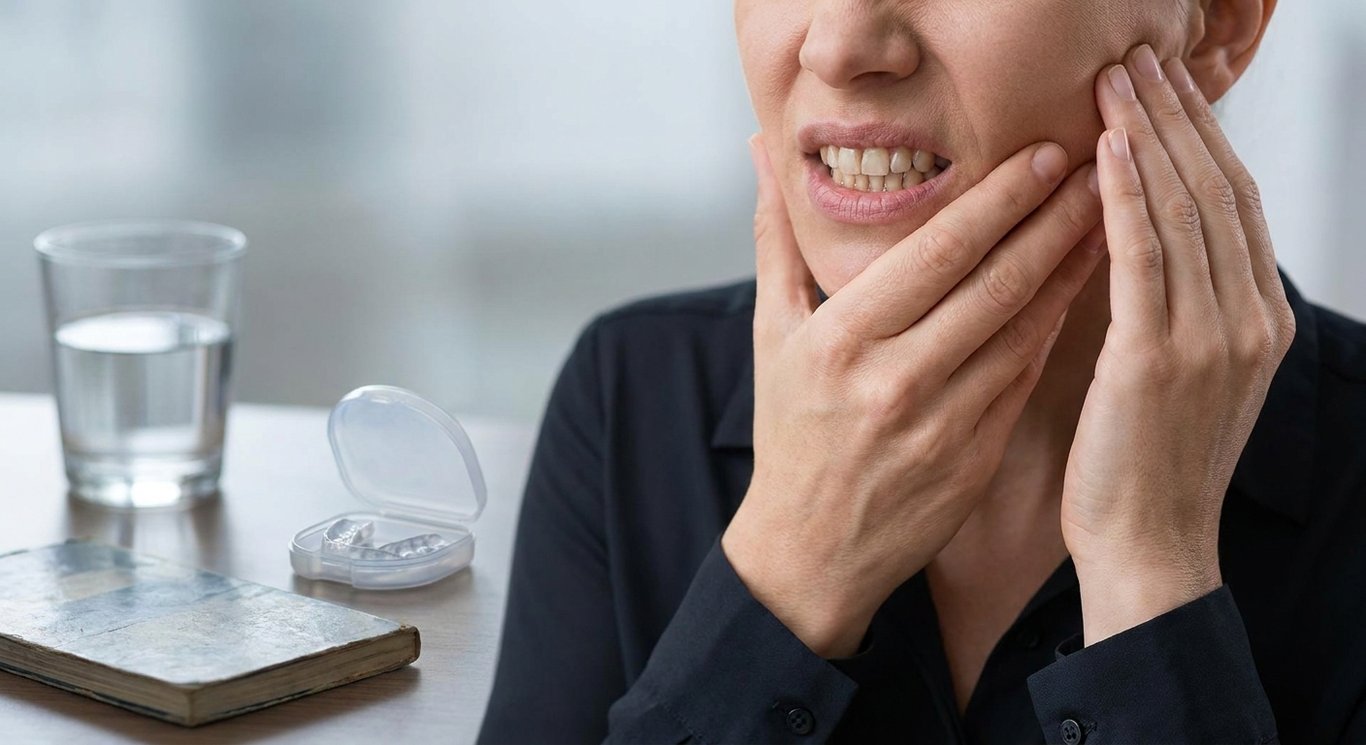
Dental appliances are usually the first line of defense, and for good reason — they work. Night guards, also called occlusal splints, are custom-fitted devices worn over the teeth during sleep. They create a physical barrier between the upper and lower teeth, absorbing the force of grinding and preventing direct tooth-to-tooth contact. Different designs are available depending on the severity of bruxism and which teeth are most affected — some cover only the front teeth, while others cover the full arch. Custom-made guards from a dentist fit far better and last longer than the over-the-counter versions you'll find at a pharmacy, making them well worth the investment.
Beyond night guards, there are several other professional interventions worth knowing about. Bite adjustment, or occlusal equilibration, involves reshaping or adjusting the biting surfaces of teeth to create a more balanced bite — this can reduce the muscle strain that contributes to grinding. For teeth that are already significantly damaged, restorative work like crowns or veneers may be necessary. Botox injections into the masseter muscles (the large jaw muscles responsible for chewing) have gained traction as an effective way to reduce muscle force and relieve pain in people with severe bruxism. For those whose grinding is closely linked to sleep apnea, working with a sleep specialist to treat the apnea often leads to significant improvement in bruxism as well.
Perhaps the most important thing to understand about bruxism treatment is that it rarely involves just one person or one solution. Effective management often requires a team approach — your dentist handles the dental side, your primary care physician addresses any medical contributors, and a mental health professional or psychologist may help tackle stress, anxiety, or behavioral patterns that fuel the grinding. The right combination of treatments depends on what's driving your bruxism, how severe it is, and what your overall health picture looks like. There's no one-size-fits-all fix, but with the right support, most people can get their symptoms under control.
Self-Help Strategies and Lifestyle Changes to Ease Bruxism
Managing stress is one of the most powerful things you can do to reduce bruxism, and the good news is there are plenty of practical techniques to choose from. Relaxation exercises like progressive muscle relaxation — where you systematically tense and release muscle groups — can help release tension held in the jaw and body. Mindfulness meditation and deep breathing practices have solid research backing their ability to lower overall anxiety levels. Cognitive strategies, like identifying and reframing stress-inducing thought patterns, can also help break the cycle of tension that leads to grinding. Even 10 to 15 minutes of intentional relaxation before bed can make a real difference.
Some everyday habits can make bruxism worse without you realizing it. Chewing on pens, pencils, or ice might seem harmless, but these habits keep the jaw muscles in a state of constant activity and can reinforce grinding patterns. Cutting back on caffeine — especially in the afternoon and evening — and limiting alcohol can help reduce nighttime grinding. During the day, it helps to stay mindful of whether you're clenching your jaw. A simple reminder that many dentists recommend is the "N-position": teeth apart, tongue resting on the roof of the mouth, lips lightly closed. Setting phone reminders throughout the day to check your jaw position can be surprisingly effective for people with awake bruxism.
Sleep hygiene plays a bigger role in bruxism management than most people expect. Going to bed and waking up at consistent times helps regulate your sleep cycles, which can reduce the frequency of grinding episodes. A calming pre-bed routine — think light reading, a warm shower, or gentle stretching — signals to your nervous system that it's time to wind down. Reducing screen time in the hour before bed is also helpful, since blue light from devices can interfere with melatonin production and make it harder to reach deeper, more restorative stages of sleep. A cool, dark, and quiet bedroom environment rounds out the recipe for better sleep quality.
Gentle jaw exercises and stretches can help relieve muscle tension and improve range of motion over time. Simple movements like slowly opening and closing the mouth, side-to-side jaw movements, and gentle chin tucks can stretch and strengthen the muscles involved in bruxism. Massaging the masseter muscles on the sides of the jaw with your fingertips can also provide relief. Applying a warm compress to the jaw for a few minutes can help loosen tight muscles, while cold packs can reduce inflammation after particularly painful episodes. That said, it's important to check with your dentist or physical therapist before starting any jaw exercise routine — some movements can actually aggravate TMJ issues if done incorrectly.
Bruxism in Children vs Adults: Key Differences Parents Should Know
Bruxism is actually more common in children than many parents realize — estimates suggest that anywhere from 14% to 20% of children grind their teeth at some point during childhood. It tends to peak in the early years, often starting when the first teeth come in and again when the permanent teeth emerge. The good news is that childhood bruxism is frequently milder than the adult version and often resolves on its own as the child grows and their bite develops. That said, it's still worth paying attention to, especially if it's frequent or seems to be causing discomfort.
The causes of bruxism in children overlap somewhat with adult triggers but have some unique elements. Emotional stress — from school pressures, family changes, or social anxiety — is a common driver. Misaligned teeth or bite irregularities during the growth phase can also contribute. Interestingly, research has found higher rates of bruxism in children with ADHD, cerebral palsy, and certain sleep disorders, suggesting that neurological and developmental factors play a role in this age group. Unlike adults, children's bruxism is less likely to be driven by lifestyle factors like caffeine or alcohol, making the focus more on emotional and developmental contributors.
Parents who suspect their child might be grinding should listen for grinding sounds at night — though keep in mind that not all children grind loudly. Other signs to watch for include complaints of jaw pain or headaches in the morning, visible wear on the teeth, and increased tooth sensitivity. If you notice any of these signs, a visit to a pediatric dentist is a good first step. In many cases, the dentist will recommend a watchful waiting approach, especially for younger children, since the condition often improves on its own. For children with more significant symptoms or tooth damage, a custom night guard or other interventions may be recommended.

When to See a Dentist or Specialist for Teeth Grinding
There are some clear signals that it's time to stop Googling and actually make an appointment. Persistent jaw pain or tightness that doesn't go away after a few days, frequent morning headaches, visible changes in your teeth (like chipping, flattening, or increased sensitivity), or a partner telling you they can hear you grinding at night — any of these warrant a professional evaluation. The same goes for clicking or locking in the jaw joint, difficulty chewing, or facial pain that's affecting your daily life. These aren't symptoms to brush off or manage indefinitely with over-the-counter pain relievers.
Knowing what to expect at a bruxism consultation can make the appointment feel less daunting. Your dentist will likely ask detailed questions about your symptoms, sleep habits, stress levels, and any medications you're taking. They'll examine your teeth, gums, and jaw muscles, and may take X-rays or photographs. Depending on what they find, they might refer you to a sleep medicine specialist if sleep apnea is suspected, an ENT if there are breathing-related concerns, or a psychologist or therapist if stress and anxiety appear to be significant contributors. It's a collaborative process, and the goal is always to get to the root of what's driving the problem.
A little preparation before your appointment can go a long way toward making it more productive. Try keeping a simple symptom journal for a week or two before you go — note when you experience jaw pain, headaches, or other symptoms, and what was happening in your day at the time. Write down any medications and supplements you're currently taking, since some of these can contribute to bruxism. If your partner has noticed grinding sounds, ask them to describe when it tends to happen and how loud it is. The more information you can bring to your dentist, the better equipped they'll be to make an accurate diagnosis and recommend the right next steps.
Living with Bruxism: Long-Term Management and Coping
It's worth being honest about something: for many people, bruxism is a condition to be managed rather than cured. Especially in adults, the goal of treatment is typically to minimize damage, reduce pain, and improve quality of life — not necessarily to eliminate grinding entirely. That's not a discouraging fact; it's just a realistic one. Understanding this from the start helps set the right expectations and encourages a consistent, proactive approach to management rather than looking for a quick fix that may not exist.
Long-term management of bruxism involves staying consistent with a few key habits. Regular dental checkups — ideally every six months — allow your dentist to monitor tooth wear, check the condition of your night guard, and catch any new developments early. Night guards don't last forever; they typically need to be replaced every few years, or sooner if you're a particularly forceful grinder. Ongoing stress management, whether through therapy, exercise, meditation, or other techniques, remains important because stress is one of the most reliable triggers for grinding. Keeping a close eye on how your symptoms change over time helps you and your dental team make timely adjustments to your treatment plan.
Living with a chronic condition like bruxism can take a psychological toll, especially when it involves ongoing pain or disrupted sleep. It's completely valid to find this frustrating. If chronic jaw pain or sleep disruption is affecting your mood or mental health, seeking support from a therapist or counselor isn't a sign of weakness — it's a smart part of comprehensive care. Cognitive-behavioral therapy (CBT) in particular has shown promise for helping people manage the stress and anxiety that often fuel bruxism. Staying engaged in your own care, asking questions at appointments, and advocating for yourself when something isn't working are all signs of someone who's taking their health seriously — and that attitude makes a real difference in outcomes.
Conclusion: Key Takeaways and Next Steps for "The Comprehensive Guide to Bruxism: Why You Grind Your Teeth and How to Stop the Damage"
Bruxism is more common, more complex, and more consequential than most people realize — but it's also very manageable with the right approach. Throughout this guide, we've covered what bruxism is, the different forms it takes, how to recognize its symptoms, what triggers and risk factors are involved, and how it's diagnosed and treated. The key takeaways are clear: early detection matters enormously, protective dental appliances like night guards are a cornerstone of treatment, lifestyle changes around stress and sleep can make a significant difference, and the most effective care typically involves a team of dental and medical professionals working together. You don't have to just live with jaw pain and damaged teeth — there are real, evidence-based solutions available.
Now it's time to put this knowledge to work. If anything in this guide sounds familiar — the morning headaches, the sore jaw, the worn-down teeth — take it as your cue to schedule a dental exam. Use "The Comprehensive Guide to Bruxism: Why You Grind Your Teeth and How to Stop the Damage" as your roadmap: start with a professional evaluation, begin implementing stress-reduction and sleep-hygiene strategies, and don't wait for symptoms to get worse before acting. Share this guide with family members or a partner who may be affected — bruxism is often a condition that touches more than just the person doing the grinding. Taking informed, proactive steps now can save you significant pain, dental work, and expense down the road. Your jaw — and your sleep — will thank you.
FAQ: Common Questions About Bruxism and Teeth Grinding
What causes bruxism and why do I grind my teeth at night?
Bruxism is what's called a multifactorial condition, meaning it's rarely caused by just one thing. Stress and anxiety are among the most well-established contributors — when the body is under tension, the jaw is one of the places it tends to hold that stress, even during sleep. Misaligned teeth can create an uneven bite that puts strain on the jaw muscles, while sleep disorders like obstructive sleep apnea are strongly linked to nighttime grinding. Certain medications, particularly some antidepressants, can increase the likelihood of bruxism, as can lifestyle factors like heavy caffeine use, alcohol consumption, and tobacco. In many people, several of these factors combine to create the perfect conditions for grinding. The most reliable way to figure out which factors are most relevant for you is to talk to your dentist or physician, who can help piece together the full picture.
How can I tell if I have bruxism if I don't hear myself grinding?
Silent clenching is actually more common than many people think, and it can cause just as much damage as loud grinding — sometimes more, because the sustained pressure of clenching can be intense. The clues to look for include waking up with a sore or stiff jaw, frequent morning headaches (especially around the temples), increased tooth sensitivity, or teeth that look shorter, flatter, or more worn than they used to. Changes in your bite — like the way your teeth fit together feeling different — can also be a sign. Your dentist is often the first to spot the physical evidence of bruxism during a routine exam, even before you've noticed any symptoms yourself. And if a partner or family member has ever mentioned hearing you grind during sleep, take that seriously — they may be picking up on something you simply can't detect on your own.
What is the best treatment for teeth grinding?
There isn't a single "best" treatment for bruxism, because what works depends heavily on what's causing it and how severe it is. That said, custom-fitted night guards are usually the first recommendation for most people — they protect the teeth from grinding damage and can help reduce muscle strain during sleep. Stress reduction techniques, whether through therapy, mindfulness, or lifestyle changes, are also a core part of management, especially when anxiety is a major trigger. For some people, addressing an underlying sleep disorder like sleep apnea leads to dramatic improvement in grinding. In more severe cases, bite adjustment, dental restorations, or Botox injections into the jaw muscles may be appropriate. The bottom line is that effective treatment requires a professional evaluation to figure out what's actually driving the problem — a dentist or physician can help you build a plan that fits your specific situation.
Can bruxism go away on its own?
In children, bruxism does often resolve on its own as they grow and their bite develops — so parents of young grinders can take some comfort in that. In adults, however, bruxism tends to persist unless the contributing factors are actively addressed. Symptoms might fluctuate — getting better during low-stress periods and flaring up during difficult ones — but that doesn't mean the problem has gone away. Even when grinding seems to quiet down, the cumulative damage to teeth and the jaw joint continues if no protective measures are in place. This is why ongoing monitoring and preventive strategies, like wearing a night guard, are important even during "good" periods. Hoping it will just disappear on its own isn't a great strategy when your enamel is on the line.
Is teeth grinding dangerous and can it cause permanent damage?
Chronic, untreated bruxism absolutely can cause permanent damage — and that's not meant to alarm you, but to motivate you to take it seriously. Over time, grinding wears away tooth enamel, which doesn't regenerate once it's gone. This can lead to increased sensitivity, weakened teeth, fractures, and dental restorations like fillings and crowns failing prematurely. The jaw joint and surrounding muscles can develop into a painful temporomandibular disorder that affects eating, speaking, and daily comfort. Chronic headaches and disrupted sleep can become a persistent part of life. The reassuring flip side of all this is that with timely diagnosis and appropriate treatment, a great deal of this damage can be prevented or effectively managed. The earlier you address bruxism, the better your chances of protecting your teeth, your jaw, and your overall wellbeing for the long haul.