The Unseen Science of Your Smile: A Patient's Guide to Modern Dental Materials
Published 14 min read
Introduction to Modern Dental Materials
Have you ever wondered what exactly goes into your mouth during a dental visit? The hidden role of dental materials in everyday dentistry is a fascinating science that directly impacts your overall well-being. From the simple fillings that fix a cavity to the complex crowns that restore a broken tooth, these substances are the unsung heroes of your smile. Understanding these materials is crucial because it allows you to make better, more informed decisions about your oral health. As we peel back the curtain on this hidden world, you will see exactly why knowing what is in your mouth matters so much.
Over the years, the materials used in dental clinics have evolved dramatically alongside modern science. Gone are the days of limited, uncomfortable, and highly noticeable dental work. Today, researchers have developed advanced options that vastly improve patient safety, long-lasting durability, and natural-looking aesthetics. This incredible progress means that your dental restorations can now blend seamlessly with your natural teeth while standing up to the daily grind of chewing. Ultimately, this scientific evolution ensures that you receive treatments that are as beautiful as they are resilient.
In this guide, we will explore the fascinating world of modern dental materials to help you take charge of your dental care. We will preview key topics ranging from the gooey impression materials used to mold your teeth to the sturdy metals and ceramics used in implants and crowns. By breaking down these complex subjects into easy-to-understand concepts, our goal is to emphasize patient empowerment through knowledge. Armed with this valuable information, you will be ready to partner with your dentist for a healthier, more confident smile.
What Are Impression Materials and Why Do They Matter?
Impression materials are essential tools used by dentists to create highly accurate replicas of your teeth and gums. When your dentist needs to plan a treatment, they use these special pastes to capture the exact shape of your mouth for diagnoses, custom crowns, and perfectly fitted dentures. Think of it as taking a high-definition 3D photograph, but using a physical material that sets into a rubbery or rigid mold. This perfect replica becomes the solid foundation for almost every major restorative procedure you might ever need.
The accuracy of these impressions is incredibly important for effective treatment planning, even if the process can sometimes feel a bit awkward. It is completely normal for patients to have common concerns about the comfort of the gooey trays and the precision of the final mold. Fortunately, modern impression materials are designed to work quickly and comfortably while capturing every tiny detail of your dental anatomy. Knowing how these materials work can help ease your anxiety and ensure a smoother, more comfortable experience in the dental chair.
Types of Non-Elastic Impression Materials
Alginate is one of the most widely used non-elastic impression materials in the dental world. Dentists primarily use this powder-to-gel mixture for creating basic study models and taking primary impressions of your mouth. Patients and professionals alike appreciate alginate for its distinct advantages, such as its low cost, pleasant taste, and incredibly fast setting time. Because it does its job so quickly and efficiently, it remains a reliable staple for the very first step of many dental procedures.
Another type of non-elastic option includes compound materials, which are specifically tailored for taking impressions for dentures. These unique materials are highly valued because they can be easily reheated and reshaped if the dentist needs to adjust the fit during the appointment. Furthermore, they are particularly suitable for patients with soft, flabby gum ridges that require a very gentle touch to capture accurately. Thanks to their adaptable nature, compound materials help ensure that custom dentures fit as snugly and comfortably as possible.
Types of Elastic Impression Materials
Polysulfide is a highly flexible elastic impression material that has been trusted in dentistry for decades. It is an excellent option for creating full dentures because it offers a long working time, giving the dentist plenty of opportunity to capture the perfect mold. Additionally, polysulfide boasts high tear resistance, meaning it will not easily rip or distort when being removed from the patient's mouth. This impressive durability makes it a reliable choice for complex cases that require absolute precision from start to finish.
Polyether is another fantastic elastic material, specifically favored for creating highly accurate crowns and bridges. Dentists love polyether because it is often used in a monophase technique, meaning a single consistency of the material is used for the entire impression process. While it provides exceptional accuracy and detail, it does have a few disadvantages, such as a noticeable rigidity that can make it slightly difficult to remove from the mouth. Despite this stiffness, its ability to capture flawless margins makes it a top-tier option for permanent restorations.
Finally, addition silicone, also known as PVS or VPS, stands out as the most common and popular elastic impression material used today. This material is celebrated for its superior dimensional stability and its unmatched ability to reproduce the finest details of your teeth. Because it does not shrink or distort over time, it is the go-to clinical choice for highly demanding procedures like dental implants and complex smile makeovers. Ultimately, addition silicone provides the perfect blend of patient comfort and clinical perfection.
Key Components in Fillings, Crowns, Bridges, and Implants
When it comes to fillings, crowns, bridges, and implants, a variety of strong metals form the backbone of these durable restorations. You will commonly find metals like gold, titanium, cobalt-chromium, and silver alloys being used to rebuild damaged teeth. Each of these metals brings its own unique strengths to the table, from the incredible strength of cobalt-chromium to the bone-fusing magic of titanium. Understanding these core ingredients is the first step in knowing exactly what is supporting your bite.
However, having multiple types of metals in your mouth can sometimes lead to unexpected interactions. When different metals are mixed in a wet environment like the mouth, it can create a tiny electrical current, highlighting the absolute need for high-quality, biocompatible materials. If materials are not compatible with your body, they can cause irritation, metallic tastes, or even allergic reactions over time. Therefore, ensuring that your dental metals play nicely together is vital for your long-term comfort and overall health.
Patient awareness regarding these material components is more important today than ever before. By knowing exactly what metals and compounds are being used in your dental work, you can advocate for personalized treatment choices that fit your specific biological needs. You do not have to settle for a one-size-fits-all approach when it comes to repairing your teeth. Stepping up and discussing these components with your dentist will lead to safer, more customized dental care.
Biocompatibility: Are Dental Materials Safe for You?
Biocompatibility simply refers to how well a dental material interacts with your body without causing a toxic or allergic reaction. Organizations like the International Academy of Oral Medicine and Toxicology (IAOMT) actively promote the use of materials that are perfectly suited to individual health needs. They research and advocate for dental products that work in harmony with your immune system rather than against it. By prioritizing biocompatibility, you can ensure that your dental restorations safely support your overall wellness.
It is also important to address the potential risks associated with older dental materials, such as mercury amalgam fillings. Because mercury can release harmful vapors over time, many patients are now seeking safe removal protocols to replace these silver fillings with healthier alternatives. Specially trained dentists use strict safety measures to protect you from exposure while swapping out these outdated materials. Making the switch to safer, modern alternatives is a proactive step toward protecting your whole-body health.
Advancements in Dental Materials Science
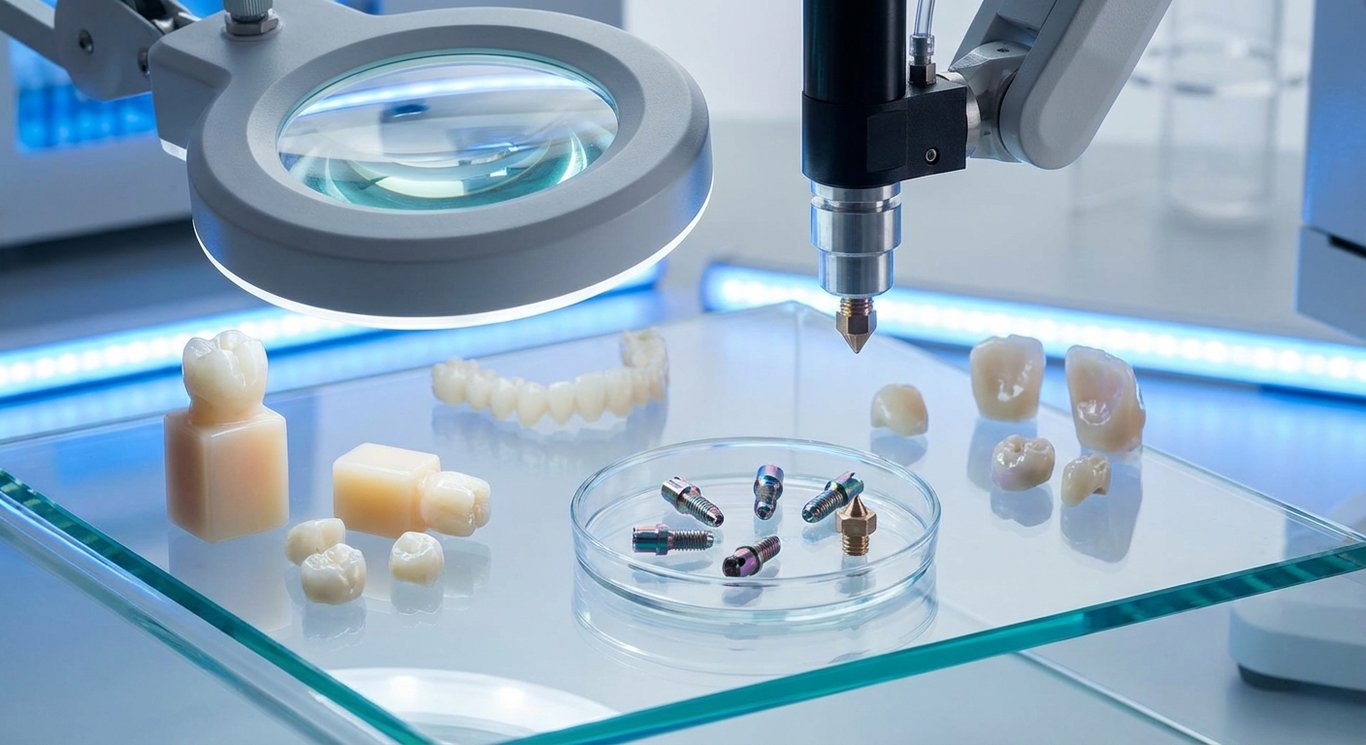
The field of dental materials science is constantly moving forward with exciting recent prospects and innovations. Researchers are developing new compounds that offer better durability, lifelike aesthetics, and even built-in infection prevention to stop cavities before they start. Imagine a filling that actually releases minerals to strengthen your tooth or a crown that actively fights off harmful bacteria. These cutting-edge advancements are quickly making dental treatments safer, stronger, and more beautiful than ever before.
Alongside these new materials, dental professionals are also mastering troubleshooting tips for taking impressions to ensure optimal results. By understanding exactly how modern products react to temperature and moisture, dentists can avoid common errors like air bubbles or distorted molds. This precise attention to detail guarantees that the high-tech materials used for your crowns or aligners fit perfectly on the very first try. Ultimately, these refined techniques translate to less time in the chair and a much better outcome for your smile.
How Dental Materials Impact Your Smile's Longevity
The specific material choices you and your dentist make directly affect the lifespan of your restorations, from simple crowns to complex implants. For instance, a high-quality zirconia crown or a titanium implant can easily last a lifetime if properly cared for, whereas cheaper materials might crack or wear down after just a few years. Investing in premium, durable materials upfront often saves you from painful and expensive replacements down the road. Ultimately, picking the right building blocks is the secret to a restoration that truly stands the test of time.
Furthermore, the stability of these materials plays a massive role in preventing secondary oral health issues. When a crown or filling fits perfectly and maintains its shape, it prevents harmful bacteria from sneaking under the restoration and causing periodontal disease. A precise fit ensures that your gums remain healthy and your underlying tooth structure stays protected from decay. Therefore, choosing stable, high-quality materials is a powerful defense mechanism for your entire mouth.
Patient Tips for Discussing Materials with Your Dentist
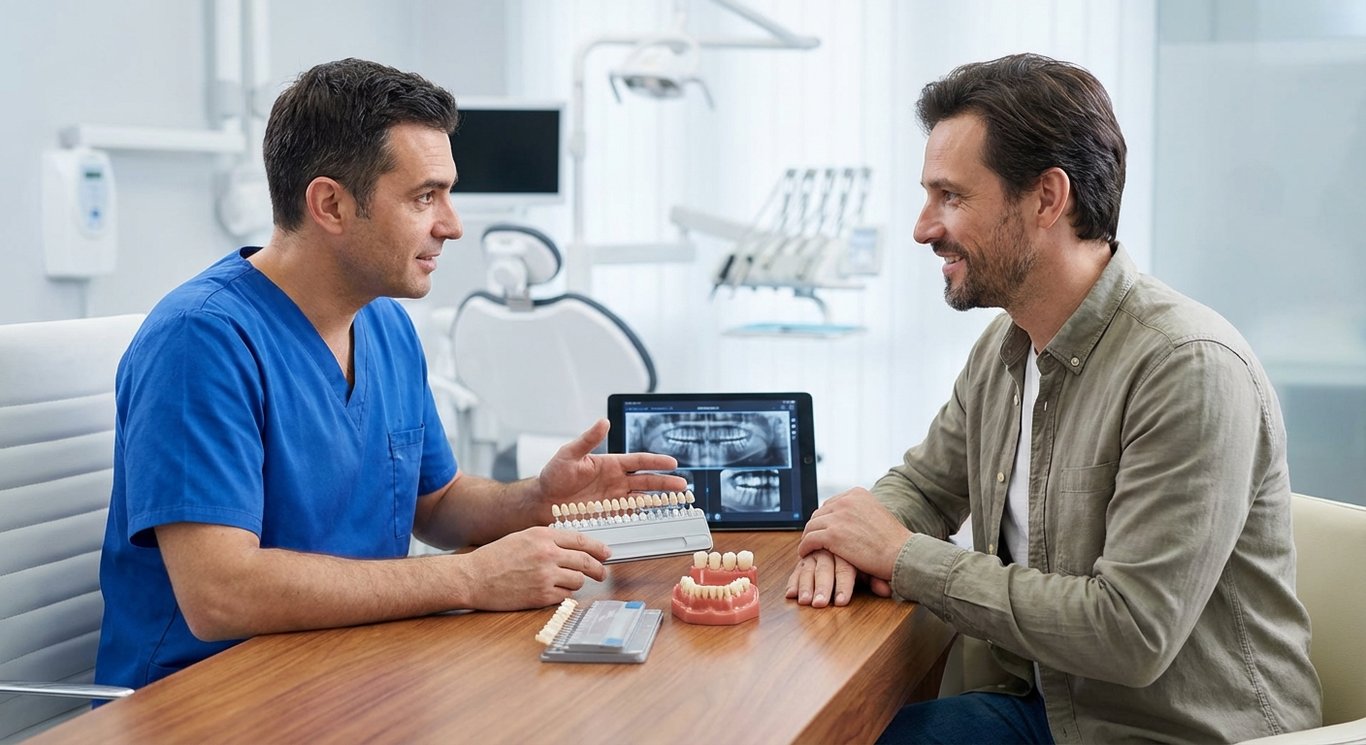
Taking an active role in your dental care means you should always feel encouraged to ask questions before any procedure begins. Make it a habit to ask your dentist about the pros, cons, and alternatives of the materials they plan to use for your treatment. A good dentist will be more than happy to explain why they recommend a specific composite or ceramic for your unique situation. Having this open conversation ensures you are fully comfortable with the plan before anyone picks up a drill.
For those who want to dig a little deeper, it is perfectly acceptable to request more detailed information about the products being used. You can suggest reviewing safety data sheets or asking about biocompatibility testing to ensure the materials are safe for your body. These documents provide a transparent look at exactly what chemicals and compounds make up your fillings or crowns. Reviewing this data is a smart, proactive way to protect yourself from hidden allergens and irritants.
At the end of the day, these discussions promote true informed consent and allow for personalization based on your unique health history. If you have a history of metal allergies or autoimmune issues, your dentist can pivot to safer, non-toxic alternatives that accommodate your needs. You are the ultimate boss of your own body, and your dental care should reflect that reality. By speaking up, you guarantee that your smile is restored in a way that respects your overall health.
Caring for Your Smile: Oral Hygiene with Modern Materials
Once your modern dental restorations are in place, using the right cleaning techniques is essential to keep them looking and functioning beautifully. Your dentist will likely advise on specific tools compatible with your restorations, such as soft-bristled toothbrushes and specialized interdental brushes. These gentle cleaning aids easily sweep away food particles around delicate bridges and implants without scratching the advanced ceramics or composite resins. Adopting these targeted cleaning habits will keep your dental work shining like new for years to come.
Above all else, daily plaque removal is critical to maintaining both the integrity of the material and the health of your surrounding gums. If plaque is allowed to sit around the edges of a crown or filling, the resulting acid can eat away at the natural tooth and compromise the entire restoration. Committing to a strict routine of brushing and flossing ensures that your gums stay pink and firm, holding your dental work securely in place. Consistent home care is the ultimate key to protecting your investment and preserving your beautiful smile.
FAQ
What are the most common dental impression materials?
Addition silicone (PVS), polyether, and alginate are widely used in modern dental practices for their incredible accuracy and their ability to meet a wide variety of clinical needs. Whether you need a simple study model or a complex implant mold, these common materials ensure the job is done right.
Are metals in crowns and bridges safe?
Many crowns and bridges contain highly biocompatible metals, such as titanium, which are generally very safe for the human body. However, mixing different types of metals in the mouth can sometimes cause electrical reactions or irritation, so it is always best to check the biocompatibility of these metals with your dentist.
How do I know if a material is right for me?
The best way to determine if a dental material is right for you is to discuss your complete medical and health history with your dentist. By sharing information about your allergies and sensitivities, your dentist can guide you toward personalized, biocompatible options that support your unique biological needs.
What are the advantages of addition silicone impressions?
Addition silicone impressions offer excellent dimensional stability, meaning they will not shrink or change shape, alongside outstanding detail reproduction. These distinct advantages make them perfectly suited for highly precise work like custom crowns and dental implants.
Can dental materials cause allergies or health issues?
Yes, certain dental materials, such as mercury amalgams or specific metal alloys, can pose risks and cause allergic reactions in some patients. To protect your well-being and avoid localized irritation or broader health issues, it is highly recommended to opt for tested, biocompatible alternatives.
Conclusion
The science behind impression materials is a fascinating journey that takes us from basic alginates to highly advanced addition silicones. These incredible substances are the very foundation of precise dentistry, allowing professionals to map out your mouth with stunning accuracy. Without these highly engineered pastes and gels, the custom-fitted crowns and dentures we rely on today would simply not be possible. Appreciating this unseen science gives us a whole new respect for the precision involved in modern dental care.
As we have explored, there are several key takeaways to remember when navigating your dental treatment options. It is crucial to prioritize biocompatibility in your restorations and understand the exact material components to avoid any unwanted allergic reactions. Furthermore, choosing durable, high-quality options ensures that your dental work will stand strong against the test of time. Keeping these principles in mind will help you achieve a smile that is both beautiful and structurally sound.
Ultimately, the goal of understanding these complex materials is to highlight patient empowerment through knowledge. When patients are fully informed about the modern materials available to them, they can make much better decisions regarding their care. You no longer have to sit passively in the dental chair; instead, you can actively participate in designing your treatment plan. This newfound confidence leads to safer, longer-lasting results that you can be proud of.
Now that you understand the unseen science of your smile, it is time to take action and advocate for your oral health. Dive deeper into "The Unseen Science of Your Smile: A Patient's Guide to Modern Dental Materials" to arm yourself with smart questions for your next dental visit, ensuring your treatments align with the latest science and your unique needs. Share this guide with your friends and loved ones so they, too, can enjoy healthier, more resilient smiles for a lifetime.