The Silent Saboteur: How Dental Erosion Differs from Cavities and What You Can Do About It
Published 21 min read
What Is Dental Erosion?
Dental erosion is the gradual, irreversible loss of tooth enamel and other mineralized tooth tissue caused by acid — not bacteria. Unlike a cavity, erosion does not require germs to do its damage. Acids from food, drinks, or even your own stomach can quietly dissolve the hard surface of your teeth over time. What makes erosion especially tricky is that it can progress for months or even years before you notice any pain or visible change, earning it a well-deserved reputation as a silent saboteur.
Enamel is the outermost layer of your tooth, and it plays a critical role in protecting the softer, more sensitive layers underneath. Once enamel has been significantly worn away, your body cannot naturally grow it back. Unlike bone, enamel has no living cells to rebuild itself. That is why treatment for dental erosion focuses almost entirely on stopping further damage and restoring weakened areas when the situation calls for it — prevention is always better than repair when it comes to your enamel.
What Are Cavities and Tooth Decay?
Cavities are holes or damaged areas in your teeth caused by a process called tooth decay. Here is how it works: the bacteria that naturally live in your mouth feed on the sugars and starches you eat. As they digest these foods, they produce acids as a byproduct. Those acids then attack the minerals in your enamel, slowly breaking it down. Over time, repeated acid attacks weaken the enamel until a hole — a cavity — forms.
The process does not happen overnight. Tooth decay usually starts with early mineral loss, which can sometimes appear as white spots on the tooth surface. If nothing changes, the enamel begins to break down, decay spreads deeper into the tooth, and sensitivity or pain can develop. Left untreated, decay can reach the inner pulp of the tooth, leading to infection and possibly tooth loss. The good news is that fluoride can help strengthen enamel in the very early stages of mineral loss, but once a cavity has formed, a filling is typically needed to restore the tooth.
Dental Erosion vs. Cavities: The Key Differences
At their core, erosion and cavities have very different causes. Dental erosion is a chemical process — acids from external or internal sources dissolve tooth structure without any bacterial involvement. Cavities, on the other hand, are the result of a biological process that involves bacteria, fermentable carbohydrates like sugars and starches, plaque buildup, and repeated acid attacks over time. Understanding this distinction matters because it changes how each condition is prevented and treated.
The two conditions also look and behave quite differently. Erosion tends to affect broader areas of the tooth, creating surfaces that appear smooth, thin, rounded, or even slightly translucent near the edges. In more advanced cases, small cup-shaped dips may form on the chewing surfaces. Cavities, by contrast, usually show up as localized pits, holes, or darkened spots in specific areas where plaque has been sitting. Both conditions can cause sensitivity, but the patterns and appearances differ enough that a trained dentist can usually tell them apart during an examination.
Side-by-Side Comparison
When comparing the two conditions directly, a few key differences stand out. Erosion is caused by chemical acid exposure from drinks, foods, or stomach acid, while cavities are caused by bacterial acid production in plaque. Risk factors for erosion include acidic beverages, reflux, and dry mouth, while cavity risk factors include sugary foods, poor oral hygiene, and low fluoride exposure. Erosion often appears as smooth, worn, or translucent surfaces across wider areas, while cavities show up as spots, pits, or holes in localized zones. Sensitivity from erosion tends to be widespread and triggered by temperature or acidic foods, while cavity sensitivity is often more localized. Neither condition is truly reversible once structural damage has occurred, though very early mineral loss from either can sometimes be addressed with fluoride. Both require professional diagnosis — you cannot reliably tell them apart just by looking in a mirror — and treatment ranges from lifestyle changes and fluoride for mild cases to fillings, crowns, or other restorations for more advanced damage.
Common Causes and Risk Factors for Dental Erosion
External acid sources are among the most common culprits behind dental erosion. Sodas, sports drinks, energy drinks, fruit juices, and citrus fruits all contain significant amounts of acid. Even foods like vinegar-based dressings and sour candies can contribute to enamel loss. The real problem is not just what you consume — it is how often and how long your teeth are exposed to these acids. Sipping on a sports drink throughout the day, for example, keeps your enamel under constant acid attack. Frequency and contact time are just as important as the acidity of the item itself.
Internal sources of acid can be just as damaging, and they are often overlooked. Acid reflux, also known as GERD, brings stomach acid up into the mouth, where it can erode teeth from the inside out. Frequent vomiting — whether from an eating disorder, illness, or other causes — has a similar effect. Dry mouth is another contributing factor because saliva plays a key role in neutralizing acids and remineralizing enamel. Certain medications, aggressive tooth brushing, and teeth grinding can also wear away enamel or make existing erosion worse. In many cases, multiple risk factors are present at the same time, which is why erosion can progress faster than expected.
Common Causes and Risk Factors for Cavities
Cavities thrive in environments where bacteria have plenty to eat and plenty of time to work. Plaque — that sticky film of bacteria that forms on your teeth — is the starting point. When you eat sugary or starchy foods, the bacteria in plaque produce acids that attack your enamel. Frequent snacking, sipping sweetened drinks, and failing to brush or clean between your teeth all give bacteria the upper hand. The more sugar and starch available, and the less you clean your teeth, the higher your risk of developing cavities.
Beyond diet and hygiene, several other factors can tip the scales toward decay. Reduced saliva flow limits your mouth's natural ability to wash away food and neutralize acids. Deep grooves in molars can trap food and bacteria in spots that are hard to clean. Exposed tooth roots, which lack the protective enamel layer, are especially vulnerable. Orthodontic appliances can make cleaning more difficult, and limited fluoride exposure removes an important layer of protection. One habit that many people underestimate is continuous eating and drinking throughout the day — every time you consume something other than water, you give bacteria another opportunity to produce acid and damage your enamel.
Signs and Symptoms You Should Not Ignore
Dental erosion can show up in several ways, though it often starts subtly. One of the earliest signs is increased sensitivity to cold, heat, sweets, or acidic foods and drinks. As enamel thins, the underlying dentin becomes more exposed, which is what triggers that sharp, uncomfortable sensation. Visually, eroded teeth may look more yellow because the darker dentin underneath shows through the thinner enamel. Tooth edges may appear slightly translucent, chipped, or rounded. On the chewing surfaces, you might notice small cup-shaped depressions or a general flattening of the tooth shape that was not there before.
Cavities have their own set of warning signs, some of which overlap with erosion. White, brown, or black spots on the tooth surface can indicate decay at various stages. Visible holes, rough patches, or areas where food consistently gets stuck are also red flags. Toothaches, sensitivity to sweets or temperature, pain when biting down, swelling around the tooth, and persistent bad breath can all point to a cavity. That said, both erosion and cavities can be completely symptom-free in their early stages — which is exactly why regular dental checkups are so important. Waiting for pain to appear often means waiting too long.
How Dentists Diagnose Erosion and Cavities
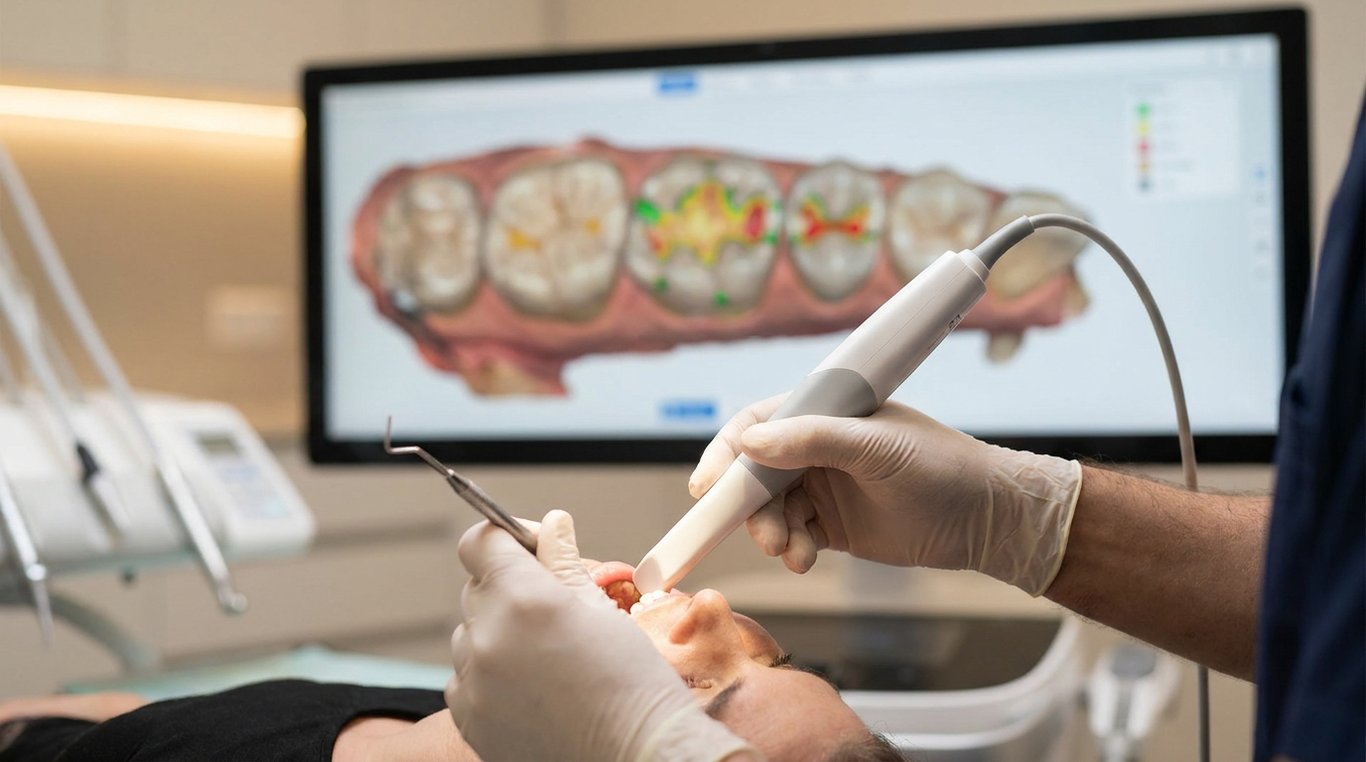
Diagnosing dental erosion and cavities involves more than just a quick look in your mouth. A dentist carefully evaluates the surfaces of your teeth, looking at enamel thickness, discoloration, texture, and the location of any damage. They also examine gum recession, bite patterns, and wear on specific teeth that might suggest grinding. Your dietary habits and medical history play a significant role in the diagnostic picture — a dentist who knows you regularly drink acidic beverages or struggle with acid reflux will approach your examination with that context in mind.
Dental X-rays are a valuable tool for detecting decay that is hidden between teeth or lurking beneath existing fillings and crowns. Erosion, however, is typically diagnosed through a clinical examination rather than imaging, since it affects the outer surface rather than creating hidden pockets of decay. To help your dentist make the most accurate assessment possible, be upfront about any history of reflux, frequent vomiting, dry mouth, teeth grinding, and your consumption of acidic foods or drinks. The more information you share, the better equipped your dentist will be to identify what is happening and recommend the right course of action.
Can Dental Erosion Be Reversed?
The straightforward answer is that lost enamel cannot regenerate on its own. Once the structural enamel is gone, it is gone for good — your body simply does not have the mechanism to rebuild it naturally. That said, there is an important nuance worth understanding. In the very earliest stages, before actual enamel structure has been lost, saliva and fluoride can help remineralize weakened mineral content and strengthen the surface. This window of opportunity is narrow, though, and it closes once the physical structure of the enamel has been compromised.
Even though reversal is not possible, progression can often be slowed significantly or even stopped altogether. Reducing your exposure to acids — whether from drinks, foods, or stomach acid — is the most important step. Improving saliva flow, treating underlying conditions like reflux, and using protective dental products can all help stabilize the situation. When erosion has already affected your comfort, function, or appearance, restorative dental procedures can rebuild what has been lost and protect the remaining tooth structure from further damage.
Can Early Cavities Be Reversed?
There is an important distinction between early demineralization and a fully formed cavity. Early demineralization — sometimes visible as a white spot on the enamel — represents mineral loss that has not yet created a physical hole. At this stage, fluoride, better plaque control, dietary improvements, and professional monitoring may be enough to help the area recover or at least prevent it from getting worse. This is why catching problems early through regular dental visits is so valuable — it gives you options that simply are not available once a cavity has formed.
Once a physical hole has formed in the tooth, enamel cannot simply rebuild itself, and the damage will not go away on its own. At that point, the dentist typically needs to remove the decayed tissue and place a filling to restore the tooth. If the decay has spread significantly and weakened a large portion of the tooth, a crown may be needed to protect what remains. In cases where decay has reached the inner pulp of the tooth, root canal treatment may be necessary. And when a tooth is too damaged to be saved, extraction becomes the last resort — which is why early intervention matters so much.
How to Prevent Dental Erosion
The foundation of erosion prevention is managing your acid exposure. Limiting acidic foods and beverages is a great starting point, but equally important is how you consume them. Avoid prolonged sipping of acidic drinks — finishing them relatively quickly is better than nursing them over an hour. Try to consume acidic items with meals rather than between them, since other foods and increased saliva production during meals can help buffer the acid. Between meals, plain water is your best friend. If you enjoy sodas or juices, using a straw can help reduce direct contact between the acidic liquid and your front teeth.
After consuming acidic foods or drinks, rinse your mouth with plain water to help wash away and dilute the acid. One thing many people do not realize is that you should wait before brushing — ideally at least 30 minutes after acid exposure. This is because acid temporarily softens enamel, and brushing immediately afterward can actually increase the mechanical wear on an already vulnerable surface. Rinsing with water first gives your saliva time to begin neutralizing the acid and the enamel time to begin rehardening before the toothbrush makes contact.
Beyond dietary habits, a few other protective measures are worth incorporating into your routine. Using a fluoride toothpaste helps strengthen enamel and provides an extra layer of protection. If you struggle with dry mouth, talk to your dentist about products that can support saliva flow. If you grind your teeth at night, a custom-fitted mouthguard can prevent additional mechanical wear. And if you experience frequent heartburn or acid reflux, seeking evaluation and treatment for that condition is one of the most impactful things you can do for your teeth — because no amount of rinsing or fluoride will fully protect your enamel if stomach acid is regularly reaching your mouth.
How to Prevent Cavities
Good oral hygiene is the cornerstone of cavity prevention. Brush your teeth twice a day using a fluoride toothpaste and a gentle technique — no need to scrub aggressively. Make sure you are also cleaning between your teeth daily with floss or an interdental cleaner, since the spaces between teeth are prime spots for plaque buildup and decay. A consistent routine does not have to be complicated; it just has to happen every day.
What you eat and drink — and how often — plays a huge role in your cavity risk. Frequent sugary snacks and sweetened drinks give the bacteria in your mouth a constant supply of fuel. Instead of grazing throughout the day, try to keep your eating and drinking structured around defined meals and snacks. Between those times, water is the safest choice. Reducing the frequency of sugar exposure, even more than the total amount consumed, can make a meaningful difference in your long-term cavity risk.
Professional preventive care rounds out a strong cavity-prevention strategy. Regular dental examinations allow your dentist to catch early signs of decay before they become bigger problems. Fluoride treatments, applied in-office, can provide additional protection for people at higher risk. Dental sealants — thin protective coatings applied to the deep grooves of back teeth — are particularly useful for children but can benefit adults as well. Your dentist can also help you develop an individualized prevention plan based on your specific risk factors, which is far more effective than a one-size-fits-all approach.
Treatment Options for Dental Erosion
When erosion is caught early, conservative treatment is often sufficient. The primary goal is to remove or reduce the sources of acid exposure — whether that means cutting back on acidic beverages, treating acid reflux, or addressing an eating disorder. Fluoride products, including prescription-strength fluoride toothpaste or gels, can help strengthen remaining enamel and reduce sensitivity. Desensitizing toothpastes can provide relief from discomfort. Measures to support saliva production, such as staying well hydrated and using saliva substitutes if needed, also play a role in protecting vulnerable tooth surfaces.
When erosion has progressed to the point where it affects function, comfort, or appearance, restorative dental procedures become necessary. Dental bonding can be used to cover and protect eroded areas with tooth-colored resin. Veneers — thin shells of porcelain or composite — can restore the appearance and structure of front teeth. Crowns may be needed when a significant amount of tooth structure has been lost and the tooth needs more comprehensive protection. The right choice depends on how much enamel remains, where the damage is located, how the bite is affected, and what the long-term prognosis looks like for each individual tooth.
Treatment Options for Cavities
The treatment for a cavity depends on how far the decay has progressed. In the very earliest stages, when only mineral loss has occurred without a physical hole, fluoride application and close monitoring may be all that is needed. Once a cavity has formed, however, a filling is the standard treatment. The decayed material is removed, and the space is filled with a restorative material. Today, tooth-colored composite resin is a popular choice because it blends naturally with the surrounding tooth. Porcelain and other materials are also used depending on the location and size of the cavity.
When decay has been left untreated and has spread extensively, more involved treatment becomes necessary. If the decay has weakened a large portion of the tooth, a crown may be placed to protect and restore its shape and strength. When decay reaches the inner pulp — the living tissue at the center of the tooth — root canal therapy is needed to remove the infected tissue and seal the tooth before it is restored with a crown. In cases where the tooth is too damaged to be saved by any of these approaches, extraction may be the only remaining option. The takeaway is clear: treating cavities early is almost always simpler, less expensive, and less uncomfortable than waiting.
Daily Habits That Protect Enamel and Prevent Decay
Building a solid daily routine does not require a complete lifestyle overhaul — just a few consistent habits. Brush gently with a fluoride toothpaste twice a day, making sure to reach all surfaces of every tooth. Clean between your teeth once a day to remove plaque from areas your toothbrush cannot reach. Drink plenty of water throughout the day, especially after meals and acidic foods or drinks. Try to avoid constant snacking, which keeps your teeth under repeated acid exposure. And do not skip your regular dental visits — professional checkups are where small problems get caught before they become big ones.
Paying attention to your personal triggers is also a valuable habit. Keep a mental note — or even a written one — of things like how often you drink acidic beverages, whether you experience heartburn or reflux, whether you wake up with jaw soreness that might suggest grinding, and whether certain foods or temperatures cause sensitivity. These details are genuinely useful to your dentist. Rather than trying to self-diagnose based on how your teeth look in the mirror, bring this information to your next appointment and let a professional put the pieces together. Your observations combined with a clinical examination give a much clearer picture than either alone.
When to See a Dentist Promptly
Some symptoms should not be put on the back burner. If you are experiencing persistent sensitivity to temperature, sweets, or acidic foods, that is worth getting checked out. Visible holes, chips, or noticeably thinning teeth are also signs that something is happening that needs professional attention. Dark or white spots on the tooth surface, pain while chewing, and a tooth shape that seems to be changing over time are all reasons to make an appointment sooner rather than later. Catching these issues early almost always leads to simpler, more affordable treatment.
Some situations call for urgent dental care rather than a scheduled appointment. Facial swelling, fever, severe pain, difficulty swallowing, or any signs of infection are red flags that require prompt evaluation — these can indicate a spreading infection that may need immediate treatment. Whether the underlying issue is erosion-related damage or an advanced cavity, delaying care allows the problem to worsen. What might have been a simple filling can become a root canal. What might have been a manageable situation can become a dental emergency. When in doubt, it is always better to call your dentist and ask than to wait and see.
Frequently Asked Questions About Dental Erosion and Cavities
Is dental erosion the same as a cavity?
No — dental erosion and cavities are two distinct conditions, even though they can both affect your teeth at the same time. Erosion is the chemical loss of tooth structure caused by acids, and it does not involve bacteria at all. A cavity, on the other hand, is a localized hole caused by tooth decay, which is a bacterial process involving plaque and fermentable sugars. Both conditions can cause sensitivity and discomfort, and both can be present in the same mouth simultaneously, but they have different causes, different appearances, and require different approaches to treatment and prevention.
How can I tell whether I have erosion or a cavity?
There are some general visual differences, but the honest answer is that you cannot reliably tell them apart on your own. Erosion tends to create smooth, worn, cupped, translucent, or flattened surfaces that affect broader areas of the tooth. Cavities typically appear as localized spots, pits, or holes in specific areas where plaque has accumulated. However, both conditions can look deceptively mild in their early stages, and some cases are genuinely difficult to distinguish without professional tools and training. A dental examination — and sometimes X-rays — is the only reliable way to know what you are dealing with and what to do about it.
Can brushing too hard cause dental erosion?
Aggressive brushing on its own causes a type of tooth wear called abrasion rather than true erosion, but the two often work together. When enamel has already been softened by acid exposure, brushing too hard — especially immediately after consuming something acidic — can accelerate the loss of that weakened surface. The solution is not to brush less, but to brush smarter. Use a soft-bristled toothbrush, apply gentle pressure, and use a proper technique that cleans effectively without being abrasive. Waiting at least 30 minutes after acid exposure before brushing also helps protect temporarily softened enamel.
Are soda, sports drinks, and fruit juice bad for enamel?
Many of these beverages are acidic, and some also contain significant amounts of sugar — which means they can pose risks for both erosion and cavities. The occasional glass of orange juice or soda is unlikely to cause serious damage for most people, but frequent consumption, prolonged sipping, and swishing these drinks around your mouth can add up over time. To reduce the risk, limit how often you consume them, avoid sipping slowly over long periods, rinse with water afterward, and try to drink them with meals rather than between them. Replacing some of these drinks with plain water is one of the simplest things you can do for your enamel.
Can enamel grow back after dental erosion?
Unfortunately, lost enamel does not grow back naturally. Enamel is not a living tissue with the ability to regenerate the way bone or skin can. In the very early stages, before structural enamel has been lost, saliva and fluoride can help remineralize weakened mineral content and provide some protection. But once the physical structure of the enamel is gone, it stays gone. Depending on the extent of the damage, your dentist may recommend preventive care and monitoring to protect what remains, or restorative options such as bonding, veneers, or crowns to rebuild and protect the affected teeth.
Conclusion: Protecting Your Teeth from the Silent Saboteur
To bring it all together: dental erosion is driven by acid — no bacteria required — while cavities are the result of bacterial tooth decay. Both conditions can quietly progress without obvious symptoms in their early stages, and neither should be diagnosed based on appearance alone. The good news is that a combination of reducing acid exposure, controlling plaque, using fluoride, staying hydrated, and addressing underlying issues like reflux or dry mouth can go a long way toward protecting your tooth structure from both threats. Small, consistent habits really do make a significant difference over time.
If you have noticed sensitivity, thinning enamel, discoloration, pits, holes, chips, or any pain in your teeth, do not brush it off — pun intended. These are signals worth taking seriously. Take the next step in understanding The Silent Saboteur: How Dental Erosion Differs from Cavities and What You Can Do About It by taking a closer look at your daily habits — what you eat, what you drink, how you brush, and whether you have any underlying health conditions that might be affecting your teeth — and then discuss any concerns or warning signs with a qualified dental professional who can give you a clear picture of what is happening and how to protect your smile going forward.