The Silent Grinder: Understanding and Managing Bruxism
Published 29 min read
Bruxism is the repeated clenching, grinding, or gnashing of teeth that can happen either during waking hours or while a person is asleep. It earns the nickname "silent" for a good reason — most people who have it have absolutely no idea. The problem often stays hidden until a dentist spots unusual wear patterns during a routine checkup, a sleep partner complains about the noise at 2 a.m., or a person wakes up with a sore jaw and wonders why their morning coffee suddenly makes their teeth ache. Because the behavior is frequently unconscious, bruxism can go unaddressed for months or even years before anyone connects the dots.
The impact of bruxism varies widely from person to person. For some, it is an occasional, low-intensity habit that never causes noticeable problems. For others, it is a persistent and forceful behavior that gradually contributes to tooth wear, increased sensitivity, jaw pain, recurring headaches, disturbed sleep, and temporomandibular joint complications. Importantly, treatment is not automatically required simply because grinding is occurring — decisions are generally guided by the presence of symptoms, the risk of ongoing damage, and the factors that appear to be driving the behavior in the first place.
What Is Bruxism?
At its most basic level, bruxism refers to the involuntary or semi-voluntary movement of the jaw muscles that causes the teeth to press together, slide against each other, or clench tightly. It is not a single, uniform condition — it actually comes in two distinct forms that differ in when they occur, how they present, and what tends to drive them. Understanding the difference between these two types is an important first step in figuring out what is happening and what kind of support might be most useful.
The two main categories are awake bruxism and sleep-related bruxism. Awake bruxism tends to involve clenching or pressing the teeth together rather than the back-and-forth grinding motion most people picture. Sleep-related bruxism, on the other hand, is classified as a sleep movement disorder and often involves rhythmic, forceful grinding that occurs entirely outside of the person's conscious awareness. Because the two types have different triggers and patterns, they may also call for different management approaches.
Awake Bruxism
Awake bruxism most commonly surfaces during moments of stress, deep concentration, frustration, physical exertion, or emotional tension. A person might clench their jaw while stuck in traffic, press their teeth together while working through a difficult task, or tighten their jaw muscles without realizing it during an anxious conversation. Over time, people may begin to notice physical cues — a feeling of tightness in the jaw, an awareness that their teeth are touching when they should be slightly apart, or a habit of holding the jaw in a rigid, tense position throughout the day.
Sleep-Related Bruxism
Sleep-related bruxism is particularly tricky because the person doing the grinding is, by definition, unconscious when it happens. The most common way people find out is through a partner, roommate, or family member who hears the grinding sound during the night — a sound that has been compared to anything from a subtle clicking to a fairly alarming scraping noise. Other clues include waking up with a tired or sore jaw, dull morning headaches that seem to start around the temples, increased tooth sensitivity, and wear patterns that a dentist notices before the patient ever reports a symptom.
Common Signs and Symptoms
The symptoms of bruxism are surprisingly varied, and they do not always show up in the most obvious places. While damaged teeth are the most well-known consequence, bruxism can also affect the jaw muscles, the face, the ears, and even the quality of a person's sleep. Recognizing the full range of possible symptoms is important because it helps people connect experiences they might otherwise dismiss — like a recurring earache or a persistent tension headache — with what is happening in their jaw.
One of the most important things to understand is that bruxism does not always hurt, especially in its early stages. A person can have measurable tooth wear or muscle tension without feeling significant pain. This is part of what makes the condition so easy to overlook. By the time discomfort becomes noticeable, some degree of damage may already have occurred, which is why regular dental checkups play such a valuable role in catching it early.
Dental Symptoms
On the dental side, bruxism can cause teeth to become flattened, chipped, cracked, or fractured over time. Enamel — the hard outer layer of the tooth — gradually wears away under repeated mechanical pressure, and once it is gone, it does not grow back. As enamel thins, the underlying dentin becomes exposed, which is often what causes increased sensitivity to hot, cold, or sweet foods and drinks. Existing fillings and restorations can also become damaged or loosened, and chewing may become uncomfortable. Left unaddressed, the ongoing pressure can expose progressively deeper layers of the tooth and raise the risk of more serious dental complications down the line.
Jaw, Face, and Head Symptoms
Beyond the teeth, bruxism frequently makes itself known through the muscles and structures surrounding the jaw. Soreness or fatigue in the jaw muscles is common, and some people experience a dull aching across the face or discomfort near the temples. Morning stiffness in the jaw is another familiar complaint, along with headaches that tend to be worst right after waking up. Earaches and tinnitus — a ringing or buzzing sensation in the ears — can also occur, even without any actual ear infection or damage. In more pronounced cases, people may notice clicking or popping in the jaw joint, limited ability to open or close the mouth fully, or difficulty chewing comfortably.
What Causes Bruxism?
The honest answer to "what causes bruxism?" is that it is rarely one single thing. Most cases involve a combination of contributing factors, and the exact mix varies from person to person. Researchers believe that the central nervous system plays a significant role — particularly the pathways that regulate muscle activity during sleep arousals and periods of heightened alertness. This is why bruxism is sometimes described as a movement disorder rather than simply a dental problem or a stress response.
Individual differences also matter. Some people appear to be more neurologically or genetically predisposed to bruxism, meaning they may develop it even without obvious external triggers. Emotional sensitivity, stress reactivity, and sleep architecture can all influence whether and how bruxism presents. In practice, most clinicians look at a combination of psychological, physiological, behavioral, and pharmacological factors when trying to understand what is driving a particular person's grinding or clenching.
Stress, Anxiety, and Emotional Factors
Stress and anxiety are among the most frequently cited contributors to bruxism, and there is a fairly intuitive logic to the connection — tension in the mind often translates into tension in the body, including the jaw muscles. People who are dealing with chronic stress, nervousness, low mood, or emotional distress may find that their clenching or grinding becomes more frequent or intense during difficult periods. That said, it is worth being clear: reducing stress can be genuinely helpful and is always a worthwhile goal, but it does not guarantee that bruxism will stop entirely, especially when other factors are also involved.
Sleep and Breathing Disorders
There is a well-documented association between sleep-related bruxism and sleep-disordered breathing, particularly snoring and obstructive sleep apnea. Researchers have observed that grinding episodes during sleep sometimes coincide with partial awakenings or breathing disruptions, which suggests that the two conditions may share underlying mechanisms. If someone is grinding their teeth at night and also snoring loudly, gasping for air, experiencing witnessed pauses in breathing, or feeling excessively tired during the day, those symptoms together warrant a proper medical evaluation — not just for the sake of the teeth, but for overall health.
Medications, Substances, and Lifestyle Factors
Certain medications have been associated with an increased risk of bruxism, including some drugs used to manage depression, anxiety, seizures, and attention-deficit/hyperactivity disorder. Lifestyle factors can also play a role — alcohol consumption, high caffeine intake, tobacco use, and certain recreational substances have all been linked to grinding or worsened sleep quality. It is worth noting, however, that anyone who suspects their medication may be contributing to bruxism should bring this up with the prescribing clinician rather than stopping the medication on their own, as that can carry its own health risks.
Who Is More Likely to Develop Bruxism?
While bruxism can affect virtually anyone, certain factors appear to raise the likelihood of developing it. Chronic stress and anxiety are among the most commonly identified risk factors, along with ongoing sleep difficulties, a family history of grinding, smoking, regular alcohol use, and high caffeine intake. Some medications, as mentioned earlier, can also increase susceptibility. Coexisting jaw conditions or dental issues may further complicate the picture. It is important to remember, though, that having one or more of these risk factors does not automatically mean a person will develop bruxism — and the presence of risk factors does not point to a single, identifiable cause.
Bruxism in Children
Tooth grinding is not exclusive to adults — it is actually fairly common in children, particularly during certain developmental stages. In many cases, it is temporary and resolves on its own without causing lasting harm. However, parents and caregivers should take note if a child's grinding persists, if the child complains of jaw pain or tooth sensitivity, if dental wear is becoming visible, or if there are accompanying signs like snoring or disturbed sleep. These situations are worth discussing with a dentist or pediatric healthcare professional to determine whether any evaluation or intervention is needed.
Bruxism in Adults and Older Adults
In adults, bruxism may develop or worsen in connection with significant life stress, changes in medication, the emergence of a sleep disorder, or longstanding jaw habits that have gradually become more problematic. Older adults may also face additional considerations, such as existing tooth wear accumulated over decades, dental restorations that have become worn or damaged, or health conditions that interact with treatment options. A thorough assessment that accounts for overall health, medication history, and the current state of the teeth and jaw is especially important in this age group.
How Bruxism Is Diagnosed
There is no single definitive test for bruxism, so diagnosis typically involves piecing together information from multiple sources. A dentist or healthcare professional will usually start with a detailed history — asking about symptoms, when they occur, how long they have been present, and how they affect daily life. Questions about sleep quality, stress levels, current medications, caffeine and alcohol consumption, and smoking habits all form part of the picture. A physical examination of the teeth, jaw muscles, and bite provides additional evidence.
In some cases, input from a sleep partner or family member can be genuinely valuable, particularly when nighttime grinding is suspected. A partner who shares a bedroom may have noticed grinding sounds, restless movements, or breathing irregularities that the patient themselves is completely unaware of. Gathering this kind of observational information — when available and appropriate — can meaningfully improve the accuracy of the assessment and help guide decisions about next steps.
Dental Examination
During a dental examination focused on bruxism, the dentist will look for a range of physical signs that suggest repeated mechanical stress on the teeth and jaw. This includes checking for enamel wear, cracks or fractures, increased tooth sensitivity, damage to existing fillings or crowns, changes in the bite, and indentations on the tongue or inner cheeks from tooth contact. The jaw muscles may be assessed for tenderness or tightness, and the temporomandibular joint — the hinge that connects the jaw to the skull — may be evaluated for signs of strain or dysfunction. Taken together, these findings help the dentist form a clearer picture of the extent and likely impact of the bruxism.
When a Sleep Study May Be Needed
A sleep study, formally known as polysomnography, is not a routine part of bruxism evaluation for most people. However, it may be recommended when symptoms suggest the presence of a more complex sleep disorder — particularly obstructive sleep apnea, significant sleep disruption, or unusual nighttime movements. A sleep study can monitor brain activity, breathing patterns, oxygen levels, and muscle activity during sleep, providing information that cannot be gathered from a dental exam alone. Not every person who grinds their teeth will need one, but when warning signs point toward a breathing or sleep disorder, a proper sleep evaluation can be an important part of getting the right diagnosis.
Potential Complications of Untreated Bruxism
For people whose bruxism is mild and infrequent, the long-term consequences may be minimal. But when grinding or clenching is frequent, forceful, or goes unaddressed for a significant period of time, the cumulative effects on the teeth and surrounding structures can become quite serious. Enamel loss is one of the most significant concerns because, unlike bone or skin, tooth enamel does not regenerate. As it wears away, teeth become increasingly sensitive, more vulnerable to decay, and more prone to cracking or fracturing. Fillings and other dental restorations can also break down faster under the added mechanical load, leading to more frequent and costly dental work.
Beyond the teeth, persistent bruxism can affect the jaw muscles and joints in ways that reduce comfort and function over time. Chronic muscle pain, difficulty opening the mouth fully, and temporomandibular joint problems can all develop or worsen when the underlying behavior is not addressed. On top of that, untreated contributing conditions — particularly sleep-disordered breathing or medication-related grinding — can continue to affect overall health and quality of life in ways that extend well beyond the jaw. Increasing pain, visible tooth damage, or worsening sleep symptoms are all good reasons to seek professional assessment sooner rather than later.
It is also worth recognizing that the psychological and social impact of untreated bruxism should not be underestimated. Chronic pain, disrupted sleep, and ongoing dental problems can affect mood, energy levels, and daily functioning. A partner's sleep may also be disturbed by the noise of grinding, which can add relationship stress to an already uncomfortable situation. Addressing bruxism comprehensively — rather than waiting for things to get worse — tends to lead to better outcomes across the board.
Daily Habits for Managing Bruxism
While professional evaluation and treatment are essential for managing bruxism effectively, there are also practical steps that people can take in their daily lives to reduce triggers, protect comfort, and support their overall care. These self-care strategies are not a replacement for seeing a dentist or doctor — they work best as part of a broader management plan rather than as a standalone solution. That said, building helpful habits can make a real difference, especially when it comes to reducing the frequency and intensity of awake clenching.
A useful starting point is developing awareness of when and where bruxism tends to occur. Paying attention to moments of jaw tension throughout the day, keeping track of symptoms like headaches and jaw soreness, and noting patterns related to sleep, caffeine intake, stress levels, and medication changes can all generate valuable information. Recording these observations in a simple diary or notes app gives both the individual and their clinician something concrete to work with when evaluating what is helping and what might need to change.
Stress-Reduction and Jaw-Awareness Techniques
Because stress is such a common contributor to awake bruxism in particular, stress-reduction strategies can be a meaningful part of management. Breathing exercises, meditation, yoga, regular physical activity, progressive muscle relaxation, and counseling or therapy can all help lower the overall level of tension in the body and mind. Alongside these broader approaches, learning to recognize and interrupt jaw clenching during the day is also valuable. The neutral resting position for the jaw — lips gently closed, teeth slightly apart, and the tongue resting comfortably on the floor of the mouth without pressing against the teeth — is a helpful reference point to return to throughout the day whenever tension is noticed.
Sleep Hygiene
Good sleep hygiene is relevant to bruxism management because sleep quality and nighttime grinding are often interrelated. Maintaining a consistent sleep schedule — going to bed and waking up at roughly the same time each day — helps regulate the body's internal clock and supports more restful sleep. A dark, quiet, and comfortable bedroom environment reduces the likelihood of nighttime arousals. A calming pre-sleep routine, such as light reading, gentle stretching, or a warm bath, can help ease the transition into sleep. Reducing exposure to screens and stimulating content in the hour before bed is also worth trying, particularly for people whose minds tend to stay active at night.
Food, Caffeine, Alcohol, and Tobacco
What a person consumes can have a meaningful effect on bruxism, particularly when it comes to substances that affect the nervous system or sleep quality. Reducing excessive caffeine — especially in the afternoon and evening — may help, as caffeine can increase alertness and muscle activity in ways that potentially worsen grinding. Alcohol is another substance worth paying attention to, since it can disrupt sleep architecture and has been associated with increased bruxism activity during the night. Smoking is similarly linked to higher rates of bruxism and is worth addressing for this reason as well as many others. For people experiencing jaw pain or muscle soreness, sticking to softer foods and avoiding particularly hard, chewy, or sticky items can provide some temporary relief by reducing the mechanical load on already-strained muscles.
Dental Treatments and Oral Appliances
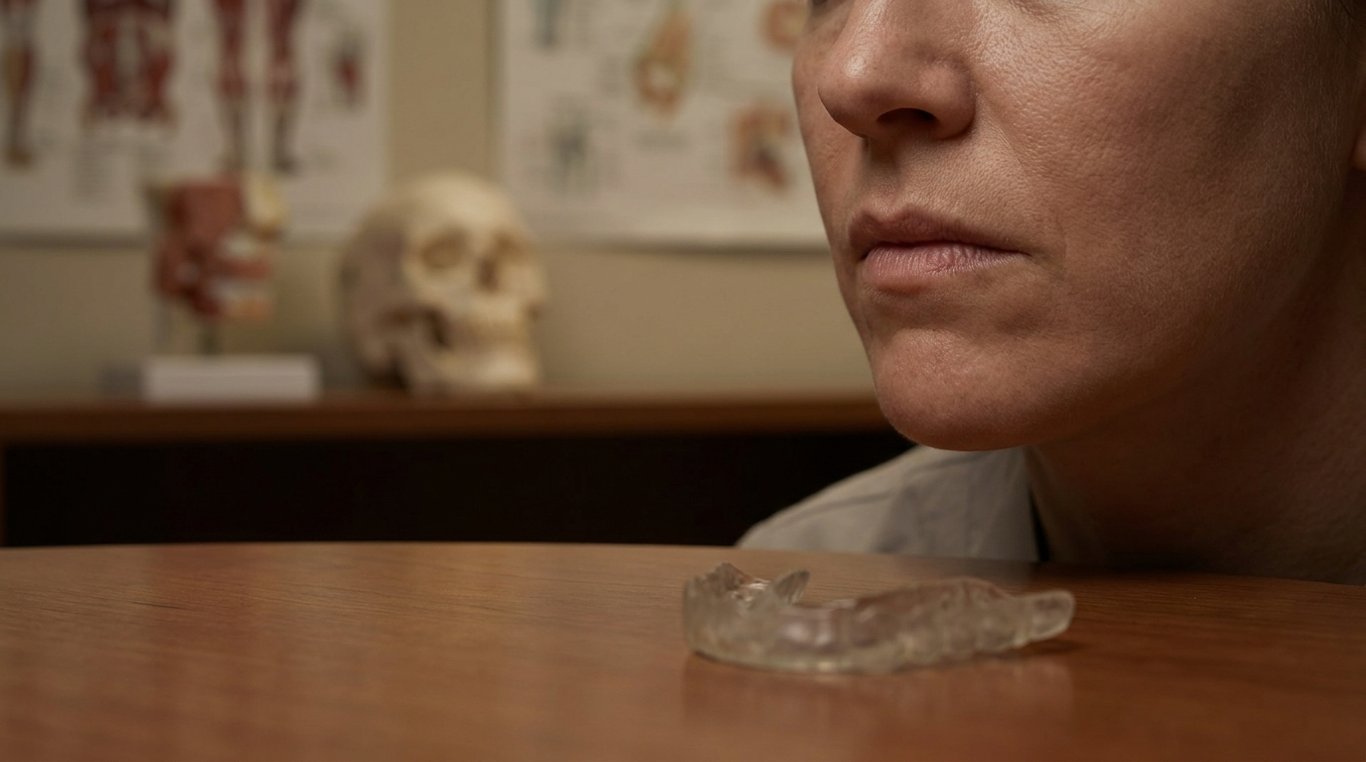
When bruxism is causing or risking damage to the teeth, a dentist will often recommend an oral appliance as a protective measure. These devices — sometimes called night guards, occlusal splints, or bite guards — work by creating a physical barrier between the upper and lower teeth, which helps distribute the forces of grinding more evenly and prevents direct tooth-on-tooth contact. For many people, wearing an appliance reduces the risk of further enamel loss, protects existing restorations, and may also help ease muscle tension and jaw discomfort.
It is important to understand what an oral appliance can and cannot do. While it can be highly effective at protecting the teeth and improving comfort, it does not address the root cause of the grinding or clenching. The muscle activity that drives bruxism may continue even while the appliance is in place — the device simply intercepts the damage before it reaches the teeth. This is why oral appliances are most effective when used alongside other management strategies, rather than as the only intervention.
Custom Night Guards and Splints
There is a meaningful difference between a professionally fitted oral appliance and a generic, over-the-counter product. Custom appliances made by a dentist are designed to fit the individual's specific bite and tooth anatomy, which makes them more comfortable to wear, more effective at distributing forces evenly, and less likely to cause unintended changes to the bite or jaw position. Generic products, while more affordable upfront, may not fit well, can be uncomfortable, and in some cases may actually worsen symptoms or cause bite-related problems. Proper cleaning, regular follow-up with the dentist, and replacing the appliance when it shows significant wear are all part of making this treatment work well over time.
Repairing Bruxism-Related Tooth Damage
When bruxism has already caused noticeable damage, restorative dental treatment may be needed to address sensitivity, cracks, worn surfaces, broken fillings, or other consequences. Options can range from bonding and fillings to crowns or other more extensive restorations, depending on the severity of the damage. Importantly, any restorative work should be planned in conjunction with measures to reduce the ongoing mechanical stress — otherwise, new restorations may face the same wear and damage as the original teeth. Treating the damage without also addressing the bruxism is a bit like patching a hole in a roof without fixing the leak.
Medical, Behavioral, and Physical Therapies
Managing bruxism effectively often requires input from more than one type of professional. Depending on the contributing factors and the nature of the symptoms, a person's care team might include a dentist, a physician, a sleep specialist, a mental health professional, a physical therapist, or some combination of these. This multidisciplinary approach reflects the reality that bruxism rarely has a single cause and rarely responds to a single treatment.
The specific combination of treatments that makes sense for any individual depends on what is driving their bruxism, how severe the symptoms are, what complications have developed, and what other health conditions or medications are involved. There is no universal protocol — good management is personalized management, built around a thorough assessment and an honest conversation between the patient and their care providers about goals, preferences, and realistic expectations.
Cognitive-Behavioral and Counseling Approaches
Cognitive-behavioral therapy, or CBT, is a structured psychological approach that has shown promise in helping people manage bruxism, particularly the awake variety. By working with a therapist, individuals can learn to identify the thoughts, emotions, and situations that tend to trigger clenching, develop healthier responses to stress, and use habit-reversal strategies to interrupt the behavior when they notice it occurring. Counseling more broadly — whether focused on stress management, anxiety, or other emotional concerns — can also support bruxism management by addressing some of the underlying drivers of the behavior.
Physical Therapy, Massage, and Jaw Exercises
For people dealing with jaw muscle pain, stiffness, or limited range of motion, physical therapy can be a helpful part of the management plan. A qualified physical therapist can guide patients through gentle jaw exercises designed to improve mobility and reduce tension, and may also use hands-on techniques to address muscle tightness. Self-massage of the jaw and facial muscles, along with warm or cool compresses applied to sore areas, can provide temporary relief when used as directed by a professional. One important caution: forceful stretching or exercises that cause or worsen pain should be avoided, as they can aggravate the muscles and joints rather than helping them heal.
Medication and Botulinum Toxin Considerations
In some cases, medication may be considered as part of bruxism management, though this is typically approached carefully and on an individualized basis. Short-term use of muscle relaxants or other agents may be appropriate in selected situations, particularly when pain is severe or sleep is significantly disrupted. Botulinum toxin injections — administered by an appropriately qualified clinician — represent another option for people with severe or persistent bruxism that has not responded adequately to other treatments. By temporarily reducing the activity of the jaw muscles, these injections can decrease the force of grinding and provide relief. However, the effects are temporary, the procedure carries potential risks, and the cost can be significant, so it is not a first-line approach and requires proper medical assessment before being considered.
Bruxism and Sleep Apnea: What to Know
The relationship between sleep-related bruxism and sleep-disordered breathing is one that researchers and clinicians have been paying increasing attention to. While bruxism and sleep apnea are distinct conditions, they appear to co-occur more often than chance would suggest, and some evidence points to shared mechanisms — particularly the role of arousal events during sleep, in which the brain briefly stirs from deeper sleep stages in response to a breathing disruption. It is important to be clear, however, that having bruxism does not mean a person has sleep apnea, and sleep apnea is not the only explanation for nighttime grinding. The connection is one worth being aware of, not one that should lead to self-diagnosis.
Warning signs that suggest sleep-disordered breathing may be worth investigating alongside bruxism include loud or frequent snoring, gasping or choking sounds during sleep, witnessed pauses in breathing, waking with a dry mouth, recurring morning headaches, and feeling excessively sleepy during the day despite spending enough time in bed. If several of these signs are present, they deserve medical attention in their own right — not just because of their relationship to bruxism, but because untreated sleep apnea carries significant cardiovascular and metabolic health risks.
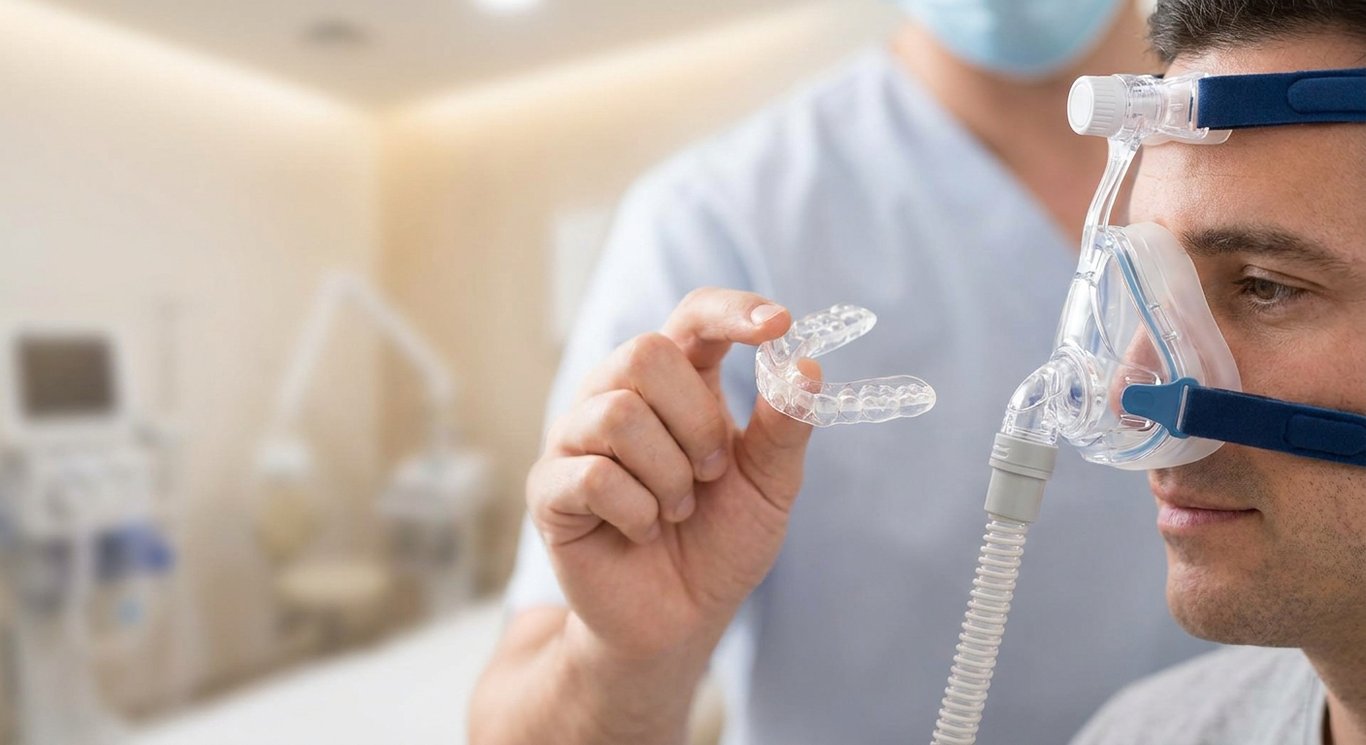
Addressing an underlying sleep disorder, when one is present, may have a positive effect on bruxism as well as on overall health and wellbeing. In some cases, treating sleep apnea with a continuous positive airway pressure device or another appropriate intervention has been associated with a reduction in grinding episodes. However, these decisions should always be based on a formal assessment by a qualified professional rather than on assumptions or self-diagnosis. The right path forward starts with getting the right evaluation.
When to See a Dentist or Doctor
Knowing when to seek professional care is one of the most practical things a person can take away from learning about bruxism. Some situations are clear indicators that it is time to make an appointment: persistent jaw or facial pain that does not resolve on its own, noticeable tooth sensitivity that has developed or worsened, teeth that appear cracked, chipped, or loose, recurring morning headaches, damaged or broken fillings, difficulty opening or closing the mouth fully, a partner who regularly reports hearing grinding during the night, or symptoms that are interfering with sleep or daily activities. Any of these warrant a conversation with a dentist or doctor.
In most cases, bruxism-related symptoms can be addressed through a scheduled appointment with a dentist or physician. However, some situations call for more prompt attention. A locked jaw that cannot be opened or closed, significant swelling around the face or jaw, severe tooth pain, a facial injury, difficulty swallowing or breathing, or rapidly worsening symptoms should not be left to wait for a routine appointment. Depending on the nature and severity of the symptom, urgent dental or emergency medical services may be the appropriate next step. When in doubt, it is always better to seek care sooner rather than risk allowing a serious problem to go unaddressed.
How to Create a Personal Bruxism Management Plan
Managing bruxism well is rarely about doing one single thing — it is about building a thoughtful, personalized plan that addresses the specific factors at play for a particular individual. A reasonable framework to follow looks something like this: start by identifying and documenting symptoms, then schedule a dental assessment to evaluate the current state of the teeth and jaw. Review current medications and substance use with a clinician to determine whether any of them may be contributing. Evaluate sleep quality honestly, and consider whether warning signs of a sleep disorder are present. Address stress and awake clenching through behavioral strategies, protect the teeth with an appropriate oral appliance if recommended, and monitor progress over time with regular follow-up.
The key word in all of this is "personalized." A management plan that works well for one person may not be the right fit for another, because the contributing factors, the severity of symptoms, and the individual's overall health picture will all differ. The goal is not to follow a generic checklist but to develop an approach — ideally in partnership with one or more healthcare professionals — that is genuinely responsive to what is actually driving the bruxism and what is most likely to help manage it effectively over the long term.
Tracking Symptoms and Triggers
Keeping a symptom diary is one of the most underrated tools in bruxism management. Recording details like jaw pain levels, morning headaches, tooth sensitivity, sleep quality, snoring, caffeine and alcohol consumption, stressful events, medication changes, and whether an oral appliance was worn each night creates a running log that can reveal patterns that might otherwise go unnoticed. Over days and weeks, this information can help a clinician identify which factors seem to correlate with worse symptoms, evaluate whether a particular treatment is making a difference, and adjust the management plan accordingly. It does not need to be elaborate — even a few brief notes each morning and evening can add up to genuinely useful data.
Monitoring Progress
Progress in bruxism management does not always look the same for everyone, and it is worth being clear-eyed about what to watch for. Positive signs might include reduced morning jaw pain, fewer headaches upon waking, improved sleep quality, less tooth sensitivity, and the absence of new dental damage at follow-up appointments. It is also important to recognize that symptom improvement and the complete elimination of grinding are not necessarily the same outcome — a person might still grind their teeth to some degree while experiencing significantly less pain and no new damage, which is still a meaningful success. Regular check-ins with a dentist or other clinician help ensure that the plan is working and that any new developments are caught early.
Frequently Asked Questions About Bruxism
What Is the Main Cause of Bruxism?
There is no single cause of bruxism that applies to everyone — and anyone who tells you otherwise is oversimplifying a genuinely complex condition. In most cases, bruxism develops from a combination of contributing factors. Stress and anxiety are commonly involved, as are disruptions in sleep and the arousal patterns that occur during sleep cycles. Genetics may play a role, meaning some people are simply more predisposed to it than others. Sleep-disordered breathing, certain medications, caffeine, alcohol, and smoking can all contribute as well. Understanding what is driving bruxism in a specific person requires looking at the whole picture rather than searching for one tidy explanation.
How Do I Know If I Grind My Teeth at Night?
Since nighttime grinding happens during sleep, most people cannot observe it directly. The most reliable external source is a bed partner or family member who shares a sleeping space and may have heard grinding or noticed other signs. Beyond that, common clues include waking up with a sore or tired jaw, dull headaches that are worst in the morning, increased sensitivity in the teeth, and visible changes like flattening or chipping that appear over time. A dentist can also assess the teeth and jaw for physical signs of wear and damage that are consistent with bruxism, even when the patient has no conscious awareness of grinding during the night.
Can Bruxism Damage My Teeth Permanently?
Yes, it can — and this is one of the most important reasons not to ignore it. Frequent or forceful grinding can cause enamel loss that is irreversible, since the body cannot regrow tooth enamel once it is worn away. As the enamel thins, teeth become more sensitive, more vulnerable to decay, and more prone to cracking or fracturing. Existing dental restorations like fillings and crowns can also be damaged or dislodged. The good news is that early evaluation and appropriate protective treatment — such as a custom night guard — can significantly reduce the risk of further damage and help preserve the teeth that remain.
Can Stress Reduction Stop Teeth Grinding?
Stress management is genuinely helpful and is a worthwhile part of any bruxism management plan, particularly for awake clenching. Reducing overall stress levels, improving emotional wellbeing, and developing healthier responses to tension can all contribute to less jaw clenching during the day and potentially better sleep at night. However, stress reduction alone may not be enough to eliminate bruxism entirely, especially when other contributing factors — such as sleep-disordered breathing, genetics, or medication effects — are also involved. Behavioral strategies work best when combined with dental or medical care, particularly when symptoms are significant or tooth damage is present.
Is a Night Guard a Cure for Bruxism?
A night guard is not a cure — it is a protective tool. Its primary job is to prevent the teeth from grinding directly against each other, which reduces the risk of enamel wear, fractures, and damage to restorations. Many people find that it also helps reduce jaw muscle tension and morning discomfort, which is a real benefit. But the underlying muscle activity that drives grinding typically continues even while the appliance is in place. This is why professional fitting, regular follow-up, and addressing the broader contributing factors are all important parts of making a night guard work as effectively as possible within a comprehensive management plan.
Conclusion: Key Takeaways and Next Steps
Bruxism is more common than many people realize, and its effects reach further than most expect. Whether it occurs during waking hours as jaw clenching or during sleep as rhythmic grinding, it often goes unrecognized until symptoms become noticeable or a dentist spots the physical evidence. The key takeaways from this guide are worth keeping in mind: bruxism can happen while awake or asleep; many people have no idea it is occurring; symptoms can include tooth wear, sensitivity, jaw pain, headaches, ear discomfort, and disrupted sleep; and contributing factors may include stress, anxiety, sleep disorders, certain medications, caffeine, alcohol, smoking, and genetic predisposition. No single factor tells the whole story, and no single treatment fixes it for everyone.
The good news is that bruxism is manageable. With the right combination of awareness, professional support, behavioral strategies, and — where appropriate — dental or medical treatment, most people can significantly reduce symptoms, protect their teeth, and improve their quality of life. The path forward looks different for each person, but it almost always starts in the same place: recognizing that something is happening and deciding to take it seriously.
Think of The Silent Grinder: A Comprehensive Guide to Understanding and Managing Bruxism as a starting point — a way to begin connecting the dots between symptoms you may have been living with for a while and a condition that has real, manageable solutions. Use the information here to sharpen your awareness of your own patterns, prepare thoughtful questions for your next dental or medical appointment, and approach that conversation as an informed participant rather than a passive patient. Bruxism responds best to personalized care, and personalized care starts with you showing up ready to describe what you have been experiencing.
If you are noticing jaw pain, recurring headaches, tooth sensitivity, or damage that keeps coming back — or if a partner has mentioned that you grind your teeth at night — do not put off getting it checked. Schedule an evaluation with your dentist or healthcare provider, bring your symptom observations with you, and ask about developing a management plan that fits your specific situation. Self-treatment alone is rarely enough when symptoms or tooth damage are present, and the earlier bruxism is properly assessed and addressed, the better the long-term outcomes tend to be for both oral health and overall wellbeing.