The Mouth-Body Connection: How Your Oral Health Impacts Your Overall Health
Published 19 min read

Introduction: Why oral health matters beyond your mouth
Most people think of oral health as something separate from the rest of their body — something that only matters when a tooth hurts or a cavity shows up on an X-ray. But the truth is, your mouth is deeply connected to your overall health in ways that go far beyond your teeth and gums. The mouth-body connection refers to the relationship between oral health and the health of your entire body. What happens in your mouth doesn't stay in your mouth. Bacteria, inflammation, and disease that start in your oral cavity can travel through your bloodstream and affect organs and systems throughout your body.
This article takes a closer look at just how powerful that connection really is. We'll explore how poor oral health has been linked to serious systemic conditions, including heart disease, diabetes, respiratory illness, and pregnancy complications. We'll also look at the role of chronic inflammation, discuss emerging research on conditions like dementia, and share practical steps you can take every day to protect both your mouth and your overall health. Whether you're managing a chronic condition or simply trying to stay healthy, understanding the mouth-body connection is an important piece of the puzzle.
What is the mouth-body connection?
Your mouth is home to hundreds of different species of bacteria — most of them harmless, and some of them actually helpful. But when oral hygiene is poor, harmful bacteria can multiply and cause problems that extend well beyond your teeth and gums. The mouth acts as a gateway to the rest of the body. Bacteria from the mouth can enter the bloodstream through small cuts or sores in the gum tissue, especially when gums are inflamed or bleeding. Once in the bloodstream, these bacteria can travel to distant parts of the body and trigger immune responses, inflammation, or infection in places you might not expect.
What makes this relationship especially interesting — and a little complicated — is that it runs in both directions. Oral health can affect systemic health, but systemic health can also affect what's happening in your mouth. This bidirectional relationship becomes especially clear when we look at conditions like gum disease. Gum disease doesn't just cause local damage to the teeth and surrounding tissue; it creates a state of chronic inflammation that can influence how the body functions as a whole. Understanding this two-way relationship is key to understanding why dentists and doctors are increasingly working together to look at the full picture of a patient's health.
How gum disease affects overall health
Gum disease, also known as periodontal disease, is an infection of the tissues that hold your teeth in place. It typically starts with gingivitis — redness, swelling, and bleeding of the gums — and can progress to a more serious form called periodontitis if left untreated. When gums become inflamed and infected, they develop small pockets between the teeth and gum tissue where bacteria can accumulate. These pockets create an open pathway for bacteria to enter the bloodstream. This is one of the primary ways that oral disease can begin to affect the rest of the body, and it's a big reason why gum disease has been studied so extensively in connection with systemic health conditions.
Beyond the bacterial pathway, gum disease also contributes to a state of chronic systemic inflammation. When the immune system detects an ongoing infection in the gums, it mounts a continuous inflammatory response. Over time, this low-grade, body-wide inflammation can damage blood vessels, impair organ function, and contribute to a range of serious health conditions. Chronic inflammation is already recognized as a major driver of diseases like heart disease, diabetes, and certain cancers, so it's not surprising that gum disease — as a persistent source of inflammation — has been linked to many of these same conditions.
Knowing the warning signs of gum disease is important, especially because many people don't realize they have it until it's already progressed. Common symptoms include gums that bleed when you brush or floss, persistent bad breath that doesn't go away with brushing, red or swollen gums, gums that appear to be pulling away from the teeth, and teeth that feel loose or sensitive. If you're also dealing with a systemic condition like diabetes or heart disease and you notice these symptoms, it's worth mentioning them to both your dentist and your doctor. The connection between what's happening in your mouth and what's happening in the rest of your body may be more significant than you think.
The link between oral health and heart disease
One of the most studied and widely discussed aspects of the mouth-body connection is the relationship between periodontal disease and cardiovascular health. Research has shown that people with gum disease have a higher risk of developing heart disease, experiencing a stroke, and having other cardiovascular events compared to people with healthy gums. While researchers are still working to fully understand the nature of this relationship — whether it's direct cause and effect or a shared set of risk factors — the association is strong enough that it has caught the attention of both dental and medical professionals worldwide.
One leading theory is that oral bacteria, once they enter the bloodstream, can attach to fatty plaques in the arteries and contribute to the buildup of arterial plaque — a condition known as atherosclerosis. This narrowing and hardening of the arteries is a major risk factor for heart attacks and strokes. Additionally, the systemic inflammation triggered by gum disease may contribute to the inflammatory processes that damage blood vessels over time. Some studies have even found specific oral bacteria in the arterial plaque of people with cardiovascular disease, which suggests a more direct connection than just shared lifestyle risk factors.
A common question people ask is whether improving their oral health can actually lower their heart disease risk. The honest answer is that we don't yet have definitive proof that treating gum disease directly prevents heart attacks or strokes. However, reducing sources of chronic inflammation in the body is generally considered beneficial for cardiovascular health, and maintaining good oral hygiene is a relatively simple and low-risk way to do that. Cardiologists and dentists increasingly recommend that patients with heart disease pay close attention to their gum health, and that people with severe gum disease be evaluated for cardiovascular risk factors. It's a relationship worth taking seriously.
Oral health and diabetes: a two-way relationship
The connection between oral health and diabetes is one of the clearest examples of the bidirectional mouth-body relationship. People with diabetes are significantly more likely to develop gum disease, and when they do, it tends to be more severe. This is because high blood sugar levels can impair immune function, making it harder for the body to fight off the bacteria that cause gum infections. Diabetes also affects blood flow and the body's ability to heal, which means that gum tissue in diabetic patients is more vulnerable to damage and slower to recover. For someone already managing the challenges of diabetes, gum disease adds another layer of complexity to their health.
What makes this relationship particularly important is the fact that gum disease can also make diabetes harder to control. When the body is dealing with the chronic inflammation caused by periodontal disease, it becomes more resistant to insulin — the hormone that regulates blood sugar. This means that untreated gum disease can cause blood sugar levels to spike and fluctuate in ways that are difficult to manage with medication alone. Several studies have found that treating gum disease in diabetic patients can lead to modest but meaningful improvements in blood sugar control. In other words, taking care of your gums may actually help you manage your diabetes more effectively.
For people living with diabetes, a few practical steps can make a significant difference in both oral and systemic health. Visiting the dentist at least twice a year — or more frequently if recommended — allows for early detection and treatment of gum disease before it becomes severe. Daily brushing with a fluoride toothpaste, flossing once a day, and rinsing with an antimicrobial mouthwash can help keep harmful bacteria in check. It's also important to keep your doctor informed about any changes in your oral health, since gum disease can affect your blood sugar levels and may require adjustments to your diabetes management plan. Managing both conditions together gives you the best chance at staying healthy.
How oral health can affect respiratory health
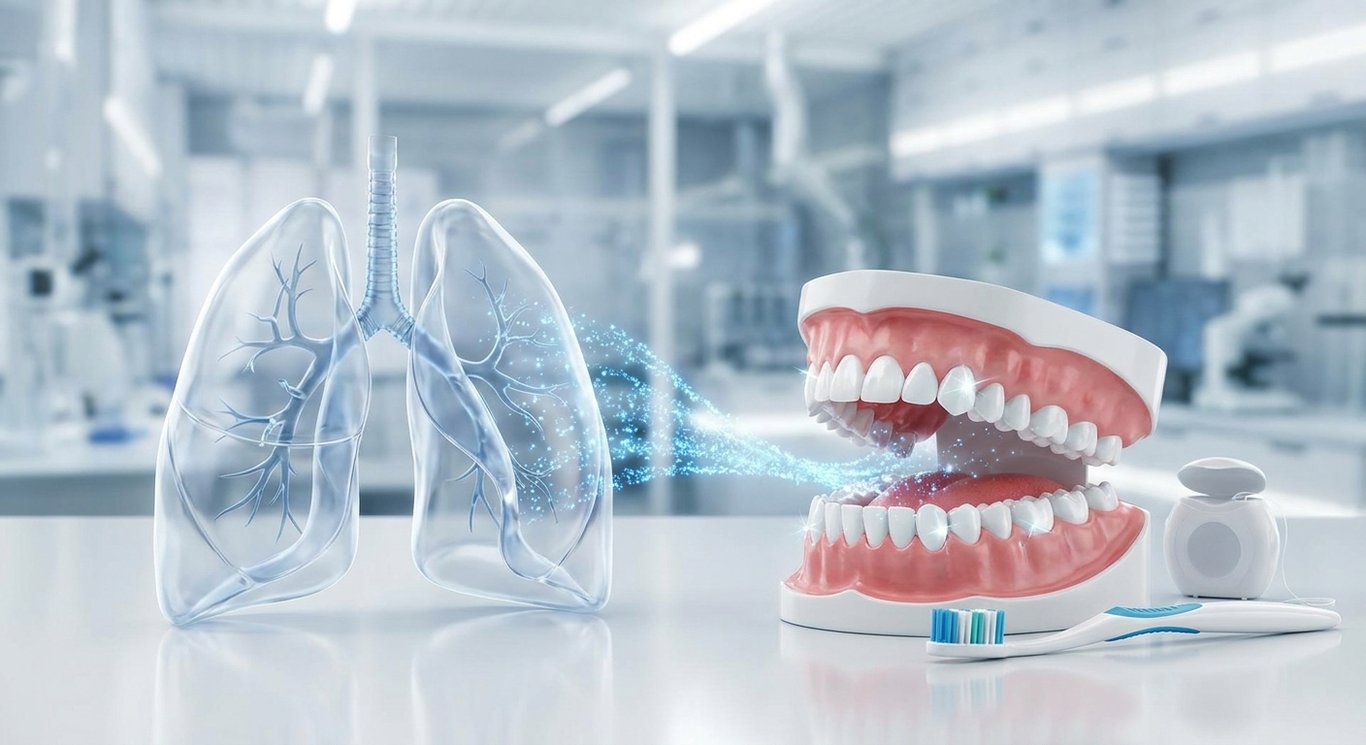
Your lungs might seem far removed from your mouth, but the two are more connected than you might expect. When you breathe, you can inadvertently inhale tiny droplets of saliva or particles from the back of your throat — and if your mouth is harboring large amounts of harmful bacteria, those bacteria can make their way into your lungs. Once there, they can cause or worsen respiratory infections, including pneumonia. Research has found associations between poor oral hygiene and an increased risk of pneumonia, as well as other respiratory conditions like chronic obstructive pulmonary disease (COPD). The bacteria most commonly associated with periodontal disease have been found in the lungs of people with certain respiratory infections, which supports the idea that the mouth can act as a source of lung-damaging pathogens.
Certain groups of people are especially vulnerable to the respiratory effects of poor oral health. Older adults, particularly those in nursing homes or long-term care facilities, face a higher risk of aspiration pneumonia — a type of lung infection that occurs when bacteria from the mouth are inhaled into the lungs. Hospitalized patients, especially those on ventilators, are also at increased risk because they may not be able to maintain their own oral hygiene and are often in a weakened immune state. People with chronic lung conditions like asthma or COPD may find that their symptoms worsen when oral bacteria add to the inflammatory burden on their respiratory system. For these populations, oral care isn't just about preventing cavities — it can be a genuinely life-saving practice.
Oral health during pregnancy: why it matters for mother and baby
Pregnancy brings a lot of changes to the body, and the mouth is no exception. Hormonal shifts during pregnancy can make gums more sensitive and prone to inflammation — a condition sometimes called "pregnancy gingivitis." But the concern goes beyond just uncomfortable gums. Poor oral health during pregnancy has been associated with an increased inflammatory burden on the body, which can affect the health of both the mother and the developing baby. Oral bacteria that enter the bloodstream during pregnancy have the potential to reach the placenta and the amniotic fluid, where they may trigger inflammatory responses that complicate the pregnancy.
Some research has found links between untreated gum disease and an increased risk of preterm birth and low birth weight — two outcomes that can have serious long-term consequences for a child's health. While the research in this area is still evolving and the exact mechanisms aren't fully understood, the association is significant enough that many healthcare providers recommend prenatal dental care as a standard part of pregnancy health. Pregnant women should let their dentist know about their pregnancy so that care can be adjusted appropriately, and they should continue brushing, flossing, and attending dental checkups throughout their pregnancy. Taking care of your oral health during this time is one of the many ways you can support a healthy outcome for both yourself and your baby.
Other systemic conditions linked to oral health
Heart disease and diabetes get a lot of attention when it comes to the mouth-body connection, but they're far from the only systemic conditions that have been associated with oral health. Research has found links between periodontal disease and rheumatoid arthritis, with some studies suggesting that the bacteria responsible for gum disease may also play a role in triggering the immune response that leads to joint inflammation in arthritis. There is also growing evidence connecting poor oral health to an increased risk of certain cancers, including pancreatic cancer and esophageal cancer. While these associations don't prove that gum disease causes these conditions, they do suggest that the state of your oral health may be a meaningful indicator of broader health risks.
Perhaps one of the more surprising areas of emerging research involves the connection between oral health and cognitive function. Several studies have explored the relationship between gum disease and an increased risk of dementia, including Alzheimer's disease. One theory is that oral bacteria or the chronic inflammation they cause may contribute to the neurological changes associated with cognitive decline. Some researchers have even found evidence of oral bacteria in the brain tissue of people with Alzheimer's disease. While this research is still in its early stages and hasn't established a definitive cause-and-effect relationship, it adds another compelling reason to take oral health seriously as part of a broader approach to long-term wellness.
It's worth being honest about the fact that not all of these connections are equally well established. Some links — like the relationship between gum disease and heart disease or diabetes — are supported by a substantial body of research. Others, like the connections to dementia or certain cancers, are based on more preliminary findings and require further study before firm conclusions can be drawn. The science of the mouth-body connection is still evolving, and researchers continue to investigate the mechanisms behind these associations. What is clear, however, is that oral health is not an isolated concern — it is part of a complex web of factors that influence your overall health, and it deserves the same attention and care as any other aspect of your wellbeing.

How to protect your oral and overall health every day
The good news is that protecting your oral health doesn't require anything complicated or expensive — it mostly comes down to consistent daily habits. Brushing your teeth twice a day with a fluoride toothpaste is one of the most effective things you can do to remove plaque and prevent gum disease. Flossing once a day is equally important, since a toothbrush can't reach the spaces between teeth where bacteria love to hide. Cleaning your tongue — either with your toothbrush or a tongue scraper — can help reduce the bacterial load in your mouth and combat bad breath. These simple habits, done consistently, create a strong foundation for both oral and systemic health.
What you eat and drink also plays a significant role in your oral health. A diet high in sugar feeds the bacteria that produce acids, which erode tooth enamel and contribute to cavities and gum disease. Cutting back on sugary snacks and beverages — especially sticky or acidic ones — can make a real difference over time. Staying well hydrated is also important, since saliva plays a key role in neutralizing acids and washing away food particles and bacteria. Foods rich in calcium, vitamin C, and antioxidants support healthy teeth and gum tissue, so a balanced diet full of vegetables, fruits, lean proteins, and dairy can benefit your mouth just as much as it benefits the rest of your body.
Beyond diet and daily hygiene, a few lifestyle choices can have a major impact on your oral and overall health. Tobacco use — whether smoking or chewing — is one of the most significant risk factors for gum disease, tooth loss, and oral cancer, not to mention its well-known effects on heart and lung health. Quitting tobacco is one of the best things you can do for your mouth and your body. Moderating alcohol consumption is also beneficial, as heavy drinking has been linked to a higher risk of oral cancer and can contribute to dry mouth, which increases the risk of decay. Finally, keeping up with regular dental checkups and professional cleanings — typically twice a year for most people — allows your dentist to catch problems early, before they become serious or begin to affect your systemic health.
When to see a dentist or doctor
Some oral symptoms are easy to brush off or ignore, but certain signs should prompt you to make a dental appointment sooner rather than later. If your gums bleed regularly when you brush or floss, that's not normal — it's a warning sign of gum disease that needs attention. Persistent bad breath that doesn't improve with brushing, mouthwash, or staying hydrated can also indicate an underlying infection or gum problem. Other red flags include gums that look red, swollen, or are pulling away from your teeth; teeth that feel loose or have shifted position; pain or sensitivity that doesn't go away; sores or lesions in the mouth that haven't healed within two weeks; and swelling in the jaw or face. These symptoms deserve prompt evaluation, not just to protect your teeth but to protect your overall health.
Sometimes, oral symptoms can be a sign of something going on elsewhere in the body — or they can make an existing systemic condition worse. If you have a chronic condition like diabetes, heart disease, or an autoimmune disorder and you're experiencing oral health problems, it's worth talking to both your dentist and your primary care physician. Your dentist can treat what's happening in your mouth, but your doctor may need to reassess how your systemic condition is being managed in light of the oral-systemic connection. Conversely, if you've been diagnosed with a condition like rheumatoid arthritis or are undergoing cancer treatment, let your dentist know — some medical treatments can affect oral health, and your dental care may need to be adjusted accordingly. The most effective approach to health is one where your medical and dental providers are on the same page.
Frequently asked questions about the mouth-body connection
What is the mouth-body connection?
The mouth-body connection refers to the relationship between oral health and the health of the rest of the body. The mouth can serve as a gateway for bacteria and inflammation to enter the bloodstream, where they can affect distant organs and systems. At the same time, systemic conditions like diabetes and heart disease can influence what's happening in the mouth. This bidirectional relationship means that oral health and overall health are closely intertwined, and that taking care of your mouth is an important part of taking care of your entire body.
Can poor oral health really affect heart health?
Research has found a significant association between periodontal disease and an increased risk of heart disease and stroke. While scientists are still studying the exact nature of this relationship, leading theories suggest that oral bacteria entering the bloodstream may contribute to arterial plaque buildup, and that the chronic inflammation caused by gum disease may damage blood vessels over time. People with gum disease have been found to have higher rates of cardiovascular problems, which is why many cardiologists now recommend that their patients pay close attention to their gum health.
How does gum disease affect diabetes?
The relationship between gum disease and diabetes runs in both directions. Diabetes impairs the immune system and blood flow, making people with the condition more susceptible to gum infections that are harder to heal. At the same time, the chronic inflammation caused by untreated gum disease can increase insulin resistance, making blood sugar levels more difficult to control. Treating gum disease has been shown in some studies to lead to modest improvements in blood sugar management, which is why dental care is considered an important component of comprehensive diabetes management.
Can oral health impact pregnancy outcomes?
Yes, there is evidence that poor oral health during pregnancy may be associated with complications including preterm birth and low birth weight. Hormonal changes during pregnancy can make gums more vulnerable to inflammation, and oral bacteria that enter the bloodstream may reach the placenta and trigger inflammatory responses. Prenatal dental care is recommended as part of a healthy pregnancy, and pregnant women should continue brushing, flossing, and attending dental checkups. It's also important to inform your dentist that you are pregnant so that care can be tailored appropriately.
How can I improve my oral health to support my overall health?
Improving your oral health starts with consistent daily habits: brush twice a day with fluoride toothpaste, floss daily, clean your tongue, and stay hydrated. Eating a balanced diet low in sugar and high in nutrients that support gum and tooth health is also important. Avoiding tobacco, moderating alcohol use, and scheduling regular dental checkups and cleanings are all key steps. If you have a chronic health condition, talk to both your dentist and your doctor about how your oral health may be connected to your overall care. Small, consistent actions add up to significant long-term benefits.
Conclusion: Key takeaways and next steps
The mouth-body connection is real, well-researched, and increasingly recognized by both dental and medical professionals as an important factor in overall health. Your oral health is closely tied to inflammation, immune function, and the risk of chronic diseases including heart disease, diabetes, respiratory illness, and more. Gum disease, in particular, is a significant source of chronic systemic inflammation that can affect the body in ways that go far beyond the mouth. Treating and preventing oral disease isn't just about keeping your smile looking good — it's about reducing your risk of serious health conditions and supporting your body's ability to function at its best.
If you've been putting off a dental visit, now is a great time to schedule one. Talk to your dentist about any symptoms you've been experiencing, and don't hesitate to mention any systemic health conditions you're managing. If you have concerns about how your oral health may be affecting your overall wellness — or vice versa — bring those questions to both your dentist and your primary care provider. In the meantime, commit to the daily habits that make a real difference: brush, floss, eat well, stay hydrated, and skip the tobacco. Your mouth is the gateway to your health, and taking care of it is one of the most powerful things you can do to support your long-term wellbeing.