The Modern Dental Toolkit: A Guide to Today's Most Innovative Technologies
Published 46 min read
1. Understanding the Modern Dental Toolkit
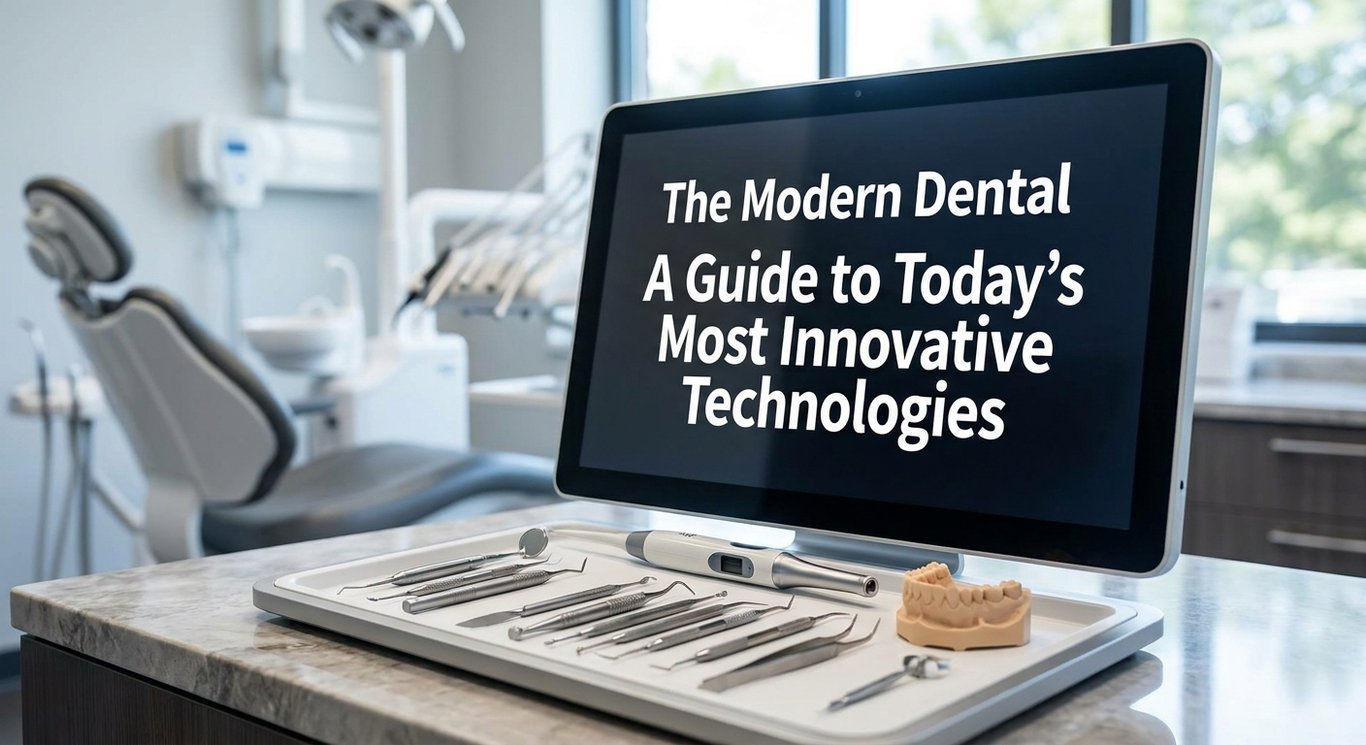
Dentistry has come a long way from the days of slow drills, messy impression trays, and grainy X-ray films clipped to a light box. Today's dental offices are increasingly equipped with sophisticated digital tools that would have seemed like science fiction just a generation ago. The modern dental toolkit is a collection of technologies designed to make diagnoses more accurate, treatments faster, and patient experiences more comfortable. Understanding what's in this toolkit — and why it matters — is the first step toward appreciating just how much the field has evolved.
The shift toward modern dentistry isn't just about having flashier equipment. It reflects a broader movement in healthcare toward precision, efficiency, and patient-centered care. When a dentist can capture a detailed 3D image of your jaw in seconds, design a crown on a computer screen, and mill it right there in the office, that's not a gimmick — that's a fundamentally better way to deliver care. These technologies are reshaping what's possible at every stage of a dental visit, from the moment you walk in the door to the follow-up you receive at home.
It's also worth noting that the modern dental toolkit isn't a single product or platform — it's an ecosystem. Different practices adopt different combinations of tools depending on their specialty, patient base, and budget. A general dentist might focus on digital imaging and intraoral scanners, while an oral surgeon might prioritize cone beam CT and guided implant systems. What ties it all together is a shared commitment to using technology to deliver better outcomes. The sections that follow break down each major category of innovation so you can understand what these tools do and why they matter.
1.1 What counts as "modern" dental technology?
The term "modern dental technology" covers a wide range of tools and systems that have emerged or matured significantly over the past two decades. At its core, the modern dental toolkit includes digital imaging, cone beam computed tomography (CBCT), artificial intelligence (AI) software, intraoral scanners, computer-aided design and manufacturing (CAD/CAM) systems, 3D printers, dental lasers, teledentistry platforms, cloud-based practice management software, and smart diagnostic devices. Each of these represents a meaningful departure from the analog and manual methods that dominated dentistry for most of the twentieth century. Traditional tools relied heavily on physical impressions, chemical film development, and manual fabrication — processes that were time-consuming and prone to human error.
What separates modern tools from their predecessors isn't just the technology itself — it's the integration. A digital X-ray doesn't just produce a better image; it feeds directly into a practice management system, can be analyzed by AI software, and can be shared instantly with a specialist across the country. An intraoral scanner doesn't just replace impression putty; it generates a digital model that flows seamlessly into a CAD/CAM workflow for same-day restorations. This interconnectedness is what makes the modern dental toolkit genuinely transformative rather than just incrementally better. It turns a collection of individual upgrades into a coherent, efficient system of care.
1.2 How innovation is changing everyday dental practice
Innovation in dentistry isn't confined to high-tech specialty clinics — it's increasingly showing up in everyday general practice. From the routine checkup to complex restorative work, modern tools are woven into nearly every step of the patient journey. Digital imaging has replaced film X-rays in most practices. Intraoral cameras let patients see exactly what the dentist sees. AI software flags potential cavities or bone loss in radiographs before the dentist even picks up a probe. These aren't futuristic possibilities — they're happening in dental offices right now, and they're making routine care faster, more accurate, and more comfortable.
Beyond diagnostics, innovation is transforming treatment planning, restorative workflows, orthodontics, and even hygiene appointments. A treatment plan that once required multiple visits and lab turnaround times of weeks can now be completed in a single appointment. Orthodontic cases that used to rely on plaster models and hand-bent wires are now mapped out digitally and fabricated with 3D printers. Even the humble cleaning appointment benefits from new tools, with ultrasonic scalers and AI-assisted charting reducing the time and discomfort involved. The cumulative effect is a dental experience that is measurably better for both patients and providers.
2. Digital Imaging, CBCT, and Advanced Diagnostics
Accurate diagnosis is the foundation of good dental care, and nothing has improved diagnostic capability more dramatically than advances in imaging technology. The ability to see inside teeth, beneath gum tissue, and through bone with clarity and precision gives clinicians information they simply couldn't access with older methods. Modern imaging tools don't just produce better pictures — they produce data that can be stored, shared, analyzed, and acted upon in ways that genuinely improve patient outcomes.
The progression from traditional film X-rays to digital imaging and then to three-dimensional cone beam CT represents one of the most significant leaps in dental diagnostics in the past century. Each step in that progression has brought improvements in image quality, speed, radiation dose, and clinical utility. Today, a dentist can capture a full 3D view of a patient's teeth, roots, bone, sinuses, and jaw joints in a single scan — information that supports more precise planning for implants, orthodontics, extractions, and endodontic treatment.
Layered on top of these imaging advances is artificial intelligence, which is beginning to change how images are interpreted. AI tools can analyze radiographs in seconds, flagging areas of concern that a human eye might miss on a busy day. This doesn't replace the dentist's judgment — it enhances it, providing a second layer of analysis that improves consistency and early detection. Together, advanced imaging and AI diagnostics are setting a new standard for what thorough dental care looks like.
2.1 From traditional X‑rays to digital imaging
Traditional dental X-rays involved placing a small piece of chemical film in the patient's mouth, exposing it to radiation, and then developing it in a darkroom — a process that took time, produced inconsistent results, and required careful handling of chemical developers. Digital radiography changed all of that. Instead of film, digital sensors capture X-ray images almost instantly and display them on a monitor within seconds. The image quality is superior, the process is faster, and — importantly — the radiation dose is significantly lower than with conventional film. Digital images can also be enhanced, zoomed, and adjusted for contrast, making it easier to spot early-stage decay or subtle bone changes.
Cone beam computed tomography takes things even further by producing three-dimensional images of the oral and maxillofacial region. Unlike a medical CT scanner, a dental CBCT unit is designed specifically for the head and neck, delivering a focused, lower-dose scan that generates detailed 3D models of teeth, roots, bone density, nerve pathways, and soft tissue structures. This level of detail is invaluable for planning implant placements, evaluating impacted teeth, diagnosing temporomandibular joint disorders, and assessing complex orthodontic cases. CBCT has become a standard tool in oral surgery and implantology, and it's increasingly accessible in general practice settings as well.
2.2 AI‑enhanced image analysis
Artificial intelligence is making a significant impact on how dental images are analyzed and interpreted. AI-powered diagnostic software can be trained on millions of annotated radiographs to recognize patterns associated with cavities, periodontal bone loss, root fractures, periapical lesions, and other pathologies. When a new image is loaded into the system, the AI analyzes it in real time and highlights areas of concern, often with color-coded overlays that make it easy for the clinician to review the findings. Studies have shown that AI-assisted radiograph analysis can match or exceed the diagnostic accuracy of experienced clinicians, particularly for detecting early-stage interproximal cavities that are easy to miss visually.
Beyond simple detection, AI tools are increasingly capable of integrating imaging data with patient history, risk factors, and clinical notes to support more nuanced decision-making. For example, an AI system might flag a radiograph showing early bone loss and cross-reference it with a patient's smoking history and diabetes diagnosis to generate a risk score for periodontal disease progression. This kind of multi-dimensional analysis helps dentists prioritize interventions and have more informed conversations with patients about their oral health. As these systems continue to be trained on larger and more diverse datasets, their diagnostic capabilities will only improve.
2.3 Smart diagnostic tools and oral cancer screening
Beyond imaging, a new generation of smart diagnostic tools is helping clinicians detect disease earlier and with less invasiveness. Fluorescent oral cancer screening devices use specific wavelengths of light to illuminate abnormal tissue that might not be visible under normal lighting conditions. When healthy tissue and potentially precancerous or cancerous lesions absorb and reflect light differently, these devices can highlight suspicious areas that warrant further investigation. Given that oral cancer outcomes are strongly linked to how early it's caught, tools that support earlier detection have real clinical value.
Similarly, caries-detection devices use laser fluorescence or electrical conductance to identify early-stage decay in pits and fissures before it's visible on an X-ray or to the naked eye. Oral fluid diagnostics — sometimes called salivary diagnostics — are an emerging area where saliva samples are analyzed for biomarkers associated with disease, infection, or systemic conditions. These tools collectively support a more proactive, minimally invasive approach to dental care, where the goal is to catch problems at their earliest and most treatable stage rather than waiting for symptoms to appear.
3. Intraoral Scanners, CAD/CAM, and 3D Printing
One of the most visible transformations in modern dental practice is the shift from physical to digital workflows in restorative dentistry. For decades, the process of making a crown, bridge, or denture involved taking a physical impression — a process patients often found uncomfortable — sending it to an outside laboratory, and waiting days or weeks for the finished restoration to come back. Today, digital tools have compressed and simplified that entire workflow in ways that benefit both patients and dental teams.
Intraoral scanners, CAD/CAM systems, and 3D printers form the core of this digital restorative workflow. Together, they allow a dentist to capture a precise digital model of a patient's teeth, design a custom restoration on screen, and fabricate it right in the office — sometimes within the same appointment. This isn't just convenient; it's clinically superior in many respects, producing restorations with exceptional fit and accuracy while eliminating the errors that can creep into traditional impression and fabrication processes.
The adoption of these technologies has accelerated rapidly as the hardware has become more affordable, the software more intuitive, and the clinical evidence more robust. What was once available only in high-end specialty practices is now within reach for general dentists who want to offer their patients a faster, more comfortable, and more precise restorative experience. The digital restorative workflow is quickly becoming the new standard of care rather than a premium option.
3.1 Digital impressions with intraoral scanners
Intraoral scanners are handheld devices that use structured light or laser technology to capture thousands of data points per second, building up a highly accurate 3D digital model of a patient's teeth and gums in real time. The process involves moving the scanner wand slowly around the mouth while a live 3D image builds on the monitor — a process that most patients find far more comfortable than biting down on trays filled with impression material. For patients with strong gag reflexes, the difference is especially significant. Digital impressions also eliminate the risk of distortion that can occur when traditional impression materials shift, bubble, or are poured up incorrectly.
The precision of modern intraoral scanners is remarkable, with accuracy measured in microns. This level of detail is essential for producing restorations that fit well, bite correctly, and last a long time. Digital models can be sent electronically to a dental laboratory in seconds, or fed directly into an in-office CAD/CAM system for same-day fabrication. They can also be stored indefinitely, making it easy to compare models over time to track changes in tooth wear, gum recession, or bite alignment. In orthodontics, digital impressions have replaced plaster study models, making record-keeping cleaner, easier, and more accessible.
3.2 Chairside CAD/CAM and same‑day dentistry
CAD/CAM stands for computer-aided design and computer-aided manufacturing, and in dentistry it refers to systems that allow restorations to be designed digitally and then milled or printed from a block of ceramic, composite, or other material — often right in the dental office. The workflow begins with a digital impression captured by an intraoral scanner, which is then imported into design software. The dentist or a trained technician uses the software to design the restoration, adjusting the shape, contacts, and occlusion on screen. Once the design is finalized, it's sent to an in-office milling unit that carves the restoration from a pre-fabricated block of material in a matter of minutes.
The result is same-day dentistry — a crown, inlay, onlay, or veneer that's designed, fabricated, and delivered in a single appointment. For patients, this means no temporary restoration to wear for two weeks, no second appointment to have the permanent crown cemented, and no impression material in their mouth. For practices, it means a streamlined workflow, reduced lab fees, and a compelling patient experience that drives case acceptance and referrals. The materials used in chairside CAD/CAM have also improved dramatically, with modern ceramic blocks offering excellent esthetics and durability that rival or exceed traditional lab-fabricated restorations.
3.3 3D printing for restorations, guides, and orthodontics
Three-dimensional printing — also called additive manufacturing — has found a growing number of applications in dentistry. Unlike milling, which carves a restoration out of a solid block, 3D printing builds objects layer by layer from a liquid resin or other printable material. This makes it particularly well-suited for producing complex shapes, internal structures, and customized designs that would be difficult or impossible to mill. In dental practice, 3D printers are used to fabricate surgical guides for implant placement, diagnostic models for treatment planning, custom trays, and orthodontic appliances like retainers and clear aligner models.
The speed and cost-effectiveness of 3D printing are major advantages. A surgical guide that once took days to produce at an outside lab can now be printed in-office overnight. Custom orthodontic models can be printed on demand rather than stored physically. As printable materials continue to improve in strength, biocompatibility, and esthetic quality, the range of restorations that can be 3D printed — including full dentures, temporary crowns, and even definitive restorations — is expanding rapidly. 3D printing is also enabling a new level of customization in prosthetics and orthodontics, where every appliance is tailored precisely to the individual patient's anatomy.
4. Lasers, Minimally Invasive Dentistry, and New Materials
One of the most exciting trends in modern dentistry is the move toward minimally invasive care — the idea that the best dental treatment is the one that removes as little healthy tissue as possible while achieving the desired outcome. This philosophy is supported by a range of technologies that allow dentists to be more precise, more conservative, and less reliant on the drill-and-fill approach that defined dentistry for much of the twentieth century. Lasers, ozone therapy, and advanced materials are at the heart of this shift.
Minimally invasive dentistry also reflects a broader understanding of oral disease as something to be managed and prevented rather than simply repaired. When a dentist can treat early-stage decay without cutting into healthy enamel, or reshape gum tissue without a scalpel, the patient benefits in terms of comfort, recovery time, and long-term tooth preservation. These approaches require both the right technology and a clinical philosophy that prioritizes conservation over convenience.
The materials used in dentistry have also undergone significant advances, with new composites, ceramics, and orthodontic materials offering combinations of strength, esthetics, and biocompatibility that weren't possible even a decade ago. Together, these tools and materials are enabling a new generation of dental care that is more precise, more comfortable, and more durable than what came before.
4.1 Soft‑tissue and hard‑tissue laser applications
Dental lasers use focused beams of light energy to cut, ablate, or modify tissue with a level of precision that traditional instruments can't match. Soft-tissue lasers are used for procedures like gum reshaping (gingivectomy), frenectomies, treatment of gum disease, and management of aphthous ulcers. Because the laser simultaneously cuts and cauterizes, bleeding is minimal, and the need for sutures is often eliminated. Patients typically experience less post-operative discomfort and faster healing compared to conventional surgical techniques. The precision of laser cutting also means that surrounding healthy tissue is less disturbed, which supports better outcomes overall.
Hard-tissue lasers can be used to remove decayed tooth structure, prepare cavities for filling, and treat tooth sensitivity by sealing exposed dentinal tubules. For some patients — particularly those with mild to moderate anxiety about the drill — laser cavity preparation is a welcome alternative that is often quieter, less vibration-intensive, and sometimes possible without local anesthesia. Lasers are also used in teeth whitening procedures, where they activate bleaching agents to accelerate the whitening process. While laser dentistry does require specialized training and equipment investment, the clinical benefits in terms of precision, comfort, and outcomes make it a valuable addition to the modern dental toolkit.
4.2 Ozone, remineralization, and conservative caries management
Ozone therapy is one of the more intriguing minimally invasive approaches in modern dentistry. Ozone — a molecule made up of three oxygen atoms — has powerful antimicrobial properties and has been used in medicine for decades. In dentistry, ozone gas or ozonated water can be applied to early-stage carious lesions to kill the bacteria responsible for decay without drilling. When used at the right stage of disease, ozone treatment can arrest the decay process and create conditions that support natural remineralization of the tooth structure. This is particularly valuable for treating early lesions in children or in patients who are at high risk for decay but haven't yet developed cavities that require restoration.
Remineralization therapies work on a similar principle — instead of removing decayed tissue, they aim to restore minerals to weakened enamel before a cavity fully forms. Products containing calcium phosphate compounds, fluoride, and other remineralizing agents can reverse early lesions when applied consistently and correctly. Caries risk assessment tools help dentists identify which patients are most likely to benefit from these approaches, enabling a more personalized and conservative management strategy. Together, ozone and remineralization represent a shift in how dentistry thinks about decay — not as something to be drilled out, but as a disease process that can be intercepted and reversed.
4.3 Next‑generation restorative and orthodontic materials
The materials used to restore and straighten teeth have advanced enormously in recent years. Modern composite resins offer a combination of strength, polishability, and shade-matching capability that allows dentists to create virtually invisible fillings and bonded restorations. Ceramic materials used in CAD/CAM fabrication — such as lithium disilicate and zirconia — provide exceptional durability and esthetics, making it possible to restore teeth with restorations that look natural and last for many years. These materials are also engineered for digital fabrication, with consistent properties that produce predictable results when milled or printed.
In orthodontics, the development of clear aligner systems has transformed how tooth movement is planned and delivered. Modern clear aligners are fabricated from advanced thermoplastic materials that apply precise, controlled forces to teeth, guided by detailed digital treatment plans. The materials have improved in terms of stiffness, clarity, and durability, making them more effective for a wider range of cases. Beyond aligners, orthodontic brackets and wires have also benefited from materials science advances, with self-ligating brackets, heat-activated nickel-titanium wires, and aesthetic ceramic brackets all contributing to more comfortable and efficient orthodontic treatment.
5. Artificial Intelligence, Robotics, and Smart Workflows
Artificial intelligence is no longer a concept reserved for technology companies and research labs — it's actively being integrated into dental practice in ways that are improving both clinical outcomes and operational efficiency. From analyzing X-rays to automating administrative tasks, AI is becoming a genuine partner in the delivery of dental care. Understanding how these tools work and where they add value is increasingly important for both dental professionals and informed patients.
Robotics is also beginning to make its mark in dentistry, particularly in the area of implant surgery. Guided and robotic implant systems allow surgeons to plan procedures with extraordinary precision and then execute those plans with mechanical accuracy that reduces the margin for human error. While robotic dentistry is still in its early stages compared to robotic surgery in medicine, the trajectory is clear — automation and precision guidance will play an increasingly important role in complex dental procedures.
Perhaps most importantly, AI and digital tools are enabling a level of workflow integration that makes the entire dental practice run more smoothly. When imaging, diagnosis, treatment planning, fabrication, scheduling, and documentation all speak the same digital language, the result is a more efficient, less error-prone, and more patient-friendly experience from start to finish.
5.1 AI in diagnostics, charting, and treatment planning
AI's most immediate and well-documented application in dentistry is in radiographic analysis. Software platforms trained on large datasets of annotated dental images can analyze X-rays and flag findings such as interproximal cavities, periapical lesions, bone loss, and calculus deposits — often with accuracy that rivals experienced clinicians. This is particularly valuable in busy practices where time pressure can lead to missed findings, and in settings where less experienced clinicians benefit from an additional layer of diagnostic support. The AI doesn't make the final call — the dentist does — but having a consistent, tireless second opinion reduces the likelihood of early-stage disease being overlooked.
Beyond imaging, AI is being applied to periodontal charting, where voice-activated or sensor-based systems can record probing depths automatically, reducing the time and staffing required for this routine but important task. AI-driven risk assessment tools integrate clinical data, medical history, and behavioral factors to generate personalized risk profiles for conditions like caries, periodontal disease, and oral cancer. These profiles can guide treatment planning and patient education conversations, making care more proactive and personalized. As AI systems become more sophisticated, their role in supporting clinical decision-making will continue to expand.
5.2 Robotics and guided surgery in dentistry
Guided implant surgery uses digital planning software and physical surgical guides — often 3D-printed from CBCT data — to direct the placement of implants with a high degree of precision. The surgeon follows a pre-planned trajectory, with the guide physically constraining the drill to the correct angle, depth, and position. This reduces the risk of complications such as nerve damage, sinus perforation, or implant failure due to poor positioning. Guided surgery also tends to be faster and less traumatic than freehand placement, which benefits patients in terms of recovery time and comfort.
True robotic implant systems take this a step further by using a robotic arm to execute the osteotomy preparation and implant placement according to a pre-programmed digital plan. The robot can make real-time adjustments based on sensor feedback, maintaining accuracy even as soft tissue moves or the patient shifts slightly. These systems are still relatively new and not yet widely adopted, but early clinical data suggests they can achieve exceptional accuracy in implant positioning. As the technology matures and becomes more accessible, robotic-assisted dental surgery is likely to become a standard option for complex implant cases.
5.3 Practice automation and digital workflow integration
AI-powered scribes represent one of the most practical recent innovations in dental practice management. These systems listen to the clinical conversation between dentist and patient and automatically generate structured clinical notes, treatment codes, and documentation — eliminating much of the manual charting burden that consumes significant time in a busy practice. Similarly, AI-driven scheduling systems can optimize appointment books, predict no-shows, and send personalized reminders that reduce cancellation rates. These administrative applications of AI may not be as clinically dramatic as AI-assisted diagnosis, but their impact on practice efficiency and staff satisfaction is substantial.
The real power of digital workflow integration lies in how seamlessly these tools connect with each other. When a CBCT scan feeds directly into implant planning software, which generates a 3D-printed surgical guide, which is used in a procedure documented by an AI scribe, and the final images and notes are stored in a cloud-based EHR accessible to the patient through a portal — that's a fully integrated digital workflow. Every step adds value, and the connections between steps eliminate redundancy and reduce the risk of information being lost or miscommunicated. Building this kind of integrated workflow is one of the most important investments a modern dental practice can make.
6. Teledentistry, Cloud Software, and Connected Care
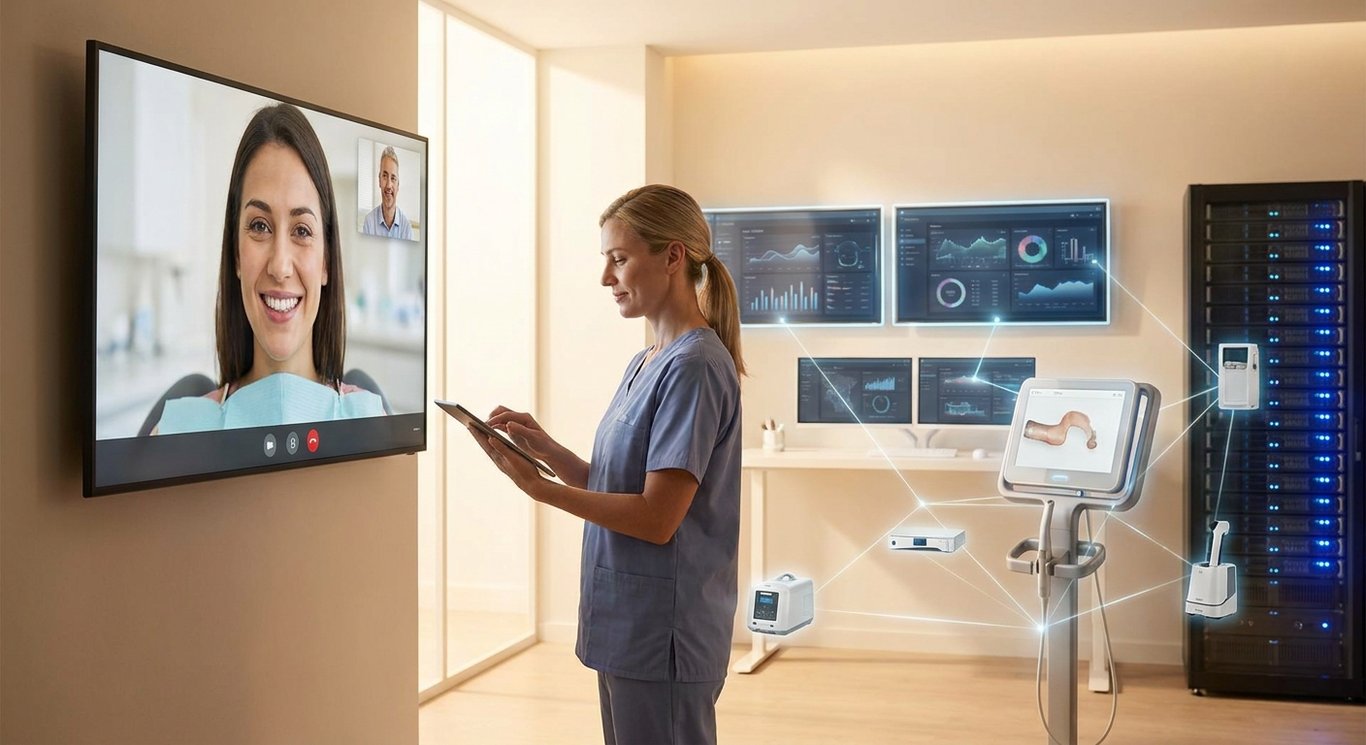
The concept of connected care — where patients and providers can interact, share information, and coordinate treatment regardless of physical location — has gained significant momentum in dentistry in recent years. Teledentistry, cloud-based software, and remote monitoring tools are making dental care more accessible, more convenient, and more continuous. These technologies are particularly valuable for reaching patients in underserved areas, supporting preventive care between visits, and enabling faster triage for urgent concerns.
The COVID-19 pandemic accelerated the adoption of teledentistry considerably, as practices sought ways to maintain patient relationships and provide care when in-person visits weren't possible. What emerged from that period was a broader recognition that many aspects of dental care — consultations, follow-ups, triage, and patient education — can be delivered effectively through digital channels. The infrastructure built during that time has continued to grow and improve, making connected dental care a permanent feature of the modern practice landscape.
Cloud-based practice management software has similarly transformed how dental teams operate. The ability to access patient records, imaging, scheduling, and billing from any device, anywhere, has made practices more flexible and resilient. For multi-location groups and DSOs, cloud platforms enable standardization and data sharing across sites in ways that were simply not possible with server-based systems. Together, these connected care technologies are redefining what a dental practice looks like and how it functions.
6.1 What teledentistry is and how it works
Teledentistry refers to the use of digital communication technologies — video calls, secure messaging, image sharing, and remote monitoring — to deliver dental consultations, triage, and follow-up care at a distance. A patient who is concerned about a toothache, a broken restoration, or an unusual spot in their mouth can share photos or video with their dentist through a secure platform and receive guidance without needing to travel to the office. This is particularly valuable for patients in rural or remote areas who may not have easy access to a dental provider, as well as for elderly or mobility-impaired patients for whom travel is difficult.
Teledentistry is also effective for preventive care and patient education. Dentists can conduct virtual consultations to review oral hygiene habits, discuss treatment options, or follow up after a procedure. School-based teledentistry programs have been used to screen children for dental disease and connect families with care they might not otherwise access. While teledentistry cannot replace the hands-on clinical examination — there are obvious limits to what can be assessed remotely — it significantly expands the reach of dental care and supports better continuity between in-person visits.
6.2 Cloud‑based practice management and EHRs
Electronic health records (EHRs) and cloud-based practice management systems have become the operational backbone of modern dental practices. These platforms integrate patient demographics, medical and dental history, clinical notes, treatment plans, radiographs, photographs, and financial records into a single, accessible system. Cloud-based systems store all of this data securely on remote servers, meaning it's accessible from any authorized device — a significant advantage for practices with multiple locations or for dentists who need to review patient information remotely.
Beyond record-keeping, modern practice management platforms include tools for appointment scheduling, automated patient reminders, insurance billing and claims management, treatment plan presentation, and patient communication. Many systems now integrate directly with imaging software, intraoral scanners, and CAD/CAM platforms, creating a seamless flow of data from clinical capture to documentation to billing. This integration reduces the administrative burden on dental teams, minimizes data entry errors, and ensures that every member of the team has access to the same up-to-date information. For patients, it means a more organized, responsive, and personalized experience every time they interact with the practice.
6.3 Remote monitoring, wearables, and patient portals
An emerging frontier in connected dental care involves wearable devices and smartphone apps that allow patients to track aspects of their oral health between visits. Some devices can monitor jaw movement and detect signs of bruxism (tooth grinding) or temporomandibular joint dysfunction. Apps connected to smart toothbrushes can track brushing habits — duration, coverage, and pressure — and provide feedback to help patients improve their oral hygiene routine. These tools shift some of the responsibility for monitoring oral health from the dental office to the patient's daily life, supporting better habits and earlier identification of problems.
Patient portals are another important component of connected care. These secure online platforms give patients access to their own dental records, X-rays, treatment plans, and post-operative instructions. They can also be used to communicate with the dental team, request appointments, review financial information, and access personalized educational content. When a patient can see their own X-rays and understand what the dentist is seeing, it supports better-informed decision-making and stronger engagement with their care. As these portals become more sophisticated, they'll increasingly serve as hubs for the entire patient-provider relationship between office visits.
7. Digital Orthodontics and Personalized Smile Design
Orthodontics has been one of the dental specialties most dramatically transformed by digital technology. The combination of advanced imaging, digital planning software, 3D printing, and sophisticated materials has made it possible to plan and deliver orthodontic treatment with a level of precision and customization that simply wasn't achievable with traditional methods. Patients benefit from more predictable outcomes, more comfortable treatment, and a clearer understanding of what to expect before treatment even begins.
Digital orthodontics also enables a new kind of collaboration between orthodontists, general dentists, and patients. Treatment plans can be visualized and shared digitally, outcomes can be simulated before any appliances are placed, and the fabrication of custom appliances can be done in-office or through digital labs with rapid turnaround. This collaborative, transparent approach tends to improve patient satisfaction and case acceptance, because patients can see and understand what they're agreeing to.
Smile design software takes this a step further, allowing clinicians to create visual simulations of the expected outcome of orthodontic or cosmetic treatment. These tools are powerful communication aids that help patients make informed decisions and feel confident in their treatment plans. Together, digital orthodontics and smile design represent a new standard for how tooth movement and esthetic improvement are planned, communicated, and delivered.
7.1 Digital orthodontic diagnostics and planning
Comprehensive orthodontic diagnosis has traditionally required a combination of plaster models, panoramic X-rays, cephalometric radiographs, and clinical photographs — a process that was time-consuming, storage-intensive, and difficult to share with colleagues. Digital technology has streamlined all of this significantly. Intraoral scanners replace plaster models with precise digital files. CBCT imaging provides three-dimensional views of tooth roots, bone, and airway that are invaluable for complex cases involving impacted teeth, skeletal discrepancies, or airway concerns. Cephalometric analysis software measures skeletal and dental relationships automatically from digital images, reducing the time and variability associated with manual tracing.
Virtual treatment planning software allows orthodontists to import all of these digital records and simulate tooth movement in a three-dimensional environment. The clinician can try different treatment approaches, evaluate the effects on tooth roots and bone, and predict the final outcome before placing a single bracket or aligner. This kind of virtual planning improves treatment efficiency, helps avoid unforeseen complications, and supports more accurate staging of tooth movement. It also produces a compelling visual record that can be shared with patients, referring dentists, and insurance providers to support treatment authorization and communication.
7.2 Clear aligners, custom appliances, and 3D‑printed solutions
Clear aligner therapy has become one of the most popular orthodontic treatment options for both adults and adolescents, and digital technology is at the heart of how these systems work. The process begins with a digital scan of the patient's teeth, which is uploaded to planning software where the orthodontist maps out the desired tooth movements in a series of incremental steps. Each step corresponds to a set of custom-fabricated aligner trays that apply gentle, controlled forces to move teeth toward the planned positions. The aligners are typically fabricated from 3D-printed models using pressure-formed thermoplastic material, or increasingly, printed directly in some systems.
Beyond clear aligners, 3D printing is enabling a new generation of custom orthodontic appliances. Indirect bonding trays — used to position brackets precisely on teeth before transferring them to the patient's mouth — can be 3D-printed from digital models, improving placement accuracy and reducing chairtime. Custom lingual brackets, palatal expanders, and retainers can all be designed digitally and fabricated with precision that exceeds what's possible with traditional laboratory methods. The result is orthodontic treatment that is more customized, more efficient, and more comfortable than the one-size-fits-all approaches of the past.
7.3 Smile design software and patient communication
Smile design software allows dentists and orthodontists to create visual simulations of expected treatment outcomes using a patient's photographs and digital records. By overlaying proposed changes in tooth position, shape, and color onto a patient's actual image, these tools give patients a realistic preview of what their smile could look like after treatment. This is a powerful tool for case acceptance, because patients who can visualize the outcome are more likely to commit to treatment. It also opens up a collaborative conversation about esthetic goals, ensuring that the final result aligns with what the patient actually wants.
These tools also improve communication between dental team members and specialists. When a general dentist is planning a cosmetic case that involves both orthodontics and restorative work, smile design software allows all parties to work from the same visual plan, reducing miscommunication and ensuring that each phase of treatment contributes to the desired final outcome. Some platforms integrate directly with CAD/CAM and 3D printing workflows, so the smile design can flow seamlessly into the fabrication of restorations or appliances. This end-to-end digital approach to smile transformation represents one of the most exciting applications of the modern dental toolkit.
8. Patient Experience, Safety, and Sustainability in High‑Tech Dentistry
Technology in dentistry isn't just about clinical outcomes — it's also about the experience of being a patient. Dental anxiety is one of the most common barriers to people seeking regular care, and many modern technologies directly address the discomfort and fear that have historically kept people out of the dental chair. At the same time, the adoption of powerful digital tools raises important questions about data security, privacy, and the ethical use of AI in clinical decision-making.
Sustainability is another dimension of high-tech dentistry that deserves attention. The dental industry has historically generated significant physical waste — from single-use impression trays and mixing tips to plaster models and chemical processing fluids. Digital workflows reduce or eliminate many of these waste streams, making modern dental practices potentially more environmentally responsible than their traditional counterparts.
Taken together, the patient experience, safety, and sustainability dimensions of modern dental technology remind us that innovation isn't just about what's technically possible — it's about how technology is implemented in ways that serve patients, communities, and the planet. The best dental practices are those that use technology thoughtfully, with attention to both clinical excellence and broader responsibility.
8.1 Comfort, speed, and anxiety reduction
Many patients dread dental visits because of the discomfort, noise, and time involved in traditional procedures. Modern technologies address each of these concerns in meaningful ways. Digital impressions eliminate the gagging and discomfort of traditional impression trays. Same-day CAD/CAM restorations reduce the number of appointments required for common procedures like crown placement. Laser dentistry reduces the need for injections and drills in many soft and hard tissue procedures. Each of these improvements, individually modest, adds up to a dental experience that is genuinely less stressful for patients who have historically avoided care because of anxiety.
Emerging technologies like virtual reality (VR) and augmented reality (AR) headsets are also beginning to appear in dental settings, offering patients an immersive distraction during procedures. Studies have shown that VR can significantly reduce perceived pain and anxiety during dental treatment, particularly for children and patients with high dental fear. While these tools are not yet widespread, they represent an interesting direction for patient experience design in dentistry. Combined with more comfortable clinical techniques, improved communication tools, and faster appointments, modern dental technology is making it easier than ever to deliver care that patients actually want to come back for.
8.2 Data security, privacy, and ethical use of AI
The digitization of dental records and the adoption of cloud-based systems bring significant benefits, but they also introduce new responsibilities around data security and patient privacy. Dental health information is sensitive personal data, and practices that store it digitally must comply with applicable regulations — such as HIPAA in the United States — and implement robust security measures including encryption, access controls, and regular security audits. Cloud vendors should be evaluated carefully for their security certifications, data residency policies, and breach notification procedures. Patients have a right to know how their data is stored, who can access it, and how it's protected.
The use of AI in clinical decision-making raises additional ethical considerations. AI diagnostic tools are trained on historical datasets that may not represent all patient populations equally, which can introduce bias into their outputs. A system trained predominantly on images from one demographic group may perform less accurately for patients from different backgrounds. Transparency about how AI tools work, what data they were trained on, and what their known limitations are is essential for responsible clinical use. Dentists should understand that AI is a support tool, not a replacement for clinical judgment, and should be prepared to critically evaluate AI outputs rather than accepting them uncritically.
8.3 Eco‑friendly workflows and waste reduction
Traditional dental practice generates a surprising amount of physical waste. Impression materials, plaster models, lead-lined X-ray film packets, chemical processing solutions, and single-use plastic trays all contribute to the environmental footprint of dental care. Digital workflows significantly reduce many of these waste streams. Digital X-rays eliminate film and chemical processing entirely. Digital impressions replace disposable trays and impression materials. CAD/CAM fabrication from pre-fabricated material blocks is more material-efficient than traditional casting and milling processes. And cloud-based record-keeping eliminates paper charts, printed forms, and physical storage requirements.
Beyond waste reduction, digital workflows can also support more energy-efficient practice operations. Cloud computing consolidates server infrastructure, potentially reducing the energy footprint compared to on-site servers in every practice. 3D printing, while not without its own material and energy considerations, can produce restorations and appliances on demand, reducing the need for large inventories of physical products. As the dental industry continues to adopt digital tools, there's a genuine opportunity to build practices that are not only clinically excellent but also more environmentally responsible — an increasingly important consideration for both patients and practitioners.

9. Choosing and Evaluating Modern Technologies for Your Practice
With so many technologies available, deciding which ones to adopt — and when — is one of the most important strategic decisions a dental practice owner or manager faces. Not every technology is right for every practice, and the wrong investment can be costly in terms of both money and disruption. A thoughtful, evidence-based approach to technology adoption helps practices maximize the value of their investments while avoiding the pitfalls of chasing novelty for its own sake.
The evaluation process should be driven by clinical need and patient benefit, not by marketing pressure or the desire to have the latest gadget. The most successful technology adoptions in dentistry are those where the tool solves a real problem, fits naturally into the practice's workflow, and is supported by solid training and ongoing vendor support. Practices that approach technology this way tend to see better outcomes, higher team satisfaction, and stronger return on investment.
Measuring the impact of technology investments is also essential. Practices that track relevant metrics — case acceptance rates, appointment efficiency, complication rates, patient satisfaction scores — can make data-driven decisions about which technologies are delivering value and which might need to be reconsidered. This kind of ongoing evaluation keeps the practice aligned with its clinical and business goals as the technology landscape continues to evolve.
9.1 Key factors in technology adoption
When evaluating a new dental technology, the first question should always be: what clinical problem does this solve? Technologies that address a genuine unmet need in the practice — whether that's diagnostic accuracy, patient comfort, workflow efficiency, or treatment capability — are far more likely to deliver lasting value than those adopted primarily for their novelty or marketing appeal. The evidence base for the technology also matters. Is there peer-reviewed research supporting its clinical effectiveness? Has it been cleared or approved by relevant regulatory bodies? What do experienced users in similar practice settings say about it?
Beyond clinical considerations, practical factors like cost, training requirements, and integration with existing systems must be carefully evaluated. The upfront cost of a technology is only part of the picture — ongoing maintenance, software subscriptions, consumables, and the time cost of staff training all factor into the true total cost of ownership. Integration with existing systems is particularly important; a technology that requires manual data transfer or doesn't communicate with the practice management system adds friction rather than reducing it. Vendor support quality — including training resources, technical assistance, and software updates — can make a significant difference in how successfully a technology is implemented and sustained over time.
9.2 Training, competency, and team workflows
Even the best technology delivers poor results if the people using it aren't properly trained. This is one of the most commonly overlooked aspects of dental technology adoption. Purchasing an intraoral scanner or a CAD/CAM system and expecting the team to figure it out on their own is a recipe for frustration and underutilization. Effective implementation requires structured training — ideally from the vendor at the time of installation, supplemented by ongoing education as the team's skills develop and the software is updated. Training should include not just the technical operation of the device but also how it fits into the clinical workflow and how to communicate its benefits to patients.
Workflow redesign is often necessary when a new technology is introduced. Simply adding a new tool to an existing process without rethinking how the process works can create bottlenecks and inefficiencies. For example, introducing an intraoral scanner requires rethinking how impressions are taken, how digital files are managed, and how the information flows to the lab or CAD/CAM unit. Involving the entire team in this redesign process — not just the dentist — tends to produce better outcomes, because the people who use the technology every day often have the best insights into how it can be integrated most effectively.
9.3 Measuring ROI and patient outcomes
Return on investment in dental technology can be measured in multiple ways, and the most meaningful assessments look beyond simple revenue calculations to consider the full impact on practice performance and patient care. Productivity metrics — such as the number of procedures completed per day, average appointment length, and lab turnaround times — can reveal whether a technology is genuinely improving efficiency. Case acceptance rates are another important indicator; technologies that help patients understand and visualize their treatment options tend to improve acceptance of recommended care. Complication rates and remakes are also worth tracking, as technologies that improve clinical precision should reduce the frequency of failures and adjustments.
Patient satisfaction is perhaps the most important long-term measure of technology ROI. Patients who have positive experiences with digital impressions, same-day restorations, or comfortable laser procedures are more likely to return for regular care, refer friends and family, and leave positive reviews. Collecting structured patient feedback — through surveys or direct follow-up — provides actionable data for continuous improvement. When practices can demonstrate that a technology investment has improved both clinical outcomes and patient experience, the case for that investment becomes clear and compelling, both for internal decision-making and for communicating the practice's value to prospective patients.
10. Future Trends: Where the Modern Dental Toolkit Is Heading Next
The pace of innovation in dentistry shows no signs of slowing. If anything, the convergence of advances in AI, materials science, robotics, genomics, and digital connectivity is accelerating the rate at which new capabilities are becoming available to dental practitioners and patients. Understanding where the field is heading helps practices make more informed investment decisions and helps patients know what to look forward to in the care they'll receive in the coming years.
Some of the most exciting developments on the horizon involve the integration of biological sciences with digital dentistry. The emerging fields of oral microbiome research, salivary diagnostics, and personalized medicine are beginning to intersect with dental practice in ways that could fundamentally change how oral disease is prevented, detected, and treated. These developments promise a future where dental care is not just more precise and efficient, but also more deeply personalized to the individual patient's biology and risk profile.
At the same time, the continued maturation and democratization of existing technologies — AI diagnostics, 3D printing, teledentistry, guided surgery — will make high-quality dental care more accessible to more people. As costs come down and capabilities improve, the gap between what's available in leading-edge practices and what's available in community health settings will narrow. That's good news for oral health at a population level, and it's one of the most compelling arguments for continued investment in dental innovation.
10.1 Emerging technologies on the horizon
Several emerging technologies are poised to make a significant impact on dentistry in the coming years. More advanced AI diagnostic systems will move beyond simple lesion detection to provide comprehensive oral health assessments that integrate imaging, clinical data, and patient history into actionable risk profiles. Fully automated robotic systems for common procedures — not just implant placement but potentially cavity preparation, crown seating, and even hygiene — are in development, though widespread clinical adoption remains years away. Smart sensors embedded in dental restorations or oral appliances could monitor bite forces, pH levels, and temperature in real time, providing continuous data on oral health status between visits.
Next-generation biomaterials are another exciting frontier. Researchers are developing materials that can actively promote tissue regeneration, release therapeutic agents in response to specific stimuli, and integrate with biological tissues in ways that current materials cannot. Bioprinting — the 3D printing of living tissue — is being explored for applications in periodontal regeneration and even tooth root replacement. While many of these technologies are still in the research phase, the trajectory suggests that the dental materials of the next decade will be fundamentally more biologically active and therapeutically capable than those available today.
10.2 Integrating genomics, microbiome science, and personalized care
The oral microbiome — the complex community of bacteria, fungi, and other microorganisms that live in the mouth — plays a critical role in oral and systemic health. Researchers are developing a much more detailed understanding of how specific microbial communities contribute to conditions like caries, periodontal disease, and oral cancer, and how interventions can modulate the microbiome to support health rather than disease. In the future, salivary microbiome testing may become a routine part of dental care, informing personalized prevention strategies that go far beyond standard fluoride recommendations and brushing instructions.
Genomics and salivary biomarker research are opening up similar possibilities for personalized risk assessment. Genetic variants associated with susceptibility to periodontal disease, caries, and oral cancer are being identified, and salivary biomarker panels that can detect early signs of disease — or even systemic conditions like diabetes and cardiovascular disease — are under active development. As these tools move from research settings into clinical practice, dentists will be equipped with a much richer picture of each patient's individual risk profile, enabling truly personalized prevention and treatment strategies. This integration of biology and digital technology represents the next frontier of precision dentistry.
10.3 What patients and professionals can expect in the next decade
For patients, the next decade of dental innovation promises care that is faster, more comfortable, more personalized, and more accessible than what's available today. Appointments will be shorter because digital workflows eliminate the waiting and multiple-visit requirements of traditional procedures. Diagnoses will be more accurate because AI tools will catch problems earlier and more consistently. Treatments will be more conservative because better materials and techniques will allow more tooth structure to be preserved. And access to care will improve as teledentistry and remote monitoring extend the reach of dental services to underserved populations.
For dental professionals, the next decade will require continuous learning and adaptation. The technologies entering practice will be more powerful, more integrated, and more data-driven than anything that came before. Dentists and their teams will need to develop new competencies in digital workflow management, AI tool interpretation, and data-driven decision-making. Those who embrace this evolution will find themselves able to deliver care that is genuinely better in every measurable dimension. The modern dental toolkit is not a destination — it's a direction, and the pace of travel is accelerating.
11. Frequently Asked Questions About the Modern Dental Toolkit
11.1 What are the top modern dental technologies used in practices today?
The most widely adopted modern dental technologies include digital X-rays and cone beam CT (CBCT) imaging, AI-powered diagnostic software, intraoral scanners for digital impressions, CAD/CAM systems for chairside restoration fabrication, 3D printers for surgical guides and orthodontic appliances, dental lasers for soft and hard tissue procedures, guided implant surgery systems, teledentistry platforms for remote consultations, and cloud-based practice management and EHR software. Together, these tools form the core of what most people mean when they refer to a digitally equipped modern dental practice.
11.2 Are high‑tech dental treatments more expensive than traditional care?
The cost picture for high-tech dental treatments is more nuanced than a simple yes or no. Some procedures — like same-day CAD/CAM crowns or guided implant surgery — may carry higher fees than their traditional equivalents, reflecting the investment in equipment, software, and training. However, these costs are often offset by the efficiency gains and reduced need for multiple appointments, temporary restorations, or corrective procedures. Over time, restorations made with digital precision and advanced materials may also last longer, reducing the lifetime cost of care. Costs vary significantly by practice type, geographic region, and the specific technologies involved, so it's always worth asking your dentist about the options available to you.
11.3 Is digital and AI‑driven dentistry safe and evidence‑based?
When properly implemented by trained professionals, digital and AI-driven dental technologies have a strong and growing evidence base supporting their safety and effectiveness. Digital X-rays, intraoral scanners, CAD/CAM restorations, and laser dentistry have all been extensively studied and are supported by clinical research demonstrating outcomes that meet or exceed those of traditional methods. AI diagnostic tools are subject to regulatory oversight in many jurisdictions and are evaluated for accuracy and safety before clinical deployment. As with any technology, proper training, appropriate patient selection, and ongoing quality assurance are essential to achieving the best outcomes. Patients should feel comfortable asking their dentist about the evidence supporting any technology used in their care.
11.4 How do modern technologies change my experience as a patient?
As a patient, modern dental technologies translate to a noticeably different — and generally better — experience in the chair. Digital impressions mean no more gagging on impression putty. Same-day CAD/CAM restorations mean you can get a crown placed and completed in a single visit rather than coming back two weeks later. Laser procedures often require less anesthesia and produce less post-operative discomfort than traditional surgical techniques. AI-assisted imaging means your dentist is working with more information and catching problems earlier. And digital smile simulations mean you can see a realistic preview of what your treatment outcome will look like before you commit to a plan. Taken together, these changes add up to dental visits that are faster, more comfortable, and more transparent.
11.5 How can I tell if my dentist is using up‑to‑date technologies?
The easiest way to find out is simply to ask. Most dentists who invest in modern technology are happy to talk about it — it's a point of professional pride. Specifically, you can ask whether the practice uses digital X-rays or CBCT imaging, intraoral scanners instead of traditional impressions, AI-assisted image analysis, in-office CAD/CAM or 3D printing, dental lasers, teledentistry options, and cloud-based patient portals. If your dentist is using most or all of these tools, you're likely in a practice that takes innovation seriously. If some of these are unfamiliar, that's a good conversation starter about whether there are options for more advanced care — either at that practice or elsewhere.
12. Conclusion: Putting the Modern Dental Toolkit to Work
The modern dental toolkit represents one of the most significant transformations in the history of dental care. Digital imaging and CBCT have replaced guesswork with precision. AI diagnostics are catching disease earlier and more consistently than ever before. Intraoral scanners have made impressions comfortable and accurate. CAD/CAM and 3D printing have compressed multi-week restoration workflows into single appointments. Lasers have made procedures less invasive and more comfortable. Teledentistry and connected care tools have extended the reach of dental services to patients who need them most. Together, these technologies are redefining what excellent dental care looks like — more accurate, more efficient, more comfortable, and more accessible than anything that came before. The key takeaways are clear: patients benefit from faster, more comfortable, and more personalized care, while dental professionals gain the tools they need to diagnose more accurately, treat more precisely, and run their practices more efficiently.
Whether you're a patient trying to choose a dental provider, or a dental professional planning your next technology investment, staying informed about the modern dental toolkit is essential for achieving the best possible outcomes. Patients who understand what's available can ask better questions, make more informed choices about where they receive care, and advocate for themselves when it comes to the quality and comfort of their treatment. Dental professionals who embrace these tools thoughtfully — with attention to evidence, training, and patient benefit — will build practices that are both clinically excellent and future-ready. The technologies described in this guide are not just interesting innovations; they are the foundation of what dental care will look like for the next generation. Getting familiar with them now is one of the smartest investments you can make in your oral health or your practice.