The Material Question: A Deep Dive into Modern Dental Restorations (Zirconia vs. Porcelain vs. Gold)
Published 25 min read
Introduction: Why Dental Restoration Materials Matter More Than Ever
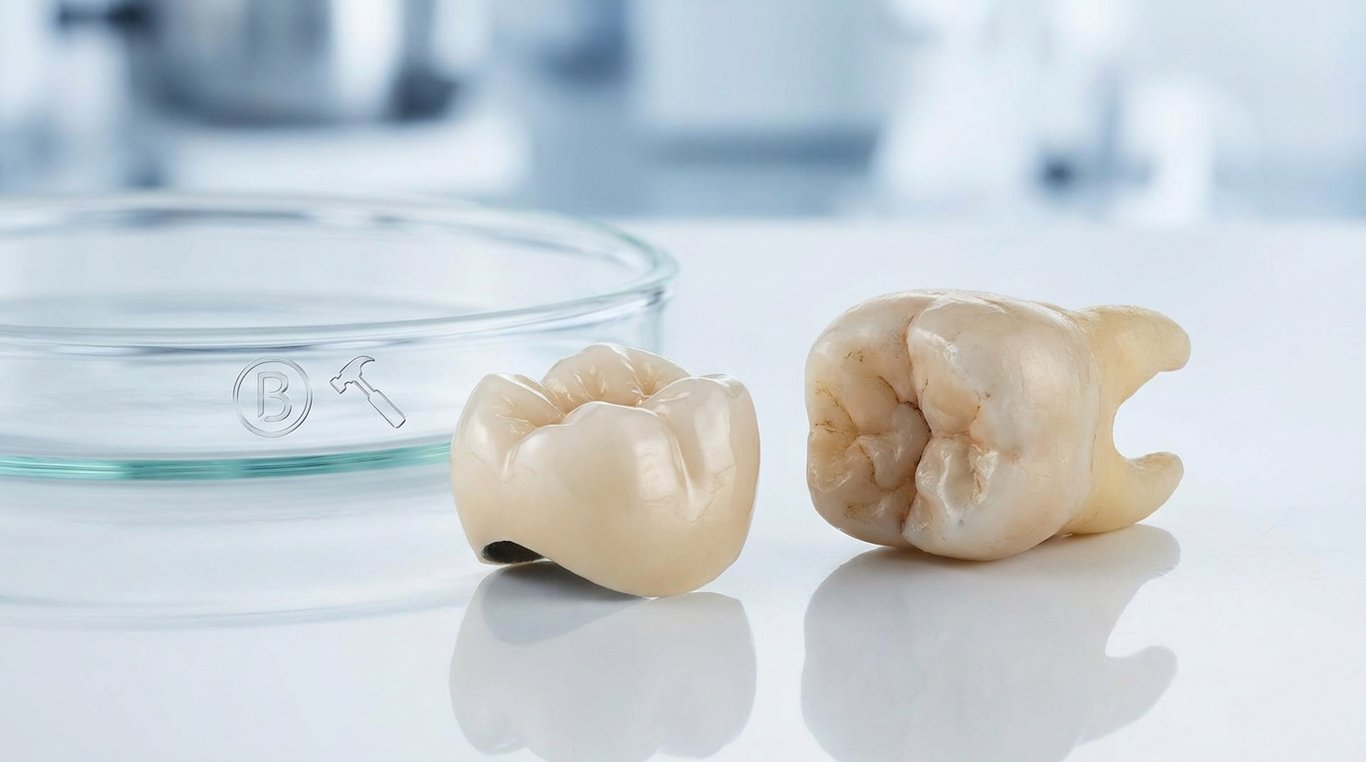
Dental restorations are the solutions dentists use to repair or replace damaged, decayed, or missing tooth structure. These include crowns, which cap an entire tooth; bridges, which span a gap left by a missing tooth; and inlays and onlays, which fill in larger areas of damage without covering the whole tooth. Today, the three primary materials used to make these restorations are zirconia, porcelain, and gold. Each one brings a different set of strengths to the table, and the material a patient chooses can directly affect how durable the restoration is, how natural it looks, how much it costs, and how well it supports long-term oral health. In short, this is not a decision to make casually.
Patients today are more involved in their dental care than ever before. The rise of cosmetic dentistry, the growing interest in minimally invasive treatments, and a sharper focus on long-term value have all pushed people to ask better questions before sitting in the dental chair. Rather than simply accepting whatever a dentist recommends, many patients want to understand their options and make informed choices. That shift is a good thing. With that in mind, this article takes a deep, practical look at zirconia, porcelain, and gold — comparing them across durability, aesthetics, cost, biocompatibility, and clinical fit — so you can walk into your next appointment ready to have a real conversation.
Understanding the Main Materials: Zirconia, Porcelain, and Gold at a Glance
Zirconia, or zirconium dioxide, is a type of ceramic material that has become one of the most popular choices in modern dentistry. It is manufactured through a process that involves milling or pressing powdered zirconium oxide into blocks, which are then shaped using computer-guided machinery. What makes zirconia stand out is its impressive combination of properties: it is exceptionally strong, it does not contain metal, and it can be made to closely match the color of natural teeth. It is also highly biocompatible, meaning the body generally accepts it well without triggering irritation or allergic reactions. For these reasons, zirconia has become a go-to material for both front and back tooth restorations.
Porcelain has been a staple of cosmetic dentistry for decades, and it remains the gold standard when it comes to mimicking the look of natural tooth enamel. It can be used on its own as an all-ceramic restoration, or it can be fused to a metal base to create what is known as a porcelain-fused-to-metal (PFM) crown. All-ceramic porcelain restorations are particularly popular for front teeth, where appearance is the top priority. Porcelain captures light in a way that closely resembles real enamel, giving it a translucency and depth that many other materials struggle to replicate. While it may not be the toughest material in the lineup, its cosmetic capabilities make it a strong contender for visible restorations.
Gold restorations have been around for well over a century, and despite falling out of fashion for aesthetic reasons, they have never fully disappeared from dentistry — and for good reason. Gold used in dental work is typically an alloy, meaning it is mixed with other metals like palladium, silver, or copper to improve its properties. This combination creates a material that is remarkably durable, easy to work with, and extremely gentle on surrounding teeth. Dentists often recommend gold for back teeth in patients who have heavy bite forces or who grind their teeth, because it can handle that kind of stress without cracking. It may not be the prettiest option, but its clinical track record is hard to argue with.
Durability and Longevity: Which Material Lasts the Longest?
When dentists talk about durability, they are looking at a few key factors: how well a material resists fracture, how it holds up under the repeated pressure of chewing, and how it wears over time. On these measures, zirconia performs exceptionally well. It has one of the highest fracture resistance ratings of any dental ceramic, which means it can handle significant biting forces without cracking or chipping. Porcelain, on the other hand, is more fragile by nature. It can chip or fracture if it is not properly supported by the underlying tooth structure or if the restoration is too thin. That said, when porcelain is placed correctly and the bite is properly adjusted, it can perform reliably for many years, particularly in lower-stress areas like the front of the mouth.
Gold's durability record is, frankly, remarkable. Studies and decades of clinical use have shown that well-made gold restorations can last 20 to 30 years or longer when properly cared for. Gold alloy is tough enough to withstand heavy biting and grinding forces, yet it is also slightly flexible, which means it can adapt and seal well against the natural tooth surface over time. This adaptability reduces the risk of microleakage — the process by which bacteria sneak under a restoration and cause new decay. For patients with demanding bite patterns or heavy chewing habits, gold's combination of strength and flexibility makes it a genuinely difficult material to beat on pure durability grounds.
In terms of typical lifespans, gold restorations often lead the pack, frequently lasting 20 years or more. High-quality zirconia restorations are estimated to last 10 to 15 years on average, with many lasting longer as the technology continues to improve. Porcelain restorations generally last between 10 and 15 years as well, though all-ceramic options can be more vulnerable in high-stress areas. It is worth noting that no material lasts forever in isolation — oral hygiene habits, bite forces, grinding or clenching, and diet all play major roles in how long any restoration holds up. A patient who grinds their teeth at night and skips regular dental checkups will wear through a zirconia crown far faster than someone who takes good care of their mouth. Material choice needs to account for the full picture of a patient's habits and lifestyle.
Aesthetics and Natural Look: Matching Your Smile
When it comes to pure cosmetic performance, porcelain has long held the top spot. Its ability to mimic the translucency, depth, and light-reflecting qualities of natural tooth enamel is unmatched by most other materials. A skilled dental ceramist can layer porcelain to create restorations that are nearly indistinguishable from the surrounding natural teeth, capturing subtle color variations and the way light passes through the tooth. This is why porcelain crowns and veneers are so commonly used for front-tooth work, where every detail of the smile is visible. For patients whose primary goal is a seamless, natural-looking result, porcelain remains a compelling choice.
Zirconia's aesthetic story has evolved significantly over the past decade. Early zirconia restorations were known for being quite opaque — essentially white blocks that lacked the depth and translucency of natural enamel. That reputation has changed considerably. Modern high-translucency zirconia systems use advanced layering techniques and refined manufacturing processes to produce restorations that come much closer to the look of natural teeth. In many cases, particularly for premolars and molars, zirconia can match porcelain cosmetically while offering superior strength. For front teeth in highly visible areas, some patients and dentists still prefer porcelain for its superior light-handling qualities, but the gap between the two materials has narrowed substantially in recent years.
Gold is, of course, a completely different story when it comes to aesthetics. Its metallic color makes it an obvious choice to avoid for front teeth, and most patients today would not consider it for any visible area of the smile. That said, gold has its own niche in the aesthetics conversation. Some patients — particularly in certain cultural communities — intentionally choose gold restorations as a style statement or personal preference. Others simply place a higher value on durability than appearance and are comfortable with a gold crown on a back molar that is rarely visible when they smile. Tooth position and smile line matter enormously here: a crown on a lower second molar that never shows when you speak or smile is a very different cosmetic situation than a crown on an upper front tooth. Material choice should always factor in how visible the restoration will actually be in everyday life.
Biocompatibility, Wear, and Impact on Surrounding Teeth
Biocompatibility refers to how well a material coexists with the body's tissues — in this case, primarily the gums and surrounding bone. All three major materials — zirconia, porcelain, and gold — are generally considered biocompatible, but they are not identical in this regard. Zirconia has an excellent reputation for tissue tolerance. Its smooth surface discourages plaque accumulation, and it rarely triggers gum inflammation or allergic reactions. Gold alloys also have a long history of good tissue compatibility, and true metal allergies to gold are quite rare. Porcelain is similarly well-tolerated in most patients, though porcelain-fused-to-metal crowns can sometimes cause a dark line at the gum margin if the metal base becomes visible over time, which can be both a cosmetic and a mild tissue irritation issue. Patients with known metal sensitivities should discuss this with their dentist before choosing any metal-containing option.
Beyond how materials interact with soft tissue, it is also important to consider how they wear over time and how they affect the opposing teeth — the teeth on the other side of the bite. Some ceramic materials can be quite abrasive against natural enamel, potentially wearing down the opposing tooth faster than ideal. Early generations of ceramic restorations were particularly problematic in this regard. However, well-polished zirconia has shown more favorable wear characteristics in recent research, and gold is notably gentle on opposing teeth due to its relatively soft, adaptable nature. The key with any ceramic restoration is proper polishing and occlusal adjustment after placement — a restoration with rough edges or a poorly balanced bite can cause significant wear to natural teeth over time, regardless of what material it is made from.
Sensitivity and comfort are also worth addressing when comparing materials. Thermal conductivity — how well a material transmits hot and cold sensations — varies across the three options. Metal restorations, including gold, tend to conduct temperature more readily than ceramics, which can cause temporary sensitivity to hot or cold foods and drinks, especially shortly after placement. Zirconia and porcelain are better thermal insulators, meaning they are less likely to transmit those temperature changes to the nerve inside the tooth. That said, some sensitivity after crown placement is normal regardless of material and usually fades within a few weeks. Proper adjustment, smooth margins, and good oral hygiene all play a bigger role in long-term comfort than material alone, so it is important not to overweight this factor when making a decision.
Cost, Insurance, and Long-Term Value
Cost is often one of the first things patients ask about, and it varies quite a bit depending on the material, the dentist's location and expertise, and the dental laboratory involved. Generally speaking, gold crowns can be expensive because the raw material cost of gold fluctuates with commodity markets and is often quite high. Zirconia and all-ceramic porcelain crowns also carry significant costs, largely because of the advanced CAD/CAM technology, skilled lab technicians, and high-quality materials required to produce them. As a rough ballpark, crowns in the United States typically range from around $1,000 to $2,500 or more per tooth, depending on all of these variables. Porcelain-fused-to-metal crowns tend to fall on the lower end of that range, while high-translucency zirconia and gold can push toward the higher end.
Insurance coverage for dental restorations adds another layer of complexity to the cost conversation. Most dental insurance plans categorize crowns as a "major" service and cover a percentage — often 50% — up to an annual maximum. However, insurance companies frequently determine coverage based on what they consider the "standard of care" for a given tooth, not necessarily the material you prefer. In some cases, if you choose a premium material like high-translucency zirconia for a back molar when a less expensive option would be clinically acceptable, your insurance may only reimburse at the lower material rate, leaving you to pay the difference out of pocket. It is always worth calling your insurance provider before treatment to understand what is covered and what your expected copay will be for each material option.
Looking beyond the upfront price tag, long-term value is where the real calculation gets interesting. A less expensive porcelain-fused-to-metal crown that needs to be replaced after eight years may end up costing more in total than a higher-priced zirconia crown that lasts fifteen or more years. Similarly, a gold crown with a 20-plus-year lifespan — even with its higher initial cost — can represent excellent value over time. The cost of replacement also includes the clinical work of removing the old crown, any additional tooth preparation, new impressions, a temporary crown, and the final placement — all of which add up quickly. Discussing total cost of ownership with your dentist, not just the price of the crown itself, is one of the smartest things you can do before committing to a material.
Clinical Indications: Which Material Is Best for Which Tooth?
For front teeth — the incisors and canines that are most visible when you smile and speak — aesthetics typically drive the material decision. These teeth need to blend seamlessly with the surrounding natural teeth in terms of color, translucency, and shape. Porcelain and high-translucency zirconia are the most commonly recommended materials for this area. All-ceramic porcelain remains a top choice for patients who prioritize the most natural-looking result possible, particularly when the shade match needs to be very precise. High-translucency zirconia has become an increasingly popular alternative, offering a strong and aesthetically pleasing result with somewhat better resistance to chipping. The gum-line appearance is also a consideration here — metal-free options like zirconia and all-ceramic porcelain avoid the dark margins that can sometimes appear with older porcelain-fused-to-metal crowns.
Back teeth — premolars and molars — face a completely different set of demands. These teeth absorb the bulk of the chewing forces generated during eating, and they are far less visible in everyday life. For this reason, durability typically takes priority over cosmetics when selecting a material for back-tooth restorations. Zirconia is an excellent choice here because it combines good aesthetics with the strength needed to handle heavy occlusal loads. Gold is also a strong recommendation for molars, particularly in patients who have parafunctional habits like grinding or clenching, because of its exceptional durability and gentle wear on opposing teeth. Bite pattern, jaw muscle strength, and the presence of any grinding habits all factor into which material makes the most sense for a given patient's back teeth.
Certain clinical situations call for extra consideration when choosing a restoration material. Patients with bruxism — nighttime tooth grinding — put extraordinary stress on restorations, which makes fracture-resistant materials like gold or high-strength zirconia particularly important. Patients with known metal allergies may need to avoid gold alloys and porcelain-fused-to-metal options entirely, making all-ceramic zirconia or porcelain the safer path. Patients who already have multiple metal restorations may want to consider whether mixing materials could create any issues with bite balance or galvanic sensitivity. And patients with complex bite problems or temporomandibular joint issues may need a more thorough evaluation before any restoration is placed, since the material choice can interact with how the bite is adjusted and balanced. These are conversations worth having openly with your dentist before a decision is made.
Process and Technology Behind Modern Restorations
The process of getting a crown or other dental restoration typically follows a well-established sequence of steps. It begins with a thorough examination, including X-rays and sometimes a bite analysis, to assess the tooth and surrounding structures. The dentist then prepares the tooth by removing a precise amount of enamel and dentin to create space for the restoration. Impressions are taken — either with traditional putty-like materials or with a digital intraoral scanner — to capture an accurate model of the prepared tooth and the surrounding bite. A temporary crown is usually placed to protect the tooth while the permanent restoration is being made. Finally, the finished crown is tried in, adjusted for fit and bite, and permanently cemented or bonded into place.
One of the most significant technological advances in modern restorative dentistry is CAD/CAM technology — computer-aided design and computer-aided manufacturing. This system allows dentists or dental laboratories to design a restoration digitally using a 3D scan of the tooth, and then mill it from a block of zirconia or ceramic using a precision cutting machine. In some practices, this entire process can be completed in a single visit, eliminating the need for a temporary crown and a second appointment. Even when the milling is done at an off-site lab, CAD/CAM technology improves the precision of the fit and reduces the margin for human error. For zirconia restorations in particular, this technology has been transformative, enabling consistent quality and faster turnaround times.
Not all restorations are made by machines, however. Porcelain layering — the process of building up a ceramic restoration in multiple thin layers to create color depth and translucency — is still largely done by hand by skilled dental technicians in a dental laboratory. This is a time-intensive, artisan-level process that requires significant expertise, and it is one of the reasons why high-quality all-ceramic porcelain restorations can carry a higher price tag. Gold restorations, meanwhile, are created through a casting process in which a wax model of the restoration is made and then replaced with molten gold alloy. The collaboration between the dentist and the dental laboratory is critical in both cases — the dentist provides accurate impressions and clear instructions about shade, shape, and bite requirements, and the technician uses that information to craft a restoration that functions well and looks right.
Risks, Limitations, and Common Complications
Like any dental treatment, restorations made from zirconia and porcelain come with their own set of potential complications. The most common issues with ceramic restorations include chipping, fracture, debonding, and poor marginal fit. Chipping is particularly associated with porcelain, especially porcelain-fused-to-metal crowns where the porcelain layer can separate from the metal base under stress. Zirconia is more resistant to chipping, but it is not immune to fracture — particularly monolithic zirconia restorations that have not been properly designed for the patient's bite. Debonding, where the crown separates from the tooth, can occur when the bonding surface is contaminated or when the cement is not well-suited to the material. Most of these risks can be significantly reduced through careful tooth preparation, proper bonding technique, and thorough occlusal adjustment after placement.
Gold and metal-based restorations have their own set of potential drawbacks, though they are generally fewer in number. True allergic reactions to gold alloys are rare but do occur, particularly in patients who are sensitive to other metals in the alloy, such as nickel or palladium. Aesthetic dissatisfaction is arguably the most common "complication" with gold — patients who did not fully think through the visual impact of a metal crown can find themselves unhappy with the result, especially if the tooth is more visible than expected. Porcelain-fused-to-metal crowns present a different aesthetic issue: over time, as gum tissue naturally recedes with age, the dark metal margin at the base of the crown can become visible, creating an unattractive dark line at the gum line. This is one reason why metal-free options have grown in popularity for front-tooth restorations.
Beyond material-specific complications, there are general risks associated with any dental restoration that patients should be aware of. Tooth sensitivity after crown placement is common and usually resolves within a few weeks, but in some cases it can persist if the nerve inside the tooth was irritated during preparation. In rare situations, a tooth that has been significantly damaged or deeply prepared may eventually require root canal treatment, regardless of what material the crown is made from. Gum irritation around the margins of a restoration can occur if the crown does not fit precisely or if oral hygiene is not maintained around the crown margins. Importantly, many of these complications are more closely tied to clinical technique and patient hygiene than to the material itself — but the material can influence the overall risk profile, which is why thoughtful material selection matters.
How to Decide: A Practical Framework for Choosing Zirconia, Porcelain, or Gold
Choosing the right restoration material does not have to be overwhelming if you approach it systematically. Start by thinking through a few key factors: Which tooth needs the restoration, and how visible is it when you smile or speak? How important is aesthetics to you relative to durability? Do you grind or clench your teeth? What is your budget, and how does insurance factor in? Are you looking for the longest-lasting option, or is the upfront cost the primary constraint? Answering these questions honestly before your appointment will help you focus the conversation with your dentist and avoid making a decision based on incomplete information. It also helps to think about your long-term goals — a restoration is an investment, and the right choice today can save you time, money, and discomfort down the road.
Having a productive conversation with your dentist about material options is easier than many patients expect. Come prepared with a few direct questions: Why are you recommending this specific material for my tooth? What are the alternatives, and what are the trade-offs? How long do you expect this restoration to last given my bite and habits? Will this material look natural in my mouth? What happens if it chips or fails — how difficult is it to repair or replace? A good dentist will welcome these questions and take the time to walk you through the reasoning behind their recommendation. If you feel like you are not getting clear answers, it is entirely reasonable to ask for a second opinion or request more time to think before committing to a treatment plan.
To make the decision process more concrete, consider a few real-world scenarios. A young professional who needs a crown on an upper front tooth will almost certainly prioritize aesthetics, making high-translucency zirconia or all-ceramic porcelain the most logical choices. A patient who grinds their teeth heavily and needs a crown on a lower second molar might be steered toward gold or high-strength zirconia because of the extreme bite forces involved and the low cosmetic demand of that tooth position. A patient with a known metal allergy who needs multiple crowns will need to avoid gold alloys and PFM options entirely, making all-ceramic zirconia the clear frontrunner. Each of these patients has different needs, and the "best" material for one person may be entirely wrong for another. That is precisely why a personalized approach — rather than a one-size-fits-all recommendation — is so important in restorative dentistry.
FAQs About Zirconia vs. Porcelain vs. Gold Dental Restorations
FAQ 1: Which material is best for front-tooth crowns if I care most about appearance? If aesthetics is your top priority for a front tooth, you are really choosing between all-ceramic porcelain and high-translucency zirconia. Porcelain has the edge when it comes to replicating the subtle translucency and light-reflecting qualities of natural enamel, which is why it has long been the preferred material for highly visible cosmetic work. High-translucency zirconia has closed the gap considerably and offers the added benefit of greater strength, which can be valuable even for front teeth. The final result in either case depends heavily on the skill of the dental technician, the accuracy of the shade matching, and the health of the surrounding gum tissue. A healthy, well-contoured gum line frames the restoration beautifully — which is why gum health is just as important as material choice when it comes to front-tooth aesthetics.
FAQ 2: Are zirconia crowns really stronger than porcelain, and does that matter for me? Yes, zirconia is significantly stronger than porcelain in terms of fracture resistance, and that difference is most relevant for patients who have high bite forces, grind their teeth, or need a restoration on a back molar. For a front tooth in a patient with a normal bite and no grinding habits, the strength advantage of zirconia over porcelain may be less clinically meaningful in day-to-day function. It is also worth understanding that material strength is only one part of the durability equation — the fit of the crown, the quality of the bonding, and the accuracy of the bite adjustment all play equally important roles in how long a restoration lasts. A perfectly fitted porcelain crown can outlast a poorly made zirconia crown, so do not let strength numbers alone drive the decision.
FAQ 3: Why do some dentists still recommend gold crowns, and are they safe? Gold crowns continue to be recommended because they genuinely perform extremely well in specific clinical situations — particularly for back teeth in patients with heavy bite forces, grinding habits, or limited space for a restoration. Gold's combination of strength, flexibility, and longevity is difficult to match with any other material, and its long clinical track record gives many dentists confidence in its reliability. As for safety, gold dental alloys are considered very safe. True allergic reactions to gold are rare, and the alloy used in dental restorations is specifically formulated to be biocompatible. If you have concerns about metal sensitivity, your dentist can discuss the specific composition of the alloy and whether allergy testing might be appropriate before placement.
FAQ 4: What is the cost difference between zirconia, porcelain, and gold, and does insurance care which one I choose? All three materials fall in a similar general price range for a single crown, but the specifics vary. Gold can be particularly expensive when gold prices are high, while premium zirconia and all-ceramic porcelain carry costs associated with advanced technology and skilled lab work. Insurance companies typically reimburse based on what they consider the standard material for a given tooth — so if you choose a higher-end option when a less expensive one would be clinically appropriate, you may pay the difference out of pocket. The best approach is to ask your dentist's office to submit a pre-authorization to your insurance before treatment begins, so you know exactly what will be covered and what your out-of-pocket cost will be for each material option you are considering.
FAQ 5: Can I switch materials later if I don't like how my crown looks or feels? Technically, yes — a crown can be replaced if there is a valid reason to do so, such as poor aesthetics, a bad fit, persistent discomfort, or material failure. However, replacing a crown is not a minor undertaking. It requires removing the existing restoration, which can sometimes damage the underlying tooth structure, and then going through the entire process of preparation, impressions, temporization, and final placement again. It also comes with additional cost, which may or may not be covered by insurance depending on how recently the original crown was placed. For all of these reasons, getting the material decision right the first time is strongly preferred. Taking extra time before treatment to clarify your priorities and ask the right questions is a much better investment than having to redo the work later.
Conclusion: Key Takeaways and Next Steps for Your Material Decision
When it comes to the material question in modern dental restorations, there is no single winner. Each of the three primary materials brings something genuinely valuable to the table. Zirconia offers an impressive combination of strength, biocompatibility, and steadily improving aesthetics, making it one of the most versatile options available today. Porcelain remains the gold standard for cosmetic excellence, particularly for front-tooth restorations where natural-looking translucency is the top priority. And gold, despite its old-fashioned reputation, continues to earn its place in dentistry through unmatched longevity, tissue friendliness, and reliability under heavy bite forces. The "best" material is not a universal answer — it is a highly individual one, shaped by which tooth needs the restoration, what your aesthetic goals are, how your bite functions, and what your budget allows.
Use the insights from this deep dive into zirconia vs. porcelain vs. gold to prepare for a more informed, confident conversation with your dentist. Before your next appointment, take a few minutes to write down your priorities: Is aesthetics your primary concern, or is durability more important? Do you grind your teeth? Is cost a significant factor? Which tooth is being restored, and how visible is it? Bring those priorities with you and ask your dentist to walk you through the reasoning behind their material recommendation, what the alternatives are, and how each option affects your long-term oral health. The most important takeaways are these: understand your options before you agree to treatment, weigh aesthetics against durability and cost with a clear head, and work as a partner with your dental team to choose the material that will protect your smile and serve your needs for years to come.