The Future is Now: A Guide to Biomimetic and Regenerative Dentistry
Published 26 min read
Introduction to Biomimetic and Regenerative Dentistry
Defining Biomimetic Dentistry
Biomimetic dentistry is a modern approach to dental care that focuses on mimicking the natural structure, function, and biomechanics of real teeth. The word "biomimetic" literally means "to imitate life," and that's exactly what this field sets out to do. Instead of replacing large portions of a damaged tooth with artificial materials, biomimetic dentistry aims to work with what's already there — preserving as much natural enamel and dentin as possible. This stands in sharp contrast to traditional restorative dentistry, which has historically relied on more aggressive techniques like grinding down healthy tooth structure to fit crowns or large fillings. Biomimetic dentistry asks a simple but powerful question: what if we could restore a tooth in a way that makes it behave almost exactly like the original?
Overview of Regenerative Dentistry
Regenerative dentistry takes things a step further by trying to actually repair or regrow dental tissues that have been lost or damaged. Rather than simply replacing a tooth or filling a cavity with synthetic material, regenerative dentistry uses biological tools — including stem cells, growth factors, and specially designed biomaterials — to encourage the body to heal itself. Think of it as giving your mouth the biological instructions it needs to rebuild from the inside out. The field draws heavily from tissue engineering and regenerative medicine, applying those principles directly to oral health. While it may sound like science fiction, many of these techniques are already being used in clinical settings around the world.
Why "The Future is Now" in Modern Dental Care
Not too long ago, biomimetic and regenerative dentistry were largely confined to research labs and academic journals. Today, that's changing fast. Many of these techniques have moved from the experimental stage into everyday dental practice, making them accessible to patients who want more biologically friendly, minimally invasive care. The broader shift in modern dentistry is moving away from the "drill and fill" mentality toward approaches that respect and work with the body's natural biology. This guide is designed to help you understand what's actually available right now, what's still on the horizon, and how you can make informed choices about your dental health in this exciting new era of care.
The Science Behind Biomimetic Dental Techniques
How Biomimetic Materials Imitate Natural Tooth Structure
One of the most fascinating aspects of biomimetic dentistry is the development of materials that closely replicate the physical properties of natural teeth. Natural tooth enamel is incredibly hard but slightly flexible, and dentin — the layer beneath enamel — acts as a shock absorber with its own unique elasticity. Modern biomimetic restorative materials, including advanced composite resins and ceramic systems, are engineered to match these properties as closely as possible. They're designed to bond to tooth structure at a molecular level, flex under biting forces the way natural teeth do, and resist wear at rates similar to enamel. The goal isn't just to fill a hole — it's to restore a tooth so well that it functions like it was never damaged in the first place.
Adhesive Dentistry and Stress Reduction
A key principle in biomimetic dentistry is how restorations are bonded and layered to manage stress within the tooth. Traditional large fillings and crowns can actually concentrate stress in certain areas, making teeth more likely to crack or fracture over time. Biomimetic dentistry uses advanced adhesive bonding techniques and carefully applied layering methods to distribute biting forces more evenly across the tooth, much the way natural tooth structure does. This approach significantly reduces the risk of post-operative sensitivity — that annoying ache you sometimes feel after a filling — and lowers the chance of future fractures. It's a smarter, more physics-aware way of restoring teeth that pays off in the long run.
Common Biomimetic Procedures Used Today
Several specific procedures fall under the biomimetic umbrella and are already being offered by trained dentists. Selective caries removal, for example, involves carefully removing only the infected parts of a cavity while leaving softer, remineralizable dentin in place — rather than aggressively drilling everything out. Instead of placing a full crown that requires grinding down a large portion of a healthy tooth, biomimetic dentists often prefer onlays, which cover only the damaged portion of the biting surface. Conservative crack repair is another technique, where early-stage tooth cracks are sealed and stabilized before they progress into fractures requiring more invasive treatment. Together, these procedures represent a philosophy of doing less harm while achieving better long-term results.
The Foundations of Regenerative Dentistry: Stem Cells, Tissue Engineering, and Growth Factors
Dental Stem Cells and Their Potential
Stem cells are the body's master builders — cells that have the ability to transform into many different types of specialized cells. The mouth, it turns out, is a surprisingly rich source of them. Dental pulp stem cells, found inside the soft core of your teeth, can differentiate into dentin-producing cells, bone cells, and even nerve and blood vessel cells. Stem cells have also been identified in the periodontal ligament (the tissue that connects teeth to the jawbone), tooth follicles, and even in baby teeth that have fallen out. Researchers are exploring how to harvest, store, and use these cells to regenerate lost dental tissues, repair damaged pulp, and even support bone healing around implants. The potential here is enormous, and clinical applications are growing steadily.
Scaffolds, Biomaterials, and Tissue Engineering
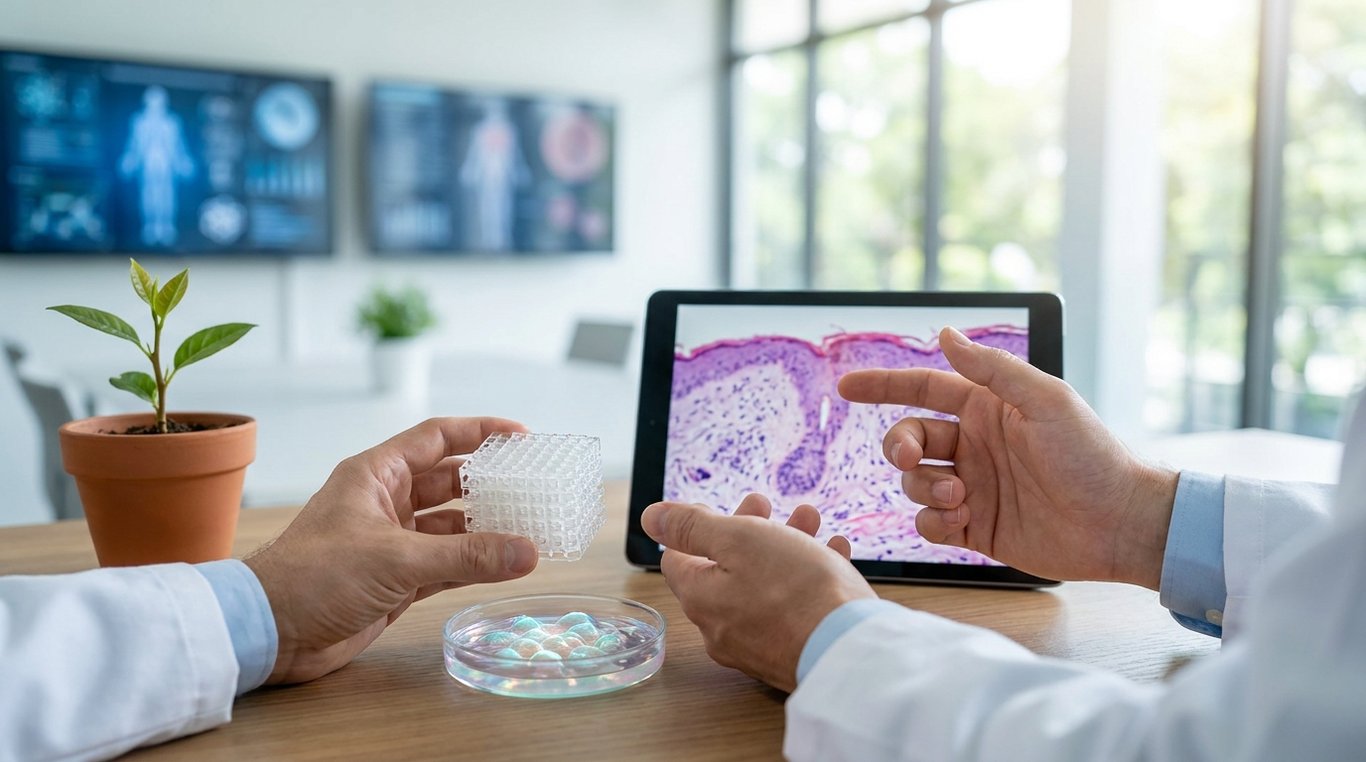
For stem cells to grow into functional tissue, they need a framework — something to hold them in place and guide their development. In regenerative dentistry, this framework is called a scaffold. Scaffolds are three-dimensional structures made from biocompatible materials, meaning materials the body won't reject or react negatively to. They can be crafted from natural substances like collagen or synthetic polymers, and they're designed to gradually break down as the new tissue grows in to replace them. These scaffolds are being used in research and clinical settings to regenerate dental pulp, rebuild lost bone around implants, and repair periodontal tissues. It's a bit like providing a trellis for a climbing plant — the structure guides the growth in the right direction.
Growth Factors and Signaling Molecules
Even with the right cells and the right scaffold, tissue regeneration needs a set of biological instructions to proceed correctly. That's where growth factors and signaling molecules come in. These are naturally occurring proteins that tell cells when to grow, divide, and differentiate into specific tissue types. In dentistry, growth factors like bone morphogenetic proteins (BMPs) and platelet-derived growth factor (PDGF) are already being used to stimulate bone regeneration in procedures like socket preservation after tooth extraction and guided bone regeneration before implant placement. Researchers are also investigating how to use these molecules to stimulate pulp regeneration and periodontal tissue repair. By essentially delivering the body's own healing signals in a controlled way, these therapies harness the power of biology rather than working against it.
Current Clinical Applications: What's Available to Patients Right Now?
Biomimetic Restorations in Everyday Practice
If you've ever had a tooth-colored filling, you've already experienced a basic form of restorative dentistry that shares some principles with biomimetic care. But true biomimetic restorations go much further. Dentists trained in biomimetic techniques use specific bonding protocols, layering strategies, and material selections to create fillings, inlays, and onlays that behave as close to natural tooth structure as possible. Rather than defaulting to a full crown whenever a tooth is significantly damaged, a biomimetic dentist will often find ways to restore it more conservatively — saving healthy tooth structure that a traditional approach would have removed. These restorations are designed not just to look good but to perform well under the real-world forces of chewing and grinding for many years to come.
Regenerative Endodontics and Pulp Revitalization
Traditionally, when the pulp (the living tissue inside a tooth) became infected or died, the only options were a root canal or extraction. Regenerative endodontics is changing that narrative, particularly for younger patients with immature teeth whose roots haven't fully developed. Through a technique called pulp revascularization, dentists can disinfect the root canal and then stimulate bleeding from the surrounding tissue, which introduces stem cells and growth factors into the canal space. Over time, new tissue grows in, allowing the root to continue developing and the tooth to remain vital. While this approach is most established in immature permanent teeth, research is actively exploring its potential in mature teeth as well. It's a genuine paradigm shift in how we think about saving teeth.
Guided Bone and Tissue Regeneration in Implant Dentistry
Dental implants are only as successful as the bone and tissue that support them. Guided bone regeneration (GBR) is a well-established regenerative technique used to rebuild bone in areas where it has been lost due to tooth extraction, gum disease, or injury. In GBR, a special barrier membrane is placed over a bone graft to protect it and direct new bone growth into the defect while preventing soft tissue from filling the space prematurely. Similarly, soft tissue augmentation techniques can rebuild gum tissue around implants to improve both aesthetics and long-term health. These procedures have a strong evidence base and are routinely performed by oral surgeons and periodontists, making them one of the most clinically mature areas of regenerative dentistry available to patients today.
Benefits of Biomimetic and Regenerative Approaches for Patients
Preservation of Natural Tooth Structure
One of the most significant advantages of biomimetic dentistry is how much healthy tooth structure it saves. In traditional dentistry, preparing a tooth for a crown often means grinding away 60 to 75 percent of the original tooth — including perfectly healthy enamel and dentin — just to make room for the restoration. Biomimetic approaches dramatically reduce this sacrifice. By using highly effective adhesive bonding and conservative preparation designs, dentists can restore a damaged tooth while leaving the vast majority of its natural structure intact. This matters enormously in the long run because every time a tooth is worked on, it becomes a little weaker and a little more vulnerable to future problems. Preserving more tooth structure now means a healthier tooth for decades to come.
Longevity, Function, and Aesthetics
Beyond preservation, biomimetic and regenerative approaches tend to deliver restorations and outcomes that last longer and perform better. Because biomimetic materials are chosen and applied to mimic the mechanical behavior of natural teeth, they're less likely to cause the kind of stress concentrations that lead to cracks and failures over time. Patients often report that biomimetic restorations feel more natural under biting forces — because they essentially are more natural. From an aesthetic standpoint, materials that replicate the optical properties of enamel and dentin look remarkably lifelike, blending seamlessly with surrounding teeth. And because regenerative techniques aim to restore actual living tissue rather than just fill space with an artificial substitute, the functional and aesthetic outcomes can be even more impressive in appropriate cases.
Comfort, Safety, and Long-Term Oral Health
Patients who undergo biomimetic procedures often experience less post-operative sensitivity compared to those who receive traditional restorations. This is largely because the bonding and layering techniques used in biomimetic dentistry better seal the tooth and reduce the transmission of thermal and pressure stimuli to the nerve. The materials used are also carefully selected for biocompatibility, meaning they're less likely to cause irritation or allergic reactions. On a broader scale, minimally invasive care means fewer complications, less trauma to surrounding tissues, and a lower cumulative burden on your oral health over a lifetime. When you combine this with the potential of regenerative techniques to restore living tissue, the long-term oral health benefits become genuinely compelling.
Risks, Limitations, and Controversies in Biomimetic and Regenerative Dentistry
Clinical Limitations and Case Selection
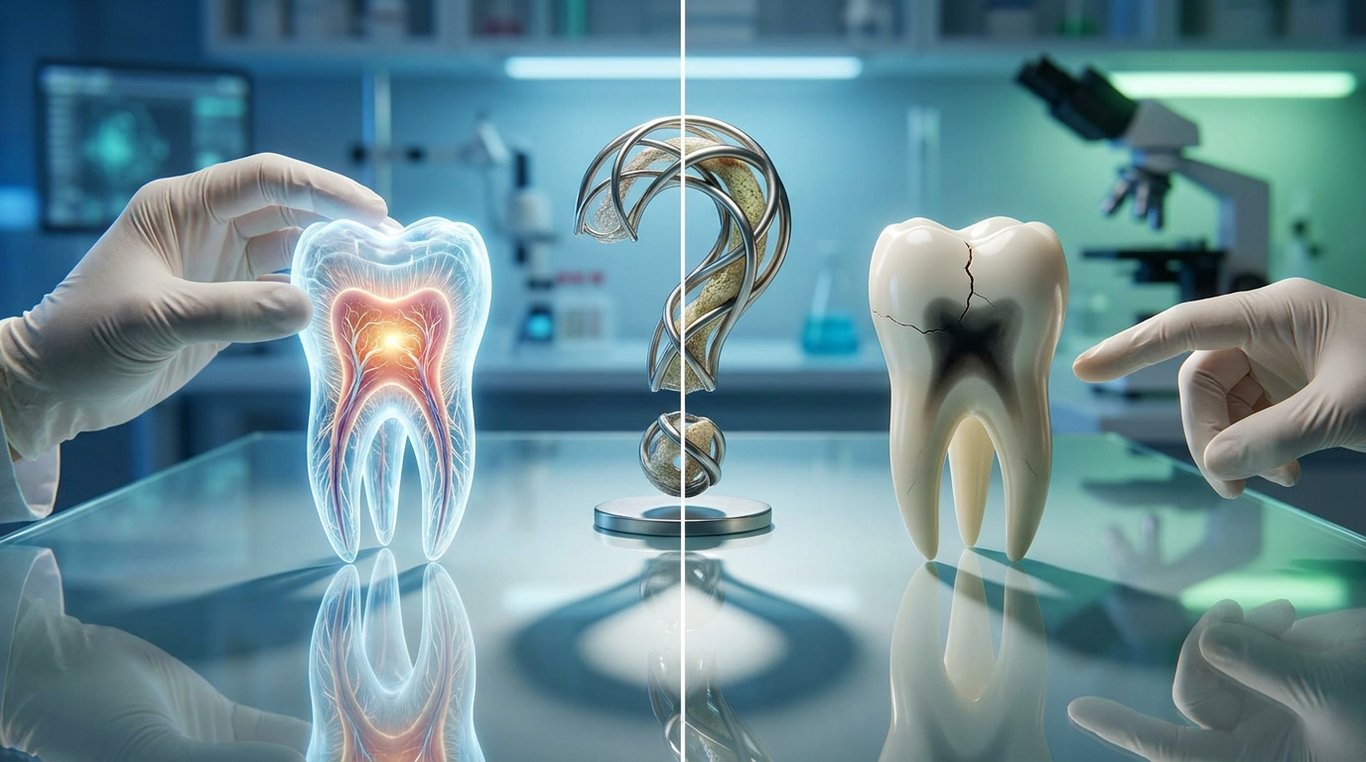
As promising as these approaches are, they're not a perfect solution for every patient or every situation. Biomimetic techniques work best when there's still a meaningful amount of healthy tooth structure remaining to bond to. In cases where a tooth is severely broken down, extensively decayed, or structurally compromised beyond a certain threshold, a full crown or even extraction may still be the most appropriate option. Similarly, regenerative endodontics has shown the most reliable results in young patients with immature teeth, and outcomes in fully mature teeth are still being studied. Systemic health conditions like uncontrolled diabetes, immune disorders, or blood clotting issues can also affect the success of regenerative procedures. Proper case selection by a knowledgeable clinician is absolutely critical to achieving good results.
Scientific and Regulatory Challenges
While the science behind biomimetic and regenerative dentistry is genuinely exciting, it's important to be honest about where the evidence currently stands. Many biomimetic principles are well-supported by decades of research in adhesive dentistry and materials science. However, some of the more cutting-edge regenerative techniques — particularly those involving stem cells and tissue engineering — still lack the long-term clinical trial data needed to establish them as standard of care. Regulatory bodies like the FDA require rigorous testing before new biological therapies can be widely approved, and navigating that process takes time. This doesn't mean these techniques aren't promising — it means patients and practitioners should approach them with informed enthusiasm rather than uncritical hype.
Cost, Accessibility, and Practitioner Expertise
Another honest challenge is that biomimetic and regenerative treatments are not equally accessible to everyone. The specialized training required to perform these procedures properly takes significant time and financial investment on the dentist's part, and that cost is often reflected in higher fees for patients. The technology and materials involved can also be more expensive than conventional alternatives. Geographic location plays a role too — patients in rural areas or underserved communities may find it much harder to locate a dentist with advanced training in these areas. Insurance coverage for biomimetic and regenerative procedures is often limited or nonexistent, placing the financial burden directly on patients. These are real barriers that the field needs to address as it continues to grow.
How Biomimetic and Regenerative Dentistry Compare with Traditional Dentistry
Key Differences in Philosophy and Treatment Planning
The most fundamental difference between biomimetic and regenerative dentistry and traditional dentistry lies in their underlying philosophies. Traditional dentistry has historically operated on a "repair and replace" model — when something goes wrong with a tooth, you fix it by removing damaged structure and replacing it with an artificial material, often removing healthy structure in the process. Biomimetic and regenerative dentistry operate from a preservation-first, biology-first philosophy. The goal is to do as little harm as possible, keep as much natural tissue as possible, and where tissue has been lost, encourage the body to regenerate it rather than simply substitute it. This philosophical shift influences every aspect of treatment planning, from how a cavity is managed to how a missing tooth is replaced.
Procedure and Material Differences
In practical terms, these different philosophies show up in very concrete ways. A traditional dentist treating a large cavity on a back tooth might default to a full crown, which requires significant tooth reduction. A biomimetic dentist treating the same tooth might instead design an onlay that covers only the damaged portion, bonded with advanced adhesives that require minimal removal of healthy structure. The materials used also differ — traditional amalgam fillings, while durable, don't bond to tooth structure and can actually cause stress cracking over time. Biomimetic composite materials are bonded directly to the tooth, effectively becoming part of its structure. When it comes to bone and tissue repair, regenerative approaches use biological scaffolds and growth factors rather than purely synthetic bone substitutes, aiming for true tissue integration rather than just space filling.
Outcomes and Patient Experience
From a patient's perspective, the differences in experience can be quite noticeable. Biomimetic procedures typically involve less drilling and less removal of healthy tooth structure, which often translates to shorter treatment times, less discomfort during and after the procedure, and a faster return to normal function. Patients who receive well-executed biomimetic restorations frequently report that their teeth feel more natural and comfortable than they did with traditional restorations. Regenerative procedures, particularly in the context of implant dentistry, can mean better long-term implant stability and a more natural-looking final result. While recovery from regenerative procedures like bone grafting can take time, the long-term outcomes in terms of function, aesthetics, and durability often justify the investment.
Emerging Innovations: Where Biomimetic and Regenerative Dentistry Are Heading Next
Bioprinting and Whole-Tooth Regeneration
Perhaps the most ambitious frontier in regenerative dentistry is the possibility of growing an entirely new tooth to replace a lost one. Researchers are exploring 3D bioprinting — a technology that uses living cells as "ink" to print biological structures layer by layer — as a potential tool for creating tooth buds that could be implanted and allowed to develop naturally in the jaw. Scientists have successfully grown tooth-like structures in animal models, demonstrating that the concept is biologically feasible. However, translating this technology into a reliable, safe, and clinically practical treatment for human patients is still a significant challenge. Issues around controlling the size and shape of the regenerated tooth, ensuring proper root formation, and integrating the new tooth with surrounding bone and nerve tissue all need to be solved before whole-tooth regeneration becomes a reality in dental offices.
Smart Materials and Bioactive Restoratives
Another exciting area of innovation is the development of "smart" dental materials that don't just passively fill a tooth but actively contribute to its health. Bioactive glass, for example, is a material that releases calcium and phosphate ions when it comes into contact with saliva, actively promoting remineralization of surrounding tooth structure. Bioactive composites and cements are being developed that can stimulate the formation of new dentin, essentially encouraging the tooth to heal from within the restoration. Some researchers are working on materials that respond dynamically to changes in the oral environment — releasing antimicrobial agents when bacteria levels rise, for example, or adjusting their mechanical properties in response to temperature or pH changes. These smart materials represent a genuinely new category of dental restorative — ones that work with the biology of the mouth rather than simply occupying space in it.
Digital Dentistry, AI, and Personalized Regenerative Care
Digital technology is rapidly becoming an integral part of how biomimetic and regenerative dentistry is planned and delivered. High-resolution digital imaging, including cone beam CT scanning, allows dentists to visualize bone structure, root anatomy, and tissue quality in three dimensions, enabling far more precise treatment planning than was previously possible. Artificial intelligence is being applied to analyze these images, identify early signs of disease, and even suggest optimal treatment approaches based on a patient's specific anatomy and history. In regenerative dentistry, digital planning tools allow clinicians to design custom scaffolds and surgical guides tailored to an individual patient's anatomy. As these technologies continue to converge, the future of dental care will increasingly look like truly personalized medicine — treatments designed from the ground up for each unique patient.
What Patients Should Know Before Choosing Biomimetic and Regenerative Treatments
Questions to Ask Your Dentist
If you're interested in exploring biomimetic or regenerative dental care, going into your appointment with the right questions can make a huge difference. Start by asking your dentist about their specific training in biomimetic techniques — have they completed coursework through recognized organizations like the Academy of Biomimetic Dentistry? Ask how many cases similar to yours they've treated using these approaches, and whether they can share before-and-after examples. For regenerative procedures, inquire about their experience with the specific technique being proposed, what success rates look like in the published literature, and how they'll monitor your progress over time. Don't be shy about asking what the alternatives are and why they're recommending one approach over another. A good dentist will welcome these questions — it's your mouth, after all.
How to Evaluate Treatment Options and Alternatives
When a dentist presents you with a treatment plan, it's worth taking the time to fully understand your options before committing. Ask for a clear explanation of what each proposed procedure involves, how long it's expected to last, and what could happen if you choose a more conservative approach or delay treatment. It can also be helpful to get a second opinion, particularly for complex or expensive procedures. Consider the long-term picture: a biomimetic onlay might cost more upfront than a traditional filling, but if it preserves more tooth structure and lasts longer, it may actually represent better value over time. Weigh both the biological and financial implications of each option, and don't hesitate to ask your dentist to walk you through the reasoning behind their recommendations.
Insurance, Financing, and Realistic Expectations
It's important to go into biomimetic and regenerative treatment with clear eyes about costs and coverage. Most dental insurance plans are designed around traditional treatment models, and they may not cover biomimetic alternatives at the same level — or at all. Regenerative procedures involving stem cells or advanced biologics are often not covered by insurance at this stage. That said, many dental practices offer financing options or payment plans that can make these treatments more manageable. It's also worth setting realistic expectations about what these techniques can achieve. Biomimetic and regenerative dentistry are genuinely impressive, but they're not magic. They work best as part of a comprehensive approach to oral health that includes good home care, regular check-ups, and a commitment to prevention. When combined with those habits, however, the results can be remarkable.
Practical Care Tips After Biomimetic or Regenerative Procedures
Immediate Post-Treatment Care
The first 24 to 72 hours after a biomimetic or regenerative dental procedure are an important window for healing and stabilization. If you've had a biomimetic restoration placed, avoid chewing hard or sticky foods on that side of your mouth for at least 24 hours to give the bonded material time to fully set and integrate. Some sensitivity to temperature or pressure is normal and usually resolves within a few days to a couple of weeks. For regenerative procedures involving bone grafting or soft tissue work, your dentist will typically provide specific post-operative instructions that may include a soft food diet, prescription rinses, and pain management guidelines. Watch for signs that something isn't right — excessive swelling, prolonged or worsening pain, fever, or a restoration that feels off in your bite — and contact your dentist promptly if any of these occur.
Long-Term Maintenance for Restorations and Regenerated Tissues
The longevity of any dental restoration or regenerated tissue depends heavily on how well you take care of it over time. Biomimetic restorations, while designed to be durable, still require diligent oral hygiene — brushing twice daily with a soft-bristled brush, flossing daily, and using any adjunctive products your dentist recommends. Regular check-up appointments allow your dentist to monitor the margins of restorations, check for signs of recurrent decay, and assess the health of regenerated tissues. If you grind or clench your teeth, a custom night guard is especially important to protect biomimetic restorations from the excessive forces that can cause premature wear or fracture. Think of your restorations and regenerated tissues as an investment — the better you maintain them, the longer they'll serve you.
Integrating Preventive Dentistry with High-Tech Treatments
No matter how sophisticated the dental treatment you receive, it works best when it's supported by a strong foundation of preventive care. Fluoride remains one of the most effective tools for strengthening enamel and preventing decay, and it complements biomimetic restorations by helping to protect the natural tooth structure that's been preserved. Remineralizing agents — including prescription-strength fluoride toothpastes, casein phosphopeptide-amorphous calcium phosphate (CPP-ACP) products, and hydroxyapatite toothpastes — can actively help rebuild early enamel lesions before they become cavities. Dietary choices matter too: limiting acidic and sugary foods reduces the risk of new decay and erosion. Ultimately, biomimetic and regenerative dentistry are most powerful when they're part of a broader commitment to keeping your mouth healthy — combining cutting-edge treatment with timeless preventive habits is the real formula for lifelong oral health.
Frequently Asked Questions About Biomimetic and Regenerative Dentistry
Is biomimetic dentistry safe and supported by scientific evidence?
Yes, biomimetic dentistry is considered safe and is increasingly well-supported by scientific research. The core principles of biomimetic dentistry — adhesive bonding, conservative tooth preparation, and the use of tooth-colored composite materials — are grounded in decades of research in adhesive and restorative dentistry. Organizations like the Academy of Biomimetic Dentistry promote evidence-based protocols, and numerous clinical studies have demonstrated the durability and effectiveness of biomimetic restorations compared to more traditional approaches. The materials used in biomimetic dentistry have been rigorously tested for biocompatibility and are approved by relevant regulatory bodies. While the field continues to evolve and new techniques are always being refined, the foundational practices of biomimetic dentistry have a solid scientific foundation that makes them a trustworthy choice for patients seeking conservative, high-quality dental care.
What dental problems can regenerative dentistry currently treat?
Regenerative dentistry currently has its strongest clinical track record in a few key areas. Guided bone regeneration is routinely used to rebuild bone lost due to tooth extraction, gum disease, or trauma, and it's a standard part of implant dentistry. Regenerative endodontics — particularly pulp revascularization in immature permanent teeth — is an established clinical procedure supported by guidelines from the American Association of Endodontists. Soft tissue augmentation using grafting techniques can regenerate lost gum tissue around teeth and implants. Periodontal regeneration, using membranes and bone grafts to rebuild the attachment structures around teeth affected by gum disease, is also a well-established procedure. More advanced applications, such as full pulp regeneration in mature teeth and whole-tooth bioengineering, are still in earlier stages of research and development but represent the exciting frontier of where this field is heading.
How much do biomimetic and regenerative treatments cost compared to traditional options?
Biomimetic and regenerative treatments generally cost more upfront than their traditional counterparts, though the difference varies widely depending on the specific procedure, the practitioner, and the geographic location. A biomimetic onlay, for example, might cost more than a traditional amalgam filling, but it typically costs less than a full crown — so in some cases, it actually represents a middle-ground option both clinically and financially. Regenerative procedures like bone grafting or guided tissue regeneration can add several hundred to several thousand dollars to the cost of implant treatment. However, it's important to consider long-term value. Treatments that preserve more natural tooth structure or achieve better biological integration may reduce the need for future retreatment, replacement, or more extensive procedures down the line. In many cases, the higher upfront investment pays off significantly over the course of a lifetime of dental health.
Can anyone receive biomimetic or regenerative dental care, or are there eligibility requirements?
Not every patient is an ideal candidate for every biomimetic or regenerative procedure, and a thorough evaluation by a qualified dentist is essential before any treatment is planned. Age can be a factor — regenerative endodontic procedures like pulp revascularization work best in younger patients with developing root systems, while certain bone regeneration techniques may be more or less appropriate depending on the maturity of the jaw. Overall oral health status matters significantly: active gum disease, extensive untreated decay, or poor oral hygiene can undermine the success of any advanced procedure. Systemic health conditions, including uncontrolled diabetes, immune suppression, or medications that affect bone metabolism (such as certain osteoporosis drugs), can also influence eligibility and outcomes. A good clinician will conduct a comprehensive evaluation and be honest with you about whether a biomimetic or regenerative approach is appropriate for your specific situation.
How do I find a dentist who practices biomimetic and regenerative techniques?
Finding a qualified practitioner in biomimetic or regenerative dentistry takes a bit of research, but it's absolutely worth the effort. A good starting point is the Academy of Biomimetic Dentistry (ABMD), which maintains a directory of dentists who have completed training in biomimetic principles. For regenerative procedures, look for periodontists, oral surgeons, or endodontists who have specific postgraduate training in regenerative techniques — board certification in these specialties is a strong indicator of expertise. When you contact a potential provider, ask directly about their training in biomimetic or regenerative dentistry, how many procedures of the type you need they've performed, and whether they stay current with continuing education in these areas. Patient referrals and reviews from others who have received these treatments can also be valuable. Don't be afraid to consult with more than one practitioner before making your decision — finding the right fit is worth the extra time.
Conclusion: Embracing "The Future is Now" in Biomimetic and Regenerative Dentistry
Key Takeaways for Patients and Professionals
Biomimetic and regenerative dentistry represent a genuine and meaningful shift in how we think about oral health care. Throughout this guide, we've explored how biomimetic techniques use advanced materials and adhesive principles to restore teeth in ways that mimic natural tooth structure — preserving more of what's healthy and reducing the risk of future problems. We've looked at how regenerative dentistry harnesses stem cells, growth factors, scaffolds, and tissue engineering to repair and even regrow dental tissues. We've seen where these approaches are already being used clinically today, from biomimetic restorations and regenerative endodontics to guided bone regeneration and soft tissue augmentation. And we've glimpsed the exciting innovations on the horizon, from bioprinted teeth to smart materials and AI-driven personalized care. The common thread running through all of it is a philosophy that respects the body's biology, prioritizes preservation over replacement, and aims for outcomes that are as close to natural as science can achieve.
Use this guide — The Future is Now: A Guide to Biomimetic and Regenerative Dentistry — as your starting point for a more informed conversation about your oral health. The next time you're sitting in the dental chair, ask your dentist about biomimetic options for that filling or crown. If you're facing bone loss or a failing tooth, explore whether regenerative approaches might offer a better path forward. Seek out practitioners who invest in advanced training and stay current with the science. Explore the resources available through professional organizations and peer-reviewed literature. The field of dentistry is evolving rapidly, and patients who stay engaged and informed are the ones who benefit most from that progress. By understanding what biomimetic and regenerative dentistry can offer — and actively seeking out these biologically respectful, forward-thinking treatments — you're not just a passive recipient of dental care. You're an active participant in shaping the future of your own health.