The End of the Drill? How Regenerative Dentistry Aims to Regrow Your Teeth
Published 16 min read
What is Regenerative Dentistry?
Regenerative dentistry is a cutting-edge field that uses stem cell-based approaches and tissue engineering to replace or repair damaged and lost teeth — not with artificial materials, but by regrowing them from the patient's own biological cells. Think about that for a second. Instead of sitting in a dentist's chair while a drill grinds away at your tooth, or going through the lengthy process of getting a titanium implant screwed into your jaw, your dentist might one day simply encourage your body to grow a new tooth on its own. It sounds like science fiction, but it's very much a real area of active scientific research, and it's already beginning to challenge everything we thought we knew about dental care.
At its core, regenerative dentistry is built on the science of stem cell biology and the body's own natural healing mechanisms. Stem cells are unique because they have the remarkable ability to transform into many different types of specialized cells. In the context of dentistry, researchers are learning how to harness this ability to restore not just the hard structure of a tooth — like enamel and dentin — but also the softer inner components like nerves and blood vessels. This means the goal isn't just to fill a gap in your smile, but to restore a fully functioning, living tooth that behaves just like the one you lost.
Perhaps the most exciting aspect of regenerative dentistry is the shift in philosophy it represents. Traditional dentistry has always been about managing damage — drilling out decay, filling cavities, pulling teeth, and replacing them with man-made substitutes. Regenerative dentistry flips that script entirely. Its ultimate goal is to move away from artificial replacements and toward true biological repair, potentially eliminating many of the invasive procedures that make people dread the dentist in the first place. It's not just a new technique; it's a whole new way of thinking about oral health.
How Do Stem Cells Enable Tooth Regrowth?
To understand how regenerative dentistry works, you first need to understand stem cells. Stem cells are essentially the body's raw building blocks — undifferentiated cells that haven't yet been assigned a specific job. Given the right signals and environment, they can differentiate into highly specialized cells, including those responsible for forming enamel, dentin, and dental pulp. In the context of tooth regeneration, researchers look to several promising sources for these cells, including the pulp found inside existing teeth, gum tissue, and even wisdom teeth that would otherwise be discarded. Wisdom teeth, it turns out, might be one of the most valuable sources of dental stem cells we have.
Once stem cells are harvested from a patient, scientists can either use them directly or reprogram them to become more effective at generating specific tooth tissues. By exposing these cells to carefully controlled biological signals and growth factors, researchers can stimulate them to start forming new tooth material. Because the cells come from the patient's own body — a process known as using autologous cells — the risk of the immune system rejecting the new tissue is significantly reduced. This is a major advantage over foreign materials like metal implants, and it's one of the key reasons scientists are so enthusiastic about this approach.
Current Research and Breakthroughs in Tooth Regeneration
Some genuinely exciting research is already underway. A team at the University of Washington made headlines by developing a method to mine stem cells directly from wisdom teeth. Their work focused on growing dental pulp stem cells in the lab and, crucially, identifying the biological pathways that lead to the formation of ameloblasts — the specialized cells responsible for producing enamel. Enamel is notoriously difficult to regenerate because once it's gone, the body doesn't naturally replace it. Cracking the code on how to produce enamel-forming cells is considered one of the biggest milestones in this field, and this research brought scientists meaningfully closer to that goal.
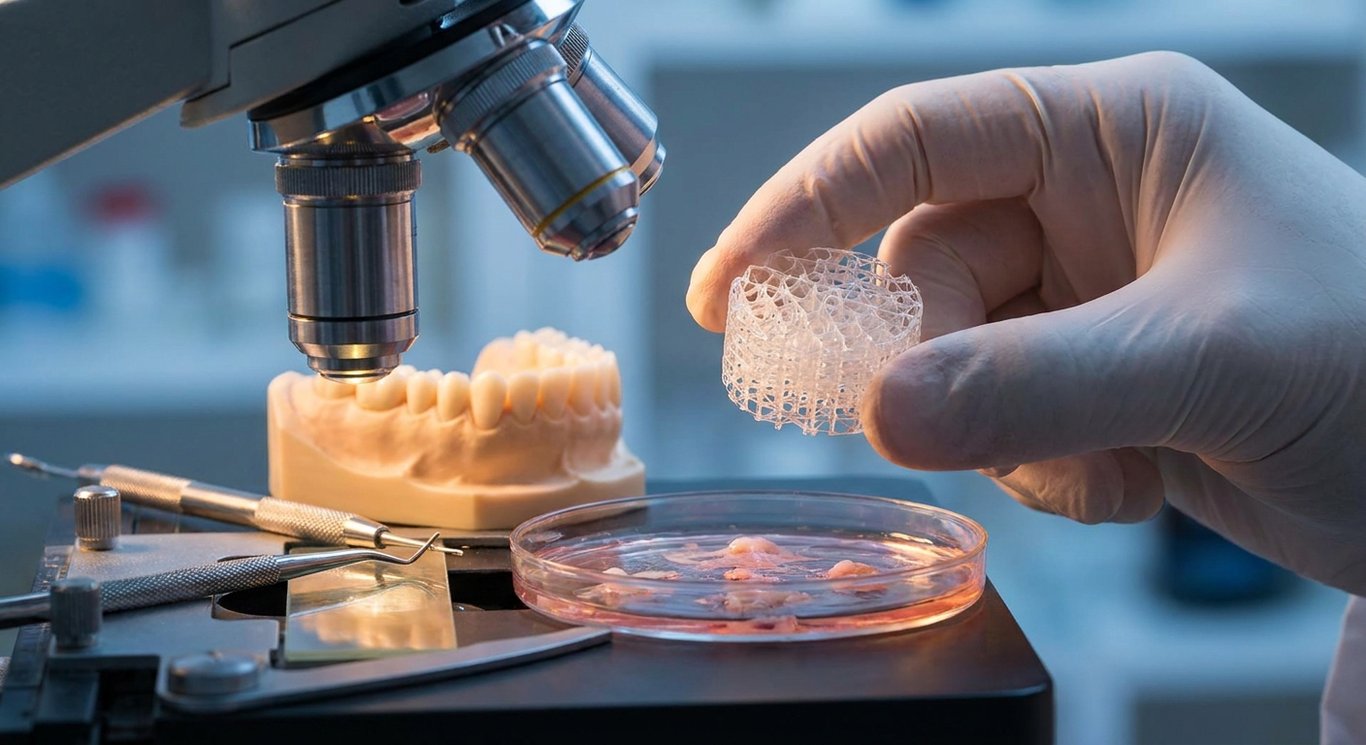
Beyond enamel, other researchers have been tackling the challenge of building entire teeth from scratch. Dr. Jeremy Mao at Columbia University developed a scaffold-based method where a three-dimensional structure made from natural materials is seeded with stem cells and implanted in the jaw. Over time, the scaffold biodegrades while the stem cells build a new tooth that integrates naturally with the surrounding jawbone. Meanwhile, in Japan, clinical research into tooth regeneration has been progressing steadily, with trials exploring how to safely and effectively stimulate tooth growth in human patients. These efforts represent some of the most advanced human-focused research happening in the field today.
Researchers are also making strides in more targeted areas of tooth regeneration. Pulp regeneration, for instance, focuses on restoring the nerves and blood vessels inside a tooth — something that's currently impossible once a root canal removes that tissue. Scientists are working on techniques to regrow this vital inner structure, which would essentially bring a "dead" tooth back to life. On another front, researchers have been exploring how Leptin-Receptor-Expressing Stem Cells can be used to rebuild alveolar bone — the bone in the jaw that supports teeth. This is particularly significant for patients who have lost bone density due to tooth loss, aging, or conditions like osteoporosis.
Stem Cell Therapy vs. Traditional Dental Implants
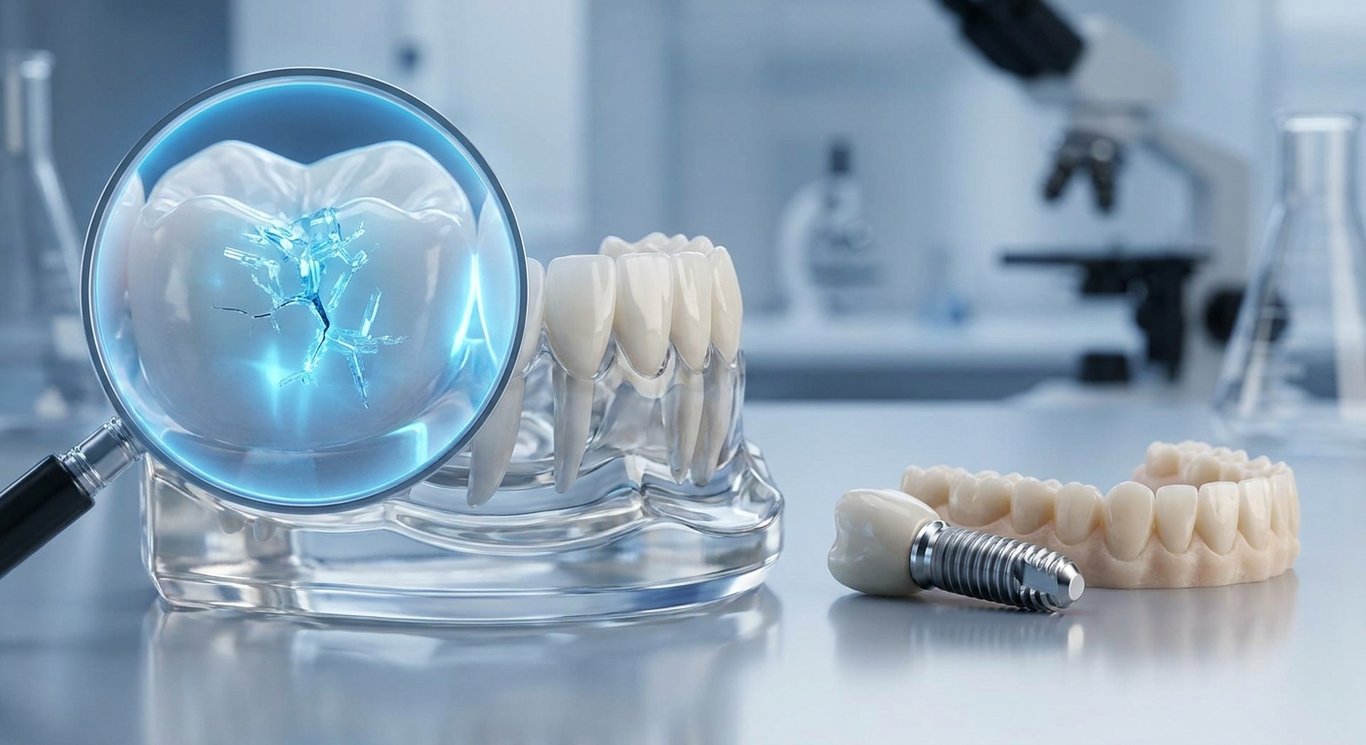
Traditional dental implants have been the gold standard for replacing missing teeth for decades, and for good reason — they're durable, functional, and look natural. But they come with real drawbacks. The process involves surgery to place a titanium post into the jawbone, followed by a healing period that can take months. In some cases, patients don't have enough bone density to support an implant without first undergoing a bone graft, which adds another layer of complexity, cost, and recovery time. Stem cell-based tooth regeneration, by contrast, aims to use the patient's own autologous cells to grow a natural tooth that integrates seamlessly with the jaw — no metal, no surgery in the traditional sense, and a healing process that works with the body rather than around it.
The advantages of stem cell therapy over traditional implants go beyond just avoiding metal. Because the new tooth is grown from the patient's own cells, it functions as a living structure with nerves and blood supply intact. This means better sensitivity, more natural responses to pressure, and a lower risk of complications down the line. Recovery time is expected to be shorter, and the process is anticipated to be less painful overall. There's also the exciting possibility that regenerative techniques could one day be used to repair damaged pulp tissue and avoid root canals altogether — one of the most dreaded procedures in all of dentistry. That alone might be enough to get people excited about the future of dental care.
Potential Applications: From Enamel Repair to Full Tooth Replacement
The potential applications of regenerative dentistry span a wide range of dental problems. On the smaller end of the scale, researchers are working on ways to regenerate enamel and dentin to repair cavities without drilling, as well as techniques to restore gum tissue lost to periodontal disease. For more serious cases, regenerative approaches could be used to rebuild the jawbone itself — a critical need for patients who have experienced significant bone loss due to trauma, advanced decay, or osteoporosis. The periodontal ligament, which acts as a shock absorber connecting the tooth to the jawbone, is another target for regeneration, and restoring it could dramatically improve the long-term stability of regenerated teeth.
Looking further into the future, some researchers are exploring a concept that sounds almost unbelievably advanced: growing entirely new replacement teeth directly inside a patient's mouth. The idea involves engineering tiny cell clusters — essentially artificial tooth buds — that would be embedded in the gum tissue. Given the right conditions, these buds would develop into fully formed teeth over time, erupting naturally just as our adult teeth did in childhood. While this is still largely in the experimental phase, early animal studies have shown that it's biologically possible. If this technology ever makes it to the clinic, it could represent the most complete solution to tooth loss ever developed.
Benefits and Advantages of Regrowing Teeth
One of the most compelling benefits of regenerative dentistry is the quality of the outcome it aims to deliver. A naturally regenerated tooth isn't just a cosmetic replacement — it's a fully functional biological structure complete with nerves, blood vessels, and living tissue. This means it can respond to temperature, pressure, and pain signals the way a real tooth should. Compare that to a traditional implant or denture, which provides no sensory feedback at all, and the difference is significant. Patients with regenerated teeth would experience a level of oral function that no artificial prosthetic can currently match.
Beyond function, there are important safety and comfort advantages to consider. Because regenerative dentistry relies on a patient's own cells, the risk of immune rejection is dramatically lower than with foreign materials. There's also less likelihood of the complications that can arise from metal implants, such as infection around the implant site or bone loss over time. The procedures themselves are expected to involve less pain and shorter recovery periods, making the whole experience of dental treatment far more manageable — especially for patients who already have dental anxiety. Using your own biology as the solution, rather than introducing foreign objects, is simply a more elegant approach to the problem.
Another often-overlooked advantage is how well regenerated teeth could adapt to the natural changes in a patient's jaw over time. Titanium implants are rigid and fixed — they don't grow or shift with the body. This is particularly problematic for younger patients whose jaws are still developing, making implants a poor long-term solution for children and teenagers. A biologically grown tooth, on the other hand, would behave like a natural tooth, adapting alongside the jaw as it matures. This adaptability could transform how dentists approach tooth loss in younger patients, and it signals a broader transformation in the entire field of restorative dentistry.
Challenges and Limitations in Regenerative Dentistry
As promising as all of this sounds, it's important to be clear-eyed about where the field actually stands right now. Regenerative dentistry is still in its early stages, and most of the breakthroughs we've discussed are not yet available as routine clinical treatments. The research is largely confined to laboratory settings and early-phase trials, and a great deal more work needs to be done to establish the safety and long-term efficacy of these techniques in human patients. Regulatory bodies like the FDA require extensive evidence before approving any new medical treatment, and rightly so. We're likely still years away from walking into a dentist's office and asking for a regenerated tooth the same way you'd ask for a filling today.
There are also some very specific scientific hurdles that researchers are still working to overcome. One of the biggest is figuring out how to reliably kickstart the production of ameloblasts — the cells that form enamel — since these cells disappear after teeth finish developing and the body doesn't naturally regenerate them. Sourcing a sufficient quantity of high-quality stem cells for clinical use is another challenge, as is ensuring that regenerated teeth remain healthy and functional over the long term. Growing a tooth in a lab dish is one thing; making sure it stays strong and properly integrated in a patient's mouth for decades is quite another. These are real obstacles, but they're the kind that dedicated scientific research is well-equipped to tackle.
The Future: When Will We See Widespread Tooth Regrowth?
Despite the challenges, the trajectory of research in this field gives genuine reason for optimism. Early results from laboratory studies and preliminary clinical trials have been encouraging, showing that stem cell-based approaches can successfully generate tooth tissue and that the body responds well to these biological interventions. Japan's ongoing clinical trials are among the most advanced in the world, and researchers there have expressed cautious confidence that the era of regrowing teeth could be closer than many people think. Some experts believe that within the next decade or two, at least some forms of regenerative dental treatment could become a clinical reality for patients.
That said, enthusiasm needs to be tempered with patience. Before any regenerative dentistry technique can be offered to the general public on a routine basis, it must pass through rigorous long-term studies to confirm that outcomes remain positive over many years, not just in the short term. Regulatory approval is a lengthy and demanding process, and for good reason — patient safety has to come first. Researchers will also need to develop standardized, scalable methods for harvesting and processing stem cells so that these treatments can be delivered consistently across different clinics and patient populations. The finish line is visible, but there's still meaningful distance to cover before we get there.
Conclusion
Regenerative dentistry represents one of the most exciting frontiers in modern medicine. By harnessing the power of stem cells and tissue engineering, scientists are working toward a future where damaged or missing teeth can be regrown from a patient's own biological material — offering natural integration, full sensory function, and a far more comfortable experience than today's drills and implants. The core promise is straightforward but profound: instead of replacing what's lost with something artificial, we could one day simply restore what was there to begin with.
The breakthroughs already achieved — from pulp regeneration techniques that could bring nerves and blood vessels back to life, to scaffold-based methods that guide stem cells into forming complete teeth, to advances in alveolar bone rebuilding — paint a picture of rapid and meaningful progress. At the same time, the field is honest about its current limitations. These technologies are still in early clinical stages, and significant scientific and regulatory work remains before they become widely available. The gap between a promising lab result and a treatment your dentist can offer on a Tuesday afternoon is real, but it's closing.
The best thing you can do right now is stay informed and stay engaged. Talk to your dentist about emerging research and ask whether any clinical trials in regenerative dentistry might be relevant to your situation. If you're eligible to participate in research studies, consider doing so — patient participation is what moves science forward. Keep an eye on developments in stem cell therapies for oral health, because this field is moving quickly. The end of the drill era may not be here just yet, but the signs are pointing in a very clear direction — and it's worth being ready for it.
Frequently Asked Questions (FAQ)
Can humans regrow teeth naturally right now?
Unfortunately, no — humans cannot regrow teeth on their own at this point in time. Unlike some animals, such as sharks or crocodiles, we only get two sets of teeth in our lifetime, and once our adult teeth are gone, the body has no natural mechanism to replace them. Stem cell-based tooth regeneration is a real and active area of scientific research, but it remains in the early stages of clinical development and is not yet widely available as a treatment option for the general public. Researchers are making meaningful progress, but we're not quite there yet.
What are dental pulp stem cells (DPSCs) and how are they used?
Dental pulp stem cells, or DPSCs, are a type of stem cell found inside the soft inner tissue of a tooth — the pulp. They're particularly valuable in regenerative dentistry because they are relatively easy to harvest and have shown a strong ability to differentiate into various types of dental tissue. In research settings, DPSCs have been used to repair injured dentin, the hard layer beneath tooth enamel, and scientists have also demonstrated that they can be guided to develop into enamel-forming ameloblast cells. Additionally, DPSCs are being studied for their role in pulp regeneration, which involves restoring the nerves and blood vessels inside a tooth — a capability that could one day make root canals a thing of the past.
How do stem cell dental implants differ from traditional ones?
Traditional dental implants involve placing a titanium post surgically into the jawbone, which then serves as an anchor for an artificial crown. While effective, this process is invasive, time-consuming, and sometimes requires additional procedures like bone grafts. Stem cell dental implants take a fundamentally different approach: instead of inserting a foreign object, they use the patient's own cells, often grown on a biodegradable scaffold, to regenerate a natural tooth directly within the jaw. The scaffold guides the stem cells into the correct shape and position, then gradually breaks down as the new tooth takes form. The result is a living tooth that adapts naturally to the jawbone, rather than a static metal fixture.
Is stem cell tooth regrowth safe and effective?
Based on the research conducted so far, stem cell tooth regrowth shows a promising safety profile, largely because it uses the patient's own autologous cells, which significantly reduces the risk of immune rejection or adverse reactions. Early studies in both animal models and preliminary human trials have produced encouraging results in terms of tissue formation and integration. However, it's important to note that the field is still young, and long-term safety and efficacy data are limited. More extensive and longer-duration clinical trials are needed before scientists and regulatory bodies can confidently declare these treatments safe and effective for widespread use.
When will regenerative dentistry be available for public use?
This is the question everyone wants answered, and the honest answer is: it depends. Some targeted applications, such as certain forms of pulp regeneration or bone repair, may reach clinical availability sooner than full tooth regrowth. Japan's clinical trials are among the most advanced globally, and researchers there are cautiously optimistic about near-term progress. However, widespread availability of comprehensive tooth regeneration for the general public will require completing rigorous long-term trials, navigating regulatory approval processes, and developing scalable methods for cell harvesting and treatment delivery. Most experts believe that while the technology is advancing rapidly, it will likely be at least another decade before it becomes a routine option at your local dental office.