The Domino Effect: What Happens to Your Mouth and Body When You Don't Replace a Missing Tooth
Published 21 min read
What Happens When You Lose a Tooth?
Losing a tooth creates far more than just a visible gap in your smile. Every tooth is part of a carefully balanced system — the root anchors into the jawbone, the crown interacts with neighboring teeth, and together they support your gums, your bite, your chewing pattern, and even your speech. When one piece of that system disappears, the rest of the structure has to adjust, and not always in ways that are easy to see or feel right away.
This is where the "domino effect" comes in. Untreated tooth loss can set off a chain of gradual changes: neighboring teeth may begin to shift, the jawbone in the area may start to shrink, bite pressure can become uneven, and keeping your remaining teeth clean can get harder over time. How quickly and severely these changes happen depends on several factors — which tooth is missing, how many teeth are affected, why the tooth was lost in the first place, and the overall health of your mouth. Understanding the full picture is the first step toward making an informed decision.
The First Effects: Changes to Chewing and Daily Comfort
One of the most immediate consequences of a missing tooth is a change in how you chew. This is especially true when a molar or premolar is lost, since these back teeth do most of the heavy lifting when it comes to grinding food. Without them, chewing becomes less efficient. Many people unconsciously begin favoring the other side of their mouth, start avoiding harder or tougher foods, or end up swallowing larger food pieces than they normally would. These small adjustments can feel manageable at first, but they add up over time.
Beyond chewing efficiency, a missing tooth can also affect daily comfort in ways that are easy to overlook. The teeth that now have to take on extra chewing load may become sore or sensitive. Food can get trapped in the gap, making the area harder to clean and potentially irritating the surrounding gum tissue. If you notice persistent pain, swelling, bleeding, or signs of infection around the gap or nearby teeth, that's a clear signal to see a dentist promptly rather than waiting it out.
How Neighboring Teeth Shift Into the Empty Space
Teeth are not fixed in place the way most people assume. They naturally respond to the forces around them, and when a tooth goes missing, that balance is disrupted. The teeth on either side of the gap may begin to tilt or drift toward the empty space, and the tooth directly above or below the gap — the opposing tooth — may gradually move downward or upward to fill the void. This process can happen slowly, which is part of why it's so easy to ignore until it becomes a bigger problem.
As teeth shift into new positions, they create new challenges for oral hygiene. Tilted or rotated teeth develop awkward angles and tighter spaces that are harder to brush and floss effectively. Plaque and food debris tend to collect in these spots, raising the risk of cavities, gum inflammation, and periodontal disease. In some cases, untreated shifting can even contribute to the loss of additional teeth — making what started as a single missing tooth a much more complicated situation.
Jawbone Loss After a Tooth Is Missing
Most people don't realize that the tooth root plays a critical role in keeping the jawbone healthy. Every time you bite or chew, the root transmits stimulation to the surrounding bone, signaling the body to maintain its density and volume. When a tooth is lost and the root is no longer there, that stimulation stops. Over time, the bone in that area may begin to gradually shrink — a process called resorption.
Bone loss doesn't happen the same way for everyone. The width, height, and overall volume of the jaw in the affected area can all decrease, but the rate and extent of this change vary depending on the individual. Factors like gum disease, prior infection, smoking, overall health, and the number of missing teeth can all influence how quickly bone resorption occurs. Some people may notice very little change for years, while others may experience more significant loss in a shorter time frame.
When bone loss becomes significant, it can make future tooth replacement more complicated. A dental implant, for example, requires a certain amount of healthy bone to anchor into. If too much bone has been lost, a dentist may need to evaluate the situation carefully using imaging and may recommend a procedure such as bone grafting to rebuild the area before an implant can be placed. This is one of the key reasons why acting sooner rather than later can preserve more of your options going forward.
How an Untreated Gap Can Change Your Bite
When teeth shift and chewing forces become uneven, the way your upper and lower teeth meet — your bite — can change. Dentists refer to this as malocclusion, which simply means that the teeth no longer come together in the way they're supposed to. Even a single missing tooth can gradually alter how pressure is distributed across your remaining teeth, placing extra stress on certain spots with every bite and chew.
Over time, this uneven pressure can lead to a range of uncomfortable symptoms, including jaw fatigue, accelerated tooth wear, headaches, muscle soreness, or a clicking and popping sensation near the jaw joints — known as the temporomandibular joints, or TMJ. It's worth noting that these symptoms can have many different causes, so it's important to have a dental professional assess what's going on rather than automatically assuming one missing tooth is the culprit. Either way, getting a proper evaluation is the right move.
Speech and Pronunciation Changes
Your teeth do more than just chew — they also play an important role in how you speak. Teeth help direct airflow and give the tongue a surface to work against when forming certain sounds. Missing front teeth, in particular, can affect the pronunciation of sounds like "s," "f," and "v," which rely on the tongue or lips making contact near the teeth. Larger gaps or multiple missing teeth can alter speech clarity even more noticeably.
That said, people adapt differently. Some individuals barely notice any change in their speech after losing a tooth, while others may develop a slight lisp, experience air escaping through the gap, or feel less confident speaking in social or professional settings. Replacing the missing tooth can help restore the physical structures involved in speech production, though it's worth knowing that there may be an adjustment period as you get used to the new restoration.

Changes to Facial Support and Appearance
Your teeth and jawbone do more than support chewing — they also provide structure for your lips, cheeks, and the lower portion of your face. When bone shrinks in the area of a missing tooth, and especially when multiple teeth are left unreplaced over a long period, the soft tissues that rely on that underlying support can begin to change. This may show up as reduced fullness in the lips, a slightly sunken look in the cheeks, or a more aged appearance around the lower face.
For many people, the visible effects of tooth loss can carry an emotional weight that goes beyond the physical. Feeling embarrassed about a gap in your smile, avoiding photos, or holding back in social situations are all real and understandable responses. It's important to acknowledge these concerns without making appearance the only reason to act — the functional and health-related consequences of a missing tooth matter just as much, if not more, and deserve equal attention in any conversation about treatment.
Can One Missing Tooth Affect Nutrition and General Health?
When chewing becomes less efficient or uncomfortable, people often start making changes to their diet — sometimes without even realizing it. Crunchy vegetables, raw fruits, fibrous meats, and other nutritious foods that require more effort to chew may gradually get dropped from the menu. Over time, this kind of dietary restriction can make it harder to maintain a balanced, varied diet, which is important for overall health and well-being.
There is also a broader connection between oral health and general health that's worth understanding. Gum disease and oral infections don't stay neatly contained in the mouth — they can affect the body's overall condition in various ways. However, it's important to be clear here: an untreated missing tooth does not directly cause specific systemic diseases. The relationship is more nuanced than that, and making overstated claims doesn't serve anyone well.
The actual impact on overall health depends on a combination of factors — why the tooth was lost, the current state of the gums, whether an active infection is present, how much the diet has changed, and what other medical conditions are in the picture. If you're missing multiple teeth or finding it genuinely difficult to eat a nutritious diet, it's worth bringing this up with both your dentist and your doctor so that all aspects of your health can be considered together.
Why the Cause of Tooth Loss Matters
Not all tooth loss happens for the same reason, and the cause matters more than many people realize. Common reasons include untreated tooth decay, periodontal (gum) disease, dental trauma, a failed filling or crown, congenital absence (being born without a tooth), or extraction due to infection. Each of these causes can signal ongoing risks that need to be addressed before any replacement is considered — otherwise, the same problems that led to the first tooth loss may threaten the replacement as well.
Simply filling the gap without treating the underlying issue is a bit like patching a leaky roof without fixing the source of the leak. Active gum disease, unresolved decay, ongoing infection, or poor oral hygiene habits can all compromise the success of any replacement option. A thorough dental examination — one that looks at the gums, neighboring teeth, bite, bone condition, medical history, and lifestyle factors — is an essential starting point before any treatment plan is put together.
What Are the Options for Replacing a Missing Tooth?
The good news is that there are several well-established options for replacing a missing tooth, each with its own set of benefits and considerations. The three main choices are dental implants, fixed dental bridges, and removable partial dentures. The right option for any given person depends on a range of factors: where the gap is located, the health of the surrounding gums and bone, the condition of neighboring teeth, budget, medical history, personal preferences, and long-term treatment goals. There's no one-size-fits-all answer, but there is almost always a workable solution.
Dental Implants
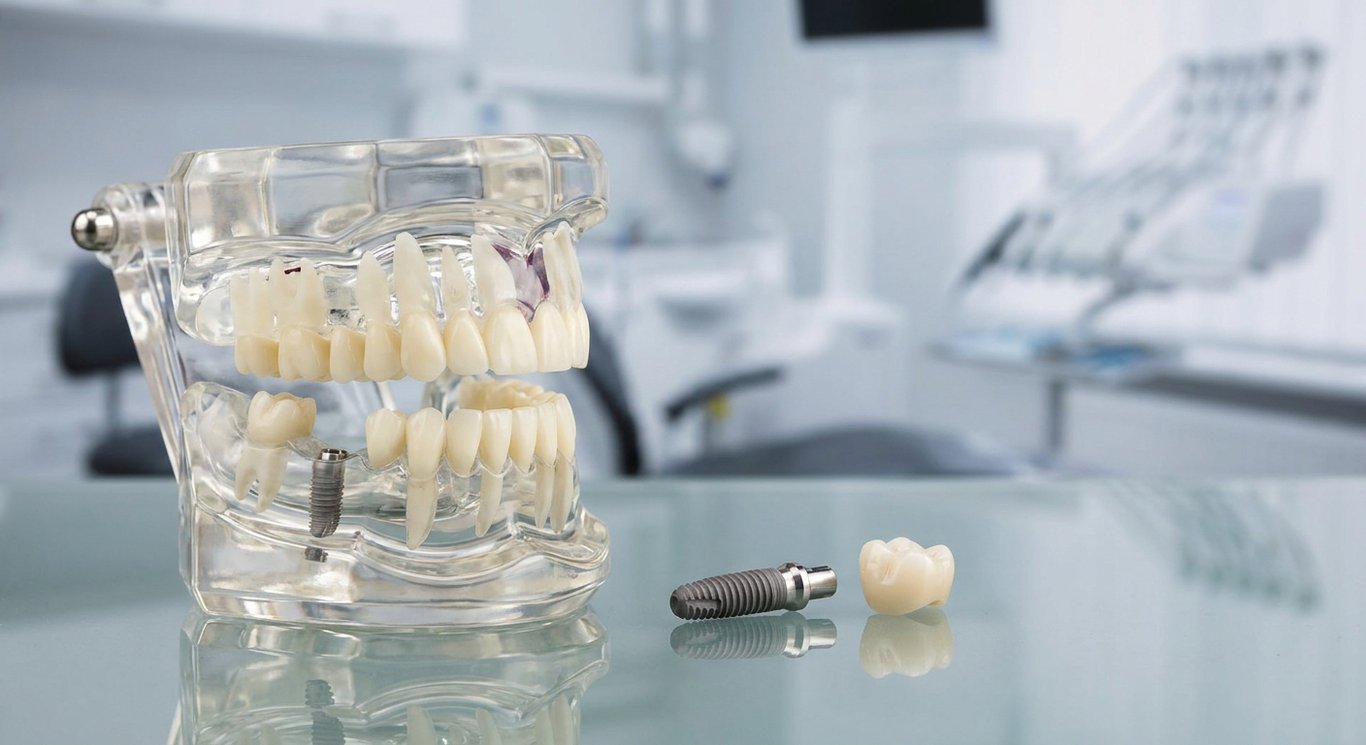
A dental implant replaces not just the visible part of the tooth, but the root as well. A small biocompatible post — usually made of titanium — is surgically placed into the jawbone, where it fuses with the bone over a healing period. Once that integration is complete, a crown, bridge, or denture can be attached to the post, creating a restoration that functions and feels much like a natural tooth. The general stages involve an initial examination and planning phase, the implant placement procedure, a healing period that can take several months, and finally the attachment of the final restoration.
One of the notable advantages of implants is that the post in the bone continues to provide stimulation to the jaw, which can help slow or prevent the bone loss that typically follows tooth extraction. That said, not everyone is a candidate for implants. Adequate bone volume, healthy gums, good healing capacity, and consistent oral hygiene are all important requirements. Factors like smoking, uncontrolled diabetes, or certain medications can affect how well the implant integrates and heals, so a thorough medical and dental evaluation is essential before moving forward.
Fixed Dental Bridges
A traditional dental bridge replaces a missing tooth by anchoring an artificial tooth — called a pontic — to the natural teeth on either side of the gap. Those neighboring teeth are prepared by removing a layer of enamel so that crowns can be placed over them, holding the bridge in place. The result is a fixed restoration that restores the appearance of the smile and allows for more normal chewing without requiring anything to be removed at night.
Bridges are a well-established option, but they do come with some important considerations. The preparation of the neighboring teeth is a permanent change, and those teeth will always need to be covered by crowns going forward. Cleaning beneath the bridge requires special tools like floss threaders or interdental brushes, since a regular toothbrush can't reach under the pontic. The health of the supporting teeth and gums, the forces placed on the bridge, and how well it's maintained will all influence how long the restoration lasts. A dentist needs to carefully evaluate whether the adjacent teeth are healthy and strong enough to serve as supports before recommending this option.
Removable Partial Dentures
A removable partial denture is exactly what it sounds like — a prosthetic device that replaces one or more missing teeth and can be taken out of the mouth for cleaning. It typically consists of artificial teeth set into a gum-colored base, held in place by metal or tooth-colored clasps that attach to remaining natural teeth. For patients who are not candidates for implants or bridges, or for whom cost is a significant concern, a partial denture can be a practical and less invasive option.
Adjusting to a partial denture takes time. Fit, comfort, chewing efficiency, and speech may all feel different at first, and it can take a few weeks to feel at ease with the appliance. Proper cleaning of both the denture and the natural teeth is important to protect gum and tooth health. Over time, changes in the gums and underlying bone may cause the denture to fit less securely, which means periodic adjustments or even a replacement may be needed. Regular dental check-ups are an important part of keeping a partial denture working well.
When Is a Bone Graft or Other Preliminary Treatment Needed?
Sometimes, before a replacement tooth can be placed, other treatment needs to happen first. If there is an active infection, it needs to be resolved. Gum disease must be treated and brought under control. Decay in neighboring teeth should be addressed. And if significant bone loss has occurred in the area of the missing tooth, a bone graft may be recommended to rebuild the foundation before an implant can be placed. These decisions are based on a clinical examination and imaging — not simply on how long the tooth has been missing.
It's also worth knowing that planning sooner generally preserves more options. The more bone and tissue that remains healthy, the more straightforward the path to a good replacement tends to be. That said, even patients who have waited a long time before seeking treatment often still have viable options — it may just involve more steps. Depending on the complexity of the case, a general dentist may work alongside specialists such as a periodontist, oral surgeon, or prosthodontist to develop the best plan.
How Soon Should You Replace a Missing Tooth?
There isn't a single deadline that applies to every patient, but one thing is consistent: getting an evaluation promptly after tooth loss is important. An early assessment allows a dentist to identify any active infection, gum disease, or early bone changes, and to discuss whether a temporary solution might be appropriate while a longer-term plan is developed. The sooner the full picture is understood, the more control you have over what happens next.
A common question is whether it's safe to wait — and the honest answer is that it depends. Some patients delay treatment for financial reasons, medical reasons, or simply because the gap isn't causing obvious problems yet. While that's understandable, waiting does carry real risks. Teeth can shift, bone can continue to resorb, gum conditions can worsen, and the range of available treatment options can narrow. Waiting doesn't make the problem go away; it often makes it more complex and more expensive to address down the road.
What Happens During a Dental Evaluation?
A dental evaluation for a missing tooth is more comprehensive than many people expect. The dentist will review your medical and dental history, examine the gap and the surrounding gum tissue, assess the condition of neighboring teeth and how your bite comes together, and take dental X-rays. In some cases, three-dimensional imaging may be recommended to get a clearer picture of the bone structure and anatomy — particularly if an implant is being considered.
Beyond the clinical examination, a good evaluation should also involve a thorough conversation. Your dentist should walk you through the benefits and risks of each treatment option, give you a realistic sense of the timeline and what each stage involves, explain the maintenance requirements, and discuss cost considerations and alternatives. If multiple procedures are being recommended, asking for a written treatment plan is entirely reasonable — it helps you understand the full scope of what's being proposed and makes it easier to compare options or seek a second opinion if you wish.
How to Care for Your Mouth While Deciding on Replacement
While you're in the process of evaluating your options, taking good care of your remaining teeth and gums is essential. Brush twice daily with a fluoride toothpaste, clean between your teeth with floss or interdental brushes, and follow any specific advice your dentist has given you about caring for the gap area. Avoid using the gap to bite into hard objects, and keep up with your regular dental appointments so any changes can be caught early.
If you already have a temporary denture, bridge, or other appliance in place, follow the specific cleaning instructions provided for that restoration — different appliances have different care requirements, and using the wrong approach can damage them or harm the surrounding tissues. Most importantly, know when to seek urgent care. Facial swelling, fever, pus or discharge, severe pain, uncontrolled bleeding, difficulty swallowing, or difficulty breathing are all signs that require immediate medical or dental attention — don't wait for a scheduled appointment in those situations.
Common Myths About Missing Teeth
One of the most widespread myths is that a single missing tooth isn't a big deal. It's easy to think that if nothing hurts and the gap isn't visible, there's nothing to worry about. But as we've covered throughout this article, a missing tooth can quietly contribute to shifting teeth, bone loss, bite changes, and hygiene challenges — often long before any symptoms become obvious. The absence of pain doesn't mean the absence of a problem.
Another common misconception is that dental implants, bridges, and partial dentures are essentially interchangeable — that they all do the same job, just in slightly different ways. In reality, each option works quite differently, requires different conditions to succeed, involves different maintenance routines, and comes with its own set of benefits and limitations. Choosing between them isn't just a matter of preference or budget; it requires a careful evaluation of your specific oral health situation.
Finally, many people assume that if implants are available, they must be the right choice for everyone. That's not the case. Implants require adequate bone volume, healthy gums, good healing ability, and a commitment to oral hygiene. Without first addressing gum disease, improving bone support, managing relevant medical conditions, or making necessary lifestyle changes like quitting smoking, an implant may not be a viable or successful option. Every patient deserves an individualized evaluation — not a one-size-fits-all recommendation.
Frequently Asked Questions About Not Replacing a Missing Tooth
Can I leave a missing tooth untreated?
Technically, yes — but that doesn't mean it's a good idea. Some gaps remain symptom-free for a period of time, which makes it easy to put off treatment. However, leaving a tooth unreplaced can allow neighboring teeth to shift, bone to resorb, bite forces to become uneven, and hygiene to become more difficult. The risks are real, even when they're not immediately obvious. The best approach is to schedule a dental examination so you can understand your personal risk level and explore your options with accurate information in hand.
What happens if I don't replace a missing molar?
A missing molar can have a noticeable impact on chewing efficiency, since molars are the primary teeth responsible for grinding food. The adjacent teeth and the opposing molar may gradually drift or tilt toward the gap, and the effects on bite balance and bone support can develop over time even if they're not immediately felt. Because molars are in the back of the mouth and not visible when smiling, people sometimes underestimate the importance of replacing them — but the functional and structural consequences are just as real as with any other missing tooth.
Does a missing tooth cause bone loss?
In most cases, yes. The bone that once surrounded and supported the tooth root begins to resorb after the root is no longer there to provide normal chewing stimulation. This is a natural biological response, not a sign that something went wrong after the extraction. The amount and rate of bone loss vary from person to person and are influenced by factors like gum health, overall health, and the number of missing teeth. Dental imaging is the most reliable way to evaluate how much bone remains in a specific area.
Is it better to get an implant or a bridge?
Neither option is universally better — it genuinely depends on the individual. Implants require sufficient bone and healthy gums, involve a surgical procedure, and take longer to complete, but they don't affect neighboring teeth and can help preserve bone. Bridges are typically faster and don't involve surgery, but they do require reshaping the adjacent teeth and don't address bone loss in the gap area. The right choice should reflect your oral health, bone and gum condition, medical history, personal preferences, timeline, and budget — and should be made in consultation with a dental professional who has examined your specific situation.
Can a missing tooth affect my health or digestion?
It can have an indirect influence. When chewing is less efficient, people may swallow larger food particles or avoid certain nutritious foods altogether, which can affect dietary habits over time. The digestive system still does its job after swallowing, but consistently poor chewing can put more demand on the rest of the digestive process. Additionally, gum disease or oral infection associated with tooth loss can have effects that extend beyond the mouth, so persistent oral health problems should be treated rather than ignored — for the sake of both your mouth and your overall well-being.
Conclusion: Breaking the Domino Effect
To bring it all together: an untreated missing tooth is rarely a static situation. Over time, it can contribute to changes in chewing efficiency, neighboring tooth position, jawbone density, bite forces, speech, facial support, and oral hygiene — all of which can compound one another in ways that become increasingly complex to address. The risk and timeline are different for every person, and symptoms may not show up right away, but that doesn't mean the underlying changes aren't happening. Understanding the full domino effect is what makes it possible to stop it before it goes too far.
The most important step you can take right now is to schedule a dental examination to talk through your situation, explore your replacement options, and put together a personalized plan — before the gap leads to more complicated and costly problems down the road. Whether you lost a tooth recently or have been living with a gap for years, it's worth getting a professional assessment of where things stand. And if you're ever experiencing facial swelling, fever, severe pain, difficulty swallowing, or difficulty breathing in connection with a dental issue, don't wait for a scheduled appointment — seek urgent care immediately.