The Domino Effect: Understanding the Long-Term Consequences of a Single Missing Tooth
Published 19 min read
How a Single Missing Tooth Disrupts Your Oral Ecosystem
Your teeth are not just individual units sitting independently in your mouth — they work together as a finely tuned, interconnected system. Each tooth plays a specific role in supporting the ones beside it, maintaining proper spacing, and distributing the forces created when you bite and chew. When one tooth is lost, that carefully balanced system is immediately thrown off. Think of it like a load-bearing wall in a house: remove it, and the surrounding structure starts to shift and weaken in ways that aren't always obvious at first.
This is exactly why dentists often refer to tooth loss as a "domino effect." One missing tooth does not simply leave a harmless gap in your smile — it triggers a chain reaction of changes that ripple through your entire oral environment. The jawbone beneath the gap begins to deteriorate, neighboring teeth start to drift, and your bite gradually changes. Over months and years, what started as a single missing tooth can evolve into a complex set of dental and health problems that are far more difficult and expensive to treat. Understanding this cascade is the first step toward preventing it.
The Immediate Effects: What Happens Right After Tooth Loss
In the first few weeks after losing a tooth, the most obvious change is the gap itself. Depending on where the tooth was located, this gap may affect your speech, your chewing ability, or your confidence when smiling. But beneath the surface, something more significant is already happening. The surrounding gum tissue begins to change in the absence of a tooth, and the body starts to recognize that the tooth root — which once anchored into the jawbone — is no longer there. This absence sends a signal to the body that the bone in that area is no longer needed for its usual function.
Within the first few months, early warning signs of broader problems begin to emerge. Adjacent teeth may feel slightly looser or start to feel like they are shifting, even if the movement is too subtle to see in a mirror. The gum tissue around the gap can become more sensitive or prone to irritation. Food tends to get trapped in the empty space more easily, increasing the risk of bacterial buildup. These early signs are easy to dismiss, but they are the first dominoes beginning to fall — and ignoring them only allows the process to accelerate.
Bone Resorption and Jawbone Deterioration
One of the most critical — and least visible — consequences of tooth loss is what happens to the jawbone underneath. Every time you bite or chew, the root of your tooth transmits pressure down into the jawbone. This stimulation is not just mechanical — it is biological. It signals to the bone that it is being used and needs to maintain its density and volume. Without this constant stimulation, the body essentially concludes that the bone tissue in that area is no longer necessary and begins breaking it down in a process called bone resorption.
The rate at which this happens is alarming. Research has shown that the jawbone can shrink by as much as 25% in width during the first year alone following tooth loss. This is not a gradual, barely-noticeable change — it is a significant structural loss that occurs relatively quickly. Over the following years, the bone continues to deteriorate in both width and height if no action is taken. What was once a strong, dense foundation becomes progressively thinner and weaker, making it harder for the surrounding teeth to remain stable.
Beyond the immediate area of the missing tooth, this bone loss has broader consequences for your facial structure and the health of neighboring teeth. As the jawbone shrinks, the roots of adjacent teeth lose some of their support, making those teeth more vulnerable to loosening over time. The overall contour of the jaw changes, which affects the way the face looks from the outside. This is why bone resorption is considered one of the most serious long-term consequences of tooth loss — it sets the stage for a host of other problems that compound over time.
Neighboring Teeth Shifting and Bite Misalignment
Teeth are held in place not only by their roots and the surrounding bone, but also by the pressure they exert on each other. When one tooth is removed, the teeth on either side of the gap lose that lateral support. Over time — sometimes within just a few months — these neighboring teeth begin to tilt and drift toward the empty space. The tooth directly above or below the gap may also begin to over-erupt, meaning it grows downward or upward into the space where the opposing tooth used to be. This movement is gradual but persistent, and it does not stop on its own.
As teeth shift out of their proper positions, the bite — the way your upper and lower teeth come together — becomes misaligned. This misalignment creates uneven distribution of chewing forces. Some teeth end up bearing far more pressure than they were designed to handle, while others barely make contact at all. Over time, this uneven stress causes accelerated wear and tear on the overloaded teeth, leading to chipping, cracking, and enamel erosion that can shorten the lifespan of otherwise healthy teeth.
The consequences of bite misalignment extend beyond just the teeth themselves. The jaw joints — known as the temporomandibular joints, or TMJ — can become strained when the bite is off. This can lead to symptoms like jaw pain, clicking or popping sounds when opening the mouth, headaches, and even neck and shoulder tension. What started as a single missing tooth has now created a cascade of structural and functional problems throughout the entire jaw system. It is a textbook example of how one seemingly small change can have far-reaching effects.
Increased Risk of Gum Disease and Tooth Decay
The gap left by a missing tooth creates the perfect hiding spot for food particles and bacteria. Unlike the smooth surfaces of healthy gum tissue, the irregular edges around a tooth gap are difficult to clean thoroughly with a toothbrush or floss. Bacteria accumulate in these areas, producing acids that attack the enamel of neighboring teeth and irritate the surrounding gum tissue. As the adjacent teeth begin to shift and tilt, they create even more hard-to-reach crevices, making proper oral hygiene increasingly difficult and raising the risk of both cavities and gum disease.
Gum disease, or periodontal disease, is particularly dangerous in this context because it does not just affect the gums — it attacks the bone and connective tissue that hold teeth in place. If left untreated, gum disease can cause additional teeth to loosen and eventually fall out, creating more gaps and perpetuating the very cycle that started with the original missing tooth. This is the vicious cycle that dental professionals warn about: one missing tooth increases the risk of gum disease, gum disease leads to more tooth loss, and more tooth loss accelerates bone deterioration and further disease. Breaking this cycle early is essential.
Impact on Speech, Chewing, and Digestion
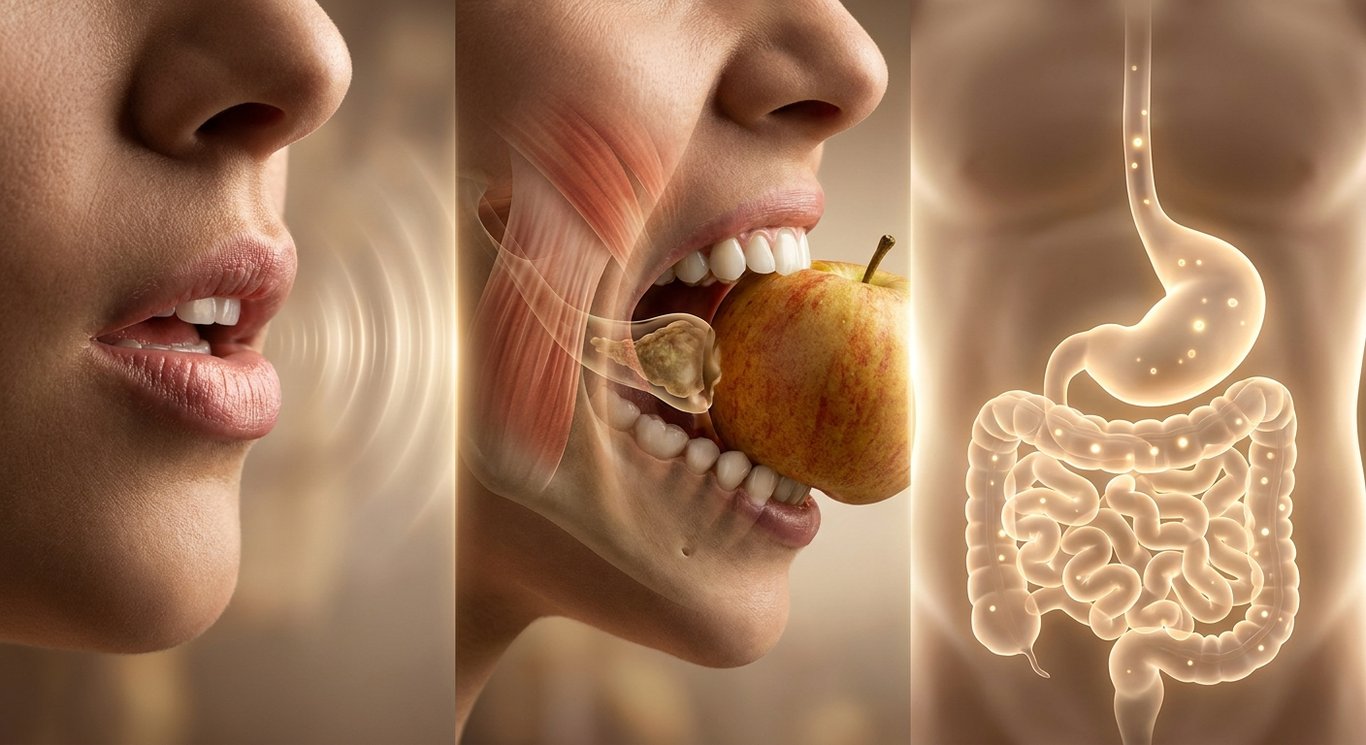
Teeth play a surprisingly important role in the way we speak. Certain sounds — particularly "th," "f," "v," and "s" sounds — require the tongue and lips to interact precisely with the teeth. When a tooth is missing, especially in the front of the mouth, these sounds can become distorted or slurred. People who lose front teeth often notice an almost immediate change in their speech clarity, and while some people adapt over time, others struggle with pronunciation long-term. This can affect professional communication, social confidence, and overall quality of life in ways that go far beyond simple aesthetics.
Chewing is another function that is significantly compromised by tooth loss. Every tooth has a specific role in breaking down food — incisors cut, canines tear, and molars grind. When any of these teeth are missing, the remaining teeth have to compensate, leading to inefficient chewing and a tendency to swallow larger food chunks than the digestive system is designed to handle. Over time, this places extra strain on the stomach and intestines, potentially leading to digestive discomfort and reduced nutrient absorption. Poor chewing also tends to push people toward softer, often less nutritious foods, which can have a broader impact on overall health and wellbeing.
Facial Structure Changes and Premature Aging
The jawbone does more than just anchor your teeth — it also provides the structural framework that gives your lower face its shape and fullness. When bone resorption occurs after tooth loss, the jaw literally shrinks, and the soft tissues of the face — the cheeks, lips, and skin around the mouth — lose the support they need to maintain their natural contour. The result is a sunken, collapsed appearance around the mouth that can make the lower face look hollow and drawn. This is a change that becomes more pronounced over time and is often mistaken for natural aging.
The truth is, these structural changes can make a person look significantly older than their actual age. The loss of jaw volume causes the lips to thin and turn inward, the chin can appear more prominent, and fine lines and wrinkles around the mouth tend to deepen more quickly. When multiple teeth are missing, these effects are even more dramatic, creating a facial profile that is noticeably altered. It is worth emphasizing that this is not just a cosmetic concern — it reflects genuine structural changes happening beneath the surface that affect both appearance and function.
The Psychological and Emotional Impact
The emotional toll of a missing tooth is real, and it should not be minimized. For many people, especially those who lose a visible front tooth, the impact on self-esteem can be immediate and significant. Smiling, laughing, and even speaking in public can become sources of anxiety and embarrassment. People may begin to cover their mouths when they laugh, avoid social situations, or feel a persistent sense of self-consciousness that affects their confidence in both personal and professional settings.
Over time, this psychological burden can compound. Research consistently shows a strong link between oral health and mental health, with tooth loss being associated with increased rates of anxiety, depression, and social withdrawal. The ripple effects extend into relationships, career performance, and overall quality of life. A compromised smile can shape how a person sees themselves and how they believe others perceive them — and that kind of self-perception has very real consequences. Addressing a missing tooth is not just about dental health; it is about restoring a person's sense of wholeness and confidence.
Long-Term Complications: Why Early Replacement Matters
One of the most important things to understand about tooth loss is that time is not on your side. Every month that passes without a replacement tooth is another month of bone loss, tooth shifting, and increased disease risk. The complications described throughout this article do not happen all at once — they build slowly, each one making the next problem more likely and more severe. What might require a straightforward implant procedure in the early months after tooth loss could require extensive bone grafting, orthodontic treatment, and multiple restorations if left unaddressed for years.
Bone loss is particularly relevant when it comes to future treatment options. Dental implants — widely considered the best long-term solution for missing teeth — require a certain minimum amount of healthy jawbone to be placed successfully. When significant bone loss has occurred due to delayed treatment, a bone grafting procedure must be performed first to rebuild the necessary foundation. This adds time, cost, and complexity to what could have been a more straightforward process. The longer you wait, the more the treatment landscape shifts from simple to complicated.
The cascading effect of multiple tooth losses further illustrates why early intervention is so critical. Once one tooth is lost and the neighboring teeth begin to shift and weaken, those teeth become more vulnerable to loss themselves. Each additional tooth lost accelerates the deterioration of the jawbone and increases the complexity of any future restoration. What begins as a single gap can, over years of neglect, evolve into a situation requiring full-arch reconstruction. Prevention through early replacement is not just more effective — it is dramatically more cost-efficient and produces far better long-term outcomes.
Tooth Replacement Options to Stop the Domino Effect
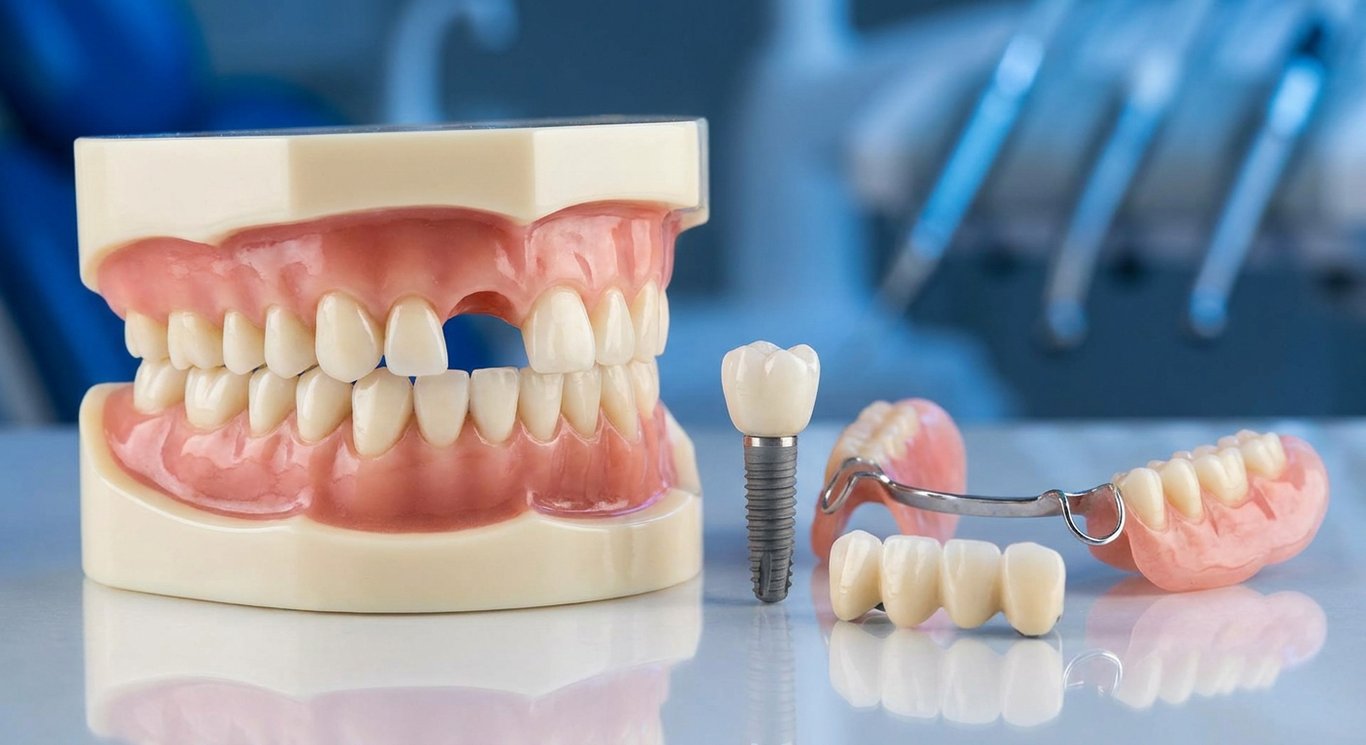
When it comes to replacing a missing tooth and halting the domino effect in its tracks, dental implants are widely regarded as the gold standard. A dental implant consists of a titanium post that is surgically placed into the jawbone, where it fuses with the bone over time through a process called osseointegration. This fusion is what makes implants so effective — they replicate the function of a natural tooth root, providing the mechanical stimulation that prevents bone resorption. An implant-supported crown looks, feels, and functions almost identically to a natural tooth, and with proper care, it can last a lifetime.
For patients who are not candidates for implants — due to insufficient bone, certain medical conditions, or financial considerations — there are other viable options. Dental bridges are a common alternative, using the teeth on either side of the gap as anchors to support an artificial tooth in between. Bridges restore chewing function and prevent some degree of tooth shifting, though they do not address bone loss since there is no root stimulating the jawbone. Removable partial dentures are another option, offering a more affordable solution for patients with multiple missing teeth, though they come with limitations in comfort and stability compared to implants.
Regardless of which replacement option is chosen, the most important factor is timing. Choosing an appropriate tooth replacement solution early — before significant bone loss and tooth shifting have occurred — dramatically simplifies the treatment process and prevents the cascade of complications outlined throughout this article. Talking to your dentist soon after tooth loss gives you the best possible range of options and the best possible outcomes. The goal is always to restore function, preserve bone, and stop the domino effect before it gains momentum.
Prevention and Early Intervention Strategies
The best way to avoid the domino effect of tooth loss is, of course, to keep your natural teeth healthy in the first place. This means maintaining a consistent oral hygiene routine — brushing twice daily with fluoride toothpaste, flossing at least once a day, and using an antibacterial mouthwash if recommended by your dentist. Regular dental checkups, ideally every six months, allow your dentist to catch problems like early-stage decay or gum disease before they progress to the point of tooth loss. Addressing a small cavity now is infinitely simpler than dealing with an extraction and its aftermath later.
If you have already experienced tooth loss, the most important thing you can do is act quickly. Schedule a consultation with your dentist as soon as possible after losing a tooth — even if the tooth was lost due to an injury or extraction that felt unavoidable. Prompt evaluation allows your dentist to assess the current state of your bone and surrounding teeth, discuss replacement options before complications develop, and create a treatment plan tailored to your specific situation. The domino effect is not inevitable — it is a process that can be interrupted and stopped, but only if you take action early enough.
Working With Your Dentist: Creating an Action Plan
After tooth loss, a thorough professional evaluation is essential. Your dentist will assess the density and volume of your remaining jawbone, examine the health and position of neighboring teeth, and evaluate your gum tissue to determine the extent of any existing damage. This assessment often involves X-rays or a cone beam CT scan, which provides a three-dimensional view of the jaw structure. This information forms the foundation of a personalized treatment plan — one that takes into account your specific oral health status, lifestyle, budget, and long-term goals.
In more complex cases — particularly those involving significant bone loss or multiple missing teeth — your dentist may refer you to a specialist such as an oral surgeon or a periodontist. Oral surgeons are specifically trained in procedures like dental implant placement and bone grafting, while periodontists specialize in the health of the gums and supporting bone structures. Working with a team of specialists ensures that every aspect of your oral health is addressed comprehensively. The key takeaway is that you do not have to navigate tooth loss alone — there are experienced professionals ready to help you create a clear, effective plan for restoring your smile and protecting your long-term health.
Frequently Asked Questions
How quickly do teeth shift after one tooth is missing?
Tooth shifting does not happen overnight, but the process begins sooner than most people expect. Within the first few weeks after tooth loss, neighboring teeth start to experience changes in the forces acting on them, and gradual drifting can begin within a few months. The rate and extent of shifting vary based on individual factors like age, the location of the missing tooth, the health of surrounding bone and gum tissue, and whether the person grinds their teeth. Younger patients and those with naturally more mobile teeth may experience faster shifting, while others may notice changes more slowly over the course of a year or two. The important thing to understand is that this process does not stop on its own — it continues as long as the gap remains unfilled.
Can bone loss be reversed or stopped after tooth loss?
Unfortunately, bone that has already been lost through resorption cannot be fully restored to its original state through natural means. However, the good news is that bone loss can be stopped — and in some cases, partially rebuilt — through the right dental interventions. Dental implants are the most effective tool for halting bone resorption because they replicate the stimulation that a natural tooth root provides to the jawbone. In cases where significant bone loss has already occurred, bone grafting procedures can rebuild enough volume to support an implant, effectively giving the jaw a new foundation. The earlier these interventions are pursued, the less bone grafting is needed and the simpler the overall treatment process becomes.
Is a missing back tooth as problematic as a missing front tooth?
Many people assume that because a missing back tooth is not visible when they smile, it is less urgent to address — but this is a misconception that can lead to serious consequences. While front teeth certainly have a more immediate cosmetic and speech impact, back teeth — especially molars — are workhorses of the chewing process. They bear the majority of the force involved in grinding food, and losing even one molar significantly compromises chewing efficiency and places extra strain on the remaining teeth. The bone loss, tooth shifting, and bite misalignment that follow a missing back tooth are just as significant as those caused by a missing front tooth. In some ways, missing molars can cause even greater structural damage because of the heavy chewing forces involved in that area of the jaw.
How much does bone shrink after losing a tooth?
The numbers are striking: studies have shown that the jawbone can shrink by approximately 25% in width during the first year after a tooth is lost. This is not a minor change — it represents a substantial loss of bone volume that affects the stability of neighboring teeth and the overall structure of the jaw. Over the following years, bone loss continues in both width and height if no tooth replacement is provided, with some estimates suggesting that up to 40-60% of bone volume can be lost over several years. The exact rate varies depending on individual factors such as age, overall health, bone density, and the location of the missing tooth. This is why prompt replacement is so strongly recommended by dental professionals — every month of delay means more bone lost and a more complex treatment path ahead.
What is the best time to replace a missing tooth?
The short answer is: as soon as possible. The sooner a missing tooth is replaced, the less bone loss occurs, the less neighboring teeth shift, and the fewer complications develop. In some cases, a dental implant can be placed immediately or shortly after extraction, which is ideal for preserving bone volume. Even when immediate placement is not possible, pursuing a replacement within the first few months after tooth loss dramatically reduces the risk of the cascading problems described throughout this article. Waiting a year or more allows bone deterioration and tooth shifting to progress to the point where treatment becomes more complex, more invasive, and more expensive. Early action is always the most effective and cost-efficient approach.
Conclusion
A single missing tooth might seem like a minor issue — especially if it is not immediately visible or painful — but as this article has shown, the consequences are anything but minor. Losing one tooth sets off a predictable chain reaction that affects nearly every aspect of oral health. Bone begins to resorb within months, neighboring teeth drift out of alignment, the bite becomes uneven, gum disease risk rises, and the face itself begins to change. Each of these problems feeds into the next, compounding over time into a situation that becomes progressively harder and more expensive to treat. The domino effect is real, it is well-documented, and it is entirely preventable with the right approach.
The key takeaways are clear: teeth function as an interdependent system, and every tooth matters. Bone loss begins within months of tooth loss and does not stop on its own. Neighboring teeth shift and cause bite problems that strain the jaw joints and wear down healthy teeth. Gum disease risk increases significantly in the presence of a gap. Facial aging accelerates as bone volume decreases. And the psychological impact — the loss of confidence and the social withdrawal — is just as real as the physical changes. None of these consequences are inevitable if action is taken early. If you have lost a tooth — or are at risk of losing one — do not wait. Schedule a consultation with your dentist today to discuss your replacement options and create a plan that protects your oral health, your appearance, and your confidence for the long term. Investing in early tooth replacement is one of the smartest decisions you can make for your overall wellbeing, and your future self will thank you for it.