The Digital Dentistry Revolution: A Patient's Guide to Modern Dental Technology
Published 23 min read
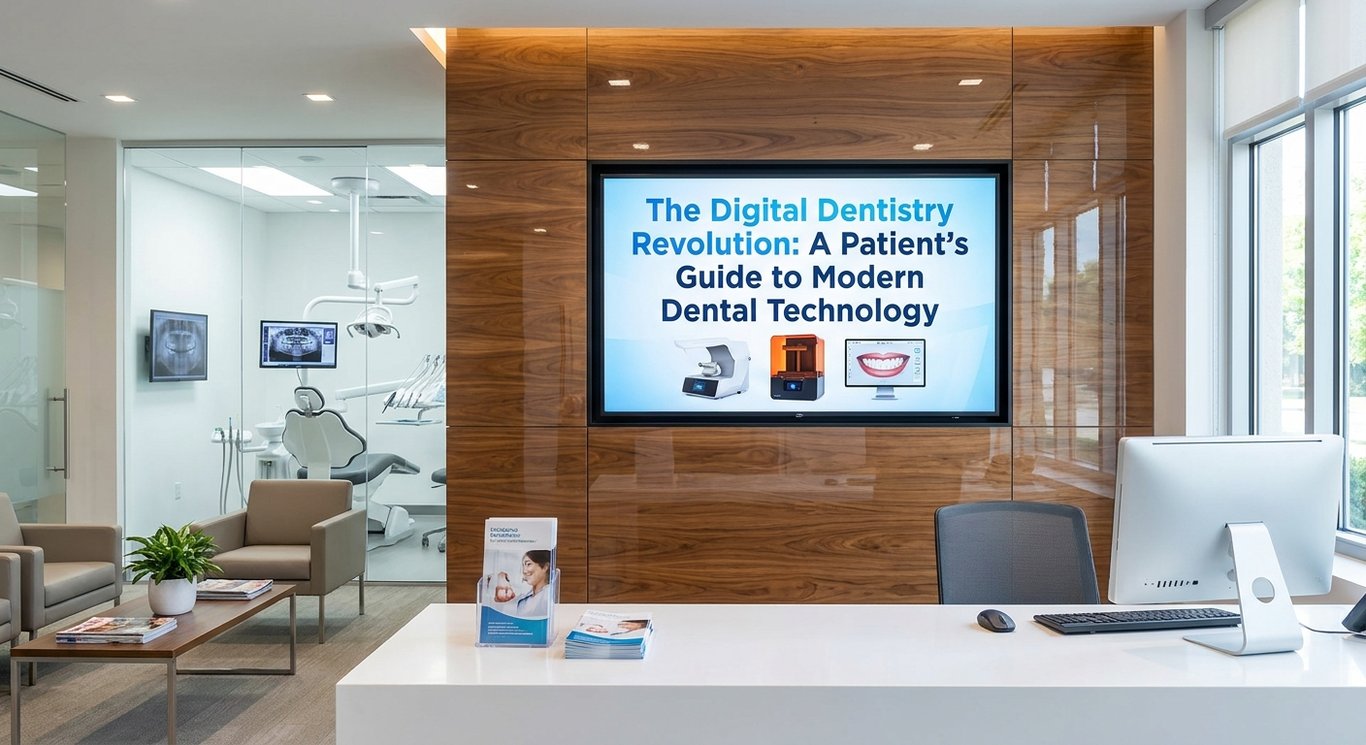
Walking into a dental office today can feel surprisingly different from visits even a decade ago. Instead of biting down on goopy impression trays or waiting weeks for a crown to come back from a lab, patients are increasingly greeted by sleek scanners, chairside screens, and same-day restorations. The digital dentistry revolution is not just a buzzword — it is a genuine shift in how dental care is planned, delivered, and experienced by millions of people every year.
This guide is designed to help you understand what digital dentistry actually means, which technologies you are likely to encounter, and how these changes affect your comfort, your outcomes, and even your wallet. Whether you are curious about that wand your dentist just waved around your mouth or wondering if AI is really reading your X-rays, you have come to the right place. By the end, you will have the knowledge to ask better questions, make more informed choices, and get the most out of modern dental care.
What Is Digital Dentistry? Understanding the Basics
Core Definition of Digital Dentistry
At its core, digital dentistry refers to the use of computer-based and imaging technologies to plan and perform dental procedures. This includes tools like 3D imaging, intraoral scanners, CAD/CAM systems, and digital X-rays — all of which help dentists diagnose conditions, design treatment plans, and create custom restorations with greater precision. It is important to understand that these technologies support the dentist rather than replace them. Your dentist's clinical judgment, skill, and experience remain the foundation of your care; the digital tools simply give them better information to work with.
To appreciate how significant this shift is, it helps to contrast it with traditional dentistry. In the past, dental offices relied on physical impressions made from messy materials, paper-based records, hand-drawn treatment notes, and analog X-ray films developed in a darkroom. Today, many practices have replaced all of that with connected digital workflows where imaging, patient records, scheduling, and treatment design are all integrated through software. The goals of keeping your teeth and gums healthy have not changed — but the process of achieving those goals has been transformed in ways that benefit both patients and dental teams.
How Digital Dentistry Fits Into Modern Dental Practice
Most modern dental practices now combine several digital tools to create smoother, more efficient workflows. Digital radiography, intraoral scanning, CAD/CAM systems, and practice management software often work together as a connected system. From the moment you book an appointment online to the point where you receive a follow-up reminder on your phone, digital tools are quietly working in the background to make your experience more organized and consistent.
It is worth noting that digital transformation in dentistry rarely happens all at once. Most practices begin by adopting digital imaging and electronic records, then gradually expand into more advanced tools like same-day crown systems or AI-supported diagnostic software. This step-by-step approach means that even if your current dentist has not yet adopted every available technology, they may already be further along the digital path than you realize — and the pace of adoption continues to accelerate across the profession.
Key Technologies Patients Are Likely to Experience
Digital Imaging and 3D X-Rays (CBCT)
Digital X-rays and cone beam computed tomography, commonly known as CBCT, represent one of the most significant upgrades in modern dental imaging. Digital X-rays produce high-resolution images almost instantly and typically use less radiation than many traditional film-based systems. CBCT takes things a step further by creating detailed, three-dimensional views of teeth, bone, nerves, and surrounding structures — information that is invaluable when planning dental implants, orthodontic treatment, root canals, or complex surgical procedures.
One of the most patient-friendly aspects of these imaging tools is that the images can be displayed on a screen right in front of you during your appointment. Your dentist can zoom in, rotate, and annotate the images to show you exactly where a cavity is developing, how much bone has been lost around a tooth, or where an impacted wisdom tooth is positioned. This kind of visual communication helps patients understand their own oral health in a way that a verbal description simply cannot match, and it often makes it easier to feel confident about recommended treatments.
Intraoral Scanners and Digital Impressions
If you have ever gagged on a traditional dental impression tray filled with thick, rubbery material, you will appreciate intraoral scanners immediately. These small, handheld devices are gently moved around inside your mouth to capture a precise, full-color 3D digital model of your teeth and gums — no messy materials required. Intraoral scanners are used for a wide range of treatments, including crowns, bridges, dental aligners, dentures, and cosmetic procedures like veneers.
Beyond the obvious comfort advantage, digital impressions offer real clinical benefits for patients. They are generally more accurate than traditional molds, which can distort slightly as they set. Greater accuracy means restorations like crowns and bridges fit better from the start, reducing the need for adjustments or remakes. Faster digital transmission to dental labs — or direct use in chairside milling systems — also means shorter turnaround times, so you spend less time waiting and fewer visits in the chair.
CAD/CAM Systems and 3D Printing
CAD/CAM stands for computer-aided design and computer-aided manufacturing, and it is the technology behind same-day crowns and many other modern restorations. After an intraoral scan is taken, specialized software is used to design a custom restoration — a crown, veneer, inlay, or onlay — that matches the shape, size, and color of your natural teeth. That digital design is then sent to an in-office milling machine or a dental lab, where it is carved from a block of high-quality ceramic or composite material with impressive precision.
3D printing is also playing a growing role in dentistry, particularly for producing models, surgical guides, provisional restorations, and clear aligners. While 3D-printed final restorations are still evolving in terms of material strength and longevity, the technology is advancing rapidly. For patients, the practical result is faster production times, more consistent quality, and treatments that are increasingly tailored to the unique anatomy of their mouth rather than produced from generic templates.
AI, Practice Management Software, and Teledentistry
Artificial intelligence is beginning to make a meaningful difference in how dental conditions are detected and diagnosed. AI tools can analyze digital X-rays and scans, flagging areas that may indicate cavities, bone changes, or other abnormalities that might be subtle or easy to overlook on a quick visual review. This does not mean a computer is making decisions about your treatment — rather, AI acts as a second set of highly trained eyes that helps your dentist catch potential problems earlier and with greater confidence.
Beyond diagnostics, cloud-based practice management software has quietly transformed the administrative side of dental visits. Electronic health records, secure patient portals, online intake forms, automated appointment reminders, and integrated billing systems all reduce paperwork and wait times. Many patients notice this as a smoother, more organized experience — less time filling out forms in the waiting room and more time actually receiving care.
Teledentistry is another dimension of the digital revolution that became especially prominent in recent years. Using video calls, secure messaging, and photo sharing, dentists can conduct consultations, triage urgent concerns, provide second opinions, and follow up after procedures without requiring an in-person visit every time. For patients with busy schedules, limited mobility, or concerns that do not require hands-on examination, teledentistry offers a genuinely convenient and practical option.
How Digital Dentistry Changes the Patient Experience
Comfort, Convenience, and Chair Time
One of the most tangible benefits of digital dentistry for patients is a reduction in the time spent in the dental chair. Digital impressions are faster than traditional ones, CAD/CAM systems can mill a crown while you wait, and streamlined digital workflows mean fewer steps between diagnosis and treatment. Procedures that once required two or three separate appointments — like getting a crown — can now often be completed in a single visit at practices equipped with chairside milling technology.
There is also a real comfort advantage that goes beyond just saving time. Skipping the traditional impression tray eliminates one of the most commonly dreaded parts of a dental visit, particularly for patients with a strong gag reflex. Seeing your treatment plan laid out visually on a screen, with clear images and a step-by-step explanation, can also significantly reduce dental anxiety. When patients understand what is happening and why, the whole experience tends to feel less intimidating and more collaborative.
Personalization and Aesthetic Results
Digital tools give dentists an unprecedented level of control over the customization of restorations. The shape, contour, size, and shade of a crown, veneer, or implant restoration can be fine-tuned digitally before anything is ever manufactured, resulting in a final product that looks and feels more natural. This level of precision is especially important for visible front teeth, where even small discrepancies in color or shape are noticeable.
For patients considering cosmetic treatments, digital technology offers something particularly exciting: the ability to preview results before committing. Virtual smile design tools and digital mock-ups can generate realistic images showing how proposed veneers, whitening, or other cosmetic work would look on your specific smile. This kind of visual planning helps patients feel genuinely involved in the design of their own results, rather than simply hoping the outcome matches their expectations.
Benefits of Digital Dentistry for Patients
Diagnostic Accuracy and Early Detection
One of the most significant advantages digital dentistry offers patients is the ability to detect problems earlier and more reliably. High-resolution digital X-rays, CBCT scans, and AI-supported analysis make it easier to spot small cavities, hairline cracks, early-stage gum disease, and bone changes before they become serious. Earlier detection almost always translates to less invasive treatment — catching a small cavity before it reaches the nerve, for example, means a simple filling rather than a root canal and crown.
Better diagnostic information also dramatically improves the planning of complex procedures. For a dental implant, CBCT imaging allows the dentist to measure bone density and volume precisely, identify the exact location of nerves and sinuses, and plan the implant position virtually before a single incision is made. This level of pre-surgical planning increases the predictability of outcomes and reduces the likelihood of complications, which is good news for both the patient and the dentist.
Efficiency, Cost, and Long-Term Outcomes
Digital workflows can save patients both time and money, though it is worth understanding the nuances. Fewer appointments, shorter chair time, and lower rates of restoration remakes all contribute to a more efficient experience. For procedures like crowns and bridges, same-day digital workflows can eliminate the need for temporary restorations and multiple visits, which adds up to real savings in time and sometimes in cost. That said, some practices do charge higher fees for digitally produced restorations due to the investment in equipment and technology, so it is always worth asking about pricing upfront.
Over the long term, however, the precision of digitally designed and manufactured restorations tends to pay off. Better-fitting crowns, bridges, and implant components are less likely to fail prematurely, cause bite problems, or require early replacement. When a restoration lasts longer and functions better, patients avoid the expense and inconvenience of corrective work down the road. In that sense, digital dentistry is not just about convenience — it is an investment in the durability and longevity of your oral health.
Common Digital Treatments You Might Receive
Restorative and Implant Procedures
Digital tools have become central to some of the most common restorative procedures in modern dentistry. For crowns, bridges, inlays, and onlays, the workflow typically begins with an intraoral scan, moves through digital design, and ends with milling or printing the final restoration — often in the same visit. Dental implant placement has also been transformed by digital technology, with CBCT imaging and computer-guided surgical systems allowing dentists to plan and execute implant placement with a level of accuracy that was simply not possible with traditional methods.
The practical benefits for patients receiving these treatments are significant. Guided implant surgery reduces the margin for error and often results in less post-operative discomfort and faster healing. Same-day crown workflows eliminate the need for a temporary crown, which can sometimes fall off or cause sensitivity between appointments. And because digital restorations are designed to fit the precise contours of your prepared tooth, they typically require fewer adjustments at the fitting appointment — meaning less time in the chair with the dentist making small tweaks.
Orthodontics and Cosmetic Dentistry
Clear aligner therapy — the kind offered by brands like Invisalign as well as many dental-lab-produced alternatives — is almost entirely dependent on digital technology. Intraoral scans capture the current position of your teeth, software models the planned tooth movements, and a series of custom-printed aligners is produced to gradually shift your teeth into the desired position. Digital photographs and progress scans allow the dentist or orthodontist to monitor how treatment is going and make adjustments to the plan as needed, all without traditional metal brackets or wires.
On the cosmetic side, digital planning tools have made procedures like porcelain veneers and full smile makeovers more collaborative and predictable than ever. Dentists can use digital design software to map out the size, shape, and arrangement of proposed veneers, generate a visual preview for the patient, and even create a temporary mock-up that can be placed in the mouth before any permanent changes are made. This co-design approach ensures that patients and dentists are genuinely aligned on the expected outcome before treatment begins.
Risks, Limitations, and Data Security Concerns
Technology Limitations and Human Factors
Digital dentistry is impressive, but it is not infallible. These tools depend heavily on proper training, regular calibration, and careful maintenance. A high-resolution intraoral scanner is only as useful as the person operating it — poor technique can result in incomplete scans, and misinterpreted data can still lead to clinical errors. It is also worth knowing that not every clinical situation is best served by digital methods. Some complex cases, unusual anatomy, or specific patient needs may still call for traditional techniques or analog backups, and experienced dentists know when to reach for the older tools.
Additionally, transitioning to a fully digital workflow is a significant undertaking for any dental practice. There is a learning curve involved, and during periods of transition, some disruption to scheduling or workflow is possible. Patients may occasionally encounter a practice that has adopted one piece of technology but not yet fully integrated it with the rest of their systems, which can create minor inefficiencies. These are normal growing pains of a profession in transition, and they tend to resolve as teams gain experience and confidence with new tools.
Privacy, Cybersecurity, and Data Ownership
With all of this digital information being collected — 3D scans, high-resolution images, health histories, and billing records — data security is a legitimate concern for patients. Dental practices are required to comply with data protection laws when storing and sharing digital records, which means investing in secure servers, encryption, and cybersecurity protocols. As a patient, you have every right to ask your dental office how your data is stored, who has access to it, how it is shared with labs or specialists, and what happens to it if you change providers. A reputable practice will be transparent about these policies and take data security seriously as part of their commitment to patient care.
How to Choose a Digitally Advanced Dental Practice
Questions to Ask Your Dentist
Choosing a dental practice that uses modern technology does not have to be a guessing game. There are some straightforward questions you can ask that will give you a clear picture of where a practice stands. Try asking: "Do you use digital impressions or intraoral scanners?", "Can you show me my X-rays or scans on-screen during my appointment?", and "Do you offer CAD/CAM or same-day restorations?" You might also ask whether the practice offers teledentistry consultations for follow-up care, and whether they use any AI-supported tools to assist with diagnosis.
Beyond the basic inventory of tools, it is worth asking how long the practice has been using specific technologies and what kind of training the dental team has completed. Technology is only as good as the people using it, so a practice that has been using digital impressions for five years and has invested in ongoing training is likely to deliver better results than one that just unboxed a new scanner last month. It is also reasonable to ask how often equipment and software are updated, since dental technology is evolving quickly and outdated systems can undermine the benefits.
Evaluating Comfort, Communication, and Transparency
The best digital dental practices understand that technology is a means to an end, not the end itself. A practice worth choosing will pair its digital tools with clear, jargon-free explanations, visual aids that help you understand your diagnosis and treatment options, and transparent conversations about costs and alternatives. If a dentist shows you a 3D scan but cannot explain what you are looking at in plain language, or if the focus seems to be on selling technology rather than solving your problem, that is worth noticing. The goal of digital dentistry is to make your care better — and that means you should feel more informed and involved, not more confused or pressured.
Preparing for Your First Digital Dentistry Visit
What to Expect Before, During, and After
If you are visiting a digitally advanced dental practice for the first time, the experience often begins before you even walk through the door. Many practices now offer online registration, digital health history forms, and appointment confirmations via text or email. When you arrive, your appointment will likely begin with digital X-rays or an intraoral scan, and you can expect to see those images displayed on a screen as your dentist walks you through their findings. This on-screen review is one of the most valuable parts of a modern dental visit — take the opportunity to ask questions and make sure you understand what you are seeing.
After your appointment, the digital experience continues. Many practices send digital treatment summaries, follow-up care instructions, and automated reminders for your next visit. If you have had a procedure that warrants monitoring, your dentist may offer a teledentistry check-in rather than requiring you to come back in person for a quick follow-up. Secure messaging through a patient portal is also becoming more common, making it easier to ask questions or report concerns without playing phone tag with the front desk.
How to Make the Most of Digital Tools as a Patient
Being an active participant in your digital dental care makes a real difference in the quality of your experience and outcomes. Take advantage of the patient portal your practice provides — use it to review your records, complete forms in advance, and send messages when questions come up between appointments. When your dentist shows you images or scans, do not hesitate to ask for explanations in plain language. Bring a list of questions to your appointment, keep your digital health history updated, and review any treatment plan documents sent to you electronically before agreeing to proceed. The more engaged you are, the better equipped you will be to make decisions that align with your health goals and personal preferences.
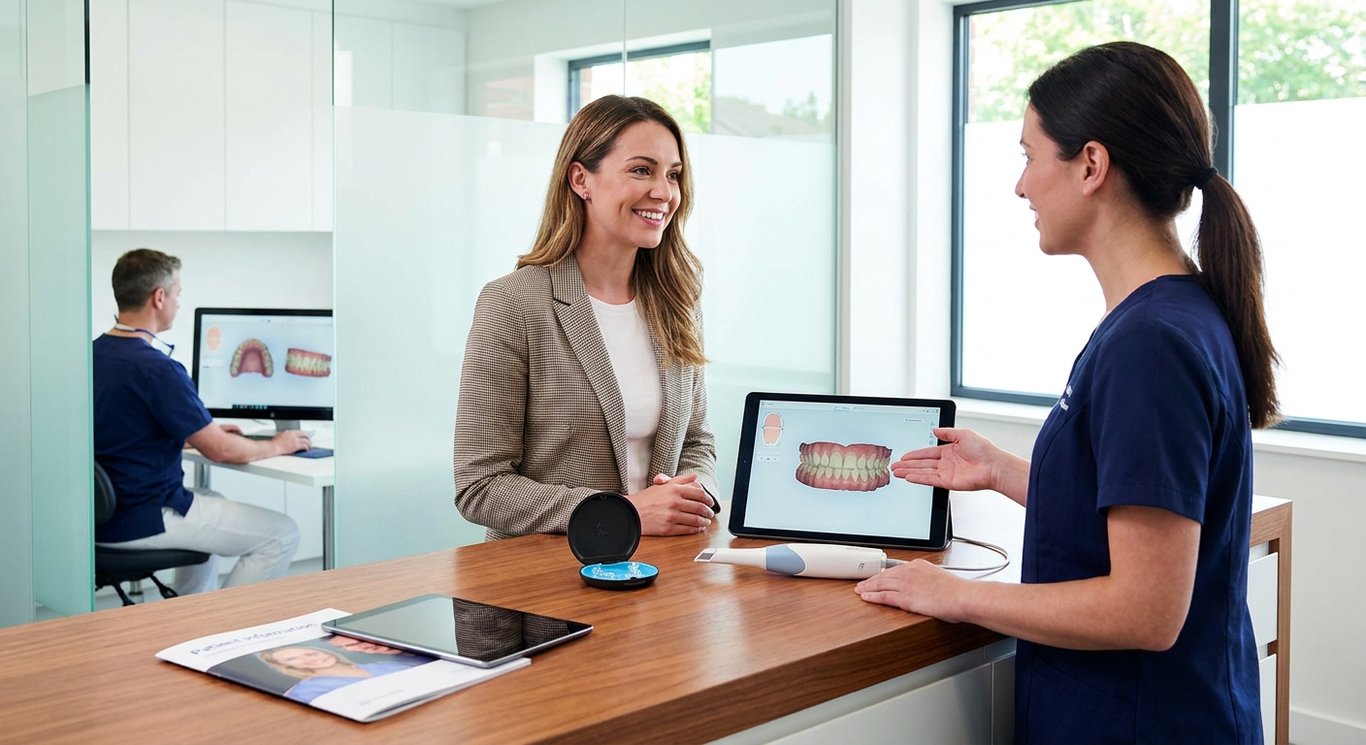
Future Trends in Digital Dentistry Patients Should Know About
Emerging Technologies on the Horizon
The pace of innovation in digital dentistry shows no signs of slowing down. AI and machine learning are expected to become even more sophisticated in the coming years, moving beyond cavity detection toward broader disease prediction, personalized risk assessment, and treatment planning based on large datasets of patient images and outcomes. There is also growing interest in integrating dental monitoring with wearable health devices and smartphone apps, which could allow for continuous tracking of oral-health-related factors like bite force, grinding habits, or early signs of gum inflammation.
Virtual reality and augmented reality are also beginning to find their way into dental settings, with applications ranging from patient education and anxiety reduction to surgical planning and training. Imagine being able to take a virtual tour of your own mouth before a procedure, or watching a 3D animation of exactly how your implant will be placed. On the manufacturing side, advances in 3D printing materials are producing restorations that are stronger, more lifelike, and more affordable than ever — a trend that is likely to continue as the technology matures and becomes more widely accessible.
What This Means for Long-Term Oral Health
Taken together, these advances point toward a future where dentistry is more preventive, more personalized, and less invasive than it has ever been. Rather than waiting for problems to become painful or obvious, digital tools will increasingly allow dentists to identify risk factors early and intervene before significant damage occurs. For patients, this means fewer dental emergencies, less need for complex restorative work, and more predictable oral health over a lifetime. The digital dentistry revolution is not just about making current treatments faster or more comfortable — it is about fundamentally changing the relationship between patients and their oral health for the better.
Frequently Asked Questions About the Digital Dentistry Revolution
FAQ 1: Is digital dentistry safe, and does it use more radiation?
This is one of the most common concerns patients raise, and the reassuring answer is that digital dentistry is very safe. Digital X-rays typically use significantly less radiation than many older film-based systems, and the images are available instantly without the need for chemical processing. CBCT scans do involve a higher radiation dose than standard digital X-rays, but they are used selectively — only when the detailed 3D information they provide is genuinely necessary for diagnosis or treatment planning, and when the diagnostic benefit clearly outweighs the exposure. All reputable dental practices follow established safety guidelines, including the use of lead aprons and thyroid collars where appropriate, to keep radiation exposure as low as reasonably achievable.
FAQ 2: Are digital impressions more accurate than traditional molds?
Generally speaking, yes — digital impressions are more precise and more consistent than traditional impression materials. Traditional molds can shift, bubble, or distort slightly as they set, which can affect the fit of a restoration. Digital scans capture the exact geometry of your teeth and gums without any of those variables, leading to restorations that fit better right out of the mill or printer and require fewer chairside adjustments. That said, accuracy is not purely a function of the technology — it also depends on the skill of the operator and the quality of the scanning device being used. A well-trained clinician using a quality intraoral scanner will consistently produce excellent results.
FAQ 3: Will digital dentistry make my treatment faster or cheaper?
In many cases, yes — digital workflows can reduce the number of appointments needed and shorten the overall treatment timeline, particularly for procedures like crowns, bridges, and orthodontic aligners. Fewer remakes and better-fitting restorations also contribute to lower long-term costs by reducing the need for adjustments and early replacements. However, it is important to be realistic: some digitally produced treatments do carry higher upfront fees because of the significant investment practices make in equipment, software, and training. The key is to weigh the total cost of care over time, not just the initial price tag, and to have an honest conversation with your dentist about what to expect financially before treatment begins.
FAQ 4: Can I still choose traditional methods if I prefer them?
In most cases, yes. Many dental practices can still accommodate traditional impressions or workflows when they are clinically appropriate and when a patient has a strong preference. If you are uncomfortable with a particular technology or simply prefer a more familiar approach, it is absolutely reasonable to discuss that with your dentist. A good clinician will respect your preferences and find a solution that balances your comfort with the best possible clinical outcome. That said, it is worth keeping in mind that some advanced treatments — like guided implant surgery or clear aligner therapy — genuinely depend on digital methods to achieve optimal results, and opting out of those tools may affect the quality or predictability of the outcome.
FAQ 5: How do I know if my dentist is up to date with digital technology?
The simplest way to find out is to ask directly. Inquire which digital tools the practice uses on a routine basis, how long they have been using them, and what continuing education or training the dental team has completed in those areas. During your visit, observe whether digital imaging is used, whether records are electronic, and whether modern communication tools like online booking and patient portals are part of the routine workflow. A practice that is genuinely committed to digital dentistry will be happy to talk about their technology, explain how it benefits patients, and demonstrate it in action — rather than treating it as a selling point to mention briefly and then move on from.
Conclusion: Embracing The Digital Dentistry Revolution for Better Oral Health
The digital dentistry revolution is not a distant concept or a luxury available only at high-end specialty clinics — it is already reshaping everyday dental care at practices around the world. From intraoral scanners and CAD/CAM systems to 3D imaging, AI-supported diagnostics, and connected practice management software, these tools are working together to make dental care more precise, more efficient, and more comfortable for patients. Whether you are coming in for a routine checkup, getting a crown, straightening your teeth with aligners, or planning a full smile makeover, digital technology is likely playing a role in improving the accuracy and predictability of your treatment.
Now that you have a solid understanding of what the digital dentistry revolution involves, the best next step is to put that knowledge to work. Talk to your dentist about which digital tools they use and how those tools benefit your specific treatment needs. Ask to see your scans and X-rays on-screen, and do not be shy about requesting explanations in plain language. When comparing dental practices, look for ones that invest thoughtfully in modern technology and pair it with clear communication, transparent pricing, and a genuine focus on preventive, patient-centered care. The more actively you engage with the tools and information available to you, the better positioned you will be to protect and improve your oral health for years to come.