The Digital Dental Revolution: How Technology Is Reshaping Your Trip to the Dentist
Published 19 min read
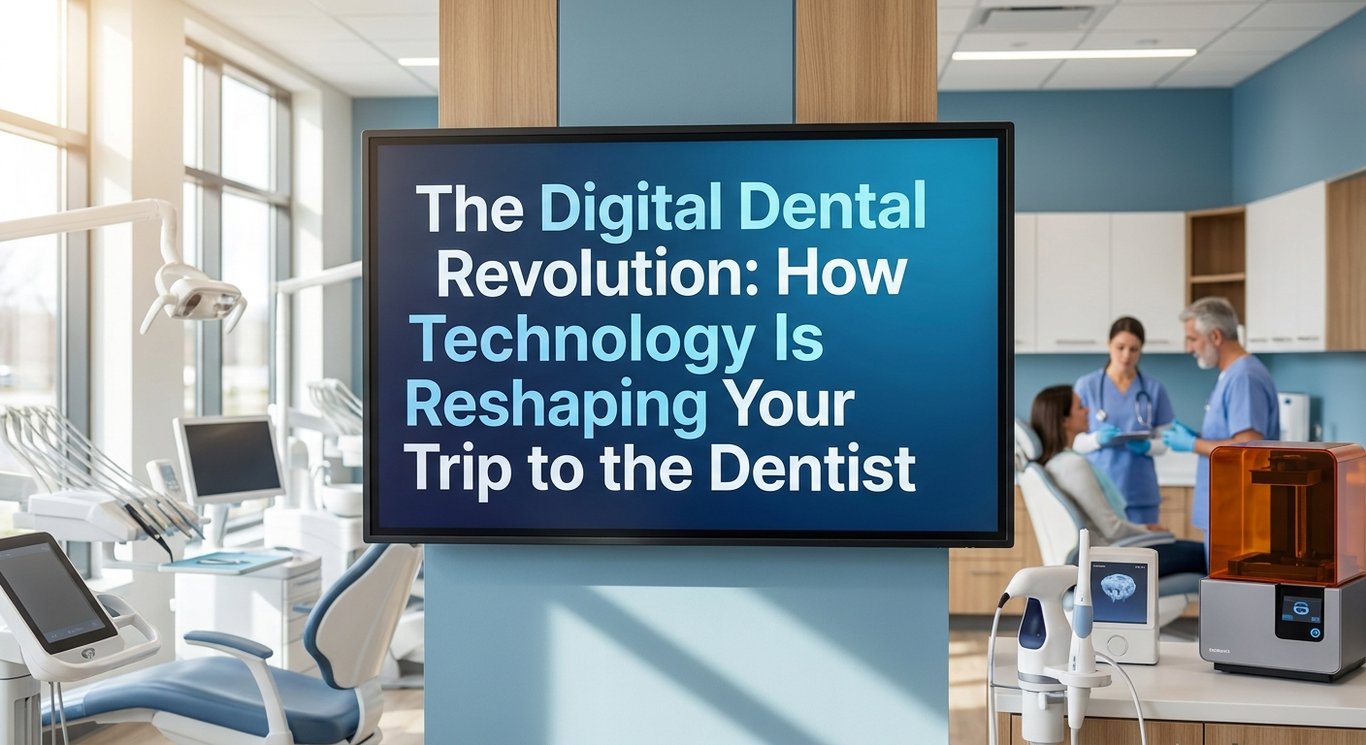
Introduction: What "Digital Dentistry" Means and Why It Matters
Digital dentistry refers to the use of digital and computer-based technologies to perform dental procedures that were once done with purely mechanical or analog tools. Instead of relying entirely on traditional methods like physical molds, film X-rays, and manual measurements, modern dental offices are increasingly turning to tools like digital imaging, intraoral scanners, CAD/CAM systems, 3D printing, dental lasers, artificial intelligence, and teledentistry. These aren't just fancy gadgets — they represent a fundamental shift in how dentists examine, diagnose, and treat patients. If you've visited a dentist recently and noticed a small wand being waved around your mouth instead of a tray full of goop, you've already had a front-row seat to this revolution.
The reason digital dentistry keeps showing up across authoritative dental sources isn't just because it sounds impressive — it's because the results speak for themselves. Dental organizations, research institutions, and clinical practices have all highlighted how digital tools bring better precision to procedures, faster treatment timelines, improved patient comfort, and more efficient workflows for dental teams. Many sources describe digital dentistry as fundamentally transforming three key areas: how dentists diagnose problems, how they plan treatments, and how patients actually experience their care. In short, this isn't a trend — it's a transformation that's already well underway.
How Digital Scans Replace Messy Impressions
Intraoral scanners are handheld devices that dentists or hygienists use to capture detailed, three-dimensional digital models of your teeth and gums — no impression trays, no goopy material, and no holding your breath while you wait for it to set. The scanner uses a small camera or light source to map the surfaces of your mouth in real time, creating a precise digital replica that appears on a screen within seconds. For patients who have a strong gag reflex or who simply find traditional impressions uncomfortable, this is a genuine improvement. Dentists also tend to prefer the accuracy of digital scans because they capture fine details that physical molds can sometimes distort, especially if the material shifts or bubbles during the impression process.
Beyond the comfort factor, digital scans offer real practical benefits when it comes to creating dental restorations. Whether you're getting a crown, a set of clear aligners, a bridge, or a veneer, the digital file can be sent directly to a dental lab or an in-office milling machine without the delays and potential errors that come with shipping physical molds. This means fewer mistakes in the fit of your restoration, faster turnaround times, and less back-and-forth between appointments. A well-fitting crown or aligner on the first try isn't just more convenient — it also reduces the need for adjustments, which saves both time and money in the long run.
Digital X-rays, 3D Imaging, and Safer Diagnostics
Digital radiography and cone beam computed tomography, commonly known as CBCT, have changed the way dentists look inside your mouth and jaw. Traditional X-rays give a flat, two-dimensional view that can miss important details. Digital X-rays, on the other hand, produce clearer images almost instantly and can be enhanced, zoomed, and adjusted on a screen right in front of you. CBCT takes this a step further by creating a full three-dimensional image of your teeth, roots, bone structure, nerves, sinuses, and surrounding tissues. This gives dentists a much more complete picture — literally — of what's happening beneath the surface. For complex cases like implant planning, orthodontic evaluation, or diagnosing impacted teeth, this kind of detail can make a significant difference in how accurately a treatment is planned.
One of the most common questions patients ask about digital imaging is whether it's safe. The short answer is yes — and in fact, digital X-rays expose patients to significantly less radiation than traditional film X-rays, often reducing exposure by up to 80 percent. That's a meaningful improvement, especially for patients who need regular monitoring. CBCT scans do use more radiation than standard digital X-rays, but they're typically reserved for specific situations where the additional detail is genuinely necessary, such as before placing a dental implant or evaluating jaw structure. The key takeaway is that digital imaging tools aren't just more convenient — they support earlier and more precise diagnosis, which can catch problems before they become bigger and more expensive to treat.
Same-Day Crowns and CAD/CAM Dentistry
CAD/CAM stands for computer-aided design and computer-aided manufacturing, and it's one of the most impressive examples of how digital technology has changed dental treatment. Here's how it works: after a dentist prepares your tooth, an intraoral scanner captures a digital impression. That scan is then used to design a custom restoration — a crown, inlay, onlay, or veneer — using specialized software right there in the office. Once the design is finalized, the file is sent to an in-office milling machine that carves the restoration out of a ceramic block. The whole process happens in a single visit, which is a remarkable change from the traditional process of waiting weeks for a lab to fabricate your crown.
For patients, the benefits of CAD/CAM dentistry are hard to ignore. Fewer appointments means less time off work, fewer injections, and less overall disruption to your daily life. The turnaround time goes from weeks to hours, and in many cases, you walk out of the office with a permanent restoration the same day your tooth was prepared. It's worth noting that faster doesn't mean lower quality — when the digital workflow is properly managed and the dentist is well-trained in the software and equipment, CAD/CAM restorations can be highly precise and durable. The technology has matured considerably, and same-day crowns are now a mainstream option in many dental practices.
3D Printing in Modern Dental Care
Three-dimensional printing has found a natural home in dentistry because so much of dental work involves creating customized, patient-specific items. Dental 3D printers work by building objects layer by layer from a digital file — the same kind of digital file that might come from an intraoral scan or a CAD/CAM design. In a dental setting, 3D printing is used to produce a wide range of items including study models, surgical guides for implant placement, clear aligner trays, dentures, nightguards, temporary crowns, and other custom appliances. Each of these items is built to match the exact specifications of an individual patient's mouth, which is something that was much harder to achieve consistently with older manufacturing methods.
For patients, 3D printing translates into faster delivery of dental appliances, more personalized treatment, and improved consistency from one restoration to the next. Instead of waiting weeks for a denture or a surgical guide to come back from an outside lab, practices with in-house 3D printers can often produce these items in a fraction of the time. Many authoritative dental sources highlight 3D printing as one of the fastest-growing segments of digital dentistry, and it's easy to see why. As the materials used in dental 3D printing continue to improve in strength and appearance, the range of applications is only going to expand.
Laser Dentistry and Minimally Invasive Treatment
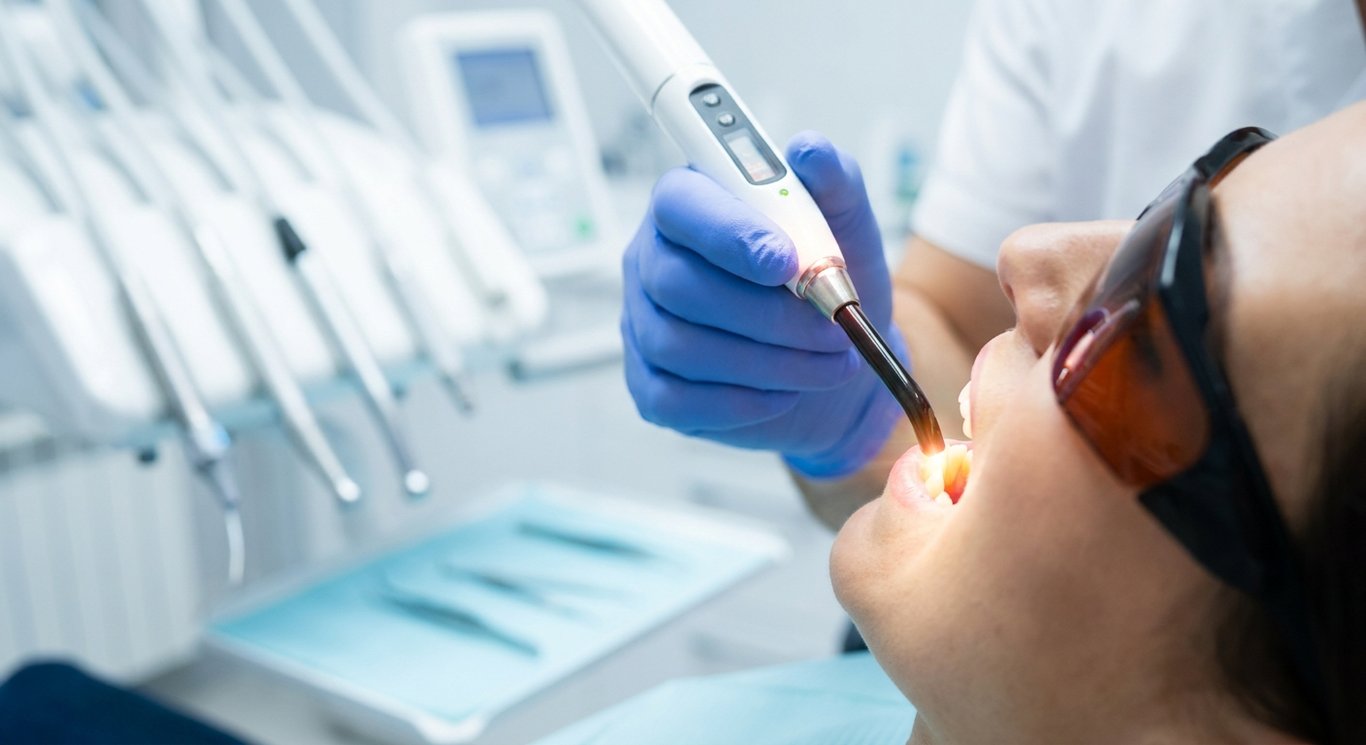
Dental lasers have been around for a few decades, but they've become more refined and more widely used as digital dentistry has advanced. Lasers are used in both soft-tissue and some hard-tissue procedures, giving dentists a precise, controlled tool that can target specific areas without affecting the surrounding tissue as much as traditional instruments might. Common soft-tissue applications include gum reshaping, treating gum disease, removing excess tissue, and managing certain oral lesions. In some cases, lasers can also be used for cavity treatment in early-stage decay or for preparing a tooth surface, though this depends on the type of laser and the specific clinical situation.
Patients often wonder whether lasers mean no needles and no drills — and the honest answer is that it depends on the procedure. Laser treatments can reduce bleeding, minimize swelling, and speed up healing time in soft-tissue procedures, which is genuinely helpful. Some patients also report less discomfort during and after laser-based treatments compared to conventional methods. However, lasers are not a universal replacement for drills or traditional instruments. Certain procedures still require conventional tools, and not every dental office has the same laser capabilities. The most accurate way to think about lasers is as a tool that can reduce invasiveness in specific situations — a valuable addition to the toolkit, but not a complete overhaul of how dentistry works.
Artificial Intelligence in Diagnosis and Treatment Planning
Artificial intelligence is making its way into dental offices in ways that most patients wouldn't immediately notice, but the impact is real. AI software can analyze digital X-rays and 3D scans to help identify cavities, bone loss, gum disease, and other issues — often spotting patterns that might be easy to overlook during a busy clinical day. The software doesn't replace the dentist's judgment; rather, it acts as a second set of eyes that can flag areas of concern for closer review. Most authoritative dental sources are careful to frame AI as a diagnostic support tool, not a replacement for professional expertise. The dentist still makes the final call on diagnosis and treatment, but AI can help ensure that fewer things slip through the cracks.
Beyond diagnostics, AI can also assist with personalized treatment planning and risk assessment. By analyzing a patient's full dental history, imaging data, and clinical notes, AI systems can help identify patterns that suggest higher risk for certain conditions and support more tailored treatment recommendations. For patients, this might show up as faster reviews of their scans during an appointment, or more data-informed conversations about why a particular treatment is being recommended. It's a behind-the-scenes improvement in many ways, but one that can meaningfully improve the quality and consistency of care over time.
Teledentistry, Online Scheduling, and Remote Follow-Up
Teledentistry allows patients to connect with dental professionals remotely — through video calls, photo submissions, or secure messaging — to get guidance, triage symptoms, or consult about a concern before committing to an in-person visit. This is especially useful for patients who are trying to decide whether a toothache needs immediate attention, for people with mobility challenges who find it difficult to get to a dental office, or for those living in rural or underserved areas where access to a dentist isn't straightforward. A dentist reviewing a photo of a sore gum or a chipped tooth can often provide meaningful guidance and help the patient decide on next steps without requiring them to come in right away.
Beyond virtual consultations, the digital patient experience extends to a range of other touchpoints that many dental websites highlight as part of the modern dental journey. Online appointment booking allows patients to schedule visits at any hour without waiting on hold. Digital intake forms can be completed from home before arriving, cutting down on waiting room paperwork. Automated reminders reduce the chance of forgotten appointments. And remote follow-up after a procedure — whether through a quick message, a photo check-in, or a brief video call — can help patients feel supported without requiring an additional office visit. Together, these tools reduce friction in the patient experience and make dental care feel more accessible and less time-consuming.
How Digital Tools Improve Communication and Patient Understanding
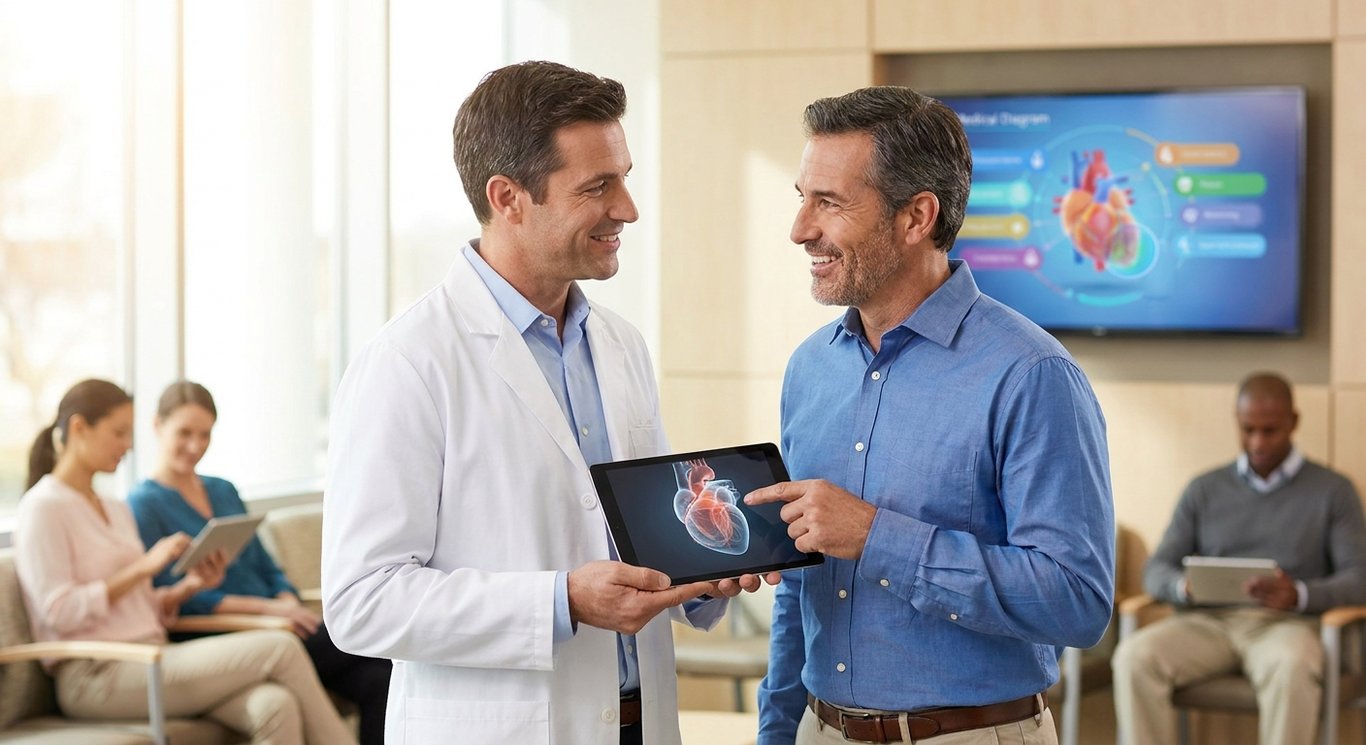
One of the quieter but genuinely important benefits of digital dentistry is how much it improves communication between dentist and patient. Intraoral cameras, for example, allow dentists to show patients a live or recorded view of their own teeth and gums on a screen. Instead of a dentist saying "you have a crack on your upper left molar," you can actually see it. Three-dimensional models and digital imaging serve a similar purpose — they turn abstract diagnoses into visible, understandable information. When patients can see what the dentist sees, they're better equipped to ask informed questions, understand why a particular treatment is recommended, and feel more confident in the decisions they're making about their own care.
A common question is whether digital dentistry makes visits feel more personalized, and the answer is generally yes — though not just because of the technology itself. Digital records mean that your full dental history, images, and treatment notes are organized and easily accessible, making it simpler for a dentist to review your specific situation quickly and accurately. If you're seeing a specialist or a new provider, digital files can be shared more easily than physical records, which supports better continuity of care. Visual treatment planning tools also allow dentists to walk patients through proposed procedures step by step, making the conversation more specific and more relevant to that individual's actual mouth — not just a generic explanation of how a procedure works.
Efficiency, Comfort, and Fewer Appointments: The Patient Experience
When patients talk about what they actually notice in a digitally equipped dental office, a few themes come up consistently: less discomfort during procedures, faster treatment from start to finish, fewer repeat visits to complete a single course of treatment, and quicker delivery of restorations like crowns and aligners. Many sources link digital workflows directly to improved accuracy, which reduces the likelihood of a restoration needing to be remade or adjusted. Reduced chair time is another frequently cited benefit — when a digital scan takes two minutes instead of a ten-minute impression process, and when a crown can be milled in-office rather than shipped to a lab, the overall time commitment for the patient shrinks considerably.
Better efficiency in a dental practice isn't just good for the bottom line — it genuinely changes how patients feel about going to the dentist. Shorter appointments, fewer visits, and smoother processes all contribute to a less stressful experience, which matters a lot given how many people feel anxious about dental care. That said, it's worth being realistic: digital methods aren't automatically better in every situation. The quality of outcomes depends heavily on how well-trained the dental team is with the technology and whether the right tools are being used for the right cases. A poorly executed digital workflow can produce just as many problems as a traditional one. The technology is a tool — and like any tool, it works best in skilled hands.
Limitations, Costs, and What Patients Should Know Before Choosing Digital Care
Digital dentistry comes with real limitations that are worth understanding before you assume every modern dental office is fully equipped or that every procedure is better done digitally. The equipment itself — intraoral scanners, CBCT machines, CAD/CAM milling units, 3D printers — represents a significant financial investment for a dental practice. Not all offices have made that investment, and those that have may not offer every technology for every procedure. There's also a learning curve involved: using digital tools effectively requires training, and the quality of results can vary depending on how experienced the dental team is with the specific system they're using. Additionally, some treatments still genuinely require traditional methods or manual clinical judgment that no software can fully replicate.
Patients often wonder whether digital dentistry means higher costs, and the answer is nuanced. Some digital procedures, like same-day CAD/CAM crowns, may be priced similarly to traditionally fabricated ones because the in-office efficiency offsets the equipment cost. Others, like CBCT imaging, may carry an additional fee that isn't always covered by insurance. Pricing varies considerably depending on the procedure, the technology being used, and the individual practice. Insurance coverage for digital-specific treatments is still catching up in some areas. The most honest way to frame it is this: digital dentistry often delivers real value in the form of speed, precision, and comfort — but patients should ask their dental office directly about costs and coverage before assuming anything about pricing.
The Future of Digital Dentistry: What Comes Next
The pace of innovation in dental technology shows no signs of slowing down. Authoritative dental sources and industry observers point to several emerging trends that are likely to shape the next phase of digital dentistry. AI is expected to become more sophisticated in its ability to analyze images, predict disease progression, and personalize treatment recommendations. Teledentistry platforms are expanding and becoming more integrated with in-office systems, making remote and in-person care feel like parts of a single continuous experience. Three-dimensional printing materials are improving rapidly, with stronger, more biocompatible options becoming available for a wider range of restorations. And digital workflows are becoming more integrated from start to finish — from the initial scan all the way through to the final restoration — reducing the number of steps where errors can occur.
As these innovations continue to develop, patients can expect dental care to become more accessible, more personalized, and faster in meaningful ways. Same-day or near-same-day treatment for procedures that once required multiple visits may become the norm rather than the exception. Remote monitoring tools could allow dentists to track healing or check on orthodontic progress without requiring patients to come in as frequently. And as digital systems become more interconnected, the experience of moving between providers — from a general dentist to a specialist and back — may become far more seamless than it is today. The digital dental revolution isn't a future event. It's already happening, and it's only going to go further.
FAQ: Common Questions About The Digital Dental Revolution: How Technology Is Reshaping Your Trip to the Dentist
1. Is digital dentistry safer than traditional dentistry?
Digital dentistry is generally considered at least as safe as traditional dentistry, and in some areas it offers measurable safety improvements. Digital X-rays, for example, expose patients to significantly less radiation than traditional film X-rays — sometimes up to 80 percent less — which is a meaningful advantage for patients who need frequent imaging. Intraoral scanners eliminate the small but real risk of patients gagging or aspirating impression material. Laser treatments in soft-tissue procedures can reduce bleeding and the risk of infection. That said, "digital" doesn't automatically mean safer in every context. The safety of any dental procedure depends on proper technique, appropriate case selection, and well-trained clinicians — whether the tools involved are digital or traditional.
2. Do digital impressions really replace messy molds?
Yes, in many situations they do — and for most patients, it's a welcome change. Intraoral scanners capture a highly accurate three-dimensional model of your teeth and gums using a small handheld wand that moves around your mouth for a minute or two. There's no tray, no impression material, and no waiting for the material to set while trying not to gag. The digital file is available immediately and can be sent directly to a lab or used in an in-office milling machine. That said, not every dental office has an intraoral scanner, and there are some clinical situations where a physical impression may still be preferred or required. If you're curious whether your dentist uses digital impressions, it's worth asking before your next procedure.
3. Can I get a crown or other restoration in one visit?
In many cases, yes — if your dental office uses CAD/CAM technology, a same-day crown is a realistic option. After the tooth is prepared, a digital scan is taken, the crown is designed using software, and an in-office milling machine carves it from a ceramic block, often within an hour or so. You leave with a permanent restoration the same day, skipping the temporary crown and the follow-up appointment that traditional crown fabrication requires. However, same-day crowns aren't available at every practice, and not every clinical situation is ideal for this approach. Complex cases, certain tooth locations, or specific material requirements may still call for a traditionally fabricated restoration. Ask your dentist whether same-day treatment is an option for your specific situation.
4. Is teledentistry a substitute for an in-person dental exam?
Teledentistry is a useful tool for certain situations, but it is not a substitute for a comprehensive in-person dental exam. A virtual consultation can help a dentist triage a concern, provide guidance on whether a symptom needs urgent attention, or answer questions about treatment options — all without requiring a patient to come in right away. However, a full clinical exam involves hands-on assessment, physical measurements, in-person X-rays, and direct observation that simply can't be replicated through a screen. Think of teledentistry as a helpful first step or a convenient follow-up option, not a replacement for the kind of thorough examination that catches problems early and keeps your oral health on track.
5. Will digital technology make dental visits less painful?
For many patients, digital tools do contribute to a more comfortable experience, though the degree varies depending on the procedure and the technology involved. Intraoral scanners eliminate the discomfort of traditional impressions. Laser treatments in soft-tissue procedures often involve less pain during and after the procedure compared to conventional methods, and may reduce the need for sutures. Digital workflows that reduce the number of appointments also mean fewer injections and less overall time in the chair. That said, digital technology doesn't eliminate the need for anesthesia in most restorative or surgical procedures — a tooth being prepared for a crown still requires numbing regardless of whether the impression is taken digitally or traditionally. The comfort improvements are real, but they're incremental rather than transformative across the board.
Conclusion: Why This Digital Shift Matters for Patients Today
The core message of the digital dental revolution is straightforward: technology is making dental care more accurate, more comfortable, faster, and more accessible. From intraoral scanners that replace uncomfortable impressions to AI tools that help catch problems earlier, from same-day crowns to teledentistry consultations, the changes happening in dental offices are real and they're improving outcomes for patients in meaningful ways. The biggest differences most patients notice are fewer appointments needed to complete treatment, better-fitting restorations, and a clearer understanding of what's happening in their own mouth — because now they can actually see it on a screen rather than just taking their dentist's word for it.
If you want to take advantage of what digital dentistry has to offer, the best place to start is a simple conversation with your dentist. Ask which digital tools are available in their office, how those tools might apply to your specific dental needs, and whether any upcoming procedures could be done more efficiently or comfortably using a digital approach. Understanding The Digital Dental Revolution: How Technology Is Reshaping Your Trip to the Dentist isn't just interesting — it's practical knowledge that can help you make more informed decisions about your care, ask better questions, and feel more confident walking into your next appointment.