The Dental Emergency Handbook: A Step-by-Step Guide for Common Crises
Published 20 min read
Dental emergencies have a way of showing up at the worst possible moments — a knocked-out tooth during a weekend soccer game, a throbbing abscess that flares up on a holiday, or a cracked molar right before a big trip. When pain is intense and panic sets in, knowing exactly what to do can make the difference between saving a tooth and losing it for good. This handbook was created to give you clear, calm, step-by-step guidance for the most common dental crises people face.
Whether you're dealing with a soft tissue injury, a severe toothache, or a full-on facial trauma, the pages ahead walk you through what to do first, what to avoid, and when to get professional help fast. Think of this as your go-to dental emergency reference — one you can read now while things are calm, and turn to quickly when they're not. Let's get into it.
Understanding What Counts as a True Dental Emergency
Not every dental problem that causes discomfort qualifies as a true emergency, but knowing the difference is critically important. A true dental emergency is any situation involving severe, unrelenting pain, uncontrolled bleeding, significant facial swelling, a knocked-out tooth, a suspected broken jaw, or difficulty breathing or swallowing. These are situations where waiting even a few hours could lead to permanent damage, life-threatening infection, or loss of the tooth entirely. Professional dental and medical organizations are clear that these symptoms require immediate attention — not a wait-and-see approach.
To put it in practical terms, a true emergency looks like this: a tooth that has been completely knocked out of the socket, a dental abscess causing visible facial swelling, a deep fracture involving the root or jaw, or a laceration in the mouth that won't stop bleeding. On the other end of the spectrum, a minor toothache that comes and goes, a small chip off the corner of a tooth, or a lost filling that causes mild sensitivity — while definitely worth addressing — can typically wait for a next-available appointment rather than a midnight ER visit. The key is being honest about the severity of what you're experiencing.
Delaying care for a genuine dental emergency carries real risks that go beyond tooth pain. Infections from abscesses can spread to the jaw, neck, or even the brain if left untreated. A knocked-out tooth loses its chance of successful reimplantation with every passing minute. Swelling that seems manageable can rapidly compromise the airway. If you're experiencing difficulty breathing or swallowing, severe spreading facial swelling, or uncontrolled bleeding, skip the dentist's office and go directly to a hospital emergency room. For most other true emergencies, an emergency dentist is your first call.
Step-by-Step Actions for a Knocked-Out (Avulsed) Tooth
A knocked-out permanent tooth is one of the most time-sensitive dental emergencies you can face, and the steps you take in the first few minutes matter enormously. First, stay calm — panic leads to mistakes. Find the tooth as quickly as possible and pick it up by the crown, which is the white part you normally see in the mouth. Do not touch the root. The root surface contains delicate cells called periodontal ligament fibers, and damaging them significantly reduces the chance that the tooth can be successfully reattached.
If the tooth is dirty, gently rinse it under clean running water for no more than ten seconds — do not scrub it, use soap, or wrap it in tissue. Once rinsed, the best option is to gently reinsert the tooth back into its socket in the correct orientation and have the person bite down softly on a piece of clean gauze or cloth to hold it in place. If reinsertion isn't possible — because the person is too young, too distressed, or the socket is too damaged — the tooth must be kept moist at all costs. Place it in a container of cold milk, a saline solution, or tuck it between the inside of the cheek and the gum. Never store the tooth in plain water, as it can damage those critical root cells.
Time is everything when a tooth has been knocked out. The best outcomes happen when the tooth is reimplanted within 30 minutes, and the window of viability closes significantly after 60 minutes. Get to an emergency dentist or hospital emergency room as fast as you can. At the dental office, the tooth will likely be splinted to neighboring teeth for stabilization, and antibiotics and pain management will be prescribed. One important note for parents: if a baby tooth is knocked out, do not attempt to reinsert it, as doing so can damage the developing permanent tooth underneath. Always have a dentist evaluate the situation regardless.
Managing Cracked, Chipped, or Broken Teeth
Tooth damage ranges widely in severity, and recognizing what you're dealing with helps you respond appropriately. A small chip off the edge of a tooth with no pain and no bleeding is very different from a deep crack that extends toward the root, which can cause sharp, shooting pain, sensitivity to temperature, and even bleeding at the gum line. If you notice a broken piece of tooth, exposed inner tooth material, significant pain, or a jagged edge that's cutting your tongue or cheek, the situation needs prompt attention.
In the meantime, here's what you can do at home. Start by gently rinsing your mouth with warm water to clean the area. Apply a cold compress to the outside of your cheek or jaw to help manage swelling. If the broken tooth has a sharp edge that's irritating your tongue or lip, cover it with a small piece of dental wax or sugar-free gum to prevent further injury. For pain, take an appropriate over-the-counter pain reliever like ibuprofen or acetaminophen at the recommended dose — but avoid placing aspirin directly on the gum tissue, as it can cause a chemical burn.
Some broken teeth need same-day emergency treatment, while others can wait a short time for a regular appointment. You need same-day care if the pulp — the inner nerve and blood vessel tissue — is exposed, if you're in severe pain, if a large piece of the tooth has broken off, or if the trauma involved possible jaw injury. In those cases, your dentist may perform bonding, place a crown, or recommend root canal therapy depending on the extent of the damage. For minor chips without pain or sensitivity, a next-available appointment is usually fine.
What to Do Immediately for Severe Toothache and Abscess
A toothache might sound like a minor complaint, but it can signal something serious brewing beneath the surface. Dental pain that is throbbing, constant, or waking you up at night often points to an infection or abscess — a pocket of pus caused by bacterial infection in or around the tooth. Common signs include intense pain, swelling around the tooth or jaw, sensitivity to hot and cold, fever, and a foul or salty taste in the mouth from pus draining. Left untreated, dental abscesses can spread rapidly and become life-threatening.
While you're arranging to see a dentist, there are some steps you can take at home to manage the discomfort. Rinse your mouth gently with warm salt water — about half a teaspoon of salt dissolved in eight ounces of water — to help reduce inflammation and clear bacteria. Gently floss around the affected tooth to remove any trapped food that might be contributing to the pain. Apply a cold compress to the outside of your cheek in 20-minute intervals to reduce swelling. Take acetaminophen or an NSAID like ibuprofen at the recommended dose for pain relief. And again — do not place aspirin or any painkiller directly on the gum or tooth tissue.
Toothaches and abscesses cross into emergency territory when the swelling begins spreading to the face, neck, or floor of the mouth, when you develop a fever or feel generally unwell, or when you notice difficulty breathing or swallowing. These are signs that the infection is spreading beyond the tooth and into surrounding tissues or the bloodstream — a potentially dangerous situation. In those cases, go to a hospital emergency room immediately rather than waiting for a dental appointment. A localized abscess without these systemic signs still requires prompt dental care, ideally within 24 hours.
Soft Tissue Injuries: Tongue, Lips, Cheeks, and Gums
The soft tissues inside the mouth — your tongue, lips, cheeks, and gums — are surprisingly vulnerable to injury. Biting your tongue or cheek hard during a fall, getting a cut from a broken tooth, or sustaining a blow to the face during sports can all result in lacerations, swelling, and sometimes significant bleeding. These injuries can look alarming because the mouth has a rich blood supply, and even small cuts tend to bleed more than you'd expect.
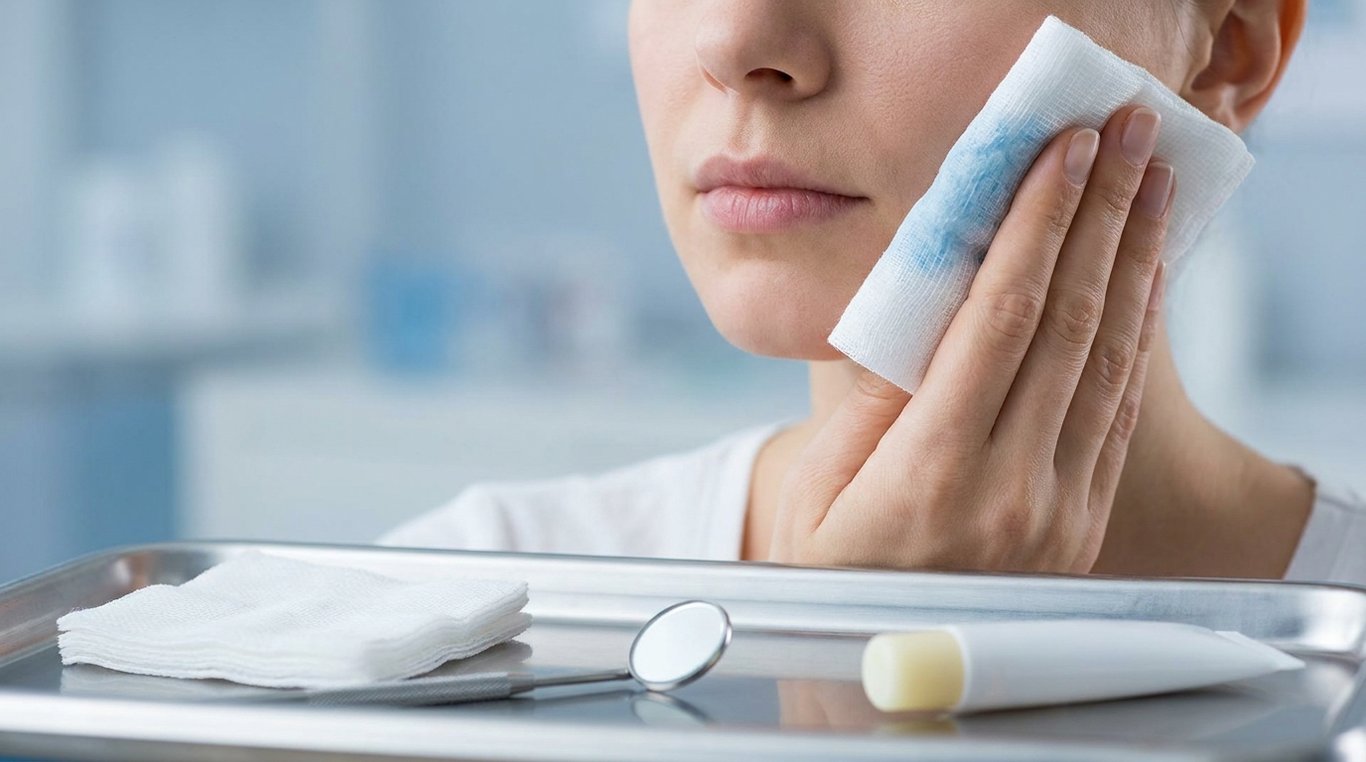
Here's how to handle a soft tissue injury step by step. Begin by gently rinsing the area with clean water to remove debris. Then fold a piece of clean gauze or cloth and apply firm, steady pressure directly to the wound for 10 to 20 minutes without lifting it to check — constant pressure is what helps blood clot. If the injury is on the lip or outside the mouth, apply a cold compress to the outside of the face to reduce swelling. Keep the person calm and seated upright to help slow bleeding. Avoid using cotton balls directly on wounds, as the fibers can stick and disrupt clotting.
Most minor soft tissue injuries respond well to this approach and don't require emergency care. However, there are clear warning signs that mean you need to seek help right away. If bleeding doesn't slow or stop after 20 minutes of consistent pressure, the wound may need sutures. Deep or gaping lacerations, injuries that involve the entire thickness of the lip or tongue, suspected jaw involvement, difficulty closing the mouth, or severe swelling that's growing rapidly all require emergency evaluation. At the ER or urgent care center, treatment may include suturing, imaging to rule out fractures, antibiotics, and appropriate pain management.
Suspected Broken Jaw and Major Facial Trauma
Major trauma to the face — from a fall, a sports collision, a car accident, or a physical altercation — can fracture the jaw or damage the facial bones in ways that go far beyond a typical dental problem. Symptoms of a broken jaw include severe pain in the jaw or face, an inability to close the mouth properly or bite down normally, visible misalignment of the teeth, numbness in the lower lip or chin, bruising under the tongue, and difficulty breathing or swallowing. Any trauma that causes these symptoms should be treated as a medical emergency.
If you suspect a broken jaw, do not attempt to move or realign it yourself. Apply a cold compress gently to the outside of the face to manage swelling, and try to keep the jaw as still as possible — avoid eating, drinking, or talking more than necessary until you're evaluated. If the person is having trouble breathing, call emergency services immediately. Suspected jaw fractures, significant facial trauma, or any injury that also involves a head injury require a hospital emergency room, not a dental office. Imaging, stabilization, and sometimes surgical intervention are needed, and these are resources that only a hospital can provide.
Objects Stuck Between Teeth or in the Mouth
It happens more often than you'd think — a popcorn kernel wedged deep between two teeth, a small bone fragment caught at the gum line, or a piece of a broken dental appliance lodged in the mouth. While these situations are rarely life-threatening, they can cause significant discomfort, bleeding, and even infection if the object damages the gum tissue or gets pushed deeper. The instinct to grab whatever sharp tool is nearby and dig it out is understandable — but it's also one of the quickest ways to make the situation worse.
The safest approach starts with rinsing your mouth thoroughly with warm water to try to dislodge the object naturally. If that doesn't work, use dental floss gently — slide it carefully between the teeth and try to work the object free with a slow, careful back-and-forth motion. Never use sharp or pointed objects like pins, toothpicks, or knives near gum tissue, as they can puncture soft tissue and introduce bacteria. If the object won't budge, if you're experiencing significant pain or bleeding, or if you suspect something has become embedded in the gum, it's time to call your dentist. Trying to force removal can cause more damage than the object itself.
When to Use Pain Relievers, Cold Compresses, and Home Care Safely
Managing pain during a dental emergency is an important part of getting through the crisis until you can see a professional. The two most commonly recommended over-the-counter options are acetaminophen (like Tylenol) and NSAIDs such as ibuprofen (Advil, Motrin) or naproxen (Aleve). Both are effective for dental pain when taken at the correct doses as directed on the packaging. Some evidence suggests that alternating acetaminophen and ibuprofen on a staggered schedule can provide better pain control than either one alone — but always follow dosing instructions and check for any contraindications based on your health history.
Cold compresses are another simple and effective tool during a dental emergency. Applying a cold pack or a bag of ice wrapped in a cloth to the outside of your cheek or jaw helps reduce swelling, numb the area slightly, and ease discomfort. The recommended approach is to apply the compress for 20 minutes on, then 20 minutes off, to avoid skin injury from prolonged cold exposure. Never apply ice directly to the skin. Cold compresses work best in the first 24 to 48 hours after an injury, when swelling is most active.
There are some important safety rules to keep in mind with home care. Never place aspirin or any other painkiller directly on your gum tissue or against a tooth — this is a common myth that actually causes chemical burns to soft tissue. Don't rely on home remedies like clove oil or over-the-counter dental cement as permanent solutions — they can temporarily reduce discomfort but do not treat the underlying problem. Most importantly, home care is always a bridge to professional treatment, not a replacement for it. If your symptoms are severe, worsening, or involve any of the emergency signs discussed in this handbook, arrange professional care immediately.

Emergency Dentist vs ER: Where to Go and How to Prepare
One of the most confusing moments during a dental crisis is figuring out where to go for help. Emergency dentists and hospital emergency departments are not interchangeable — they're equipped to handle very different situations. Hospital ERs have the resources to manage airway emergencies, uncontrolled bleeding, severe infections that have spread to the neck or face, suspected fractures, and head injuries. Emergency dental clinics, on the other hand, are best equipped to handle tooth-specific problems like knocked-out or cracked teeth, severe toothaches, abscesses, and lost restorations.
Here's a simple way to decide: if you're having trouble breathing or swallowing, if your facial swelling is spreading rapidly, if you've sustained significant head or facial trauma, or if bleeding cannot be controlled — go to the ER. If your problem is a knocked-out tooth, a severe toothache, a cracked tooth, or a dental abscess without systemic symptoms like fever or difficulty swallowing — call an emergency dentist. When in doubt, err on the side of caution and call 911 or head to the nearest ER. It's always better to be evaluated and sent home than to wait too long on a serious condition.
When you're heading in for emergency care, a little preparation goes a long way. Bring a list of your current medications, any known allergies, and a brief summary of relevant medical history. If you're transporting a knocked-out tooth, bring it in the storage solution described earlier in this guide — ideally cold milk or saline. When you arrive, be clear and specific about your symptoms, when they started, and how severe the pain is. The care team will likely perform a triage assessment, take imaging if needed, and focus first on pain control and stabilization before moving on to definitive treatment or a referral to a specialist.
Creating a Personal Dental Emergency Kit and Plan
One of the smartest things you can do right now — before any emergency happens — is put together a simple dental emergency kit for your home. It doesn't need to be elaborate. A small, clearly labeled container should include: sterile gauze pads, a clean cloth, a small container with a tight-fitting lid (for storing a knocked-out tooth), over-the-counter pain relievers like ibuprofen and acetaminophen, dental wax, saline solution or access to milk, and a written list of contact information for your regular dentist, a local emergency dental clinic, and the nearest hospital emergency room. Having these items ready means you're not scrambling when stress is high.
Beyond the physical kit, every household should have a basic dental emergency plan in place. Save your dentist's number and an after-hours emergency dental contact in your phone right now. Know where the nearest urgent care center and hospital ER are located. If you have dental insurance, understand what your plan covers for emergency visits so you're not blindsided by costs in the moment. Take a few minutes to walk other household members — including older children — through the basic steps for common dental crises like a knocked-out tooth or a bleeding lip. When everyone knows what to do, panic is replaced by action, and that can make all the difference.
FAQ: Common Questions About Dental Emergencies
1. What is considered a true dental emergency?
A true dental emergency involves symptoms that require immediate professional attention to prevent serious harm. These include uncontrolled bleeding from the mouth, severe and unrelenting pain, a tooth that has been knocked out or pushed out of position, spreading facial or neck swelling, a suspected broken jaw, or any difficulty breathing or swallowing. These situations are distinct from minor issues like a small chip, mild tooth sensitivity, or a loose crown, which are uncomfortable but can typically wait for a scheduled appointment. When in doubt, call a dental professional or emergency line and describe your symptoms — they can help you determine the urgency of your situation.
2. How quickly do I need to act if a tooth is knocked out?
Speed is everything when a permanent tooth is knocked out. The best chance of saving the tooth comes when it's reimplanted within 30 minutes, and viability drops significantly after 60 minutes outside the socket. Every minute counts, so act immediately — find the tooth, handle it by the crown only, keep it moist in milk or saline, attempt gentle reinsertion if possible, and get to an emergency dentist or ER as fast as you can. Do not wrap the tooth in tissue, let it dry out, or store it in plain water, as these will damage the root cells needed for successful reattachment.
3. Can I treat a toothache at home without seeing a dentist?
Home remedies can temporarily ease the discomfort of a toothache, but they cannot treat the underlying cause. Rinsing with warm salt water, gently flossing around the tooth, and taking appropriate doses of ibuprofen or acetaminophen can help reduce pain and inflammation in the short term. However, toothaches are almost always a sign of something that needs professional diagnosis — whether that's a cavity, a crack, an infection, or nerve damage. If the pain is severe, constant, or accompanied by swelling or fever, don't wait. See a dentist as soon as possible to prevent the problem from getting worse.
4. When should I go to the ER instead of an emergency dentist?
Head to the hospital emergency room when your symptoms go beyond the tooth itself and affect your overall health or safety. This includes difficulty breathing or swallowing, severe facial or neck swelling that is spreading, uncontrolled bleeding that won't stop with pressure, suspected fractures of the jaw or facial bones, or any dental problem accompanied by a head injury. For isolated tooth problems — a knocked-out tooth, a cracked tooth, a painful abscess without systemic symptoms, or a severe toothache — an emergency dentist is the more appropriate and efficient choice. Hospitals are generally not equipped to perform dental procedures, but they are essential when the situation becomes medically complex.
5. Is it safe to use aspirin or other painkillers directly on my gums or tooth?
No — placing aspirin or any other painkiller directly on your gum tissue or against a tooth is not safe and should be avoided. Despite being a common home remedy, aspirin applied directly to soft tissue can cause a chemical burn, leading to painful ulcers and additional irritation on top of the original problem. Major dental organizations advise against this practice. The correct way to use oral pain relievers during a dental emergency is to swallow them at the recommended dose with water, just as you would for any other type of pain. If you're unsure what's safe based on your health history, consult a pharmacist or call your doctor.
Conclusion: Putting Your Dental Emergency Knowledge Into Action
The most important thing this handbook has tried to do is replace panic with a plan. Now you understand what separates a true dental emergency from an uncomfortable inconvenience, and you know the step-by-step responses for the crises most likely to catch you off guard — a knocked-out tooth, a cracked or broken tooth, a raging abscess, a soft tissue injury, or major facial trauma. You also know how to use home care tools like cold compresses and pain relievers safely and effectively, and just as importantly, you know what not to do — like placing aspirin on gum tissue or storing a knocked-out tooth in water. These practical details are the bridge between the moment an emergency strikes and the moment a professional takes over.
Going forward, take a few minutes to put together your dental emergency kit, save your emergency dental contacts, and share what you've learned with the people in your household. Emergencies are less frightening when everyone knows the basics. Bookmark The Dental Emergency Handbook: A Step-by-Step Guide for Common Crises so you can find it quickly when you need it — and revisit the step-by-step sections and FAQ periodically so the information stays fresh. If this guide helped you feel more prepared and confident, share it with friends, family, coworkers, and anyone else who could benefit. When minutes matter and stress is high, having the right information at your fingertips can protect a tooth, prevent a serious complication, and maybe even save a life.