The Complete Guide to Gum Disease: Prevention, Symptoms, and Treatment
Published 24 min read
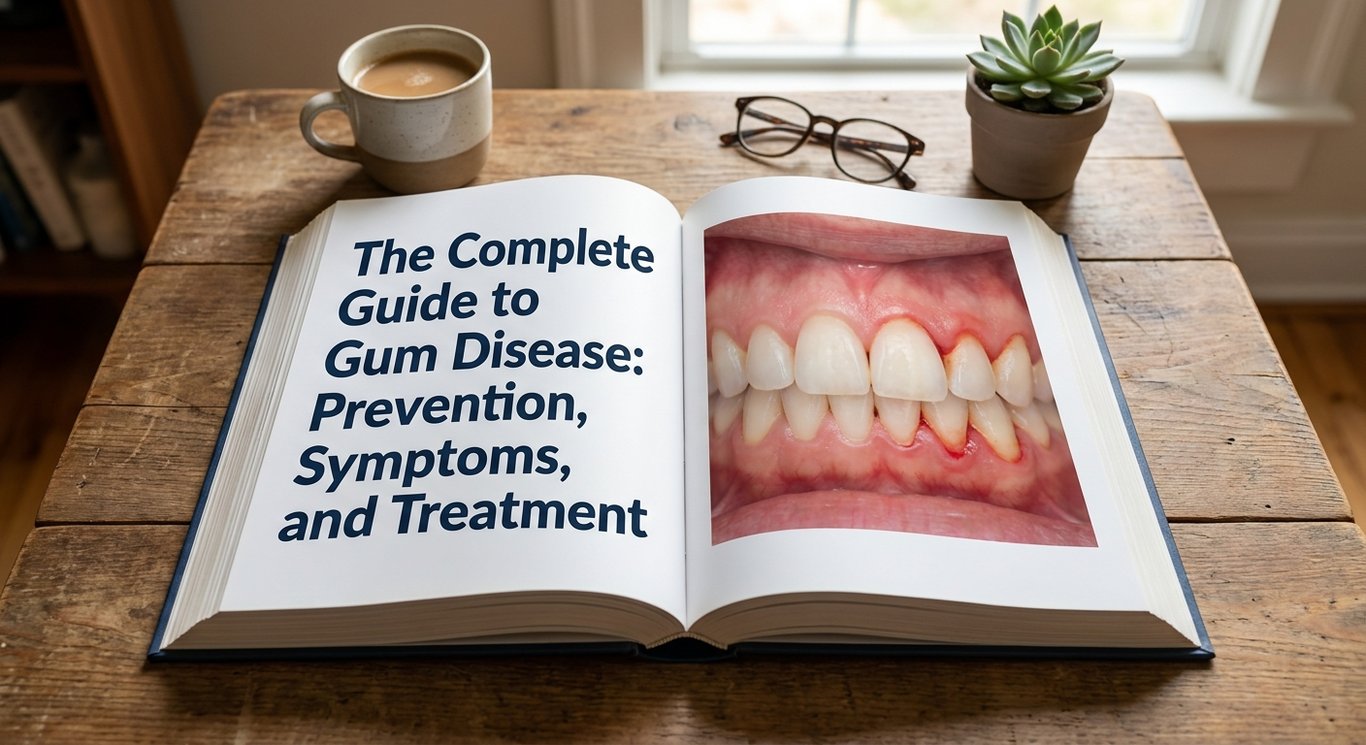
1. What Is Gum Disease?
Gum disease, also known as periodontal disease, is an infection and inflammation of the tissues that surround and support your teeth. It is not a single condition but rather a spectrum that ranges from gingivitis — the earliest, mildest stage — all the way to periodontitis, a more advanced form that can lead to serious damage, including tooth and bone loss. The tissues affected include your gums, the ligaments that hold your teeth in place, and even the jawbone itself. Think of it as a slow-burning fire beneath the surface of your smile — one that can cause significant destruction if left unchecked.
The root cause of gum disease is the buildup of plaque, a sticky film of bacteria that constantly forms on your teeth. When plaque is not removed through regular brushing and flossing, it hardens into a rough substance called tartar, which can only be removed by a dental professional. This buildup triggers an inflammatory response in the gum tissue, which is your body's way of trying to fight off the bacteria. Gum disease is incredibly common — it affects millions of people worldwide — yet many individuals have no idea they have it. That is largely because the early stages are often painless and easy to overlook, making regular dental checkups absolutely essential for catching it early.
2. Types and Stages of Gum Disease
Gingivitis is the earliest and mildest form of gum disease, and the good news is that it is completely reversible. At this stage, the gums become red, swollen, and tend to bleed easily when you brush or floss. You might notice a little pink in the sink after brushing and think nothing of it — but that bleeding is your gums waving a red flag. Fortunately, because the infection has not yet spread to the bone or deeper supporting structures, gingivitis can typically be resolved with improved oral hygiene at home and a professional cleaning at your dentist's office.
If gingivitis is left untreated, it can advance into periodontitis, which is a significantly more serious condition. At this stage, the gums begin to pull away from the teeth, forming pockets that trap bacteria deep below the gumline. The body's immune system responds to this ongoing bacterial invasion, but in doing so, it also starts breaking down the bone and connective tissue that hold your teeth in place. Teeth can become loose, shift position, or eventually fall out altogether. Unlike gingivitis, the damage caused by periodontitis is not fully reversible — which is exactly why catching things early matters so much.
Understanding the progression of gum disease helps explain why timely intervention at every step is so important. The journey typically moves from healthy gums to gingivitis, and then through mild, moderate, and severe stages of periodontitis if left unmanaged. Each step along the way represents increasing destruction to the structures that keep your teeth anchored. The earlier you intervene, the more of your natural tooth structure — and bone — you can preserve. Treating mild gingivitis is far simpler and less costly than managing advanced periodontitis, making prevention and early detection the smartest strategy for long-term oral health.
3. Causes and Risk Factors
The primary cause of gum disease is bacterial plaque — that soft, colorless film that forms on the surface of your teeth every single day. When plaque is not consistently removed through brushing and flossing, it mineralizes and hardens into tartar, also called calculus. Tartar is rough and porous, providing the perfect environment for more bacteria to thrive. As these bacteria accumulate near and below the gumline, they release toxins that irritate the gum tissue and trigger an inflammatory response. It is this chronic inflammation, rather than the bacteria alone, that causes much of the tissue and bone damage associated with gum disease.
While plaque is the primary culprit, several risk factors can make a person significantly more vulnerable to developing gum disease or experiencing a more severe form of it. Poor oral hygiene is the most obvious risk factor, but smoking and tobacco use are also major contributors — they impair blood flow to the gums and suppress the immune response, making it harder for your body to fight infection. Diabetes is another significant risk factor because elevated blood sugar levels create an environment where bacteria thrive and healing is slower. Other contributors include certain medications that cause dry mouth or gum overgrowth, hormonal changes during pregnancy, a genetic predisposition to gum disease, and even crooked or crowded teeth that are simply harder to clean effectively.
Beyond these well-known risk factors, lifestyle and overall systemic health play a surprisingly large role in gum disease. A diet low in essential nutrients — particularly vitamin C — can impair gum tissue health and reduce the body's ability to repair itself. Chronic stress has been shown to weaken the immune system, making it harder to control bacterial infections, including those in the mouth. Dry mouth, whether caused by medications or medical conditions, reduces saliva flow, which normally helps wash away bacteria and neutralize acids. Underlying health conditions such as autoimmune disorders can also worsen gum inflammation and slow healing, which means that managing your overall health is genuinely connected to the health of your gums.
4. Common Signs and Symptoms to Watch For
Catching gum disease early starts with knowing what to look for. The most common early warning signs include gums that bleed easily when you brush or floss, redness or puffiness along the gumline, tenderness when touching the gum tissue, and persistent bad breath or an unpleasant taste in your mouth that does not go away with brushing. These symptoms might seem minor — and many people dismiss them as normal — but they are your body's way of signaling that something is off beneath the surface. None of these signs should be ignored, even if they seem occasional or mild.
As gum disease advances into periodontitis, the symptoms become more noticeable and more concerning. You might notice that your gums appear to be pulling back from your teeth, making the teeth look longer than they used to. Teeth may start to feel loose or begin shifting position, changing the way your upper and lower teeth fit together when you bite. Pain when chewing can develop, and you may notice pus forming between the teeth and gums — a clear sign of active infection. If you wear dentures, you might find that they no longer fit as comfortably as they once did. These are all signs that the disease has progressed and that professional treatment is urgently needed.
One of the most important things to understand about gum disease is that it can be remarkably "silent." Many people experience little to no discomfort, even as significant bone loss is occurring beneath the gumline. This is precisely what makes it so dangerous — by the time it becomes painful, considerable damage may already be done. Any bleeding from the gums, no matter how minor it seems, should be treated as a signal to schedule a dental evaluation. Healthy gums do not bleed when you brush or floss, so that pink tinge in the sink is worth taking seriously.
5. How Gum Disease Is Diagnosed
Diagnosing gum disease involves a thorough dental examination that goes well beyond a quick visual check. Your dentist or dental hygienist will carefully inspect the gums for signs of redness, swelling, and recession, and will use a small ruler-like instrument called a periodontal probe to measure the depth of the pockets between your teeth and gums. Healthy pockets measure around 1 to 3 millimeters; deeper pockets indicate disease. They will also check for bleeding upon probing, tooth mobility, and any changes in how your teeth align. This comprehensive assessment gives your dental provider a clear picture of the extent and severity of any gum disease present.
Dental X-rays are an essential part of diagnosing gum disease, particularly when it comes to identifying bone loss that cannot be seen with the naked eye. X-rays allow dentists and periodontists to evaluate the level of bone supporting each tooth and to spot any areas where bone has been lost due to chronic infection. Based on the combination of clinical measurements and radiographic findings, the severity of the disease is classified — typically as mild, moderate, or severe periodontitis. This classification directly guides the treatment plan, ensuring that the approach is tailored to what is actually happening in your mouth rather than a one-size-fits-all protocol.

6. Prevention: Daily Habits and Professional Care
The foundation of gum disease prevention is a consistent and thorough daily oral hygiene routine. Brushing your teeth at least twice a day for a minimum of two minutes each time — using a soft-bristled toothbrush and fluoride toothpaste — removes the plaque that accumulates on tooth surfaces throughout the day. Equally important is cleaning between your teeth once a day with floss, interdental brushes, or a water flosser, since a standard toothbrush simply cannot reach the spaces where plaque loves to hide. Your dentist may also recommend an antimicrobial mouthwash to help reduce bacterial levels in the mouth, particularly if you are at higher risk for gum disease.
Beyond brushing and flossing, your lifestyle choices have a meaningful impact on gum health. Eating a balanced diet rich in fruits and vegetables — especially those high in vitamin C, which supports healthy gum tissue — helps your body maintain and repair itself. Limiting sugary foods and drinks reduces the fuel available for harmful bacteria to thrive. Staying well hydrated supports saliva production, which naturally helps cleanse the mouth. And if you smoke or use any form of tobacco, quitting is one of the single most impactful things you can do for your gum health — the evidence linking tobacco use to severe gum disease is overwhelming and well-established.
No matter how diligent you are at home, professional dental care remains an irreplaceable part of gum disease prevention. Regular dental cleanings remove tartar buildup that simply cannot be addressed with a toothbrush at home, and routine checkups allow your dental team to spot early warning signs before they progress. For most people, visiting the dentist every six to twelve months is sufficient, but those with a higher risk of gum disease — such as smokers, diabetics, or people with a history of periodontal problems — may benefit from more frequent visits. Think of professional cleanings not as a luxury, but as essential maintenance for your oral health.
Certain groups of people face unique challenges when it comes to gum disease prevention and may need to adapt their routines accordingly. Pregnant individuals experience hormonal shifts that can make gum tissue more sensitive and reactive to plaque, so maintaining meticulous oral hygiene and keeping up with dental appointments during pregnancy is especially important. People with diabetes need to manage their blood sugar levels carefully, as poor glycemic control and gum disease tend to worsen each other in a frustrating cycle. Those undergoing orthodontic treatment with braces should pay extra attention to cleaning around brackets and wires, using specialized tools like interdental brushes or orthodontic flossers to keep plaque from accumulating in hard-to-reach areas.
7. Treatment Options: From Gingivitis to Advanced Periodontitis
The good news about gum disease treatment is that effective options exist at every stage — the key is matching the treatment to the severity of the disease. In general, treatment begins with the least invasive approaches and only escalates to more advanced interventions when the disease is more severe or has not responded adequately to initial therapy. Early-stage disease can often be resolved with relatively simple measures, while advanced periodontitis may require a combination of deep cleaning procedures, medications, and surgical intervention. Your dentist or periodontist will develop a personalized treatment plan based on the stage and extent of your condition.
For gingivitis, treatment is refreshingly straightforward. The focus is on eliminating the plaque and tartar that are driving the inflammation, which is accomplished through a professional cleaning that removes buildup from above the gumline. At the same time, your dental team will coach you on improving your home care routine — because without better daily habits, the problem will simply return. With consistent brushing, flossing, and follow-up professional cleanings, gingivitis can be fully reversed, and the gums can return to a healthy, firm, pink state. It is a genuinely encouraging stage to catch the disease at.
When gum disease has progressed beyond the gumline, a standard cleaning is no longer enough. Scaling and root planing — often called a "deep cleaning" — is the primary non-surgical treatment for periodontitis. During this procedure, a dental hygienist or dentist uses specialized instruments to carefully remove plaque and tartar from below the gumline, reaching deep into the periodontal pockets. The root surfaces of the teeth are then smoothed out, a process called root planing, which makes it harder for bacteria to reattach and allows the gum tissue to heal and reattach to the tooth. The procedure is typically done in sections and may require local anesthesia for comfort.
In some cases, mechanical cleaning alone is not enough to fully control the infection, and medications may be used as an adjunct to treatment. Antimicrobial mouthwashes containing chlorhexidine are commonly prescribed to help reduce bacterial levels in the mouth. Localized antibiotic treatments — such as tiny gel or chip formulations that are placed directly into periodontal pockets after scaling — deliver medication exactly where it is needed without the side effects of systemic antibiotics. In more aggressive cases of infection, oral antibiotics may be prescribed alongside mechanical treatment. These medications support the healing process but are always used in combination with, not as a replacement for, thorough cleaning.
For patients with advanced periodontitis who have not responded adequately to non-surgical treatment, surgical options offer a more direct way to address deep pockets and restore lost tissue. Flap surgery involves lifting back the gum tissue to allow the dentist or periodontist to access and thoroughly clean areas that are too deep to reach otherwise, and the gum is then sutured back into place. Bone grafting procedures can help regenerate bone that has been lost due to chronic infection, using grafting material to encourage new bone growth. Soft tissue grafts can restore receded gum tissue, improving both function and appearance. Regenerative procedures using special membranes or growth factors may also be used to encourage the body to rebuild the supporting structures around the teeth.
8. Living With and Managing Chronic Gum Disease
For many people, gum disease is not a one-time problem that gets treated and disappears — it is a chronic condition that requires ongoing management. Even after successful treatment, some individuals remain susceptible to recurring infection and need to be monitored closely over time. This is where periodontal maintenance comes in: a program of more frequent professional cleanings, typically every three to four months rather than the standard six-month schedule, combined with regular assessments of pocket depths and bone levels. This closer monitoring allows the dental team to catch any signs of disease activity early and intervene before significant damage occurs again.
Maintaining the results of gum disease treatment over the long term requires a genuine commitment to daily oral hygiene. Brushing and flossing consistently, following the recall schedule recommended by your dental provider, and managing any systemic conditions that affect gum health — such as keeping blood sugar levels under control if you have diabetes — are all essential components of long-term success. Avoiding tobacco is equally critical, as smoking dramatically increases the risk of disease recurrence and slows the healing of gum tissue. Essentially, the lifestyle habits that help prevent gum disease in the first place are the same ones that keep it from coming back after treatment.
Living with chronic gum disease can also involve emotional and practical challenges that are worth acknowledging. Tooth loss, whether from gum disease or its treatment, can affect confidence, eating habits, and overall quality of life. Fortunately, once the disease is under control, restorative options such as dental implants, bridges, or dentures can help restore both function and appearance. It is important to address tooth replacement only after the gum disease itself has been stabilized — placing implants in an actively infected mouth is unlikely to succeed. Staying motivated for long-term oral care can be challenging, but understanding the real consequences of neglect — and the genuine improvements that consistent care can bring — makes the effort worthwhile.
9. Gum Disease and Overall Health (Systemic Links)
The health of your gums is more closely tied to your overall physical health than most people realize. Research has established associations between chronic gum disease and a range of systemic conditions, including cardiovascular disease, adverse pregnancy outcomes such as preterm birth and low birth weight, and difficulty controlling blood sugar in people with diabetes. These connections are not coincidental — they reflect the fact that chronic inflammation in the gums does not stay neatly contained within the mouth. The body is an interconnected system, and what happens in one part of it can have ripple effects elsewhere.
One of the proposed mechanisms behind these systemic connections involves the way bacteria and inflammatory mediators from periodontal pockets can enter the bloodstream. When gum tissue is infected and inflamed, the barrier between the oral environment and the circulatory system becomes more permeable, allowing bacteria and the byproducts of inflammation to travel through the blood to other parts of the body. Research suggests this may contribute to the buildup of arterial plaque, influence inflammatory processes in the heart and blood vessels, and complicate the management of conditions like diabetes. While the exact nature of these relationships is still being studied, the evidence is compelling enough to take seriously.
Major health organizations around the world now recognize gum disease as part of a broader picture of overall health, not just an isolated dental issue. While researchers continue to refine their understanding of exactly how periodontal disease interacts with systemic conditions, the consensus is clear: managing gum disease is an important component of comprehensive health care, particularly for people who already have chronic conditions like heart disease or diabetes. Treating gum disease may not cure those conditions, but it removes one significant source of chronic inflammation from the equation — and that is a meaningful step toward better overall well-being.

10. Special Considerations for Children, Teens, and Older Adults
Gum disease is not exclusively an adult problem — children can develop gingivitis too, and it is more common in young people than many parents expect. Plaque-related gingivitis in children typically presents with red, swollen gums that bleed during brushing, and it is usually tied to inconsistent or ineffective oral hygiene habits. This is why establishing good brushing and flossing routines early in childhood is so important — habits formed young tend to stick. Parents should supervise brushing until children are old enough to do it effectively on their own, and should seek dental advice if they notice persistent bleeding gums, as this is not something to simply wait out.
Teenagers and young adults face their own set of gum health challenges. Orthodontic appliances like braces create numerous nooks and crannies where plaque can accumulate, making thorough cleaning significantly more difficult and increasing the risk of gum inflammation. Smoking and vaping — which remain prevalent among teens despite public health efforts — are particularly damaging to gum tissue and can accelerate the development of periodontal disease at a young age. Additionally, a more aggressive form of periodontitis can occasionally appear in otherwise healthy adolescents and young adults, causing rapid bone loss that may not be immediately obvious. Early and regular dental monitoring during these years is essential for catching problems before they become serious.
Older adults face a distinct set of challenges when it comes to maintaining gum health. Many medications commonly prescribed in later life — including antihistamines, antidepressants, and blood pressure medications — can cause dry mouth, which reduces the protective effects of saliva and creates a more favorable environment for bacteria. Existing dental restorations like crowns, bridges, and dentures can make cleaning more complicated. Limited hand dexterity due to arthritis or other conditions can make effective brushing and flossing physically difficult. For older adults, adaptive tools such as electric toothbrushes, floss holders, and water flossers can make a significant difference, and more frequent professional cleanings may be necessary to compensate for the challenges of home care.
11. When to See a Dentist or Periodontist
There are certain symptoms that should prompt you to make a dental appointment without delay. If you experience persistent bleeding from the gums — especially if it happens regularly during brushing or flossing — that is a clear signal worth acting on. Similarly, any noticeable swelling, chronic bad breath that does not respond to brushing, visible gum recession, teeth that feel loose or have shifted position, or pain when chewing are all red flags that warrant professional evaluation. Do not wait for these symptoms to become severe or painful before seeking care — remember, gum disease is often most treatable in its earlier stages, long before significant discomfort sets in.
When it comes to who to see, your general dentist is typically the right first stop. They can evaluate your gum health, provide professional cleanings, and manage mild to moderate gum disease effectively. However, if your condition is more advanced, if you have not responded well to initial treatment, or if you have complex risk factors, a referral to a periodontist — a dentist who specializes in the prevention, diagnosis, and treatment of gum disease — may be recommended. At a periodontal consultation, you can expect a thorough examination including detailed pocket depth measurements, a review of X-rays, a discussion of your medical and dental history, and a comprehensive treatment plan tailored specifically to your needs. It is a collaborative process, and you should feel comfortable asking questions at every step.
12. Frequently Asked Questions (FAQ) About Gum Disease
12.1 Can gum disease be cured or is it permanent?
The answer depends on the stage of the disease. Gingivitis — the earliest form — can usually be fully reversed with proper professional treatment and improved daily oral hygiene, leaving no lasting damage to the gum tissue or bone. Periodontitis, on the other hand, is generally not considered "curable" in the traditional sense, because the bone and tissue loss that occurs during active disease cannot be completely undone. However, periodontitis can absolutely be controlled and stabilized. With the right treatment and consistent maintenance, the disease can be stopped in its tracks, preventing further damage and allowing patients to keep their teeth for many years. Think of it less like a cure and more like managing a chronic condition — very doable with the right commitment.
12.2 How long does it take to treat gum disease?
The timeline for treating gum disease varies depending on its severity. Gingivitis can often be brought under control within days to a few weeks with professional cleaning and improved home hygiene, with gum tissue returning to a healthy state relatively quickly. Treating periodontitis takes longer — the initial phase of scaling and root planing is typically spread over multiple appointments, and the healing process that follows can take several weeks to a few months before your dental team can fully assess the results. After that initial treatment phase, lifelong maintenance visits are necessary to keep the disease from returning. Gum disease treatment is not a quick fix; it is an ongoing commitment to your oral health.
12.3 Is gum disease contagious?
This is a question that surprises many people, but it has a nuanced answer. The bacteria associated with gum disease can indeed be transferred from one person to another through saliva — for example, through kissing or sharing utensils. However, the simple presence of these bacteria in someone's mouth does not automatically mean they will develop gum disease. Whether or not the disease actually takes hold depends on a combination of factors, including the individual's oral hygiene habits, their immune response, genetic susceptibility, and other risk factors. So while it makes sense to be mindful — particularly if your partner has active gum disease — there is no need for alarm. Good oral hygiene remains your best defense regardless of exposure.
12.4 Can I treat gum disease at home without a dentist?
Good home care is absolutely essential for preventing and managing gum disease, but it has real limitations when it comes to treating established disease on its own. Brushing and flossing can remove soft plaque from tooth surfaces, but they cannot remove hardened tartar, which requires professional instruments to eliminate. More importantly, home care cannot reach the deep pockets that form in periodontitis, where bacteria continue to cause damage below the gumline. For mild gingivitis, improved home hygiene combined with a professional cleaning can often resolve the problem. But for anything beyond the earliest stage, professional evaluation and treatment are not optional — they are necessary. Attempting to manage moderate or advanced gum disease at home without dental care is a bit like trying to treat a broken bone with a bandage.
12.5 What happens if gum disease is left untreated?
Leaving gum disease untreated sets off a predictable and increasingly serious chain of events. What starts as occasional bleeding gums and mild bad breath can progress to persistent gum recession, where the gumline visibly pulls back and makes teeth appear longer. As the infection continues unchecked, the bone supporting the teeth begins to deteriorate, causing teeth to loosen and shift. Eventually, teeth may become so unstable that they fall out or need to be extracted. Beyond the mouth itself, untreated gum disease has been associated with broader health concerns, including increased cardiovascular risk and complications with diabetes management. The bottom line is clear: the longer gum disease goes untreated, the more difficult and costly it becomes to manage, and the greater the toll on both oral and overall health.
13. Conclusion and Key Takeaways
Gum disease is one of the most common health conditions in the world, yet it remains widely misunderstood and underestimated. As this guide has explored, it ranges from the fully reversible gingivitis to the more serious and destructive periodontitis, with a well-defined set of causes, risk factors, symptoms, and treatment options at every stage. The central message is an encouraging one: gum disease is largely preventable, and when it does develop, it is very manageable with the right combination of consistent home care, regular professional visits, and timely treatment that matches the stage of the disease. You do not have to lose your teeth to gum disease — not if you stay informed and take action.
Now that you have a thorough understanding of gum disease, the next step is to put that knowledge to work. Take a moment to honestly assess your own gum health — are your gums bleeding when you brush? Have you noticed any recession or sensitivity? When did you last have a professional cleaning? If any of the warning signs described in this guide sound familiar, do not put off scheduling a dental evaluation. Upgrade your daily oral hygiene routine, commit to your regular dental appointments, and if you have specific risk factors like diabetes or a smoking habit, address those as part of your overall health strategy. Your gums — and the rest of your body — will thank you for it. Taking care of your gum health today is genuinely one of the best investments you can make in your long-term well-being.