Smile of the Future: Decoding the Tech in Your Dentist's Office
Published 27 min read
What "Smile of the Future" Really Means in Modern Dentistry
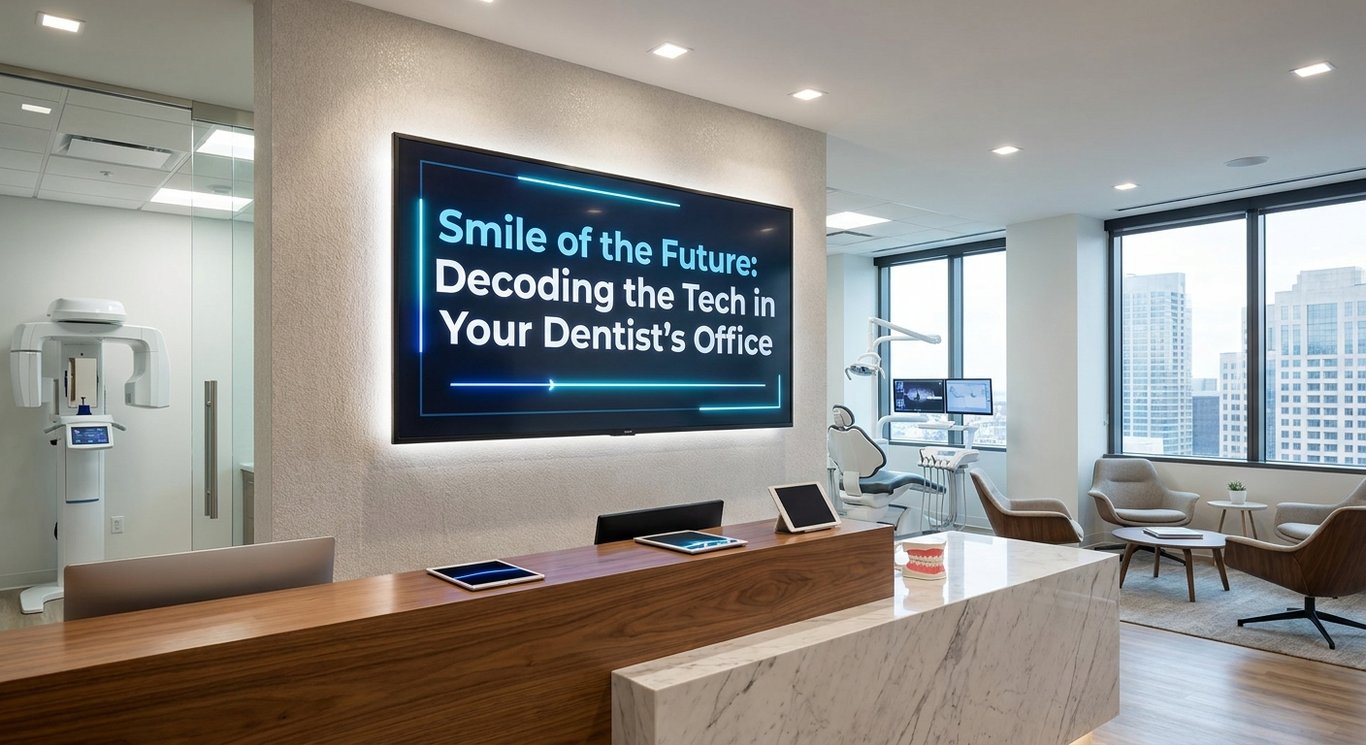
Dentistry has changed dramatically over the past two decades, and if you have not visited a dental office recently, you might be surprised by what you find. The field is rapidly becoming more digital, data-driven, and personalized than ever before. From the moment you check in to the moment you leave, technology is quietly working in the background to make your experience faster, more comfortable, and more accurate. Patients are spending less time in the chair, needing fewer follow-up appointments, and walking away with results that fit better and last longer. This shift is not just about fancy gadgets — it reflects a genuine rethinking of how dental care is delivered, with the patient's comfort and long-term health at the center of every decision.
When people talk about the "Smile of the Future," they are really talking about a blend of tools and systems that are already showing up in dental offices across the country. Advanced imaging, artificial intelligence, robotics, 3D printing, and even telehealth consultations are all part of this picture. For many patients, walking into a high-tech dental office can feel a little overwhelming or even intimidating. But here is the good news: understanding what these tools actually do — and why your dentist is using them — can make a real difference in how comfortable and confident you feel. Knowledge reduces anxiety, and an informed patient is almost always a less stressed one.
From X‑rays to 3D: Imaging Technologies Transforming Checkups
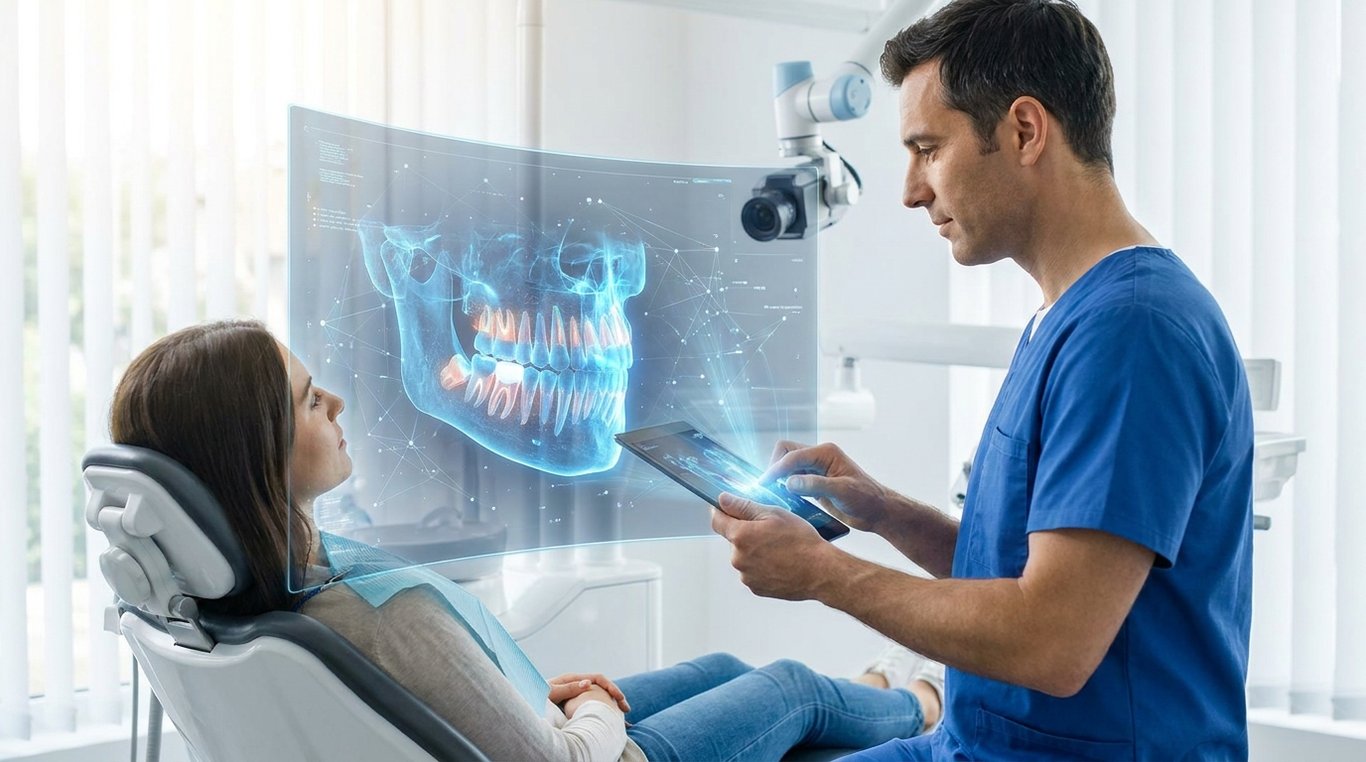
Not too long ago, a dental X-ray meant biting down on a stiff piece of film and waiting while a technician disappeared into a darkroom to develop the image. Today, that process looks almost nothing like it used to. Digital radiographs have largely replaced traditional film X-rays, producing images almost instantly on a screen right next to your chair. Beyond that, cone beam computed tomography — commonly called CBCT — takes things a step further by creating detailed three-dimensional images of your teeth, jawbone, nerves, and sinuses. This level of detail was simply not possible with older technology, and it gives dentists a much clearer picture of what is happening beneath the surface before they ever pick up a tool.
Intraoral cameras are another imaging tool that has quietly transformed the routine checkup. These small, pen-sized devices are inserted into the mouth and capture high-resolution video and images of your teeth and gums in real time. Instead of relying solely on what a dentist can see with a mirror and a light, both you and your dentist can look at the same image on a screen together. This makes it much easier to spot early signs of decay, cracking, or gum disease — often before they become serious problems. Earlier detection almost always means simpler, less invasive treatment, which is a win for everyone involved.
One of the most common questions patients ask about all this imaging is whether it means more radiation exposure. It is a fair concern, and the short answer is: not really. Digital X-rays actually use significantly less radiation than traditional film-based systems — sometimes up to 80 percent less. CBCT scans do involve a higher dose than standard X-rays, but dentists are trained to use them only when the diagnostic benefit clearly outweighs any small risk. More imaging does not automatically mean more cost or unnecessary exposure; it means your dentist has better information to work with. And better information almost always leads to better care.
Intraoral Scanners and Digital Impressions: Goodbye Goop Trays
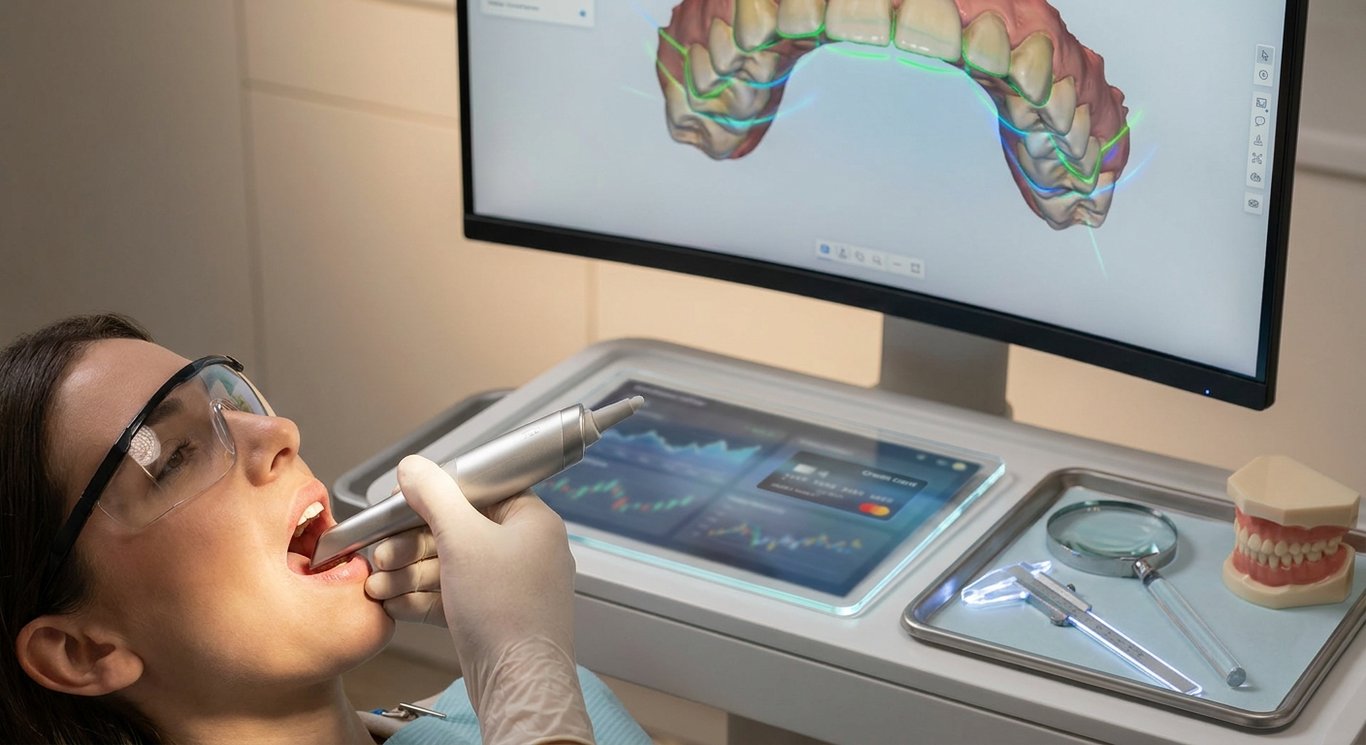
If you have ever had a dental impression taken the old-fashioned way, you probably remember it well — and not fondly. A tray loaded with thick, goopy material gets pressed into your mouth, and you have to hold still while it sets, trying not to gag. Intraoral scanners have made that experience largely a thing of the past. These handheld devices use light or lasers to capture thousands of data points from the surfaces of your teeth in just a few minutes, creating a precise digital model of your mouth. The process is faster, cleaner, and far more comfortable, especially for patients with a strong gag reflex or dental anxiety.
The accuracy of digital impressions is one of their biggest advantages. Because the data is captured digitally, there is no risk of the impression material distorting or shrinking as it dries, which was a common source of error with traditional methods. That digital file can be sent instantly to an in-office milling unit or to a dental laboratory anywhere in the world, where technicians use it to fabricate crowns, aligners, implants, bridges, and dentures with exceptional precision. The result is a restoration that fits better right from the start, which means fewer adjustments and a more comfortable outcome for the patient.
Some of the newest intraoral scanners also incorporate AI-powered features that make them even more useful. As the scanner captures images, built-in software can flag areas that look suspicious — early signs of decay between teeth, for example, or wear patterns that might indicate grinding. This gives the dentist an additional layer of analysis to consider alongside their own clinical judgment. It is a bit like having a very attentive assistant who never blinks and never gets tired. The combination of high-quality imaging and intelligent software is raising the standard of what a routine scan can actually tell us about your oral health.
3D Printing, CAD/CAM, and Same‑Day Dentistry
CAD/CAM stands for computer-aided design and computer-aided manufacturing, and in dentistry, it refers to the process of using software to design a restoration and then using a milling machine or 3D printer to fabricate it. In plain terms, it means your dentist can design a crown, veneer, or bridge on a computer screen and have it made right in the office — sometimes in under an hour. 3D printing takes a similar approach but builds the restoration layer by layer from a digital file rather than carving it from a block of material. Both technologies allow for a level of customization and precision that was simply not possible with older methods, and they are increasingly common in practices of all sizes.
A same-day crown visit is one of the most dramatic examples of how this technology changes the patient experience. In the traditional process, getting a crown meant two separate appointments — one to prepare the tooth and take an impression, and another a week or two later to place the permanent crown. In between, you would wear a temporary crown that could come loose or feel uncomfortable. With CAD/CAM technology, the dentist prepares the tooth, scans it digitally, designs the crown on screen, mills it from a ceramic block, and cements it in place — all in a single visit. For busy patients, that kind of efficiency is a genuine quality-of-life improvement.
Naturally, patients want to know whether same-day restorations are as good as lab-made ones. The honest answer is that for most routine cases, the quality is excellent and the fit is comparable or better than traditional methods. Modern ceramic materials used in CAD/CAM milling are strong, natural-looking, and durable. That said, highly complex cases — like full-mouth reconstructions or certain types of bridges — may still benefit from the expertise of a specialized dental laboratory. Cost is another consideration; same-day technology can sometimes be more expensive upfront, though it often saves money by eliminating the temporary crown and the second appointment. As with most things in dentistry, the best option depends on your specific situation.
Lasers, Robots, and High-Tech Treatment Tools
Laser dentistry might sound like something out of a science fiction movie, but it has been a legitimate part of dental care for decades and is becoming more widely available all the time. Dental lasers can be used for a surprisingly wide range of procedures: treating cavities, reshaping gum tissue, treating gum disease, removing soft tissue growths, and even whitening teeth. One of the biggest advantages of laser treatment is that it is often far less traumatic to surrounding tissue than traditional cutting tools. Patients frequently report less pain during and after the procedure, less bleeding, and faster healing times. In some cases, laser treatment can even reduce or eliminate the need for anesthesia.
Robotic and computer-guided systems are making their way into dental offices as well, particularly for implant placement. Placing a dental implant requires extremely precise positioning — the implant must go in at exactly the right angle and depth to integrate properly with the bone and support the final restoration. Computer-guided surgery uses detailed 3D scans of the patient's jaw to plan the procedure virtually before a single incision is made. A surgical guide — often 3D-printed — is then used during the actual procedure to ensure the implant is placed exactly where the plan specifies. The result is a safer, more predictable outcome with less guesswork involved.
It is worth addressing the elephant in the room: a lot of people hear "robots" and immediately picture a machine doing surgery without any human involvement, which understandably raises some eyebrows. In reality, dental robotics and computer-guided systems are assistive tools — they help the dentist do their job more precisely and safely, but the dentist is always in control. Think of it like GPS navigation: the technology helps you get where you are going more efficiently, but you are still the one driving. The dentist's clinical judgment, training, and hands-on skill remain essential. These tools are designed to reduce human error, not to replace the human.
AI in Your Dentist's Office: Smarter Diagnostics and Planning
Artificial intelligence is showing up in dental offices in ways that most patients never even notice, but the impact on the quality of care can be significant. AI-powered software can analyze X-rays, photographs, and scans with remarkable speed and accuracy, flagging potential issues like cavities, bone loss, cracked teeth, and even early signs of oral cancer. The software does not replace the dentist's eye — it acts as a second set of eyes, drawing attention to areas that might be easy to miss in a busy practice. Studies have shown that AI-assisted diagnosis can improve detection rates for certain conditions, which means problems get caught earlier and treated more effectively.
Beyond diagnosis, AI is also being used to support treatment planning and digital smile design. By analyzing a patient's facial structure, tooth proportions, and aesthetic goals, AI-powered design tools can generate a preview of what the finished result might look like — before any treatment begins. This helps patients visualize and understand what they are agreeing to, and it helps dentists plan more precisely. Some systems can even analyze patterns in a patient's data over time to predict future risks, such as which teeth are most likely to develop problems based on their current condition and history. It is a genuinely impressive application of technology that makes dental care feel more personalized.
Of course, AI in healthcare raises legitimate questions about privacy, accuracy, and ethics, and dental AI is no exception. Patients reasonably want to know who has access to their data, how it is being used, and whether the AI's recommendations are reliable. The good news is that reputable AI systems used in dentistry are subject to regulatory oversight, and the dentist — not the algorithm — remains legally and professionally responsible for every diagnosis and treatment decision. AI tools go through clinical validation before they reach the market, and professional dental organizations continue to develop guidelines for their ethical use. As with any technology in medicine, transparency and professional accountability are key safeguards.
Digital Records, Teledentistry, and Connected Care
Electronic health records have transformed how dental practices store and manage patient information. Instead of paper charts stuffed into filing cabinets, your treatment history, X-rays, photographs, and notes are stored securely in a digital system that can be accessed instantly. Many practices now offer patient portals where you can view your own records, see upcoming appointments, receive treatment summaries, and communicate with your care team. When integrated with your broader medical records, this connected approach allows dentists and physicians to share relevant information — which matters more than most people realize, since oral health and overall health are deeply linked. A dentist who can see that you are on blood thinners or have a history of heart disease can make much safer and more informed treatment decisions.
Teledentistry is another development that has gained significant momentum, especially since the COVID-19 pandemic pushed healthcare of all kinds toward remote options. Virtual consultations allow patients to connect with a dentist via video call for initial assessments, follow-up questions, second opinions, and monitoring of ongoing conditions. For people who live in rural areas, have mobility limitations, or simply cannot take time off work for a non-urgent appointment, teledentistry can be genuinely life-changing. That said, it is not a replacement for in-person care — a dentist cannot take X-rays, perform a hands-on exam, or do any actual treatment through a screen. It works best as a complement to traditional visits, helping patients get faster access to guidance and triage when they need it most.
Comfort, Experience, and Anxiety: How Tech Changes Your Visit
For many people, dental anxiety is a very real barrier to getting the care they need. Fortunately, technology is helping to address that in some genuinely creative ways. Quieter handpieces and drills reduce the sensory overload that many anxious patients dread. Needle-free anesthesia delivery systems and advanced topical numbing techniques make injections far less intimidating than they used to be. Some offices even offer computer-controlled anesthetic delivery, which releases the medication at a slow, steady rate that minimizes discomfort. And for patients with severe anxiety, virtual reality headsets are starting to appear in forward-thinking practices — allowing patients to mentally escape to a calm environment while their treatment is completed. It sounds a little unusual, but the research supporting VR for dental anxiety is genuinely promising.
Technology is also changing how patients understand and engage with their own care. Chairside screens allow dentists to show patients real-time images of their teeth and explain exactly what is happening and why. Three-dimensional models and digital simulations can show a patient what a proposed treatment will look like before it is done, making it much easier to give informed consent and set realistic expectations. When patients can see the problem with their own eyes and understand the proposed solution, they tend to feel far less anxious and far more involved in the decision-making process. That sense of partnership — rather than just sitting passively while something is done to you — is one of the most meaningful ways technology is improving the dental experience.
Safety, Accuracy, and Cost: What Patients Ask Most About Dental Tech
Three questions come up again and again when patients encounter new dental technology: Is it safe? Is it actually better than the old way? And what is it going to cost me? Starting with safety — the technologies that have become mainstream in dental offices have gone through extensive clinical testing and regulatory review. Digital X-rays, intraoral scanners, CAD/CAM systems, lasers, and AI diagnostic tools all have established safety profiles. In most cases, these technologies reduce risk compared to older methods — less radiation exposure, less physical trauma to tissue, fewer errors in restoration fit. The safety track record for these tools is strong, and it continues to improve as more clinical data is gathered.
On the question of accuracy, the evidence is similarly encouraging. Studies consistently show that digital impressions are at least as accurate as traditional ones — and often more so — especially for complex restorations. AI-assisted diagnostics have demonstrated improved detection rates for early cavities and other lesions compared to unaided human review alone. Computer-guided implant placement reduces the margin of error in a procedure where precision is everything. Fewer errors mean fewer remakes, fewer complications, and fewer additional appointments — which is good for the patient and, ultimately, good for the overall cost of care even if the upfront price is higher.
Speaking of cost, this is where things get a little more nuanced. Some technologies do carry higher upfront fees — a same-day crown made in-office, for example, may cost more than a traditionally made one at some practices, though the convenience factor is significant. Insurance coverage for newer technologies varies widely; some plans cover digital X-rays the same way they covered film, while others may not yet recognize certain AI-assisted diagnostics as separately billable services. The best approach is to ask your dentist directly: What is this technology adding to my care? How does it affect the fee? Are there alternatives? A good dental practice will be transparent about these questions and help you weigh the value for your specific situation.
How to Talk to Your Dentist About New Technology
Walking into a high-tech dental office does not mean you have to accept every tool or procedure without question. In fact, asking thoughtful questions is one of the best things you can do for your own care. Before agreeing to any tech-assisted procedure, it is completely reasonable to ask your dentist to explain the clinical benefit in your specific case — not just in general terms, but for your particular tooth, your particular condition, and your particular treatment goals. Ask about the risks and benefits, whether there are alternative approaches, what the procedure will cost and whether insurance covers it, and how much experience the dental team has with this specific technology. A dentist who welcomes these questions is one you can trust.
To make it easier, consider bringing a short list of questions to your next appointment. Some useful ones include: "Why are you recommending this imaging test for me specifically?" "How does using this scanner or this laser change my outcome compared to the traditional approach?" "How long has your practice been using this technology, and what training have you completed?" "Will this affect my bill, and how?" "What happens if something goes wrong — is there a backup plan?" You do not need to be an expert to ask these questions. You just need to be curious and willing to advocate for yourself. Dentists who use technology thoughtfully will be happy to explain it, because they know that an informed patient is also a more cooperative and confident one.
Future Horizons: Regenerative Dentistry, Smart Materials, and Beyond
The technologies already in use today are impressive, but what is coming next is genuinely exciting. Regenerative dentistry is one of the most promising frontiers — researchers are actively working on techniques that could help the body regrow lost tooth structure, repair damaged pulp tissue, or even stimulate the growth of entirely new teeth. Some early-stage research has shown that certain proteins and stem cell therapies can encourage the formation of new dentin, the hard tissue beneath the enamel. While most of these approaches are still in research or early clinical trials, the direction of travel is clear: toward repairing and regenerating rather than simply replacing.
Smart materials and biosensors are another area to watch. Researchers are developing dental materials that can release antibacterial agents over time, reducing the risk of decay around a restoration. Salivary biosensors — tiny diagnostic tools that analyze your saliva — could one day provide real-time data about your risk for cavities, gum disease, or even systemic conditions like diabetes. Genetic and personalized dentistry is also on the horizon, with the idea that your treatment plan could one day be tailored to your specific genetic risk factors and oral microbiome. It sounds futuristic, but the foundational science is already being developed in laboratories around the world.
It is important to be realistic about the timeline for some of these innovations. Marketing materials in dentistry — like in many healthcare fields — sometimes make emerging technologies sound more available or proven than they actually are. If a practice is advertising something that sounds cutting-edge, it is worth asking whether it is an established clinical tool or something still in early development. The overall trend, though, is clear and genuinely encouraging: dentistry is moving toward more preventive, minimally invasive, and highly personalized care. The goal is not just to fix problems when they arise, but to anticipate and prevent them — and to connect oral health to your overall physical wellbeing in ways that were not possible even a decade ago.
How to Choose a Tech‑Forward Dental Practice
Not every practice that advertises "state-of-the-art technology" is using it thoughtfully or effectively. The key is to look for evidence that technology is genuinely integrated into how the practice diagnoses, educates, treats, and follows up with patients — not just displayed in the waiting room as a marketing prop. A practice that uses an intraoral camera to show you exactly what is happening with your teeth and explain your options is using technology to serve you. A practice that runs every new patient through a battery of high-tech scans without explaining why is a different story. The quality of the conversation around the technology matters just as much as the technology itself.
When researching a practice, look at their website to see what tools they describe and how they explain the benefit to patients. Read reviews and pay attention to comments about communication, transparency, and whether patients felt informed. When you visit, ask about the team's training and certifications on specific technologies — many tools require dedicated continuing education to use effectively. And do not underestimate the importance of bedside manner. The most sophisticated dental office in the world is not the right fit if the team does not listen to you, explain things clearly, or make you feel comfortable. Technology should enhance the relationship between you and your dentist, not replace it.
FAQ: Common Questions About "Smile of the Future" Dental Technology
Is all this new dental technology really necessary, or is it just a gimmick?
It is a fair question, and the honest answer is: it depends on the technology and how it is being used. Most of the mainstream tools you are likely to encounter — digital X-rays, intraoral scanners, CAD/CAM systems, dental lasers, and AI-assisted diagnostics — are not gimmicks. They exist because they solve real problems: improving accuracy, reducing patient discomfort, speeding up treatment, and catching issues earlier. The clinical evidence behind these tools is substantial, and they have been adopted widely precisely because they deliver measurable benefits over older methods. That said, not every new device or feature that gets marketed to dental practices is equally well-supported, and some are genuinely more about differentiation than clinical necessity.
The best way to evaluate any technology your dentist recommends is to ask a simple question: "What specific problem does this solve for me in my situation?" If the dentist can give you a clear, logical answer — "This scanner gives us a more accurate impression for your crown, which means a better fit and fewer adjustments" — that is a good sign. If the answer feels vague or more like a sales pitch, it is okay to push back or seek a second opinion. Technology should always serve a clinical purpose, and a confident, ethical dentist will never have trouble explaining what that purpose is.
Does advanced imaging like 3D scans expose me to more radiation?
Radiation exposure is one of the most common concerns patients raise about dental imaging, and it is worth putting the numbers in perspective. Modern digital X-rays use significantly less radiation than traditional film-based systems — the reduction can be as much as 70 to 80 percent. A full set of digital dental X-rays exposes you to roughly the same amount of radiation as a short airplane flight, which most people do not think twice about. Cone beam CT scans do involve a higher dose than standard dental X-rays, but they are still well within the range considered safe for diagnostic purposes, and they provide a level of three-dimensional detail that can be critical for planning implants, evaluating impacted teeth, or assessing jaw conditions.
Dentists are trained to follow the principle of using the lowest dose necessary to get the information they need — a concept known in radiology as ALARA, which stands for "as low as reasonably achievable." They also use protective shielding such as lead aprons when appropriate. For children and pregnant patients, dentists apply extra caution and typically avoid CBCT unless there is a compelling clinical reason. The decision to order any imaging is always a judgment call that weighs the benefit of the information against the small risk of the exposure, and responsible dentists make that call carefully every time.
Are AI diagnostics and robots replacing my dentist?
No — and this is worth being very clear about. AI diagnostic tools and robotic systems in dentistry are assistive technologies, not autonomous ones. An AI program that flags a suspicious area on an X-ray is giving the dentist more information to work with, not making a diagnosis on its own. A computer-guided implant system helps the dentist place the implant with greater precision, but the dentist is still the one performing the procedure. The clinical judgment, the ethical responsibility, and the hands-on skill all remain with the human professional. Regulations in every major country are clear that the dentist — not the machine — is legally responsible for every diagnosis and treatment decision made in their practice.
Think of these tools the way you might think of a GPS system or a spell-checker: they make the job easier and reduce the chance of certain kinds of errors, but they do not replace the expertise and judgment of the person using them. If anything, AI and robotics allow dentists to focus their energy on the parts of care that truly require human skill and empathy — building trust with patients, making nuanced clinical decisions, and providing hands-on treatment. The dentist-patient relationship is not going anywhere.
Is tech‑enhanced dentistry more expensive, and will insurance cover it?
The cost picture with dental technology is genuinely mixed. Some technologies do add to the upfront cost of a procedure — a same-day crown made with in-office CAD/CAM equipment, for example, may carry a higher fee than a traditionally made one at some practices, though you are also saving the cost of a temporary crown and a second appointment. Advanced imaging like CBCT scans may involve an additional fee beyond standard X-rays. On the other hand, technologies that improve accuracy and reduce complications can actually lower your total cost of care over time by preventing the need for remakes, additional procedures, or emergency visits. It is worth thinking about value over the long term, not just the immediate bill.
Insurance coverage for newer dental technologies is a patchwork situation that varies by plan and by provider. Many insurers cover digital X-rays at the same rate as film X-rays, but coverage for CBCT, AI-assisted diagnostics, or same-day restorations is less consistent. The best approach is to ask your dental office to provide a pre-treatment estimate that breaks down the costs and indicates what is likely to be covered. Do not be shy about asking how the use of a specific technology affects the fee, and whether there is a more traditional alternative if cost is a concern. A transparent practice will give you straight answers.
How do I know my digital dental records and images are secure?
Data security is a legitimate concern, and reputable dental practices take it seriously. In the United States, dental records are protected under HIPAA, which requires practices to implement specific safeguards for electronic health information — including encryption, access controls, audit logs, and secure transmission protocols. When your X-rays or scans are sent to a dental laboratory or specialist, that sharing must also comply with privacy regulations. Most modern dental practice management systems are designed with these requirements built in, and practices that handle data carelessly face significant legal consequences. That said, no system is completely immune to risk, which is why it is reasonable to ask about a practice's specific security measures.
As a patient, you have the right to know how your information is stored, who has access to it, and how it is shared. You can ask your dental office directly: "What system do you use to store records, and how is it secured?" "When you send my images to a lab, how is that transmission protected?" "Do I have the right to access or request a copy of my records?" You also have the right to request that your information not be shared for purposes beyond your direct care. Being proactive about these questions is not paranoid — it is smart. A practice that values patient privacy will welcome the conversation and give you clear, confident answers.
Conclusion: Embracing the "Smile of the Future" With Confidence
Modern dentistry has come a long way from the days of film X-rays, gooey impression trays, and two-week waits for a crown. As we have explored throughout this article, the technologies now available in dental offices — from digital imaging and intraoral scanners to AI diagnostics, 3D printing, lasers, and teledentistry — are not just impressive for their own sake. They are making dental care more precise, more comfortable, faster, and more preventive than at any point in history. Understanding what these tools do and why your dentist uses them is not just interesting — it is genuinely useful. An informed patient is a less anxious patient, and a less anxious patient gets better care.
The key takeaway from "Smile of the Future: Decoding the Tech in Your Dentist's Office" is not that you need to become a dental technology expert. It is that you deserve to understand what is happening in your own mouth and why. Technology should make that easier, not harder. When your dentist uses a scanner instead of a goop tray, shows you a 3D image of your jaw, or mentions that an AI tool flagged something worth checking, those are opportunities for conversation — not confusion. The more you understand the tools being used in your care, the better equipped you are to ask the right questions, make informed decisions, and build a genuine partnership with your dental team.
Now that you have a clearer picture of what dental technology looks like and what it can do, bring that knowledge to your next appointment. Pull out the checklist of questions from the "How to Talk to Your Dentist" section and actually use it. Talk openly about any fears or concerns you have — whether about cost, radiation, privacy, or simply not understanding what a procedure involves. Ask how the technology being used in your practice benefits you specifically. Evaluate not just the tools your dentist has, but how they use them and how well they communicate with you about them. The best dental practice is not necessarily the one with the most gadgets — it is the one where technology and trust work together.
Ultimately, the "Smile of the Future" is about more than impressive equipment. It is about a new standard of care that is more personalized, more preventive, and more connected to your overall health and wellbeing. Technology should enhance the relationship between you and your dentist, not replace it. Patients who are engaged, informed, and willing to ask questions consistently get better outcomes — and that has always been true, no matter what tools are in the room. Embrace the innovations that genuinely serve your health, stay curious, stay communicative, and let the future of dentistry work for you. Your smile — and your confidence — are worth it.