Smile Makeover Options: Exploring Cosmetic Dentistry for a Better Smile
Published 18 min read
Introduction to Smile Makeovers
A smile makeover is exactly what it sounds like — a planned approach to improving the way your smile looks, and sometimes how it functions. Rather than a single procedure, it is typically a customized combination of cosmetic dentistry treatments designed around your specific teeth, gums, and goals. People consider smile makeovers for all kinds of reasons: some want to fix years of staining, others are bothered by chips or gaps they have lived with for too long, and many simply want to feel more confident when they walk into a room. The goal is not just a whiter smile — it is a more balanced, symmetrical, and natural-looking one that fits your face and personality.
The good news is that modern cosmetic dentistry offers a wide range of tools to get there. A smile makeover might include teeth whitening to brighten your shade, dental bonding to smooth out minor imperfections, porcelain veneers for a more dramatic transformation, or orthodontic treatment to correct alignment. In more complex cases, it might also involve crowns, bridges, dental implants, or gum reshaping. Throughout this guide, we will break down each of these options so you can walk into a consultation with a clear picture of what is possible.
What a Smile Makeover Can Address
One of the most common reasons people look into smile makeovers is that they have more than one concern they want to address at the same time. Discoloration is one of the top complaints — whether from coffee, wine, tobacco, or simply aging. Beyond color, patients often want to fix chipped or cracked teeth, close noticeable gaps, even out teeth that are different lengths, repair worn enamel, replace missing teeth, or reduce a gummy smile that makes their teeth look smaller than they actually are. These concerns can affect how someone feels in photos, in conversations, and in everyday life.
Before recommending any treatment, a cosmetic dentist will typically take a close look at both the appearance and the health of your teeth and gums. That is because cosmetic results only hold up long-term when the foundation is solid. If there is decay, gum disease, or bite problems present, those issues usually need to be addressed first. Think of it like painting a wall — the finish only looks good if the surface underneath is properly prepared. A thorough evaluation ensures that your makeover is not just beautiful on day one, but built to last.
Common Cosmetic Dentistry Treatments
When most people think about cosmetic dentistry, they picture one dramatic before-and-after transformation. In reality, most smile makeovers are built from several different treatments layered together to create a result that looks cohesive and natural. No single procedure does everything, which is why understanding your options matters. The right combination depends on your specific concerns, your budget, and how much change you are hoping to achieve.
Some of the most commonly used treatments include teeth whitening, dental bonding, porcelain veneers, dental crowns, and tooth reshaping. Whitening brightens stained or yellowed enamel, while bonding uses a tooth-colored resin to patch chips or smooth rough edges. Veneers are thin porcelain shells that cover the front surface of teeth to improve color, shape, and symmetry. Crowns cap an entire tooth when it is damaged or structurally compromised. Tooth reshaping, sometimes called enameloplasty, involves gently contouring the enamel to improve the overall look of a tooth. Each of these options varies in terms of how invasive it is, how long it lasts, and what it costs.
For patients with more complex needs, orthodontics, gum contouring, and dental implants also play important roles in a full smile makeover. Braces or clear aligners can correct crowding and spacing issues that affect both appearance and bite. Gum contouring reshapes the gumline to create better balance and proportion. And dental implants offer a permanent solution for missing teeth, restoring both function and aesthetics. These treatments are often used in combination with cosmetic procedures to create a result that is not only beautiful but also structurally sound.
Teeth Whitening: Fastest Path to a Brighter Smile
If you are looking for a quick and relatively simple way to refresh your smile, teeth whitening is often the first place to start. It works best for surface stains caused by food, drinks, and tobacco, as well as general yellowing that comes with age. Professional whitening treatments — whether done in the dental office or with custom take-home trays — are significantly more effective than over-the-counter options. For many patients, whitening alone can make a noticeable difference without any other procedures involved.
That said, whitening is not a universal solution. It does not change the color of crowns, veneers, or bonding, which means if you have existing restorations, whitening the surrounding teeth could create a mismatch. It also has limited effectiveness on deep intrinsic stains caused by certain medications, trauma, or fluorosis. Results vary from person to person, and they are not permanent — habits like drinking coffee, tea, or red wine, or smoking, can cause staining to return over time. Maintenance whitening treatments are usually needed to keep results looking fresh.
Dental Bonding for Minor Imperfections
Dental bonding is one of the most versatile and accessible cosmetic treatments available. It involves applying a tooth-colored composite resin directly to the tooth surface, then shaping and hardening it with a special light. Bonding is commonly used to repair small chips, close minor gaps between teeth, correct slightly uneven edges, and improve the appearance of mildly discolored teeth. The procedure is typically done in a single visit, requires little to no removal of natural tooth structure, and can make a surprisingly meaningful difference in how a smile looks.
However, bonding does come with some trade-offs compared to other options. The composite resin material is more prone to staining than porcelain, and it generally does not last as long — typically around five to ten years before it may need to be touched up or replaced. It is also better suited for smaller corrections rather than dramatic transformations. For patients who want a more durable or comprehensive change, veneers or crowns might be a better long-term investment. Still, for the right patient with the right concerns, bonding offers an affordable and effective solution with minimal commitment.
Porcelain Veneers for a Dramatic Smile Transformation
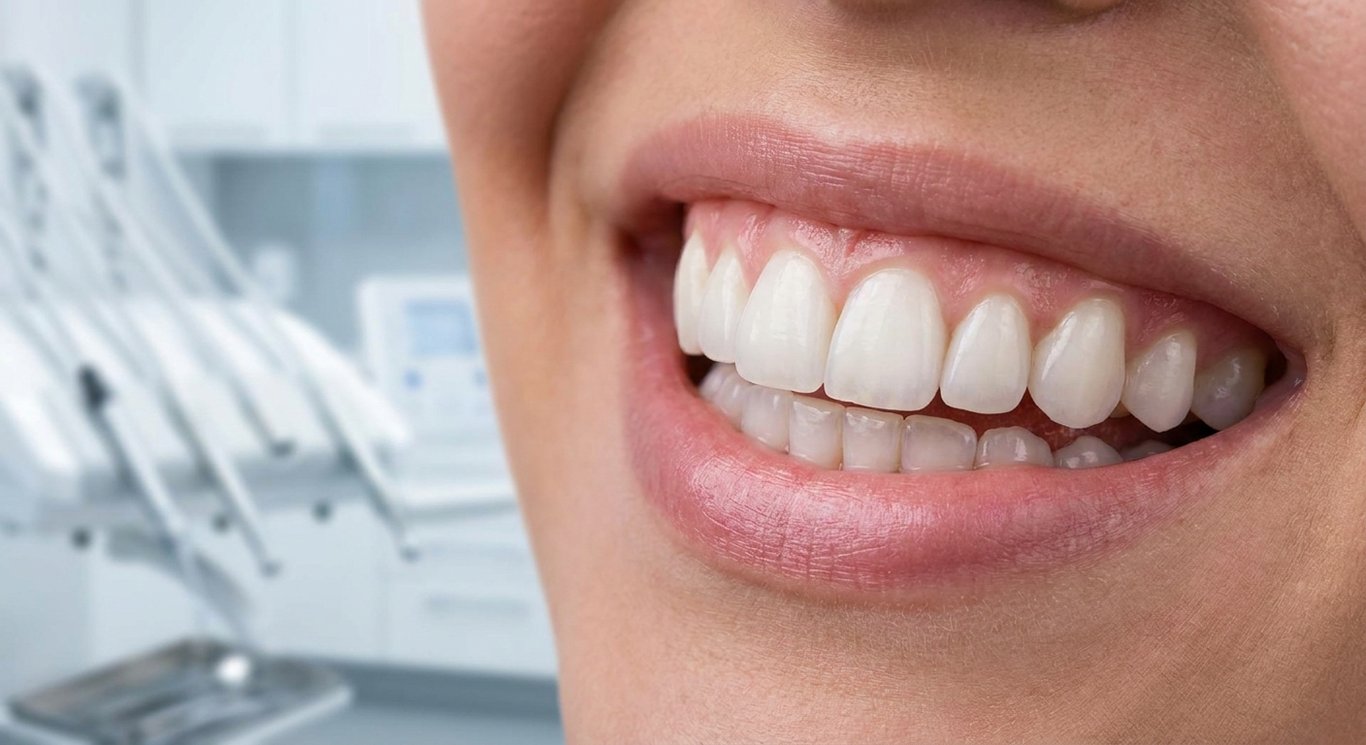
Porcelain veneers are one of the most talked-about treatments in cosmetic dentistry, and for good reason. They are thin, custom-made shells of porcelain that are bonded to the front surface of your teeth to improve their color, shape, length, and overall symmetry. Because they are crafted from high-quality ceramic material, veneers mimic the light-reflecting properties of natural enamel remarkably well. The result is a smile that looks polished and natural rather than artificial or overdone — when done correctly, at least.
Veneers tend to be a great fit for patients who have teeth that are permanently stained, worn down, chipped, slightly uneven, or mildly misaligned and want a more significant and lasting cosmetic change. They can address multiple concerns at once, which is part of why they are so popular in full smile makeovers. With proper care, porcelain veneers can last anywhere from ten to twenty years, making them a longer-term investment than bonding.
Before committing to veneers, there are some important things to understand. The process typically requires removing a thin layer of enamel from the front of the tooth to make room for the veneer, which means the treatment is considered permanent and irreversible. Treatment planning is detailed — your dentist will discuss shade selection, shape, and proportion carefully to match your facial features. Maintenance involves avoiding habits that can chip or crack porcelain, such as biting nails or chewing hard objects. Setting realistic expectations about how the final result will look is also part of the process, and many dentists use digital previews or wax mock-ups to help patients visualize the outcome before any work is done.
Crowns, Bridges, and Implants in Smile Makeovers
Not every smile makeover is purely cosmetic. Sometimes, teeth are too damaged, decayed, or missing to be addressed with whitening or veneers alone. In these cases, restorative treatments like crowns, bridges, and implants step in — and they can serve a cosmetic purpose just as much as a functional one. Modern restorations are designed to look and feel like natural teeth, so integrating them into a cosmetic plan is both practical and aesthetically effective.
A dental crown covers an entire tooth, restoring its shape, strength, and appearance when the tooth has been significantly damaged by decay, fracture, or wear. Bridges are used to fill the gap left by one or more missing teeth by anchoring an artificial tooth to the crowns placed on the neighboring teeth. Dental implants, on the other hand, are titanium posts surgically placed into the jawbone to act as a root for a replacement tooth. They are widely considered the gold standard for tooth replacement because they look, feel, and function like natural teeth, and they help preserve the jawbone over time.
These treatments are often recommended when a patient needs to restore both function and appearance at the same time. If bite stability, chewing ability, and the overall structure of the smile are all affected, a plan that combines restorative and cosmetic work will typically produce better long-term results than cosmetic procedures alone. In many full smile makeovers, restorative work is completed first to establish a healthy, stable foundation before cosmetic finishing touches are applied.
Gum Contouring and Smile Symmetry
Your smile is not just about your teeth — the gumline plays a huge role in how balanced and proportionate your smile looks. Gum contouring, also called gum reshaping, is a procedure that removes or repositions excess gum tissue to expose more of the tooth surface. It is commonly used to treat a "gummy smile," where a large amount of gum tissue is visible when you smile, making the teeth appear shorter than they actually are. It can also correct an uneven gumline where some teeth are covered by more tissue than others, creating an asymmetrical look.
Even a subtle adjustment to the gumline can make a significant difference in how the overall smile comes together. Gum contouring is often combined with other cosmetic procedures — for example, a patient might have gum reshaping done alongside whitening and veneers to create a more even, harmonious result. The procedure is typically done with a laser, which allows for precision and reduces recovery time compared to traditional surgical methods. If your teeth look great but your gumline is throwing off the balance of your smile, this might be the missing piece of your makeover plan.
Orthodontic Options for Smile Enhancement
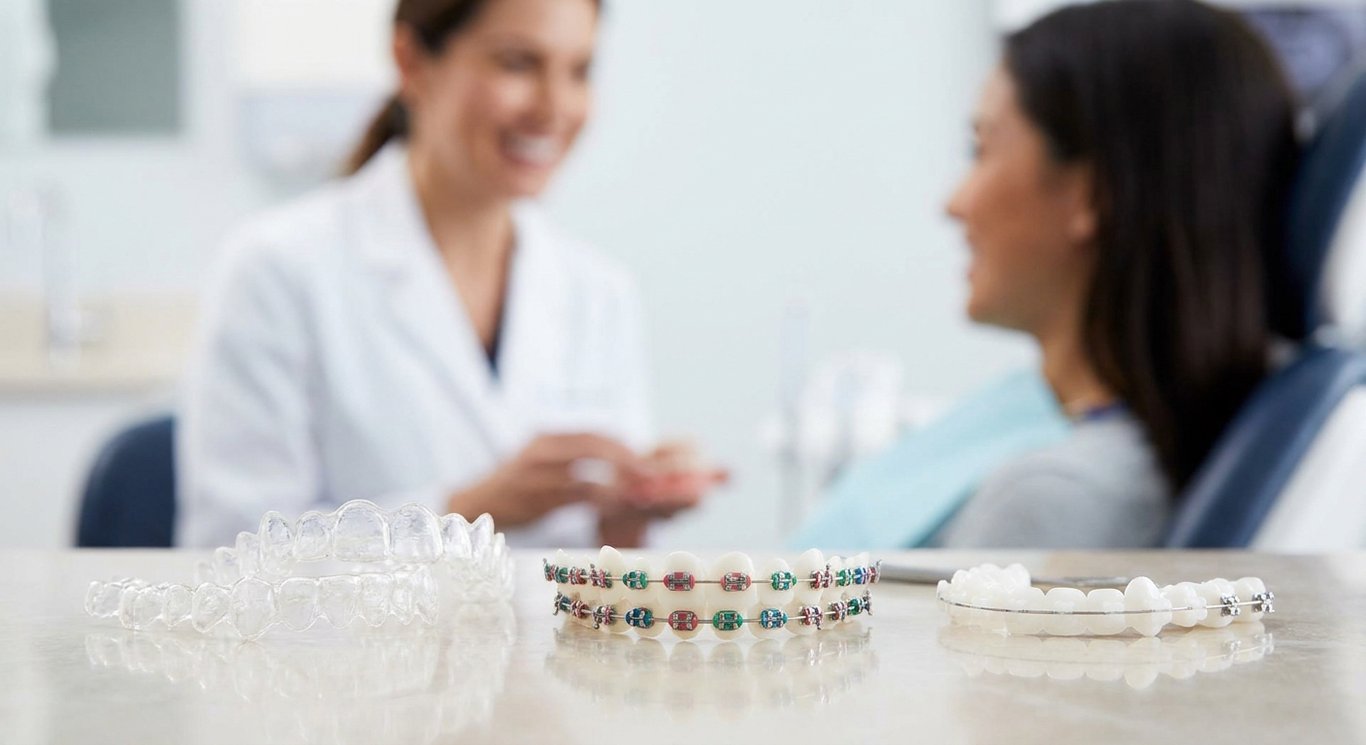
Straight teeth are not just about looks — proper alignment affects how you bite, how you clean your teeth, and how your jaw functions over time. Traditional braces and modern clear aligners like Invisalign can correct crowding, spacing issues, crossbites, overbites, and underbites that affect both the appearance and health of your smile. For many patients, orthodontic treatment is a key part of a smile makeover because no amount of whitening or veneers will fully fix a smile that is significantly misaligned.
Orthodontic treatment can be used on its own as the primary cosmetic improvement, or it can be done before other procedures to create a better foundation. For example, straightening teeth before placing veneers or crowns can lead to more natural-looking results and may even reduce the number of restorations needed. The timeline for orthodontic treatment varies — clear aligners may work in as little as six months for mild cases, while more complex corrections can take one to two years or longer. Either way, the investment in alignment often makes every other cosmetic procedure look better in the end.
How to Plan a Personalized Smile Makeover
Planning a smile makeover starts with a thorough consultation where you and your dentist talk through your goals, concerns, and priorities. This is the time to be honest about what you want to change, how much you are hoping to invest, and how quickly you would like to see results. Your dentist will also review your current oral health, since any existing issues like cavities or gum disease will need to be treated before cosmetic work begins. Budget and timeline are practical factors that shape the plan just as much as aesthetics do.
A good cosmetic dentist will use smile analysis tools to help you visualize the outcome before committing to treatment. This might include photographs taken from multiple angles, digital imaging software, or even physical wax mock-ups of proposed changes. Treatment sequencing is also an important part of the planning process — some procedures need to happen before others. For example, orthodontics typically comes before veneers, and whitening is often done before bonding or crown placement to ensure color matching is accurate. Understanding the order of steps helps patients feel more prepared and confident going into the process.
Throughout all of this planning, the best cosmetic dentists keep both aesthetics and function in mind. A smile that looks stunning but creates bite problems or puts stress on the jaw is not a successful outcome. The goal is to design a plan where the final result supports your long-term dental health just as much as it improves your appearance. When those two things are balanced well, the results tend to be more natural-looking, more durable, and more satisfying over time.
Cost, Timeline, and Recovery Expectations
One of the first questions most patients have is how much a smile makeover will cost — and the honest answer is that it depends on a lot of factors. The number of procedures involved, the materials used, the complexity of your case, and the location of the dental practice all play a role in determining the total investment. A simple whitening treatment is obviously far less expensive than a full makeover involving implants, veneers, and orthodontics. Most cosmetic dentists will provide a detailed cost estimate after your consultation, and some offer phased treatment plans that allow you to spread the work out over time to make it more manageable financially.
Timelines vary just as widely as costs. On the simpler end, an in-office whitening session might take just an hour or two, and dental bonding can often be completed in a single appointment. Veneers typically require two to three visits over a few weeks. Orthodontic treatment can take anywhere from a few months to a couple of years depending on the complexity. Full smile makeovers that combine multiple procedures — especially those involving implants, which require healing time after placement — can span several months from start to finish. Knowing this upfront helps patients plan realistically and avoid frustration.
Recovery and aftercare depend on which procedures are involved. Some treatments, like whitening, involve minimal recovery beyond some temporary sensitivity. Others, like implant surgery or gum contouring, require a short healing period and some care around eating and oral hygiene. Follow-up visits are an important part of the process, allowing your dentist to check how things are healing and make any necessary adjustments. Long-term, the way you care for your results — brushing, flossing, wearing a night guard if recommended, and keeping up with cleanings — will directly affect how long your makeover lasts.
Risks, Limitations, and How to Choose the Right Dentist
Like any dental or medical procedure, cosmetic dentistry comes with some limitations and potential side effects worth knowing about. Tooth sensitivity is one of the most common temporary issues, particularly after whitening or veneer placement. Some treatments, like bonding and veneers, may chip or stain over time and eventually need to be replaced. Orthodontic treatment can cause temporary discomfort as teeth shift. And while serious complications are rare, it is important to go into any procedure with realistic expectations about what the treatment can and cannot do, and how long the results are likely to last with proper care.
Choosing the right cosmetic dentist is one of the most important decisions in this entire process. Look for a dentist with specific training and experience in cosmetic procedures, not just general dentistry. Before-and-after photos of actual patients are a valuable resource — they give you a sense of the dentist's aesthetic style and the quality of their work. You also want someone who takes the time to listen to your goals, explains the treatment plan clearly, and is upfront about risks and realistic outcomes rather than just telling you what you want to hear. A good consultation should feel like a conversation, not a sales pitch.
Ultimately, the best cosmetic outcomes come from dentists who treat the whole picture — not just what you want your smile to look like, but what your teeth and gums need to stay healthy for the long haul. A dentist who balances cosmetic goals with sound clinical judgment will steer you toward treatments that are appropriate for your situation and help you avoid unnecessary procedures. When you find that combination of skill, experience, and honest communication, you are in good hands.
FAQ: Common Questions About Smile Makeovers
What is included in a smile makeover? A smile makeover is a customized combination of cosmetic and sometimes restorative dental treatments designed to improve the overall appearance of your smile. It is not a single procedure — it is a personalized plan that may include whitening, bonding, veneers, crowns, orthodontics, gum contouring, implants, or a combination of several of these, depending on what your teeth and gums need and what results you are hoping to achieve.
How long does a smile makeover take? The timeline depends entirely on which procedures are involved. A straightforward whitening treatment might be completed in one or two short appointments, while a comprehensive makeover that includes orthodontics, implants, and veneers could take a year or more from start to finish. During your consultation, your dentist will walk you through the expected timeline for each step of your specific treatment plan so you know what to expect.
How much does a smile makeover cost? Cost varies significantly based on the number of treatments, the materials selected, and the complexity of your case. A simple cosmetic improvement like bonding or whitening is relatively affordable, while full makeovers involving multiple procedures can represent a more substantial investment. Because every plan is different, most dentists provide a personalized cost estimate after a thorough consultation rather than offering a one-size-fits-all price.
Are smile makeover results permanent? Some treatments offer long-lasting results — dental implants, for example, can last a lifetime with proper care, and porcelain veneers can last ten to twenty years or more. However, most cosmetic treatments require some level of maintenance, touch-ups, or eventual replacement over time. Habits like diet, oral hygiene, and whether you grind your teeth at night all affect how long your results hold up. Your dentist can give you a realistic picture of what to expect for each specific procedure in your plan.
Is a smile makeover worth it? For many people, the answer is yes — not just because of how their smile looks, but because of how it affects their confidence in everyday situations. Some patients also experience functional improvements, like better bite alignment or easier cleaning after spacing corrections. Whether it is worth it ultimately depends on your personal goals, what is bothering you about your current smile, and whether the proposed treatment plan addresses those concerns in a way that feels meaningful to you. A good consultation will help you figure that out before you commit to anything.
Conclusion: Taking the Next Step Toward Your New Smile
If there is one takeaway from everything covered in this guide, it is that smile makeovers are not a one-size-fits-all solution — and that is actually a good thing. The flexibility of modern cosmetic dentistry means your plan can be tailored specifically to your teeth, your gums, your goals, and your budget. Whether you are looking for a subtle refresh with whitening and bonding or a comprehensive transformation involving veneers, orthodontics, and implants, the right combination of treatments exists for you. The key is starting with a clear picture of what you want to change and finding a dentist who can help you get there in a way that is both beautiful and built to last.
If you have been thinking about improving your smile, the best next step is to schedule a consultation with a qualified cosmetic dentist to explore your options for The Ultimate Guide to a Smile Makeover: Exploring Your Cosmetic Dentistry Options. A consultation gives you the chance to review your specific treatment choices, ask every question on your mind, and work with a professional to build a plan that reflects what you actually want — a smile that looks natural, feels right, and gives you a reason to show it off.