Mimicking Nature: A Patient's Guide to Biomimetic Dentistry
Published 15 min read
What Is Biomimetic Dentistry?
Biomimetic dentistry is an innovative, patient-focused approach to dental care that aims to restore teeth to their original, natural state. By imitating the natural properties, strength, function, and esthetics of your teeth, this method offers a seamless and highly durable repair. Dentists achieve this by using minimally invasive techniques that highly respect and preserve the tooth's original structure. Ultimately, this modern approach ensures that your smile looks, feels, and functions exactly the way nature intended.
To understand this concept better, it helps to look at the fascinating origin of the word itself. The term "biomimetic" comes from the Greek words "bio," meaning life, and "mimesis," meaning imitation. When applied to dentistry, it literally translates to imitating life, which stands in stark contrast to traditional methods that often require removing large amounts of healthy tooth structure. Consequently, biomimetic techniques focus on copying the natural design of the tooth rather than replacing it with bulky, artificial alternatives.
At its heart, the core philosophy of biomimetic dentistry is the strict preservation of your natural tooth biology. Instead of relying on aggressive drilling that strips away healthy enamel, this method focuses entirely on repairing and reinforcing what is already there. By treating the tooth as a delicate living organ, dentists can rebuild damaged areas layer by layer with incredible precision. This gentle, conservative philosophy paves the way for a healthier mouth and a much more comfortable experience in the dental chair.
How Does Biomimetic Dentistry Differ from Traditional Dentistry?
The most noticeable difference between biomimetic and traditional dentistry lies in the approach to treating tooth decay and damage. Traditional dentistry often relies on invasive drilling to create space for large restorations, which can sacrifice a significant amount of healthy tooth structure in the process. On the other hand, biomimetic dentistry champions minimal intervention by strictly focusing on removing only the damaged or decayed areas. As a result, patients get to keep much more of their natural tooth, setting the stage for better long-term oral health.
Building on this conservative approach, biomimetic dentistry actively avoids treatments that permanently weaken your teeth. Traditional methods, like placing full crowns, can sometimes lead to micro-fractures or further decay beneath the surface, eventually requiring complex treatments down the road. Biomimetic techniques drastically reduce the need for aggressive procedures like crowns or root canals by keeping the tooth structurally sound from the inside out. In the end, this forward-thinking method protects your teeth from future breakdowns and keeps your smile intact for years to come.
Key Principles of Biomimetic Dentistry
The foundation of biomimetic dentistry rests on a few essential principles, starting with the maximum preservation of natural tissue. To achieve this, dentists use advanced, biocompatible materials that are designed to flex and move just like natural teeth. Furthermore, these modern materials rely on advanced bonding techniques that can create an adhesion up to 400% stronger than traditional dental glue. This incredibly strong bond ensures that the restoration acts as a unified part of your tooth, providing unmatched stability and strength.
Another major pillar of this dental philosophy is a heavy emphasis on prevention and long-term protection. By creating an optimal, airtight seal over the treated area, biomimetic restorations effectively block out harmful bacteria that cause future decay. This means dentists can repair a damaged tooth without the extensive preparation and drilling required by older, more invasive techniques. Ultimately, these guiding principles work together to halt dental disease in its tracks while keeping your natural smile as whole as possible.
Benefits of Biomimetic Dentistry
One of the most significant advantages of biomimetic dentistry is the unparalleled preservation of your natural tooth structure. Because the dentist only removes the decayed or fractured portions, the healthy enamel and dentin are left completely intact. Keeping this natural foundation is crucial for maintaining the structural integrity and overall strength of your bite. Over time, this conservative approach translates into excellent long-term dental health and fewer trips to the dentist's chair.
In addition to saving your natural tooth, this method offers a massive reduction in the risk of future dental complications. Traditional fillings can act like a wedge, creating internal stress and cracks that eventually break the tooth apart. Biomimetic restorations, however, bind the tooth together, reducing the need for root canals by an impressive 90 to 95 percent. By eliminating these internal stresses, patients can enjoy a stronger smile that is highly resistant to painful fractures.
Beyond structural benefits, biomimetic dentistry provides incredibly durable and long-lasting restorations. Dentists use high-quality, tooth-colored composite resins that seamlessly blend in with your natural enamel. This means that your repaired tooth will not only function like a healthy tooth, but it will also look completely natural to anyone who sees your smile. Consequently, you receive a beautiful, life-like repair that stands up to the daily wear and tear of chewing and speaking.
Finally, patients absolutely love the fact that biomimetic dentistry is a much more comfortable experience overall. Because the techniques are so gentle and minimally invasive, there is significantly less pain and post-operative sensitivity. Recovery times are incredibly fast, allowing you to get back to your normal routine almost immediately after leaving the clinic. With its ability to prevent further decay and minimize discomfort, it is easy to see why so many people are making the switch to this patient-friendly approach.
Biomimetic Materials and Techniques
The magic behind biomimetic dentistry lies in the advanced, biocompatible materials used to rebuild the tooth. Dentists utilize non-toxic composite resins and high-grade porcelains that closely mimic the natural composition and elasticity of real enamel and dentin. Unlike stiff metal fillings that can damage surrounding structures, these modern materials expand and contract at the exact same rate as your natural teeth. This incredible flexibility is what allows the restoration to function in perfect harmony with your mouth.
To apply these materials effectively, biomimetic dentists rely on highly specialized, minimally invasive techniques. The process heavily involves simplified adhesive bonding, which creates maximum strength without the need for aggressive drilling. Instead of cutting away healthy tooth to create a mechanical hold for a filling, the dentist chemically bonds the material directly to the damaged areas to reinforce them. This meticulous layering technique rebuilds the tooth from the inside out, ensuring a incredibly strong and reliable repair.
Thanks to these cutting-edge materials and bonding techniques, dentists can create seamless seals that lock out decay-causing bacteria. In fact, this approach is so effective that it can often restore badly damaged teeth that traditional dentists might consider completely un-restorable. By carefully reconstructing the tooth layer by layer, even severe cavities and fractures can be brought back to life. Ultimately, these innovative methods give patients a second chance to save their natural teeth from extraction.
Who Is a Good Candidate for Biomimetic Dentistry?
Biomimetic dentistry is an excellent option for a wide variety of patients, particularly those dealing with common dental issues like cavities, cracks, or general wear. If you have early stages of decay and want to stop it before it becomes a major problem, this conservative approach is ideal. It is especially appealing for individuals who are actively seeking to avoid highly invasive treatments, such as traditional root canals or full-coverage crowns. Essentially, anyone looking for a gentler way to fix a damaged tooth will find this method highly beneficial.
Additionally, this approach is perfect for patients who place a high value on aesthetics and natural-looking results. If you want to improve the appearance of your smile without undergoing excessive tooth reduction, biomimetic techniques offer the perfect balance of beauty and preservation. It is the go-to choice for health-conscious individuals who prioritize the long-term survival of their natural teeth. By choosing this route, candidates can achieve a stunning, healthy smile that remains structurally sound for decades.
The Biomimetic Dentistry Procedure: What to Expect
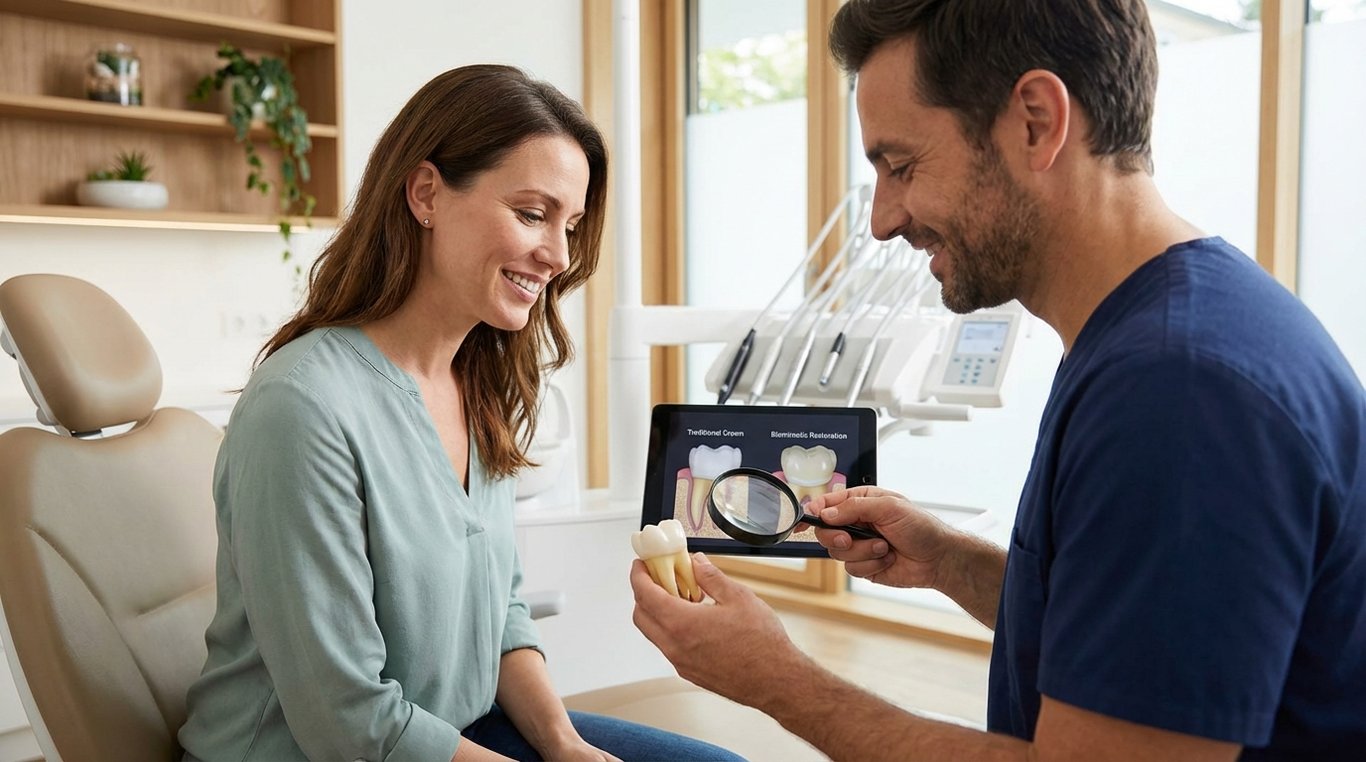
If you are considering this approach, knowing what to expect during the biomimetic dentistry procedure can help put your mind at ease. The process begins with a thorough assessment to identify the exact areas of decay or damage that need attention. Next, the dentist performs minimal preparation, carefully removing only the unhealthy tissue while leaving the strong, healthy tooth intact. Finally, the biomimetic materials are applied in thin layers and cured using advanced bonding techniques to rebuild the tooth's natural shape.
Because this procedure is incredibly gentle, the patient experience is vastly improved compared to traditional dental visits. Many patients find that they need significantly less anesthesia, and in some minor cases, none at all. Furthermore, while the layering technique is meticulous, avoiding complex procedures like crowns often results in shorter overall treatment plans and fewer appointments. Best of all, once the bonding is complete, you can enjoy immediate function and use your newly restored tooth right away.
When it comes to recovery, the biomimetic approach truly shines by offering a remarkably easy healing process. Patients typically experience a very quick recovery with minimal discomfort or post-operative sensitivity compared to traditional methods. Unlike older techniques that can leave your tooth throbbing or sensitive to hot and cold for weeks, biomimetic restorations feel natural almost instantly. This hassle-free recovery makes it easier than ever to maintain your oral health without disrupting your daily life.
Is Biomimetic Dentistry Worth It?
When weighing your dental care options, you might wonder if biomimetic dentistry is truly worth the investment. The answer becomes clear when you compare its sustainable outcomes, unparalleled tooth preservation, and preventive benefits against the risks of traditional dentistry. Traditional fillings and crowns often lead to a cycle of retreatment, where teeth slowly degrade over time and eventually require extractions or implants. By stopping this destructive cycle and preserving what nature gave you, the biomimetic approach offers incredible long-term value.
For patients who prioritize their natural health and aesthetics, the value of this modern dental approach is undeniable. It provides immense peace of mind knowing that you are actively avoiding future invasive dental work and the hefty bills that come with it. The ability to maintain a beautiful, natural-looking smile while keeping your teeth structurally sound is truly priceless. Ultimately, investing in biomimetic dentistry is an investment in a lifetime of healthy, pain-free smiles.
Real Patient Results and Before-and-After Examples
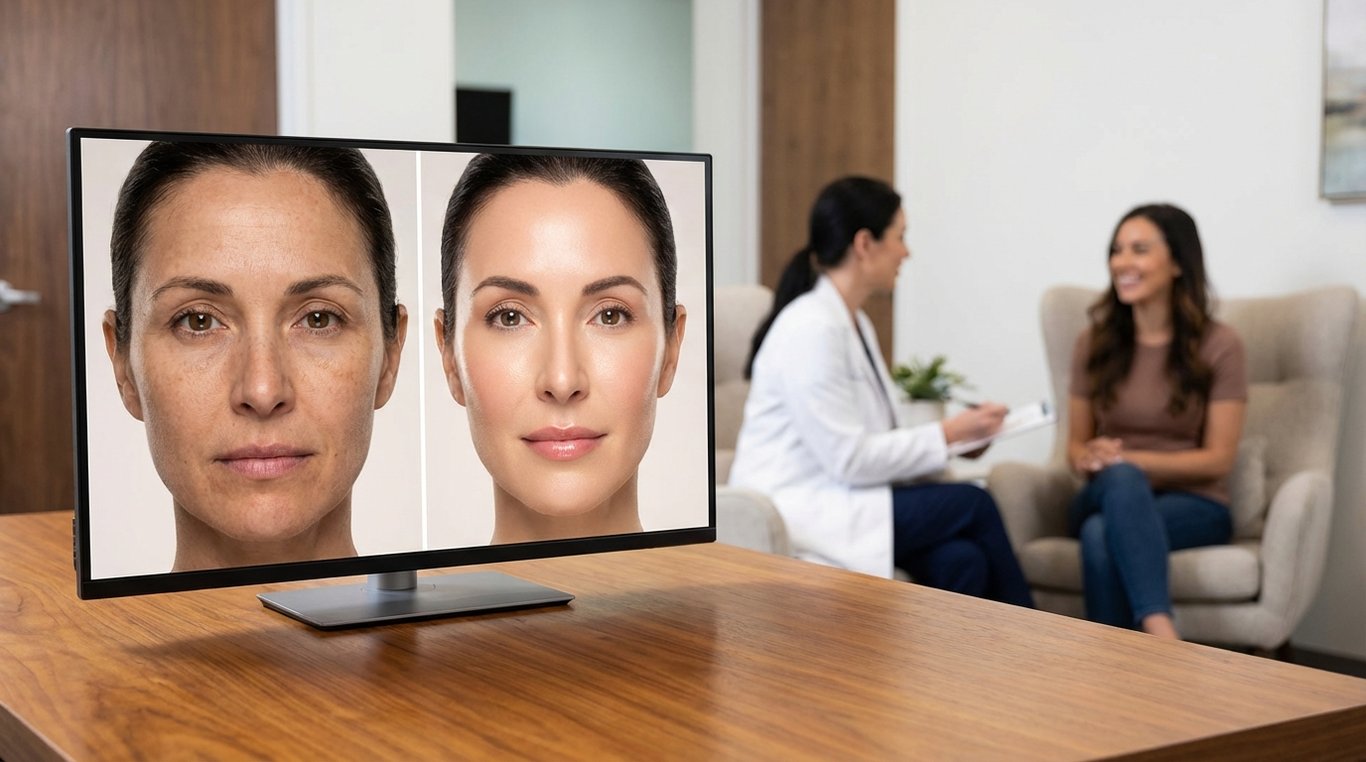
The true power of biomimetic dentistry is best seen through the remarkable transformations of real patients. Typical before-and-after examples often showcase teeth that were once plagued by deep decay or severe cracks, now beautifully restored to their original glory. These visual results highlight how the natural appearance and function of the tooth are perfectly preserved without the need for bulky, artificial crowns. Patients are consistently amazed at how seamlessly the tooth-colored composite blends with their natural enamel.
Beyond the immediate visual improvements, the long-term success stories are what truly set this approach apart. Many patients report that their biomimetic restorations have lasted for years without any signs of chipping, cracking, or failing. These stronger, fracture-resistant repairs allow individuals to chew their favorite foods with complete confidence and comfort. These glowing testimonials prove that mimicking nature is not just a theory, but a proven pathway to lasting dental health.
The Future of Biomimetic Dentistry
As we look ahead, the future of biomimetic dentistry is incredibly bright and full of promise. There is a rapidly growing demand for this approach as more patients become aware of the incredible benefits of tooth preservation. In an era where minimally invasive medical trends are highly sought after, people are naturally gravitating toward dental treatments that respect their biology. This shift in patient mindset is encouraging more dental professionals to adopt these conservative, patient-first techniques.
Looking forward, we can expect to see continuous advancements in both the materials and techniques used in this field. Researchers are constantly developing new composite resins and bonding agents that will offer even better natural mimicry and durability. These future innovations will likely make the procedures even faster, stronger, and more accessible to patients worldwide. As technology evolves, the gap between artificial restorations and natural teeth will continue to close, making biomimetic dentistry the gold standard of care.
Finding a Biomimetic Dentist
If you are ready to experience the benefits of this modern approach, the next step is finding a qualified biomimetic dentist. It is important to look for trained professionals who have specifically studied and been certified in biomimetic protocols. You can often find directories of certified practitioners through reputable biomimetic dentistry associations online. Taking the time to research and select a dentist with the proper specialized training ensures you will receive the highest standard of conservative care.
Once you have found a potential dentist, do not hesitate to ask them specific questions during your consultation. Inquire about their experience with biomimetic techniques, the types of biocompatible materials they use, and their overall success rates. A great practitioner will be more than happy to discuss how they avoid root canals and preserve natural tooth structure. Asking these important questions will help you feel confident that your smile is in the best possible hands.
Cost and Insurance Considerations for Biomimetic Treatments
When it comes to the financial aspect, it is helpful to understand the cost dynamics of biomimetic treatments. The initial costs can be similar to, or slightly higher than, traditional dentistry due to the advanced materials and meticulous techniques required. However, this upfront investment is quickly offset by the incredible longevity and durability of the restorations. Because you are far less likely to need expensive root canals or replacement crowns in the future, biomimetic dentistry often saves you money in the long run.
Navigating dental insurance for these advanced procedures can sometimes be a bit tricky, as coverage varies widely between different plans. In many cases, insurance companies will cover biomimetic treatments under standard restorative procedure codes, such as those used for composite fillings. However, it is always a good idea to check directly with your insurance provider to understand exactly what is included in your benefits. Your dentist's front office team can also help you maximize your coverage and outline any out-of-pocket costs before treatment begins.
Conclusion
In summary, biomimetic dentistry represents a massive leap forward in the way we approach oral health and tooth repair. By focusing on minimal invasion and utilizing strong, biocompatible materials, this method successfully preserves your natural teeth. The incredible natural mimicry provides patients with durable, highly aesthetic results that look and feel just like real enamel. Most importantly, it achieves all of this with significantly less risk and structural damage than traditional dental methods.
The long-term benefits of choosing this conservative path simply cannot be overstated. Patients enjoy a drastic reduction in the need for root canals, fewer painful tooth fractures, and practically zero post-operative sensitivity. By treating the tooth as a living structure that needs to be protected rather than aggressively drilled, dentists can ensure your smile remains strong. Ultimately, embracing these biomimetic principles is one of the best ways to guarantee lifelong oral health.
If you are ready to take control of your dental health, now is the perfect time to consult a biomimetic dentist today. Discover firsthand how Mimicking Nature: A Patient's Guide to Biomimetic Dentistry can completely transform your smile and your dental experience. Do not settle for outdated, invasive procedures that compromise your natural teeth. Schedule your appointment today to preserve your natural teeth, avoid future complications, and achieve beautifully sustainable results for a lifetime.
Frequently Asked Questions (FAQ)
1. What makes biomimetic dentistry different from regular fillings?
Biomimetic dentistry stands out because it uses advanced materials and techniques specifically designed to mimic the physical properties of natural teeth. This approach creates much stronger bonds and requires far less removal of healthy tooth structure. Unlike traditional fillings, which can act as a wedge and weaken the tooth over time, biomimetic restorations reinforce the tooth from the inside out.
2. Does biomimetic dentistry hurt less?
Yes, many patients find that biomimetic dentistry is a significantly more comfortable and pain-free experience. Because the methods are minimally invasive, there is a massive reduction in drilling, which often means less need for heavy anesthesia. Consequently, patients experience far less post-operative pain and sensitivity, allowing for a much smoother and faster recovery process.
3. How long do biomimetic restorations last?
Biomimetic restorations are meticulously designed for maximum longevity, often outlasting traditional fillings and crowns by many years. Because the biocompatible materials flex and move just like natural teeth, they are highly resistant to cracking under the pressure of chewing. Combined with incredibly strong adhesive seals that keep bacteria out, these restorations provide a durable, long-term solution for your smile.
4. Can biomimetic dentistry prevent root canals?
Absolutely, preventing root canals is actually one of the primary goals and biggest benefits of biomimetic dentistry. By focusing on preservation and structural reinforcement, this method minimizes the need for root canals by an astonishing 90 to 95 percent. It successfully avoids the aggressive drilling and weakening that typically leads to severe pulp issues and nerve damage in traditional dentistry.
5. Is biomimetic dentistry covered by insurance?
Insurance coverage for biomimetic dentistry largely depends on your specific dental plan and provider. In many instances, these treatments are billed and covered as standard restorative work, such as composite fillings or inlays. However, because policies vary so widely, it is highly recommended to verify your coverage directly with your insurance provider before beginning any treatment.