How to Choose the Right Dentist
Published 14 min read
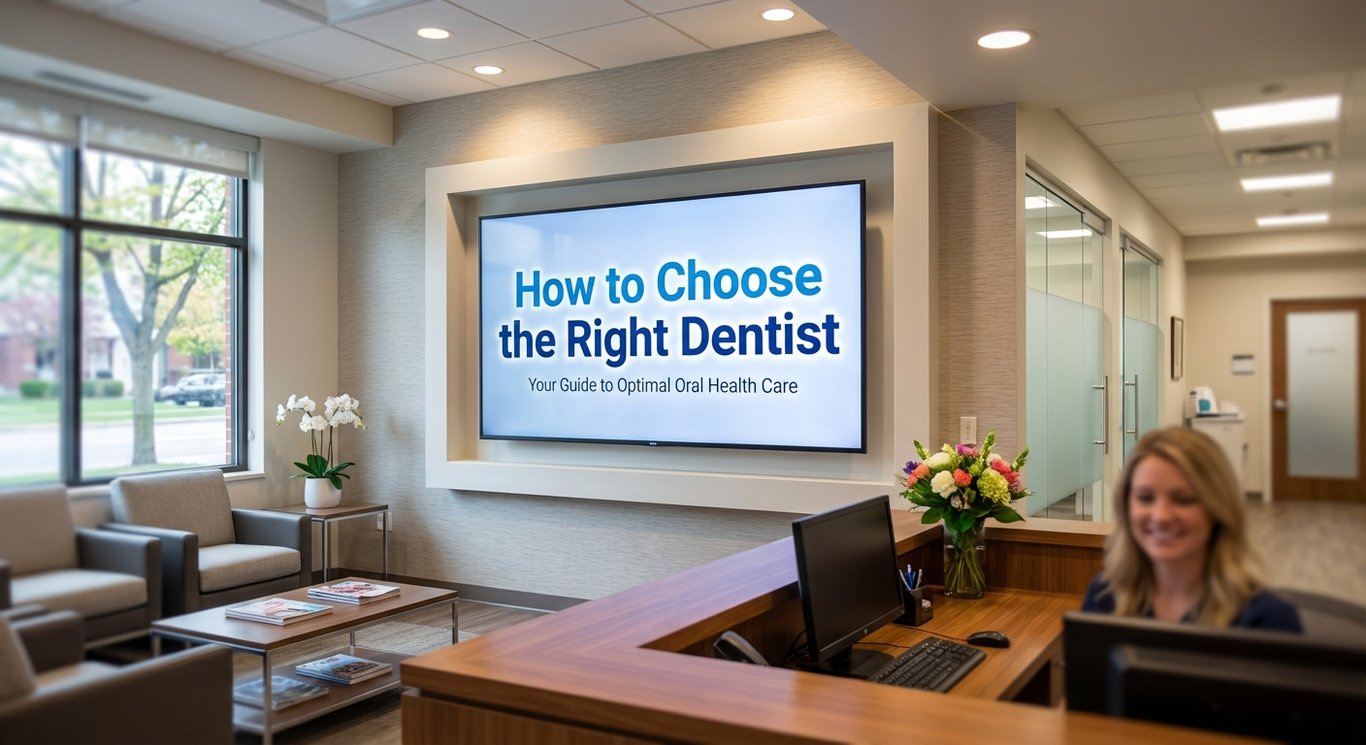
Understanding Your Dental Needs First
Before you begin searching for a new dental provider, you must take a moment to clearly define what your specific oral health goals are. Every patient is different; some people simply need a reliable place for bi-annual cleanings and checkups, while others might be looking for cosmetic improvements like veneers or specialized restorative work such as dental implants. If you have children, you may need a practice that is family-friendly, whereas if you have crooked teeth, your priority might be finding an office that offers orthodontics. Identifying these personal requirements early on helps narrow down your search to providers who are best suited to handle your unique situation.
Once you have a handle on your specific needs, you can decide whether a general dentist is sufficient or if you require a specialist. A general dentist is like a primary care doctor for your mouth and can handle most standard procedures, making them a great choice for overall family dental care. However, if you have complex issues like gum disease or need root canals, you might need to look for specialists like periodontists or endodontists. Understanding the difference between general care and specialized treatments ensures you find a professional capable of addressing your dental health effectively.
Evaluating Qualifications and Experience
One of the most critical steps in choosing a dentist is verifying that they have the proper education and training from reputable institutions. You should look for a dentist who has graduated from an accredited dental school with a DDS (Doctor of Dental Surgery) or DMD (Doctor of Dental Medicine) degree. Additionally, membership in professional organizations, such as the American Dental Association or local dental societies, often indicates a commitment to high standards and ethical practices. Checking these credentials provides a solid baseline for trusting a dentist with your oral health.
Beyond their degree, the number of years a dentist has been in practice can significantly impact the quality of care you receive. Experience matters, especially if you require specific procedures like oral surgery or complex cosmetic work. A dentist who has performed a particular treatment hundreds of times is more likely to deliver successful results compared to someone who is just starting out. Therefore, it is wise to ask about their hands-on experience with the specific treatments you anticipate needing.
Finally, you must ensure that the dentist holds a current license to practice in your state and participates in continuing education. Dentistry is a field that evolves rapidly, and professionals who take ongoing courses stay up-to-date on the latest techniques and safety protocols. You can usually verify a license through your state dental board’s website to ensure there are no history of malpractice claims or disciplinary actions. Confirming these details guarantees that you are choosing a practitioner who is both legally compliant and dedicated to lifelong learning.
Checking Reputation and Patient Reviews
Reading online reviews is an excellent way to gauge what current and past patients think about a dental practice. Platforms like Google, Yelp, and Healthgrades offer a wealth of information regarding the quality of care, the friendliness of the staff, and the overall atmosphere of the office. While a single bad review shouldn't necessarily be a dealbreaker, you should look for consistent trends in the feedback. Reading these testimonials provides balanced insights that help you predict what your own experience might be like.
In addition to online research, seeking personal referrals from friends, family members, or coworkers is a highly reliable method for finding a good dentist. People you trust can give you honest details about their experiences, such as how the dentist handles pain management or if appointments run on time. When you combine personal recommendations with online feedback, you can identify patterns that highlight trustworthy providers. This dual approach helps you feel more confident in your final decision.
Assessing Range of Services Offered
It is generally more convenient to find a dental practice that offers a comprehensive range of services under one roof. When a dentist provides everything from preventive cleanings to restorative fillings and cosmetic whitening, it saves you the hassle of being referred out for every minor issue. This "one-stop-shop" approach allows the dental team to maintain a complete history of your oral health, leading to more consistent and personalized care. Checking their service menu ensures they can handle your current and future dental needs.
Furthermore, avoiding the need to visit multiple providers for different treatments saves you significant time and reduces administrative stress. If you know you might want Invisalign or dental implants down the road, it makes sense to choose a dentist who is already certified and experienced in those specific areas. Matching the dentist’s capabilities with your long-term goals prevents the need to switch providers later. Ultimately, selecting a versatile dentist simplifies your healthcare routine.
Reviewing Technology and Equipment
The technology a dentist uses is a strong indicator of their commitment to providing precise diagnostics and efficient treatments. Modern dental tools, such as digital X-rays, emit significantly less radiation than traditional film and provide instant, high-definition images for better analysis. Advanced equipment not only improves the accuracy of the work but often makes procedures faster and more comfortable for the patient. When a dentist invests in modern technology, it shows they care about delivering the best possible experience.
During your research or initial visit, you should look for specific examples of advanced equipment, such as intraoral cameras or laser dentistry tools. Intraoral cameras, for instance, allow you to see exactly what the dentist sees on a screen, helping you understand your diagnosis better. Don't hesitate to ask the office staff about the technologies they utilize for patient care and comfort. Choosing a high-tech office can make a significant difference in the quality of your treatment and your overall satisfaction.
Considering Location, Accessibility, and Hours
Convenience plays a massive role in whether or not you will stick to your recommended dental schedule, so choosing a location near your home, work, or child's school is vital. If getting to the dentist is a logistical nightmare, you are far more likely to cancel appointments or delay necessary checkups. A conveniently located office makes it easy to pop in for routine cleanings or quickly get help if you chip a tooth. Prioritizing accessibility ensures that dental care fits seamlessly into your daily life.
In addition to location, you need to verify that the dental office’s hours align with your schedule. Many modern practices offer flexible scheduling, including early morning, evening, or weekend appointments to accommodate working professionals and busy families. You should also inquire about how they handle emergency visits outside of standard business hours. Finding a dentist with availability that matches your lifestyle prevents scheduling conflicts and ensures you can get care when you need it most.

Examining Office Hygiene, Sterilization, and Staff Courtesy
Nothing is more important in a medical setting than strict adherence to infection control and sterilization protocols. When you visit a potential dentist, look around to ensure the waiting area and treatment rooms are spotless and clutter-free. The dental team should always wear gloves, masks, and protective gear, and instruments should be sterilized or disposable. A clean environment is a non-negotiable standard that protects your health and prevents the spread of illness.
Beyond cleanliness, the attitude and behavior of the office staff contribute significantly to your overall patient experience. From the receptionist who greets you to the hygienist who cleans your teeth, the staff should be courteous, communicative, and helpful. If the front desk is rude or disorganized, it often reflects poorly on the management of the entire practice. A friendly team can make a potentially stressful appointment feel much more relaxed and welcoming.
These factors—hygiene and courtesy—work together to build a foundation of trust between you and the dental practice. If you are an anxious patient, knowing that the environment is safe and the people are kind can drastically reduce your fear of the dentist. Regular visits are easier to maintain when you feel respected and cared for in a sanitary setting. Ultimately, a clean office with a supportive staff signals a high level of professionalism.
Evaluating Cost, Insurance, and Payment Options
Dental care can be expensive, so it is essential to have a clear conversation about fees and insurance before you commit to a provider. You should ask if they are in-network with your specific dental insurance plan and how they handle claims processing. A reputable office will be transparent about their pricing structure and willing to provide estimates for major procedures upfront. Understanding the financial aspect prevents nasty surprises when the bill arrives.
However, you should be careful not to choose a dentist solely based on the lowest price, as this can sometimes lead to lower quality care. Instead, focus on the value provided and ask about payment options if the costs are high. Many dentists offer payment plans or accept third-party financing like CareCredit to make treatments more affordable over time. Balancing affordability with high-quality service ensures you protect both your wallet and your teeth.
Assessing Communication and Personalized Care
A great dentist is one who takes the time to listen to your concerns and explains your treatment options in plain, easy-to-understand language. You should never feel rushed or dismissed when asking questions about your oral health or a proposed procedure. Effective communication is key to making informed decisions, and a dentist who values this will ensure you fully understand the "why" and "how" of your treatment. Finding a provider who communicates clearly helps alleviate confusion and builds confidence.
Additionally, look for a patient-centered approach that considers your comfort, anxiety levels, and budget constraints. A dentist who practices personalized care will tailor their recommendations to fit your specific situation rather than pushing a "one-size-fits-all" solution. They should be willing to discuss anxiety-reduction techniques if you are nervous, such as sedation options or simply taking breaks during treatment. This empathetic approach transforms a clinical visit into a supportive healthcare partnership.
Checking Emergency Care and Referral Networks
Dental emergencies, such as a knocked-out tooth or severe pain, can happen at any time, often when you least expect them. It is crucial to know beforehand how your dentist handles these urgent situations and if they offer same-day appointments or after-hours support. You do not want to be left scrambling to find a stranger to help you when you are in pain on a weekend. Confirming their emergency policy gives you peace of mind that help is available when things go wrong.
In some cases, your dental needs might exceed the scope of what a general dentist can provide, requiring the help of a specialist. A good dentist will have a strong network of trusted professionals, such as oral surgeons or orthodontists, to whom they can refer you. They should coordinate this care seamlessly, ensuring that your records are transferred and that the specialist meets high standards. A reliable referral network ensures you receive the best possible care for complex issues.

Questions to Ask During Consultations
When you schedule a consultation, you should come prepared with a list of key questions to help you evaluate the dentist. Ask about how long they have been practicing, what continuing education they have recently completed, and what specific technologies they use in the office. It is also smart to ask for a breakdown of costs for common procedures like fillings or crowns. Asking these questions directly allows you to gauge their transparency and expertise.
While you are there, take the opportunity to observe the office vibe and watch how the staff interacts with patients and each other. Are they happy and organized, or do they seem stressed and chaotic? Trust your instincts; if something feels off or if the dentist seems dismissive of your questions, it might not be the right fit. These observations are just as important as the answers to your technical questions.
Red Flags to Avoid in a Dentist
As you search, be on the lookout for warning signs that indicate a dental practice should be avoided. Consistent bad reviews mentioning billing fraud, rude behavior, or botched procedures are major red flags that you should not ignore. Additionally, if the equipment looks rusty or outdated, or if the dentist tries to pressure you into expensive treatments you don't feel you need, you should look elsewhere. These signs often point to a practice that prioritizes profit over patient well-being.
Furthermore, never compromise on hygiene or transparency; if you notice the staff skipping sterilization steps or if they refuse to explain the costs of treatment, walk away. A lack of transparency regarding fees or treatment plans is a significant warning sign of potential dishonesty. Your health is too important to risk on a provider who cuts corners or hides information. Recognizing these red flags protects you from poor care and financial exploitation.
Conclusion
Choosing the right dentist is a multifaceted process that involves much more than just picking the office closest to your house. To make the best decision, you must prioritize critical factors such as the dentist's qualifications, the cleanliness of the office, and the quality of patient reviews. It is equally important to consider practical elements like location, hours, and cost, while also ensuring the dentist uses modern technology and communicates clearly. By evaluating these key takeaways, you can filter out subpar providers and focus on those who truly meet your standards.
Investing time in this research pays off by ensuring your long-term oral health and peace of mind. A good dentist acts as a partner in your healthcare, helping you maintain a healthy smile, avoid pain, and catch potential issues before they become expensive problems. When you feel comfortable and confident in your dental provider, you are more likely to keep up with regular visits, which is the secret to a lifetime of healthy teeth. The right choice leads to better health outcomes and a positive relationship with dental care.
Start your search today by writing down your specific dental needs and asking friends for recommendations. Take the time to read online reviews, check credentials, and schedule initial consultations to meet potential dentists in person. Don't settle for the first option you find; ask questions, observe the office environment, and select a dentist that aligns with your priorities for optimal dental care.
Frequently Asked Questions (FAQ)
How do I know if a dentist is qualified?
You can verify a dentist's qualifications by checking their educational background to ensure they graduated from an accredited dental school. Additionally, look for active state licenses and memberships in professional organizations like the ADA, which can often be confirmed via their website or your state's dental board.
What should I look for in patient reviews?
When reading reviews, focus on finding consistent patterns regarding the quality of care, the courtesy of the staff, and wait times. It is important to balance both positive and negative feedback to get a realistic view of the patient experience and treatment outcomes.
Does location really matter when choosing a dentist?
Yes, location is a crucial factor because a conveniently located office increases the likelihood that you will attend regular checkups and can get help quickly during emergencies. Choosing a dentist near your home or work with flexible hours helps you maintain consistent dental care.
How important is modern dental technology?
Modern dental technology is very important because it improves the accuracy of diagnoses, reduces patient discomfort, and often leads to better treatment results. You should ask potential dentists about the specific tools they use, such as digital X-rays or intraoral cameras.
Should I consider cost first?
No, you should not consider cost as the primary factor; instead, balance affordability with the quality of care and how well the office fits your insurance needs. Prioritizing value over the cheapest option ensures you do not compromise your long-term oral health.