How Digital Technology Is Revolutionizing Modern Dental Care
Published 13 min read
Introduction to Digital Dentistry
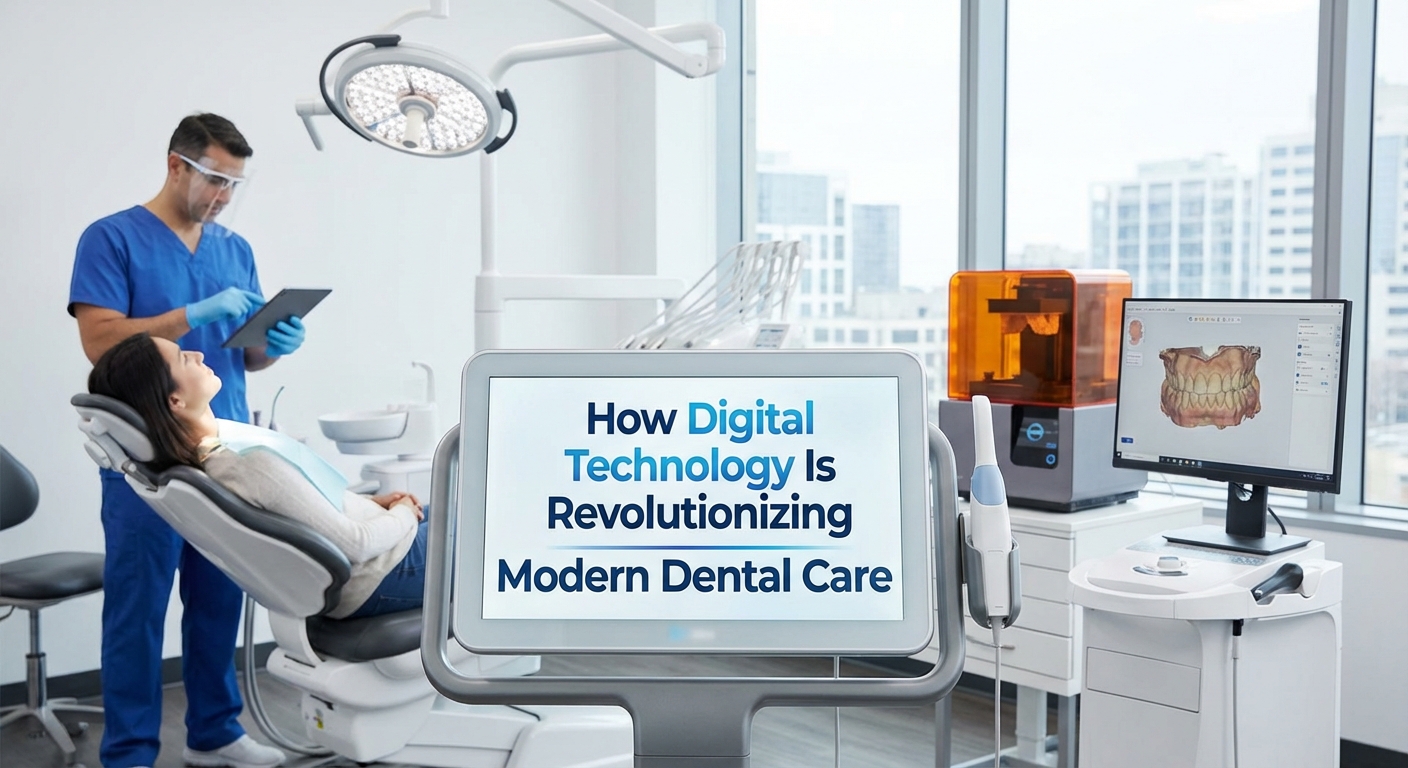
Digital dentistry represents a major shift from the old ways of treating teeth to a new, high-tech approach. In the past, dentists relied on analog methods, which often involved messy molds, film X-rays, and manual tools that could be slow and uncomfortable. Today, digital dentistry changes the game by using computer-based technology to examine, diagnose, and treat dental problems. This modern approach integrates powerful tools like artificial intelligence (AI), 3D printing, laser technology, and advanced digital imaging. Instead of waiting weeks for results or enduring uncomfortable procedures, these technologies make the process faster and more precise.
These different technologies do not just work alone; they work together to completely transform your experience in the dental chair. For example, a digital scan can be sent instantly to a 3D printer to create a model, while AI helps the dentist spot issues that the human eye might miss. This seamless connection between devices improves clinical outcomes, meaning your fillings fit better and your surgeries heal faster. Ultimately, digital dentistry turns a visit that many people dread into a streamlined, efficient, and surprisingly comfortable experience.
The Role of AI in Modern Dental Practice
Artificial intelligence is quickly becoming a dentist's best assistant, helping them see things more clearly and plan treatments with incredible accuracy. In modern practices, AI software analyzes X-rays and 3D scans to detect cavities, bone loss, and gum disease much earlier than traditional methods allow. This predictive analysis helps dentists catch problems before they become painful or expensive to fix. By processing vast amounts of data, AI enhances precision in identifying complex issues, ensuring that the diagnosis is correct the first time.
Beyond just finding cavities, AI plays a huge role in creating personalized treatment plans that are unique to your mouth. AI-powered systems can simulate how teeth will move during orthodontic treatment or how a new smile will look after cosmetic work. This assists dentists in making better decisions for complex cases, such as placing implants or designing bridges. With AI support, your dentist can design a roadmap for your oral health that is safer, more predictable, and tailored specifically to your needs.
3D Printing Technology in Dentistry
3D printing is a manufacturing process that builds objects layer by layer from a digital file, and it has found a perfect home in dentistry. In a dental office, this technology is used to create a wide variety of items, including dental restorations like crowns and bridges, physical models of a patient's teeth, and precise surgical guides for implants. Instead of relying on outside manufacturers for every little piece, dentists can now produce high-quality tools and teeth replacements right in their own offices.
The benefits of using 3D-printed restorations are significant, especially when it comes to saving time. Traditionally, waiting for a lab to make a crown could take weeks, but with 3D printing, the turnaround time is often reduced to just a few days or even a few hours. This technology allows for high levels of customization, ensuring that every piece fits the patient perfectly. Because these restorations can be designed and manufactured in-house, the long waiting periods associated with shipping items back and forth to a lab are virtually eliminated.
In addition to speed and accuracy, 3D printing offers important environmental benefits for the dental industry. Traditional methods often involve subtractive manufacturing, where material is cut away and wasted, or the use of disposable plastic molds. 3D printing is an additive process, meaning it only uses the exact amount of resin or material needed to build the object. This resource efficiency leads to significantly reduced waste, making digital dentistry a greener and more sustainable choice for the planet.
Laser Technology and Its Applications
Laser technology has become a versatile tool in dental offices, offering a high-tech alternative to drills and scalpels. Lasers are used for a variety of procedures, ranging from soft tissue treatments like reshaping gums to removing decay from a tooth. They are also used for minimally invasive surgical interventions, such as treating gum disease or performing biopsies. Because the laser beam is so focused, it can target specific areas without damaging the surrounding healthy tissue.
One of the biggest advantages of laser dentistry is the difference in how patients feel during and after the procedure. Lasers seal blood vessels and nerve endings as they work, which significantly reduces bleeding and discomfort. This often means there is less need for anesthesia and stitches. Consequently, recovery time is much faster compared to traditional surgery, allowing patients to get back to their normal routines with less swelling and pain.
Enhanced Precision and Accuracy
Digital tools have largely eliminated the guesswork and errors that were common with traditional dental methods. Devices like intraoral scanners, Computer-Aided Design/Computer-Aided Manufacturing (CAD/CAM) systems, and 3D imaging (CBCT technology) capture every tiny detail of the mouth. Old-fashioned impressions could drag or distort, leading to ill-fitting appliances, but digital scans are exact replicas of your teeth. This high level of detail ensures that the data used to build crowns or aligners is flawless.
This enhanced precision directly translates to better clinical outcomes for patients. When a restoration is designed based on perfect digital data, it fits better, feels more natural, and lasts longer. This accuracy means there are fewer remakes or adjustments needed, saving you from having to return to the office for corrections. By removing human error from the measuring process, digital dentistry ensures that the treatment is done right the first time.
Faster Turnaround Times and Efficiency Gains
The speed of digital dentistry is not just a feeling; it is backed by impressive clinical data. Digital workflows have been shown to reduce the active working time for single-unit restorations by 38.4%, meaning you spend less time in the chair with your mouth open. Furthermore, the overall treatment time can be reduced by as much as 60.36%. This efficiency allows dentists to work smarter, not harder, delivering high-quality results in a fraction of the time it used to take.
The impact on lab work is equally dramatic, with turnaround times reduced by 75-85%. What used to be a two-week wait for a new crown or bridge can now be completed in just a few days. For patients, this practical impact is huge; it means fewer appointments to schedule and less time taking off work. Quicker solutions mean you get your smile back faster, making the entire dental process much less of a burden on your daily life.

Improving the Patient Experience
Digital dentistry does wonders for patient confidence by taking the mystery out of treatment. Tools like 3D imaging and virtual treatment planning allow you to see the expected results on a screen before the dentist even touches a tooth. Being able to visualize your future smile helps you understand exactly what is happening, boosting your satisfaction and making you feel more involved in your own healthcare decisions.
Beyond just seeing the results, the physical experience of going to the dentist is much more comfortable. Digital dentistry eliminates the need for messy impression materials and those uncomfortable metal trays that often cause gagging. In fact, studies show that 89% of patients prefer digital impressions over the traditional "goop" method. By removing these unpleasant parts of the visit, dentists can make the appointment much more relaxing.
For patients needing dentures, the workflow improvements are life-changing. Traditional analog denture procedures could require five or more visits to get the fit right. Digital denture workflows can reduce this to just 2-3 visits, demonstrating a 60% reduction in required appointments. This saves time, reduces travel costs, and gets patients smiling comfortably much sooner.
Patient Education and Communication
Modern technology has bridged the communication gap between dentists and patients. With high-definition intraoral photos and rotatable 3D models, dentists can show you exactly what is happening inside your mouth. Instead of just taking the doctor's word for it, you can see the crack in a tooth or the early signs of gum disease on a large monitor. This transparency makes it much easier to understand your dental conditions and the available treatment options.
This open style of communication fosters a strong sense of trust and collaboration. When you can see the problem clearly, you feel more confident in the solution. Many digital platforms also integrate patient education videos and visual aids that explain complex procedures in simple terms. This enhances your understanding of oral health, empowering you to take better care of your teeth at home.
Overcoming Dental Anxiety Through Technology
For many people, dental anxiety is triggered by specific physical sensations, such as the taste of impression material or the feeling of losing control. Intraoral scanners help eliminate these anxiety-inducing triggers by removing the need for traditional molds entirely. The scanning wand is small, non-invasive, and quick, which helps patients who have a sensitive gag reflex or fear of choking feel much more at ease.
In addition to physical comfort, some forward-thinking practices are using virtual reality (VR) to help patients mentally escape the dental chair. VR technology provides an immersive experience that distracts the brain from the sights and sounds of the procedure. By wearing a headset and watching a calming video or playing a game, patients can distance themselves from their anxiety, making the appointment feel shorter and far less stressful.
Cost-Effectiveness and Accessibility
While high-tech equipment might seem expensive, digital dentistry actually contributes to cost-effectiveness in the long run. The precision of digital tools leads to fewer remakes and corrections, which saves money on materials and lab fees. Additionally, streamlined workflows reduce chair time, allowing dentists to treat patients more efficiently. These savings help keep practice overheads in check, which can help stabilize costs for patients over time.
It is true that the initial investment for things like 3D printers and scanners is high, but the long-term savings are significant. Furthermore, technology is improving accessibility for people who live far from dental offices. Teledentistry, or remote dentistry, allows dentists to consult with patients in rural or underserved areas via video calls. This improves access to care for those who might otherwise struggle to see a dentist, ensuring that quality oral health support is available to more people.

The Future of Digital Dentistry
Adopting digital dentistry is about more than just buying new gadgets; it positions a dental practice as a leader in innovation. Patients today are tech-savvy and increasingly trust providers who use cutting-edge technology because they associate it with higher quality care. Practices that embrace these tools show that they are committed to providing the best possible experience, which helps them build a loyal patient base.
Looking ahead, the trends in digital dental technology show no signs of slowing down. We can expect continued advancements in AI diagnostics, even faster 3D printing, and more integration of health data. These emerging technologies will position forward-thinking practices as preferred providers. As these tools become standard, the gap between high-tech care and traditional care will widen, making digital adoption essential for the future of dentistry.
Making the Transition to Digital Dentistry
For dental practices considering the switch, the transition to digital workflows requires careful planning but offers huge rewards. It is important to invest not just in the equipment, but also in training staff to use it effectively. A team that feels confident using intraoral scanners and 3D printers will maximize the potential of the technology. Dentists should start by identifying which digital tools will have the biggest immediate impact on their specific workflow.
Implementation involves more than just plugging in a machine; it requires changing daily habits and protocols. Common considerations include ensuring that new software integrates with existing patient management systems and setting up a secure digital storage solution. By following best practices and rolling out changes gradually, practices can smooth out the learning curve. Ultimately, the effort to transition pays off in a more efficient practice and happier patients.
Frequently Asked Questions
1. What is digital dentistry and how does it differ from traditional dentistry?
Digital dentistry is the integration of advanced computer-based technologies into dental practice, including AI, 3D printing, laser systems, and digital imaging. Unlike traditional analog methods that rely on physical molds and manual tools, digital dentistry uses data and software to diagnose and treat patients. This results in higher precision, greater efficiency, and a significantly more comfortable experience for the patient.
2. How much faster are digital dental procedures compared to traditional methods?
Digital workflows are significantly faster, with data showing they reduce active working time by 38.4% for single restorations and cut total treatment time by 60.36%. Additionally, lab turnaround times are reduced by 75-85%, dropping from two weeks to just a few days. Because of this speed, many restorations like crowns can now be completed in a single visit.
3. Is digital dentistry more comfortable for patients?
Yes, digital dentistry is much more comfortable because it eliminates messy impression materials, uncomfortable metal trays, and the gagging sensations associated with them. In fact, 89% of patients prefer digital impressions over traditional methods. The reduced frequency of appointments and the use of less invasive procedures, like lasers, also contribute to a better overall experience.
4. What is the cost of digital dental treatments compared to traditional methods?
While the initial investment in technology can be high for the dentist, digital dentistry often offers long-term cost savings. These savings come from reduced remakes, fewer appointments, and increased practice efficiency. For patients, fewer complications, predictable results, and less time off work ultimately provide a financial benefit.
5. How do 3D imaging and virtual treatment planning benefit patients?
3D imaging and virtual treatment planning allow patients to see a visual representation of their expected results before any treatment begins. This transparency improves the patient's understanding of their dental conditions and the recommended procedures. Consequently, this builds trust, reduces anxiety, and leads to higher case acceptance and patient satisfaction.
Conclusion
The transformative impact of digital technology on modern dental care cannot be overstated. By integrating AI, 3D printing, and laser systems, dentists are now able to deliver care with enhanced precision and significantly faster treatment times. These tools have revolutionized the patient experience, offering better clinical outcomes and greater comfort. Digital technologies are no longer just optional innovations for the wealthy; they are becoming essential components of any progressive dental practice that aims to provide the best standard of care.
This shift to digital dentistry represents a fundamental change in how dental care is delivered. The evidence supporting its effectiveness is quantifiable, showing clear improvements across efficiency, cost-effectiveness, and patient satisfaction metrics. Practices that embrace these technologies position themselves as leaders in the field, while patients gain access to cutting-edge treatments that were once impossible. Furthermore, teledentistry options are breaking down barriers, improving accessibility for everyone.
If you are tired of old-fashioned dental visits, now is the time to schedule an appointment at a digital-forward dental practice. Experience firsthand how AI, 3D printing, and laser technology can transform your dental care into a seamless, comfortable journey. Discuss your specific dental needs with a provider equipped with modern technology to see the difference it makes. Key Takeaways: Digital dentistry integrates AI, 3D printing, and laser technology to deliver superior precision, reduce treatment times by up to 60%, improve patient comfort, enhance communication, and provide more accessible care—making it the modern standard for quality dental practice.