From Lasers to AI: How Technology is Revolutionizing Your Dental Care
Published 32 min read
Introduction: Why Dental Technology Matters More Than Ever
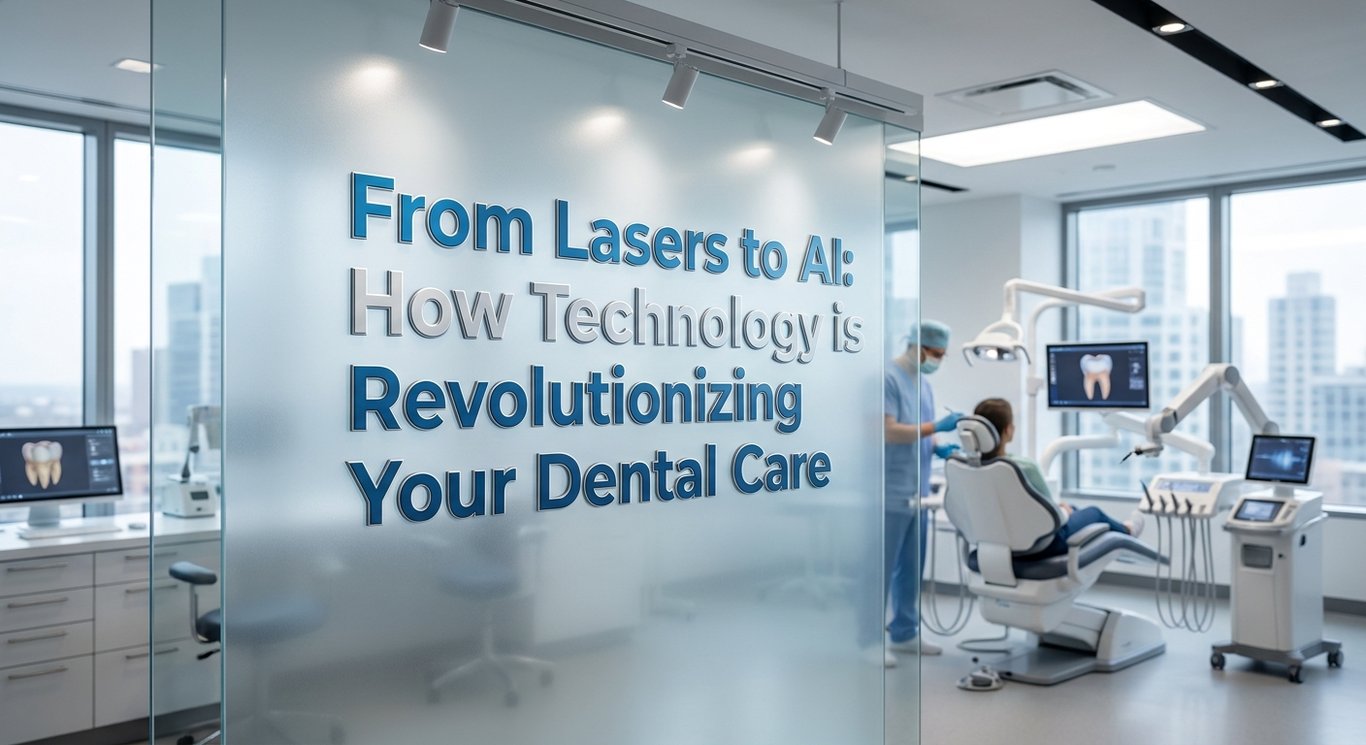
Not too long ago, a trip to the dentist meant the familiar whir of a drill, a mouthful of gooey impression material, and a grainy black-and-white X-ray taped to a light box. Today, that picture looks completely different. Modern dental practices are replacing traditional drills with focused laser beams, swapping messy molds for sleek digital scanners, and upgrading flat 2D X-rays with detailed 3D imaging. Artificial intelligence is helping dentists spot problems earlier than ever before, and 3D printers are producing custom restorations right in the office. All of these advances share one common goal: making dental care more precise, more comfortable, and more efficient for every patient who sits in the chair.
This article is your guided tour through the technologies reshaping modern dentistry. By the time you finish reading, you will understand how lasers work and when they are used, how AI assists in diagnosis, what intraoral scanners and CBCT imaging actually do, and how 3D printing is changing the way crowns and aligners are made. You will also learn about teledentistry, smart toothbrushes, data privacy, and the real costs involved. Along the way, we will tackle common myths, address safety concerns, and give you practical questions to bring to your next dental appointment. Think of this as everything you wished someone had explained before you walked into a high-tech dental office for the first time.
From Drill to Light: What Is Laser Dentistry and How Does It Work?
Laser dentistry uses focused beams of light energy to cut, reshape, or remove tissue inside the mouth. The word "laser" stands for Light Amplification by Stimulated Emission of Radiation, but you do not need to memorize that to understand what it does. In simple terms, a dental laser delivers a precise, concentrated beam that interacts with water molecules or pigment in tissue to perform very controlled work. There are two main categories of dental lasers: soft-tissue lasers, which work on gums and other oral tissues, and hard-tissue lasers, which can treat teeth and bone. Each type operates at a specific wavelength chosen to interact best with its target material.
The range of procedures that now use lasers instead of traditional tools is surprisingly broad. Dentists use lasers to prepare cavities before filling them, reshape gum lines in a process called gum contouring, treat gum disease through periodontal therapy, and even accelerate teeth whitening by activating bleaching agents. Minor surgical procedures, such as removing small benign growths or exposing partially erupted teeth, can also be performed with lasers. One of the biggest advantages is selectivity: a well-calibrated laser targets diseased or targeted tissue while leaving the healthy structures around it largely untouched, which can mean less collateral damage and faster healing compared to traditional cutting tools.
When it comes to safety, laser dentistry has a strong track record when performed by properly trained professionals. Dentists who use lasers must complete specific training programs and follow strict protocols, including having all patients and staff wear protective eyewear during procedures. The devices themselves are regulated by health authorities in most countries, and manufacturers must meet rigorous safety standards before their products reach dental offices. That said, lasers are not a universal solution. Teeth with large existing metal fillings, certain types of cavities in specific locations, or situations requiring significant structural removal may still call for traditional drills. A skilled dentist knows when to reach for the laser and when to stick with time-tested tools.
Beyond X-Rays: Digital Imaging, CBCT, and Intraoral Scanners
Digital X-rays have quietly become one of the most significant upgrades in everyday dental care. Unlike traditional film-based X-rays, digital sensors capture images almost instantly and display them on a chairside monitor within seconds. The radiation dose needed to produce a digital image is substantially lower than with older film systems, which is good news for patients who need regular imaging. Beyond speed and safety, digital images can be enhanced, zoomed, and adjusted for contrast, making it easier for a dentist to spot early-stage cavities, subtle bone loss, or hidden infections that might have been missed on a grainy film image. These images can also be shared electronically with specialists or insurance companies without any loss of quality.
For cases that demand even more detail, cone-beam computed tomography, or CBCT, takes imaging to a completely new dimension — literally. A CBCT scanner rotates around the patient's head and captures hundreds of images that are stitched together by software to create a full three-dimensional model of the teeth, jawbones, nerves, and sinuses. This level of detail is invaluable when planning dental implants, because the dentist can measure bone density and identify the exact position of nerves before making a single incision. Orthodontists use CBCT to assess jaw relationships and tooth positions with far greater accuracy than traditional panoramic X-rays allow, and oral surgeons rely on it for complex extractions and corrective jaw procedures where precision planning is not optional — it is essential.
Intraoral scanners are handheld wand-like devices that capture thousands of images per second as they move around the inside of the mouth, assembling those images into a highly accurate 3D digital model in real time. If you have ever gagged on a tray full of cold, rubbery impression material, you will immediately appreciate why this technology has become so popular. The scanner is fast, comfortable, and produces a digital file that can be sent directly to a dental lab or fed into an in-office milling machine. Because the digital model can be reviewed and corrected on-screen before any physical restoration is made, there are far fewer remakes and a much better fit from the start. Patients can also see their own digital impressions on a monitor, which makes it easier to understand what the dentist is working with.
Taken together, digital X-rays, CBCT imaging, and intraoral scanners form the digital foundation that makes everything else in modern dentistry possible. These tools generate the precise data that AI systems analyze, the accurate models that CAD/CAM machines use to design restorations, and the detailed maps that guide surgical procedures. Without this digital foundation, the more advanced technologies discussed in the rest of this article simply would not work as effectively. Think of them as the data pipeline that feeds every other innovation downstream.
AI in the Dental Chair: Smarter Diagnosis and Personalized Treatment
Artificial intelligence in dentistry is not science fiction — it is already working quietly in the background of many modern dental practices. At its core, dental AI consists of software trained on enormous datasets of dental images, patient records, and clinical outcomes. When a dentist takes a digital X-ray or intraoral scan, the AI system analyzes the image almost instantly, looking for patterns associated with cavities, bone changes, cracked teeth, or suspicious lesions. It highlights areas of concern on the image, essentially giving the dentist a second opinion before they have even finished examining the patient. The result is a diagnostic process that is faster, more thorough, and less dependent on any single clinician's experience on a given day.
One of the most compelling benefits of AI in dentistry is its ability to reduce diagnostic errors. Even experienced dentists can miss early-stage cavities on a busy day or overlook subtle changes in bone density that develop slowly over time. AI systems do not get tired, distracted, or rushed. They apply the same analytical standard to every image they process. In practice, this means AI tools have shown strong performance in detecting early caries that might otherwise go unnoticed until they require more extensive treatment, flagging signs of early periodontal bone loss, and assisting orthodontists in analyzing tooth positions and predicting how teeth will move during treatment. Think of AI as a very diligent colleague who reviews every image with fresh eyes every single time.
Beyond diagnosis, AI is beginning to change how treatment plans are built and personalized. By combining a patient's imaging data, medical and dental history, lifestyle habits, and risk factors, AI platforms can suggest tailored treatment sequences, flag patients at high risk for decay or gum disease, and even recommend how frequently a specific patient should return for check-ups based on their individual profile rather than a one-size-fits-all schedule. Some systems use predictive analytics to model how a patient's oral health might change over the next few years if certain risk factors are not addressed, giving dentists and patients a proactive tool rather than a reactive one. This shift from treating problems after they appear to anticipating and preventing them is one of the most exciting directions in modern dental care.
It is completely natural to feel a little uneasy about the idea of a computer playing a role in your healthcare, so it is worth being clear about what AI does and does not do. AI does not examine you, make final decisions, or carry out any treatment. It is a decision-support tool that helps dentists do their jobs more accurately and consistently. That said, no technology is perfect, and AI systems can reflect biases present in the data they were trained on, which is why ongoing clinician oversight and ethical guidelines are so important. Responsible use of AI in dentistry means dentists remain fully in charge of every diagnosis and every treatment decision, with AI serving as a powerful but always-supervised assistant.
Digital Dentistry Workflow: CAD/CAM, 3D Printing, and Same-Day Restorations
The concept of a fully digital dental workflow might sound complicated, but the basic idea is straightforward: instead of sending physical molds to a distant lab and waiting days or weeks for a restoration to come back, modern practices can design and manufacture crowns, bridges, and veneers entirely in-house using computer-aided design and manufacturing, known as CAD/CAM, along with 3D printing technology. The process starts with an intraoral scan, which produces a precise digital model of the patient's tooth and surrounding teeth. That model is imported into design software where the restoration is shaped on-screen, and then the digital design is sent to a milling machine or printer that produces the finished product from a ceramic block or resin material.
Same-day crowns are perhaps the most visible example of how this workflow benefits patients directly. In a traditional scenario, getting a crown meant two appointments separated by a week or two, with a temporary crown in between that could be uncomfortable, fall off, or feel awkward. With in-office CAD/CAM systems, the dentist prepares the tooth, scans it, designs the crown on a computer screen, and mills it from a high-quality ceramic block — all in a single visit. The patient walks out with a permanent, custom-fitted crown the same day they came in. For people with busy schedules, dental anxiety, or difficulty taking time off work, this is not just a convenience — it is genuinely life-changing.
3D printing in dentistry extends far beyond crowns. Dental labs and in-office printers now produce surgical guides that show implant surgeons exactly where and at what angle to place each implant, dramatically improving accuracy and reducing surgical time. Clear aligner trays for orthodontic treatment are printed in batches customized to each patient's treatment plan. Full and partial dentures can be designed digitally and printed with exceptional precision, and custom impression trays, night guards, and other appliances are also increasingly produced this way. The common thread across all of these applications is that 3D printing allows for a level of customization and repeatability that is very difficult to achieve with traditional hand-crafted methods.
When AI and digital design tools are integrated into this workflow, the results get even better. AI can analyze the digital model of a prepared tooth and suggest an optimal restoration shape based on the patient's bite, opposing teeth, and adjacent tooth contours. This means the finished restoration is not just designed to look good — it is engineered to function well within the unique mechanics of that patient's mouth. Better fit and better bite alignment translate to restorations that are more comfortable to wear, less likely to crack under pressure, and more natural-looking over time. The dentist, the lab technician, and the patient can all review the digital design together before anything is milled or printed, making the whole process more collaborative and transparent.
Comfort, Speed, and Outcomes: How Technology Changes Your Experience
For many people, dental anxiety is rooted in the sounds, sensations, and discomforts associated with traditional dental tools — the vibration of a drill, the pressure of instruments on sensitive tissue, the cold goop of an impression tray. Modern technology addresses many of these pain points directly. Lasers produce far less vibration and heat than mechanical drills, which means many procedures can be performed with little or no local anesthesia. Digital impressions eliminate the gagging and discomfort of traditional molds. Minimally invasive techniques enabled by precise imaging mean less healthy tissue is disturbed during treatment, which translates to less swelling, less post-operative soreness, and faster healing times. For patients who have avoided the dentist because of fear or discomfort, these changes can genuinely lower the barrier to seeking care.
Beyond comfort, the efficiency gains are hard to ignore. Digital records, online scheduling, and automated appointment reminders streamline the administrative side of dental care. Same-day restorations cut the number of required appointments in half for many procedures. AI-assisted diagnosis means that when you do come in for a check-up, the review of your X-rays is faster and more thorough, so you spend less time waiting and more time getting actionable information. Teledentistry platforms, which we will discuss shortly, can handle certain consultations and follow-ups remotely, saving patients the time and cost of traveling to the office for every question or concern. The cumulative effect of all these efficiencies is a dental experience that fits more naturally into a busy modern life.
Perhaps the most underappreciated benefit of dental technology is the improvement in transparency and patient understanding. When a dentist can pull up a 3D scan of your jaw on a large monitor, rotate it, zoom in on a problem area, and explain exactly what they are seeing, you are no longer just taking their word for it — you are seeing the evidence for yourself. Treatment simulations can show you what your smile might look like after orthodontic treatment or cosmetic procedures before a single tooth is touched. Better-fitting restorations mean fewer adjustments and less time in the chair after the fact. All of this adds up to a dental experience where patients feel more informed, more involved, and more confident that the care they are receiving is genuinely the best available.
Teledentistry and Remote Monitoring: Dental Care Beyond the Clinic
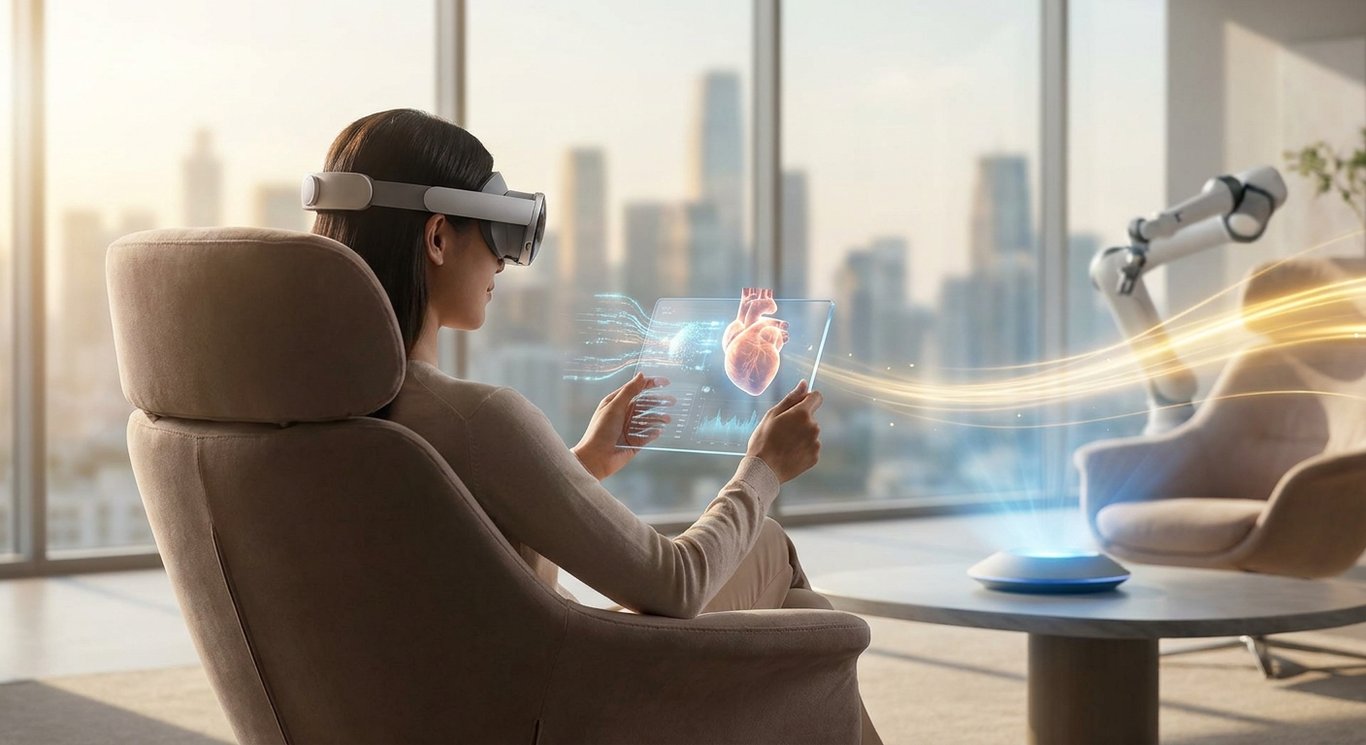
Teledentistry is exactly what it sounds like: dental care delivered, at least in part, through digital communication channels rather than in a physical office. This can take several forms, including video consultations where a dentist assesses a concern you describe and show on camera, asynchronous reviews where you submit photos and receive a written response, pre-visit screenings that help the dentist prepare before you arrive, and post-operative check-ins that confirm healing is progressing normally without requiring you to make an extra trip. For people living in rural or underserved areas where the nearest dental office might be a long drive away, teledentistry can be the difference between getting timely guidance and going weeks without any professional input.
The practical mechanics of teledentistry are simpler than they might seem. A patient takes clear photos of a sore tooth, a swollen area, or a broken restoration using a smartphone, uploads them through a secure portal, and a dentist reviews the images and responds with advice, a prescription if appropriate, or a recommendation to come in urgently. Video calls allow for real-time conversations where the dentist can ask follow-up questions and observe facial swelling or visible oral conditions. This kind of triage is enormously valuable: it helps patients avoid unnecessary emergency room visits for dental problems, ensures that genuinely urgent cases get seen quickly, and prevents people from sitting at home in pain and uncertainty when a brief virtual consultation could provide clear direction.
Remote monitoring takes teledentistry a step further by using connected devices and apps to track oral health between visits. Some orthodontic systems now include apps where patients photograph their teeth at regular intervals, and AI software checks whether the aligners are fitting correctly and whether treatment is progressing on schedule. Sensors embedded in mouthguards or retainers can detect grinding habits, clenching forces, or even early signs of sleep apnea. Periodontal patients can use apps to log symptoms, track sensitivity, or receive reminders about home care routines. All of this data flows back to the dental team, creating a continuous picture of oral health that extends well beyond the walls of the clinic and supports more proactive, personalized long-term care.
Smart Toothbrushes, Apps, and Wearables: At-Home Tech for Better Oral Hygiene
Smart toothbrushes have come a long way from a basic vibrating handle. Today's connected electric toothbrushes are equipped with pressure sensors, accelerometers, and Bluetooth chips that track exactly how long you brush, how much pressure you apply, and which areas of your mouth you are covering — or neglecting. This data is sent in real time to a companion app on your smartphone, which maps your brushing performance and gives you immediate feedback. Some models use a small display or color-coded LED lights to guide you zone by zone through a two-minute routine, making it much harder to rush through the back molars that most people chronically under-brush. For parents trying to establish good habits in children, many of these apps include games and characters that make brushing feel less like a chore.
Beyond brushing, a growing ecosystem of oral health apps and wearables is helping people track the full range of habits that affect their dental health. Some apps prompt users to log flossing, water intake, and dietary choices that influence cavity risk, such as frequent snacking on sugary foods or acidic drinks. Others focus on detecting and managing bruxism — the unconscious grinding or clenching of teeth that can cause significant long-term damage. Wearable sensors and smart mouthguards can detect grinding events during sleep and alert users in the morning, while also logging the data for their dentist to review. Over time, these tools build a detailed picture of a person's oral health behaviors that no single clinical appointment could ever fully capture.
The most sophisticated of these home-use tools incorporate AI to make sense of all the data they collect and turn it into genuinely useful guidance. Rather than just telling you that you brushed for 90 seconds instead of 120, an AI-powered app might notice that you consistently miss your upper left molars on weekday mornings and suggest a specific adjustment to your technique. It might identify that your cavity risk is elevated based on a combination of brushing frequency, diet logs, and your dental history, and prompt you to schedule a check-up sooner than your usual interval. Gamified challenges, streak rewards, and social sharing features keep users engaged over time. The underlying goal of all of this technology is simple: make it easier and more motivating to do the daily habits that prevent problems from developing in the first place, so that your dental visits can focus on maintenance rather than repair.
Risks, Limits, and Myths: What Technology Can and Cannot Do
It would be easy to walk away from a tour of dental technology thinking that every practice has access to all of these tools and that they solve every problem perfectly. The reality is more nuanced. Not every dental office can afford to invest in CBCT scanners, in-office milling machines, or AI diagnostic software, and that does not make them inferior practices. Many procedures — routine cleanings, simple fillings, extractions, and periodontal maintenance — are performed just as effectively with traditional instruments in the hands of a skilled clinician. Technology enhances what a good dentist can do; it does not substitute for clinical judgment, manual dexterity, and years of patient care experience. Patients should be cautious about assuming that more technology automatically equals better care.
A few myths about dental technology deserve direct attention. The claim that "lasers are always pain-free" is one of the most common, and it is not quite accurate. While lasers do reduce discomfort significantly for many procedures and many patients, pain perception is highly individual, and some deeper or more complex treatments still require local anesthesia even when a laser is used. Similarly, "AI replaces dentists" is a misconception that misrepresents how these tools actually function — AI assists, it does not diagnose or treat independently. And while "3D printing guarantees a perfect fit" sounds appealing, the quality of the final product depends on the accuracy of the scan, the skill of the designer, and the calibration of the printer. Technology raises the ceiling on what is achievable, but it does not make human error impossible.
There are also practical limitations that do not always make it into the marketing brochures. New dental technology comes with a learning curve: dentists and their teams need training time to use equipment properly, and during that period, outcomes may not be as polished as they will eventually become. Equipment requires ongoing maintenance, calibration, and software updates to remain accurate and safe, all of which carry costs and occasionally take devices offline. AI systems need to be updated regularly as new research emerges, and algorithms trained primarily on certain patient populations may not perform equally well across all demographics. None of these limitations mean that technology is not worth pursuing — they simply mean that informed patients and responsible practitioners approach it with realistic expectations.
Cost, Access, and Insurance: Who Really Benefits from Dental Tech?
Advanced dental technology is not cheap to acquire or maintain, and those costs do not disappear — they are reflected somewhere in the pricing of services. A practice that invests in a CBCT scanner, an in-office milling machine, and AI diagnostic software has significant overhead to recover. However, the economics are not entirely one-sided against the patient. Same-day crowns eliminate the cost of temporary restorations and reduce the number of appointments required, which saves patients time and potentially money. More accurate diagnostics mean problems are caught earlier, when they are less expensive to treat. Better-fitting restorations last longer, reducing the frequency of replacements. When you look at the full picture over several years, some high-tech treatments can actually be more cost-effective than their traditional counterparts, even if the upfront price is higher.
Access to dental technology is far from evenly distributed, and that is an important reality to acknowledge. Urban practices and specialty clinics are much more likely to have cutting-edge equipment than rural or community health center settings. Private practices catering to higher-income patients may offer a full suite of digital tools, while practices serving lower-income communities may rely primarily on traditional methods. Some advanced services — like CBCT imaging for implant planning or AI-enhanced diagnostics — are increasingly considered standard of care in certain contexts, while others remain firmly in the premium or elective category. Insurance coverage varies widely: many plans cover digital X-rays as a standard benefit, but coverage for CBCT scans, CAD/CAM restorations, or laser procedures often depends on the specific plan and the clinical justification provided.
Navigating the cost and insurance landscape around dental technology does not have to be overwhelming if you go in prepared. Before agreeing to any high-tech procedure, ask your dentist to explain exactly what the technology adds to your specific treatment and whether a traditional approach would achieve a comparable outcome. Contact your insurance provider directly to ask whether the proposed procedure is covered under your plan, and if not, what the out-of-pocket cost will be. Ask the dental office whether payment plans are available for larger expenses. Some practices offer in-house membership plans that can make advanced services more accessible. The key is to treat these conversations as a normal part of your care rather than an awkward negotiation — a good dental team will welcome the questions and help you make a decision that works for your health and your budget.

Privacy, Data Security, and Ethics in High-Tech Dentistry
Modern dental technology generates a remarkable amount of personal data. Every digital X-ray, intraoral scan, CBCT image, and treatment plan is a detailed record of your anatomy, your health history, and your care decisions. Smart toothbrush apps collect behavioral data about your daily habits. AI platforms analyze your images and may store them to improve their algorithms. Teledentistry platforms hold photos and video recordings of your consultations. All of this data is genuinely valuable — it enables personalized care, supports accurate diagnoses, and allows for long-term monitoring of your oral health. But that same value makes it important to understand how it is collected, stored, and shared.
Dental practices are required by law in most countries to protect patient health information. In the United States, this falls under HIPAA regulations; in the European Union, GDPR applies; and similar frameworks exist in many other regions. These regulations govern how data is stored, who can access it, how it must be encrypted, and under what circumstances it can be shared with third parties such as dental labs, AI software providers, or insurance companies. When a practice uses cloud-based AI tools or sends scans to a remote lab, that data transfer must comply with applicable privacy rules. Patients have the right to ask how their data is stored, who has access to it, and whether it is used for purposes beyond their direct care, such as training AI models.
The ethical dimensions of AI in dentistry go beyond just privacy. There is a genuine concern that AI algorithms trained predominantly on data from certain demographic groups may perform less accurately for patients from underrepresented populations, potentially introducing a subtle form of bias into diagnostic processes. Transparency is also an issue: patients should be able to know when AI is being used to analyze their images and what role it plays in their diagnosis. Professional organizations and regulatory bodies in dentistry are actively developing guidelines to address these concerns, emphasizing the need for human oversight at every step, clear disclosure to patients, and ongoing evaluation of AI tools for fairness and accuracy across diverse populations. As a patient, you have every right to ask whether AI is being used in your care and how it influences the decisions your dentist makes.
How to Talk to Your Dentist About Lasers, AI, and Other New Tools
Walking into a dental office that uses advanced technology can feel a little intimidating if you are not sure what questions to ask. The good news is that most dentists who invest in these tools are genuinely enthusiastic about explaining them, and asking informed questions is one of the best ways to get the most out of your care. Start by simply asking which technologies the practice uses and why they have chosen those particular tools. Ask how long they have been using the technology, what training they or their staff have completed, and whether the approach they are recommending is supported by current clinical evidence. A confident, well-trained dentist will appreciate the engagement and give you clear, honest answers.
When a specific high-tech procedure is recommended for you, a few targeted questions can help you evaluate it clearly. Ask what benefit this technology offers compared to the traditional approach for your specific situation. Ask what the risks or limitations are, and whether there are circumstances where the technology might not perform as expected. Find out how the procedure will change your experience in terms of appointment length, recovery time, and aftercare. If cost is a factor, ask upfront whether the technology adds to the expense and whether your insurance is likely to cover it. You might also ask to see an example of the technology in action — whether that is watching a demonstration of the intraoral scanner, seeing a sample of a CAD/CAM crown, or reviewing how AI highlights findings on an X-ray. Seeing is often the fastest route to understanding.
Ultimately, the most important thing to remember is that you are an active participant in your dental care, not just a passive recipient of it. Shared decision-making — where the dentist provides expertise and you provide your preferences, values, and circumstances — leads to better outcomes and higher satisfaction on both sides. Understanding the technology your dentist uses helps you feel less anxious, more confident, and more in control of your own health decisions. If a recommended technology feels unnecessary or unclear, it is completely appropriate to ask for more explanation or to seek a second opinion. The goal of all of this innovation is to serve you better, and you deserve to understand exactly how it is doing that.
FAQ: Common Questions About From Lasers to AI: How Technology is Revolutionizing Your Dental Care
Is laser dentistry really less painful than traditional methods?
Lasers reduce pain in dental procedures primarily by eliminating the vibration and pressure associated with mechanical drills. Because lasers work by delivering precise pulses of light energy to tissue, there is far less physical contact with the tooth or gum than a spinning drill produces. For many soft-tissue procedures — such as gum reshaping, treating canker sores, or removing small lesions — a laser can accomplish the work with little to no anesthesia required. The reduced trauma to surrounding tissue also tends to mean less bleeding, less swelling, and a more comfortable recovery period compared to traditional surgical approaches.
That said, "less painful" does not always mean "pain-free," and it is important to set realistic expectations. Pain perception varies significantly from person to person, and the complexity and depth of a procedure matter a great deal. For deeper cavity preparations in hard tooth structure, or for more extensive gum treatments, local anesthesia may still be necessary even when a laser is used. The honest answer is that most patients report a noticeably more comfortable experience with laser procedures, but your individual experience will depend on the specific treatment, your sensitivity, and how the dentist uses the technology.
Can AI replace my dentist in diagnosing and treating dental problems?
No — and it is worth being very clear about this, because the misconception can cause unnecessary worry. AI in dentistry functions as a decision-support tool, not an autonomous practitioner. It analyzes digital images and data according to patterns it has learned from large training datasets, and it flags areas that may warrant closer attention. But it cannot perform a physical examination, ask you about your symptoms, assess the texture or color of tissue in real time, or apply the kind of contextual clinical judgment that comes from years of patient care. Every diagnosis and every treatment decision remains the responsibility of your dentist.
What AI genuinely does well is improve consistency and catch things that might otherwise be missed. Studies have shown that AI tools can detect early-stage cavities and subtle bone changes with impressive accuracy, often matching or exceeding average human performance on specific image-reading tasks. But "matching average performance on a specific task" is very different from replacing the full scope of what a dentist does. Think of AI as a highly capable tool in a dentist's toolkit — one that makes the diagnostic process more thorough and reliable, while the dentist remains firmly in charge of interpreting findings, communicating with patients, and delivering care.
Are digital X-rays and 3D scans safe in terms of radiation exposure?
Digital X-rays and modern CBCT systems are designed with radiation minimization as a core principle. Standard digital dental X-rays expose patients to significantly less radiation than older film-based systems — in some comparisons, the dose is reduced by as much as 70 to 80 percent. CBCT scans do involve more radiation than a standard digital X-ray because they capture hundreds of images from multiple angles, but they are still engineered to deliver the lowest dose that produces a diagnostically useful image. Dentists are trained to follow the ALARA principle — As Low As Reasonably Achievable — meaning imaging is only recommended when it provides clinical benefit that outweighs the minimal risk.
If you have concerns about radiation exposure, it is entirely appropriate to ask your dentist about the type of equipment used, the estimated dose for each type of image, and how frequently imaging is recommended for your specific situation. Patients who are pregnant, children, or those who require frequent imaging for ongoing treatment should feel comfortable raising these concerns directly. Your dentist can explain the clinical rationale for each imaging recommendation and discuss any additional precautions, such as lead aprons or thyroid collars, that are appropriate for your circumstances. Being informed and asking questions is always the right approach.
Why do some dentists still use traditional methods if technology is so advanced?
Traditional dental instruments have been refined over many decades and remain highly effective for a wide range of procedures. A hand scaler removes tartar efficiently. A conventional drill handles many cavity preparations reliably. Standard impression materials, while less comfortable than digital scanners, still produce accurate molds for many applications. The fact that newer technology exists does not automatically make older methods obsolete — it simply means there are more options available, and a skilled dentist selects the right tool for each specific situation rather than defaulting to the newest or most expensive option every time.
The adoption of new technology in any healthcare field is influenced by a complex mix of factors including training requirements, equipment costs, patient volume, and the specific focus of a practice. A general dentist in a small rural community may provide excellent care with a more traditional toolkit because the investment in advanced equipment would not be financially sustainable at their patient volume. A specialist practice focused on implants or orthodontics may be equipped with every available digital tool because those technologies are central to their work. Neither scenario is inherently better or worse — what matters most is the skill, judgment, and commitment to evidence-based care that the dentist brings to every appointment, regardless of which tools are on the tray.
How can I tell if a high-tech treatment is worth the extra cost?
The most useful question to ask is not "is this technology impressive?" but rather "what specific benefit does it offer me in this situation?" Ask your dentist to explain concretely how the high-tech approach differs from the traditional one for your particular treatment. Will it shorten the number of appointments you need? Will it reduce the risk of complications? Will the restoration last longer or fit better? Will recovery be faster or less uncomfortable? If the dentist can give you clear, specific answers to these questions that are relevant to your case, you are in a much better position to weigh the additional cost against the benefits.
Once you understand the clinical case for the technology, it makes sense to factor in the financial side as well. Check with your insurance provider to understand what is covered and what your out-of-pocket responsibility will be. Ask the dental office whether there are alternative approaches that would achieve a similar outcome at a lower cost, and what the trade-offs would be. Consider the long-term value: a CAD/CAM crown that fits perfectly from day one and lasts fifteen years may represent better value than a traditionally made crown that requires adjustments and replacement sooner. Taking the time to have this conversation before committing to a procedure is always worthwhile, and a dentist who genuinely has your interests at heart will welcome the discussion.
Conclusion: Embracing the Future of Dental Care with Confidence
The transformation happening in dental care right now is genuinely exciting. Lasers are enabling gentler, more precise procedures with faster healing. AI is helping dentists catch problems earlier and diagnose more accurately. Digital workflows powered by intraoral scanners, CAD/CAM systems, and 3D printers are delivering same-day restorations that fit better and last longer. Teledentistry is bringing professional guidance to people who previously had limited access to care. Smart devices at home are making it easier to build the daily habits that prevent problems from developing in the first place. Across all of these innovations, the common theme is care that is more comfortable, more personalized, and more transparent — where patients are better informed and more actively involved in their own oral health.
Now that you have read through everything covered in "From Lasers to AI: How Technology is Revolutionizing Your Dental Care," you are equipped to take a more active role in your dental experience. Take a look at your current dental practice and consider whether the tools and approaches being used align with what you now know is available. At your next appointment, bring some of the questions from this article and have a real conversation with your dentist about the technologies they use and why. Look for a practice that combines genuine clinical expertise with thoughtful use of modern tools — because the best dental care has always been about the skill and judgment of the professional first, with technology serving as a powerful enhancer of that foundation. Staying informed, asking good questions, and engaging actively with your care is the most reliable way to benefit from everything modern dentistry has to offer and to walk out of every appointment feeling confident that your oral health is in excellent hands.