From Gold to Zirconia: The Evolution and Science of Dental Materials
Published 13 min read
Ancient Origins of Dental Restorations
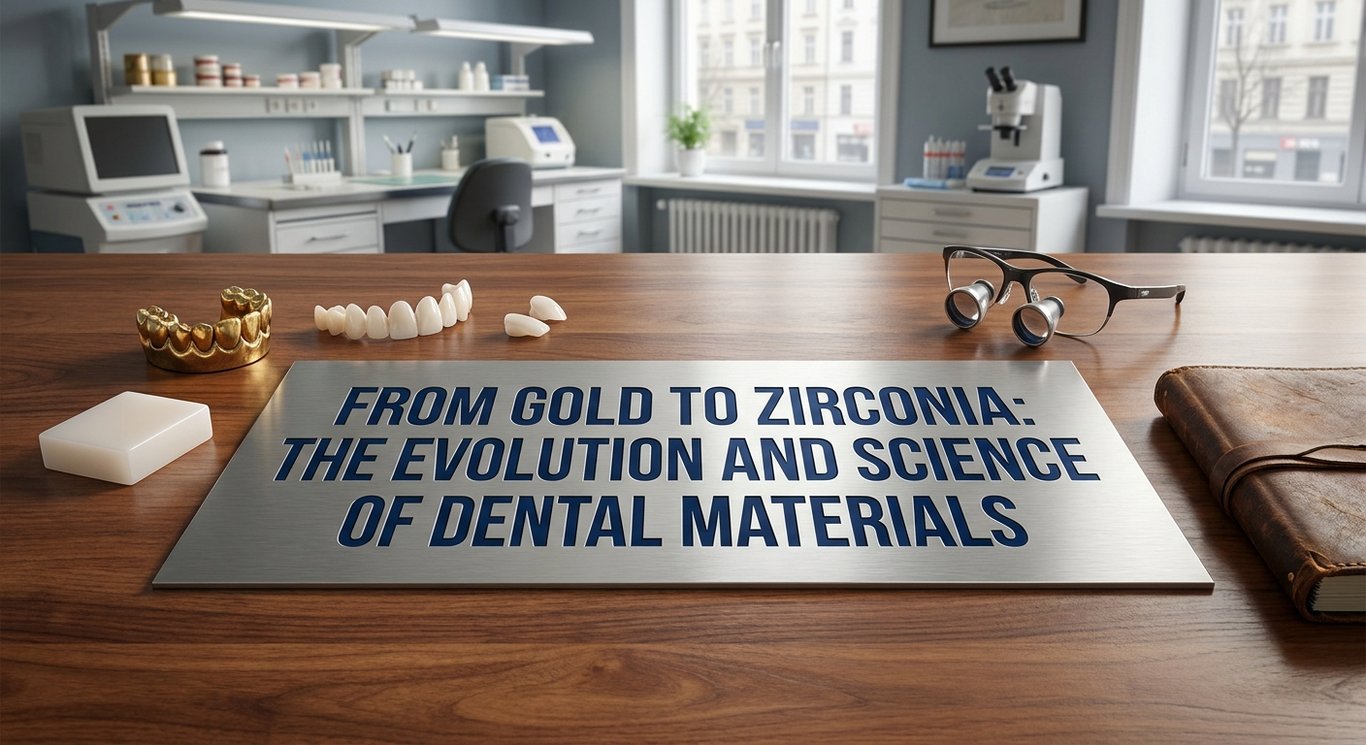
The fascinating history of dental restorations dates all the way back to around 200 AD in Southeast Asia, where the earliest known dental crowns were crafted from gold. Early healers recognized that replacing damaged teeth was essential not just for chewing, but for overall survival. Because gold was highly durable and easy to shape, it played a foundational role in the very first attempts to restore oral health. These ancient innovations set the stage for centuries of dental advancements to come.
Following these early breakthroughs, ancient dentists relied heavily on gold and other rudimentary metals to fix broken smiles. These initial materials were incredibly valuable because they possessed the sheer strength needed to withstand the intense daily forces of biting and chewing. However, while these metal fixes were functionally impressive, they completely lacked the natural aesthetics of real teeth. This glaring visual drawback meant that early dental work was always obvious to anyone who looked.
Consequently, this dissatisfaction with glaring metal teeth sparked a long-standing human quest for the perfect functional and beautiful tooth restoration. People wanted to be able to eat their favorite foods without flashing a mouthful of obvious metal repairs. Over the centuries, this relentless desire for a natural-looking smile pushed healers and scientists to experiment with new techniques. Ultimately, this ancient drive for perfection paved the way for the incredible modern developments we see in dentistry today.
Gold and Metal Alloys in Early Dentistry
For many centuries, gold remained the undisputed king of dental materials due to its unique physical properties. Dentists loved working with gold because of its incredible malleability, allowing them to hammer and shape it perfectly into the tiny grooves of a damaged tooth. Furthermore, it offered excellent biocompatibility, meaning the human body rarely rejected or reacted poorly to it. Because of this unbeatable combination of strength and safety, gold restorations became a symbol of wealth and advanced medical care in historical dental practices.
As dentistry evolved, practitioners began mixing gold with other metals to create alloys, eventually leading to the widespread use of silver amalgam. These utilitarian mixtures were highly prized because they were cheaper to produce and incredibly tough, making them perfect for filling large cavities in the back teeth. Unfortunately, these metal blends came with significant drawbacks, including a dark, unappealing appearance and the risk of triggering metal allergies in sensitive patients. These lingering issues made it clear that the dental world desperately needed a more natural, body-friendly alternative.
The Rise of Porcelain and Porcelain-Fused-to-Metal Crowns
To address the glaring aesthetic issues of pure metal, the dental industry eagerly introduced porcelain into the mix. This beautiful, glass-like material was a game-changer because it could be color-matched to mimic the natural, pearly white look of real teeth. Patients were thrilled to finally have restorations that blended seamlessly into their smiles rather than standing out like a sore thumb. This leap forward in cosmetic dentistry marked the beginning of a new era focused on visual appeal.
Building on this aesthetic breakthrough, the invention of porcelain-fused-to-metal (PFM) crowns served as a massive milestone in dental history. PFM crowns brilliantly combined the tough, reliable base of a metal crown with the attractive, tooth-colored exterior of baked porcelain. This hybrid approach finally offered patients the perfect balance between heavy-duty chewing strength and a natural, confident appearance. For decades, PFM crowns stood as the gold standard for restoring severely damaged teeth.
Despite their immense popularity, PFM crowns still harbored a few frustrating limitations that researchers wanted to overcome. Over time, the gums could recede, exposing an ugly dark metal line at the base of the tooth that ruined the illusion of a natural smile. Additionally, the rough porcelain surface could sometimes cause excessive wear and tear on the opposing natural teeth when chewing. These persistent flaws highlighted the need for an entirely metal-free solution that wouldn't compromise on durability.
Advances in Dental Amalgam and Composites
While crowns were getting a makeover, the materials used for everyday cavity fillings were also undergoing a massive transformation. The dental industry slowly transitioned away from the eras of packed silver and gold, moving toward modern composite resins. A major breakthrough in this area was the development of light-curing technology, which allowed dentists to instantly harden the filling material using a special blue light. This innovation made the filling process faster, easier, and far more comfortable for the patient.
This shift toward modern composites was largely driven by the demand for tooth-colored materials that offered superior aesthetics. Unlike old metal fillings that just sat in a drilled hole, composite resins actually bond chemically to the tooth structure, providing excellent adhesion and extra support. This meant dentists could preserve more of the natural tooth while delivering a virtually invisible repair. Ultimately, these advanced composites proved that dental work could be both highly functional and beautifully discreet.
Revolution of All-Ceramic Materials
As patient demands for flawless smiles grew, the dental field experienced a massive revolution by moving from metal-based restorations to all-ceramic materials. Early ceramics like alumina became incredibly popular because they offered a stunning, lifelike translucency that metals simply could not match. Furthermore, these metal-free options were a blessing for patients suffering from metal allergies or sensitivities. This shift proved that the future of dentistry was undoubtedly heading in a purely aesthetic, biocompatible direction.
However, the journey to perfect all-ceramic restorations was not without its early hurdles. The first generation of pure ceramics struggled with brittleness, making them prone to chipping or cracking under the heavy pressure of back-jaw chewing. To solve this, scientists worked tirelessly to engineer tougher, more resilient ceramic compounds. This steady progression toward superior, fracture-resistant materials perfectly set the stage for the ultimate dental game-changer.
Discovery and History of Zirconia
The story of modern dentistry's strongest material actually begins in the late 18th century with the discovery of zirconium oxide. In 1789, a brilliant German chemist named Martin Heinrich Klaproth successfully isolated this unique element from a gemstone. For a long time, this fascinating discovery remained a scientific curiosity with little practical application in the medical field. It would take centuries of technological advancement before this ancient discovery would find its true calling in the human mouth.
Fast forward to the early 2000s, and the dental world was forever changed by the introduction of transformation-toughened zirconia. This incredible leap was made possible by the rise of CAD/CAM (Computer-Aided Design and Computer-Aided Manufacturing) systems, which allowed dentists to mill solid blocks of zirconia with pinpoint digital accuracy. Suddenly, dental labs could produce custom-fit, ultra-strong crowns in a fraction of the time it used to take. This digital revolution turned zirconia from a niche material into a worldwide dental sensation.
Of course, the initial rollout of zirconia restorations came with a few aesthetic challenges that needed ironing out. Early zirconia was notoriously opaque and bone-white, making it difficult to veneer and blend naturally with adjacent teeth. Fortunately, manufacturers quickly developed brilliant solutions by introducing newer, highly translucent, and pre-colored variants of the material. Today, these historical color hurdles are a thing of the past, allowing zirconia to look just as good as it performs.
Science Behind Zirconia's Strength and Esthetics
The secret to zirconia's unbeatable durability lies in a fascinating scientific process known as transformation-toughening. When a tiny crack tries to form in the material, the crystal structure of the zirconia actually expands, effectively squeezing the crack shut before it can spread. This built-in defense mechanism gives zirconia superior strength over all earlier ceramics, making it virtually indestructible under normal chewing forces. It is this unique microscopic behavior that earns zirconia the nickname of ceramic steel.
Beyond its incredible muscle, the science of zirconia has also evolved to master the art of natural esthetics. While the original versions were a stark, flat bone-white, modern dental scientists have engineered highly translucent options that let light pass through just like real tooth enamel. Dentists can now perfectly match the shade and light-reflecting qualities of a patient's natural teeth. This means you no longer have to choose between a crown that is strong and a crown that is beautiful.
In addition to strength and beauty, zirconia boasts incredible biocompatibility that keeps the human body happy and healthy. Because it is completely devoid of metal, it entirely avoids the risk of metal allergies or inflammatory reactions in the gum tissue. Furthermore, its smooth surface resists plaque buildup, which contributes to the outstanding longevity of the restoration. Ultimately, this harmonious relationship with the body ensures that zirconia restorations can comfortably last a lifetime.
Modern Applications of Zirconia in Dentistry
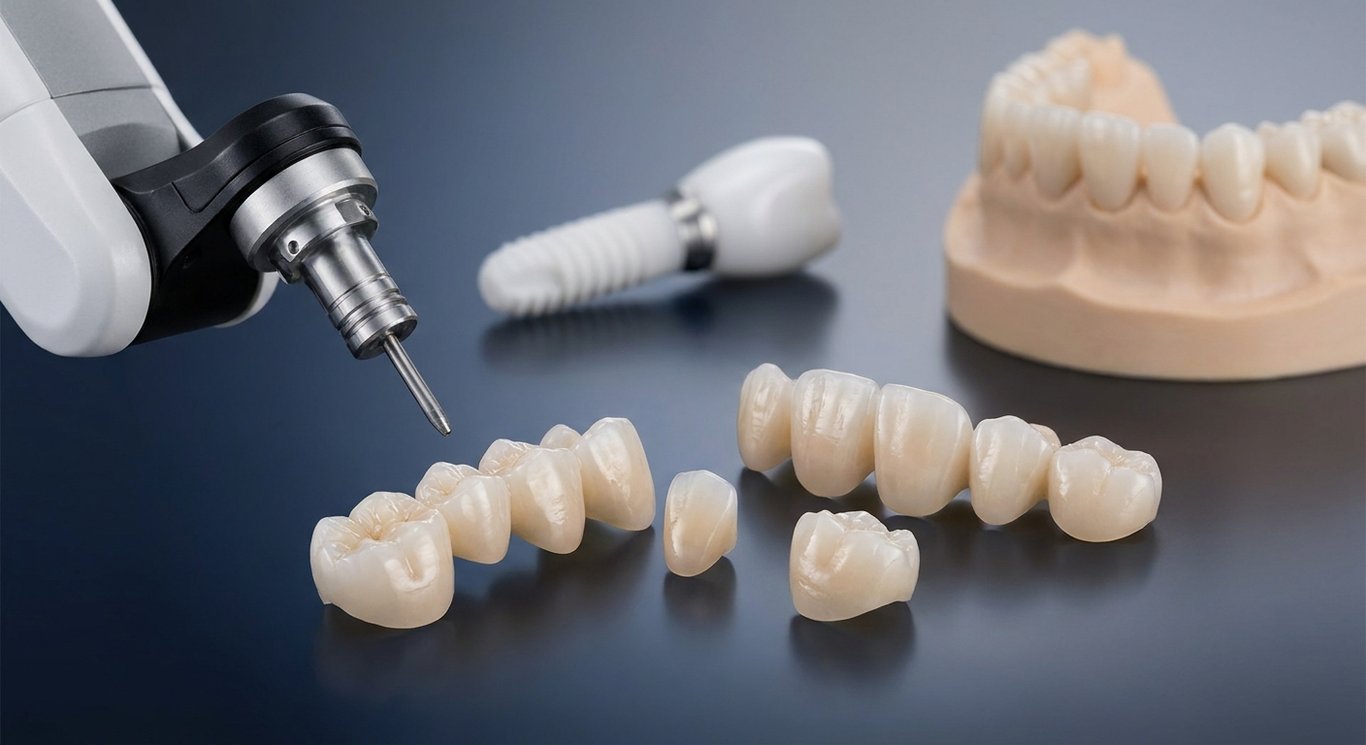
Today, the applications for zirconia in the dental office are incredibly diverse and continually expanding. Dentists regularly use this powerhouse material to craft single crowns, extensive dental bridges, and even the structural posts that anchor into treated roots. It has also become a top choice for dental implants and their connecting abutments, offering a completely metal-free tooth replacement from root to tip. This wide array of uses makes zirconia one of the most valuable tools in a modern dentist's toolkit.
What makes zirconia truly special is its remarkable versatility across all areas of the mouth. Thanks to its vastly improved esthetic properties, it is beautiful enough to be used for the highly visible anterior, or front, teeth. At the same time, its unmatched fracture resistance makes it tough enough to handle the crushing forces of the posterior molars in the back of the mouth. Because it can do it all, zirconia has simplified treatment planning and improved outcomes for patients everywhere.
Comparing Zirconia to Traditional Materials
When comparing the raw strength of dental materials, the evolution is clear and impressive. Historically, gold offered a very high level of durability, while early porcelain provided only moderate strength that was prone to chipping. Today, zirconia stands completely superior, easily outperforming both traditional porcelain and many metal alloys when it comes to resisting fractures. This unmatched toughness makes it the clear winner for patients who grind their teeth or need heavy-duty repairs.
In terms of aesthetics, the differences between these materials are just as dramatic. Pure metals offer extremely poor visual appeal, while porcelain-fused-to-metal crowns provide a good, but sometimes flawed, natural look. Zirconia, on the other hand, delivers excellent, flawless aesthetics thanks to its modern translucency and custom shading capabilities. For a smile that looks completely natural under any lighting, zirconia easily takes the crown.
Finally, when looking at longevity and bodily harmony, zirconia presents distinct advantages over the classics. While gold is highly biocompatible, other metal alloys can cause allergic reactions or gum irritation over time. Zirconia is completely hypoallergenic, highly resistant to plaque, and doesn't corrode, ensuring exceptional longevity. This combination of safety and endurance makes it the smartest long-term investment for your oral health.
Future Trends in Dental Materials
The world of dental science never stops moving, and ongoing innovations are constantly pushing the boundaries of what is possible. Researchers are currently developing even smarter ceramics, stronger adhesives, and functional repair materials that can actually release minerals to heal surrounding tooth structure. These bioactive materials aim to do more than just fill a hole; they are designed to actively protect the mouth from future decay. As these technologies mature, dental visits will become even less invasive and more preventive.
Looking ahead, we can easily speculate that high-performance polymers and further zirconia enhancements will dominate the next era of dentistry. Based on the rapid trends of the past century, we will likely see zirconia become even more flexible and lifelike, perhaps even mimicking the exact wear-rates of natural enamel. As 3D printing and digital design continue to advance, these space-age materials will be crafted with unprecedented speed and precision. The future of dental materials promises smiles that are stronger, safer, and more beautiful than ever before.
Conclusion
The incredible journey of dental materials showcases a remarkable evolution from the simple durability of ancient gold to the scientific marvel of modern zirconia. For centuries, humans had to compromise, choosing either the ugly strength of metal or the fragile beauty of early porcelain. Today, that compromise is a thing of the past, as modern science has perfectly blended toughness and aesthetics. Zirconia stands as the ultimate testament to our long-standing quest for the perfect dental restoration.
When looking back at this progress, there are several key takeaways that highlight why modern dentistry is so effective. Zirconia offers a completely metal-free, highly esthetic, and incredibly strong solution for damaged teeth. Furthermore, the integration of CAD/CAM technology revolutionized how these restorations are produced, guaranteeing a perfect fit every single time. Ultimately, it was the persistent demands of patients wanting healthier, better-looking smiles that drove this incredible material evolution.
Beyond just looking good, these advancements have profound benefits for overall patient health and comfort. By eliminating metals from the equation, zirconia provides a safe haven for individuals with severe allergies or sensitive gums. It allows patients to chew with absolute confidence while flashing a brilliant, natural smile that they can be proud of. This peace of mind is truly the greatest benefit of modern dental science.
If you are dealing with a damaged tooth or an old, unsightly metal crown, now is the perfect time to explore your modern options. Consult your dentist to see how advanced materials can completely transform your oral health and boost your confidence. Schedule a consultation today to upgrade from gold to zirconia for a stronger, more beautiful smile.
Frequently Asked Questions (FAQ)
What are the main advantages of zirconia over gold crowns?
Zirconia provides superior esthetics, incredible strength, and excellent biocompatibility without the risk of metal allergies. While gold is highly durable and has been used for centuries, it suffers from a poor natural look that stands out in the mouth. Zirconia gives you the best of both worlds: the toughness needed for chewing and a flawless, tooth-colored appearance.
When was zirconia introduced in dentistry?
Although zirconium oxide was first discovered back in the 18th century, it didn't make its big splash in dentistry until much later. Zirconia gained major prominence in the early 2000s alongside the rise of CAD/CAM technology. This digital manufacturing breakthrough finally allowed dentists to shape this incredibly tough material into precise dental restorations.
Is zirconia stronger than porcelain?
Yes, transformation-toughened zirconia vastly exceeds traditional porcelain in terms of sheer strength and fracture resistance. While older porcelain was prone to chipping under heavy biting forces, zirconia can easily handle the pressure of back-jaw chewing. Best of all, modern zirconia achieves this incredible durability while perfectly matching the beautiful esthetics of porcelain.
Can zirconia be used for dental implants?
Absolutely, zirconia is an outstanding material for dental implants and their associated parts. Because of its excellent physical properties and biocompatibility, it is frequently used for the implant screws, abutments, crowns, bridges, and structural posts. It provides a completely metal-free, highly aesthetic replacement option from the root all the way to the visible tooth.
How has CAD/CAM changed dental materials?
CAD/CAM technology completely revolutionized the way dental materials, especially zirconia, are handled and produced. It enabled the precise, efficient, and rapid digital milling of solid ceramic blocks, replacing messy physical impressions and slow manual sculpting. This digital workflow has vastly improved the fit, comfort, and long-term outcomes of modern dental restorations.