Emergency Dentist in Edmonton: Your Guide to Urgent Dental Care
Published 13 min read
What Constitutes a Dental Emergency?
A dental emergency is generally defined as any situation involving the teeth or gums that requires immediate professional attention to relieve severe pain, stop bleeding, or save a tooth. Unlike a standard check-up that you can schedule weeks in advance, these issues happen unexpectedly and can pose serious health risks if ignored. Seeking urgent care is crucial because delaying treatment can lead to permanent damage, spreading infections, or the need for more expensive and complex procedures later on.
There are several clear warning signs that indicate you need to see a dentist right away rather than waiting for regular office hours. The most common symptoms include severe and persistent toothache, significant swelling in the jaw or face, uncontrollable bleeding, or a tooth that has been knocked out or loosened by an injury. If you experience trauma to the mouth that results in jagged breaks or cuts to your gums, these are also strong indicators that you require emergency intervention immediately.
It is important to understand the difference between a true emergency that needs instant attention and a dental issue that can wait a day or two. For example, a knocked-out tooth or an abscess that causes difficulty breathing constitutes a critical emergency that needs to be addressed within hours. On the other hand, a lost filling, a mild chip that doesn't hurt, or a broken brace bracket might be uncomfortable, but they can usually wait for a regular appointment without risking your long-term oral health.
Common Dental Emergencies and Initial Steps
One of the most frightening dental emergencies is a knocked-out, or avulsed, tooth, but acting fast can often save it. If an adult tooth is knocked out, pick it up by the crown (the top part used for chewing) and never touch the root, as this can damage the cells needed for reattachment. Gently rinse it with water if it is dirty, but do not scrub it, and try to place it back in the socket or keep it moist in a container of milk or inside your cheek while you rush to the dentist.
Chipped, cracked, or broken teeth are very common injuries that can happen from biting down on hard food or sports accidents. If you break a tooth, rinse your mouth with warm water to clean the area and apply a cold compress to your face to reduce any swelling that might occur. If the remaining tooth has a sharp edge that is cutting your tongue or cheek, you can temporarily cover it with a piece of sugar-free gum or dental wax until you can get professional repair.
Severe toothaches and abscesses often indicate a deep infection that has reached the nerve of the tooth, and they require careful management before you get to the clinic. Rinse your mouth with mild salt water to help clean the area and draw out some of the infection, and use dental floss to ensure no food debris is trapped causing the pressure. While you can take over-the-counter pain relievers, never place aspirin directly against the gums near the aching tooth, as this can burn the tissue.
Soft tissue injuries, such as bleeding gums, tongue bites, or facial swelling, can be alarming and sometimes require a decision between the dentist and the emergency room. If you have bleeding that won't stop after applying pressure for 15 minutes, or if you have facial swelling that impacts your breathing or swallowing, you should head to the nearest hospital ER immediately. However, for most cuts, lacerations, or trauma directly related to the teeth and gums, an emergency dentist is better equipped to provide the specialized repair you need.
24/7 and Extended-Hour Emergency Clinics in Edmonton
Dental pain rarely adheres to a convenient 9-to-5 schedule, which is why Edmonton is home to several clinics that operate 24 hours a day or 365 days a year. These facilities are designed to handle crises that happen in the middle of the night or early in the morning when regular offices are closed. Specific areas, such as those near Calgary Trail, often host these round-the-clock providers, ensuring that residents have access to pain relief and urgent treatment regardless of the time on the clock.
In addition to the 24/7 clinics, many general dental practices in Edmonton offer extended hours to accommodate urgent needs. It is common to find dental offices that stay open late into the evening on weekdays or offer full-service appointments on Saturdays, Sundays, and statutory holidays. These extended hours are a lifeline for patients who suffer injuries during weekend sports or wake up with a severe toothache on a holiday morning.
When looking for care, it is helpful to understand the difference between walk-in policies and appointment-based systems among top providers. Some emergency clinics in the city operate strictly as walk-in centres where patients are seen on a first-come, first-served basis, which is great for immediate access. However, other clinics prefer a quick phone call to triage your situation, though they still strive to offer same-day availability to get you out of pain as fast as possible.
How to Find an Emergency Dentist Near You in Edmonton
Finding a dentist quickly is essential when you are in pain, and searching by specific neighborhoods can help you find the closest help. Whether you are located in Southwest (SW), Northwest (NW), or Southeast (SE) Edmonton, there are likely emergency dental services within a short drive of your home. Using online search engines with your specific location or utilizing dedicated dental hotlines can help you instantly locate a clinic that is open and ready to treat you.
Once you have identified a potential clinic, it is highly recommended to call them immediately rather than just showing up, if possible. Calling ahead allows the staff to prepare for your arrival, give you specific instructions on how to handle your injury in the meantime, and confirm they have an open chair. Many clinics also offer online booking systems for urgent slots, but a phone call is usually the fastest way to secure your place in line for a walk-in visit.
Emergency Dental Procedures and What to Expect
When you arrive for emergency dental care, the treatments performed will depend entirely on the nature of your injury or infection. Common procedures include emergency extractions for teeth that cannot be saved, root canal therapy to remove infected nerves and stop pain, or the drainage of painful abscesses. For physical trauma, dentists often perform reimplantation of knocked-out teeth or use bonding materials to repair chips and fractures to restore the tooth's shape.
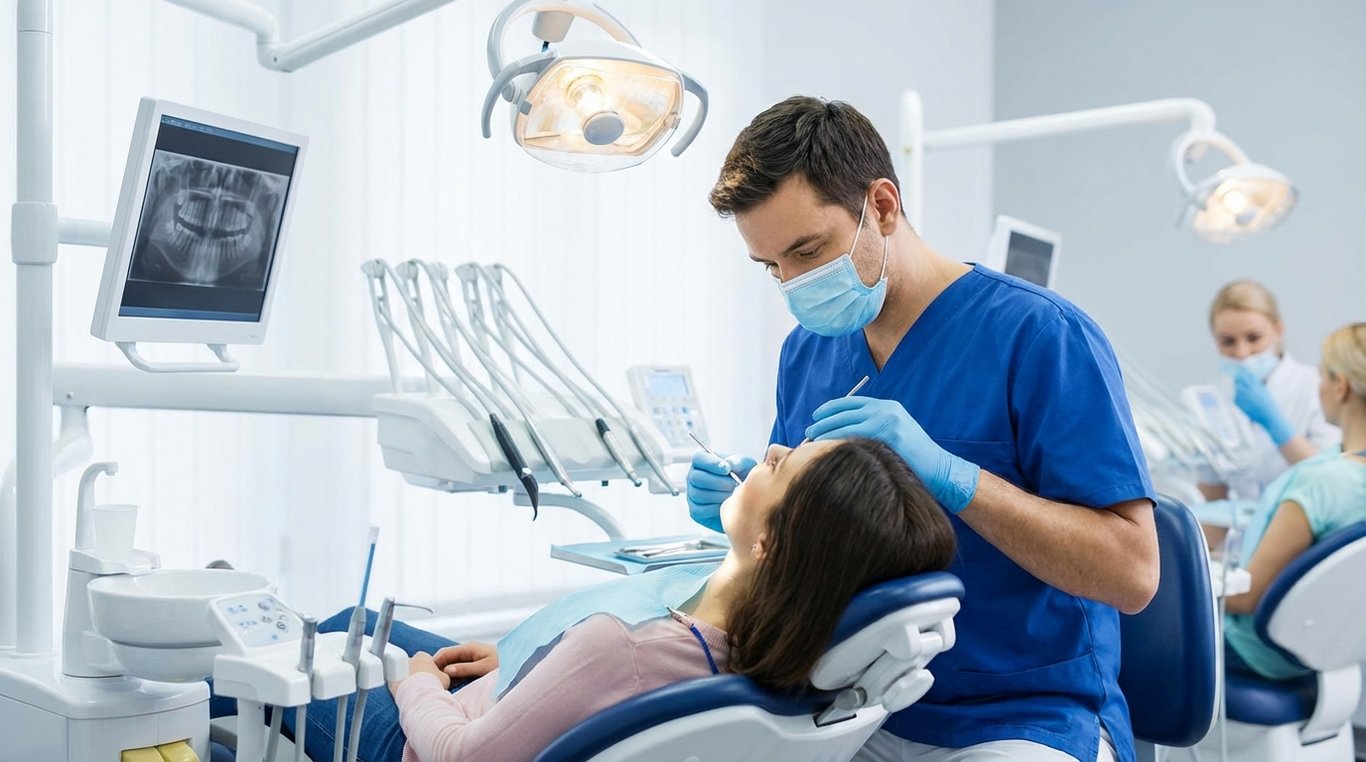
The first step in your visit will usually be a rapid assessment, which often involves digital X-rays to see what is happening below the gum line. The immediate priority for the dental team is almost always pain relief and stabilization, so they will likely use local anesthesia to numb the area quickly. Once you are comfortable, they will address the immediate problem to prevent it from getting worse, though some complex restorations might require a follow-up visit.
Emergency visits are generally focused and efficient, with the duration varying based on the complexity of the procedure. You can expect the dentist to use specialized tools to treat the issue, and you will leave with a clear set of post-procedure instructions. These instructions will cover how to manage any residual soreness, how to keep the area clean, and when to return for a permanent solution if a temporary fix was used.
Costs and Insurance for Emergency Dental Care
The cost of emergency dental care in Edmonton can vary depending on the severity of the problem and the treatment required, though many clinics strive to keep prices reasonable. While some procedures may carry a higher cost due to the urgency or after-hours nature of the work, many dentists follow the Alberta Dental Fee Guide to ensure fair pricing. It is worth noting that there may be a specific fee for the emergency examination itself, but getting a clear quote before treatment begins is standard practice.
Financial concerns shouldn't prevent you from seeking urgent care, as most Edmonton clinics accept a variety of insurance plans and offer direct billing to save you the hassle of paperwork. For those without insurance, many offices provide flexible payment plans or financing options to make the expense manageable. Additionally, there are government plans and social programs available at certain clinics that can assist eligible residents with the costs of urgent dental treatment.
Why Choose a Local Edmonton Emergency Dentist
Choosing a local emergency dentist ensures you are being treated by experienced, licensed professionals who are committed to the community's health. Many of these dental teams have decades of combined service and operate out of modern facilities equipped with the latest technology to handle trauma and complex infections. Their expertise allows them to diagnose issues rapidly and provide high-quality care that stands the test of time.
Convenience is another major factor, as local clinics often provide comprehensive services under one roof, meaning you won't have to travel to different specialists for X-rays, extractions, or fillings. With multiple locations spread across Edmonton, you are never far from help, which reduces the stress of traveling long distances while in pain. This accessibility makes it easier to attend follow-up appointments and maintain continuity of care with a team that knows your dental history.
Beyond the technical skills, local emergency dentists are known for their compassionate approach to patient care, understanding that dental emergencies can be traumatic and anxiety-inducing. They prioritize quick response times, with many clinics aiming to see urgent patients within two hours or even five minutes of arrival. This dedication to patient comfort and speed ensures that you are not left suffering longer than absolutely necessary.
Tips for Preventing Future Dental Emergencies
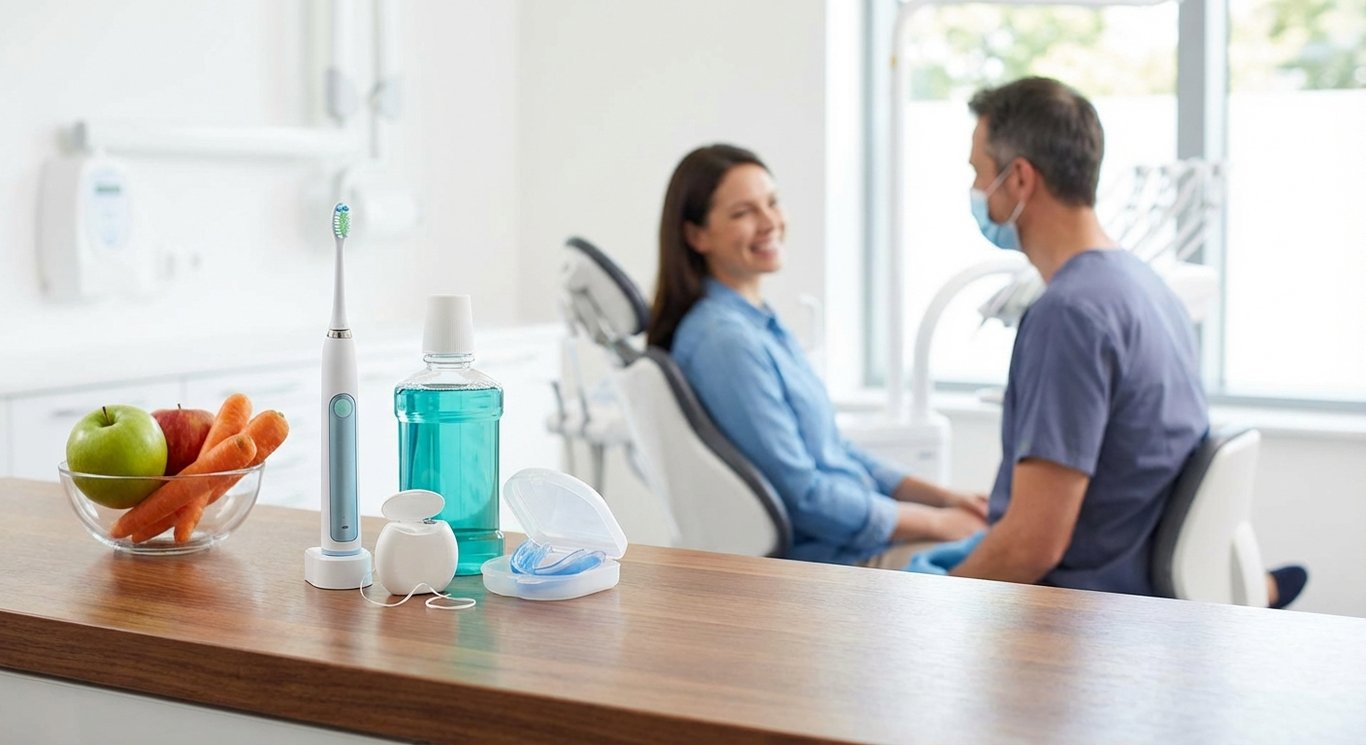
While accidents happen, maintaining a strong oral hygiene routine is the best defense against emergencies caused by decay and infection. Brushing twice a day, flossing daily, and attending regular check-ups allow your dentist to catch problems early before they turn into painful abscesses. Furthermore, if you participate in contact sports like hockey or football, wearing a custom-fitted mouthguard is essential to protect your teeth from being chipped or knocked out during a game.
Another key to prevention is avoiding habits that put unnecessary stress on your teeth, such as chewing on ice, popcorn kernels, or hard candies. It is also vital to seek intervention at the first sign of trouble; a small sensitivity to hot or cold is much easier to fix than a throbbing toothache. By addressing minor issues promptly, you prevent them from escalating into major emergencies that require urgent and more invasive treatment.
Preparing for Your Emergency Dental Visit
When rushing to the dentist, taking a moment to gather the right items can make your visit smoother and more efficient. Be sure to bring your photo ID and current dental insurance information so the administrative side is handled quickly. If you have a knocked-out tooth, bring it in a container of milk, and if you are taking any prescription medications, bring a list of them so the dentist can prescribe pain relief or antibiotics safely.
It is also helpful to prepare a few questions to ask the dentist, such as the estimated recovery time and any signs of complications to watch for after you go home. If you are in severe pain before leaving the house, you can ask the clinic staff over the phone if it is safe to take an over-the-counter pain reliever before your appointment. Understanding the triage process helps manage expectations, as the most severe cases are often seen first, but rest assured the team is working to help you as fast as possible.
Conclusion
Dental emergencies can be frightening and painful, but recognizing the signs and knowing how to react can make a massive difference in the outcome. Whether it is a knocked-out tooth, a severe infection, or a broken crown, seeking professional help immediately is the most important step you can take. Edmonton offers a wide range of 24/7 and extended-hour clinics equipped to handle these crises, ensuring that you never have to suffer through the night without support.
Relying on local Edmonton clinics provides you with fast access to experienced professionals who can not only relieve your pain but also help you prevent future issues. By utilizing these resources and following up with good preventative habits, you protect your oral health for the long term. Remember that the sooner you treat a dental injury, the higher the likelihood of saving the tooth and avoiding complex, expensive procedures down the road.
If you or a loved one is currently facing a dental emergency, do not wait for the pain to go away on its own. Contact an Edmonton emergency dentist immediately by calling a local hotline or visiting a walk-in clinic today. Prompt action is the key to alleviating your pain and saving your smile, so reach out now to get the compassionate care you deserve.
Frequently Asked Questions (FAQ)
Do I need to make an appointment for emergency dental care in Edmonton?
While many emergency clinics in Edmonton happily accept walk-in patients and strive to fit them in immediately, calling ahead is always recommended. A quick phone call allows the staff to prepare for your specific emergency and can often secure you a confirmed slot within two hours, ensuring you spend less time in the waiting room.
Are there 24-hour emergency dentists available in Edmonton?
Yes, there are several dental clinics in Edmonton that operate 24 hours a day, 7 days a week, specifically to handle urgent cases. Additionally, many other family practices offer extended evening, weekend, and holiday hours to ensure that patients can access care whenever a crisis strikes.
What should I do if I knock out a tooth?
If you knock out a tooth, time is critical; pick it up by the crown (top), rinse it gently without scrubbing, and keep it moist by placing it in milk or inside your cheek. Seek professional dental care immediately, ideally within an hour, to have the highest chance of successfully reimplanting the tooth.
Is dental emergency care more expensive?
The cost of emergency care varies depending on the treatment needed, but many Edmonton dentists follow the standard Alberta Dental Fee Guide to keep prices fair. While there may be a surcharge for after-hours exams, most clinics accept insurance and offer payment plans to make the service affordable.
How quickly can I be seen for a dental emergency?
Most emergency dentists prioritize urgent cases and aim to see patients on the same day they call. In situations involving severe pain or trauma, some clinics are able to get patients into a chair within minutes of their arrival to begin stabilization and pain relief.