Dental Implants: Costs, Procedure, and Aftercare
Published 17 min read

What Are Dental Implants?
Dental implants are widely considered the gold standard for replacing missing teeth because they do more than just fill a gap in your smile. At their core, dental implants are small titanium posts that a surgeon places directly into your jawbone. Once in place, these posts act as artificial tooth roots, providing a sturdy and permanent base for replacement teeth. Because titanium is biocompatible, it fuses with your natural bone over time, creating a stable foundation that supports crowns, bridges, or even dentures without slipping or causing discomfort.
To understand how they work, it helps to look at the three main components that make up a complete implant. First, there is the implant post itself, which sits in the jawbone like a screw. Next is the abutment, a small connector piece placed on top of the post to hold the new tooth. Finally, the restoration or crown is attached to the abutment; this is the visible part that looks and functions exactly like a natural tooth. Together, these parts mimic the structure of your original teeth, allowing you to bite, chew, and speak with confidence.
Who Is a Good Candidate for Dental Implants?
Most adults who are missing one or more teeth can successfully undergo the dental implant procedure, but there are a few requirements to ensure success. Generally, ideal candidates are adults over the age of 18 to 20 whose jawbones have finished growing. You need to have healthy gums free of periodontal disease and enough bone density in your jaw to anchor the titanium post securely. Additionally, candidates should be in good general health without uncontrolled medical conditions, such as unmanaged diabetes or heart disease, which could impair healing after surgery.
Before you are approved for surgery, your dentist or oral surgeon will guide you through a thorough evaluation process. This typically involves a comprehensive dental exam, including X-rays and 3D CT scans, to create a detailed map of your teeth and jawbone structure. Your provider will also review your complete medical history, including any medications you take, to ensure there are no contraindications. This careful planning stage is crucial for avoiding complications and ensuring the implant is placed in the perfect position for both aesthetics and function.
However, even if you don't meet all the ideal criteria right away, you might still be able to get implants with a little extra help. Factors like heavy smoking, significant bone loss from missing teeth for a long time, or certain chronic illnesses can affect the success rate. In these cases, your dentist might recommend preparatory treatments, such as bone grafting to build up the jaw or periodontal therapy to treat gum disease. While these steps may extend the timeline, they significantly improve the chances of a successful, long-lasting outcome.
Types of Dental Implants
There are two primary types of dental implants used today, with the choice depending largely on the health of your jawbone. The most common type is the endosteal implant, which looks like a small screw or cylinder and is surgically placed directly into the jawbone. Once the surrounding gum tissue heals, a second surgery connects a post to the original implant. Alternatively, for patients who do not have enough healthy jawbone and cannot undergo a bone graft, subperiosteal implants may be used. These consist of a metal frame that is placed onto the jawbone just below the gum tissue, with posts protruding through the gums to hold the prosthesis.
Beyond the standard types, there are also variations designed to suit specific needs and reduce treatment time. For example, immediate load implants, often called "teeth in a day," allow for the placement of a temporary tooth during the same appointment as the implant surgery. Another popular option for patients missing an entire arch of teeth is the All-on-4 technique. This method uses just four strategically placed implants to support a full set of top or bottom replacement teeth, offering a stable and cost-effective solution without needing an implant for every single missing tooth.
The Dental Implant Procedure Step-by-Step
The journey to a restored smile begins with an initial consultation where your dental team creates a customized treatment plan. During this visit, your dentist will perform a comprehensive evaluation using dental X-rays and 3D images to assess the quality of your bone and determine the best placement for the implant. This planning phase is critical because it allows the surgeon to visualize the nerves and sinuses, ensuring the procedure is safe and tailored specifically to your oral anatomy.
Once the plan is set, the next phase involves preparing the jaw and placing the implant. If you have a damaged tooth that needs to be removed, the extraction is often done first. If your jawbone isn't thick enough, a bone graft may be performed to create a solid base. When you are ready for the implant placement surgery, your dentist will use local anesthesia or sedation to keep you comfortable. They will make a small incision in the gum to expose the bone and drill a hole to insert the titanium metal post deep into the jaw.
After the metal post is placed, a critical healing period begins, which is perhaps the most important part of the process. This phase is called osseointegration, a biological process where the jawbone grows around and fuses with the titanium post. This fusion creates a solid anchor for your artificial tooth, similar to a natural tooth root. This healing process typically takes anywhere from three to six months, during which you might wear a temporary denture or bridge to cover the gap while you wait for the bond to become strong.
When the bonding process is complete and the jaw is fully healed, you will return for the final steps of the restoration. The surgeon will place the abutment—the small connector piece—onto the dental implant. After the gums heal around the abutment, your dentist will take impressions of your mouth to fabricate your custom crown. This permanent crown is color-matched to your natural teeth and attached to the abutment, completing the process and leaving you with a fully functional, natural-looking tooth.
Dental Implant Timeline
Patients often ask how long the entire process takes, and it is important to have realistic expectations. A standard dental implant timeline can range from three to nine months from the initial consultation to the placement of the final crown. The longest portion of this timeline is the healing phase, known as osseointegration, which usually requires three to six months to ensure the implant is fused securely to the bone. While the surgery itself is completed in a single day, the body's natural healing capability dictates the overall pace of treatment.
However, several variables can either extend or shorten this timeline significantly. If you require a bone graft or a sinus lift to build up the jawbone before placement, this can add an additional six to twelve months to the total time to allow for that graft to heal first. On the other hand, if you are a candidate for immediate load implants, the process is much faster, as the implant and a temporary tooth are placed at the same time. Your specific timeline will depend entirely on your oral health and the specific procedures required to ensure a stable result.
Costs of Dental Implants
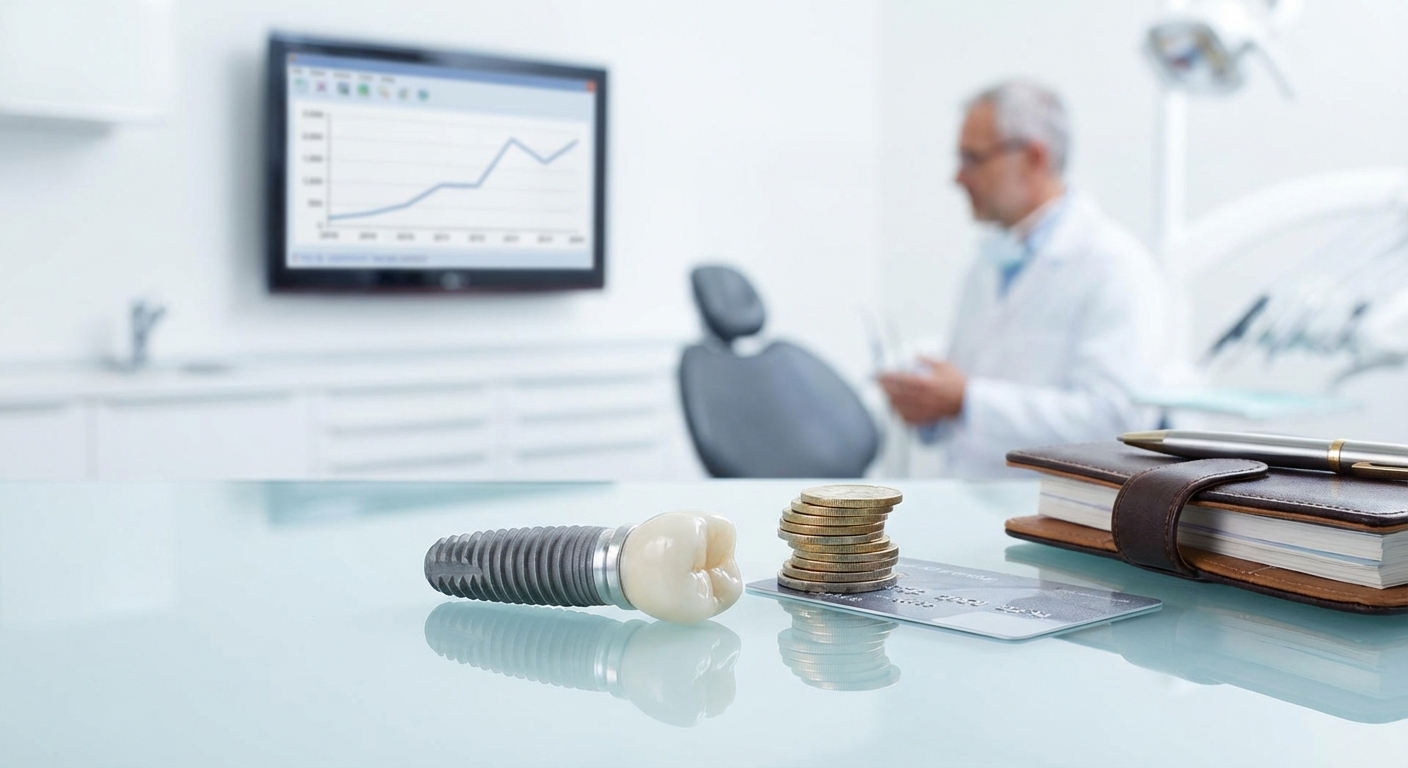
Investing in dental implants is a significant financial decision, and understanding the breakdown of costs is helpful for planning. On average, the cost for a single tooth implant can range between $3,000 and $5,000 or more. This total figure includes the cost of the implant post itself, which is usually between $1,000 and $3,000, the abutment which costs around $300 to $500, and the final porcelain crown which typically ranges from $1,000 to $3,000. Because each component involves high-quality materials and specialized lab work, the price reflects the durability and aesthetics of the final result.
It is also important to budget for potential additional costs that fall outside the standard implant procedure. For instance, if you need a tooth extraction before the implant can be placed, or if you require bone grafting or a sinus lift to prepare the jaw, these procedures will increase the overall price. Furthermore, the type of anesthesia or sedation you choose, as well as the number of implants you need, will affect the final bill. Replacing multiple teeth or a full arch will naturally cost more than a single unit restoration.
Regarding payment, dental insurance coverage for implants has improved over the years, but it varies widely by provider. Some plans may cover a portion of the restoration (the crown) or the extraction, while others might classify the implant itself as a cosmetic procedure. It is essential to ask your dentist for a pre-treatment estimate to see exactly what your insurance will pay. For the remaining balance, many dental offices offer financing options or payment plans to help make the treatment more affordable over time.
Risks and Complications of Dental Implants
Like any surgical procedure, dental implant surgery carries some potential risks, though they are generally rare and treatable. The most common complication is infection at the implant site, which can usually be prevented with good oral hygiene and antibiotics. Other risks include injury or damage to surrounding structures, such as other teeth or blood vessels, and nerve damage, which can cause pain or numbness in your natural teeth, gums, lips, or chin. In rare cases (less than 2%), the implant may fail to fuse with the bone, leading to implant rejection or looseness.
Despite these potential risks, dental implants have an incredibly high success rate, typically ranging between 95% and 98%. Most complications are minor and can be easily resolved if caught early. To minimize these risks, it is vital to follow your surgeon's pre- and post-operative instructions carefully. Choosing a qualified and experienced dental professional to perform the surgery also significantly increases the likelihood of a smooth recovery and a successful, long-lasting result.
Aftercare and Recovery
Immediately following your dental implant surgery, your focus should be on resting and allowing the site to begin healing. You may experience some minor bleeding, swelling, or bruising, which can be managed by biting down on gauze pads and applying ice packs to your cheek. Your dentist will likely prescribe pain medication or antibiotics to prevent infection and manage discomfort. During the first few days, it is crucial to stick to a soft food diet—think yogurt, soup, and mashed potatoes—to avoid putting unnecessary pressure on the surgical site while it is tender.
As you move into the long-term recovery phase, maintaining excellent oral hygiene becomes the key to the implant's success. You should brush and floss your implant just like a natural tooth to keep the gum tissue healthy and free of bacteria. Regular dental check-ups and professional cleanings are essential during this time so your dentist can monitor the osseointegration process. While the implant is healing over the next few months, you should continue to avoid chewing hard or crunchy foods directly on the implant site to prevent disrupting the bone fusion.
To ensure your implant lasts for decades, you need to stay vigilant about maintenance and watch for any signs of trouble. Symptoms like persistent pain, swelling, or a loose feeling in the implant could indicate a complication like peri-implantitis, a form of gum disease that affects implants. With proper daily care and regular visits to your dentist, dental implants can last 10 to 15 years or even a lifetime, making them a permanent solution for your smile.
Benefits and Long-Term Success
The benefits of dental implants go far beyond just filling a gap in your smile; they offer a transformative improvement to your quality of life. Because they are anchored in the bone, implants look and feel remarkably like natural teeth, giving you the confidence to smile without hesitation. Functionally, they restore your full biting force, allowing you to eat your favorite foods without the slipping associated with dentures. perhaps most importantly, implants stimulate the jawbone, which helps prevent the bone loss and facial sagging that typically occurs when teeth are missing.
The long-term success of your dental implants depends heavily on how well you care for them. While the titanium post is immune to cavities, the gum tissue around it is still susceptible to inflammation and infection. Success factors include maintaining excellent oral hygiene, avoiding damaging habits like smoking or chewing ice, and attending regular dental cleanings. With diligent care, the structural integrity of the implant can remain strong for the rest of your life, making it a wise long-term investment in your health.
Alternatives to Dental Implants
While implants are often the preferred choice, there are other effective methods for replacing missing teeth, such as dental bridges and dentures. A fixed bridge bridges the gap by using the adjacent healthy teeth as anchors, which requires grinding those teeth down to fit crowns. Dentures are removable appliances that can replace a few missing teeth (partials) or a full arch. These alternatives are generally less expensive upfront and do not require surgery, making them a quicker solution for restoring the appearance of a smile.
However, these alternatives may be better suited for specific situations where implants aren't feasible. For example, patients with insufficient jawbone density who cannot undergo grafting, or those with medical conditions that make surgery risky, might find bridges or dentures to be the safer option. Additionally, for patients strictly limited by budget or those who want to avoid the months-long waiting period associated with implant healing, these traditional methods provide a functional and aesthetic solution without the surgical commitment.

Choosing the Right Dentist or Oral Surgeon
Selecting the right professional to perform your implant surgery is critical for ensuring a safe procedure and a great aesthetic result. You should look for a dentist or oral surgeon who is board-certified and has specific, extensive experience in implant dentistry. It is also beneficial to find a provider who utilizes advanced technology, such as 3D imaging and digital treatment planning. These tools allow for greater precision during surgery, which can reduce recovery time and improve the final outcome.
When you go in for your consultation, do not hesitate to ask questions to gauge the dentist's expertise. Ask to see before-and-after photos of previous patients with similar cases to yours, and inquire about their success rates. You should also ask about the specific brand of implants they use and what their protocol is if a complication arises. A reputable dentist will be transparent about the risks, costs, and timeline, ensuring you feel comfortable and informed before moving forward with the treatment.
Latest Advancements in Dental Implants
The field of implant dentistry is constantly evolving, making the procedure faster, more precise, and more comfortable for patients. One of the most significant advancements is the rise of digital workflow and 3D planning software, which allows surgeons to map out the exact angle and depth of the implant before ever touching the patient. Additionally, improvements in implant surface materials have accelerated the osseointegration process, allowing for faster healing times. Immediate loading protocols are also becoming more reliable, enabling more patients to leave the office with teeth on the same day as surgery.
Looking toward the future, technology continues to push the boundaries of what is possible in tooth replacement. Innovations such as zygomatic implants, which anchor into the cheekbone rather than the jaw, offer hope for patients with severe bone loss who were previously told they weren't candidates. Furthermore, the integration of robotic-assisted surgery and Artificial Intelligence (AI) is set to enhance surgical precision even further, minimizing human error and potentially reducing recovery times. These trends suggest that dental implants will only become more accessible and successful in the years to come.
FAQ
How painful is dental implant surgery?
Most patients are surprised to find that dental implant surgery involves minimal discomfort, often reporting that it is less painful than a tooth extraction. During the procedure, local anesthesia or sedation is used to completely numb the area, so you won't feel pain while the surgeon is working. After the anesthesia wears off, any soreness or swelling can typically be managed effectively with over-the-counter pain relievers or prescribed medication.
How long do dental implants last?
Dental implants are designed to be a permanent solution for tooth loss. With proper brushing, flossing, and regular dental check-ups, the implant screw itself can last a lifetime. The crown attached to the implant may need replacement after 10 to 15 years due to normal wear and tear, but the overall success rate of the procedure remains incredibly high at 95-98%.
Are dental implants covered by insurance?
Insurance coverage for dental implants varies significantly depending on your specific plan. While many insurance companies historically considered implants a cosmetic procedure, more plans are now offering partial coverage for the medically necessary parts of the process. It is highly recommended that you request a pre-treatment estimate from your provider to understand your out-of-pocket costs and explore financing options.
Can anyone get dental implants?
While most healthy adults are good candidates, you generally need to have healthy gums and sufficient jawbone density to support the implant. However, even if you have experienced bone loss, you might still be a candidate through preparatory procedures like bone grafting or sinus lifts. Your dentist will evaluate your medical history to ensure you don't have conditions that would prevent proper healing.
What is the recovery time after implant surgery?
The initial recovery from the surgery itself is relatively quick, with most people returning to work within a day or two and soft tissue healing within 1-2 weeks. However, the complete biological recovery involves osseointegration, where the bone fuses to the implant, which takes 3 to 6 months. You will usually wait until this process is complete before the permanent crown is attached.
Conclusion
Dental implants represent a significant advancement in dental care, offering a durable and natural-looking solution for missing teeth that goes far beyond cosmetic improvement. From the initial consultation and detailed planning to the surgical placement and final restoration, the process is designed to restore both the function of your bite and the aesthetics of your smile. While the journey involves a commitment of time and finances, understanding the procedure, costs, and necessary aftercare helps you navigate the experience with confidence and realistic expectations.
To recap the key takeaways, dental implants boast a high success rate of over 95%, making them a reliable long-term investment. The timeline is a marathon rather than a sprint, often taking several months to allow for proper bone healing, with average costs ranging from $3,000 to $5,000 per tooth. However, the payoff is a restoration that preserves your jawbone health and, with proper maintenance, can last for decades or even a lifetime.
If you are tired of hiding your smile or struggling with uncomfortable dentures, now is the time to take the next step. Consult a qualified dentist or oral surgeon for a personalized evaluation to see if this life-changing procedure is right for you. By using "The Complete Guide to Dental Implants: Costs, Procedure, and Aftercare" as your roadmap, you can make an informed decision and look forward to restoring your smile confidently.