Dental Implant Failure: Warning Signs, Causes, and Treatment Options
Published 14 min read
Introduction to Dental Implant Failure
Dental implant failure happens when an artificial tooth root does not properly fuse with the jawbone or becomes infected, leading to the potential loss of the implant. Fortunately, this frustrating complication is quite rare, as dental implants boast an impressive success rate of over 95 percent. However, understanding what can go wrong is incredibly important for anyone considering or currently living with implants. By knowing what to watch out for, you can protect your smile and catch minor issues before they turn into major problems.
To help you navigate this topic, we will explore the critical warning signs, root causes, and available treatment options for failing implants. Furthermore, we will dive into effective prevention strategies that can keep your dental hardware secure for a lifetime. Setting the right expectations and arming yourself with knowledge is the best way to ensure your dental journey is a complete success.
What Are the Warning Signs of Dental Implant Failure?
Spotting the early warning signs of a failing implant is the key to saving your new smile. During the initial healing phase, you might notice persistent pain, noticeable swelling, unusual redness, and bleeding around the surgical site. While some mild discomfort is totally normal after surgery, symptoms that refuse to fade or suddenly get worse are clear red flags. Catching these early indicators gives your dentist a fighting chance to stop an infection in its tracks.
As time goes on, late-stage failure signs can emerge and are often much more alarming. You might experience a distinct looseness in the implant itself, foul-tasting pus or discharge, receding gums around the metal post, and sudden difficulty chewing your favorite foods. These late symptoms usually point to severe bone loss or advanced infection that has been brewing beneath the surface. If you notice your implant wiggling even slightly, it is time to take immediate action.
Knowing exactly when to seek emergency dental help can mean the difference between saving and losing your implant. Severe, throbbing pain that keeps you awake at night or an implant that visibly shifts in your mouth requires urgent professional attention. You should never adopt a "wait and see" approach with these severe symptoms, as they will only worsen over time. Reaching out to your dental team right away is the safest and smartest move you can make.
Early vs. Late Failure Signs
Understanding the timeline of your symptoms helps determine whether you are dealing with early or late implant failure. Early failure typically occurs within the first three to four months after surgery, right when the implant is supposed to be fusing with your jawbone. On the other hand, late failure can strike months, years, or even decades after the implant has successfully integrated and functioned normally. Recognizing this timeline helps your dentist pinpoint exactly what went wrong during or after the healing process.
The specific indicators for each type of failure differ slightly based on when they occur. For example, early failure is usually marked by sharp pain, lack of bone integration, or sudden allergic reactions to the titanium post. Conversely, late failure often presents as a gradual loosening of the tooth, chronic bad breath, and visible gum recession around the crown. By paying close attention to these distinct examples, you can give your dentist the vital clues they need to diagnose the issue.
Common Causes of Early Dental Implant Failure
Several clinical factors can prevent an implant from successfully anchoring into your jawbone during the initial healing phase. The most common culprits include bacterial infections at the surgical site, poor bone quality or quantity, improper placement by the surgeon, and unexpected surgical complications. If the bone is too soft or the implant is placed at the wrong angle, the crucial fusion process, known as osseointegration, simply cannot happen. Ultimately, a flawless surgical technique and a sterile environment are essential to avoid these early pitfalls.
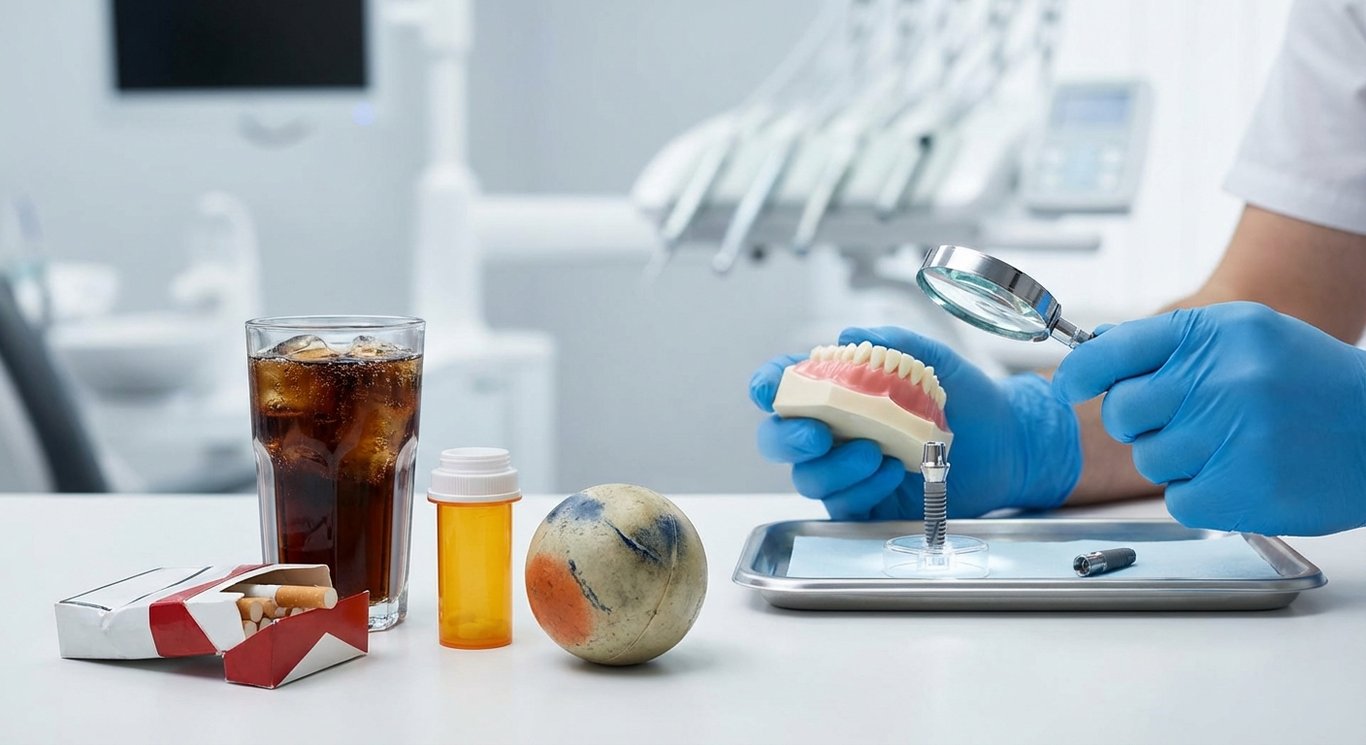
Beyond surgical errors, specific patient factors play a massive role in whether a new implant survives its first few months. Smoking heavily restricts blood flow to the gums, while uncontrolled diabetes impairs the body's natural ability to heal and fight off infections. Additionally, having low bone volume without getting a proper bone graft beforehand leaves the implant without a solid foundation. Addressing these personal health factors before sitting in the dentist's chair is vital for a smooth recovery.
Common Causes of Late Dental Implant Failure
The leading cause of late dental implant failure is a destructive condition known as peri-implantitis. This inflammatory disease acts very much like traditional gum disease, but it specifically attacks the soft tissues and bone surrounding your artificial tooth. As bacteria accumulate around the implant base, they trigger an immune response that slowly eats away at the supporting jawbone. If left untreated, peri-implantitis will inevitably cause the implant to lose its grip and fall out.
Other everyday habits and physical traumas can also compromise an implant long after the initial surgery. Chronic teeth grinding, known as bruxism, places excessive bite force on the implant, eventually causing the metal components to fracture or the surrounding bone to break down. Furthermore, poor daily oral hygiene allows destructive plaque to thrive, while a sudden physical blow to the face can instantly knock an implant loose. Protecting your mouth from these physical and bacterial threats is necessary to keep your implant secure for the long haul.
Risk Factors That Increase Implant Failure
Certain underlying health conditions significantly increase the likelihood that your body will reject a dental implant. Patients suffering from untreated gum disease, uncontrolled diabetes, and autoimmune disorders face a much steeper uphill battle during the healing process. Smoking is perhaps the most notorious risk factor, as the toxic chemicals in cigarettes drastically slow down tissue repair and promote bacterial growth. Getting these medical conditions under control is a mandatory first step before pursuing any implant procedures.
Your daily lifestyle choices also dictate the long-term survival of your dental implants. Consistently practicing poor oral hygiene allows harmful bacteria to colonize around the implant, while routinely skipping your six-month dental checkups means early warning signs go unnoticed. Failing to follow your dentist's post-operative care instructions can easily turn a routine procedure into a costly disaster. Committing to a healthy lifestyle and a strict dental routine will dramatically lower your risk of complications.
Non-Surgical Treatment Options for Failing Implants
If an implant begins to fail early on, non-surgical treatments can sometimes rescue it before the situation becomes dire. Dentists frequently use a combination of prescription antibiotics, deep cleaning procedures, and potent antimicrobial rinses to flush out harmful bacteria. In some modern clinics, specialized laser therapy is also utilized to gently remove infected tissue without damaging the implant surface. These conservative methods are highly effective at halting early-stage infections and promoting natural healing.
In cases where physical pressure is causing the issue, simple bite adjustments can be a true lifesaver. By carefully reshaping the crown attached to your implant, your dentist can relieve excessive chewing forces that are stressing the underlying bone. When caught early enough, relieving this pressure allows the bone to recover and re-stabilize around the titanium post. These non-invasive tweaks prove that a failing implant does not always mean you need another surgery.
Surgical Treatments and Implant Removal
When non-surgical methods fail to stop the damage, removing the failing implant is often the safest course of action. The extraction process is carefully performed to gently back the implant out of the jaw, preventing any further destruction of the surrounding bone. Leaving a severely infected or loose implant in place can lead to massive bone loss that affects your neighboring healthy teeth. While losing the implant is disappointing, removal is a necessary step to restore the overall health of your mouth.
Once the faulty implant is out, your surgeon will focus on rebuilding the damaged foundation. This usually involves bone grafting to replace lost bone mass, guided tissue regeneration to encourage new growth, and the meticulous removal of all infected gum tissue. These regenerative procedures create a fresh, healthy environment in your jawbone. Rebuilding this solid base is absolutely critical if you ever want to try getting an implant again.
After your mouth has fully healed from the removal and grafting, you can explore options for re-implantation. Your dentist might suggest using a wider implant to grip the newly grafted bone, or they may recommend a staged approach that allows for maximum healing time between procedures. Every patient's anatomy is different, so a highly customized surgical plan is required for the second attempt. With patience and the right strategy, a previously failed implant site can successfully host a new artificial tooth.
Prevention Strategies to Avoid Dental Implant Failure
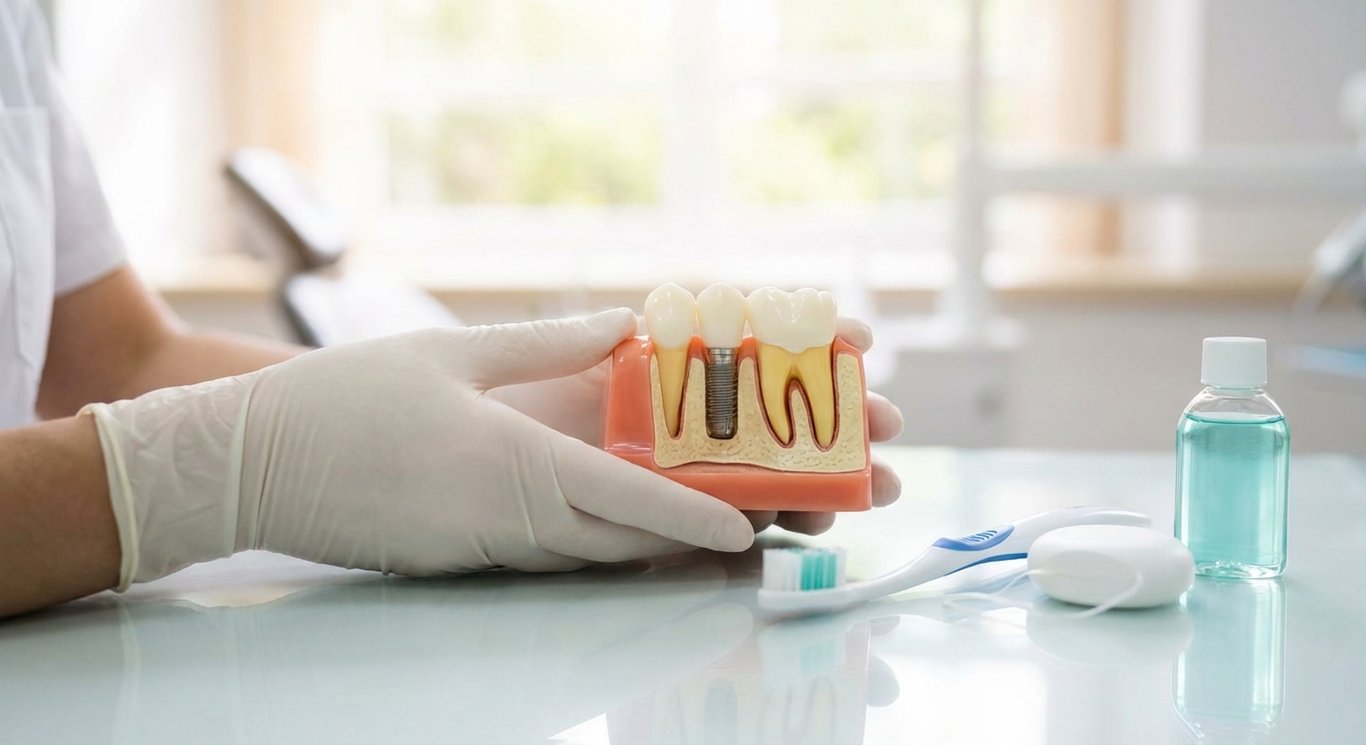
The absolute best way to prevent implant failure is to commit to a rigorous daily oral hygiene routine. Brushing twice a day with a soft-bristled toothbrush, flossing carefully around the implant crown, and attending professional cleanings are non-negotiable habits. Plaque cannot destroy what it cannot stick to, so keeping your mouth spotless is your first line of defense. Treating your artificial tooth with the same care as a natural one will keep the surrounding gums healthy and strong.
Beyond daily brushing, scheduling regular dental checkups and managing your personal risk factors will keep your smile safe. Visiting your dentist every six months allows them to take x-rays and spot hidden bone loss long before you feel any pain. Additionally, taking proactive steps like quitting smoking and keeping your blood sugar levels in check will drastically improve your body's healing capabilities. Staying ahead of these risk factors makes implant failure highly unlikely.
Finally, protecting your teeth from physical stress and treating gum issues early will secure your investment. If you suffer from bruxism, wearing a custom-fitted night guard while you sleep will absorb the grinding forces that could otherwise crack your implant. Similarly, seeking immediate treatment for any signs of early gum disease will stop bacteria from migrating down to the implant root. Taking these protective measures ensures your dental implant remains a permanent, durable part of your smile.
Recovery After Failed Implant Treatment
Recovering from the removal of a failed implant requires patience, as the healing timeline typically stretches over several months. If you required a bone graft after the extraction, it can take anywhere from three to six months for the new bone to solidify completely. During this period, your gums will also need time to close up and regenerate healthy tissue over the surgical site. Rushing this delicate healing phase will only set you up for future dental complications.
To ensure a successful recovery, you must follow your dentist's post-operative instructions to the letter. Sticking to a soft food diet, taking prescribed medications, and avoiding smoking are crucial tips for a smooth healing journey. As your mouth recovers, you and your dentist can begin preparing the site and discussing your future replacement options. A careful, disciplined recovery paves the way for a beautiful, restored smile down the road.
Alternatives to Replacing a Failed Dental Implant
If another implant is not the right fit for you, there are several reliable alternatives to fill the gap in your smile. Traditional dental bridges are a popular choice, as they use your adjacent natural teeth to anchor a prosthetic tooth securely in place. For patients missing multiple teeth, removable partial dentures offer a functional and aesthetically pleasing solution. These classic prosthetics have helped patients chew and smile confidently for decades.
Choosing between these alternatives and a new implant often comes down to the condition of your jawbone. Bridges and dentures are fantastic options when severe bone loss makes a second implant attempt too risky or expensive. However, unlike implants, these alternatives do not stimulate the jawbone, meaning you might experience gradual bone shrinkage over time. Weighing the pros and cons of each option with your dentist will help you find the perfect balance of function, budget, and long-term health.
FAQ
How common is dental implant failure?
While the thought of failure is scary, the reality is that most dental implants succeed with a rate of over 95 percent. Early failures do occur in roughly one to five percent of cases within the first few months, usually due to poor healing or infection. Late failures are even less frequent and are almost always tied to poor oral hygiene leading to peri-implantitis. Overall, with a skilled surgeon and good home care, complications are incredibly rare.
Can a failed dental implant be saved?
Yes, a failing implant can sometimes be saved if the problem is caught in its earliest stages. Early detection allows dentists to use non-surgical treatments like deep cleaning, laser therapy, and antibiotics to clear out infections. However, if the issue progresses to severe bone loss or the implant becomes noticeably loose, advanced cases almost always require complete removal. Acting quickly at the first sign of trouble is your best chance at saving the tooth.
Is peri-implantitis the same as gum disease?
Peri-implantitis is very similar to traditional gum disease, but it specifically targets the tissues surrounding an artificial implant rather than a natural tooth. Both conditions are caused by a buildup of bacterial plaque that triggers severe inflammation in the gums. If left untreated, peri-implantitis aggressively attacks the jawbone, leading to rapid bone loss and eventual implant failure. Maintaining excellent oral hygiene is the only way to keep this destructive condition at bay.
How long after implant placement can failure occur?
Implant failure does not follow a strict schedule and can technically happen at any point after your surgery. Early failure typically strikes within the first three to four months while the implant is trying to fuse with the bone. Conversely, late failure can occur one year, five years, or even decades later due to developing infections or physical trauma. Because the risk never completely drops to zero, lifelong dental care is absolutely essential.
What should I do if my implant feels loose?
If your dental implant feels even slightly loose, you must contact your dentist immediately for a thorough evaluation. A wiggling implant is never normal and serves as a major warning sign of severe bone loss, structural damage, or advanced infection. Trying to ignore the looseness or wiggling it yourself will only cause further damage to your jawbone. Treating this as a dental emergency is the only way to prevent a bad situation from getting worse.
Conclusion
Navigating the world of dental implants can feel overwhelming, but understanding the warning signs, causes, and treatments for failure puts you in control of your oral health. Recognizing early red flags like persistent pain, swelling, or looseness allows you to tackle issues before they escalate. By understanding the root causes, from peri-implantitis to poor oral hygiene, you can actively avoid the pitfalls that lead to implant loss. Whether your situation requires a simple deep cleaning or a complete removal and bone graft, modern dentistry offers effective solutions to get your smile back on track.
Ultimately, the long-term success of your dental implants relies heavily on your commitment to prevention. Prioritizing excellent daily oral hygiene, such as thorough brushing and flossing, keeps destructive bacteria away from your sensitive gum tissues. Pairing these at-home habits with regular professional checkups ensures that any minor changes in your bone or gums are caught immediately. By taking these proactive steps, you can enjoy the confidence and functionality of your implants for decades to come.
If you are experiencing any warning signs of dental implant failure, do not wait for the problem to resolve itself. Schedule an appointment with your dentist today for a comprehensive evaluation and personalized treatment options to restore your smile safely. Taking immediate action is the smartest way to protect your investment and maintain your overall dental health.