Bone Grafting for Dental Implants: When and Why It's Necessary
Published 23 min read
1. Understanding Bone Grafting in Dental Implant Treatment
A dental bone graft is a surgical procedure that adds bone — or bone-like material — to an area of the jaw where bone has been lost or is simply too thin to support a dental implant. Think of it as laying a solid foundation before building a house. Dental implants are small titanium posts that are anchored directly into the jawbone, and they depend entirely on that bone to hold them in place. If the bone isn't wide enough, tall enough, or dense enough, an implant has nothing solid to fuse with. That's where bone grafting comes in — it rebuilds the jaw to the point where an implant can be placed successfully and last for many years.
It's worth saying upfront: needing a bone graft doesn't mean something has gone wrong with your treatment. It's actually one of the most common procedures performed alongside dental implant therapy. Many patients feel nervous when they hear the word "surgery," and it's completely understandable to have questions about pain, cost, or how complicated the process will be. The good news is that bone grafting is a well-established, routine part of modern implant dentistry, performed safely every day in dental offices and oral surgery centers around the world. Understanding what it involves can go a long way toward easing those worries.
2. Why Bone Grafting Is Sometimes Necessary Before Implants
The main reason a bone graft becomes necessary is straightforward: there isn't enough bone in the jaw to securely hold an implant. Dental implants need to be surrounded by a certain amount of healthy bone — both in terms of height and width — to stay stable and integrate properly. When bone volume or density falls below that threshold, placing an implant without first rebuilding the area would be like trying to set a fence post in loose sand. The implant may not fuse correctly, could become unstable over time, or might fail altogether. Bone grafting solves this problem by restoring the jaw to a condition where implant placement becomes both possible and predictable.
So what causes jawbone loss in the first place? There are several common culprits. When a tooth is lost and not replaced, the jawbone in that area begins to shrink — a process called resorption — because it no longer receives the stimulation it needs from chewing and biting. Periodontal disease, commonly known as gum disease, is another major cause; it destroys the bone and tissue that support teeth, sometimes quite aggressively. Trauma to the face or jaw, past infections, dental abscesses, cysts, and even certain congenital conditions can all result in bone loss over time. In many cases, patients don't realize how much bone they've lost until they're evaluated for implants.
The encouraging thing is that bone grafting doesn't just make implants possible — it actively improves their long-term success. By creating a stable, well-formed foundation, grafting gives the implant the best environment to fuse with the surrounding bone, a process called osseointegration. This leads to better stability, improved function, and a longer-lasting result. Even patients who have been told in the past that they weren't good candidates for implants because of bone loss may find that grafting opens the door to treatment options they thought were off the table.
3. When Do You Need a Bone Graft? Key Signs and Clinical Indications
Determining whether you need a bone graft starts with a thorough clinical evaluation. Your dentist or oral surgeon will review your full dental and medical history, ask about any previous tooth extractions, gum disease treatments, or injuries, and examine your mouth carefully. They'll look at the shape and feel of your gum tissue, assess the areas where implants are being considered, and take note of any obvious deficiencies in bone structure. Your history of tooth loss is particularly important — the longer a tooth has been missing, the more bone resorption has likely occurred in that spot.
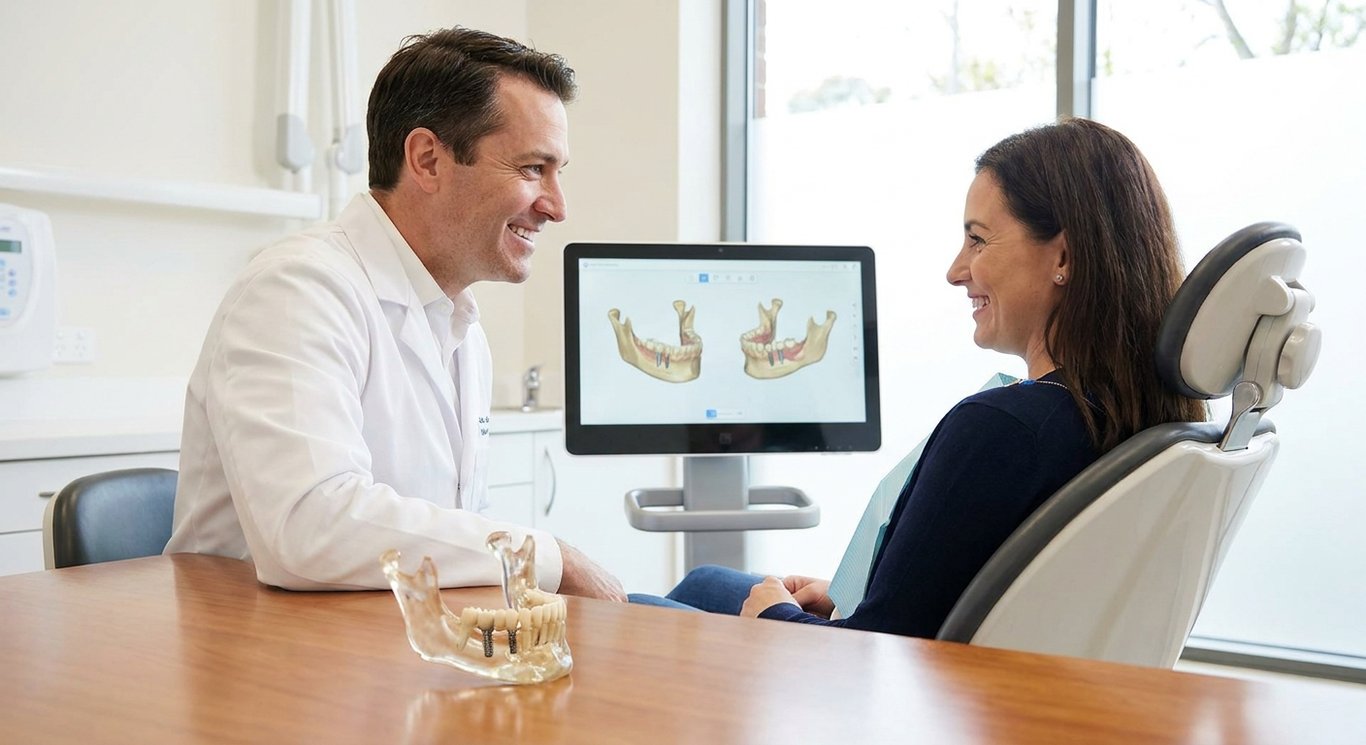
Beyond the physical exam, imaging plays a critical role in evaluating bone quality and quantity. Standard dental X-rays give a useful two-dimensional picture, but many practices now use cone beam computed tomography — commonly called CBCT — which produces detailed 3D images of the jaw. With CBCT, a clinician can measure the exact height, width, and density of available bone, and also see how close the implant site is to important structures like the maxillary sinus in the upper jaw or the inferior alveolar nerve in the lower jaw. This level of detail makes treatment planning far more precise and reduces the chance of surprises during surgery.
There are several specific situations where bone grafting is typically recommended. Severely resorbed ridges — where the jawbone has shrunk considerably after long-term tooth loss — almost always require grafting before implants can be placed. In the upper back jaw, the sinus cavity often sits very close to or even dips into the space where implant roots need to go, requiring a specialized graft procedure called a sinus lift. Defects left behind after a tooth extraction, compromised sockets from infection or fracture, and cases where multiple implants or full-arch restorations are planned are also common indications. Each situation is unique, which is why imaging and a personalized evaluation are so important.
4. Types of Dental Bone Grafts and Materials Used
Not all bone grafts are made from the same material, and there are four main categories used in implant dentistry today. An autograft uses bone taken directly from the patient's own body — often from the chin, the back of the jaw, or elsewhere — and is considered the gold standard because it contains living cells that actively support new bone growth. An allograft uses processed bone from a human donor, typically sourced from a certified bone bank. A xenograft is derived from animal bone, most commonly bovine (cow) bone, that has been carefully treated to make it biocompatible. Finally, alloplasts are fully synthetic materials, such as hydroxyapatite or calcium phosphate compounds, designed to mimic natural bone and encourage new growth. All four types serve the same fundamental purpose: to act as a scaffold that supports the body's own bone-building process.
Each graft type has its own set of benefits and trade-offs. Autografts tend to have excellent healing potential because they use the patient's own living tissue, but they require a second surgical site, which adds time and some additional recovery. Allografts and xenografts eliminate the need for a second surgery and are widely available, making them a practical choice in many situations. Synthetic materials are also convenient and avoid any concerns about donor sources. Importantly, allograft and xenograft materials go through rigorous processing — including sterilization and removal of cellular material — to ensure they are safe for use in the human body. Modern bone graft materials have an excellent safety record backed by decades of clinical use.
The choice of graft material isn't arbitrary — it's a clinical decision based on the size and location of the bone defect, the patient's overall health, personal preferences, and the best available evidence. A small localized defect might be handled perfectly well with a synthetic or xenograft material, while a larger reconstruction might call for an autograft or a combination approach. Patients are absolutely encouraged to ask their dentist or oral surgeon about what material is being recommended and why. Understanding your treatment helps you feel more confident going in, and a good provider will always welcome those questions.
5. Common Bone Grafting Techniques Around Dental Implants
One of the most commonly performed grafting procedures is socket preservation, which takes place at the time a tooth is extracted. When a tooth is removed, the empty socket naturally begins to collapse and shrink as the bone resorbs. By placing graft material into the socket immediately after extraction and covering it with a protective membrane or tissue, the dentist can preserve the shape and volume of the bone during healing. This makes future implant placement significantly easier and often reduces or eliminates the need for more extensive grafting later on. If you're having a tooth pulled and implants are part of your long-term plan, socket preservation is well worth discussing.
For areas where bone has already been lost, ridge augmentation and guided bone regeneration (GBR) are the go-to techniques. Ridge augmentation involves adding graft material to a jawbone that has become too narrow or too short to support an implant. Guided bone regeneration takes this a step further by using a barrier membrane — a thin, biocompatible sheet — placed over the graft to keep soft tissue from growing into the area while new bone forms underneath. The membrane essentially creates a protected space where bone can regenerate without interference. These techniques have a strong track record and are used routinely to rebuild ridges that would otherwise be unsuitable for implants.
The sinus lift, also called sinus augmentation, is a specialized grafting procedure designed specifically for the upper back jaw — the area of the upper molars and premolars. In many people, the maxillary sinuses extend downward into this region, leaving very little bone between the sinus floor and the surface of the gum. There simply isn't enough vertical bone height to place implants safely without risking penetration into the sinus. A sinus lift addresses this by gently lifting the sinus membrane upward and packing graft material into the space created below it. Over several months, this material transforms into solid bone, giving the surgeon the height needed to place implants securely. It sounds complex, but it's a well-established procedure with a high success rate in experienced hands.
6. What to Expect During the Bone Grafting Procedure (Step-by-Step)
Before any surgery happens, you'll go through a thorough pre-operative planning phase. This includes a detailed consultation where your dentist or oral surgeon reviews your imaging, goes over your medical history, and discusses any medications or supplements you're currently taking — some of which may need to be paused before surgery. You'll also talk about anesthesia options, which typically range from local anesthesia alone to oral sedation or IV sedation, depending on the complexity of the procedure and your comfort level. Bone grafting is almost always performed as an outpatient procedure, meaning you go home the same day. Your provider will give you specific instructions to follow in the days leading up to your appointment.
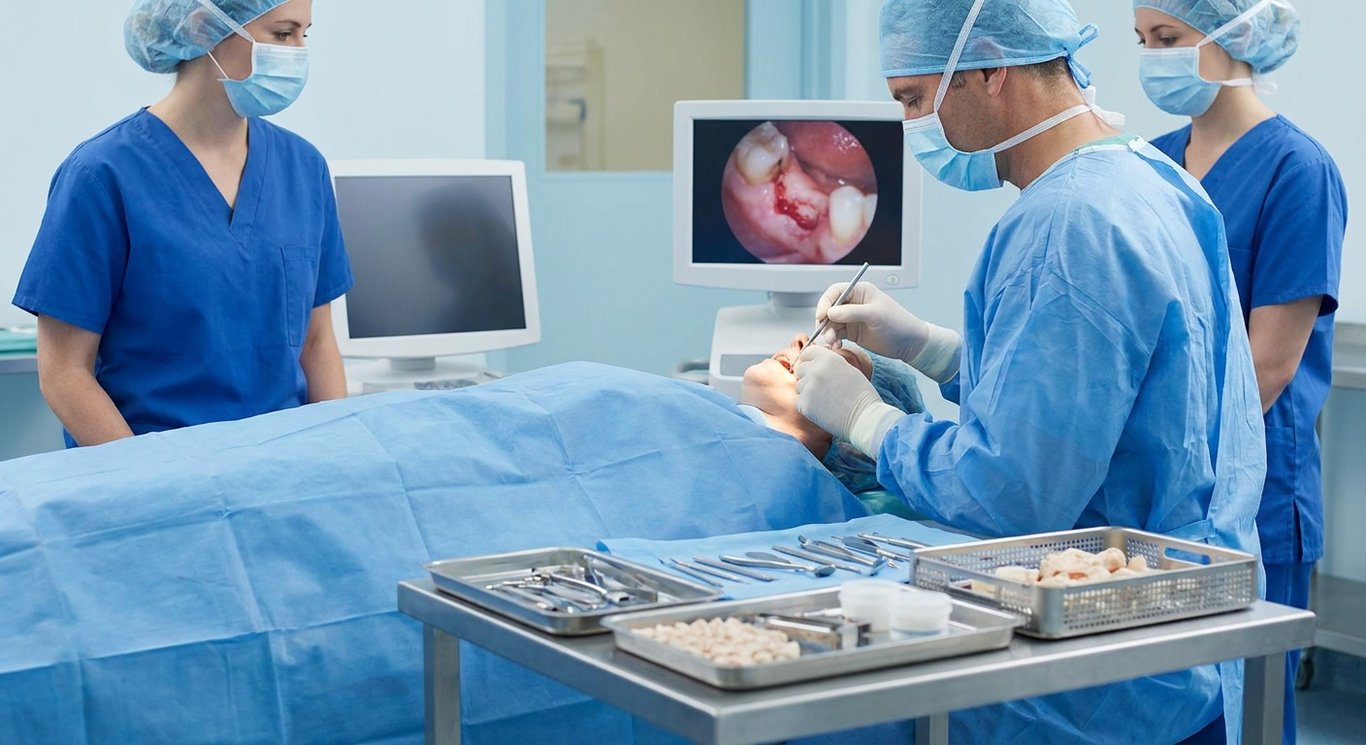
On the day of the procedure, the surgical area will be thoroughly numbed with local anesthetic, and if sedation has been arranged, that will be administered as well. Once you're comfortable, the surgeon makes a small incision in the gum tissue to expose the underlying bone. The graft material is then carefully shaped and placed into the area where bone is needed, and in many cases, a barrier membrane is positioned over the graft to protect it and guide new bone growth. The gum tissue is then sutured closed over the site. The whole process is designed to be as minimally invasive as possible, and because of the anesthesia, patients typically feel only pressure or movement — not pain — during the surgery itself.
Procedure length varies depending on the type and extent of grafting needed. A simple socket preservation graft might take 30 to 45 minutes, while a more involved ridge augmentation or sinus lift could take an hour or two. In some cases, particularly when the bone defect is minor, an implant can be placed at the same appointment as the graft — this is called simultaneous placement. More often, especially with larger grafts, implant placement is delayed until the graft has fully integrated, which typically takes several months. Either way, you'll go home the same day with written post-operative instructions, prescription medications if needed, and a follow-up appointment already scheduled.
7. Healing, Recovery, and Timeline Before Implants
Healing after a bone graft is a biological process that happens gradually from the inside out. The graft material — whether it's your own bone, donor bone, animal-derived, or synthetic — acts as a scaffold that your body's own cells can move into and build upon. Over time, blood vessels grow into the graft, bone-forming cells called osteoblasts begin laying down new bone tissue, and the graft material slowly becomes replaced or integrated with your natural jaw. This process is called remodeling, and it's what transforms the graft site from a surgical wound into solid, functional bone capable of supporting an implant.
In terms of timeline, the soft tissue around the graft site typically heals within a couple of weeks. However, the deeper process of bone integration takes considerably longer — usually somewhere between three and six months, though it can extend beyond that depending on the size and location of the graft and the patient's overall health. Larger grafts, sinus lifts, and cases involving patients with certain health conditions may require more time. It's important to understand that these timelines are general guidelines, not fixed rules. Every patient heals at their own pace, and your provider will track your progress carefully rather than rushing to the next step.
Follow-up visits are a key part of the recovery process. Your dentist or oral surgeon will schedule check-ups at regular intervals to monitor healing, check for any signs of complications, and assess how well the graft is integrating. At some point — often around the three- to six-month mark — new imaging, typically another CBCT scan or X-ray, will be taken to evaluate the density and volume of the new bone. Only when the imaging confirms that the bone has matured and reached the necessary quality will implant surgery be scheduled. This careful, evidence-based approach is what makes the whole process predictable and reliable.
8. Comfort, Safety, and Potential Risks of Bone Grafting
One of the most common concerns patients have is whether bone grafting will be painful. The honest answer is: during the procedure itself, you shouldn't feel pain. Local anesthesia effectively numbs the surgical area, and if sedation is used, many patients have little to no memory of the procedure at all. After the anesthesia wears off, it's normal to experience some soreness, swelling, and possibly minor bruising in the area — but for most patients, this discomfort is manageable and temporary. Your provider will send you home with clear instructions and appropriate medications to keep you comfortable during the first few days of recovery.
The typical post-operative experience involves some tenderness at the graft site, swelling that peaks around the second or third day and then gradually subsides, and possibly a small amount of minor bleeding in the first 24 hours. Standard aftercare instructions usually include applying ice packs to the outside of the face during the first day, eating soft foods, keeping your head slightly elevated when resting, taking prescribed or recommended over-the-counter pain relievers, and being gentle with oral hygiene around the surgical site. Most patients find that they're back to their normal routine within a week or so, though full internal healing takes much longer.
Like any surgical procedure, bone grafting does carry some potential risks, though serious complications are uncommon when the procedure is performed by an experienced clinician. Possible issues include infection at the graft site, incomplete graft integration or graft failure, involvement of the sinus (particularly with sinus lift procedures), and in rare cases, irritation of nearby nerves. Choosing a qualified and experienced provider significantly reduces these risks. Patients can further protect themselves by following all pre- and post-operative instructions carefully, avoiding smoking, and contacting their clinic promptly if they experience severe or worsening pain, persistent bleeding, fever, or any symptoms that seem unusual. Early communication is always the right move.
9. Who Is a Good Candidate for Bone Grafting and Implants?
Most adults in reasonably good health are potential candidates for bone grafting and dental implants. General factors that support a favorable outcome include being in good overall health, having any chronic conditions — such as high blood pressure or heart disease — well controlled, maintaining good oral hygiene, and having realistic expectations about the length and stages of the treatment process. Non-smokers tend to heal more predictably than smokers, and patients who are willing to reduce or quit smoking before and during treatment significantly improve their chances of a successful outcome. A positive attitude toward following instructions and attending follow-up appointments also goes a long way.
Certain health conditions and medications require extra attention during the evaluation process. Diabetes can affect healing and immune response, so well-controlled blood sugar is important before proceeding. Conditions that compromise the immune system — such as autoimmune diseases or those requiring immunosuppressive medications — may increase the risk of infection or delayed healing. Osteoporosis itself doesn't automatically disqualify someone from bone grafting, but medications used to treat it, particularly bisphosphonates like alendronate, can affect bone metabolism and healing in ways that need to be carefully considered. These factors don't necessarily mean treatment isn't possible — they just mean the planning needs to be thorough and individualized.
Ultimately, the only way to know whether bone grafting and implants are right for you is through a personalized assessment with a qualified provider. Depending on the complexity of your situation, this might be your general dentist, a periodontist who specializes in the tissues supporting teeth, or an oral and maxillofacial surgeon. They will review your health history, examine your mouth, interpret your imaging, and develop a treatment plan tailored specifically to your anatomy, health status, and goals. There's no one-size-fits-all answer in implant dentistry, which is exactly why a thorough consultation is so valuable.
10. Costs, Insurance, and Long-Term Value of Bone Grafting
The cost of bone grafting varies quite a bit depending on several factors. The size of the defect being treated, the type of graft material used, whether the procedure involves a sinus lift or ridge augmentation, the type of anesthesia administered, and the geographic location of the practice all play a role in determining the final price. A simple socket preservation graft at the time of extraction is generally less expensive than a larger ridge augmentation or a bilateral sinus lift. While the added cost can feel daunting, it's worth viewing bone grafting as an investment — one that makes the implant possible in the first place and significantly improves its long-term stability and success rate.
When it comes to insurance, coverage for bone grafting and dental implants varies widely between plans. Some dental insurance policies cover a portion of grafting when it's deemed medically necessary, while others exclude it entirely as a cosmetic or elective procedure. Medical insurance occasionally contributes when bone loss is related to trauma or disease. Before moving forward, it's important to get a detailed written treatment plan and cost estimate from your provider, and to contact your insurance company directly to understand what's covered. The upfront cost of grafting is often offset by the fact that a well-supported implant can last decades with proper care — making it a far more cost-effective long-term solution than repeated bridges or dentures.
11. How to Prepare for Bone Grafting and Support Healing
Good preparation makes a real difference in how smoothly your procedure and recovery go. In the days leading up to your appointment, make sure your provider has a complete list of all medications, vitamins, and supplements you take — some, like blood thinners or high-dose fish oil, may need to be paused beforehand. If sedation is part of your plan, arrange for a trusted adult to drive you home and stay with you for the first several hours after the procedure. Follow any fasting instructions your provider gives you carefully. It's also a good idea to stock up on soft, easy-to-eat foods ahead of time — think yogurt, mashed potatoes, smoothies, and soup — along with any recommended oral care products like a gentle rinse or soft-bristled toothbrush.
After the procedure, the choices you make during recovery have a direct impact on how well your graft heals. Smoking is one of the biggest threats to successful bone grafting — it restricts blood flow, impairs the immune response, and significantly increases the risk of graft failure. Alcohol should also be avoided, especially while taking prescribed medications. Follow your provider's instructions on diet and activity restrictions, and resist the temptation to poke at or disturb the surgical site with your tongue or fingers. Keep up with gentle oral hygiene as directed, attend every scheduled follow-up appointment, and don't hesitate to call your provider if anything feels off. The healing phase is where the real work happens, and supporting it well sets the stage for a successful implant down the road.
12. Conclusion: Making Confident Decisions About Bone Grafting for Dental Implants
Bone grafting for dental implants is a widely used, evidence-backed procedure that has helped countless patients achieve successful implant outcomes that wouldn't have been possible otherwise. It's recommended when the jawbone is too thin, too short, or too soft to reliably support an implant — and it works by rebuilding that bone to the point where a stable, long-lasting implant becomes achievable. Thanks to advances in imaging technology, surgical techniques, and graft materials, the process is safer and more predictable than it has ever been. Whether you need a simple socket preservation graft or a more involved sinus lift, the goal is always the same: to give your implant the strongest possible foundation.
If you're considering dental implants — or if you've already been told that you don't have enough bone to proceed — the most important next step is scheduling a consultation with a qualified implant dentist, periodontist, or oral surgeon. Come prepared with questions. Ask about whether bone grafting is necessary in your case, what type of graft would be used and why, what the timeline looks like, and what you can do to support the best possible outcome. Understanding bone grafting for dental implants — when and why it's necessary — puts you in the driver's seat of your own care. With the right information and the right provider, you can move forward confidently toward a healthier, more functional smile that's built to last.
13. FAQs About Bone Grafting for Dental Implants
FAQ 1: Is bone grafting always required before getting dental implants?
Bone grafting is not a universal requirement for dental implants. Many patients have adequate bone volume and density to support implant placement without any additional procedures at all. Grafting is only recommended when a clinical examination and imaging reveal that the available bone is insufficient to hold an implant securely — whether because of long-term tooth loss, gum disease, trauma, or another factor. The decision is always based on objective findings, not assumptions.
Your provider's goal is always to choose the least invasive approach that still delivers a predictable, long-lasting result. If bone grafting isn't needed, it won't be recommended. And if it is needed, the type and extent of grafting will be tailored specifically to your situation — not applied as a blanket protocol. A thorough evaluation is the only reliable way to know where you stand.
FAQ 2: Does a dental bone graft hurt?
The procedure itself is performed under local anesthesia, which thoroughly numbs the surgical site. If sedation is also used, many patients are so relaxed that they have little awareness of what's happening at all. During the surgery, you may feel some pressure or movement, but pain during the procedure is not something you should experience. Your comfort is a priority, and your provider will make sure the area is fully numb before beginning.
After the anesthesia wears off — usually within a few hours — it's normal to feel some soreness, notice mild swelling, and possibly see some minor bruising. These effects are temporary and typically peak in the first two to three days before gradually improving. Prescribed pain medications, over-the-counter options like ibuprofen or acetaminophen, ice packs applied to the outside of the face, and careful adherence to aftercare instructions are usually enough to keep discomfort well under control.
FAQ 3: How long does it take to heal from a bone graft before implants can be placed?
Healing happens in stages. The soft tissue around the graft site typically closes and heals within one to two weeks, which is when most patients feel back to normal on the surface. However, the deeper process of bone integration — where the graft material is gradually replaced and reinforced by your own new bone — takes considerably longer. For most patients, this phase takes somewhere between three and six months, though larger grafts or sinus lifts may require more time, and individual health factors play a role as well.
Rather than following a fixed calendar, your dentist or oral surgeon will use follow-up exams and updated imaging — usually an X-ray or CBCT scan — to evaluate the quality and density of the new bone. Implant surgery is scheduled only when the imaging confirms that the bone has matured enough to support a stable implant. This patient-specific approach is what makes the outcome reliable rather than rushed.
FAQ 4: Are there risks or complications associated with bone grafting?
As with any surgical procedure, bone grafting carries some potential risks. These include infection at the graft site, graft exposure or failure, delayed healing, sinus involvement in the case of sinus lift procedures, and in rare instances, irritation of nearby nerves. Reactions to anesthesia are also possible, though uncommon. It's important to keep these risks in perspective — they are relatively infrequent, particularly when the procedure is performed by an experienced clinician in a well-equipped setting.
Patients have a meaningful role to play in reducing their own risk. Following all pre- and post-operative instructions carefully, avoiding smoking throughout the healing period, keeping the surgical area clean as directed, and attending every follow-up appointment all contribute to a smoother recovery. If you notice fever, severe or worsening pain, persistent bleeding, or unusual swelling at any point during recovery, contact your provider right away. Early intervention almost always leads to better outcomes.
FAQ 5: What materials are used for dental bone grafts, and are they safe?
The four main categories of bone graft materials used in dentistry are autografts (the patient's own bone), allografts (processed human donor bone), xenografts (typically bovine bone that has been treated for biocompatibility), and alloplasts (synthetic materials like hydroxyapatite). Allograft and xenograft materials go through rigorous processing — including sterilization and the removal of all cellular components — specifically to eliminate the risk of disease transmission and ensure they are safe for use in the human body. These processes are tightly regulated by health authorities.
All four material types have been used safely in dentistry and medicine for many years, with extensive research supporting their effectiveness and safety profiles. If you have concerns or preferences about graft sources — for example, if you'd prefer to avoid animal-derived materials — that's a completely valid conversation to have with your provider. They can walk you through the options available for your specific case and help you choose the material that aligns best with both your clinical needs and your personal comfort level.