Bioactive Dentistry: How Remineralization Can Help You Need Fewer Fillings
Published 32 min read
Bioactive dentistry is a modern approach to oral health that goes well beyond the classic "drill and fill" model most people grew up with. Instead of treating every early sign of decay with a restoration, it focuses on supporting the tooth's natural repair processes, preserving healthy tooth structure, and addressing the actual causes of decay before a cavity has a chance to fully form. At the heart of this philosophy is the understanding that dental caries — the disease behind cavities — is not a one-way street. It is a dynamic condition involving repeated cycles of demineralization, where acids dissolve tooth minerals, and remineralization, where those minerals can be partially restored. Understanding that back-and-forth process is the first step toward taking real control of your dental health.
This guide covers everything you need to know about that process, including the role of saliva, fluoride, calcium and phosphate, hydroxyapatite, bioactive restorative materials, diet, oral hygiene, and professional care. It also addresses the important limits of remineralization, because while early enamel changes may be reversible under the right conditions, a fully formed cavity with a physical hole in the tooth generally requires professional treatment. Think of this as your roadmap to fewer fillings — one built on science, realistic expectations, and a partnership with your dental team.
What Is Bioactive Dentistry?
The word "bioactive" refers to materials or therapies that actively interact with the biological environment around them. In dentistry, a bioactive material is one that does something useful at the tooth surface or the tooth-restoration interface — releasing ions like calcium, phosphate, or fluoride, supporting mineral precipitation, or encouraging a chemical bond with tooth structure. Rather than simply sitting passively in a cavity, these materials participate in the ongoing chemistry of the mouth. That active participation is what makes them different from conventional restorative materials that primarily focus on physical replacement of lost tooth structure.
It is worth being clear, though: bioactive dentistry is not a single product, a magic toothpaste, or a one-size-fits-all treatment. It is a broader, evidence-informed philosophy that weaves together prevention, individual risk assessment, minimally invasive care, remineralization strategies, and conservative restorations when treatment is truly needed. It asks the question "why is this person getting cavities?" before reaching for the drill, and it uses the best available science to guide every step of care.
How Bioactive Dentistry Differs From Traditional Restorative Dentistry
Traditional restorative dentistry has long operated on a straightforward model: find decay, remove it, fill the hole. That approach has saved countless teeth and remains essential when cavities are established. However, it does not always address the underlying disease that caused the cavity in the first place, which means new decay can form around old restorations or in new locations. Bioactive dentistry shifts the focus toward a disease-management model — one that identifies the causes of decay, monitors early lesions that have not yet become true cavities, preserves as much sound enamel and dentin as possible, and reserves restorations for situations where they are genuinely necessary. The goal is not to avoid dentistry altogether, but to use it more strategically and less reactively.
Understanding Demineralization and Remineralization
Every time you eat or drink something containing sugar or fermentable carbohydrates, the bacteria living in the plaque on your teeth get to work. They metabolize those sugars and produce acids as a byproduct. Those acids lower the pH in your mouth and begin dissolving the mineral crystals that make up your enamel and dentin — a process called demineralization. Dental caries is classified as a biofilm-mediated, sugar-driven, multifactorial disease, which is a technical way of saying it involves bacteria living in organized communities on your teeth, fueled by the sugars you consume, and influenced by a wide range of personal and environmental factors. Left unchecked, repeated acid attacks gradually erode enough mineral to create a physical cavity.
Fortunately, your mouth has a built-in repair system. After an acid attack, saliva begins neutralizing the acids and delivering calcium and phosphate ions back to the tooth surface, allowing minerals to be redeposited into partially demineralized enamel. When fluoride is present during this process, it can help form fluorapatite, a mineral structure that is more resistant to future acid attacks than the original hydroxyapatite. This process of mineral restoration is remineralization, and it is happening in your mouth every day — often without you even realizing it.
What truly matters for your long-term dental health is the balance between acid attacks and repair over time. A single sugary drink is far less damaging than sipping one slowly over several hours, because frequency and duration of acid exposure matter just as much as the total amount of sugar consumed. Saliva flow, oral pH, eating and drinking habits, plaque control, fluoride exposure, and your individual biological caries risk all tip the scales one way or the other. When the balance consistently favors demineralization, decay progresses. When remineralization has the upper hand, early lesions can stabilize or even partially reverse.
Can Early Tooth Decay Really Be Reversed?
The short answer is: sometimes, yes — but it depends heavily on how far the decay has progressed. Early noncavitated lesions, such as the chalky white spots that sometimes appear on teeth after orthodontic treatment or periods of poor oral hygiene, represent areas where mineral has been lost from just below the enamel surface without creating a physical hole. When the conditions are right — good saliva flow, fluoride exposure, reduced sugar frequency, and improved plaque control — these lesions may be arrested or partially reversed. The mineral loss that has already occurred cannot be perfectly undone, but the lesion can stop progressing and the surface can become more resistant to further damage.
However, remineralization has real and important limits. Once enough mineral has been lost to create a visible hole, a soft spot that traps food, or a cavity that is causing pain, no amount of toothpaste or mineral product can reliably rebuild that missing tooth structure. If you notice a visible hole in a tooth, experience tooth pain or sensitivity that lingers, feel food getting stuck in a new spot, notice swelling near a tooth, or simply suspect you might have a cavity, those are signs that you need a professional dental examination — not a home remineralization experiment. Delaying treatment for an established cavity typically allows it to grow larger and more expensive to fix.
How Saliva Supports Natural Tooth Repair
Saliva is genuinely one of your most powerful tools against tooth decay, and it does not get nearly enough credit. Beyond simply keeping your mouth moist, saliva performs several critical functions that protect your teeth around the clock. It buffers acids produced by plaque bacteria, helping to raise the oral pH back to safe levels after meals. It washes away food debris and sugar before bacteria can fully metabolize them. It lubricates oral tissues, which matters more for comfort than most people realize. Most importantly for remineralization, saliva is supersaturated with calcium and phosphate ions, meaning it is constantly ready to deliver the raw materials needed for mineral repair to tooth surfaces. Without adequate saliva, the remineralization process is significantly hampered.
Dry mouth — the condition known clinically as xerostomia — is a surprisingly common problem, and it significantly increases the risk of tooth decay. Many prescription and over-the-counter medications list dry mouth as a side effect, including antihistamines, antidepressants, blood pressure medications, and diuretics. Dehydration, mouth breathing, autoimmune conditions like Sjögren's syndrome, radiation therapy to the head and neck, and certain chemotherapy treatments can all reduce saliva flow. If you consistently experience a dry, sticky feeling in your mouth, difficulty swallowing dry foods, or frequent thirst, it is worth discussing with both your dentist and your physician. Managing dry mouth is not just about comfort — it is a genuine dental health priority.
Fluoride and Remineralization: What the Evidence Shows
Fluoride has one of the strongest evidence bases in all of preventive dentistry. When applied topically to erupted teeth — meaning directly to the tooth surface rather than swallowed — fluoride supports remineralization by incorporating into the crystal structure of partially demineralized enamel. The result is a surface that is more resistant to future acid attacks. Fluoride does not simply coat the tooth; it participates in the chemistry of repair, helping to rebuild mineral in a form that is harder to dissolve. Decades of research across diverse populations consistently show that fluoride reduces the incidence of dental caries.
There are several ways fluoride reaches your teeth. Fluoride toothpaste is the most widely used and accessible form, and it provides meaningful topical benefit with every brushing. Fluoridated community water delivers low-level fluoride exposure throughout the day. Professional fluoride varnish, applied by a dental professional, delivers a concentrated dose directly to the tooth surface and is particularly recommended for higher-risk patients. Prescription-strength fluoride toothpastes and gels are available for people at elevated caries risk. Fluoride mouth rinses offer an additional daily source for some individuals. The right combination depends on your age, existing fluoride exposure, medical history, and caries risk level — which is exactly why personalized guidance from a dental professional matters so much.
Fluoride is a topic that generates a lot of online discussion, and some of it is not especially well-grounded in evidence. Common concerns include worries about fluorosis, which is a cosmetic change in tooth appearance caused by excessive fluoride intake during tooth development, or broader health concerns that are not supported by the weight of scientific evidence at the levels found in toothpaste and fluoridated water. The key is using fluoride products as directed, supervising young children to ensure they use an age-appropriate amount of toothpaste and do not swallow it, and having an open conversation with your dentist about what level of fluoride exposure makes sense for you and your family. Fluoride is a tool, and like any tool, it works best when used correctly.
How to Use Fluoride Toothpaste Effectively
Getting the most out of fluoride toothpaste is less complicated than it might seem, but a few habits make a real difference. Brush twice daily — morning and before bed — using a soft-bristled toothbrush and a pea-sized amount of fluoride toothpaste for adults and older children. Take your time reaching all surfaces of every tooth, including the areas along the gumline where plaque tends to accumulate. After brushing, many dental guidelines suggest spitting out the toothpaste but not rinsing immediately with water, particularly at night, to allow the fluoride to remain in contact with tooth surfaces longer. That said, specific guidance can vary, so follow the advice of your own dental professional. Replace your toothbrush or brush head every three to four months, or sooner if the bristles are visibly worn or splayed, because a frayed brush cleans far less effectively.
One important point worth addressing directly: toothpastes marketed as "natural," "remineralizing," or "fluoride-free" are not automatically equivalent to fluoride toothpaste when it comes to preventing cavities. The American Dental Association's seal of acceptance for anticaries toothpastes requires the product to contain fluoride, because that is the ingredient with established, evidence-based cavity-prevention benefits. A toothpaste can contain hydroxyapatite, activated charcoal, clay, or any number of trendy ingredients and still lack the proven anticaries protection that fluoride provides. If cavity prevention is your goal — and it should be — check the label and look for fluoride as an active ingredient.
Hydroxyapatite, Calcium, and Phosphate Products
Hydroxyapatite is the primary mineral component of tooth enamel and dentin, making up roughly 96% of enamel by weight. Because it is so structurally similar to natural tooth mineral, hydroxyapatite has attracted significant interest as an ingredient in oral care products. The idea is straightforward: if tooth enamel is made of hydroxyapatite and you apply hydroxyapatite to the tooth surface, you may be able to support mineral deposition or surface repair. Products containing nano-hydroxyapatite — a particularly fine form of the mineral — have been developed as toothpastes, mouth rinses, and other delivery formats, with claims ranging from surface remineralization to reduced sensitivity.
Comparing hydroxyapatite products with fluoride products requires some nuance. Fluoride has an extensive body of clinical evidence built over many decades, across diverse populations, and it is recognized by major dental organizations worldwide as the established anticaries ingredient in toothpaste. Hydroxyapatite research is growing and shows promise, particularly for surface mineral deposition and sensitivity reduction, but the overall body of clinical evidence is currently less extensive than that for fluoride. Authoritative dental guidance continues to identify fluoride as the primary evidence-based option for cavity prevention. That does not mean hydroxyapatite products are useless — it means they should be evaluated carefully, with attention to the quality and scope of the evidence behind specific products.
Calcium phosphate technologies represent another category worth understanding. Amorphous calcium phosphate and related mineral systems have been incorporated into various dental products with the goal of delivering calcium and phosphate ions to tooth surfaces. Some of these technologies show interesting results in laboratory settings and in studies of surface mineral deposition. However, there is an important distinction between demonstrating mineral deposition in a laboratory or on a tooth surface and demonstrating long-term restoration of tooth strength, fracture resistance, or clinical cavity reduction in real patients. The fact that a product releases ions does not automatically mean it produces meaningful clinical remineralization — that connection needs to be supported by well-designed clinical studies.
Is Hydroxyapatite Better Than Fluoride?
This is one of the most common questions in modern oral care discussions, and it deserves a balanced, honest answer. Hydroxyapatite may be genuinely useful in selected products and situations — for example, for individuals who cannot use fluoride, for managing tooth sensitivity, or as a complementary ingredient in a broader oral care routine. Some studies show comparable results to fluoride toothpaste for certain outcomes in specific populations. However, automatically replacing fluoride with hydroxyapatite — especially for people who are at elevated risk for cavities — is not supported by the current weight of evidence. The established track record of fluoride in reducing dental caries is simply more extensive at this point in time.
Rather than getting caught up in which ingredient "wins," the smarter approach is to evaluate the full picture: the quality and extent of clinical evidence for the specific product you are considering, the professional recommendations that apply to your individual situation, your personal caries risk level, and what your dentist recommends based on a proper examination. Marketing language on packaging is designed to sell products, not to provide balanced clinical guidance. A claim that a product "remineralizes teeth" or is "better than fluoride" is not the same as peer-reviewed clinical evidence, and the two should not be treated as equivalent.
Bioactive Dental Materials Used in Conservative Care
Beyond toothpastes and rinses, bioactive principles also apply to the materials dentists use when restorations are genuinely needed. Several categories of dental materials are considered bioactive or ion-releasing in clinical practice. Glass ionomer cements have been used for decades and release fluoride into the surrounding tooth structure. Resin-modified glass ionomers combine the ion-releasing properties of glass ionomer with improved mechanical properties from a resin component. Calcium silicate materials, including products related to mineral trioxide aggregate, are used in pulp capping and other procedures and can support mineral bridge formation. Selected calcium phosphate systems have been incorporated into both preventive and restorative products. Each of these material categories has specific clinical applications and limitations.
The way these materials are used in practice reflects a thoughtful, individualized approach. A dentist choosing a bioactive or ion-releasing material considers far more than just the material's chemistry. The location of the restoration matters — a back molar under heavy chewing forces has different requirements than a front tooth or a root surface. The size of the cavity, the ability to keep the area dry during placement, the patient's caries risk, and the long-term durability expectations all factor into the decision. A material that works beautifully in one clinical situation may not be the right choice in another, regardless of its bioactive properties.
It is also important to maintain a realistic perspective on what "bioactive" means in a clinical context. Laboratory studies can demonstrate that a material releases ions, that those ions reach the surrounding tooth structure, and that mineral precipitation occurs at the interface. Those findings are genuinely interesting and scientifically meaningful. However, they do not automatically translate to the conclusion that severely damaged dentin has been restored to its original mechanical strength, or that a restoration made from a bioactive material will last as long as a conventional one under all conditions. Clinical outcomes require clinical evidence, and the standards for that evidence are appropriately high.
When Are Bioactive Restorations Appropriate?
Dentists may consider bioactive or ion-releasing materials in a range of specific clinical situations. Patients with a high caries risk may benefit from restorations that continue to release fluoride after placement, providing ongoing protection to the surrounding tooth structure. Cervical lesions — cavities near the gumline — and root caries in older adults are areas where glass ionomer materials have a long track record. In pediatric dentistry, glass ionomers are commonly used for primary teeth and in situations where perfect moisture control is difficult to achieve. Temporary restorations often use ion-releasing materials as a bridge between initial treatment and a definitive restoration. In each of these scenarios, the bioactive properties of the material offer a genuine clinical advantage.
That said, choosing a bioactive material is not a substitute for good oral hygiene, regular professional care, or addressing the underlying causes of decay. A restoration — bioactive or otherwise — is not a permanent solution if the conditions that caused the cavity in the first place remain unchanged. Bioactive materials can support the local oral environment, but they cannot compensate for poor plaque control, a high-sugar diet, untreated dry mouth, or infrequent dental visits. The word "bioactive" on a material's label does not mean the restoration will last indefinitely or that the patient can skip their next examination.
Minimally Invasive Treatment: Fewer Fillings Without Ignoring Cavities
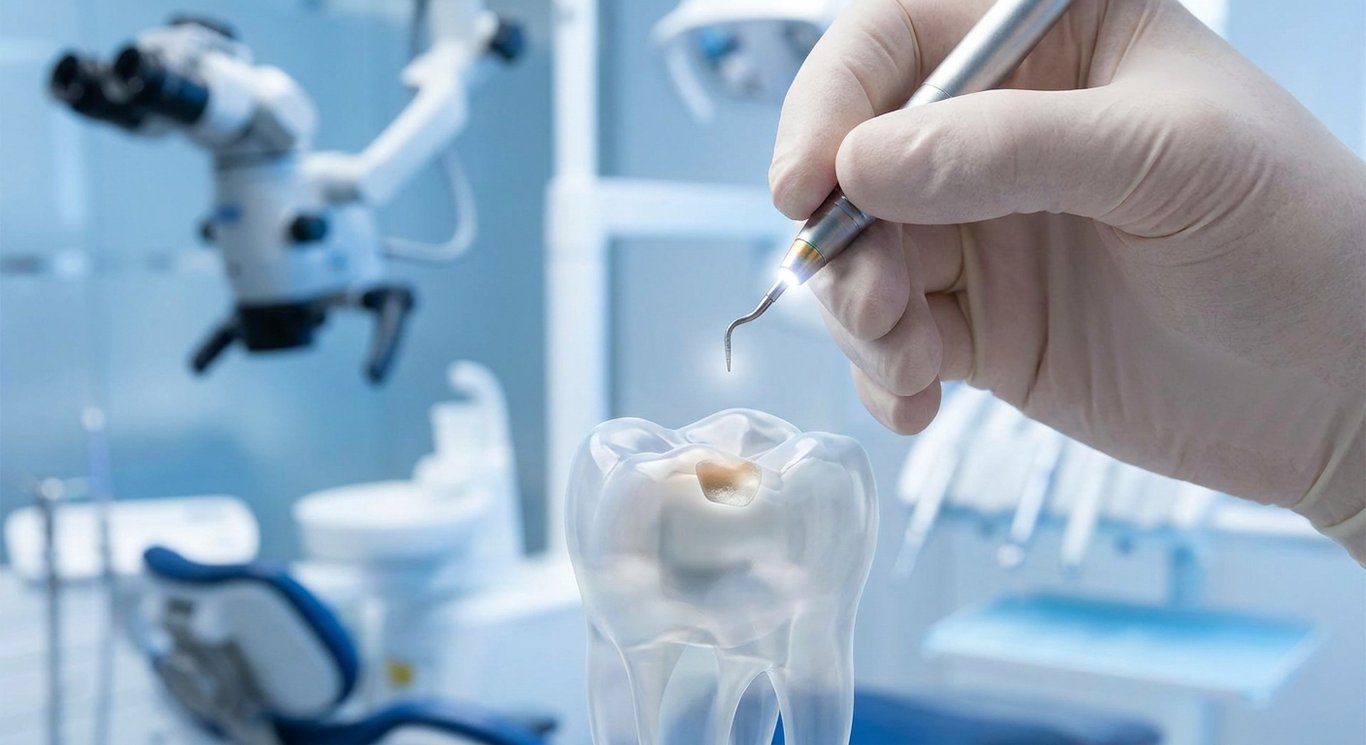
Minimally invasive dentistry is the clinical framework that puts bioactive principles into practice at the chairside level. It begins with thorough risk assessment — understanding why a particular patient is getting cavities — and follows with preventive counseling tailored to that individual's specific risk factors. Early lesions that have not yet cavitated may be monitored rather than immediately restored, with active remineralization strategies put in place to encourage stabilization or reversal. When treatment is required, the goal is to remove only the diseased tooth structure that must be removed, preserving as much healthy enamel and dentin as possible. Pit and fissure sealants, applied to the deep grooves of back teeth, can prevent decay from starting in the first place in appropriate candidates.
Modern dental practices have access to a range of tools that support early detection and monitoring. Intraoral photographs allow precise comparison of a lesion's appearance over time. Digital radiographs can detect mineral changes between tooth surfaces that are invisible to the naked eye. Visual examination with proper lighting and magnification remains fundamental. Newer technologies, including laser fluorescence devices and optical coherence methods, can provide additional information about early lesion activity. The important point is that monitoring early lesions should follow a structured professional schedule, with clear criteria for when watchful waiting transitions to active treatment. Deciding to "just watch it" at home based on internet research is not the same as structured clinical monitoring.
There are times when a filling, crown, root canal, extraction, or other intervention is simply necessary, and recognizing those situations is just as important as knowing when to wait. A cavitated lesion — one with a physical hole — cannot be reliably repaired with toothpaste, oil pulling, or any other home remedy. A cavity that has reached the inner dentin layer is progressing toward the pulp and will continue to do so without professional treatment. Pain, swelling, visible holes, broken tooth structure, and abscesses are all signals that the window for conservative management has closed. Delaying necessary treatment in the hope that remineralization will handle it is not a bioactive strategy — it is a recipe for a larger, more complex, and more expensive problem down the road.
Diet and Lifestyle Habits That Support Remineralization
What you eat and how you eat it has a direct and significant impact on the balance between demineralization and remineralization in your mouth. The frequency and duration of sugar and fermentable carbohydrate exposure are particularly important — not just the total amount consumed. Every time your teeth are exposed to sugar, plaque bacteria produce acids for roughly 20 to 30 minutes afterward. If you are sipping a sugary coffee over two hours, your teeth are under acid attack for most of that time. Eating a candy bar in five minutes is far less damaging than slowly nibbling on it throughout the afternoon. Reducing the frequency of sugary and acidic exposures — even without eliminating them entirely — can meaningfully shift the balance toward remineralization.
Practical dietary changes do not have to be dramatic to make a difference. Drinking water between meals instead of juice, soda, or sports drinks reduces acid exposure and supports saliva flow. Eating sweets as part of a meal rather than as frequent standalone snacks limits the number of acid challenges per day. Limiting sticky sweets that cling to tooth surfaces for extended periods is particularly helpful. Avoiding prolonged exposure to sweetened beverages — including sports drinks, flavored waters, and even 100% fruit juice — is important because many people underestimate how acidic these drinks can be. These dietary adjustments work best as part of a complete prevention strategy that also includes fluoride and professional care, not as a replacement for them.
Beyond diet, several lifestyle habits influence saliva flow and overall oral health in ways that directly affect your remineralization potential. Staying well hydrated supports adequate saliva production. Breathing through your nose rather than your mouth helps prevent the drying effect that mouth breathing has on oral tissues. Tobacco use — in any form — reduces saliva flow, impairs healing, increases the risk of periodontal disease, and contributes to oral cancer risk. If you take medications that cause dry mouth as a side effect, discussing alternatives or management strategies with your prescribing physician or dentist can make a meaningful difference. These habits may seem unrelated to tooth decay, but they all influence the oral environment in which remineralization either thrives or struggles.
A Daily Bioactive Oral-Care Routine
Building a daily routine that supports remineralization does not require an elaborate collection of products — it requires consistency with the right fundamentals. In the morning, brush your teeth for two full minutes with a soft-bristled toothbrush and fluoride toothpaste, making sure to cover all tooth surfaces and spend extra attention along the gumline where plaque accumulates most aggressively. In the evening, before bed, repeat the brushing routine and add interdental cleaning — whether that is traditional dental floss, a water flosser, or interdental brushes sized to fit your spaces. Cleaning between teeth removes plaque from surfaces that a toothbrush simply cannot reach, and those are exactly the surfaces where cavities between teeth begin. The bedtime routine is particularly important because saliva flow decreases during sleep, reducing the mouth's natural defense against overnight acid activity.
Depending on your individual risk level and your dentist's recommendations, additional products may have a role in your routine. A fluoride mouthwash used at a separate time from brushing — for example, after lunch — can provide an additional topical fluoride exposure during the day. Prescription-strength fluoride toothpaste or gel, typically containing 5,000 parts per million of fluoride compared to the 1,000–1,450 ppm found in standard toothpaste, may be recommended for patients at higher caries risk. Hydroxyapatite-containing products may be considered as a complement or alternative in certain situations, based on your dentist's guidance. What matters is that any additional product fits into a coherent, evidence-informed plan — mouthwash should never be used as a substitute for brushing or interdental cleaning, and product selection should always reflect your actual risk profile rather than marketing appeal.
Your daily home routine is only part of the picture. Professional care fills in the gaps that home care cannot address. Regular professional cleanings remove calcified plaque deposits that brushing and flossing cannot dislodge. Periodic examinations allow your dentist to detect early lesions, monitor existing ones, and catch problems before they become serious. Dental radiographs, taken at intervals appropriate to your risk level, reveal decay between teeth and below the gumline that is invisible during a visual examination. Sealants placed on the deep grooves of appropriate back teeth provide a physical barrier against decay in some of the most vulnerable spots in the mouth. Together, these professional services form the scaffolding that supports everything you do at home.
How to Prevent Overbrushing and Enamel Wear
Brushing harder is not the same as brushing better — in fact, aggressive brushing with a stiff brush or excessive pressure can wear away enamel and cause gum recession over time, which creates new vulnerabilities rather than preventing them. Use a soft-bristled toothbrush and apply only light pressure, letting the bristles do the work rather than scrubbing with force. Pay attention to technique: small circular or gentle back-and-forth motions are more effective and less damaging than aggressive horizontal scrubbing. One particularly important timing note: after consuming acidic foods or drinks, the enamel surface is temporarily softened, and brushing immediately afterward can accelerate wear. Waiting 30 to 60 minutes after an acidic exposure before brushing gives saliva time to neutralize the acid and allow the enamel to re-harden. If you notice persistent tooth sensitivity, visible notching at the gumline, or enamel that appears thinner or more translucent over time, bring it up with your dentist — those are signs that warrant professional evaluation.
Who May Benefit Most From a Remineralization-Focused Approach?
While everyone can benefit from the basic principles of bioactive dentistry, some people have more to gain from a specifically individualized remineralization plan. Those with early enamel lesions that have not yet cavitated are ideal candidates for active remineralization strategies, since there is still something to preserve and strengthen. People who get cavities frequently despite what seems like reasonable oral hygiene may have underlying risk factors — high sugar intake, dry mouth, specific bacterial profiles, or reduced saliva flow — that a targeted plan can address. Patients with orthodontic appliances are at elevated risk for white-spot lesions because brackets and wires make thorough plaque removal more difficult. Those with exposed root surfaces due to gum recession, a history of extensive restorations, or high dietary acid exposure are also well served by a remineralization-focused approach.
Certain population groups deserve particular attention in this context. Children are at risk during the critical years of primary and permanent tooth eruption, and establishing good habits early — along with appropriate fluoride exposure — can set the foundation for a lifetime of better dental health. Older adults often face a combination of challenges: exposed root surfaces from gum recession, multiple medications that reduce saliva flow, and the cumulative effects of decades of acid exposure. People with physical or cognitive disabilities may face challenges with oral hygiene that increase their caries risk and require adapted prevention strategies. Patients undergoing chemotherapy or radiation therapy may experience significant salivary changes that dramatically increase their cavity risk in a short period of time. All of these groups may benefit from more frequent monitoring, prescription-strength preventive products, and closely tailored professional guidance.
Limits, Risks, and Misconceptions About Bioactive Dentistry
One of the most important things to understand about bioactive dentistry is what it cannot do. It cannot regrow an entire tooth. It cannot eliminate every filling. It cannot reverse a cavity that has already destroyed a significant portion of tooth structure. The distinction between arresting early mineral loss — stabilizing a weakened area before it becomes a hole — and replacing tooth structure that has already been destroyed is fundamental. Remineralization strengthens what remains; it does not rebuild what is gone. Anyone who tells you otherwise, whether it is a product manufacturer, a wellness influencer, or a well-meaning friend, is overstating what the science actually supports.
The internet is full of claims about "natural" approaches to reversing cavities, and some of them are genuinely harmful. Unverified supplements, extreme dietary protocols that eliminate entire food groups, oil pulling, highly abrasive tooth powders, and products that promise cavity reversal without clinical evidence are not bioactive dentistry — they are wellness marketing dressed up in dental language. Some "natural" oral care products lack fluoride entirely, removing the most evidence-backed tool for cavity prevention from the equation. Others contain abrasive ingredients that can damage enamel over time. The fact that something is labeled "natural" says nothing about its safety or effectiveness, and in the context of dental health, choosing an unproven product over an evidence-based one can have real, lasting consequences for your teeth.
Even within legitimate dental science, it is important to maintain a critical perspective on bioactivity claims. Not every material that releases ions produces meaningful clinical remineralization. Not every laboratory study showing mineral deposition translates to improved clinical outcomes for patients. The standards for claiming that a material or product produces genuine, clinically significant remineralization should be based on well-designed clinical trials with appropriate outcome measures — not just on ion release measurements in a test tube or on extracted teeth in a laboratory setting. Proper diagnosis, dentist-supervised treatment, and outcome-based evidence remain the cornerstones of responsible bioactive dentistry. Enthusiasm for the concept should not outpace the evidence that supports it.
How Dentists Assess Your Risk for Future Cavities
Caries risk assessment is a structured process that helps dentists understand not just whether you have cavities now, but how likely you are to develop them in the future. A thorough assessment considers your history of previous decay — one of the strongest predictors of future decay — along with your diet and sugar exposure frequency, current fluoride exposure, saliva flow and quality, plaque levels, any medications you take, your socioeconomic circumstances, oral hygiene practices, the condition of existing restorations, and relevant medical history. Some practices use formal risk assessment tools that categorize patients as low, moderate, or high risk, which then guides the entire prevention and monitoring strategy.
The outcome of that assessment has practical implications for every aspect of your dental care. Higher-risk patients may be seen more frequently than the standard twice-yearly schedule. They may be recommended for professional fluoride varnish applications, prescription fluoride products, or fluoride rinses — all of which the American Dental Association identifies as options for certain higher-risk patients. Dietary counseling becomes more targeted and specific. Sealants may be recommended for teeth that are at particular risk. Decisions about whether to monitor an early lesion or treat it immediately shift based on the overall risk context. In short, risk assessment transforms dental care from a reactive service into a proactive, personalized health strategy.
Questions to Ask Your Dentist About Bioactive Dentistry
Walking into a dental appointment with good questions is one of the most effective things you can do for your oral health. When your dentist identifies a concerning area on your tooth, ask directly: Is this lesion active or inactive? Is it cavitated — meaning is there a physical hole — or is it noncavitated? Can it be monitored, or does it need treatment now? What caused this to develop, and what can I do differently to prevent it from happening again? Which specific preventive measures would be most effective for my situation? These questions shift the conversation from simply scheduling treatment to understanding and managing the underlying disease.
There are plenty of other questions worth raising as well. How much fluoride am I currently getting, and is it enough given my risk level? Do I show any signs of dry mouth, and if so, what can be done about it? Would sealants be appropriate for any of my teeth? When a restoration is needed, what material options are available, and what are the trade-offs in terms of durability, bioactivity, and cost? If I am interested in hydroxyapatite products, is there evidence they would benefit me specifically? What warning signs should prompt me to call before my next scheduled appointment? And perhaps most practically: what are the two or three things I could change starting today that would have the biggest impact on my cavity risk? A dentist who practices bioactive or minimally invasive dentistry will welcome these questions — they are exactly the kind of engagement that makes personalized prevention possible.
Frequently Asked Questions About Bioactive Dentistry
Can remineralization get rid of a cavity?
Remineralization can strengthen or arrest early, noncavitated enamel lesions — areas where mineral has been lost but no physical hole has formed yet. In those situations, improving oral hygiene, reducing sugar frequency, and increasing fluoride exposure can help stabilize the lesion and prevent it from progressing. However, a true cavity — one where the tooth structure has broken down to create an actual hole — generally requires professional restorative treatment. No toothpaste, rinse, or home remedy can reliably rebuild the physical structure of a tooth once it has been destroyed. If you suspect you have a cavity, the right move is a dental examination, not a remineralization experiment.
Does fluoride really remineralize teeth?
Yes, fluoride supports remineralization in a well-documented way. When fluoride is present during the remineralization process, it helps form fluorapatite — a mineral that is more resistant to acid dissolution than the original hydroxyapatite in tooth enamel. This means that remineralized areas become not just repaired but actually more durable than they were before. Fluoride toothpaste, fluoridated water, and professional fluoride treatments are all common and effective sources of topical fluoride exposure, and the evidence for their role in reducing dental caries is extensive and consistent across decades of research in diverse populations.
Is hydroxyapatite toothpaste as effective as fluoride toothpaste?
This is genuinely an area of active research, and the honest answer is nuanced. Hydroxyapatite toothpaste may support mineral deposition on tooth surfaces and shows promise in some studies, including some that compare it favorably to fluoride toothpaste for specific outcomes in selected populations. However, authoritative dental guidance continues to recognize fluoride as the established, evidence-based anticaries ingredient in toothpaste, and the overall body of clinical evidence for fluoride is more extensive than that currently available for hydroxyapatite. Hydroxyapatite may be a reasonable option in certain situations, but it should not be automatically assumed to provide equivalent cavity protection for everyone, particularly those at higher caries risk.
What are bioactive dental fillings made of?
Materials described as bioactive in restorative dentistry typically include glass ionomer cement, resin-modified glass ionomer, calcium silicate materials, calcium phosphate systems, or combinations of these. What they have in common is the ability to release ions — fluoride, calcium, phosphate, or others — into the surrounding tooth structure and oral environment. However, the specific material a dentist selects depends on the clinical situation: the location and size of the cavity, the moisture conditions during placement, the chewing forces the restoration will face, the patient's caries risk, and expected longevity. The label "bioactive" is a starting point for material selection, not the only factor that matters.
How can I avoid fillings naturally?
The most reliable approach to reducing your lifetime need for fillings is not about finding a single natural product — it is about consistently applying a combination of evidence-based strategies. Brushing twice daily with fluoride toothpaste, cleaning between your teeth daily, reducing the frequency of sugar and acidic food and drink exposure, staying well hydrated to support saliva flow, attending regular professional examinations and cleanings, and addressing early lesions before they progress are collectively far more powerful than any single product or remedy. "Natural" methods that lack fluoride or clinical evidence should not replace this foundation, and established cavities require professional treatment regardless of what home care routine you follow. The goal is not to avoid dentistry — it is to need less of it by staying ahead of disease.
Conclusion: Building a Fewer-Fillings Strategy
The key takeaways from this guide come down to a few essential ideas. Early enamel demineralization is not a death sentence for a tooth — it can often be managed and even partially reversed through the combined power of saliva, fluoride, improved diet, thorough plaque control, individualized risk assessment, and selected bioactive materials. Hydroxyapatite and other mineral technologies are interesting and potentially useful, but they should not be treated as automatic replacements for fluoride, which remains the most extensively studied and widely recommended anticaries ingredient. And perhaps most importantly: a formed cavity with a physical hole cannot be reversed at home, regardless of what any product label claims. Recognizing the difference between what remineralization can and cannot do is the foundation of a genuinely informed approach to dental health.
Think of this guide as your starting point, not your finish line. The most valuable next step you can take is scheduling a dental examination and asking your dentist about caries risk assessment and remineralization options that are appropriate for your specific situation. Find out whether any areas of concern are early enough to monitor and manage conservatively, or whether they need treatment now. Ask about your fluoride exposure, your saliva health, your diet patterns, and what individualized prevention strategies would give you the best chance of keeping your natural teeth healthy for life. The earlier you engage with this approach, the more options you have — and the smaller and simpler any necessary treatment will be. Your teeth are worth the investment of attention now, before a small weakened spot becomes a large cavity that needs a large filling.