Beyond the Snore: How Dentists Diagnose and Treat Sleep Apnea
Published 25 min read
What Is Sleep Apnea and Why Does It Matter?
Sleep apnea is a serious sleep disorder in which a person's airway repeatedly collapses or becomes blocked during sleep, causing breathing to stop and restart throughout the night. This most common form is called obstructive sleep apnea (OSA), and it happens when the muscles in the throat relax too much, allowing soft tissue to fall back and block the airway. There is also a less common type called central sleep apnea, which occurs when the brain fails to send the right signals to the muscles that control breathing. Unlike obstructive sleep apnea, central sleep apnea is not caused by a physical blockage but rather by a communication problem between the brain and the body. Understanding the difference between these two types matters because their causes, risk factors, and treatments are quite different.
When sleep apnea goes untreated, the effects reach far beyond just feeling tired in the morning. Every time the airway closes, the brain briefly wakes the body to restore breathing — sometimes dozens or even hundreds of times per night — which means a person never gets the deep, restorative sleep their body needs. Over time, this can lead to serious health consequences, including an increased risk of high blood pressure, heart disease, stroke, and type 2 diabetes. Beyond the physical toll, untreated sleep apnea can affect mood, making people more irritable or prone to depression and anxiety. Concentration and memory can suffer, and daytime sleepiness can become a real safety hazard, especially while driving. In short, sleep apnea is not just a nighttime nuisance — it is a condition that can quietly chip away at a person's overall quality of life.
Snoring vs. Sleep Apnea: Understanding the Difference
Snoring is incredibly common, and not everyone who snores has sleep apnea. Snoring happens when air flows past relaxed tissues in the throat, causing them to vibrate and produce that familiar rumbling sound. On its own, simple snoring — sometimes called primary snoring — does not necessarily mean there is a breathing problem. However, loud, frequent, or disruptive snoring can absolutely be a warning sign that something more serious is going on. The key difference is whether the snoring is accompanied by actual pauses in breathing or significant drops in oxygen levels. So while snoring alone does not confirm a diagnosis of sleep apnea, it is definitely worth paying attention to, especially if it is getting worse over time.
Beyond snoring, there are several other symptoms that can point toward obstructive sleep apnea. People with sleep apnea may wake up gasping or choking, or a bed partner might witness them stop breathing entirely for several seconds before suddenly startling awake. Morning headaches are another common complaint, caused by low oxygen levels during the night. Waking up with a dry mouth or sore throat can also be a sign, as people with sleep apnea often breathe through their mouth. Trouble falling or staying asleep, sometimes called insomnia, can also be linked to the disorder. Perhaps the most telling daytime symptom is excessive sleepiness — the kind that makes it hard to stay awake during meetings, while watching TV, or even behind the wheel. If several of these symptoms sound familiar, it is worth having a conversation with a healthcare provider or dentist.
Who Is at Risk for Sleep Apnea?
Several well-established risk factors make a person more likely to develop obstructive sleep apnea. Obesity is one of the strongest, as excess weight — particularly around the neck and throat — can narrow the airway and make it more prone to collapse. A neck circumference greater than 17 inches in men or 16 inches in women is often flagged as a concern. Age also plays a role, with sleep apnea becoming more common as people get older, partly because muscle tone in the throat decreases over time. Alcohol use and smoking can both worsen sleep apnea by relaxing throat muscles and causing inflammation. Nasal congestion or obstruction, whether from allergies, a deviated septum, or chronic sinus issues, can also contribute. Family history matters too — if a close relative has sleep apnea, your own risk is higher. Certain medical conditions, including hypothyroidism and polycystic ovary syndrome, have also been linked to a greater likelihood of developing the disorder.
Interestingly, sleep apnea in children can look quite different from what adults experience. While adults typically present with loud snoring and daytime sleepiness, children with sleep apnea may show more subtle signs. Mouth breathing, especially during sleep, is often one of the first things parents notice. Behavioral changes — such as hyperactivity, irritability, or difficulty focusing — can sometimes be mistaken for ADHD. Poor performance in school may be another clue that a child is not getting the quality sleep they need. Enlarged tonsils or adenoids are a very common physical cause of sleep apnea in children, as they can significantly narrow the airway. Restless sleep, frequent nighttime awakenings, and even bedwetting can also be associated with pediatric sleep apnea. Because the signs are so different from those in adults, it is easy to miss — which is why awareness is so important.
How Dentists Identify Sleep Apnea Risk
It might surprise some people to learn that a routine dental visit can be the first place sleep apnea risk gets flagged. Dentists are in a unique position because they see patients regularly and have a clear view of the oral structures that play a major role in airway health. During an appointment, a dentist trained in dental sleep medicine will typically ask patients about their sleep quality, whether they snore, how they feel during the day, and whether anyone has noticed pauses in their breathing at night. They will also review relevant medical history, including any diagnosed conditions, medications, and lifestyle habits like alcohol use or smoking. This kind of intake conversation helps paint a clearer picture of whether a patient may be at risk for a sleep-related breathing disorder.
In addition to asking questions, many dentists use standardized screening tools to help assess risk more objectively. Two of the most commonly used questionnaires are the STOP-Bang questionnaire and the Epworth Sleepiness Scale. The STOP-Bang asks about snoring, tiredness, observed apneas, blood pressure, BMI, age, neck circumference, and gender — each factor contributing to an overall risk score. The Epworth Sleepiness Scale measures how likely a person is to doze off in various everyday situations, which can indicate whether daytime sleepiness is a significant concern. It is important to be clear, though: these tools are screening instruments, not diagnostic tests. A high score means a patient should be evaluated further by a medical professional — it does not mean they have been diagnosed with sleep apnea.
One of the most valuable things a dentist can do is perform a thorough clinical examination of the mouth, jaw, and airway. During this exam, the dentist looks at the size and position of the tongue, the height and width of the palate, the size of the tonsils, and the overall space available in the back of the throat. They also assess the bite, jaw alignment, and any signs of teeth grinding, which can sometimes be associated with sleep-disordered breathing. Facial structure and profile are also relevant — a recessed chin or small lower jaw, for example, can contribute to a narrower airway. By combining all of this information, a dentist can develop a well-rounded picture of whether a patient's oral anatomy puts them at higher risk for obstructive sleep apnea.
Why a Medical Sleep Evaluation Is Still Necessary
Even when a dentist identifies multiple risk factors or concerning oral anatomy, it is essential to understand that only a qualified medical provider or sleep physician can officially diagnose or rule out sleep apnea. This distinction is not just a technicality — it matters for patient safety and for ensuring the right treatment is provided. Dentists contribute incredibly valuable information about oral and airway anatomy, and they play a meaningful role in the overall care team. But the diagnosis itself requires objective sleep testing and medical interpretation. Relying on a dental screening alone — without medical evaluation — would be like using a thermometer to diagnose a fever without ever figuring out what is causing it. The screening points in a direction, but the diagnosis requires more.
There are several situations in which a dentist would promptly refer a patient for a medical sleep evaluation. Loud, habitual snoring is one of the most common triggers, especially when it is accompanied by reports of gasping or choking during sleep. If a patient or their partner has noticed actual pauses in breathing, that is a significant red flag that warrants immediate follow-up. Significant daytime sleepiness — the kind that interferes with daily life — is another strong indicator. A concerning medical history, such as uncontrolled high blood pressure, heart disease, or a history of stroke, also raises the urgency of getting a proper sleep evaluation. In these cases, the dentist's referral can be a genuinely important step toward getting a patient the help they need.
Sleep Testing: What Patients Can Expect
For many patients, the idea of a sleep test sounds intimidating — but modern options have made the process much more accessible. Home sleep apnea testing (HSAT) allows patients to be monitored in the comfort of their own bed using a small, portable device. These devices typically include sensors that track breathing effort, airflow, blood oxygen levels, heart rate, and body position throughout the night. Home tests are generally recommended for adults who have a high likelihood of moderate to severe obstructive sleep apnea and do not have other complex medical conditions that might complicate the results. Not everyone qualifies for a home test, and the decision about which type of testing is appropriate is made by the referring physician based on the patient's overall health picture.
For patients who need a more comprehensive evaluation, an in-lab polysomnogram (PSG) is the gold standard for sleep testing. During a polysomnogram, the patient spends a night at a sleep center where they are connected to a range of sensors that monitor brain activity, eye movements, muscle activity, heart rhythm, breathing patterns, oxygen levels, and body movement. This detailed data allows the sleep team to identify not just breathing events but also sleep stages, the quality of sleep architecture, and any other disorders that might be present — such as restless legs syndrome or periodic limb movement disorder. While sleeping in a lab with sensors attached might not sound appealing, the information gathered from a full polysomnogram can be invaluable, particularly for complex cases.
Once the sleep test is complete, the results are analyzed and summarized using a measure called the apnea-hypopnea index, or AHI. The AHI counts the average number of breathing events — both complete pauses in breathing (apneas) and partial reductions in airflow (hypopneas) — per hour of sleep. An AHI of fewer than 5 events per hour is generally considered normal for adults. Mild sleep apnea is typically defined as 5 to 14 events per hour, moderate as 15 to 29, and severe as 30 or more. This number, along with oxygen desaturation data and other findings, helps the sleep physician determine the severity of the condition and recommend the most appropriate course of treatment. The AHI is not the only factor considered, but it is a central one.
How Dentists Treat Sleep Apnea With Oral Appliance Therapy
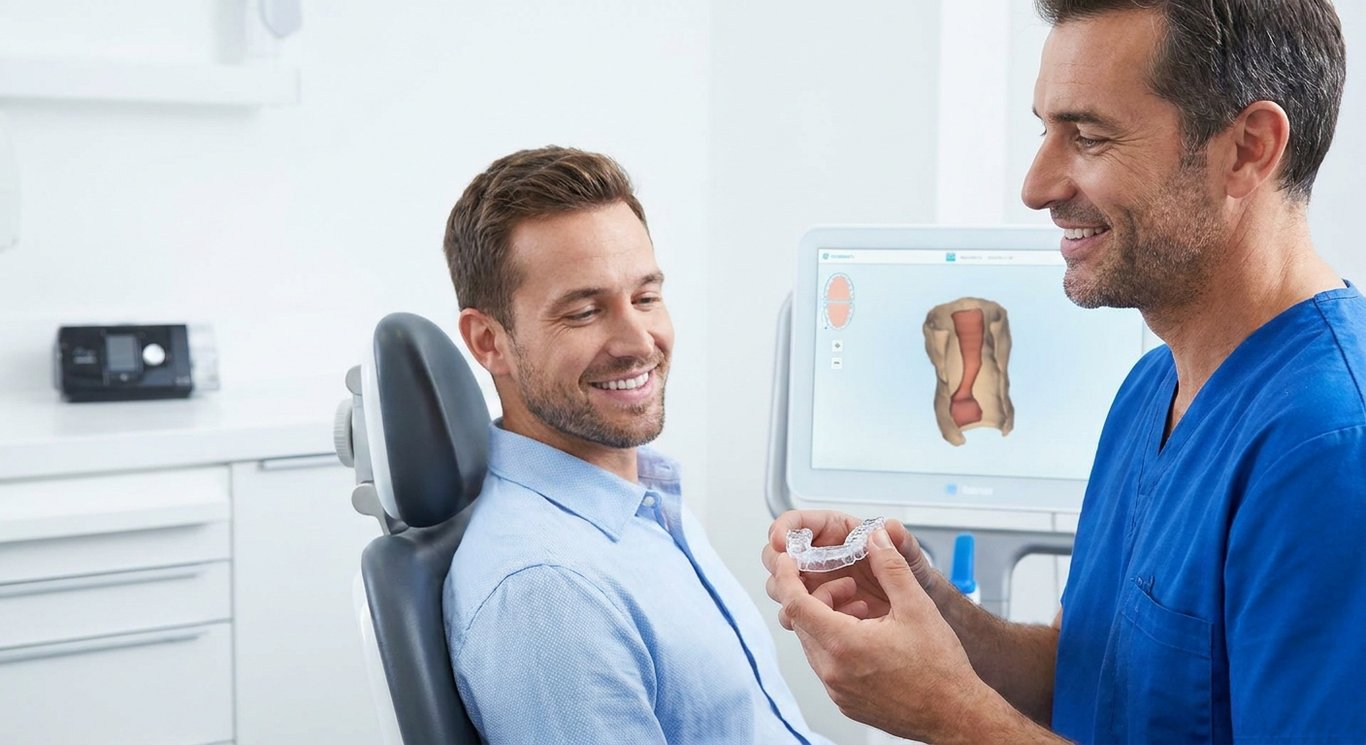
One of the most important tools a dentist trained in dental sleep medicine has to offer is a custom oral appliance, most commonly a mandibular advancement device, or MAD. These devices work by gently repositioning the lower jaw slightly forward during sleep, which in turn moves the tongue and soft tissues away from the back of the throat and helps keep the airway open. Some devices also include a component that holds the tongue in a forward position directly. The key word here is "custom" — these are not one-size-fits-all devices bought off a shelf. They are precisely fitted to a patient's unique dental anatomy and are adjustable, meaning the dentist can fine-tune the degree of jaw advancement over time to find the position that works best for that individual. This titration process is a critical part of making the therapy effective.
Oral appliance therapy is not for everyone, but it can be an excellent option for the right patients. Current clinical guidelines support the use of custom mandibular advancement devices for adults with mild to moderate obstructive sleep apnea. They are also considered a viable alternative for patients with more severe sleep apnea who are unable to tolerate continuous positive airway pressure (CPAP) therapy — the most widely prescribed treatment for OSA. Some patients simply cannot get used to sleeping with a CPAP mask and hose, and for those individuals, a well-fitted oral appliance can provide meaningful benefit. As always, the decision to pursue oral appliance therapy should be made in consultation with both a sleep physician and a qualified dentist, taking into account the patient's specific diagnosis, anatomy, and preferences.
The process of getting a custom oral appliance involves several steps, and it typically takes a few weeks from start to finish. It begins with a thorough oral examination to assess the health of the teeth, gums, and jaw joints, ensuring the patient is a good candidate for appliance therapy. The dentist then takes dental impressions or digital scans of the upper and lower teeth, along with a bite registration that captures the relationship between the jaws. These records are sent to a dental laboratory where the appliance is custom-fabricated. When the appliance is ready, the patient returns for a delivery appointment where the fit is checked, the device is adjusted as needed, and the patient receives instructions on how to use and care for it. Follow-up visits are scheduled to gradually advance the appliance and monitor comfort and effectiveness.
CPAP, Oral Appliances, and Other Treatment Options
When it comes to treating obstructive sleep apnea, CPAP therapy and oral appliance therapy are the two most commonly discussed options — but they work quite differently and suit different patients. CPAP delivers a continuous stream of pressurized air through a mask worn over the nose or mouth, physically holding the airway open throughout the night. It is generally considered more effective at eliminating airway obstruction, particularly in moderate to severe cases. Oral appliances, on the other hand, reposition the jaw and tongue to reduce the likelihood of airway collapse. While they may not be quite as powerful as CPAP in terms of raw effectiveness, they are often easier for patients to use consistently — they are small, silent, require no electricity, and are far less intrusive than a mask and machine. Adherence matters enormously in sleep apnea treatment, and a therapy a patient will actually use is often better than a theoretically superior one they abandon after a few weeks.
Beyond CPAP and oral appliances, there are several other treatment approaches that may be recommended depending on the individual. Weight loss can significantly reduce the severity of sleep apnea in patients who are overweight, as losing even a modest amount of weight can reduce the pressure on the airway. Positional therapy — such as using a specially designed pillow or device to prevent sleeping on the back — can help patients whose sleep apnea is primarily position-dependent. Treating nasal obstruction, whether through medication, nasal strips, or surgery, can also improve airflow and reduce sleep apnea severity. Lifestyle changes like reducing alcohol intake, quitting smoking, and maintaining a consistent sleep schedule can all make a difference. In some cases, surgical options — such as removal of the tonsils and adenoids, palate surgery, or jaw advancement surgery — may be considered. These decisions are always made by a physician based on the patient's individual circumstances.
There is no single treatment that works best for every person with sleep apnea, and that is actually an important point to embrace rather than find frustrating. The right treatment depends on a combination of factors, including the severity of the sleep apnea as measured by the AHI, the patient's specific anatomy, their overall medical history, their personal preferences, and how well they can tolerate different therapies. A patient with mild OSA and a strong preference to avoid CPAP may do very well with an oral appliance. A patient with severe OSA and significant oxygen desaturations may need CPAP or a more aggressive intervention. The goal is always to find the approach that effectively controls breathing events, is safe for the patient, and can be maintained long-term. Individualized, collaborative care is the foundation of good sleep apnea management.
What Happens After an Oral Appliance Is Delivered?
Receiving the oral appliance is really just the beginning of the process, not the end. Follow-up appointments are a critical part of oral appliance therapy, and they serve several important purposes. In the weeks after delivery, the dentist will typically schedule visits to gradually advance the mandibular position — moving the lower jaw forward in small increments until the optimal therapeutic position is reached. These appointments also give the patient a chance to report how they are sleeping, whether snoring has improved, and how comfortable the appliance feels. The dentist monitors the fit, makes any necessary adjustments, and ensures that the appliance is functioning as intended. Consistent follow-up is what separates a well-managed therapy from one that simply sits in a drawer.
Like any dental device, oral appliances can come with some side effects, especially in the early stages of treatment. Jaw soreness or muscle tenderness is one of the most common complaints, as the muscles and joints are adapting to holding the jaw in a new position during sleep. Some patients notice increased saliva production, while others experience dry mouth. Tooth discomfort and sensitivity can also occur. Over time, if the appliance is not carefully monitored, it can cause subtle changes in how the teeth fit together — a shift in the bite. These changes are usually manageable when caught early, which is why it is so important for patients to report any persistent discomfort or changes in their bite to their dentist promptly rather than hoping the problem will resolve on its own. Regular dental check-ins are essential for catching and addressing these issues before they become more significant.
One thing that surprises many patients is that feeling better — or even noticing that snoring has decreased — does not necessarily mean the sleep apnea is fully controlled. Snoring can improve while breathing events continue to occur. This is why follow-up sleep testing is often recommended after oral appliance therapy has been established and the appliance has been fully titrated. A follow-up home sleep test or in-lab study allows the sleep physician to objectively confirm whether the appliance is effectively reducing the AHI to an acceptable level. If the results show that breathing events are still occurring at a clinically significant rate, the treatment plan may need to be adjusted — whether that means further advancing the appliance, adding another therapy, or switching to a different approach altogether. Objective confirmation of effectiveness is a key part of responsible sleep apnea care.
How Dentists and Sleep Physicians Work Together
Effective sleep apnea care is genuinely a team effort, and the collaboration between dentists and sleep physicians is at the heart of that team. The sleep physician's role is to evaluate the patient's symptoms, order and interpret sleep testing, make the diagnosis, and determine the overall treatment plan. The dentist's role — specifically a dentist with training in dental sleep medicine — is to assess whether the patient is a good candidate for oral appliance therapy from an oral health standpoint, fabricate and fit the custom device, titrate it to the appropriate position, and monitor for any dental side effects over time. Neither professional is doing the other's job; they each contribute expertise that the other does not have. This division of responsibility is not just good practice — it is essential for patient safety.
Ongoing communication between the dentist and sleep physician is what keeps this collaborative model working well over the long term. When a dentist refers a patient for sleep testing, they typically send along relevant clinical findings and screening results. When the sleep physician recommends oral appliance therapy, they communicate the diagnosis and severity to the treating dentist. After the appliance has been titrated, the dentist shares follow-up sleep test results and any clinical observations with the physician. This back-and-forth ensures that both providers have an accurate, up-to-date picture of the patient's status. For patients, this kind of coordinated care means they are less likely to fall through the cracks — and more likely to receive treatment that is both safe and effective over the long haul.
Choosing a Dentist for Sleep Apnea Treatment
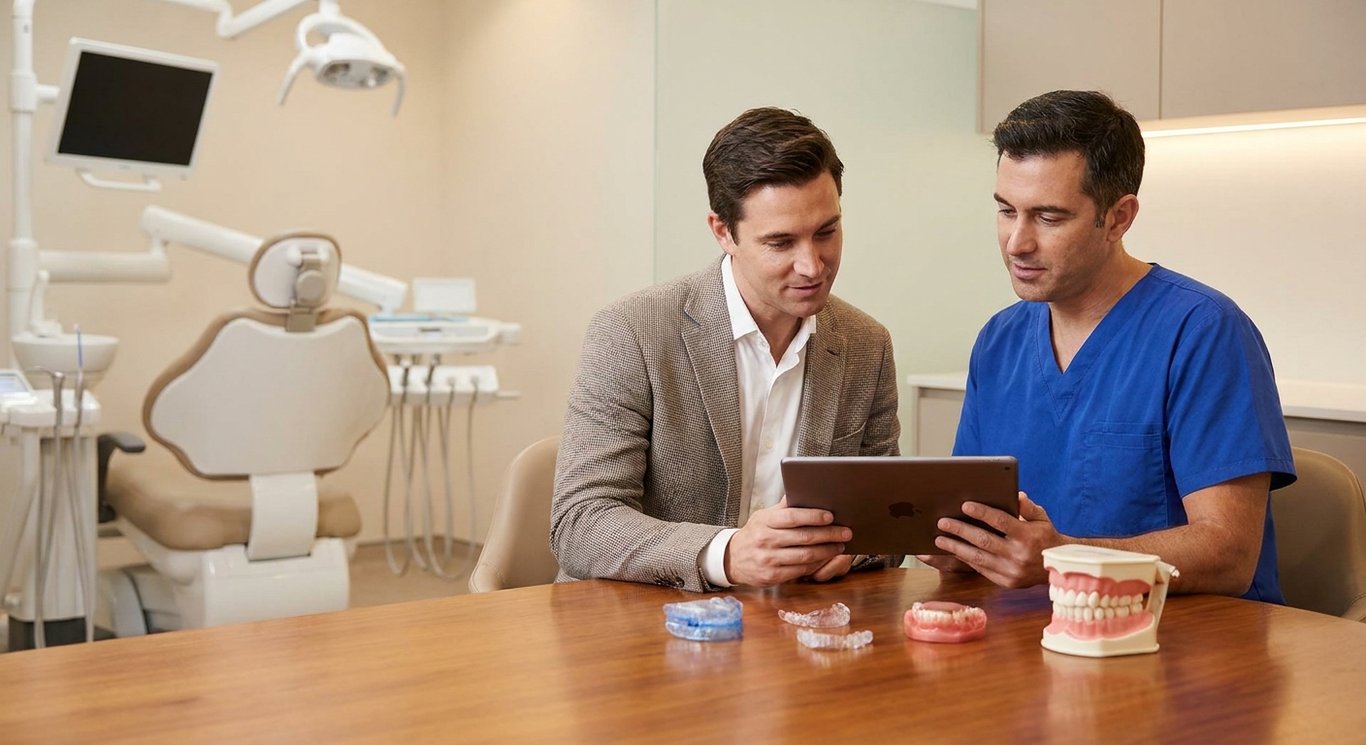
Not every dentist has the training or experience to provide sleep apnea treatment, so it is worth asking some specific questions before moving forward. Patients should ask about the dentist's formal training in dental sleep medicine — look for coursework, certifications, or affiliations with organizations such as the American Academy of Dental Sleep Medicine (AADSM). Ask how many patients they have treated with oral appliance therapy and how familiar they are with different types of devices. It is also important to ask how they collaborate with sleep physicians — do they have established referral relationships? Do they communicate with the diagnosing physician throughout the treatment process? Finally, ask about their follow-up protocol: how often will you be seen, and will they recommend objective sleep testing to confirm the appliance is working? A dentist who takes these questions seriously is one worth trusting.
One issue worth addressing directly is the availability of generic, over-the-counter anti-snoring mouthpieces. These devices are widely marketed and easy to find online or in drugstores, and while they may reduce snoring for some people, they are not a substitute for a properly diagnosed and medically supervised treatment plan. Without a formal sleep evaluation, a person using an OTC device has no way of knowing whether their snoring is accompanied by dangerous breathing events. Without a custom fit, the device may be uncomfortable, ineffective, or potentially harmful to the teeth and jaw joints. And without follow-up sleep testing, there is no way to confirm whether any benefit is actually occurring. The bottom line is that snoring and sleep apnea deserve proper medical and dental attention — not a one-size-fits-all solution pulled off a pharmacy shelf.
When Snoring or Sleep Symptoms Require Prompt Attention
While it is easy to dismiss snoring as an annoyance rather than a medical concern, certain symptoms should prompt a person to seek evaluation without delay. Witnessed pauses in breathing — when a bed partner observes someone stop breathing entirely during sleep — are one of the most serious warning signs and should not be ignored. Waking up choking or gasping for air is another significant red flag. Severe daytime sleepiness that interferes with the ability to function safely — especially while driving or operating machinery — warrants prompt attention. Frequent morning headaches, which can result from overnight drops in oxygen levels, are also worth investigating. Uncontrolled high blood pressure, particularly when it has not responded well to medication, can sometimes be linked to untreated sleep apnea and is another reason to pursue evaluation sooner rather than later.
In some situations, symptoms may require urgent or emergency medical attention rather than a scheduled appointment. If someone experiences severe difficulty breathing during sleep, significant chest pain, fainting, sudden confusion, or other acute symptoms that seem related to breathing or heart function, they should seek emergency care immediately. These symptoms could indicate a serious cardiovascular event or other medical emergency that goes well beyond the scope of a sleep apnea evaluation. It is always better to err on the side of caution when it comes to symptoms that affect breathing and heart function. Once any acute issues have been addressed, a thorough sleep evaluation can follow as part of ongoing care.
Common Questions About Dentists and Sleep Apnea
Can a dentist diagnose sleep apnea?
This is one of the most frequently asked questions in dental sleep medicine, and the answer is clear: no, a dentist cannot diagnose sleep apnea. What a dentist can do — particularly one with specialized training in dental sleep medicine — is identify risk factors, examine oral and facial anatomy for signs associated with airway problems, administer validated screening questionnaires, and refer patients for further evaluation. The actual diagnosis of sleep apnea must be made by a qualified medical provider or sleep physician based on the results of objective sleep testing. The dentist's role is an important and valuable one, but it sits within a collaborative care model where medical diagnosis comes first.
Can a dentist help with snoring?
Yes, dentists who specialize in dental sleep medicine can help address snoring through custom oral appliances, and many patients find significant relief. However, it is important not to treat snoring as a purely cosmetic or social problem without first ruling out sleep apnea. Snoring can occur on its own — called primary snoring — but it can also be a symptom of obstructive sleep apnea, which carries real health risks. For this reason, snoring should always be medically evaluated before treatment is initiated. A dentist can be a great partner in this process, but the evaluation and any necessary diagnosis should involve a physician or sleep specialist as well.
Are oral appliances as effective as CPAP?
In terms of raw effectiveness at eliminating airway obstruction, CPAP generally has the edge — it physically holds the airway open with pressurized air and tends to produce greater reductions in AHI, especially in moderate to severe cases. However, effectiveness in the real world is not just about what a treatment can do in theory; it is about what a patient will actually use night after night. CPAP intolerance is a well-documented issue, and for patients who cannot or will not use CPAP consistently, a custom oral appliance that is worn reliably may provide better real-world outcomes. For selected patients — particularly those with mild to moderate OSA or those who prefer an alternative to CPAP — oral appliances are a clinically recognized and medically supervised option worth discussing with both a sleep physician and a qualified dentist.
How long does it take to get a sleep-apnea mouthpiece?
The timeline for getting a custom oral appliance varies somewhat depending on the dental practice and the specific device being made, but most patients can expect the process to take anywhere from two to four weeks from start to finish. It typically begins with a comprehensive oral examination to confirm candidacy, followed by digital scans or traditional dental impressions and a bite registration. These records are sent to a dental laboratory, where the appliance is custom-fabricated — a process that usually takes one to two weeks. The patient then returns for a delivery appointment, where the fit is verified and the device is adjusted. Follow-up visits for titration and monitoring continue over the following weeks and months. While it is not an overnight solution, the custom process is what makes the appliance both comfortable and clinically effective.
Do oral appliances have side effects?
Like any medical or dental device, oral appliances can cause side effects, and patients should be aware of them going in. The most common complaints in the early weeks of treatment are jaw soreness and muscle tenderness, as the jaw adapts to being held in a forward position during sleep. Tooth discomfort or sensitivity can also occur. Some patients experience excessive saliva production, while others notice dry mouth. With long-term use and without proper monitoring, subtle changes in the bite or tooth position can develop. Most of these side effects are manageable — and many resolve on their own as the patient adjusts — but they should always be reported to the treating dentist promptly. Regular dental check-ups are an essential part of oral appliance therapy, both to monitor for these issues and to ensure the appliance continues to fit and function properly over time.
Key Takeaways and Next Steps
If there is one thing to take away from all of this, it is that snoring is not always harmless — and that the path from a nighttime noise to a proper diagnosis and effective treatment is more accessible than many people realize. Dentists trained in dental sleep medicine can play a meaningful role in identifying risk factors, examining oral and airway anatomy, and screening patients who may be at risk. But medical testing is always required to confirm a diagnosis, and treatment should always be guided by a qualified sleep physician. For patients who are diagnosed with obstructive sleep apnea, custom oral appliances represent a well-established, medically recognized treatment option that can make a real difference in sleep quality and overall health — particularly for those with mild to moderate OSA or those who cannot tolerate CPAP.
If you or a partner have noticed loud snoring, gasping or choking during sleep, breathing pauses, morning headaches, or persistent daytime fatigue, those symptoms deserve attention — not just a shrug and another cup of coffee. The information in this article, "Beyond the Snore: How Dentists Diagnose and Treat Sleep Apnea," is meant to be a starting point, not a substitute for professional care. The next step is to schedule an evaluation with a qualified dentist and a sleep physician who can assess your specific situation, guide you through the appropriate testing, and help you find a treatment plan that fits your life. Better sleep is not a luxury — it is a foundation for everything else. Take the first step today.