Beyond the Price Tag: Why Dental Implants Are a Long-Term Investment in Your Health
Published 21 min read
Introduction: Why the Cost Conversation Misses the Bigger Picture
When most people start researching dental implants, the first thing that stops them cold is the price. It's a fair reaction — implants do cost more upfront than dentures or bridges, and that number can feel like a hard stop before the conversation even begins. But focusing only on the sticker price means missing a much larger picture. Durability, health impact, and long-term value are all part of the equation, and when those factors get left out, the comparison becomes incomplete at best and misleading at worst.
This article is designed to go beyond the surface-level cost debate and look at dental implants as what they truly are: a long-term investment in your oral health and overall quality of life. We'll walk through how implants work, why they cost what they do, what they offer in terms of health and function, how they stack up against alternatives, and what you need to know before making a decision. Whether you're just starting to explore your options or already weighing a treatment plan, this guide will give you the full picture.
What Are Dental Implants and How Do They Work?
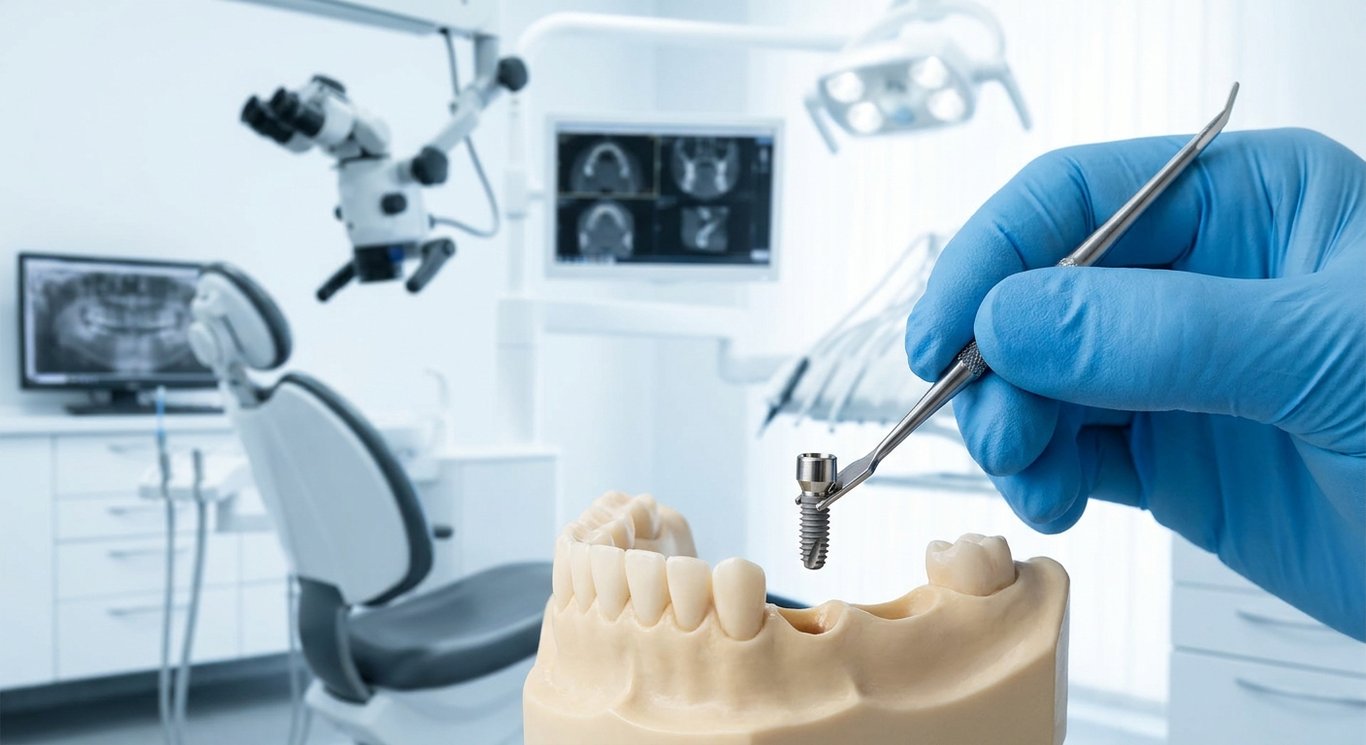
A dental implant is a tooth replacement system made up of three main components: the implant fixture, the abutment, and the crown. The implant fixture is a small titanium post that gets surgically placed into the jawbone, acting as an artificial tooth root. The abutment connects that post to the crown, which is the visible, tooth-shaped restoration on top. Together, these three parts work as a unit to replace a missing tooth from root to tip.
What makes implants fundamentally different from other tooth replacement options is a process called osseointegration. Over several months following placement, the titanium post actually fuses with the surrounding jawbone. This creates a level of stability that closely mimics a natural tooth root. The result is a restoration that doesn't shift, slip, or depend on neighboring teeth for support — it holds its own because it's anchored directly into the bone.
Not everyone is automatically a candidate for dental implants, but many people are. In general, good candidates have healthy gums, no active infection, and enough jawbone density to support the implant post. Overall health also plays a role, since the body needs to heal properly after surgery. The good news is that a thorough consultation and imaging can help determine whether implants are a viable option — and in many cases, preparatory treatments can help patients who don't qualify right away.
Why Dental Implants Cost More Upfront Than Other Tooth Replacement Options
The higher upfront cost of dental implants reflects the complexity of what's actually involved. From the initial consultation and diagnostic imaging like X-rays or CT scans, to the surgical placement, the materials used, and the custom-designed crown, there are multiple steps — and multiple specialists — that may be part of the process. Titanium implant fixtures and high-quality ceramic crowns aren't cheap to manufacture, and the expertise required to place them precisely is a significant part of what you're paying for.
By comparison, a traditional dental bridge or a set of removable dentures comes with a lower initial price tag. That's a real and understandable advantage for many patients. However, lower upfront cost doesn't always translate to lower lifetime cost. Bridges typically last 10 to 15 years before needing replacement, and dentures often require relining, adjustments, or full replacement over time — all of which add up. When you factor in those ongoing expenses, the gap between implants and alternatives tends to narrow considerably.
Pricing also varies quite a bit depending on the specifics of your case. Replacing a single missing tooth with one implant is a very different investment than a full-mouth restoration using implant-supported dentures. Additional procedures like bone grafting, sinus lifts, or periodontal treatment — when needed — add to the overall cost. That's why it's difficult to give a one-size-fits-all number; the final figure depends on your unique oral health situation and treatment goals.
The Long-Term Financial Value of Dental Implants
One of the strongest arguments for dental implants as a long-term investment is their durability. With proper care and regular dental visits, implants are designed to last many years — often decades. The implant fixture itself, once integrated with the bone, can potentially last a lifetime. The crown on top may eventually need replacement due to normal wear, but even that tends to outlast the lifespan of a bridge or denture. That kind of longevity is built into the design from the start.
Think about what avoiding repeated replacements actually means in financial terms. Dentures may need relining every few years, and adhesives are an ongoing monthly expense. Bridges, as mentioned, typically need to be replaced at some point — and that replacement often involves the same adjacent teeth that were altered to place the bridge in the first place. With implants, once the restoration is complete and healing is done, the maintenance costs are relatively modest. You're brushing, flossing, and seeing your dentist regularly — much like you would with natural teeth.
A useful way to think about this is cost per year of service. If a dental bridge costs significantly less upfront but needs to be replaced twice over 20 years, while an implant placed at a higher cost remains functional throughout that same period, the math starts to shift. Spreading the cost of an implant over its expected years of use often reveals a more competitive price point than the upfront number suggests. It's the same logic people apply when buying a quality appliance versus a cheaper one that breaks down repeatedly — sometimes spending more now saves more later.
How Dental Implants Support Oral Health
Beyond function and finances, dental implants offer something that no other tooth replacement option can fully replicate: they stimulate the jawbone. When a natural tooth is lost, the bone beneath it no longer receives the stimulation it needs to maintain its density. Over time, that bone begins to shrink — a process called resorption. An implant post, embedded in the jaw, mimics the pressure and movement of a natural root, which signals the bone to stay active and maintain its structure. This is a significant health benefit that often gets overlooked in the cost conversation.
Preserving the jawbone also has a ripple effect on the surrounding teeth. When a gap is left unfilled, neighboring teeth can gradually drift or tilt toward the empty space. This shifting can affect your bite, create new alignment issues, and even make those teeth harder to clean — which raises the risk of decay and gum disease. By filling the gap with a stable implant, you're essentially holding the line and keeping everything in its proper place.
From a day-to-day oral hygiene standpoint, implants also have a practical edge over removable dentures. Because implants function like natural teeth, you clean around them the same way — brushing and flossing normally. There are no appliances to remove, no soaking solutions, and no risk of the gum tissue beneath a denture becoming irritated or inflamed from prolonged contact with a removable plate. For many patients, this simplicity is one of the most underrated advantages of choosing implants.
How Dental Implants Improve Chewing, Speaking, and Everyday Function
One of the most immediate and noticeable benefits patients report after getting dental implants is the return of real bite strength. Missing teeth — or poorly fitting dentures — can make chewing difficult and even painful, which often leads people to avoid certain foods. Hard vegetables, chewy proteins, and crunchy foods that require real biting force can all become off-limits. Implants restore that force because they're anchored directly into the bone, allowing you to eat a much wider variety of foods without hesitation or discomfort.
Speech is another area where implants make a meaningful difference. Loose or ill-fitting dentures can shift while talking, causing slurring, clicking sounds, or the need to speak carefully to keep them in place. Because implants are fixed and stable, they don't interfere with the natural movement of the tongue and lips during speech. Many patients find that their confidence in conversation improves noticeably once they've made the switch from removable appliances to implants.
Then there's the everyday quality-of-life factor that's harder to put a number on but very real. Eating at a restaurant without worrying about your teeth, laughing without self-consciousness, biting into an apple without a second thought — these are the kinds of moments that matter. Patients frequently describe the experience of implants as feeling natural, because in many ways, that's exactly what they are. That sense of normal function and restored confidence is often what patients say they value most about their decision to invest in implants.

Dental Implants vs. Bridges vs. Dentures: Which Is the Better Investment?
When comparing dental implants, bridges, and dentures, it helps to look at the full picture rather than just the price. Implants are the most durable of the three, require no alteration to surrounding teeth, and preserve the jawbone. Bridges are fixed like implants but rely on neighboring teeth for support and don't address bone loss. Dentures are removable and more affordable upfront, but they tend to be less stable, can cause gum irritation, and don't stimulate the bone at all. Maintenance needs, comfort levels, and long-term outcomes differ significantly across all three options.
One important point about bridges is that placing them typically requires grinding down the adjacent healthy teeth — called abutment teeth — to create anchors for the bridge. This is a permanent alteration to teeth that were otherwise healthy, which some patients and dentists find difficult to justify when an implant could replace the missing tooth without touching anything else. Over time, those altered teeth may also become more vulnerable to decay or damage, potentially creating new dental problems down the road.
That said, bridges and dentures are still appropriate choices in many situations. Budget constraints are real, and not everyone can absorb the upfront cost of implants regardless of the long-term math. Certain medical conditions may make surgery inadvisable. And for patients who are missing many teeth, implant-supported dentures or a combination approach might make more financial and clinical sense than individual implants for every missing tooth. These are all valid reasons why the alternatives remain relevant options.
Ultimately, the best tooth replacement option is the one that fits your oral health status, your personal goals, your timeline, and your long-term expectations. There's no universal right answer. What matters is making an informed decision with a clear understanding of what each option delivers — not just today, but five, ten, and twenty years from now.
Who Is a Good Candidate for Dental Implants?
Most healthy adults who are missing one or more teeth are potential candidates for dental implants. The key factors that providers evaluate include overall health, the condition of the gums, and whether there is enough jawbone density to support the implant post. Patients who have good oral hygiene habits, no active gum disease, and a commitment to follow-up care tend to have the best outcomes. Age is generally not a barrier for adults, as long as the jawbone has finished developing — which typically happens in the late teens or early twenties.
Certain conditions can complicate or delay implant treatment. Smoking is one of the most significant risk factors, as it impairs healing and increases the chance of implant failure. Uncontrolled diabetes affects the body's ability to recover from surgery. Untreated gum disease creates an unstable environment for implant placement. Some medications, particularly those that affect bone metabolism — like certain treatments used for osteoporosis — can also influence outcomes. These aren't automatic disqualifiers, but they do need to be discussed openly with your dental provider before moving forward.
The encouraging reality is that modern dentistry has made implants accessible to a broader range of patients than ever before. Bone grafting can rebuild areas where the jawbone has deteriorated, creating the foundation needed to support an implant. Periodontal treatment can bring gum disease under control before implant surgery begins. For patients who don't qualify right away, a preparatory phase of treatment can often get them to a point where implants become a viable option. It's worth having that conversation rather than assuming you're not a candidate.
What Is the Dental Implant Procedure Like?
The dental implant process unfolds in several stages, and understanding each one helps set realistic expectations. It typically begins with a consultation that includes a thorough examination, dental X-rays or a 3D cone beam CT scan, and a review of your medical and dental history. Once a treatment plan is established, the surgical phase begins — the implant post is placed into the jawbone under local anesthesia. After placement, a healing period begins during which osseointegration takes place. Once the implant has integrated with the bone, the abutment is attached, and finally, the custom crown is placed on top.
Recovery after the surgical placement phase is manageable for most patients. Some swelling, tenderness, and mild discomfort are normal in the days following surgery, and these are typically managed with over-the-counter pain relievers or a short course of prescription medication. Follow-up visits allow your provider to monitor healing and make sure everything is progressing as expected. Most patients find they can return to normal daily activities within a few days, though strenuous activity and certain foods may need to be avoided temporarily.
Whether sedation is used depends on the complexity of the procedure and the patient's comfort level. For straightforward single-tooth implants, local anesthesia is often sufficient. For more complex cases, or for patients with significant dental anxiety, sedation options such as nitrous oxide or IV sedation may be available. Your provider will discuss what's appropriate for your specific situation and make sure you feel comfortable before any procedure begins.
One thing that surprises many patients is the time commitment involved. Unlike a bridge or denture that can often be completed in a few appointments, implant treatment is a phased process that unfolds over several months. The osseointegration period alone typically takes three to six months. While that timeline can feel long, it's actually what makes implants so reliable — the body needs time to fully integrate the implant before it can bear the full force of chewing. Rushing that process would compromise the result, so patience is genuinely part of what makes implants work so well.
What Risks, Limitations, and Complications Should Patients Know About?
Like any surgical procedure, dental implant placement carries some risks. Infection at the implant site is one of the more common concerns, though it's typically preventable with proper oral hygiene and post-op care. Implant failure — where the post doesn't integrate properly with the bone — can occur, particularly in patients with certain health conditions or those who smoke. In rare cases, nerve damage, sinus complications (for upper jaw implants), or inadequate bone healing can occur. These risks are real, but they're also relatively uncommon when treatment is performed by an experienced provider and patients follow care instructions carefully.
It's also important to acknowledge that not every patient is ready for implant placement immediately. Some cases require bone grafting, which adds time and cost to the process. Others may need to address active gum disease or get certain systemic health conditions under better control before surgery is appropriate. These aren't reasons to give up on implants — they're just part of the process of making sure the conditions are right for success. A qualified provider will be upfront about what preparatory work, if any, is needed before moving forward.
Perhaps the most important thing patients can do to protect their investment is to choose their provider carefully and follow through on post-operative care. Implant dentistry requires a high level of skill and precision, so selecting a provider with specific training and experience in implant placement matters. Following post-op instructions, attending all follow-up appointments, and maintaining excellent oral hygiene aren't optional extras — they're essential parts of making sure the implant heals properly and lasts as long as it's designed to.
How to Care for Dental Implants So They Last as Long as Possible
The good news about implant maintenance is that it's not complicated — it's just consistent. Daily home care for implants looks a lot like caring for natural teeth. Brushing twice a day with a soft-bristled toothbrush, flossing around the implant, and using any additional tools your dentist recommends — like an interdental brush or water flosser — are the basics. The goal is to keep the area around the implant clean and free of bacterial buildup, which helps prevent a condition called peri-implantitis, an infection of the tissue around the implant that can threaten its stability.
Regular professional dental care is equally important. Even if your implant feels perfect and you're diligent at home, professional cleanings and checkups allow your dental team to monitor the health of the surrounding gum tissue and bone, check the fit and integrity of the crown, and catch any early warning signs before they become serious problems. Most providers recommend visits every six months, though some patients with a higher risk of gum disease may benefit from more frequent monitoring. Skipping these visits is one of the most common ways people unknowingly shorten the lifespan of their implant.
Lifestyle habits also play a meaningful role in implant longevity. Smoking remains one of the top risk factors for implant failure even after the initial healing phase, so quitting — or at minimum reducing — tobacco use is strongly encouraged. If you grind your teeth at night, a condition called bruxism, the excessive force can damage both the crown and the implant over time; a custom nightguard can help protect your investment. And addressing any signs of gum inflammation early, rather than waiting to see if it resolves on its own, is always the smarter approach when you have implants in place.
How to Evaluate Whether Dental Implants Are Worth It for You
Deciding whether dental implants are the right choice comes down to more than just comparing price points. A useful framework is to think about your health goals, how long you expect the restoration to serve you, what your budget realistically allows, and how much your quality of life is affected by your current tooth loss situation. If eating, speaking, and smiling comfortably are priorities — and if you're looking for a solution that minimizes future dental work — implants often check more of those boxes than the alternatives.
It's worth taking a clear-eyed look at the trade-offs on both sides. Choosing a less expensive option now might mean lower immediate costs, but if that option requires replacement or ongoing maintenance in ways that implants don't, the savings may be less significant than they appear. On the other hand, if budget constraints are genuinely limiting, there's no shame in choosing a bridge or denture as a starting point — the goal is to make a decision that serves your health and your circumstances, not to spend money you don't have. The key is to make that choice with full information rather than incomplete comparisons.
Because so many variables affect both the cost and the outcome of implant treatment, a personalized consultation is the only way to get a truly accurate picture. The number of missing teeth, the current state of your jawbone, the health of your gums, and the complexity of your case all influence what treatment will look like and what it will cost. No article — including this one — can replace the insight of a qualified dental professional who has actually examined your mouth. That consultation is where the real decision-making begins.
FAQ: Common Questions About Dental Implants
Q1: How long do dental implants last? The lifespan of a dental implant depends on several factors, including your oral hygiene routine, overall health, and how consistently you attend professional maintenance visits. The implant fixture itself — the titanium post in the bone — is designed for long-term use and can potentially last a lifetime with proper care. The crown on top may eventually show wear and need replacement after many years, but the underlying structure tends to remain stable. Patients who brush regularly, avoid smoking, and keep up with dental checkups give their implants the best chance of lasting as long as possible.
Q2: Are dental implants painful? During the actual placement procedure, patients receive local anesthesia, so the surgery itself should not be painful. Most people are surprised by how manageable the experience is. After the anesthesia wears off, some soreness, swelling, and tenderness around the surgical site is normal and typically peaks within the first couple of days. Over-the-counter pain relievers are usually sufficient to keep discomfort under control, though your provider may prescribe something stronger depending on the complexity of your case. The healing period is temporary, and most patients feel back to normal within a week or so.
Q3: Are dental implants better than dentures? In many respects, yes — but the answer depends on your individual situation. Implants are fixed, stable, and don't require removal for cleaning, which makes them more convenient and comfortable for most patients. They also preserve the jawbone in a way that dentures simply cannot, since they stimulate the bone like natural tooth roots. Dentures, by contrast, sit on top of the gum tissue and can cause bone loss over time. That said, implant-supported dentures offer a middle-ground option that combines the stability of implants with the practicality of a full-arch restoration, which may be the right fit for patients missing most or all of their teeth.
Q4: Can older adults get dental implants? Age alone is generally not a barrier to dental implant treatment. Many patients in their 60s, 70s, and beyond have successfully received implants and enjoy excellent outcomes. What matters more than age is overall health and bone quality. As long as a patient is healthy enough to undergo a minor surgical procedure and has adequate bone support, implants can be a very appropriate option. Certain age-related health conditions or medications may need to be factored into the treatment plan, which is why a thorough medical and dental evaluation is always part of the process.
Q5: Are dental implants worth the cost? For the majority of patients who choose them, yes. The combination of long-term durability, bone preservation, natural function, and reduced need for future replacements or repairs makes implants a compelling value proposition when viewed over a multi-year horizon. The upfront investment is real, and it's not the right financial decision for everyone at every point in their life. But patients who are able to move forward with implants frequently report that they wish they had done it sooner — not just because of how their smile looks, but because of how much better they feel eating, speaking, and going about their daily lives without worrying about their teeth.
Conclusion: Why Dental Implants Are a Long-Term Investment in Your Health
Dental implants are far more than a cosmetic upgrade or a straightforward tooth replacement — they're a long-term investment in your oral function, your bone health, and your overall quality of life. The upfront cost is higher than alternatives, and that's a real consideration. But when you look at the full picture — the durability, the bone preservation, the improved ability to eat and speak, the reduced need for ongoing repairs or replacements — the value becomes much clearer. The decision isn't just about what something costs today. It's about what it delivers over the next ten, twenty, or thirty years.
If you've been weighing your options and wondering whether dental implants are the right fit for you, the best next step is a personalized consultation with a qualified dental professional. Only a thorough examination of your oral health, bone density, and overall health can tell you what treatment would look like in your specific case — and what it would cost. We invite you to take that step, ask your questions, and explore whether Beyond the Price Tag: Why Dental Implants Are a Long-Term Investment in Your Health is the right path forward for your smile and your long-term wellbeing. A conversation with the right provider could be the starting point for a decision you'll feel good about for years to come.