Beyond the Perfect Smile: Understanding and Addressing Potential Dental Implant Complications
Published 28 min read
Dental implants have become one of the most sought-after solutions in modern dentistry, and it's easy to see why. They look natural, feel comfortable, and can genuinely transform a person's confidence. The idea of a "perfect smile" is a powerful motivator, and implants often deliver exactly that. But behind that polished result is a real surgical procedure with real biological and mechanical demands on the body—and like any surgery, things don't always go perfectly.
This article is designed to give you a clear, honest look at what can go wrong with dental implants, how to spot early warning signs, and what steps you can take to protect your investment and your health. Understanding potential complications doesn't mean implants are dangerous or that you should avoid them. It means you're approaching your care with open eyes, which is always the smartest move. Whether you're considering implants for the first time or already have them, this guide will help you make informed decisions and work more effectively with your dental team.
What Are Dental Implants and Why Do Complications Matter?
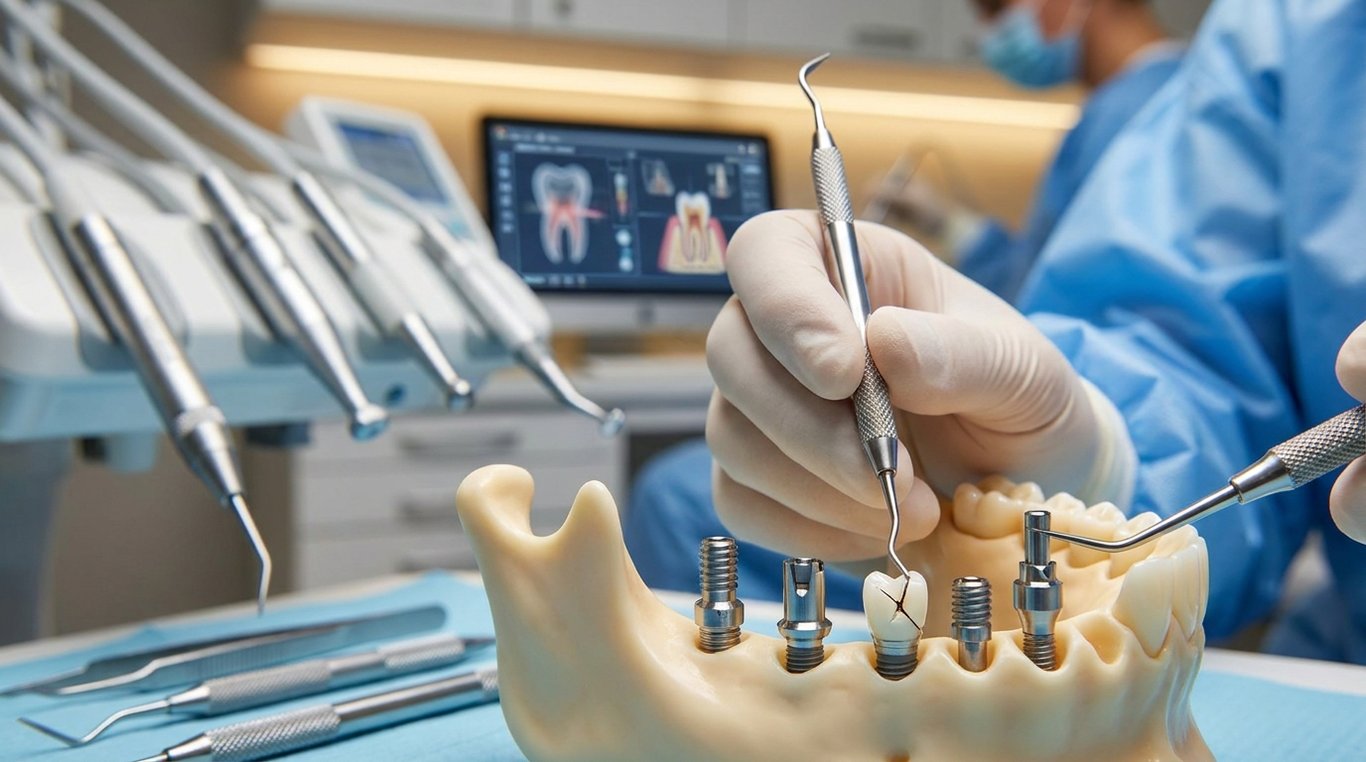
A dental implant is essentially a three-part system designed to replace a missing tooth from root to crown. The implant itself is a small titanium post that a surgeon places directly into the jawbone, acting as an artificial tooth root. On top of that sits an abutment, which is a connector piece, and finally a custom-made crown that looks and functions like a natural tooth. The surgery involves cutting into the gum tissue, drilling into the bone, placing the post, and then allowing time for the bone to grow around and fuse with the titanium in a process called osseointegration. It's a well-developed procedure, but it is still surgery.
Implants boast impressive success rates, often cited above 95% over ten years in carefully selected patients. That's genuinely encouraging. However, like any surgical intervention, implants can involve both biological complications—such as infection and bone loss—and mechanical complications, like loosening or fracturing of the crown or post. These issues can affect how comfortable the implant feels, how well it functions for chewing, and how it looks over time. The fact that complications are possible doesn't make implants a bad choice; it just means that awareness and ongoing care are essential parts of the deal.
Understanding potential problems early gives patients a real advantage. When you know what to look for, you're far more likely to catch an issue before it becomes serious. A small infection caught early is a very different situation from advanced bone loss that's been silently progressing for years. Your dentist is your partner in this, but you are the one who notices day-to-day changes first—so being informed puts you in a stronger position to protect your long-term oral health.
Typical Success Rates vs. Real-World Risks
Clinical studies consistently show that dental implants have high long-term survival rates, with many patients enjoying healthy, functional implants for fifteen years or more. In ideal candidates with good bone volume, healthy gums, and no significant systemic conditions, outcomes are excellent. But when you zoom out to broader, real-world populations, the picture becomes a bit more nuanced. Research indicates that peri-implantitis—a serious infection around the implant—affects anywhere from 10% to 20% of implant patients over time, and early implant failure due to poor osseointegration or infection occurs in roughly 5% to 10% of cases depending on the study population. These numbers aren't meant to alarm you; they're meant to underscore that complications are not rare outliers. They happen, they matter, and they deserve serious attention from both patients and providers.
Most Common Dental Implant Complications Patients Should Know
Dental implant complications fall into several broad categories, and it helps to have a mental map of what's possible. The main types include infection at the implant site, peri-implantitis and progressive bone loss, implant failure or loosening due to poor osseointegration, nerve injuries causing numbness or altered sensation, sinus complications in upper jaw cases, mechanical failures like cracked crowns or broken abutments, and soft-tissue problems including gum recession or poor healing. Each of these can affect your comfort, function, and appearance in different ways.
Timing matters a great deal when it comes to complications. Some problems show up early—within the first few weeks or months after surgery—often related to infection, poor healing, or surgical technique. Others emerge much later, sometimes years down the line, and tend to be linked to ongoing hygiene habits, bite forces, or changes in systemic health. Knowing that complications can occur at any stage of the implant's life is important, because it means that care and monitoring don't end when the crown is placed. Long-term success requires long-term attention.
Infection and Peri-Implantitis
Infection at the implant site is the most common complication following implant surgery. Bacteria can enter the surgical wound during or after the procedure, leading to inflammation, pain, swelling, and sometimes pus around the implant. In many cases, early infections can be managed effectively with antibiotics and thorough cleaning. But when infection is not addressed promptly, it can progress into something far more serious.
Peri-implantitis is essentially the implant version of gum disease, but with higher stakes. It involves bacterial infection that causes inflammation in the gum tissue and, critically, bone loss around the implant. What makes peri-implantitis particularly dangerous is that it often progresses quietly—patients may not feel significant pain until substantial bone has already been lost. Over time, if left untreated, the bone support around the implant erodes to the point where the implant can no longer stay in place. At that stage, removal may be the only option. Early detection through regular dental visits and X-rays is the key to catching this condition before it reaches that point.
Implant Failure, Loosening, and Poor Osseointegration
Osseointegration—the process by which the jawbone fuses with the titanium implant—is the biological foundation of a successful implant. When this process doesn't happen properly, it's called early implant failure. This can result from infection interfering with healing, poor bone quality or quantity at the implant site, smoking, certain medications, or excessive early loading before the bone has had time to integrate. The implant may feel unstable, cause discomfort, or simply never feel fully secure. In these cases, the implant usually needs to be removed and the site allowed to heal before a second attempt can be made.
Late implant failure, which occurs after osseointegration has already taken place, is typically linked to mechanical overload, peri-implantitis, or changes in the patient's health. An implant that is placed at the wrong angle or depth may be subjected to bite forces it wasn't designed to handle, leading to micro-fractures in the bone or loosening over time. Poor positioning can also make it difficult to clean around the implant, increasing infection risk. When an implant becomes loose after years of stable function, it's a red flag that requires immediate evaluation—the underlying cause needs to be identified and addressed before any attempt at repair or replacement.
Nerve Injury, Numbness, and Sinus Complications
Nerve injuries are among the more serious complications associated with lower jaw implants. The inferior alveolar nerve, which runs through the lower jaw, supplies sensation to the lips, chin, and lower teeth. If an implant is placed too close to or directly into this nerve, it can result in altered sensation—tingling, numbness, burning, or even persistent pain in the lip, chin, or tongue. In some cases, sensation returns as the nerve heals, but in others, the change can be long-lasting or permanent. This is why precise surgical planning and imaging are so critical before any lower jaw implant procedure.
For implants placed in the upper jaw, the maxillary sinuses present a different challenge. The roots of the upper back teeth sit close to the sinus floor, and in patients who have experienced bone loss in that area, the sinus cavity may be even closer. If an implant is placed too high, it can penetrate the sinus membrane, leading to sinus infections, chronic congestion, headaches, or the need for additional corrective surgery. In cases where there isn't enough bone height to safely place an implant, a sinus lift procedure may be performed first to add bone below the sinus floor—but this itself carries risks and adds complexity to the overall treatment.
Early Warning Signs: Symptoms You Should Never Ignore
Your body is usually pretty good at sending signals when something isn't right, and that's especially true after implant surgery. Persistent or increasing pain—rather than pain that gradually fades—is one of the clearest signs that something needs attention. Difficulty chewing that wasn't there before, gum inflammation or redness around the implant, visible gum recession exposing the metal post, or any sense that the implant is moving or loose are all symptoms that warrant a prompt call to your dentist. These aren't things to wait out or hope will resolve on their own.
Other warning signs include unusual bleeding from the gum tissue around the implant, swelling that spreads beyond the immediate surgical area, a fever that develops days after surgery, or changes in sensation in your lips, chin, or tongue. These symptoms can point to spreading infection, nerve involvement, or other complications that become harder to treat the longer they go unaddressed. It's always better to make an unnecessary appointment than to delay care for something serious.
Some patients feel hesitant to contact their dentist for fear of seeming overly anxious or "bothering" someone. Let that hesitation go. Dental professionals expect and welcome questions after surgery, and catching a complication in its early stages is far better for everyone involved. A quick evaluation can either reassure you that everything is healing normally or identify a problem that needs treatment before it escalates into something much more difficult to manage.
Short-Term vs. Long-Term Red Flags
It's normal to experience some pain, swelling, and bruising in the first few days after implant surgery—that's just the body responding to the procedure. What's not normal is when those symptoms persist beyond about a week, worsen instead of improving, or come back after a period of feeling better. Fever, spreading swelling, or pus are short-term red flags that suggest infection and need to be evaluated right away. For patients who are weeks or months post-surgery and still experiencing discomfort, that's also worth investigating, as it may indicate that osseointegration is not proceeding as expected. Long-term red flags are subtler but equally important: chronic bleeding when you brush around the implant, a persistent bad taste or bad breath that doesn't improve with hygiene, deep pockets forming in the gum tissue, or visible changes in the gum line around the implant can all be early indicators of peri-implantitis. These signs tend to develop slowly, which is why regular professional monitoring is so valuable.
Who Is at Higher Risk? Key Patient and Lifestyle Factors
Not everyone faces the same level of risk when it comes to implant complications, and several individual factors can tip the scales significantly. Smoking is one of the most well-documented risk factors—it impairs blood flow to the gums, slows healing, and increases the risk of both early failure and peri-implantitis. Uncontrolled diabetes affects the body's ability to fight infection and heal tissue, making it a major concern for implant candidates. Poor oral hygiene allows bacteria to accumulate around the implant, setting the stage for infection and bone loss. Bruxism—habitual teeth grinding or clenching—places excessive mechanical stress on implants, which can lead to loosening, crown fractures, or bone damage over time.
Bone volume and density also play a critical role. Patients who have experienced significant bone loss due to long-term tooth loss, gum disease, or other factors may not have enough bone to securely anchor an implant without preparatory procedures like bone grafting. Prior radiation therapy to the head or neck can compromise blood supply to the jaw and dramatically reduce healing capacity, making implant placement much riskier in those areas. Age-related factors matter too—while older adults can absolutely be successful implant candidates, healing tends to be slower and systemic health conditions are more common, which requires extra care in planning and execution.
Systemic health conditions beyond diabetes—including autoimmune disorders, osteoporosis, and certain medications like bisphosphonates used to treat bone density loss—can also affect how well bone integrates with the implant. This is why a thorough medical and dental history review before treatment isn't just a formality. It's a genuinely important step in identifying risk factors and tailoring the treatment plan to give each patient the best possible chance of success. Being upfront with your dental team about your health history, medications, and lifestyle habits is one of the most important things you can do before getting implants.
Importance of Careful Patient Selection
Before any implant surgery begins, skilled clinicians go through a careful assessment process to determine whether a patient is a suitable candidate. This typically includes a thorough clinical examination of the gums and remaining teeth, a review of medical and dental history, and advanced imaging—most commonly cone beam computed tomography (CBCT) scans, which provide a three-dimensional view of the jaw, bone volume, nerve positions, and sinus anatomy. This level of detail allows the surgical team to plan implant placement with precision and identify any issues that need to be addressed first, such as active gum disease, insufficient bone, or anatomical challenges. In some cases, preparatory treatments like bone grafting, gum disease therapy, or smoking cessation programs are recommended before moving forward. It's worth noting that when a surgeon recommends delaying or declining implant treatment in a high-risk patient, that's not a rejection—it's a protective decision made in the patient's best interest, and it often leads to better outcomes in the long run.
How Skilled Planning and Surgical Technique Reduce Complications
The quality of the planning and execution behind an implant procedure has a direct impact on how likely complications are to occur. Comprehensive pre-operative evaluation—including detailed imaging, bite analysis, and prosthetic planning—allows the surgical team to anticipate challenges before the first incision is made. Digital planning tools enable clinicians to virtually simulate the entire procedure, choosing the ideal implant size, angle, and depth for each patient's unique anatomy. This level of preparation significantly reduces the risk of nerve injuries, sinus perforations, and misaligned implants that would cause problems down the road.
Surgical technique itself matters enormously. Gentle handling of soft tissue minimizes trauma and supports healthy healing. Strict sterile protocols reduce the risk of introducing bacteria into the surgical site. Correct implant positioning not only protects vital structures like nerves and sinuses but also ensures that the final restoration fits properly and distributes bite forces evenly. An implant placed at the wrong angle or in insufficient bone will be under constant mechanical stress, making failure far more likely over time. The surgeon's skill and experience are not just nice to have—they are genuinely protective factors in long-term implant success.
It's also worth understanding that many complications reported in the dental literature are linked to cases where planning was inadequate, imaging was not used, or the procedure was performed by someone with limited implant training. Choosing an experienced, well-qualified provider who uses modern diagnostic tools is one of the most impactful decisions a patient can make. Asking about your provider's training, case volume, and the technology they use is entirely appropriate and shows that you're taking your care seriously.
The Role of Digital Planning and Guided Surgery
CBCT imaging has genuinely changed the way implant surgery is planned and executed. By generating a detailed three-dimensional map of the jaw, this technology allows clinicians to see exactly where nerves run, how much bone is available, and what the sinus anatomy looks like—all before the procedure begins. Virtual treatment planning software then lets the surgeon design the implant placement digitally, testing different positions and angles to find the safest and most effective option. From that virtual plan, a custom surgical guide can be fabricated—a physical device that fits over the patient's teeth and directs the drill to the exact planned position during surgery. This level of precision dramatically reduces the margin for error.
Beyond safety, precise digital planning also makes the prosthetic side of treatment smoother. When an implant is placed at the correct angle and depth, the abutment and crown can be designed to fit naturally within the bite, reducing the risk of mechanical overload. An implant that's slightly off-axis may seem fine initially but can create uneven bite forces that stress the bone and hardware over years. Digital planning helps prevent these subtle but consequential issues from the very start, making it a worthwhile investment in long-term implant health.
Preventing Problems: Post-Operative Care and Everyday Maintenance
The period immediately following implant surgery is critical for successful healing, and following your dentist's post-operative instructions carefully can make a real difference in how things go. Dietary modifications—sticking to soft foods and avoiding hard, crunchy, or sticky items—protect the surgical site while the bone begins to integrate. Pain management with prescribed or recommended medications keeps discomfort manageable and supports rest, which is important for healing. Avoiding strenuous physical activity, not smoking, and refraining from touching or probing the surgical area are all small but meaningful steps that reduce the risk of early complications.
Once the implant has healed and the crown is in place, long-term maintenance becomes the priority. Implants don't get cavities the way natural teeth do, but the gum tissue and bone around them are still vulnerable to bacterial infection. Daily brushing at the gum line, flossing around the implant, and using interdental brushes to clean the spaces between the implant and adjacent teeth are all essential habits. If you're a smoker, quitting is one of the single most effective things you can do to improve your implant's long-term prognosis. For patients with bruxism, wearing a custom night guard protects both the implant hardware and the surrounding bone from the damaging forces of grinding.
Regular professional cleanings and check-ups are just as important as home care. Dental hygienists use specialized instruments to clean around implants without damaging the surface, and your dentist will take periodic X-rays to monitor bone levels over time. These appointments are your safety net—they catch subtle changes before they become serious problems. Skipping them because everything feels fine is a common mistake; peri-implantitis and bone loss often progress without causing significant pain until they're quite advanced.
Home Care Habits That Protect Your Implants
Keeping implants clean at home doesn't have to be complicated, but it does need to be consistent. Brush gently along the gum line around the implant twice a day using a soft-bristled toothbrush—this removes the bacterial plaque that, if left undisturbed, leads to infection and inflammation. Floss once a day using regular floss, implant-specific floss, or a water flosser to clean between the implant and neighboring teeth and below the gum line. Interdental brushes, which come in different sizes, are particularly useful for cleaning around the base of the crown where a regular toothbrush can't easily reach. If your dentist recommends an antiseptic rinse, use it as directed—especially in the early months after placement or if you've had any signs of inflammation. One thing to avoid: resist the urge to test the implant's stability by pushing or wiggling the crown with your tongue or finger. This is a habit some patients develop out of anxiety, but repeated pressure can actually interfere with osseointegration during the healing phase.
Routine follow-up visits should be scheduled at whatever interval your dental team recommends—often every three to six months in the first year, and at least annually thereafter. At these visits, your dentist will probe the gum tissue around the implant to check for pockets, assess bone levels on X-rays, and evaluate the condition of the crown and abutment. Early intervention when signs of inflammation appear—even before symptoms become noticeable to you—is far more effective and less costly than treating advanced disease. Think of these visits not as optional maintenance but as a fundamental part of what it means to have an implant.
Treatment Options When Dental Implant Complications Occur
When complications do arise, the good news is that many of them can be effectively managed, especially when caught early. Early infections—those that develop in the first few weeks after surgery—are typically treated with antibiotics and thorough professional cleaning of the affected area. In some cases, the dentist may need to gently clean under the gum tissue to remove bacteria and debris. With prompt treatment, many early infections resolve completely without long-term consequences. Mild peri-implantitis, where there is inflammation and early bone loss but the implant is still stable, can often be managed non-surgically through deep cleaning around the implant, improved home care, antiseptic rinses, and sometimes laser-assisted decontamination of the implant surface.
More advanced cases of peri-implantitis, where significant bone loss has occurred, typically require surgical intervention. This may involve opening the gum tissue to gain direct access to the implant surface, cleaning it thoroughly, and sometimes placing bone grafting material to help regenerate lost bone. The success of these procedures depends on factors like how much bone remains, the patient's overall health, and whether the underlying cause of the infection can be controlled. Mechanical complications like a cracked crown, loose abutment screw, or fractured implant post are usually addressed by replacing the damaged component, though a fractured implant post may require removal of the entire implant.
The approach to treating complications is always guided by the principle of doing the least invasive thing that will effectively resolve the problem. Your dental team will weigh the severity of the issue, the condition of the surrounding bone and tissue, and your overall health before recommending a course of action. Open communication about your symptoms, concerns, and preferences is an important part of navigating this process successfully.
When Revision, Removal, or Replacement Is Necessary
Sometimes, despite everyone's best efforts, an implant cannot be saved. When bone loss is too extensive, infection is not responding to treatment, or the implant has become structurally compromised, removal is the most appropriate course of action. This might sound discouraging, but it's important to understand that removing a failing implant is a protective decision—it prevents the spread of infection, preserves remaining bone, and sets the stage for future treatment. After removal, the site is typically allowed to heal for several months, and bone grafting may be performed to rebuild the area before a new implant attempt is considered.
Revision therapy—where the implant is retained but the surrounding tissues are surgically treated and rebuilt—is a more complex undertaking and is approached carefully and methodically. The goal is to eliminate infection, stabilize bone levels, and create a healthier environment around the implant. In cases involving full-arch bridges like All-on-4 systems, replacing a failed implant can be particularly challenging. The entire prosthesis may need to be removed, the failed implant extracted, and the treatment plan potentially redesigned. This is one reason why prevention and early intervention are so much more valuable than waiting until a problem becomes a crisis.
Special Considerations for Full-Arch and All-on-4 Implant Cases
Full-arch implant treatments—including All-on-4 and All-on-6 systems—offer a remarkable solution for patients who have lost most or all of their teeth. By supporting an entire arch of teeth on just four or six strategically placed implants, these treatments can restore a full smile and significant chewing function in a relatively short time. However, they also come with their own set of complications and challenges that patients should understand before committing to this type of treatment. The prosthesis itself is often bulkier than individual crowns, which can make cleaning underneath the bridge more difficult. Food, bacteria, and plaque can accumulate in the space between the bridge and the gum tissue, increasing the risk of infection if hygiene is not meticulous.
Because the entire arch relies on just a few implants, each one carries a greater load than a single-tooth implant would. This means that if one implant fails or develops significant bone loss, the stability of the entire restoration can be affected. Overloading—particularly in patients who grind their teeth or have a strong bite—is a real concern in full-arch cases. Regular maintenance with a dental team that is experienced in implant prosthetics is especially important for these patients, as is realistic expectation-setting from the start. Full-arch implant treatment is not a one-time procedure with no follow-up; it's a long-term commitment to maintenance and monitoring.
Patients considering All-on-4 or similar treatments should ask detailed questions about what happens if one implant fails, how the bridge will be cleaned, what the maintenance schedule looks like, and what the long-term costs of upkeep might be. Having these conversations before treatment begins helps ensure that you're fully prepared for the realities of full-arch implant ownership—not just the exciting part where you walk out with a new smile.
Managing Gum Disease History Around Full-Arch Implants
One of the most important risk factors for peri-implantitis in full-arch cases is a history of periodontal (gum) disease. Patients who lost their teeth due to advanced gum disease carry the same bacteria that caused that disease, and those bacteria don't disappear just because the teeth do. They can colonize the tissue around implants and trigger peri-implantitis, sometimes progressing faster in implant patients than it did around natural teeth. This makes thorough treatment of any existing gum disease before implant placement absolutely essential, and it means that post-treatment maintenance needs to be more intensive for these patients.
Proactive management in full-arch implant patients with a gum disease history typically includes more frequent professional cleanings—sometimes every three months rather than twice a year—along with specialized cleaning tools like water flossers, interdental brushes, and prescription-strength antimicrobial rinses. In some cases, antibiotic protocols may be used at certain intervals to help control bacterial levels. The goal is to stay ahead of the infection rather than react to it after it's already established. With the right approach and a committed patient, full-arch implants can remain healthy and functional for many years even in patients with a challenging history.
Frequently Asked Questions About Dental Implant Complications
1. How common are dental implant complications, and should I be worried?
Dental implant complications are not rare, but they're also not inevitable. Studies show that peri-implantitis affects somewhere between 10% and 20% of implant patients over time, and early implant failure occurs in roughly 5% to 10% of cases depending on the population studied. Specific issues like mechanical failures or nerve complications are less common but do occur. These numbers are worth knowing, but they shouldn't be a reason to avoid implants altogether—they're a reason to take your care seriously.
The vast majority of implant patients do extremely well, especially those who are carefully selected, treated by experienced providers, and committed to good hygiene and regular follow-up. Being aware of the risks puts you in a better position to prevent them and catch them early if they do develop. Think of it less as something to worry about and more as something to be prepared for—the same way you'd approach any significant medical procedure.
2. What symptoms after implant surgery are normal, and what are warning signs?
Some degree of pain, swelling, and bruising in the first two to three days after surgery is completely normal and expected. Your body is healing from a surgical wound, and those symptoms are part of that process. Mild bleeding on the first day, some difficulty opening your mouth fully, and sensitivity around the surgical site are also common. These symptoms should gradually improve day by day.
Warning signs are those that don't follow that pattern of gradual improvement—or that appear after you thought you were healing well. Severe or worsening pain, a fever, swelling that spreads to your cheek or neck, persistent or increasing bleeding, pus or a bad taste coming from the site, or numbness or tingling in your lips or chin all require prompt evaluation. And at any point after the initial healing period, if you notice that the implant or crown feels loose or moves when you bite down, that's an urgent situation that needs to be addressed right away.
3. Can peri-implantitis be cured without removing the dental implant?
In its earlier stages—sometimes called peri-implant mucositis, where inflammation is limited to the gum tissue and bone loss hasn't yet occurred—the condition can often be fully reversed with professional deep cleaning, improved home care, antiseptic rinses, and sometimes antibiotic therapy. Catching it at this stage is the ideal scenario, which is why regular monitoring matters so much. Bite adjustments may also help if excessive mechanical load is contributing to the inflammation.
Once peri-implantitis has progressed to include significant bone loss, treatment becomes more complex. Surgical cleaning of the implant surface, bone grafting to replace lost support, and sometimes the use of regenerative materials may be required. In advanced cases where the bone loss is extensive and the implant is no longer stable, removal may be the only viable option. The earlier the condition is identified and treated, the better the chances of preserving the implant—which is the strongest argument for never skipping your regular dental check-ups.
4. How can I reduce my personal risk of dental implant complications?
There are several concrete steps you can take to meaningfully reduce your risk. Quitting smoking before and after implant placement is one of the most impactful things you can do—the research on smoking and implant failure is very clear. If you have diabetes or another systemic condition, working with your physician to get it well-controlled before and after surgery improves your healing environment significantly. Maintaining excellent oral hygiene—brushing twice daily, flossing once a day, and using interdental brushes—keeps bacterial levels low around the implant. Following all post-operative instructions carefully in the weeks after surgery gives the implant the best possible start.
Beyond the basics, open and honest communication with your dental team is invaluable. Tell your dentist about all medications you take, including supplements, because some can affect healing or bleeding. If you grind or clench your teeth, mention it so a night guard can be made. If your health status changes after getting implants—a new diagnosis, a new medication, a significant illness—let your dentist know. The more your provider understands about your overall health picture, the better they can tailor your care and anticipate potential issues before they develop.
5. Are dental implants safe for older adults or people with medical conditions?
Age by itself is not a disqualifying factor for dental implants. Many older adults have successful implants and benefit enormously from the improved chewing function and quality of life they provide. That said, older patients may heal more slowly and are more likely to have systemic health conditions or take medications that affect healing and bone metabolism. This doesn't mean implants aren't appropriate—it means the evaluation process needs to be more thorough and the treatment plan more carefully tailored.
Patients with medical conditions like osteoporosis, autoimmune disorders, cardiovascular disease, or a history of head and neck radiation therapy require particularly careful assessment. In some cases, implants are still a good option with additional precautions; in others, the risks may outweigh the benefits and alternative restorations like bridges or dentures may be recommended. The key is working with an experienced surgeon who takes the time to fully understand your health history and has the expertise to weigh the benefits and risks honestly. A thorough consultation is not just a formality—for medically complex patients, it's the foundation of safe and effective care.
Conclusion: Moving Beyond the Perfect Smile Toward Long-Term Implant Health
Dental implants are, without question, one of the most effective and proven ways to restore both the function and appearance of missing teeth. When properly planned, skillfully placed, and consistently maintained, they can last for decades and genuinely improve quality of life. But long-term success isn't something that happens automatically—it's the result of understanding what can go wrong, recognizing warning signs early, and staying actively engaged in your care. The "perfect smile" that implants can deliver is worth protecting, and that protection requires more than just showing up for the initial surgery.
The key takeaways from this guide are worth keeping in mind: the most common complications include infection, peri-implantitis and progressive bone loss, implant failure or loosening, nerve injuries, sinus problems, and mechanical failures. Early warning signs—persistent pain, loosening, bleeding, swelling, fever, or changes in sensation—should never be ignored or waited out. Prevention relies on a combination of careful pre-surgical planning, skilled execution, diligent home care, and consistent professional maintenance. And when complications do occur, early intervention almost always leads to better outcomes than delayed treatment.
If you're considering dental implants, already have them, or are concerned about symptoms you've been experiencing, the most important thing you can do right now is take an active role in your care. Ask your dental provider detailed questions about the planning process, their experience, and what monitoring will look like after treatment. If you already have implants, make sure you're attending regular check-up appointments and not putting off visits when something feels off. If you've noticed any of the warning signs discussed in this article, schedule an evaluation sooner rather than later. "Beyond the Perfect Smile: Understanding and Addressing Potential Dental Implant Complications" is ultimately about empowering you—giving you the knowledge to collaborate more effectively with your dental team, protect your investment, and keep your implants comfortable, healthy, and functional for many years to come. A beautiful smile is a great goal. A healthy, lasting one is even better.