Beyond the Drill: Exploring the High-Tech World of Modern Dentistry
Published 24 min read
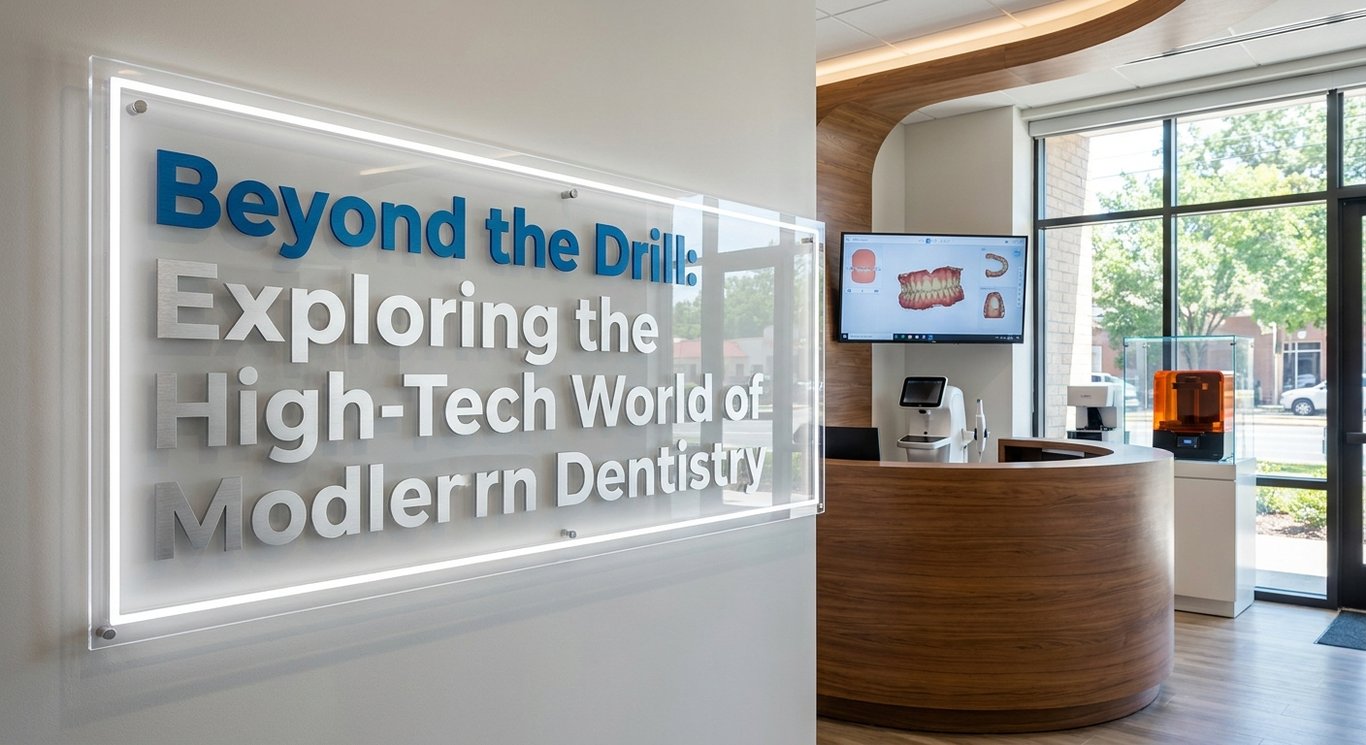
Not too long ago, a trip to the dentist meant the familiar whir of a drill, a mouth full of chalky impression material, and a waiting game for lab results that could stretch on for weeks. Today, that picture looks remarkably different. Modern dentistry has shifted away from its drill-centered roots toward a technology-driven approach that puts comfort, precision, and preventive care front and center. Tools like dental lasers, digital imaging, artificial intelligence, and computer-aided manufacturing are no longer the stuff of science fiction — they are standard features in progressive dental practices around the world. This transformation is not just about upgrading equipment; it reflects a broader change in how dentists think about their role and how patients experience care.
This article is your guided tour through the high-tech world of modern dentistry. We will explore the key tools reshaping diagnosis and treatment, walk through digital workflows that make same-day restorations possible, examine minimally invasive techniques that preserve more of your natural tooth structure, and look at cosmetic innovations that go far beyond a basic whitening kit. We will also peek into the future, where AI and robotics are beginning to play a larger role. Whether you are a curious patient, someone with dental anxiety, or just someone who wants to make smarter decisions about their oral health, understanding what modern dentistry has to offer can genuinely change your experience in the chair — and beyond it.
From Drill to Digital: How Modern Dentistry Has Evolved
Dentistry has a surprisingly long and sometimes uncomfortable history. For most of the profession's existence, the primary job of a dentist was reactive: wait for something to break down, then fix it — usually by drilling away decay and filling the space left behind. Prevention was an afterthought, and patient comfort was rarely a top priority. Over the past few decades, however, the profession has undergone a genuine philosophical overhaul. Dentists now see themselves as partners in long-term oral health, taking on roles that include education, early intervention, and comprehensive care that connects the mouth to the rest of the body. This shift from "drill and fill" to a broader model of oral healthcare has laid the groundwork for everything that followed.
Alongside this philosophical change came a wave of technological innovation that replaced many of dentistry's analog tools. Manual rubber impressions — those trays of goop that made patients gag — have largely given way to sleek intraoral scanners that create precise 3D digital models in minutes. Slow, chemical film X-rays have been replaced by digital radiography that produces instant, high-resolution images on a chairside screen. Computer-aided design and manufacturing systems now allow dentists to design and mill restorations with a level of accuracy that handcrafted lab work simply cannot match. Each of these shifts has made the clinical process faster, cleaner, and more reliable for both the dentist and the patient.
Perhaps the most meaningful part of this evolution is the difference patients actually feel. Appointments that once required multiple visits, days of waiting, and significant discomfort can now often be completed in a single session with far less pain. Diagnoses are more accurate because the tools used to gather information are more powerful. Treatment plans are more personalized because digital data allows dentists to see exactly what is happening beneath the surface. And perhaps most importantly, the focus has shifted from simply addressing problems after they arise to catching them early — or preventing them altogether. Modern dentistry is not just smarter; it is genuinely more patient-friendly.
Digital Diagnostics: Imaging, Scanners, and AI-Assisted Care
The foundation of any good dental treatment is an accurate diagnosis, and modern diagnostic tools have raised that foundation considerably. Digital X-rays provide sharper images with a fraction of the radiation used by traditional film. Cone beam computed tomography, or CBCT, takes things further by generating detailed 3D views of teeth, roots, bone structure, and surrounding tissues — information that was simply impossible to gather with older two-dimensional imaging. Intraoral cameras let dentists show patients exactly what they are seeing inside the mouth, turning abstract explanations into clear visual evidence. Together, these tools give dental professionals an unprecedented level of insight into a patient's oral health.
Adding artificial intelligence to this diagnostic toolkit takes accuracy to another level. AI-powered software can analyze radiographs and scans in real time, flagging early signs of decay, bone loss, gum disease, and other conditions that might be easy to miss on a busy clinical day. These systems do not replace the dentist's judgment — they support it, acting like a second set of highly trained eyes that never gets tired. Studies have shown that AI-assisted diagnostics can improve consistency and catch issues at earlier, more treatable stages. For patients, this means fewer surprises and more proactive care.
From the patient's perspective, the benefits of modern diagnostics go beyond just better accuracy. Digital X-rays expose patients to significantly lower levels of radiation than traditional film, which is a genuine safety improvement. Results are available instantly, so there is no waiting around for images to develop. Treatment planning becomes more precise because the data is richer and more detailed. And perhaps best of all, patients can actually see their own oral conditions on a screen during the consultation, which makes it far easier to understand what is happening and why a particular treatment is being recommended. Being informed feels a lot better than being told what to do without explanation.
Lasers, Ultrasonics, and Other High-Tech Tools Beyond the Drill
If one piece of technology symbolizes the move away from traditional dentistry, it is the dental laser. Lasers can be used for a surprising range of procedures, including cavity preparation, gum contouring, treating cold sores, and performing soft-tissue surgeries. Because they work with focused light energy rather than physical cutting or grinding, they offer a level of precision that mechanical tools struggle to match. Lasers also tend to cause less bleeding and promote faster healing, since the energy simultaneously seals the tissue it treats. For patients with dental anxiety, the absence of the drill's noise and vibration alone can make a laser-based procedure feel dramatically less stressful.
Ultrasonic and piezoelectric devices have similarly transformed procedures that once relied on manual scraping and cutting. In periodontal care, ultrasonic scalers use high-frequency vibrations to break up and remove tartar and plaque from tooth surfaces and below the gumline — all with considerably less discomfort than traditional hand scaling. Piezoelectric surgery tools allow for precise bone cuts during procedures like implant placement or sinus lifts, with less trauma to surrounding tissue. The result is a gentler experience for the patient and often a faster recovery afterward. These are not minor improvements; for someone who has dreaded dental cleanings for years, they can be genuinely life-changing.
Beyond lasers and ultrasonics, a range of other advanced instruments is quietly reshaping what happens during a dental appointment. Electric handpieces, for example, deliver more consistent torque than air-driven drills and operate at lower noise levels, reducing one of the most anxiety-triggering aspects of a dental visit. Air abrasion units use a stream of fine particles to remove decay without the contact pressure of a traditional drill, making them particularly useful for small cavities and patients with sensitivity. Taken together, these tools collectively chip away — pun intended — at the noise, vibration, and discomfort that have historically made dental visits something people put off for as long as possible.
3D Printing, CAD/CAM, and the Rise of Same-Day Dentistry
Computer-aided design and manufacturing, commonly known as CAD/CAM, has arguably done more to change the practical experience of restorative dentistry than any other single technology. With a CAD/CAM system, a dentist can take a digital scan of a prepared tooth, design a custom crown, inlay, onlay, or veneer on a computer screen, and send that design to an in-office milling machine — all within a single appointment. The process replaces the traditional workflow of taking physical impressions, sending them to an off-site dental lab, waiting one to two weeks, and having the patient wear a temporary restoration in the meantime. It is a fundamental rethinking of how restorations are made and delivered.
3D printing adds another dimension to this digital manufacturing revolution. Dental 3D printers can produce physical models of a patient's teeth and jaw for planning purposes, surgical guides that help position implants with pinpoint accuracy, clear aligner trays for orthodontic treatment, and in some cases temporary or even permanent restorations. Because every printed object is based on a digital scan of that specific patient's anatomy, the fit and function are tailored in a way that mass-produced components simply cannot replicate. As the materials used in dental 3D printing continue to improve, the range of applications is expanding rapidly.
For patients, the practical outcomes of CAD/CAM and 3D printing are easy to appreciate. Same-day restorations mean one appointment instead of two or three. No more uncomfortable impression trays or temporary crowns that fall off at inconvenient moments. The digital precision of these systems typically produces restorations that fit more accurately than traditionally fabricated ones, which translates to better comfort and longer-lasting results. Less time in the dental chair, fewer follow-up visits, and a restoration that actually fits well — these are benefits that patients notice immediately and continue to appreciate for years.
Minimally Invasive and Preventive Care in the High-Tech Era
One of the most important philosophical shifts in modern dentistry is the move away from a purely curative mindset. For generations, dentistry operated on a simple model: wait for decay or damage to occur, then remove the affected tissue and replace it with a filling or crown. The problem with that approach is that every time you drill into a tooth, you remove structure that can never grow back, and restorations have finite lifespans. Minimally invasive dentistry turns this logic on its head by asking a different question: how do we preserve as much of the natural tooth as possible? The answer involves catching problems earlier, treating them with less aggressive interventions, and focusing heavily on prevention.
Technology plays a central role in making minimally invasive care possible. Caries-detecting lasers and fluorescence devices can identify early-stage decay before it becomes visible on a standard X-ray, allowing dentists to intervene with remineralization therapies rather than drilling. Advanced fluoride treatments and silver diamine fluoride can arrest early cavities in their tracks. Sealants applied to the grooves of back teeth provide a physical barrier against decay for children and adults alike. Micro-invasive techniques allow small cavities to be treated with minimal removal of healthy tooth structure. Each of these approaches represents a preference for the smallest effective intervention rather than the most comprehensive one.
Sustaining the gains made through minimally invasive treatment requires ongoing monitoring and patient engagement, and modern technology helps with both. Digital records make it easy for dentists to track changes in a patient's oral health over time, comparing current scans and images to previous ones to catch trends before they become problems. Patient education tools — including chairside screens, digital models, and app-based reminders — help people understand the connection between their daily habits and their long-term oral health. When patients understand what they are working to protect, they tend to take better care of it. Prevention is always easier than repair, and high-tech dentistry is making prevention more achievable than ever.
Smile Design and Cosmetic Innovations in Modern Dentistry
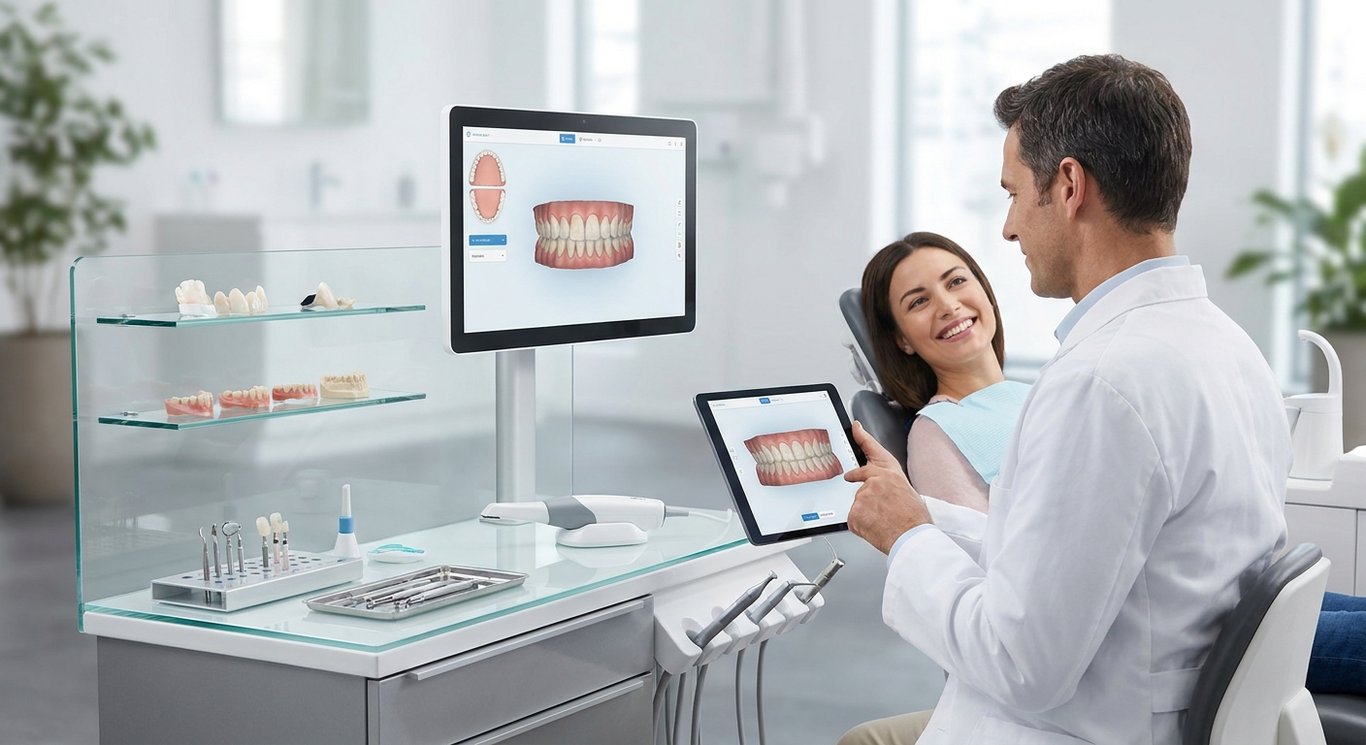
Cosmetic dentistry has always been about more than just aesthetics — it is about how people feel when they smile. But the tools available to cosmetic dentists today have elevated the field to an entirely new level of precision and predictability. Digital smile design is a process where dentists use imaging software to map out cosmetic changes before any treatment begins, allowing patients to preview how veneers, bonding, whitening, or orthodontic adjustments will look on their specific face and smile. This kind of visual planning removes much of the guesswork from cosmetic treatment and gives patients a meaningful say in their own outcomes.
The materials and tools used to execute cosmetic work have also improved dramatically. Advanced ceramic materials can mimic the translucency and color variation of natural enamel so closely that even trained eyes struggle to tell the difference. Digital shade-matching systems take the subjectivity out of color selection, ensuring that a veneer or crown blends seamlessly with surrounding teeth. High-resolution 3D imaging allows cosmetic dentists to plan precisely how much tooth structure needs to be adjusted and where. The combination of better planning tools and better materials means that modern cosmetic results are not just more beautiful — they are more consistent and more durable.
It is worth emphasizing that the best cosmetic dentistry does not treat appearance as separate from function. A well-designed smile also needs to work properly. Modern cosmetic planning integrates bite analysis, jaw function assessment, and long-term stability into the aesthetic goals. A set of veneers that looks stunning but creates bite problems will cause bigger issues down the road. By using digital tools to evaluate both form and function together, dentists can deliver cosmetic results that enhance appearance while also supporting healthy jaw mechanics and tooth longevity. Looking good and functioning well are not competing goals — with the right technology and planning, they go hand in hand.
Redefining the Patient Experience: Comfort, Communication, and Anxiety Reduction
Dental anxiety is remarkably common — surveys consistently show that a significant portion of the population avoids dental care because of fear. Modern dentistry has responded to this reality with a range of technologies specifically aimed at reducing the physical and psychological discomfort of treatment. Laser procedures eliminate much of the noise and vibration associated with drilling. Digital impressions replace the gagging discomfort of traditional molds. Computer-controlled local anesthesia delivery systems administer numbing agents at a pace that minimizes the sting of injection. Sedation options, from nitrous oxide to oral sedation, are more carefully calibrated than ever. The cumulative effect of these changes is a visit that feels genuinely different from the one that scared patients away years ago.
Communication technology has also transformed how patients engage with their dental care. Patient portals allow people to review their records, view their X-rays, and communicate with their dental team between appointments. Chairside screens let dentists walk patients through their own imaging in real time, turning a passive experience into an interactive one. Educational videos and digital models help explain complex procedures in plain language, so patients understand not just what is being done but why. When people feel informed and included in the decision-making process, anxiety tends to drop and trust tends to rise. Feeling in control matters — especially in a situation where you are lying back with someone working inside your mouth.
Beyond the technology itself, many modern dental practices have rethought the entire patient experience from the waiting room to the follow-up call. Comfort amenities like noise-canceling headphones, warm blankets, and aromatherapy might seem like small touches, but they signal a practice culture that genuinely values patient wellbeing. Treatment plans are increasingly tailored to individual preferences, health histories, and anxiety levels rather than following a one-size-fits-all protocol. The goal is to transform the dental visit from something people dread into something they approach with at least a degree of confidence — and ideally, a sense of partnership with a team that is genuinely invested in their health.
Access, Ethics, and Global Challenges in High-Tech Dentistry
There is an important conversation to be had about who actually benefits from the high-tech revolution in dentistry. Advanced technologies like CBCT scanners, CAD/CAM systems, and AI diagnostic tools require significant investment, and not every practice — or every patient — has access to them. In well-resourced urban areas, cutting-edge care may be widely available. In rural communities, lower-income neighborhoods, or developing countries, the gap between what is possible and what is accessible can be stark. Technology has the potential to improve care quality across the board, but without deliberate effort to distribute it equitably, it risks widening existing disparities rather than closing them.
Ethical considerations also arise within the clinical use of these technologies. The availability of advanced tools does not automatically mean they should be used in every situation. There is a real risk of overtreatment — recommending high-tech procedures because they are available and profitable rather than because they are genuinely the best option for a particular patient. Evidence-based practice requires that technology be used to enhance clinical judgment, not replace it or inflate it. Dentists have an obligation to recommend treatments based on patient need and scientific evidence, and to be transparent about the costs, benefits, and alternatives involved. High-tech dentistry at its best is patient-centered; at its worst, it can become a marketing tool.
On a global scale, integrating advanced dental technology into broader public health strategies presents real challenges. Training dental professionals to use new tools effectively requires ongoing education and resources that are not uniformly available. Regulatory frameworks for approving and monitoring new dental technologies vary widely between countries, creating inconsistencies in safety and quality standards. And even the most impressive clinical technology cannot substitute for public health fundamentals like clean water, nutrition, and access to basic preventive care. The future of high-tech dentistry must grapple honestly with these challenges if its benefits are to be shared broadly rather than enjoyed only by the privileged few.

Future Trends: AI, Robotics, and the Next Frontier Beyond the Drill
Artificial intelligence is already making its presence felt in dental diagnostics, but its potential applications extend much further. Researchers are developing AI systems capable of analyzing large datasets of patient records, imaging, and clinical outcomes to identify patterns that predict oral disease risk before symptoms appear. Imagine a system that reviews your dental history, lifestyle factors, and genetic markers to flag that you are at elevated risk for periodontal disease — years before any visible signs emerge. AI-assisted treatment planning tools are also advancing rapidly, helping dentists map out complex procedures with a level of data-driven precision that was not previously possible. These tools do not make the dentist obsolete; they make the dentist better informed.
Robotics is beginning to find its footing in dentistry as well, though most applications are still in early or experimental stages. Robotic-assisted implant placement systems can guide a drill along a pre-planned trajectory with sub-millimeter accuracy, reducing the margin for human error in one of dentistry's most technically demanding procedures. Automated milling and 3D printing workflows are already reducing the manual labor involved in fabricating restorations. Some research groups are exploring fully autonomous robotic systems capable of performing simple procedures under clinical supervision. While fully robotic dental care is still a long way from routine practice, the direction of travel is clear — automation will play a growing role in how dental work is planned and executed.
Looking ahead, it is reasonable to expect that dentistry will continue moving toward more personalized, data-driven, and digitally integrated care. Remote monitoring tools could allow dentists to track changes in a patient's oral health between appointments using smart devices. Predictive modeling could shift the entire model of care further toward prevention, catching disease risk before it becomes disease. Fully digital clinics — where every step from diagnosis to fabrication to delivery is handled without analog intermediaries — may become the standard rather than the exception. But amid all this exciting possibility, one thing will not change: the need for human expertise, empathy, and clinical judgment at the center of every patient interaction. Technology is a tool. The dentist is still the one who knows how to use it wisely.
How Patients Can Navigate the High-Tech World of Modern Dentistry
Walking into a dental practice that advertises lasers, 3D printing, and AI diagnostics can feel impressive — but patients should feel empowered to ask questions rather than simply being dazzled by the equipment. Good questions to ask include: What specific technologies do you use, and for which procedures? What training have you and your team received on these tools? Are these technologies supported by clinical evidence? What safety protocols are in place for digital imaging? A dentist who uses technology responsibly will welcome these questions and answer them clearly. One who deflects or oversells should be viewed with some healthy skepticism. Being an informed patient is not about being difficult — it is about being a smart consumer of healthcare.
Making good decisions about high-tech dental care also means understanding your treatment plan well enough to evaluate your options. When a dentist recommends a particular procedure, it is entirely reasonable to ask how it compares to a more traditional alternative in terms of cost, expected outcomes, recovery time, and long-term durability. Some high-tech options offer genuine advantages; others may offer similar outcomes to conventional approaches at a higher price. Understanding the difference requires asking, listening, and sometimes seeking a second opinion. Cost is a real factor for most people, and a good dentist will help you weigh it honestly against the clinical benefits rather than pressuring you toward the most expensive option available.
Ultimately, the most empowering shift modern dentistry offers is the opportunity to be a genuine partner in your own oral health rather than a passive recipient of whatever the dentist decides. Digital tools, educational resources, and transparent communication all make it easier for patients to stay engaged between appointments, understand what they are working to maintain, and take meaningful action to prevent problems before they start. Ask your dentist about apps or tools that can help you track your oral hygiene habits. Review your digital records and imaging. Understand your risk factors. The more actively involved you are in your own care, the less likely you are to end up needing extensive treatment — and the more likely you are to keep your smile healthy for the long haul.
Frequently Asked Questions About Modern High-Tech Dentistry
Is modern high-tech dentistry less painful than traditional drill-based treatment?
For most patients, the answer is a clear yes — though the degree of improvement depends on the specific procedure and the technologies available at a given practice. Dental lasers can prepare cavities and treat soft tissue with minimal vibration and often less need for anesthesia than traditional drilling. Ultrasonic instruments perform scaling and other procedures more gently than manual tools. Computer-controlled anesthesia delivery systems make injections significantly less uncomfortable by controlling the speed and pressure of the numbing agent. Digital impressions eliminate the gag-inducing discomfort of traditional molds. Taken together, these technologies address many of the specific sensations — noise, vibration, pressure, and discomfort — that make people dread dental appointments, often resulting in a noticeably more comfortable experience from start to finish.
Are digital X-rays and 3D scans safe, and do they use more radiation?
Digital X-rays are actually safer than traditional film X-rays when it comes to radiation exposure, typically delivering somewhere between 40 and 80 percent less radiation while producing sharper, more detailed images. Cone beam CT scans do involve more radiation than standard digital X-rays, but they are prescribed selectively — for complex cases like implant planning, orthodontic assessment, or evaluation of jaw structures — rather than as routine imaging. Reputable dental practices follow the ALARA principle (As Low As Reasonably Achievable), meaning they use the lowest radiation dose necessary to get diagnostically useful images. Patients who have concerns about radiation should feel comfortable asking their dentist about the clinical justification for any imaging recommended during their care.
How accurate are AI tools and digital diagnostics in dentistry?
AI-assisted diagnostic tools in dentistry have shown genuinely promising results in clinical research, with several studies demonstrating that they can match or exceed human performance in identifying early-stage cavities, bone loss, and other conditions on radiographs. However, it is important to understand what these tools are designed to do: they support clinical decision-making, not replace it. An AI system might flag a potential area of concern on an X-ray, but the dentist still evaluates that finding in the context of the patient's full clinical picture, history, and examination findings. Used correctly, AI diagnostics add a layer of consistency and sensitivity to the diagnostic process that can meaningfully improve early detection — which is ultimately what leads to simpler, less invasive treatment.
Is high-tech dental care more expensive, and is it worth the cost?
Some high-tech procedures do carry higher upfront costs than their traditional counterparts, and it is worth being honest about that. A same-day CAD/CAM crown, for example, may cost more than a traditionally fabricated one from an outside lab. However, the value calculation is more nuanced than a simple price comparison. Fewer appointments mean less time away from work and daily life. More precise restorations tend to last longer, reducing the need for replacements over time. Early detection through advanced diagnostics can catch problems when they are small and inexpensive to treat, preventing the kind of extensive damage that leads to costly procedures down the road. For many patients, the long-term savings — in both money and dental health — make the investment in high-tech care genuinely worthwhile.
How can I find a dentist who offers modern, high-tech treatments?
A good starting point is the practice's website, which will often list the technologies and services available. Look for mentions of digital X-rays, intraoral scanners, laser dentistry, CAD/CAM systems, or 3D imaging. During an initial consultation or phone call, ask directly about the technologies the practice uses and how they are integrated into everyday care. Pay attention to whether the dentist can explain the clinical rationale for using these tools — not just the marketing appeal. Dentists who invest in ongoing education and professional development, and who are members of organizations focused on evidence-based or digital dentistry, are often a good sign that the high-tech tools in their office are being used thoughtfully rather than just for show.
Conclusion: Key Takeaways and Your Next Step Beyond the Drill
Modern dentistry has traveled a remarkable distance from its drill-and-fill origins. Digital imaging and AI diagnostics have made it possible to catch problems earlier and plan treatments with far greater precision. Lasers, ultrasonic instruments, and advanced handpieces have replaced much of the noise, vibration, and discomfort that defined dental visits for generations. CAD/CAM systems and 3D printing have made same-day restorations a reality. And a growing emphasis on minimally invasive, preventive care means that the goal is no longer just to fix what is broken — it is to keep things from breaking in the first place. These advances are not simply about impressive gadgets lining the walls of a dental office. They represent a genuine and meaningful shift toward care that is more patient-centered, more precise, and more focused on long-term oral health than anything that came before.
The best thing you can do with this knowledge is act on it. Start by having a conversation with your current dentist about the technologies available at their practice and how they might benefit your specific situation. If you have been putting off dental care because of anxiety or past negative experiences, it is worth exploring a modern practice that has made patient comfort a genuine priority — the experience may surprise you. Ask informed questions, compare your options, and do not be afraid to seek a second opinion on complex treatment plans. Think of yourself as a partner in your own oral health, not just a passenger. The tools available to support that partnership have never been better, and the dentists who use them well are genuinely excited to put them to work for you. Your smile is worth the investment — and modern dentistry has never been better equipped to protect it.