Beyond the Drill: A Patient's Guide to the High-Tech Tools of Modern Dentistry
Published 19 min read
Introduction to Modern Dental Innovations
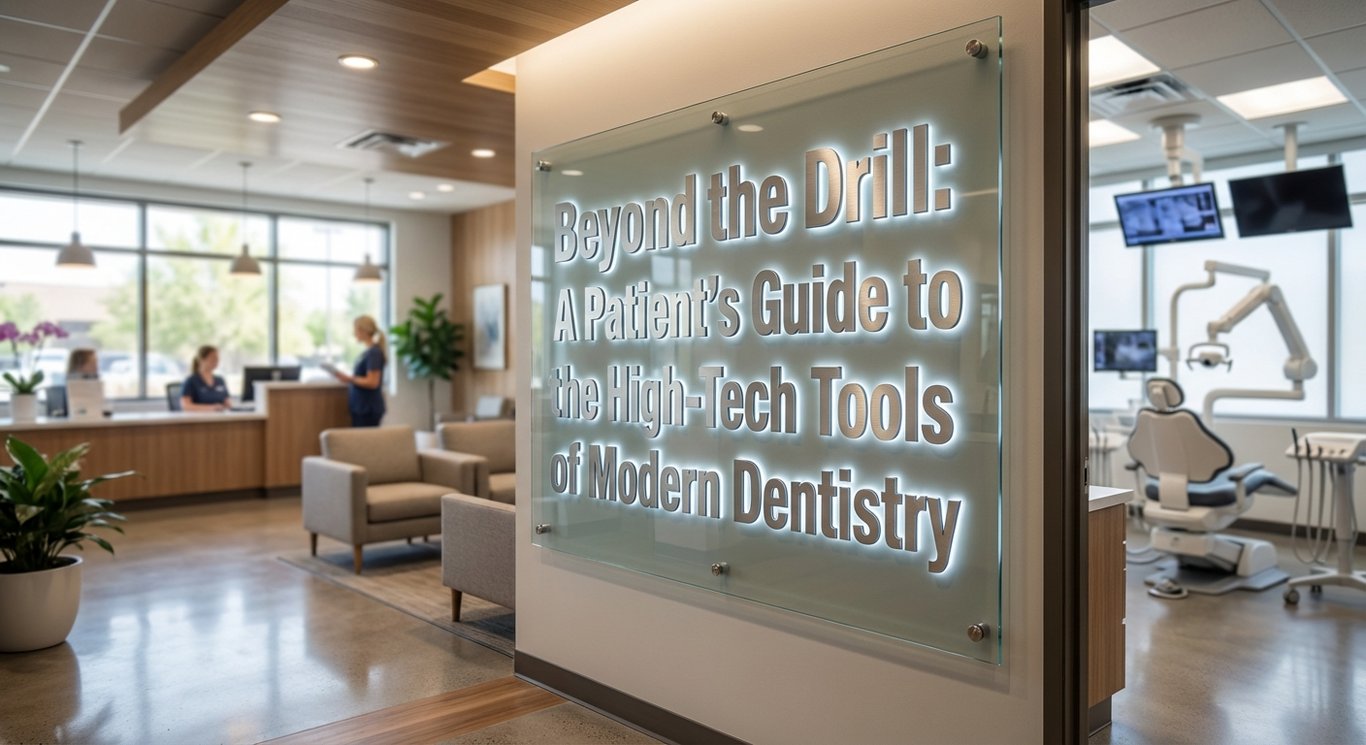
For decades, a trip to the dentist was synonymous with the high-pitched whine of a drill and the discomfort of invasive procedures, but the landscape of oral healthcare has changed dramatically. Dentistry has evolved from a mechanical, repair-focused profession into a sophisticated field driven by high-tech alternatives that prioritize precision, comfort, and prevention. Today, advanced tools allow dentists to spot problems earlier and treat them with minimally invasive techniques, fundamentally shifting the patient experience from something to be endured to a streamlined path toward health. These innovations mark a new era where the dreaded drill is no longer the only option in the toolkit.
The introduction of these cutting-edge technologies offers significant benefits for patients, primarily focusing on reducing pain and anxiety while improving clinical results. Modern equipment allows for faster treatments, meaning you spend less time in the chair and more time enjoying your smile, while recovery times are often significantly shorter compared to traditional methods. Furthermore, the accuracy provided by digital tools ensures that restorations fit better and treatments are more successful in the long run. Ultimately, these advancements lead to a more pleasant experience and better oral health outcomes for everyone.
In this guide, we will explore the specific high-tech tools that are revolutionizing dental offices, from lasers and 3D printers to artificial intelligence and digital imaging. We will look at how each piece of technology works and, more importantly, how it directly contributes to patient-centered care. By understanding these innovations, you can feel more confident and informed about the treatments available to you. Let’s look beyond the drill and discover the future of your dental care.
Digital X-Rays and 3D Imaging: Safer and Smarter Diagnostics
One of the most significant advancements in dental safety and diagnostics is the shift from traditional film to digital X-rays, which drastically reduces radiation exposure for patients. Digital sensors are incredibly sensitive, requiring up to 90% less radiation to capture a clear image compared to older methods, making the process much safer for both children and adults. Additionally, the results are available instantly on a computer screen, eliminating the long wait times associated with developing chemical film. This immediate feedback loop allows your appointment to proceed smoothly and efficiently.
Beyond safety, digital X-rays offer superior advantages in image quality and versatility, allowing dentists to enhance, zoom in, and adjust the contrast of images for a better view. If a dentist needs a second opinion or needs to send your records to a specialist, these digital files can be shared securely via email in a matter of seconds. This ease of sharing improves collaboration between healthcare providers, ensuring that you receive the most comprehensive care possible without the hassle of physically transporting films. Consequently, the entire diagnostic process becomes more streamlined and effective.
While standard digital X-rays are excellent for two-dimensional views, modern dentistry also utilizes 3D scans, such as Cone Beam Computed Tomography (CBCT), to detect hidden issues that flat images might miss. These powerful scanners can reveal complex problems like root fractures, impacted teeth, and precise bone density levels that are crucial for surgical planning. By providing a comprehensive three-dimensional model of the jaw and teeth, dentists can see the anatomy from every angle. This depth of information is vital for avoiding surprises during procedures and ensuring the correct treatment path is chosen.
Ultimately, the integration of these imaging tools significantly improves diagnostic accuracy and facilitates better communication between the dentist and the patient. When a dentist can show you a high-definition, enlarged image of your tooth on a screen, it becomes much easier for you to understand the diagnosis and the need for treatment. Instead of taking the doctor's word for it, you become a partner in your own healthcare decisions, seeing exactly what they see. This transparency builds trust and leads to more informed, confident decisions regarding your oral health.
Cone Beam Computed Tomography (CBCT) in Detail
Cone Beam Computed Tomography, or CBCT, is a specialized type of X-ray equipment that provides detailed 3D views necessary for complex procedures like dental implants. Unlike a standard medical CT scan, a CBCT machine rotates around the patient's head, capturing data using a cone-shaped X-ray beam to reconstruct a three-dimensional image of the teeth, soft tissues, nerve pathways, and bone in a single scan. This level of detail allows surgeons to plan implant placement with incredible precision, ensuring the implant is anchored securely while avoiding critical structures. It transforms guesswork into a precise science.
Specific uses for CBCT extend far beyond implants, as the technology is instrumental in identifying pathology that is otherwise invisible. Dentists use these scans to locate cysts, tumors, and infections deep within the jawbone, as well as to map out the intricate root canal systems of teeth. Furthermore, CBCT is essential for visualizing the exact position of nerves and sinuses, which helps prevent complications during oral surgery. By revealing the complete anatomical picture, CBCT ensures that treatments are not only effective but also safe for the patient.
Intraoral Cameras: Seeing Inside Your Smile
Intraoral cameras are pen-sized devices that have transformed the dental exam by capturing high-definition images of the mouth in real-time. The dentist inserts the small wand into the patient's mouth, and it instantly streams live video or captures still photos to a monitor right next to the dental chair. This technology illuminates the dark recesses of the mouth, revealing cracks, decay, and worn fillings that might be difficult to see with the naked eye or a standard mirror. It brings the smallest details of your smile into sharp focus.
The primary benefit of intraoral cameras is their ability to enhance patient education and facilitate the early detection of dental issues. In the past, patients had to rely solely on the dentist's description of a problem, but now they can see the fractured tooth or inflamed gum tissue for themselves. This visual evidence helps patients understand the urgency of treatment and motivates them to maintain better oral hygiene to prevent future issues. Early detection through these clear images often means simpler, less expensive treatments are needed.
In addition to education, these cameras significantly enhance treatment planning through their advanced zoom and rotation features. A dentist can freeze an image, zoom in on a specific area of concern, and discuss the treatment options with the patient in great detail. This collaborative approach ensures that the treatment plan is tailored to the specific needs identified in the images. Moreover, these photos serve as a documented baseline to track changes in your oral health over time.
Laser Dentistry: Precision Without the Pain
Laser dentistry has emerged as a game-changer in oral healthcare, utilizing focused light energy to perform a variety of soft and hard tissue procedures with incredible accuracy. These lasers work by delivering energy in the form of light, which can act as a cutting instrument for tissue or a vaporizer for decay, often replacing the need for drills and scalpels. Because the laser is so precise, it preserves more of the healthy tooth structure and surrounding tissue than traditional tools. This technology represents a shift toward less invasive and more comfortable dental visits.
The applications for dental lasers are vast, ranging from preparing cavities for fillings to reshaping gum tissue for cosmetic improvements. They are frequently used in root canal therapy to kill bacteria and clean the canals more effectively than chemical rinses alone. Additionally, lasers are highly effective for teeth whitening procedures, as they activate the bleaching solution to speed up the process. Whether it is treating a canker sore or performing a biopsy, lasers offer a versatile solution for many common dental problems.
One of the most celebrated advantages of laser dentistry is the significant reduction in patient discomfort, often resulting in minimal bleeding and a reduced need for anesthesia. The high-energy light beam cauterizes blood vessels as it cuts, which controls bleeding instantly and reduces the risk of infection. For many patients, this means they can undergo procedures without the lingering numbness of a shot, and they experience much faster healing times post-treatment. Consequently, the recovery period is smoother and less painful.
When compared to traditional methods, lasers offer a superior level of patient comfort that can alleviate the anxiety associated with dental work. The absence of the loud drilling noise and the vibration of mechanical tools makes the environment much more relaxing for fearful patients. While lasers cannot replace the drill for every single procedure, their ability to perform work quietly and gently makes them a preferred choice for many. This focus on comfort is redefining what it feels like to go to the dentist.
CAD/CAM and Same-Day Crowns: Instant Restorations
Computer-Aided Design and Computer-Aided Manufacturing (CAD/CAM) technology has revolutionized restorative dentistry by allowing for the creation of crowns, veneers, and bridges right in the dental office. This system combines 3D scanning technology with specialized software and a milling machine to produce custom restorations. Instead of relying on outside laboratories, the dentist maintains complete control over the design and fabrication process. This integration of technology brings high-quality, custom dental work directly to the patient.
The process begins with a digital scan of the prepared tooth, which is then used to design the restoration on a computer monitor while the patient watches. Once the design is finalized, the data is sent to an in-house milling machine that carves the crown from a solid block of ceramic that matches the patient's tooth shade. This entire sequence—scanning, designing, and milling—happens in a single visit, usually within a couple of hours. The result is a precise, durable restoration that looks and feels natural.
Perhaps the biggest advantage for patients is the elimination of temporary crowns and the need for multiple appointments. In traditional dentistry, a patient would wear a fragile temporary cap for weeks while waiting for the permanent one, often risking it falling out or breaking. CAD/CAM technology removes this inconvenience entirely, allowing you to walk out of the office with your permanent smile fully restored in just one trip. This efficiency saves time and reduces the hassle of return visits.
3D Printing in Dentistry: Custom Solutions on Demand
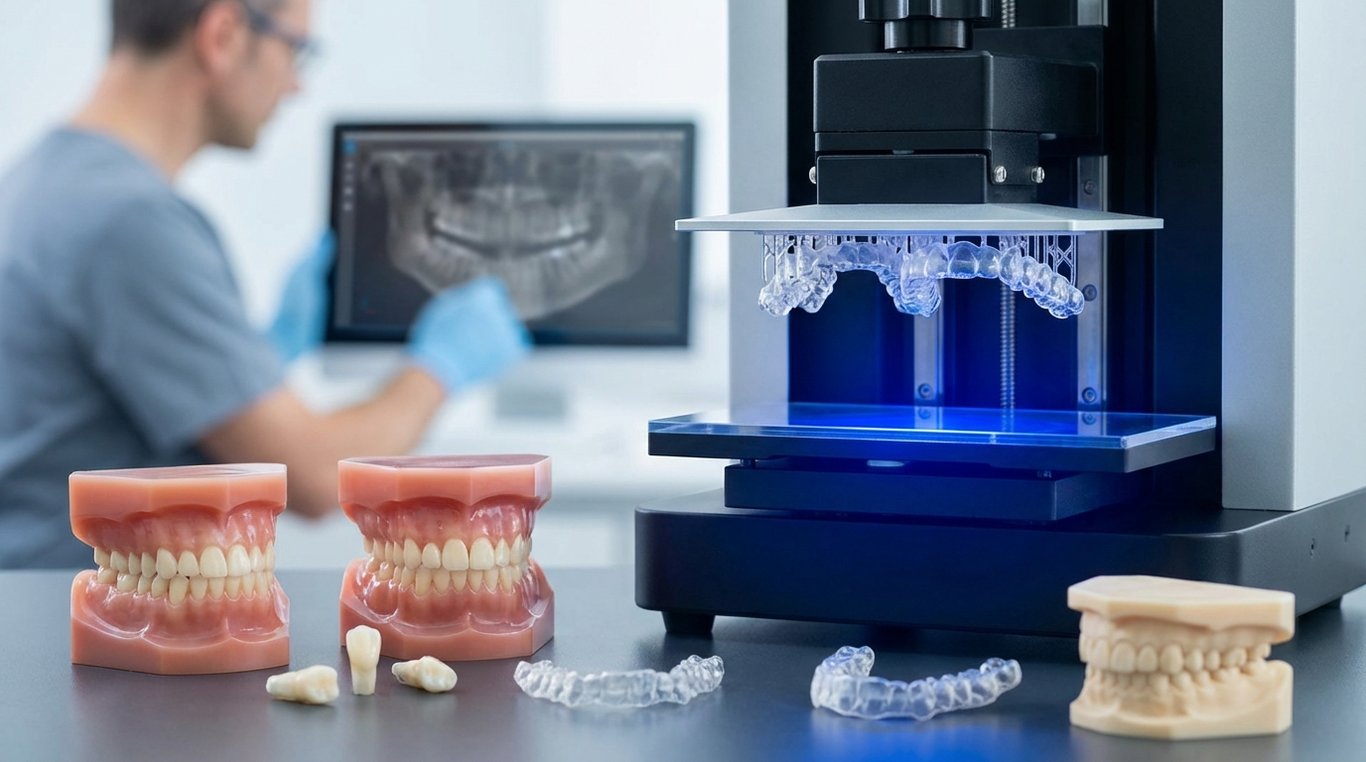
3D printing is rapidly becoming a staple in modern dental practices, enabling the fabrication of custom appliances like clear aligners, night guards, and surgical guides on demand. Using digital impressions of the patient's mouth, these printers layer resin or other materials to build precise models and devices. This capability allows dentists to produce necessary tools in-house rather than shipping orders to a distant lab. It represents a major leap forward in the customization of dental care.
The precision and efficiency benefits of 3D printing ensure that every appliance is perfectly tailored to the patient's unique anatomy. Because the devices are built from highly accurate digital scans, they fit better and are more comfortable than those made from traditional messy molds. This high level of accuracy is particularly important for surgical guides, which help dentists place implants at the exact angle and depth required. Consequently, treatments become more predictable and successful.
Furthermore, the impact of 3D printing extends to affordability and the speed of treatment delivery. By cutting out the middleman and reducing shipping costs and lab fees, dentists can often offer these custom solutions at a lower cost to patients. Additionally, if a patient loses a retainer or breaks a night guard, the digital file is saved, and a replacement can be printed almost immediately. This responsiveness ensures that treatment is not interrupted and patient costs are kept manageable.
Air Abrasion: The Drill-Free Alternative
Air abrasion is a gentle, drill-free technique that uses a powerful stream of air and tiny particles to remove tooth decay. It works similarly to a miniature sandblaster, spraying fine particles of silica, aluminum oxide, or a baking soda mixture against the tooth surface to whisk away the decay. This method is incredibly effective for preparing teeth for fillings and removing stains without the aggressive grinding of a traditional handpiece. It offers a much softer approach to cavity removal.
Patients appreciate air abrasion because it generates no heat, no high-pitched whining sound, and no uncomfortable vibration. Because the process is so gentle and does not cut into the tooth like a drill, it rarely stimulates the nerves, meaning that in many cases, no anesthesia is required. This eliminates the fear of the needle and the unpleasant sensation of a numb lip and tongue after the appointment. It transforms the sensory experience of getting a filling.
This technology is ideal for treating early-stage cavities and is a powerful tool for reducing patient anxiety. By catching decay when it is small, dentists can use air abrasion to preserve more of the natural tooth structure than would be possible with a drill. For children or adults who are terrified of dental instruments, this silent and painless alternative can make the difference between avoiding the dentist and getting necessary care. It is a cornerstone of minimally invasive dentistry.
Advanced Implant Tools: Periotest and Computer-Guided Surgery
Ensuring the long-term success of dental implants relies on stability, and the Periotest is a sophisticated device designed to measure exactly that. It is an electromechanical tool that gently taps the implant or tooth to measure the damping effect of the surrounding tissue, providing an objective score of bone health and implant stability. This allows dentists to determine the perfect time to load the implant with a crown. It removes the guesswork from assessing osseointegration.
Computer-guided surgery takes implant placement to a new level of precision by using virtual planning software and 3D printed guides. Before the surgery even begins, the dentist plans the exact position, angle, and depth of the implant on a computer using the patient's CT scan data. During the procedure, a custom guide fits over the patient's gums, physically directing the drill to the pre-planned location. This technology ensures that the plan on the screen is translated perfectly to the patient's mouth.
The combination of these advanced tools significantly reduces the risks of implant failure and drastically improves overall success rates. By avoiding critical nerves and maximizing the use of available bone, complications are minimized, and the longevity of the implant is secured. Patients benefit from less invasive surgeries, faster healing, and the confidence that their new teeth are built on a solid, scientifically verified foundation. This technological approach sets a new standard for implant dentistry.
AI and Teledentistry: The Future of Accessible Care
Artificial Intelligence (AI) is making waves in dentistry by acting as a second set of eyes for analyzing X-rays and detecting diseases earlier than ever before. AI algorithms are trained on millions of dental images, allowing them to spot subtle signs of decay, bone loss, or infection that the human eye might miss. This assists dentists in making more accurate diagnoses and ensures that no potential issue is overlooked. It serves as a powerful validation tool for the dentist's clinical judgment.
Beyond diagnostics, AI powers innovative tools like Invisalign's ClinCheck and remote monitoring platforms such as DentalMonitoring. These systems predict how teeth will move during orthodontic treatment and allow patients to scan their own mouths using a smartphone app. The AI analyzes these scans to track progress, alerting the doctor if the treatment is off track or if hygiene needs to improve. This keeps treatment efficient and reduces the number of necessary office visits.
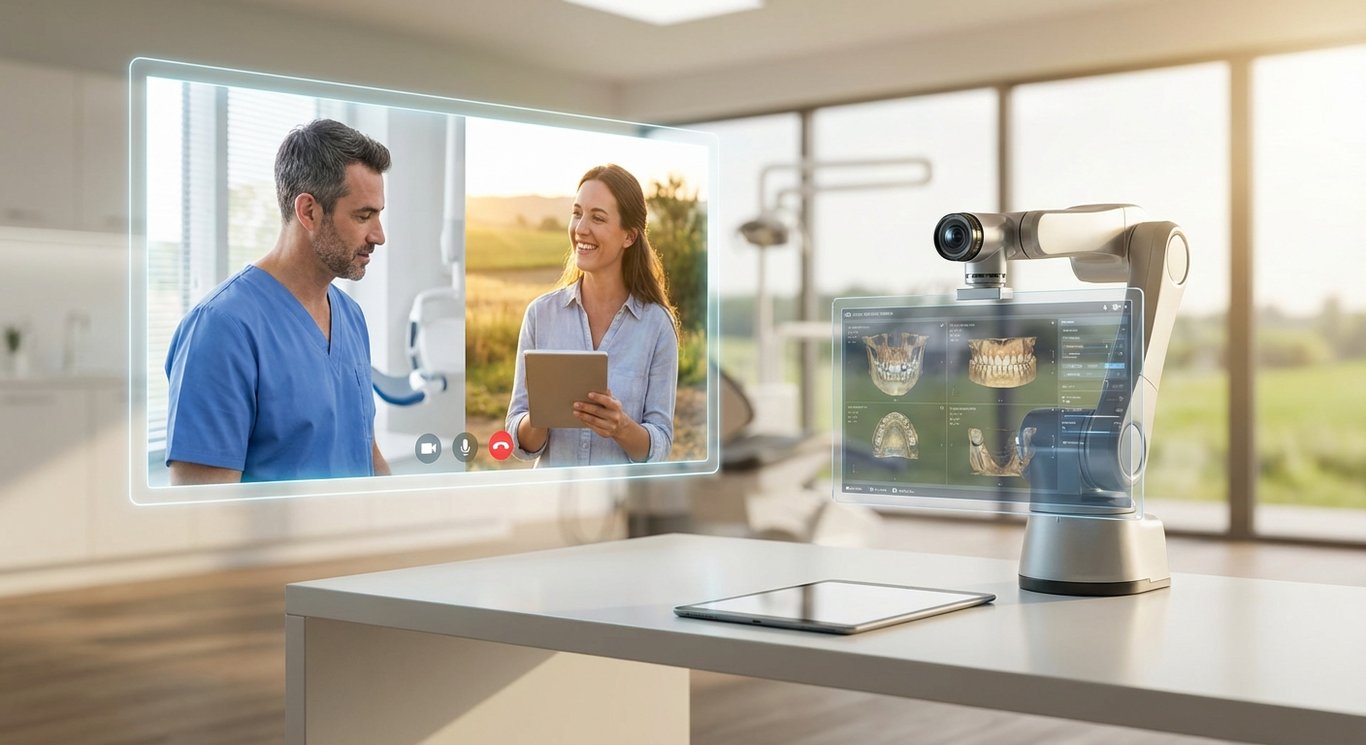
Teledentistry works hand-in-hand with these technologies to offer remote consultations and follow-ups, breaking down geographical barriers to care. Patients can consult with their dentist via video call to discuss symptoms, review treatment plans, or check on post-surgical healing without leaving their homes. This is especially beneficial for patients in rural areas or those with mobility issues. It brings the dentist's expertise directly into the patient's living room.
Ultimately, the integration of AI and teledentistry leads to broader access to care and improved treatment adherence. When patients can connect easily with their providers and receive automated, intelligent feedback, they are more likely to stay engaged with their oral health. This convenience encourages patients to address problems sooner rather than later. The result is a more proactive, accessible, and patient-friendly healthcare model.
The Wand: Comfortable Anesthesia Delivery
For many patients, the most terrifying part of a dental visit is the injection, but "The Wand" is a computerized system designed to provide precise numbing without the typical discomfort. It looks like a small pen rather than a scary syringe, and it utilizes a computer to regulate the flow of the anesthetic solution. The pain from a shot is often caused by the fluid entering the tissue too quickly, but The Wand delivers it at a slow, imperceptible rate. This technology effectively removes the "sting" from the equation.
In addition to comfort, the system offers a controlled flow that prevents the common issues of over- or under-numbing. It allows the dentist to numb a single tooth rather than the entire side of the face, meaning you won't leave the office with a drooping lip or the inability to speak clearly. This precision enhances the overall experience, allowing patients to return to their daily routine immediately after their appointment. It changes the administration of anesthesia from a painful hurdle into a non-event.
DIAGNOdent: Early Cavity Detection
DIAGNOdent is a revolutionary laser-based tool that aids in the detection of hidden decay with an accuracy rate of over 90%. It works by scanning the grooves of the teeth with a harmless laser light; healthy teeth reflect the light differently than teeth with decay. When the device detects the fluorescence of decay-causing bacteria, it emits an audio signal and a digital readout, alerting the dentist to cavities that are lurking beneath the surface. This allows for detection long before a cavity is visible on an X-ray.
The preventive benefits of DIAGNOdent are immense, as it allows for the treatment of decay in its earliest stages. By catching a cavity when it is microscopic, a dentist can often repair it with a tiny filling or sealants, preserving the maximum amount of natural tooth structure. This helps patients avoid larger, more expensive, and invasive procedures like root canals or crowns down the road. It is a proactive tool for maintaining a cavity-free smile.
Microscopes in Dentistry: Enhanced Precision
Dental operating microscopes provide dentists with highly magnified views of the oral cavity, which is essential for performing intricate procedures like fillings, crowns, and gum treatments. These microscopes can magnify the tooth structure up to 20 times, illuminating the working area with bright, shadow-free light. This allows the dentist to see microscopic cracks, extra root canals, or margins of restorations that would be invisible to the naked eye. It brings a level of detail to general dentistry that was previously reserved for specialists.
The use of microscopes leads to significantly improved analysis and clinical outcomes for the patient. When a dentist can see better, they can work more precisely, ensuring that all decay is removed and that restorations fit perfectly. This precision reduces the likelihood of procedure failure and increases the longevity of dental work. Ultimately, the microscope is a symbol of a commitment to excellence and exactness in dental care.
FAQ
Are dental lasers painful?
No, dental lasers often eliminate the need for anesthesia and reduce pain, bleeding, and recovery time.
Do digital X-rays expose me to less radiation?
Yes, digital X-rays use up to 90% less radiation than traditional ones while providing clearer images.
Can I get a crown in one visit now?
Yes, CAD/CAM technology allows same-day crowns, skipping temporaries and extra appointments.
What is air abrasion?
Air abrasion removes decay with a gentle air stream, replacing the noisy drill without anesthesia.
How does AI help in dentistry?
AI analyzes scans for early issues and aids treatment planning, improving accuracy.
Conclusion
The landscape of dentistry has undergone a remarkable transformation, moving far beyond the mechanical drill to embrace a suite of high-tech tools designed for precision and comfort. From the silent efficiency of laser dentistry and the instant gratification of same-day crowns to the safety of digital imaging and the customization of 3D printing, these innovations are redefining the patient experience. Technology has turned what was once a source of dread into a streamlined, efficient process. These advancements ensure that modern dental care is not just about fixing problems, but about doing so with the utmost care for the patient's well-being.
The key takeaways from this evolution are clear: modern tools prioritize prevention, reduce anxiety, speed up treatments, and enhance outcomes for better oral health. Patients no longer have to endure unnecessary pain or lengthy recovery times, thanks to minimally invasive techniques and smarter diagnostics. By catching issues earlier with AI and laser detection, dentists can preserve more natural tooth structure, leading to healthier smiles that last a lifetime. Ultimately, technology serves to bridge the gap between clinical necessity and patient comfort.
Empowerment starts with education, and understanding these innovations allows you to take an active role in your dental care. Knowing that there are alternatives to the drill or the needle can alleviate fear and encourage you to seek the treatment you need. When you are informed about the tools available, you can have more meaningful conversations with your dental provider about your options. This knowledge transforms you from a passive recipient of care into a partner in your own health journey.
If you are ready to experience a more comfortable and precise approach to oral health, dive deeper into "Beyond the Drill: A Patient's Guide to the High-Tech Tools of Modern Dentistry" to explore these advancements further. Ask your dentist about the specific technologies they use at your next visit and how they can benefit your treatment plan. Don't let old fears keep you from a healthy smile; embrace a drill-free future and take the first step toward modern, patient-centered dental care today.