Beyond Porcelain: A Patient's Guide to Modern Dental Crown Materials
Published 24 min read
What Is a Dental Crown and When Is It Needed?
A dental crown is a custom-made restoration that fits over a prepared tooth like a cap, fully covering it from the gumline up. Its job is to restore the tooth's original shape, size, strength, and appearance so it can function normally again. Think of it as a protective shell that holds a damaged or weakened tooth together while also looking and feeling as natural as possible. Dentists design each crown to match the surrounding teeth, and once it's cemented in place, it becomes a permanent part of your smile.
Crowns are recommended in a variety of situations. Extensive tooth decay that leaves too little healthy structure for a filling, large old fillings that are failing, cracks or fractures that put the tooth at risk of splitting, and teeth that have undergone root canal treatment are all common reasons a dentist might suggest a crown. Severe tooth wear from grinding or acid erosion and the need to replace an older crown also land patients in the crown conversation. It's worth knowing how crowns differ from similar treatments: veneers only cover the front surface of a tooth and remove far less structure, fillings and onlays restore portions of a tooth rather than covering the whole thing, and a bridge uses crowns on neighboring teeth to span the gap left by a missing tooth. A crown, by contrast, is the full-coverage solution when a tooth needs complete protection and rebuilding.
How Dentists Choose the Right Crown Material
Choosing a crown material isn't as simple as picking your favorite color from a paint chip. Dentists weigh a long list of clinical factors before making a recommendation. The location of the tooth matters enormously — a back molar absorbs far more chewing force than a front incisor. Available space between the prepared tooth and the opposing tooth affects which materials are thick enough to work. The amount of remaining natural tooth structure, the health of the surrounding gum tissue, and any history of teeth grinding or clenching all play a role. Allergies to certain metals, a patient's oral hygiene habits, and budget considerations round out the picture. Each of these factors can point toward or away from a specific material.
It's tempting to walk into a dental office and simply ask for "the cheapest option" or "whatever looks the best," but material selection is genuinely a clinical decision. The wrong material in the wrong location can fail sooner, damage the opposing teeth, or leave a weakened tooth even more vulnerable. A dentist who recommends a specific material is doing so based on an assessment of your individual mouth, not just a price list. The best approach is to treat it as a conversation — bring your questions, share your priorities, and let the clinical picture guide the final choice together.
Full-Metal Crowns: Gold and Dental Alloys
Full-metal crowns are made from gold alloys or other metal alloys that typically include metals like palladium, nickel, or chromium. These crowns are remarkably strong and exceptionally durable. One of their biggest practical advantages is that they require less tooth reduction than most other crown types because the material itself is so strong even in thin sections. They also resist chipping and cracking extremely well, which makes them a reliable long-term option when placed correctly.
Because of these mechanical strengths, full-metal crowns have long been considered the go-to choice for molars and other back teeth where chewing forces are highest. In those areas, appearance is generally less of a concern since the teeth aren't visible when a person smiles or speaks. For patients who grind their teeth heavily, a well-fitted metal crown can outlast most other options. Dentists who prioritize function and longevity over aesthetics in posterior regions often still recommend metal crowns for exactly these reasons.
The most obvious drawback is the metallic color — gold and silver tones stand out against natural tooth enamel and are immediately visible when placed on teeth closer to the front of the mouth. Some patients also have concerns about the alloy composition, particularly if they have known sensitivities to certain metals like nickel. While true metal allergies related to dental crowns are uncommon, they are worth discussing with your dentist before proceeding. For patients who prioritize a natural appearance above all else, the cosmetic trade-off of a metal crown is often a dealbreaker, even for back teeth.
Porcelain-Fused-to-Metal Crowns
Porcelain-fused-to-metal crowns, often called PFM crowns, were once the gold standard for combining strength with aesthetics. As the name suggests, they feature a metal substructure — similar to a full metal crown — with a layer of tooth-colored porcelain fused over the outside. The metal core provides structural support and durability, while the porcelain exterior is shaped and shaded to blend in with the surrounding teeth. For many years, this combination made PFM crowns the most widely used option in dentistry.
The advantages of PFM crowns are real: they're strong, they look reasonably natural, and they have a long track record in clinical practice. However, they come with some notable trade-offs. The porcelain layer can chip or fracture over time, especially under heavy biting forces or in patients who grind their teeth. In some cases, a thin dark line becomes visible at the gumline where the metal substructure meets the tooth, which can be cosmetically bothersome — particularly if the gums recede with age. PFM crowns also typically require more tooth reduction than some newer ceramic alternatives to accommodate both the metal base and the porcelain layer. These factors have led many dentists and patients to explore all-ceramic alternatives, though PFM crowns remain a solid, well-established option in the right circumstances.
All-Ceramic and All-Porcelain Crowns
All-ceramic and all-porcelain crowns have become increasingly popular, and it's easy to see why. Without any metal in the structure, these crowns can be made to mimic the translucency and light-reflecting qualities of natural tooth enamel. Light passes through them in a way that closely resembles real teeth, making shade matching and overall appearance far more convincing than metal-based options. For patients who care deeply about how their smile looks, all-ceramic crowns are often the most visually satisfying choice.
These crowns are particularly well-suited for front teeth and other visible areas of the mouth, where aesthetics are the top priority. Some formulations are also used successfully on premolars and selected back teeth. That said, the strength of all-ceramic crowns varies considerably depending on the specific type of ceramic used. Older ceramic materials were prone to fracture under heavy loads, and while modern formulations have improved significantly, not all ceramics are created equal. The dentist's knowledge of which ceramic formulation suits which clinical situation is an important part of getting a good outcome.
The potential disadvantages of all-ceramic crowns are worth understanding before committing to them. Fracture and chipping remain a concern, especially in patients who clench or grind their teeth heavily. Heavy bite forces — particularly in molar regions — can exceed the limits of some ceramic materials, leading to premature failure. Proper design, precise bonding technique, and careful bite evaluation are all essential to making these crowns work well. When placed correctly on the right tooth in the right patient, all-ceramic crowns can be outstanding. When placed without accounting for these factors, they can disappoint.
Zirconia Crowns: Strength With a Tooth-Colored Appearance
Zirconia has become one of the most talked-about crown materials in modern dentistry, and for good reason. It's a ceramic material that offers exceptional strength — far greater than traditional porcelain — while still providing a tooth-colored appearance. This combination makes zirconia useful in both the front and back of the mouth. For patients who need a strong crown on a molar but don't want the look of metal, zirconia is often the material that checks both boxes.
Not all zirconia crowns are the same, though. Monolithic zirconia crowns are milled from a single solid block of zirconia, making them extremely strong and resistant to chipping. The trade-off is that older monolithic zirconia formulations could look somewhat opaque and less lifelike than other ceramics. Layered or porcelain-coated zirconia crowns add a layer of more translucent porcelain over a zirconia core to improve aesthetics — but that outer porcelain layer can chip, much like a PFM crown. Newer high-translucency monolithic zirconia materials have improved the aesthetic options considerably, offering a better balance between strength and a natural look without the chipping risk of layered designs.
Despite its many strengths, zirconia isn't without limitations. The appearance can still vary depending on the specific zirconia formulation, the technician's skill, and the shade-matching process. There's also an ongoing discussion in dentistry about whether zirconia's extreme hardness causes excessive wear on the natural teeth it bites against — though proper polishing of the crown surface significantly reduces this concern. Zirconia crowns can be difficult to adjust chairside because of the material's hardness, and getting the bite right during placement is especially important. As with any crown material, the quality of the fit and the thoroughness of the bite evaluation matter just as much as the material itself.
Lithium Disilicate and Pressed Ceramic Crowns
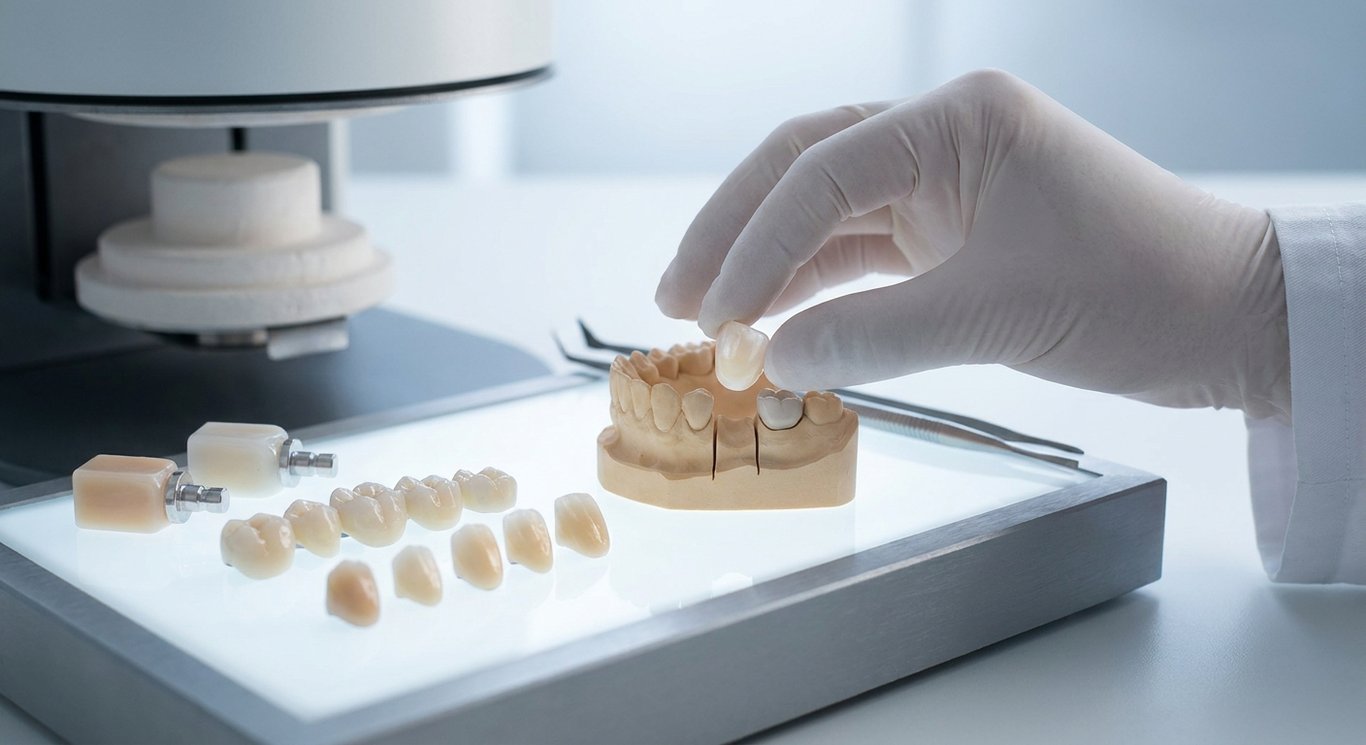
Lithium disilicate has earned a strong reputation in cosmetic and restorative dentistry because it strikes an impressive balance between strength, translucency, and lifelike aesthetics. Crowns made from this material — with e.max being one of the most widely recognized brands — can be pressed or milled into highly detailed shapes that closely replicate natural tooth structure. They transmit light in a way that looks genuinely natural, making them a top choice for front teeth and many premolars where both appearance and reasonable durability are needed. Dentists who do a lot of cosmetic work tend to reach for lithium disilicate often.
However, lithium disilicate does have its limits. It's not the strongest ceramic material available, and patients who clench or grind their teeth heavily may put more stress on these crowns than they're designed to handle. In situations involving very high bite forces — particularly on second molars — a dentist may recommend zirconia or even a metal crown instead. This isn't a knock on lithium disilicate; it simply means that every material has a clinical sweet spot, and using the right one in the right place is what produces lasting results. A good dentist will be upfront about when lithium disilicate is the ideal choice and when another material would serve the patient better.
Resin and Composite Crowns
Resin-based crowns offer a tooth-colored appearance at a generally lower cost than ceramic or metal options, which makes them appealing in certain situations. They're most commonly used as temporary crowns during the waiting period between tooth preparation and placement of the final restoration. In some cases, composite resin crowns may be used as longer-term or transitional restorations — for example, in younger patients whose teeth are still developing, or in situations where a more permanent solution is being planned down the road.
The trade-offs with resin crowns are significant and worth understanding clearly. Resin wears down faster than ceramic or metal, meaning the crown's shape and bite relationship can change over time. The material is also more prone to staining from coffee, tea, wine, and other pigmented foods and drinks. Fracture risk is higher than with most other crown materials, and the overall expected service life is shorter. For a permanent, long-term restoration on a tooth that needs to last for many years, most dentists will recommend a more durable material unless there's a specific clinical reason to choose resin. Resin crowns fill an important role in dentistry, but they're generally not the first choice for a definitive, long-lasting crown.
Digital Dentistry and Same-Day Crown Options
Digital dentistry has changed the crown process in meaningful ways. Instead of taking physical impressions with putty-like material, many dentists now use intraoral scanners to capture a precise 3D digital image of the prepared tooth and surrounding teeth. This digital scan can be used for computer-aided design (CAD) and computer-aided manufacturing (CAM) to plan and create the crown with a high degree of accuracy. The digital workflow also makes it easier to communicate with dental laboratories, share case details, and give patients a clearer picture of what their final restoration will look like.
Same-day crowns, often associated with systems like CEREC, take this technology further by milling the crown in-office during a single appointment. This eliminates the need for a temporary crown and a return visit, which is a genuine convenience for many patients. However, same-day milling has some limitations worth knowing about. The range of materials available for in-office milling may be narrower than what a dental laboratory can offer. Highly complex cases involving multiple crowns, precise shade matching, or challenging anatomy may benefit from the artistry and customization that an experienced dental laboratory technician can provide over several days. Same-day crowns are an excellent option for many patients, but they aren't automatically superior to traditionally fabricated laboratory crowns in every situation.
Comparing Crown Materials by Appearance, Strength, Cost, and Longevity
When comparing crown materials side by side, it helps to think in terms of trade-offs rather than looking for a single winner. Full-metal crowns lead in strength and durability but fall short on aesthetics. Porcelain-fused-to-metal crowns offer a reasonable balance but come with the risk of porcelain chipping and visible metal margins over time. All-ceramic crowns provide the best natural appearance but vary widely in strength depending on the formulation. Zirconia crowns excel in strength and are available in increasingly aesthetic versions, making them a versatile choice for many situations. Lithium disilicate offers outstanding aesthetics with good strength for moderate-force areas. Resin crowns are the most affordable but the least durable of the group. No single material wins across every category, which is exactly why material selection needs to be tailored to the individual.
Cost is another area where the differences between materials become very real. The price of a crown depends on the material itself, the complexity of the laboratory process, the geographic location of the dental practice, and the dentist's fees. Dental insurance coverage varies widely — some plans cover a portion of crown costs, while others have waiting periods, annual maximums, or specific material limitations. It's worth contacting your insurance provider before treatment to understand what's covered and what out-of-pocket cost to expect. In some cases, a dentist may recommend a specific material that isn't fully covered by insurance, and understanding the cost difference upfront helps patients make informed decisions.
Longevity is perhaps the most misunderstood aspect of crown selection. Patients often want a simple answer — "how long will this last?" — but the honest answer is that it depends on far more than the material. A well-fitted crown made from a durable material can still fail early if the patient grinds their teeth without a night guard, has poor oral hygiene, or eats a diet high in hard or sticky foods. Smoking affects gum health and can compromise how well a crown integrates with the surrounding tissue. Regular dental checkups allow the dentist to catch early signs of wear, looseness, or recurrent decay before they become bigger problems. The crown material matters, but it's one piece of a larger picture that includes how well the crown fits, how it's cared for, and how regularly the patient sees a dentist.
The Dental Crown Procedure: What Patients Should Expect
The crown process typically begins with a thorough examination. The dentist will take X-rays to assess the health of the tooth roots and surrounding bone, check for signs of infection, and evaluate how much healthy tooth structure remains. If there's decay present, it needs to be removed before anything else happens. In cases where the tooth has lost a significant amount of structure — due to decay, an old filling, or fracture — the dentist may build up the remaining tooth with a material called a core buildup to create a stable foundation for the crown. Once the tooth is ready, it's shaped and reduced to make room for the crown material, and then an impression or digital scan is taken to capture the precise shape needed for the restoration.
After the preparation appointment, most patients leave with a temporary crown protecting the tooth while the permanent one is being made. If the crown is being fabricated by a dental laboratory, this process typically takes one to three weeks. During that time, the dentist and lab technician work together on shade selection, shape, and any specific design considerations. Patients are usually advised to be gentle with the temporary crown — avoiding sticky or hard foods — since it's designed to be a short-term solution rather than a permanent one. The waiting period can feel a little anticlimactic, but the time spent on careful laboratory fabrication is what produces a well-fitting, natural-looking final result.
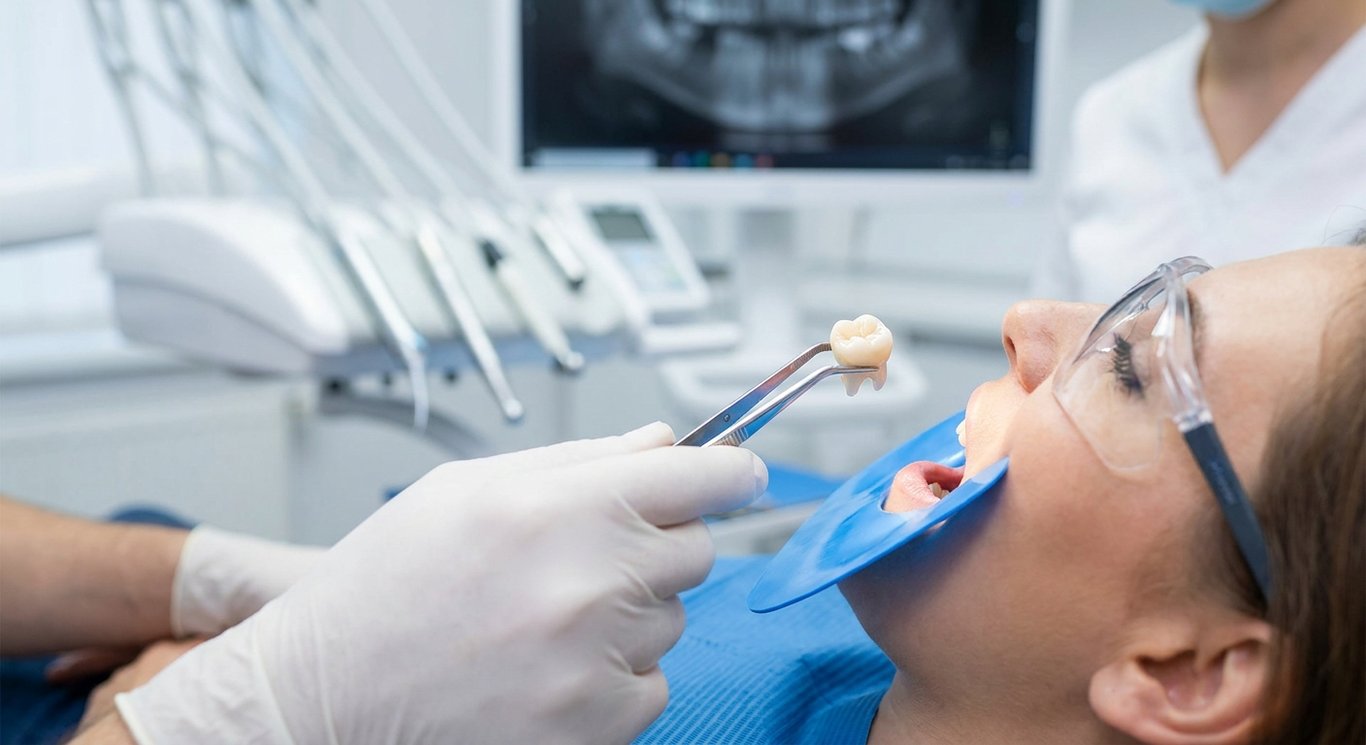
At the final appointment, the temporary crown is removed and the permanent crown is tried in before anything is cemented. The dentist checks the fit, the contact points with neighboring teeth, the bite relationship, and the appearance. Adjustments may be made at this stage. Once everything looks and feels right, the crown is cemented or bonded in place using a dental adhesive appropriate for the material. Patients are typically advised to watch for sensitivity in the days following placement, as some mild temperature sensitivity or bite awareness is normal. If sensitivity is sharp, prolonged, or accompanied by pain, that's a signal to call the dentist for an evaluation rather than waiting it out.
Benefits, Risks, and Possible Complications
The benefits of a well-placed dental crown are substantial. A crown protects a weakened or damaged tooth from further breakdown, which can mean the difference between keeping the tooth and losing it entirely. It restores full chewing function, allowing patients to eat comfortably without favoring one side of the mouth. For teeth in visible areas, a crown can dramatically improve appearance, especially when the original tooth was discolored, misshapen, or badly damaged. When the alternative is extraction, a crown that preserves a natural tooth is almost always the preferred option — natural teeth, when healthy, support the jawbone and surrounding teeth in ways that artificial replacements can't fully replicate.
In the short term, it's completely normal to experience some sensitivity to hot and cold temperatures after a crown is placed, particularly in the first few days. The gum tissue around the tooth may feel tender, and some patients notice a heightened awareness of the bite — the crown might feel slightly "high" or different than expected. Most of these sensations settle down within a week or two as the mouth adjusts. If the bite feels off after a few days, it's worth calling the dentist for a quick adjustment rather than assuming it will correct itself, since a consistently uneven bite can cause discomfort and strain on the jaw over time.
Less commonly, crowns can develop longer-term complications. A crown can become loose if the cement breaks down over time, especially if the fit wasn't ideal to begin with. Fracture is possible, particularly in ceramic crowns under heavy forces. Recurrent decay can develop at the margin where the crown meets the tooth if oral hygiene is poor or the fit isn't precise. Gum inflammation around a crown can occur if the crown's margin is too deep below the gumline or if plaque accumulates in that area. In rare cases, patients develop allergic reactions to crown materials, particularly certain metal alloys. And in some instances, a tooth that has been crowned may eventually need root canal treatment if the nerve becomes inflamed or infected. None of these outcomes are inevitable, but being aware of them helps patients recognize when something needs attention.
How to Care for Different Crown Materials
Caring for a crown isn't dramatically different from caring for natural teeth, but a few specific habits make a real difference in how long a crown lasts. Brushing twice daily with a fluoride toothpaste helps protect both the crown margins and the natural tooth underneath. Cleaning between the teeth — with floss, an interdental brush, or a water flosser — is especially important around crowned teeth because plaque buildup at the gumline can lead to decay at the crown's edge. Regular dental checkups allow the dentist to monitor the crown's condition, check for any loosening or wear, and catch problems early. It's also worth avoiding using crowned teeth as tools — opening packages, cracking nuts, or biting fingernails puts unnecessary stress on any crown material.
Patients who clench or grind their teeth have some additional considerations. Bruxism is one of the leading causes of premature crown failure, and a custom-fitted night guard can protect both the crown and the opposing teeth from excessive wear. The dentist may also want to monitor the bite more frequently in these patients to catch any changes early. Diet plays a role too — very hard foods like ice or hard candies can stress ceramic crowns, and sticky foods can potentially dislodge a crown that's beginning to loosen. If a crown ever feels loose, develops a sharp pain, chips, or causes persistent sensitivity, prompt evaluation is important. Catching a problem early almost always leads to a simpler and less costly solution than waiting until the situation worsens.
Questions to Ask Before Choosing a Crown Material
Going into a crown consultation with a list of questions puts you in a much better position to make an informed decision. Start with the clinical basics: which materials are appropriate for this specific tooth, and why? How much natural tooth structure will need to be removed for the recommended material? What is the expected lifespan of the crown under normal conditions? And how will the crown material interact with the opposing teeth — will it cause wear on the natural tooth it bites against? These questions help you understand not just what the dentist recommends, but the reasoning behind that recommendation.
From there, it's entirely reasonable to ask about the financial and practical side of things. What is the total cost, and does that include any additional procedures like a core buildup? What does your insurance cover, and is there a difference in coverage between materials? Does the dental practice offer any warranty or replacement policy if the crown fails within a certain timeframe? Is the crown being made by an in-house milling machine or sent to an outside laboratory, and what does that mean for customization and quality? Are there alternative materials worth considering, and what are the trade-offs? Finally, how much experience does the dentist have with the recommended material? These aren't aggressive questions — they're the kind of informed questions that any good dentist will be happy to answer.
Frequently Asked Questions About Modern Dental Crown Materials
What Is the Strongest Material for a Dental Crown?
Full-metal alloys and zirconia are generally considered the strongest options for dental crowns. Metal crowns — particularly those made from gold alloys — have an exceptional track record for durability and resistance to fracture, especially in high-force molar areas. Zirconia, particularly monolithic zirconia, offers comparable strength with the advantage of a tooth-colored appearance. That said, "strongest" doesn't automatically mean "best for your situation." The right choice depends on the tooth's location, the amount of available space, the patient's bite forces, aesthetic priorities, and whether grinding is a factor. A strong material placed in the wrong situation still won't perform as well as a well-chosen material placed correctly.
Which Dental Crown Looks Most Like a Natural Tooth?
High-quality all-ceramic crowns, lithium disilicate crowns, and newer high-translucency zirconia crowns can all produce remarkably natural-looking results. Lithium disilicate in particular is often praised for its ability to mimic the light transmission and depth of natural enamel. However, the material is only part of the equation. The skill of the dental laboratory technician in matching shade, shape, and surface texture, the contour of the gum tissue around the crown, and the precision of the placement all influence how natural the final result looks. A beautifully crafted crown placed with care will always look more natural than the same material placed without attention to those details.
How Long Do Dental Crowns Usually Last?
Dental crowns can last many years — often a decade or more — but it would be misleading to promise a specific number as a guarantee. Longevity depends on a combination of factors: the material chosen, how well the crown fits, the location of the tooth, the forces it's subjected to, whether the patient grinds or clenches, oral hygiene habits, diet, smoking status, and how consistently the patient attends dental checkups. A crown that's well-made, well-fitted, and well-cared-for has a much better chance of lasting a long time than one that's subjected to heavy grinding without protection or neglected in terms of hygiene. Regular professional monitoring is one of the most reliable ways to extend a crown's useful life.
Are Zirconia Crowns Better Than Porcelain Crowns?
Neither zirconia nor porcelain is universally better — they each have strengths that make them more suitable for different situations. Zirconia has a clear advantage in strength, making it a strong contender for back teeth and patients with heavy bite forces. It also eliminates the chipping risk associated with porcelain layered over metal. On the other hand, certain all-ceramic and lithium disilicate options can offer superior translucency and a more lifelike appearance for highly visible front teeth where aesthetics are the primary concern. The best material is the one that fits the clinical situation, the patient's priorities, and the dentist's assessment — not the one with the most marketing behind it.
Can a Dental Crown Cause Sensitivity or Problems With the Bite?
Yes, some sensitivity and bite awareness after crown placement is fairly common and usually temporary. The tooth may be sensitive to temperature changes for a few days to a couple of weeks as the surrounding tissue settles. A slight sense that the bite feels different is also normal immediately after placement. However, if sensitivity is sharp, lingers long after the stimulus is removed, or gets worse over time rather than better, that warrants a call to the dentist. Similarly, if the bite consistently feels uneven or uncomfortable after the first week or two, a simple adjustment can often resolve it. Persistent pain, pressure sensitivity, or a bite that never feels right are signs that something needs professional attention — not something to push through and hope improves on its own.
Conclusion: Choosing a Crown That Fits Your Smile and Your Needs
Modern dentistry offers more crown options than ever before, and that's genuinely good news for patients. Whether you're looking at full-metal alloys for maximum durability, porcelain-fused-to-metal for a proven combination of strength and appearance, all-ceramic or lithium disilicate for the most natural look, zirconia for strength with a tooth-colored finish, or resin for a transitional solution, each material brings its own set of trade-offs. Strength, aesthetics, durability, cost, and how much natural tooth needs to be removed all factor into the decision. Understanding these trade-offs doesn't make you a dentist, but it does make you a better-informed patient — and that matters.
This guide is a starting point, not a substitute for professional advice. Every mouth is different, and the crown material that's right for your neighbor or your coworker may not be the right choice for you. Use what you've learned here to walk into your dental consultation with better questions and a clearer sense of your priorities. Ask about the options, understand the reasoning, and work with your dentist to find the material that fits your tooth, your bite, your lifestyle, and your budget. If you're ready to explore your crown options, schedule a consultation with a qualified dentist and bring your questions — the best crown for your smile is the one chosen with care, knowledge, and the right professional guidance.