What Are the Different Types of Dentists?
Published 10 min read

Introduction to Dental Specialties
Dentists are medical professionals dedicated to maintaining the health of your teeth, gums, and mouth, but the field goes far beyond just filling cavities. While all dentists complete dental school, the National Commission on Recognition of Dental Specialties and Certifying Boards (NCRDSCB) currently recognizes 12 specific dental specialties. These distinct areas of dentistry ensure that patients receive expert care for complex issues ranging from crooked teeth to oral surgery. Understanding these roles is the first step toward achieving optimal oral health.
The primary difference between a general dentist and a specialist lies in their level of education and training. A general dentist earns a Doctor of Dental Surgery (DDS) or Doctor of Dental Medicine (DMD) degree, qualifying them to practice general dentistry. However, specialists must undergo additional years of postgraduate training, known as a residency, to master a specific area of oral health. This advanced education allows them to perform complex procedures that go beyond the scope of routine dental care.
Knowing the different types of dentists matters because it helps you seek the most appropriate treatment for your specific needs. While a general dentist is your primary care provider for oral health, they often act as a gateway to other experts. For instance, if you have a complicated root canal or severe gum disease, your general dentist will likely refer you to a specialist who deals exclusively with those problems. Consequently, understanding who does what can save you time and ensure you get the best possible outcome.
General Dentists
General dentists are the most common dental care providers and typically serve as your first point of contact for oral health. They are responsible for comprehensive routine care, which includes regular exams, professional cleanings, fillings, and preventive education. By monitoring your oral hygiene and catching problems early, general dentists play a crucial role in preventing minor issues from turning into major health concerns.
Although general dentists are highly trained to handle a wide variety of procedures, they recognize when a patient requires more focused expertise. Their foundational training covers all aspects of dentistry, but they often refer patients to specialists for complex cases. Therefore, maintaining a relationship with a general dentist is essential, as they coordinate your overall care and guide you to the right expert when necessary.
Pediatric Dentists (Pedodontists)
Pediatric dentists specialize in the oral health of children, ranging from infants to adolescents, as well as individuals with special needs. These specialists receive extra training in child psychology and development, allowing them to create a comfortable and non-threatening environment for young patients. Their goal is to build a positive association with dental visits early on, ensuring that children grow up with healthy habits and without dental anxiety.
Beyond making children feel safe, pediatric dentists focus on specific developmental issues and preventive care. Common procedures in this field include applying sealants to prevent decay, fitting space maintainers if a baby tooth is lost too early, and treating cavities in primary teeth. Furthermore, they provide guidance to parents on thumb-sucking habits and nutrition, offering a comprehensive approach to a growing child's oral well-being.
Orthodontists
Orthodontists are the specialists you see when you need to correct the alignment of your teeth and jaws. They focus on diagnosing, preventing, and treating malocclusion, which is the technical term for a "bad bite." Having straight teeth is not just about a pretty smile; proper alignment helps improve biting, chewing, and speech, while also making teeth easier to clean.
To achieve these results, orthodontists use a variety of appliances to move teeth into their ideal positions over time. The most common treatments include traditional metal braces and clear aligners, but they also utilize retainers and headgear. In more severe cases involving jaw irregularities, an orthodontist will work closely with an oral surgeon to plan corrective jaw surgery, ensuring both function and aesthetics are restored.
Endodontists
Endodontists are highly specialized dentists who focus on the soft tissues inside the tooth, known as the dental pulp, as well as the nerves and roots. When a tooth becomes infected or injured due to deep decay or trauma, the inner pulp can become inflamed and painful. Endodontists are essentially experts in saving natural teeth that might otherwise need to be extracted.
The most common procedure performed by an endodontist is root canal therapy, where they remove the infected pulp, clean the inside of the tooth, and seal it. Because they limit their practice to endodontic treatments, they are incredibly precise and efficient at managing pain and infection. Additionally, they are trained to handle complex cases, such as cracked teeth or previously treated root canals that have failed to heal properly.
Periodontists
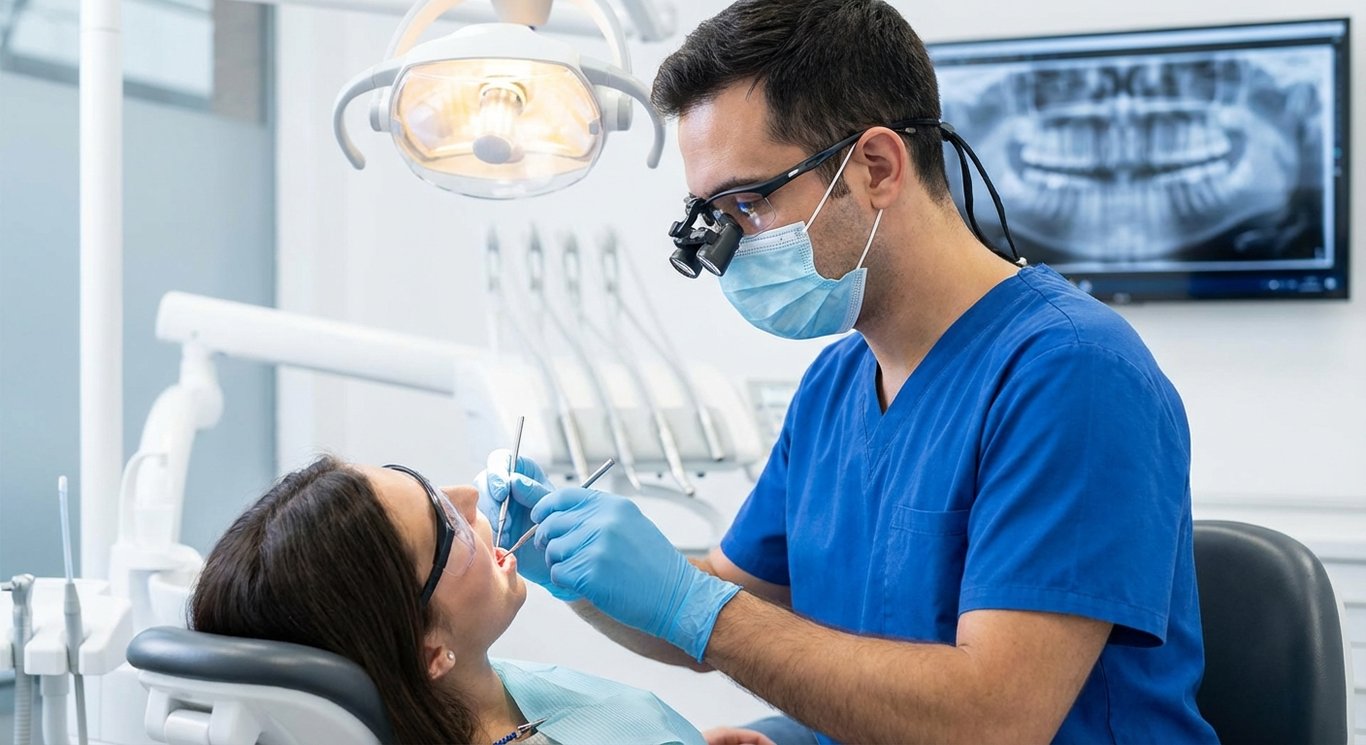
Periodontists are the experts dedicated to the health of the gums and the bone structure that supports your teeth. They focus on the prevention, diagnosis, and treatment of periodontal disease, which is a serious gum infection that can lead to tooth loss. If you notice persistent bleeding, swollen gums, or loose teeth, a periodontist is the specialist best equipped to manage the condition.
Treatment plans provided by periodontists can range from non-surgical options to advanced surgical procedures. They frequently perform deep cleanings known as scaling and root planing to remove tartar from below the gum line. For more advanced issues, they perform gum grafts to repair receding gums or place dental implants to replace missing teeth, ensuring the foundation of your smile remains strong.
Oral and Maxillofacial Surgeons
Oral and maxillofacial surgeons are the surgical specialists of the dental world, trained to operate on the mouth, jaws, and face. They handle complex medical and dental conditions that involve the hard and soft tissues of the head and neck region. Their extensive training often includes hospital-based residency programs, bridging the gap between dentistry and medicine.
These surgeons perform a wide array of procedures to treat diseases, injuries, and defects. Common surgeries include the extraction of impacted wisdom teeth, placement of dental implants, and corrective jaw surgery to fix alignment issues. Additionally, they are the experts called upon to treat facial trauma, remove tumors or cysts from the jaw, and perform reconstructive surgery for congenital issues like cleft lip and palate.
Prosthodontists
Prosthodontists are specialized dentists who focus on the restoration and replacement of missing teeth and other oral structures. You can think of them as the "architects" of dentistry, as they design treatment plans to restore optimal function and appearance to a patient's smile. They often handle the most complex dental restoration cases that require a high level of detail and aesthetic skill.
To rebuild a smile, prosthodontists utilize a variety of artificial replacements. Their toolkit includes crowns, bridges, and full or partial dentures to replace missing teeth. Furthermore, they are experts in placing veneers for cosmetic improvements and restoring dental implants, ensuring that the final result looks natural and functions just like real teeth.
Other Recognized Dental Specialties
Dental Anesthesiology
Dental anesthesiologists specialize in managing pain and anxiety through the use of advanced sedation and general anesthesia. They play a critical role in ensuring patient safety and comfort during complex oral surgeries or for patients who experience severe dental phobia or have special healthcare needs.
Oral and Maxillofacial Pathology
This specialty focuses on the nature, identification, and management of diseases affecting the oral and maxillofacial regions. Oral pathologists investigate the causes of diseases by examining tissue samples, often performing biopsies to diagnose conditions like oral cancer or other suspicious lesions in the mouth.
Oral Medicine and Orofacial Pain
Specialists in oral medicine and orofacial pain manage the oral healthcare of patients with medically complex conditions and diagnose chronic pain disorders. They treat non-surgical issues such as temporomandibular joint (TMJ) disorders, burning mouth syndrome, and oral manifestations of systemic diseases.
Additional Specialties like Public Health and Radiology
There are other vital specialties including Dental Public Health, which focuses on preventing disease and promoting oral health at a community level rather than individually. Additionally, Oral and Maxillofacial Radiology involves the production and interpretation of diagnostic images, such as CT scans and MRIs, to help diagnose specific craniofacial conditions.
Cosmetic Dentistry: Not a Formal Specialty
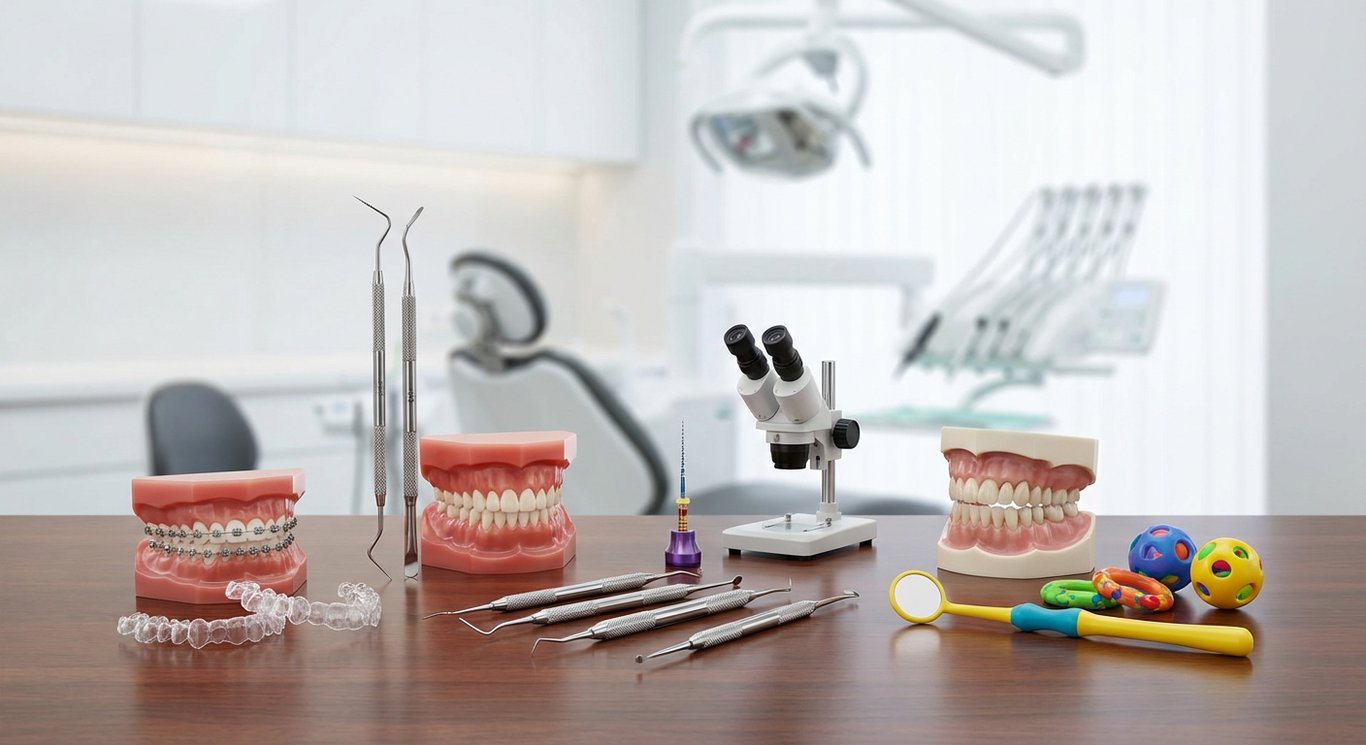
It is important to note that "cosmetic dentistry" is not currently recognized as a formal specialty by the NCRDSCB. Instead, cosmetic procedures are typically performed by general dentists or prosthodontists who have pursued additional training in aesthetics. While many dentists market themselves as cosmetic dentists, this title refers to the focus of their practice rather than a specific board certification.
Despite not being a separate specialty, cosmetic dentistry is highly popular for patients looking to improve the appearance of their smile. Common procedures falling under this umbrella include professional teeth whitening, dental bonding, and the application of porcelain veneers. If you are interested in these services, look for a dentist with a proven track record and a portfolio of before-and-after photos.
How to Choose the Right Type of Dentist
Choosing the right dentist begins with scheduling a visit to a general dentist for a comprehensive evaluation. Because general dentists are trained to diagnose a wide range of issues, they can handle most routine care and identify when a specialist is needed. If you have a specific problem, such as a toothache or crooked teeth, your general dentist will act as a trusted advisor and provide a referral to the appropriate expert.
When selecting a dentist, consider factors such as your age, specific symptoms, and long-term oral health goals. For example, if you have young children, a pediatric dentist is the best choice for monitoring their development. Conversely, if you are experiencing complex gum issues or need extensive restorative work, seeking out a periodontist or prosthodontist directly may be beneficial.
Finally, do not hesitate to ask questions about a dentist's qualifications and experience before committing to treatment. You should ask if they are board-certified in their specialty, as this indicates they have met rigorous educational and testing standards. Verifying their credentials ensures that you are placing your oral health in the hands of a qualified professional who is up-to-date with the latest treatments.
Conclusion
In summary, the field of dentistry is vast, comprising 12 recognized specialties designed to address every aspect of oral health. From general dentists who manage routine care to surgeons and orthodontists who correct complex structural issues, there is a specialist for every need. Understanding these distinctions empowers you to make informed decisions, ensuring that you and your family receive the most effective and safe treatment possible.
If you are unsure about which specialist you need, consult your general dentist to identify the right path for your oral health needs in this complete guide to dentist types. They can assess your situation and guide you to the perfect provider. Don't wait until a small issue becomes a big problem—schedule a check-up today for personalized advice and a healthier smile.
Frequently Asked Questions (FAQ)
What are the 12 recognized dental specialties?
The 12 specialties recognized by the NCRDSCB include Dental Anesthesiology, Endodontics, Oral and Maxillofacial Pathology, Oral and Maxillofacial Radiology, Oral and Maxillofacial Surgery, Orthodontics and Dentofacial Orthopedics, Pediatric Dentistry, Periodontics, Prosthodontics, Oral Medicine, Orofacial Pain, and Dental Public Health.
What is the difference between a DDS and DMD?
Both are general dental degrees; DDS is Doctor of Dental Surgery, DMD is Doctor of Dental Medicine—equivalent training and qualifications.
Do I need a specialist or can a general dentist handle it?
General dentists manage routine care and refer to specialists for complex issues like root canals (endodontist) or braces (orthodontist).
What is the highest-paid dental specialty?
Oral and maxillofacial surgery typically pays the most due to complex procedures like jaw surgery and implants.
When should I see a pediatric dentist?
For infants through adolescents, especially for developmental issues, special needs, or preventive care.