Water Flossers vs. Traditional Floss: A Balanced Comparison
Published 14 min read
What Are Water Flossers and How Do They Work?
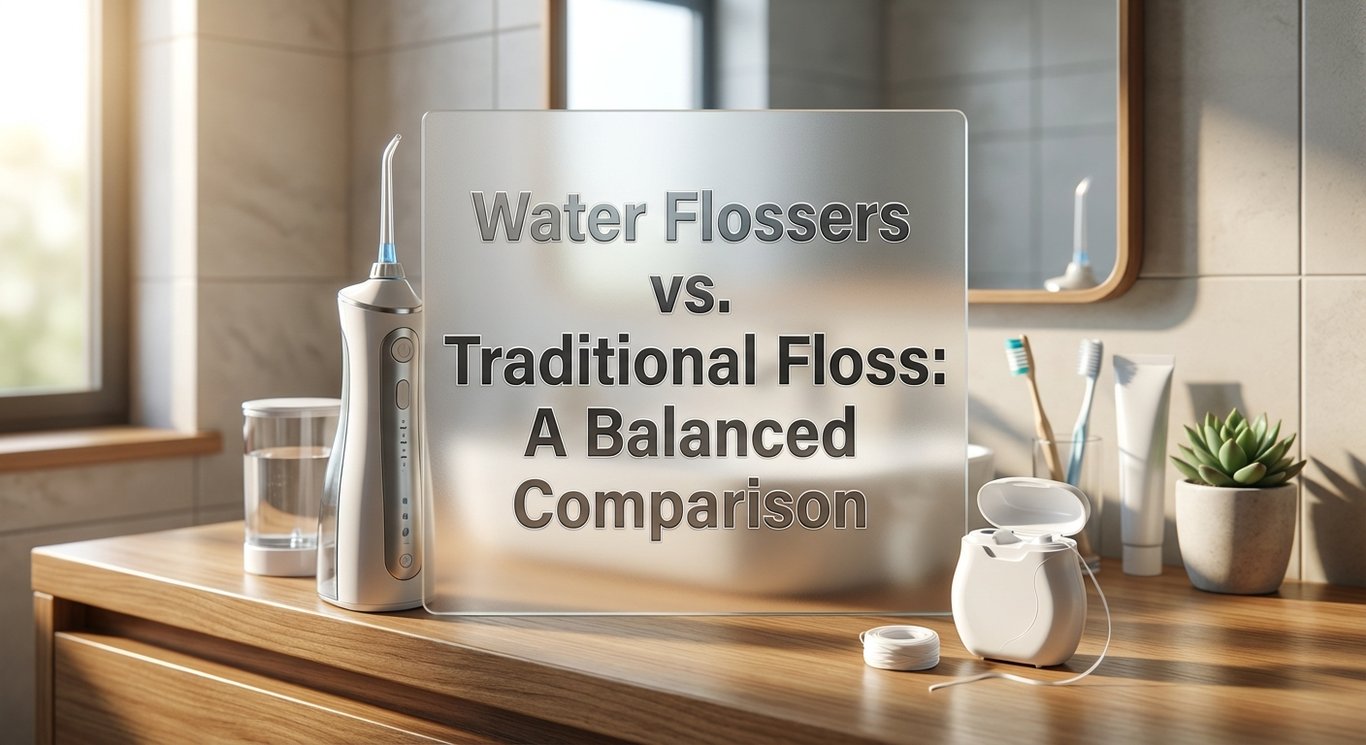
Water flossers, often called oral irrigators or dental water jets, are innovative devices designed to clean between your teeth and along the gumline using a pressurized stream of water. By delivering a targeted pulse of water at pressures typically ranging from 50 to 90 psi, these handy gadgets effectively disrupt plaque and flush away trapped food debris. This pulsating action acts like a miniature power washer for your mouth, reaching areas that a regular toothbrush might easily miss. Ultimately, this pressurized mechanism provides a refreshing and thorough way to maintain a clean oral environment.
When shopping for a water flosser, you will generally encounter two common types: countertop models that require an electrical outlet and a larger water reservoir, and cordless, portable versions that run on batteries. Regardless of the model you choose, the technique remains largely the same, requiring you to aim the flosser tip at a 90-degree angle to your teeth and trace along the gumline. Mastering this simple angle ensures the water stream effectively sweeps away hidden grime without irritating your delicate tissues. Moving forward, it is helpful to see how this modern technology stacks up against the classic string floss we all grew up with.
Understanding Traditional Flossing
Traditional flossing relies on a thin string made of nylon or Teflon to physically scrape away plaque and food particles from the tight spaces between your teeth. To do this correctly, you must slide the string gently between the teeth and curve it into a C-shape against the side of each tooth. This mechanical scraping action physically dislodges sticky bacterial films that water alone might leave behind. Because it relies on direct friction, traditional string floss remains a powerhouse for physically lifting stubborn buildup.
However, to reap the full benefits of traditional floss, you need proper technique and a fair amount of manual dexterity. When done correctly, this direct contact with the tooth surfaces plays a crucial role in preventing cavities and keeping gum disease at bay. Unfortunately, many people struggle to maneuver the string effectively, which can lead to missed spots or accidental gum damage. This precise requirement for manual skill is exactly why many people start looking for alternative cleaning methods.
How Effective Are Water Flossers at Removing Plaque?
When it comes to tackling plaque, clinical trials show that water flossers hold their own surprisingly well against traditional methods. Studies have revealed that a single use of a water flosser can reduce plaque by an impressive 87.23%, which is highly comparable to the 89.09% reduction achieved by traditional string floss. This means that a stream of water is nearly as effective at washing away that sticky bacterial film as physically scraping it. These promising numbers give water flosser users a great deal of confidence in their daily routine.
Furthermore, several studies indicate that water flossers can match or even exceed the interdental plaque removal of string floss in certain situations. This is especially true for individuals who have limited manual dexterity or wear orthodontic appliances like braces, which make traditional flossing incredibly difficult. For these folks, the water jet easily navigates around wires and brackets to blast away hidden plaque. Consequently, the water flosser proves to be a highly effective equalizer for those who struggle with standard dental string.
Despite these impressive results, water flossers do come with a few notable limitations regarding plaque removal. The main drawback is that a stream of water cannot fully replicate the rigorous scraping action of string floss, which is sometimes necessary to remove the stubborn plaque that hardens into tartar. If that sticky film isn't physically wiped away, it can eventually calcify and require a professional dental cleaning. Therefore, while water flossers are highly effective, they might leave behind trace amounts of the toughest plaque.
Water Flossers and Gum Health: Benefits for Gingivitis
If you struggle with inflamed or bleeding gums, water flossers offer some incredible benefits for managing gingivitis. Clinical evidence suggests that water flossers can actually reduce gingivitis by 51% more than standard string floss in some studies, leading to noticeable improvements in gum bleeding symptoms. The pulsating water not only cleans the area but also massages the gum tissue, promoting better circulation and healing. As a result, many users notice a significant reduction in pink spit in the sink after making the switch.
Beyond just treating gingivitis, water flossers provide distinct advantages for people with sensitive gums, deep gum pockets, or areas around dental braces. Because these devices feature adjustable pressure settings, you can customize the flow to be much gentler on tender tissues than a harsh piece of string. The liquid stream easily flushes out bacteria hiding deep within periodontal pockets where normal floss simply cannot reach. This gentle yet deep-cleaning capability makes water flossers a fantastic tool for specialized gum care.
Pros and Cons of Water Flossers
Water flossers boast a variety of appealing pros, starting with their overall ease of use and the minimal technique required to operate them. They are incredibly effective at cleaning around complex dental work like crowns, bridges, and braces, saving users a lot of frustration. Additionally, the adjustable water pressure makes them wonderfully gentle on the gums, reducing the risk of accidental cuts or bleeding. These user-friendly benefits make them a highly attractive option for anyone tired of wrestling with string.
On the flip side, there are some distinct cons to consider, primarily regarding the initial investment and upkeep. Water flossers generally come with a higher price tag, often ranging from $30 to well over $100, and they require access to electricity and water to function. Furthermore, these devices demand regular maintenance and cleaning to prevent mold and bacteria from building up inside the reservoir and tubes. The bulky nature of countertop models also means they take up valuable real estate on your bathroom vanity.
Another important factor to weigh is the issue of portability compared to the unmatched convenience of traditional floss. While you can easily toss a tiny container of string floss into your pocket or purse for travel, even the most compact cordless water flossers take up significant luggage space. You also have to worry about keeping the battery charged or finding an outlet while on the road. For frequent travelers, this lack of easy portability can be a major deciding factor.
Pros and Cons of Traditional Flossing
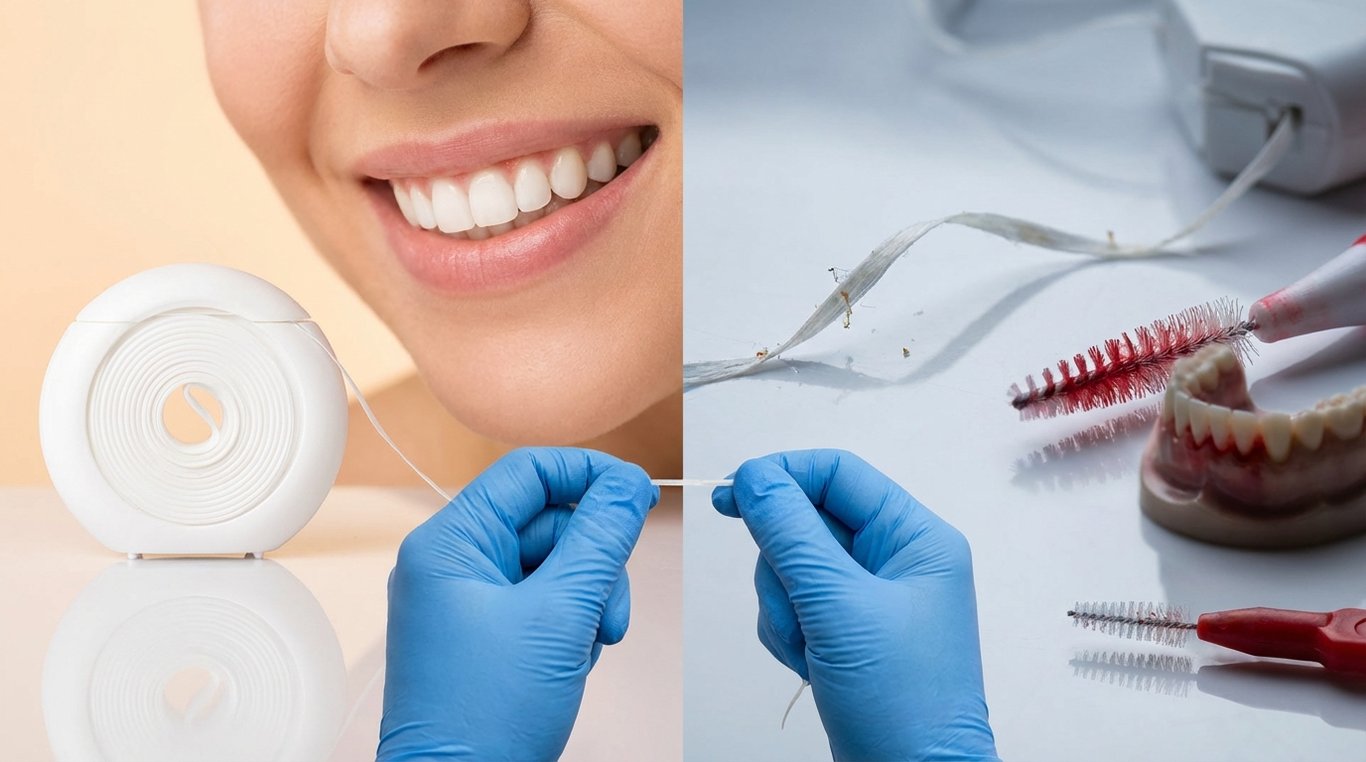
Traditional flossing has stood the test of time for good reason, offering pros like superior plaque scraping in the tightest of spaces. It is incredibly low cost, highly portable, and requires absolutely zero maintenance or charging to use. You can easily keep a spool in your desk drawer, your car, or your pocket for a quick post-meal cleanup wherever you are. This unmatched simplicity and physical cleaning power make it a staple in dental hygiene.
Nevertheless, string floss has its fair share of cons, particularly the difficulty some users face in mastering the correct C-shape technique. Improper use can easily lead to painful gum irritation, bleeding, or even accidental damage to the delicate gum tissue. Additionally, reaching the very back teeth or navigating around orthodontic appliances can feel like an impossible chore with a simple piece of string. These challenges often lead to inconsistent flossing habits, paving the way for alternative solutions.
Are Water Flossers a Complete Replacement for String Floss?
When deciding whether to ditch the string entirely, evidence from authoritative sources like the Mayo Clinic and Oral-B suggests that water flossers are not recommended as a full replacement. Dental professionals emphasize that water jets, while excellent at flushing out debris, simply lack the physical scraping action needed to wipe away sticky plaque completely. Think of it like washing a dirty car; a hose removes the loose dirt, but you still need a sponge to wipe away the stuck-on grime. Because of this missing friction, relying solely on a water flosser might leave your teeth vulnerable to tartar buildup.
That being said, there are specific scenarios where water flossers serve as highly suitable alternatives to string floss. For individuals navigating the complex wires of braces, those suffering from poor manual dexterity due to arthritis, or people with highly sensitive gums, a water flosser is vastly better than not flossing at all. In these cases, the benefits of consistent water flossing far outweigh the struggles and potential failures of using traditional string. It is all about finding the tool that you will actually use on a daily basis.
For the ultimate oral hygiene routine, the general consensus among dental experts is to combine both methods rather than choosing just one. Using string floss to scrape the tooth surfaces and following up with a water flosser to flush out the loosened debris and massage the gums provides a comprehensive clean. This dual approach ensures you get the mechanical scraping of the string and the deep-reaching flush of the water jet. By teaming them up, you can achieve a level of cleanliness that rivals a professional dental visit.
Who Should Choose Water Flossers Over Traditional Floss?
Water flossers are the ideal choice for a specific subset of users who find traditional flossing painful or practically impossible. If you have braces, bridges, dental implants, arthritis, or extremely sensitive gums, a water flosser can completely transform your daily routine. The pressurized water effortlessly navigates around dental hardware and provides a soothing clean without requiring complex hand maneuvers. For these individuals, upgrading to a water-based device is often a massive relief.
Conversely, traditional floss remains the advised choice for most people who prioritize cost, portability, and precise plaque scraping. If you have healthy gums, normal dexterity, and a tight budget, the classic string provides everything you need to keep cavities at bay. It is quick, efficient, and fits perfectly into a busy, on-the-go lifestyle. Ultimately, if you can master the string without issue, it remains the gold standard for basic interdental cleaning.
Cost Comparison: Water Flossers vs. Traditional Floss
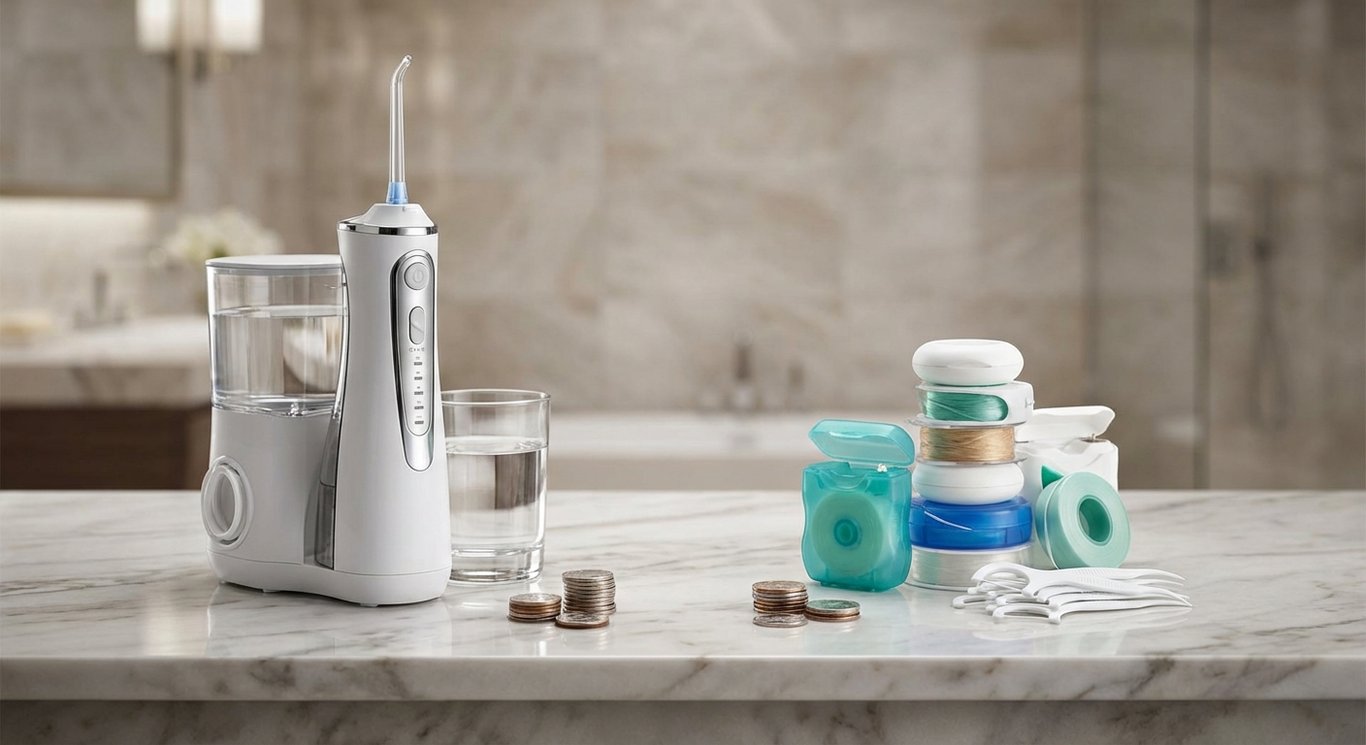
When comparing costs, the upfront expense of these two methods is drastically different. Water flossers require a noticeable initial investment, typically ranging from $30 to $100 or more, plus the occasional cost of replacement tips and cleaning supplies. In stark contrast, a standard spool of traditional floss is incredibly inexpensive, usually costing only a few dollars at the local pharmacy. This makes string floss the clear winner for anyone looking for an immediate, budget-friendly option.
However, evaluating the long-term value paints a slightly different picture for dedicated users. While traditional floss requires constant repurchasing month after month, a high-quality water flosser is a reusable device that can last for years with proper care. Over a long enough timeline, the ongoing cost of buying string floss will eventually add up, making the water flosser a reasonable long-term investment. Both options offer great value, but they cater to different budgeting preferences.
Best Practices for Using Water Flossers
To get the most out of your water flosser, following a few simple best practices can make a world of difference. Always aim the tip at a 90-degree angle to your gumline, and if you are a beginner, be sure to start on the lowest pressure setting to avoid surprising your gums. For optimal results, make it a habit to use the device daily, ideally right after brushing, to flush out anything your toothbrush left behind. Mastering these basic tips ensures a comfortable and highly effective cleaning session.
Equally important is the routine maintenance of the device itself to keep it safe and sanitary. You must stress cleaning the water reservoir and internal tubes regularly to avoid the buildup of mold, hard water deposits, or harmful bacteria. Simply running a mixture of warm water and a little white vinegar through the system once a month can keep it fresh and hygienic. Proper upkeep guarantees your device continues to promote oral health rather than hindering it.
Expert Recommendations from Dentists and Studies
Leading dental authorities, including the Mayo Clinic, Colgate, and Oral-B, generally view water flossers and string floss as highly effective tools, but they maintain strict views on how they should be used. These experts acknowledge the equivalence of water flossers in reducing gingivitis and flushing debris, but they explicitly warn against using them as a total replacement for the scraping action of string. They advocate for a balanced approach, recognizing the unique strengths of each method. This unified expert stance helps guide consumers toward better, more realistic dental habits.
Supporting this balanced view, numerous clinical studies offer data-backed recommendations for specific dental cases. Research highlights that water flossers are undeniably superior for patients with braces or specialized dental implants who cannot use standard string effectively. These scientific studies validate the water flosser not just as a trendy gadget, but as a medically supported tool for specialized oral care. Consequently, science and expert opinion agree that water flossers hold a valuable, though specific, place in modern dentistry.
Conclusion
To recap, water flossers are incredibly innovative tools that have proven to be just as effective as traditional floss for overall plaque removal and gingivitis reduction in many studies. However, because they fundamentally lack the physical scraping action required to wipe away stubborn, sticky plaque, they are best viewed as a fantastic complement rather than a full replacement. By understanding the science behind how they work, you can set realistic expectations for your daily hygiene routine. Ultimately, a water flosser is a powerful ally in the fight against tooth decay.
The key takeaways from this comparison highlight the unique strengths of both flossing methods. Water flossers truly excel when it comes to improving gum health, offering ease of use, and accommodating special dental needs like braces or implants. On the other hand, traditional string floss easily wins out regarding low cost, ultimate portability, and precise physical scraping. Because each method covers the other's blind spots, the absolute best results come from incorporating both into your nightly routine.
If you are ready to upgrade your smile, take the time to consult your dentist to determine if a water flosser suits your specific needs as a replacement or an addition to traditional floss. Every mouth is different, and professional guidance can help you make the best investment for your oral care. Don't hesitate to try a water flosser if you currently struggle with string flossing; taking that step could lead to significantly better oral health today.
Frequently Asked Questions (FAQ)
1. Can water flossers completely replace traditional floss?
No, most experts like Oral-B and the Mayo Clinic recommend not fully replacing string floss with a water flosser. While water jets are excellent at flushing out debris, string floss provides a unique and necessary physical scraping action to remove sticky plaque from the tooth surface. For the absolute best results and a truly comprehensive clean, it is highly recommended to use both methods together.
2. Are water flossers better for gums than string floss?
Yes, multiple studies show that water flossers can actually reduce gingivitis and gum bleeding more effectively than traditional string. The gentle, pulsating pressure of the water massages the gum tissue and flushes out bacteria without the harsh friction that sometimes causes irritation. This makes them an especially fantastic option for anyone dealing with sensitive or easily inflamed gums.
3. Do water flossers remove as much plaque as traditional floss?
Clinical trials confirm that the single-use efficacy of water flossers is highly comparable to string floss, boasting an impressive 87% to 89% reduction in plaque. However, traditional string floss may still edge out the water jet when it comes to physically scraping stubborn plaque out of exceptionally tight spaces between crowded teeth. Both tools are highly effective, but they tackle plaque in slightly different ways.
4. Are water flossers worth the higher cost?
For individuals with braces, dental bridges, or manual dexterity issues like arthritis, a water flosser is absolutely worth the higher cost as a long-term investment in their oral health. The ease of use and superior cleaning around hardware easily justifies the price tag for these users. Otherwise, for those with normal dexterity and a tight budget, affordable string floss suffices perfectly for daily maintenance.
5. How often should you use a water flosser?
You should aim to use your water flosser daily, ideally right after brushing your teeth, to achieve the best results. Operating the device at an appropriate, comfortable pressure setting for about one minute is generally enough to maintain excellent plaque control and promote healthy gums. Consistency is key, so making it a regular part of your nighttime routine will yield the greatest benefits.